

"M" for Mexico (part 8)
Mexican cuisine
Posted by: Maria in August 2024 (2 years, 3 months ago)
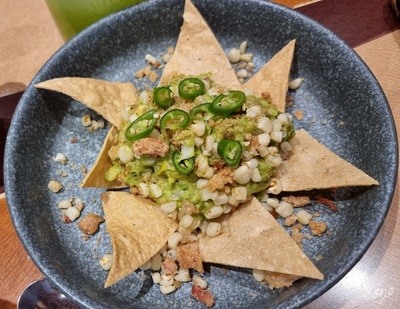
Mexico is, of course, the Mexican cuisine!
The country is a whole new world to discover for the foodies that we certainly are, and that you may be as well! If you think that you have tasted it all, just go to Mexico and you will immediately be proven wrong!
Mexico City was the place where we had our first encounter with REAL Mexican food. We used to eat a lot of “Mexican” food in the US, until we were told by an American friend of ours that the Mexican food you find in the US and other countries in the world is actually Tex-Mex (short for Texan-Mexican fusion cuisine) and has nothing to do with the authentic Mexican food you will find in Mexico! Except perhaps sharing some of the ingredients…
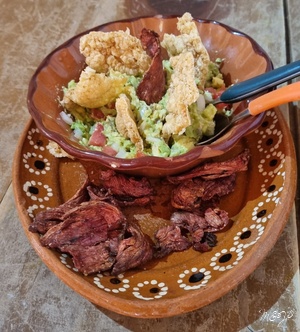
Mexico’s capital city was the place where we tried for the first time some legit tacos - these delicious small hand-sized corn or wheat-based tortillas, topped with a filling, then folded around it and eaten by hand... It was pure deliciousness!
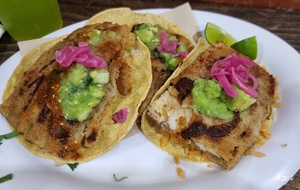
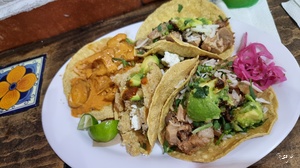
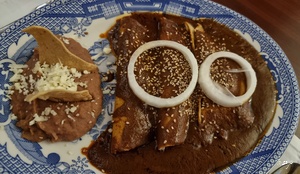
Also a first were the enchiladas - the mouth-watering corn tortillas, rolled around a filling of various ingredients, including meat, cheese, beans, potatoes, vegetables, or combinations of them, and covered with a chilli, tomato or cheese-based sauce.
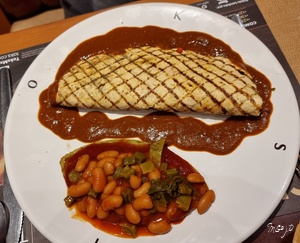
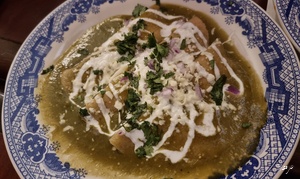
And then we discovered the quesadillas... These tortillas, filled primarily with cheese, vegetables and sometimes meat, spices and other fillings, and then cooked on a griddle or stove, were so crunchy and flavourful.
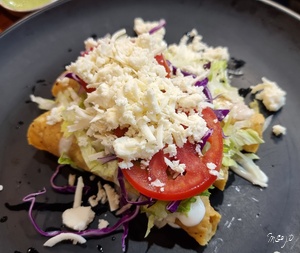
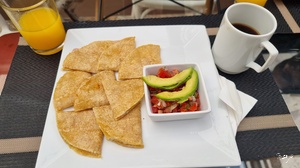
Try those, filled with local flavours of squash flowers or corn fungus!
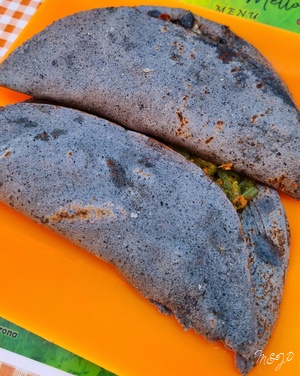
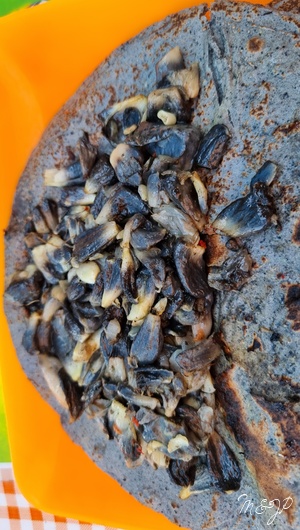
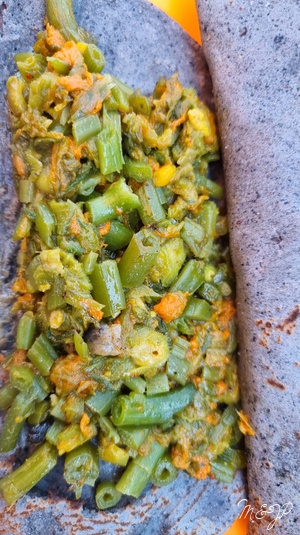
At first, the enfrijoladas looked the same to us as the enchiladas, but we found out that instead of a chilli, tomato or cheese-based sauce, they were covered with a flavorful black bean (frijol) sauce.
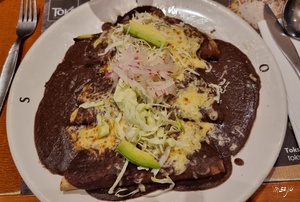
And of course there was the guacamole - part of almost each of our meals in Mexico - which does not need an introduction, but sometimes came up with a surprise.
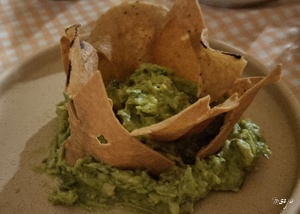
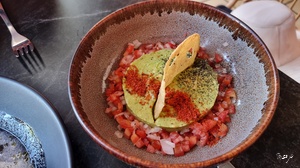
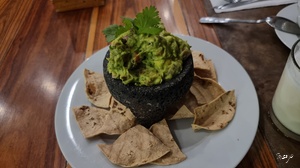
In CDMX, we discovered that guacamole can be mixed with jalapeños, which makes it even more delicious if you like spicy food!
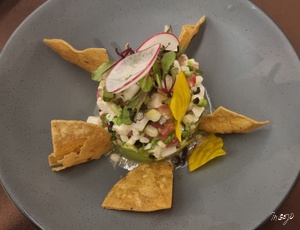
We also found out that the ceviche had a spicier cousin - the aguachile, and completely fell for it! If you are not a spicy food fan, you may think that Mexican cuisine is not for you, but this is the thing - Mexican cuisine has dishes which are spicy or not, with or without meat, savoury, sweet or both… It has literally everything for everyone!
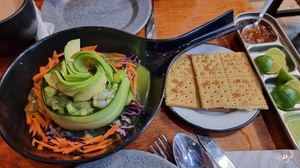
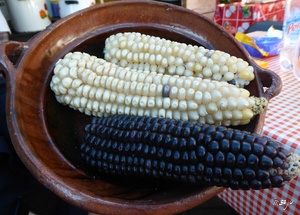
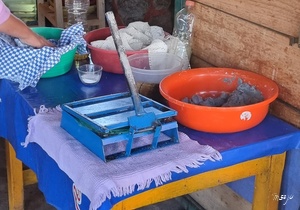
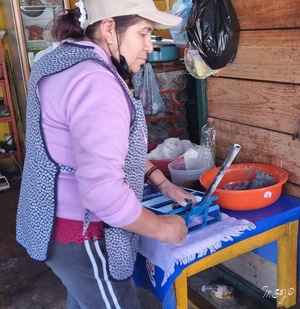
If you are willing to roll your sleeves up and learn a culinary trick or two, some of the tiny outdoor food stalls may give you a free cooking class...
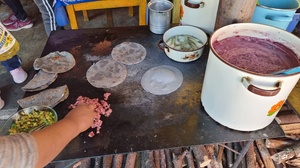
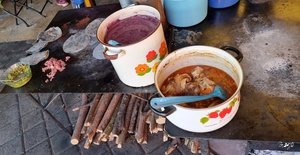
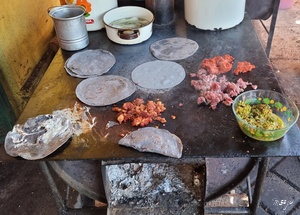
Or even allow you to make your own quesadillas, priceless!
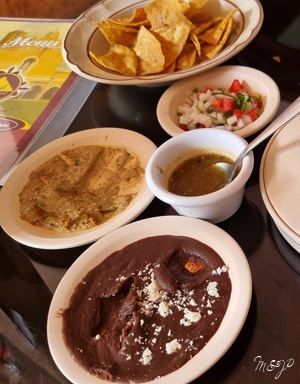
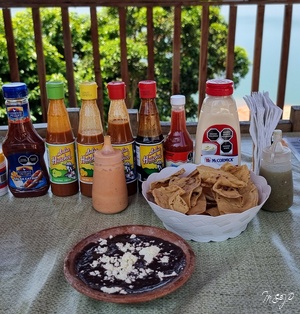
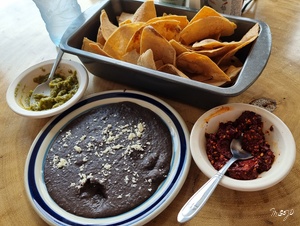
Each meal in Mexico will be full of surprises with one constant - the huge variety of sauces that you will find on the table, together with chips, fried beans (sometimes topped with cheese) and, from time to time, some guacamole as well! When we were not particularly hungry, we almost felt like these appetisers would have been enough to satiate our hunger.
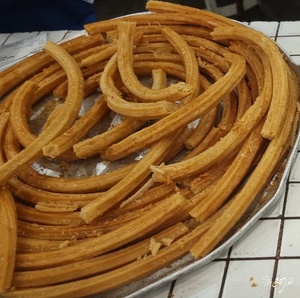
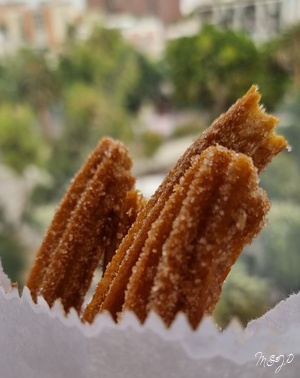
Our favourite meal in Mexico City was our breakfast - the fresh churros from “La Churreria El Moro” next to our hotel, which sometimes turned into an afternoon snack or even dinner instead of, or in addition to, breakfast! We missed this place for the rest of our trip in Mexico, and still miss it after our return to Europe…
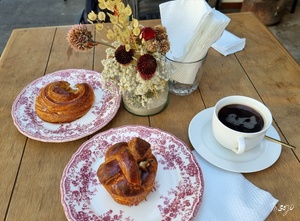
If you are not a churros fan (how can you not be?...), you can grab some delicious pastries with passion fruit or guava or, if you prefer a savoury breakfast, try the molletes. This popular Mexican breakfast or snack is made with bread similar to a French baguette, cut in half, topped with refried beans and cheese, then toasted until the cheese is melted and bubbly, and often served with avocado slices and pico de gallo - the famous salsa made from chopped tomato, onion, serrano peppers, lime juice, and cilantro.
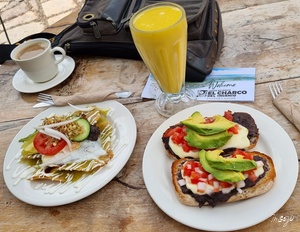
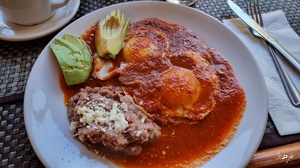
If you are really hungry in the morning or are looking for a brunch, you can also go for huevos rancheros, consisting of fried eggs served on lightly fried or charred corn or flour tortillas, topped with pico de gallo and often accompanied with refried beans and guacamole or avocado slices. If you ask me, it is a lot of food that could be enough for a day or two, but it is mouth-watering!
CDMX is also the place where we tried some Mexican chocolate for the first time. Not many people know that Mexico is the birthplace of chocolate. It was the Olmec who first started using the cacao plant for ceremonies and medicinal purposes, and called it “kakava”, which later became “cocoa”. Then, a few centuries later, the Maya turned it into a drink, made from roasted cocoa seeds mixed with water, chilli, and cornmeal, and called it “xocolatl”. This roughly translates into “bitter water” as there was no sugar in the Mayan drink.
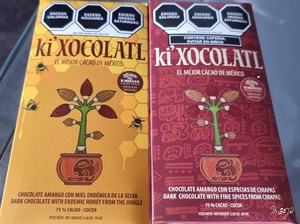
Initially, the Maya would collect the produce of wild cocoa trees on the Yucatán Peninsula. Later on, they began growing their own trees that became the world's first cocoa plantations. Remnants of this chocolate have been found in some Mexican archeological ruins. The cocoa became so prized that it was even used as a currency in the area...
Chocolate is said to have come to the rest of the world through the interactions between the Aztecs and the Spaniards via another cacao-bean drink called “chocolatl”, which in Náhuatl, the Aztec language, means “a beverage made by heating cocoa with water”. It is a combination of the words “chikolli” meaning “hook”, probably referring to the beater used to mix chocolate with water, and “ātl” meaning “water”. That is what we today call cocoa. The Aztec king Montezuma II offered the bitter chocolate drink to Hernán Cortés, who loved it and brought some cocoa seeds back to Europe in 1519. The Europeans sweetened the drink with sugar, which explains today’s flavour of the cocoa.
Mexico City had such an amazing variety of dishes from all parts of Mexico that we decided we had found THE place for Mexican cuisine tasting. And then a Singaporean friend of ours recommended Oaxaca. The city was initially not on our itinerary as we were supposed to fly directly from Mexico City to the Yucatán Peninsula, but then she claimed this was the place where she had enjoyed the most delicious cuisine ever… Since there is no other nation that appreciates food more than Singaporeans, we put our trust in her and took a 6-hour bus ride to the south. And we will be forever grateful that she managed to change our mind and our itinerary!
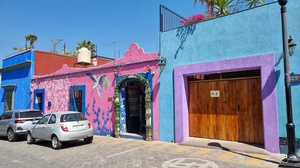
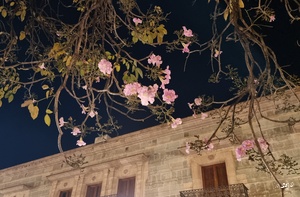
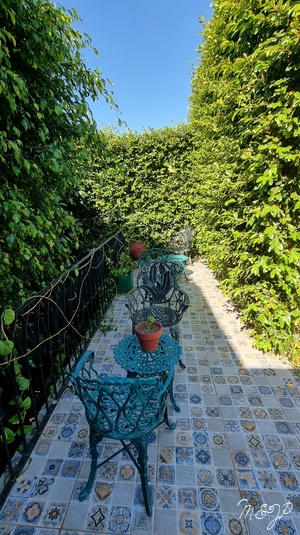
Oaxaca is known as the chocolate and culinary capital of Mexico, and is a foodie paradise!
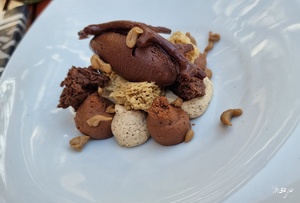
It is home to the famous mole (coming from the Náhuatl word “mōlli” for “sauce”), the king of Mexican cuisine. This traditional rich and flavorful sauce would work its magic on any dish! It is made with chilli peppers, chocolate, and a variety of other ingredients, such as nuts, seeds, and spices, and can vary in colour from dark brown to green, depending on the type of chilli that is used. It is pure deliciousness!
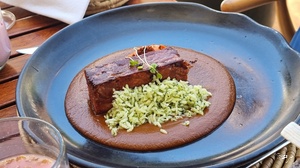
The southern city opened the door for us to so many new dishes and flavours! You do not need days - you need weeks and months to try everything without exploding because you have ordered way too many dishes for one person! In three days, we only managed to scratch the surface of this culinary wonderland. If you are like us and do not have the time, or the stomach, to try everything, go for the tlayuda, aka the Mexican pizza. It is a thin, crunchy, partially fried or toasted tortilla, covered with a spread of refried beans, lettuce or cabbage, avocado, minced meat, Oaxaca cheese and salsa, and is super tasty!
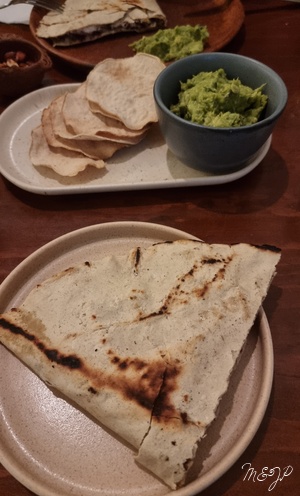
Another meat dish on your list should be the huarache - a maize dough with mashed beans placed in the centre before it is given an oblong shape, fried, and topped with salsa, onions, cilantro, ground beef and cheese. It is perfectly normal if you are salivating while you are reading this!
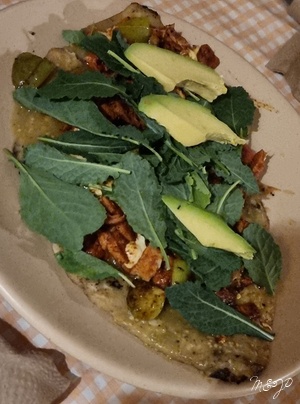
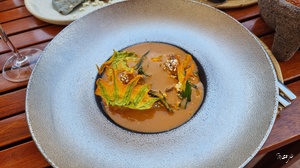
If you are vegetarian, there are tons of delicious, and beautiful, dishes involving orange squash flowers!
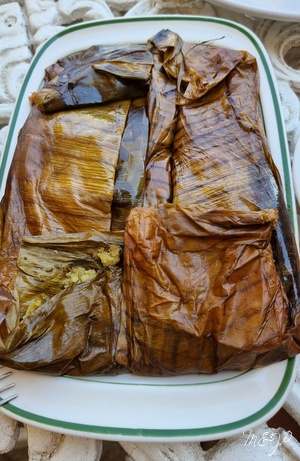
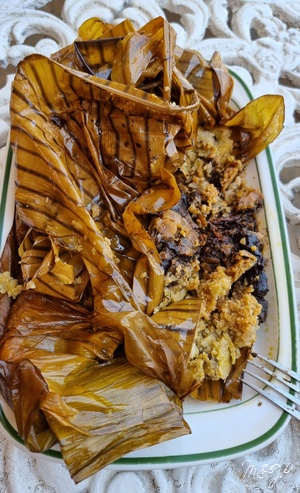
Another typical dish of Oaxaca, the tamales, can be prepared for meat-lovers or vegetarians. It consists of cornmeal dough that is rolled with ground meat or beans, usually seasoned with chilli, then wrapped in corn husks and steamed. Like tomatoes and avocados, corn originated in the Americas and is a ubiquitous ingredient in Mexico! It is believed to have been first domesticated by indigenous peoples from two closely related species of the wild grass teosinte about 10,000 years ago in what is now southern Mexico.
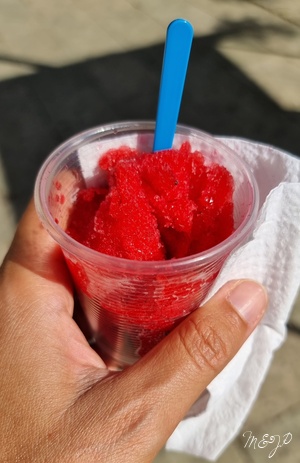
For those with a sweet tooth, there is the nieve, aka the Oaxaca ice-cream. It is refreshing without being too sweet. Try the tuna nieve - pink and delicious! It is actually not ice-cream made from tuna, but from the fruits of the prickly pear cactus known as tuna in Spanish (the English word "tuna" translates as "atún" in Spanish).
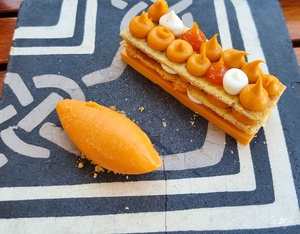
Another new fruit that we tried, this time both as a cake filling and an ice-cream flavour, was the mamey sapote, also known simply as mamey. It is native to Mexico, Central America, and the Caribbean, and has a brown skin and a sweet, orange flesh that is similar in texture to a ripe avocado. Mamey is often used in Mexican desserts and its seeds are sometimes used in traditional medicine as well.
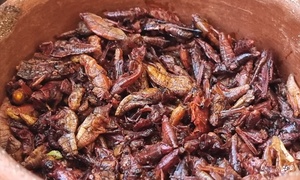
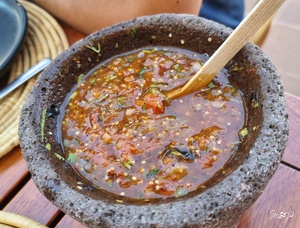
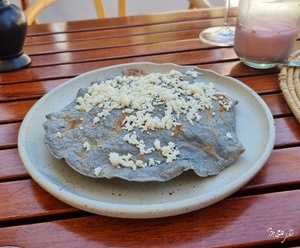
If you are brave enough, Oaxaca is also the perfect place to try some new proteins! You can play it safe and go for the traditional salty grasshoppers, mixed in a delicious salsa and served with a giant cracker, topped with some tasty local cheese. Or you can be adventurous and try the crunchy ants or even the worms - not really our thing…
Mexico is famous not only for its food, but also for its drinks!
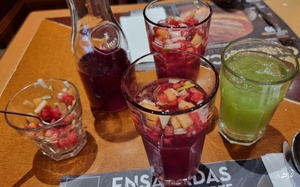
Mexico is Margarita and Mezcal as well...

You like what you read?
Explore and learn more about Mexico !!!
-
 P for Paradise and Provence (part 2)
Stunning nature - You cannot leave Marseille without hiking to … -
 P for Paradise and Provence (part 1)
France used to be divided into historical regions, which do … -
 The Valley of Roses and Kings (part 2) The Valley of Kings
The Valley of Roses is famous not only for its … -
 The Valley of Roses and Kings (part 1) The Valley of Roses
Out of all the flowers in the world the rose … -
 In the heart of the Silk Road (part 4) Khiva and the Desert Castles
Khiva - It took us 6 hours, almost a whole … -
 In the heart of the Silk Road (part 3) Bukhara
Bukhara - While Tashkent is a modern city with some … -
 In the heart of the Silk Road (part 2) Samarkand
Samarkand - No name is so evocative of the Silk … -
 In the heart of the Silk Road (part 1) Tashkent
The Great Wall of China, Machu Picchu, the Pyramids of … -
 The Land of Giants at the End of the World (part 2)
We crossed for the third time the border between Argentina … -
 The Land of Giants at the End of the World (part 1)
No visitors come back from Antarctica in the same state … -
 A Vitamin Sea Christmas in the Mediterranean
Human beings are full of contradictions! When we used to … -
 Spring Colours in the Kingdom of the West (part 6) Morocco is yellow
Morocco is yellow - Besides the yellow hues of the … -
 Spring Colours in the Kingdom of the West (part 5) Morocco is red
Morocco is red - Besides the red hues of the … -
 Spring Colours in the Kingdom of the West (part 4) Morocco is orange
Morocco is orange - Our first encounter with the legendary … -
 Spring Colours in the Kingdom of the West (part 3) Morocco is green
Morocco is green - The Rif Mountains east of Tangier, …
