

P for Paradise and Provence (part 2)
Posted by: Maria in November 2026 (19 hours, 43 minutes ago)
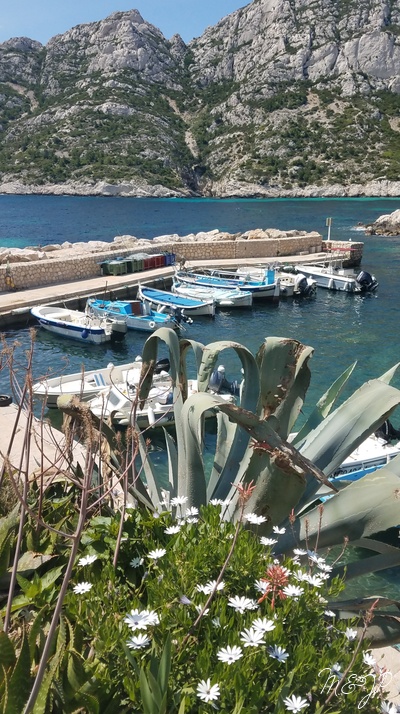
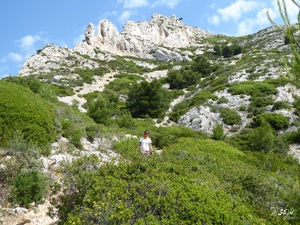
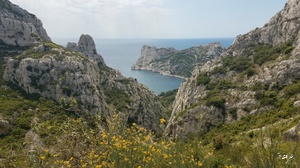
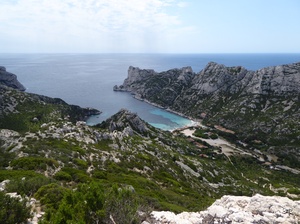
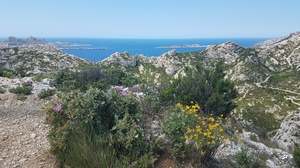
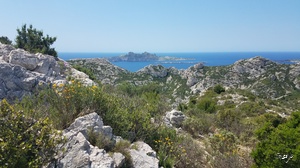
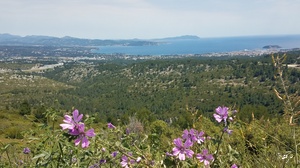
Stunning nature - You cannot leave Marseille without hiking to one of its famous and jaw-dropping ‘calanques’. Located between Marseille and Cassis where a white limestone massif meets the Mediterranean Sea, these steep-sided valleys were formed by fluvial erosion and subsequently submerged by a rise in sea level. Think of them as the local version of the picture-perfect Norwegian fjords, but where you can swim in warm turquoise waters while listening to the cicadas and admiring the breathtaking scenery of vertiginous cliffs, idyllic coves and the fragrant garrigue - the aromatic, low-growing shrubs, bushes, and herbs found on the dry, rocky limestone soils around the Mediterranean basin.
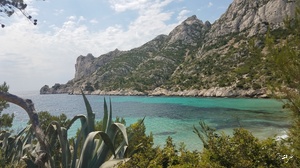
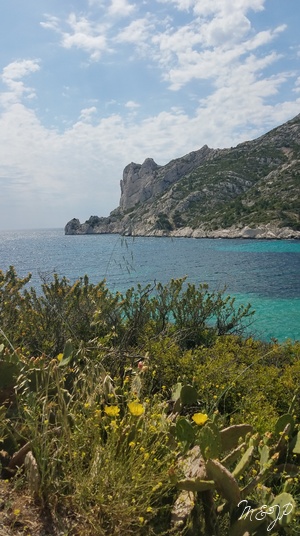
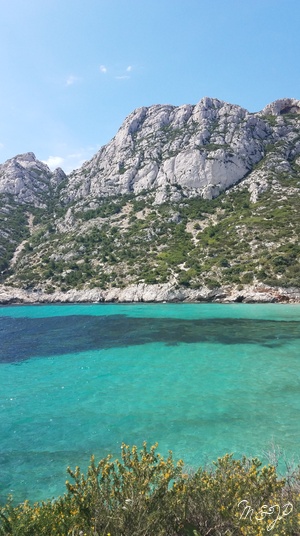
Some calanques such as Sormiou or Morgiou are accessible by car (or on foot if the access to the massif is forbidden, which might happen during the summer months due to fire risk), while others such as Sugiton, En-Eau and Port Pin are only accessible on foot or by boat.
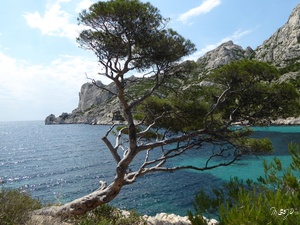
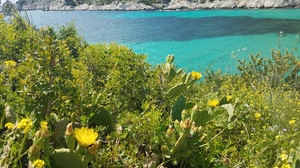
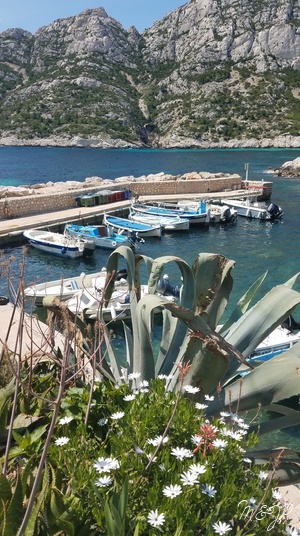
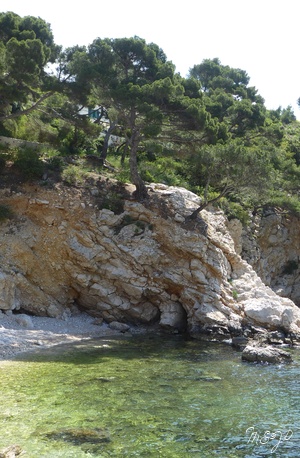
Some are only rocky inlets while others offer small beaches, but they will all grant you with spectacular scenery as close to paradise as it can get. Another way to admire the breathtaking panorama around Marseille and along the National Park of Calanques is on a road trip on the Corniche Road or the ‘route des Crêtes’ to La Ciotat through Cassis.
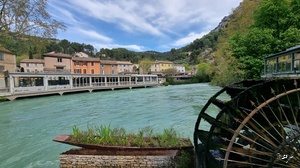
The largest spring in Europe - Besides its gorgeous coves and beaches, Provence boasts many other natural wonders. Amongst them is the village of Fontaine-de-Vaucluse between Gordes and L’Isle-sur-la-Sorgue. There you will find Europe’s largest spring (over 630 million cubic meters per year), which comes with its dose of mystery. Since the end of the 19th century, researchers, speleologists, divers and adventurers of all kinds, including Captain Cousteau’s team, had been trying to discover the miraculous water source of this spring at the bottom of a closed valley (‘vallis clausa’ in Latin, hence the name of the source and the village, but also of the Vaucluse department where it is situated) with vertiginous walls, sometimes using devices specifically designed to descend to an impressive depth in order to explore the spring.
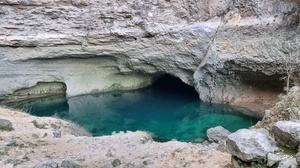
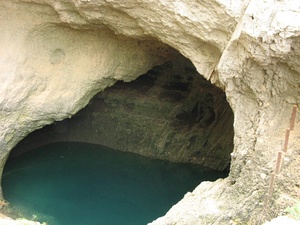
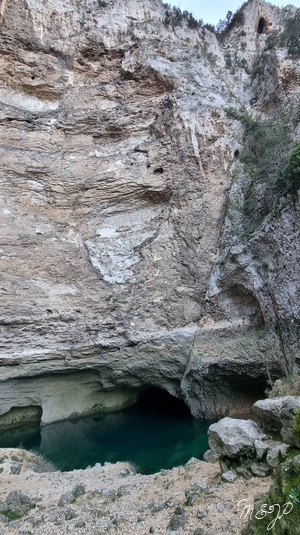
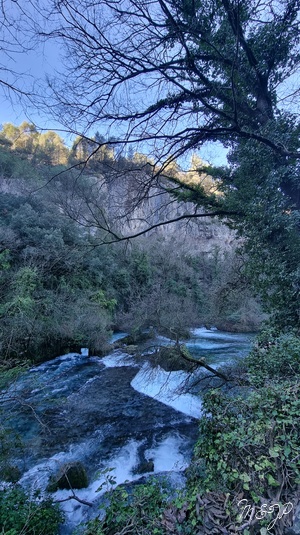
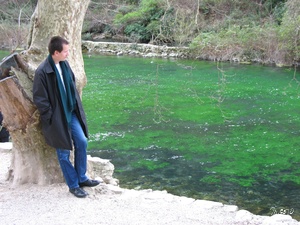
While it is now known that the water comes from an immense underground ‘lake’ covering 1,240 km2, which fills up with rainwater and snowmelt from the south of Mont Ventoux, the Monts de Vaucluse and the Montagne de Lure, the flow itself remains a mystery. It is very low in summer (but the water remains cold and provide the much needed coolness away from the heat), but if you visit at the end of winter or after heavy rain, you will witness the Fontaine-de-Vaucluse spring (aka ‘the Chasme’) swelling and its waters cascading down towards the village in a fascinating show of nature’s power.
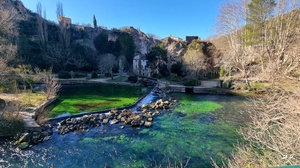
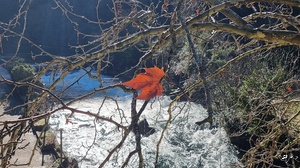
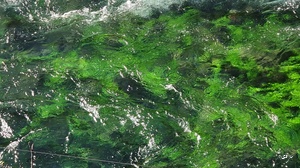
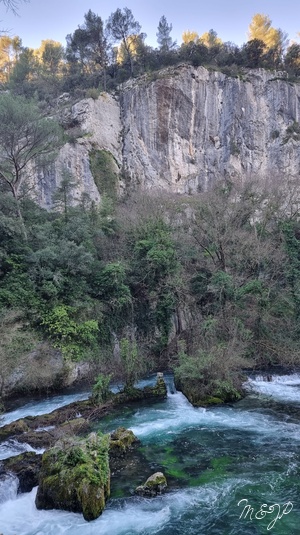
The ‘fountain’ is also the source of the crystal-clear Sorgue River. While you can simply walk along the deep river kanyon and take in the sights of the ruins of an old castle perched on top of a cliff or visit a former paper mill, converted into a museum, where you can buy beautiful poems written on locally produced hand-made paper, it is also possible to rent a kayak and paddle from Fontaine-de-Vaucluse to L’Isle-sur-la-Sorgue.
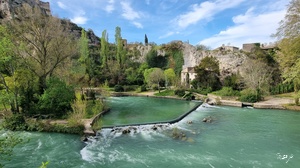
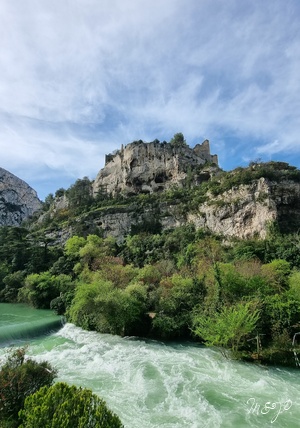
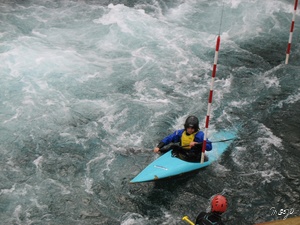
The place is so beautiful that it has inspired many writers and poets, including Petrarch, Boccace, Chateaubriand and Frédéric Mistral. At the time of writing, the access to the spring has unfortunately been closed due to safety issues. The path along the river remains open up to a few hundred meters from the spring, which is not visible anymore.
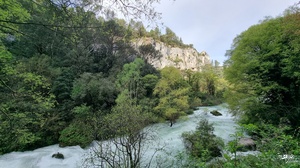
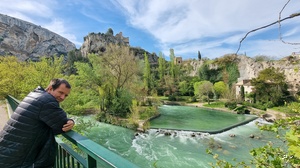
The Colorado of Provence - Another gorgeous canyon which looks definitely out of this world is Colorado Provençal (the Colorado of Provence), located east of the small village of Rustrel and in the heart of the Luberon Regional Natural Park.
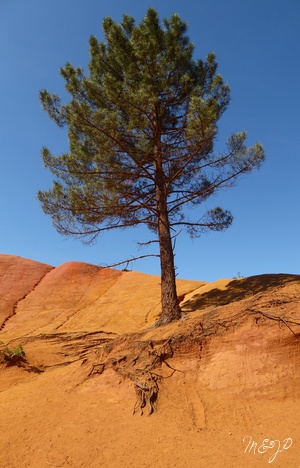
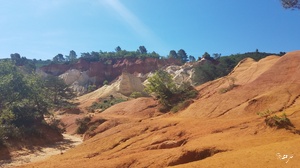
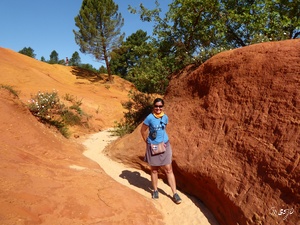
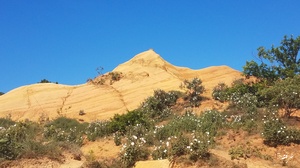
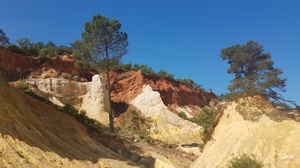
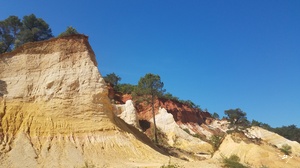
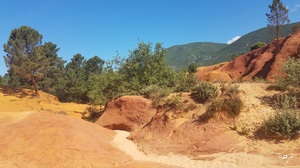
You can hike around these former ochre quarries, admiring the intricately shaped rock formations created by erosion or human exploitation (and use your imagination to guess what they look like) and their beautiful palette of unreal colours, changing from yellow to bright red, depending on the light during the day and in sharp contrast with the blue sky and the green pine trees around.
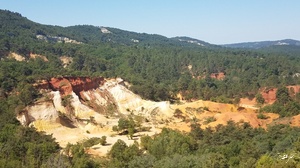
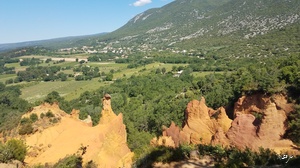
The views are stunning and might remind you of Uluru in Australia or the Colorado Canyon (aka the Grand Canyon) in Western USA (hence its name!). You can choose between the most popular 2km-long Sahara hiking trail or the slightly more difficult, but offering spectacular views, 4km-long Belvedere one.
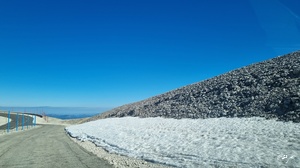
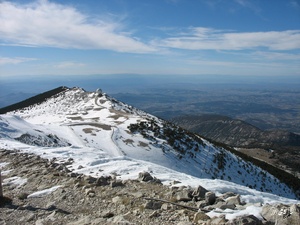
The Giant of Provence - Another great place for hiking is Mont Ventoux. With its 1,910 m (6,270 ft), it is the highest mountain in the region and has been nicknamed the ‘Giant of Provence’ as it can be easily spotted in the distance, in particular due to its white summit which might make you think of snow but is actually just the colour of the rocks. This is still one of the few places in Provence where you can come across snow in winter.
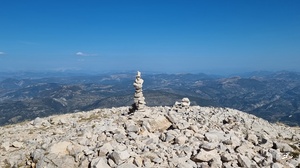
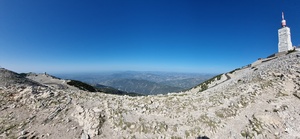
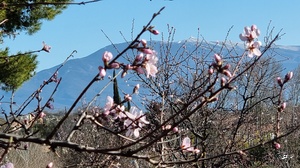
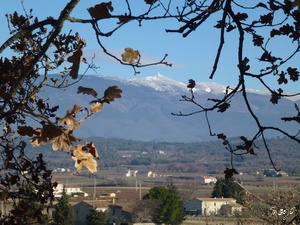
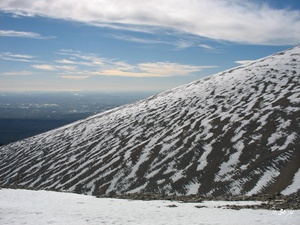
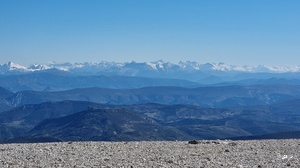
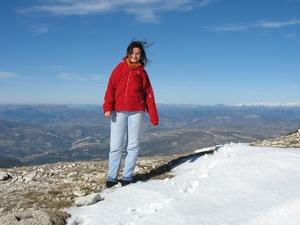
The mount is a Tour de France cycling race icon as its steepness and hairpin turns make it a challenge even for the bravest and fittest cyclists. The weather on the summit changes all the time and the wind might be terrible, even during the summer months, but the views of the Alps in the distance are spectacular! If you do not have time for a hike or a bike ride, you can reach the summer of Mont Ventoux by car and enjoy the coolness of the forest and the panoramas on the way up (except in winter when the road might be closed, but can be the perfect time for some skiing in the ski station located on the northern side of the mountain).
Provence boasts many other picturesque roads and hiking trails.
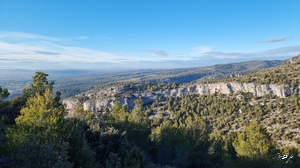
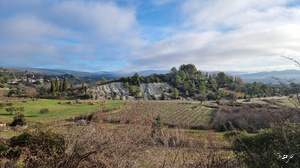
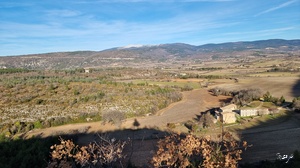
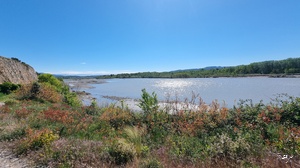
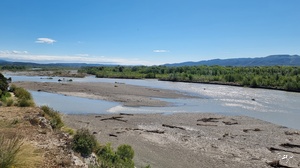
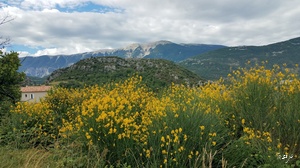
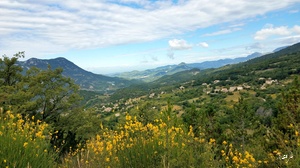
One of our favourite ones is the road trip across the Valley and Gorges of Toulourenc.
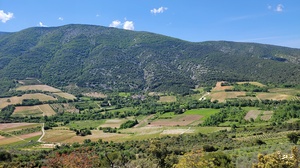
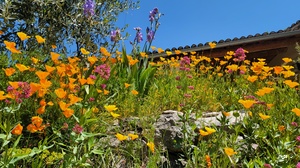
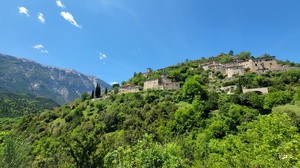
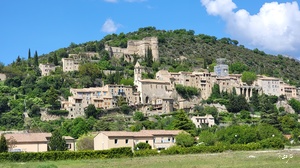
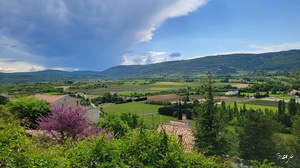
You can start in the village of Entrechaux, dominated by its medieval castle, and end in Sault - the lavender capital of Provence.
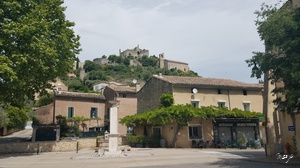
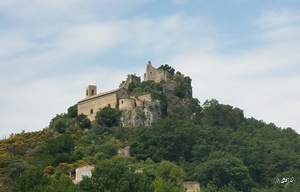
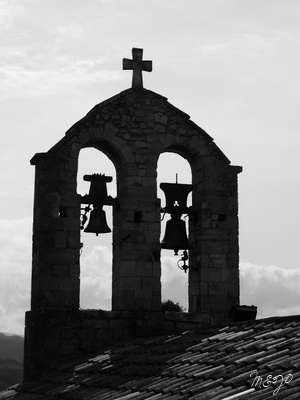
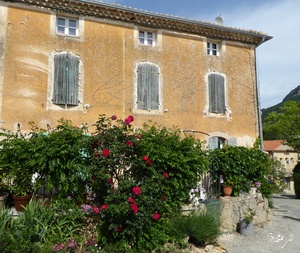
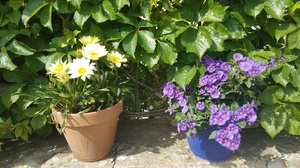
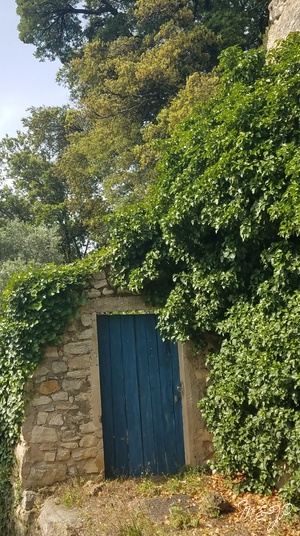
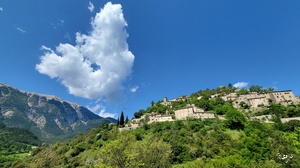
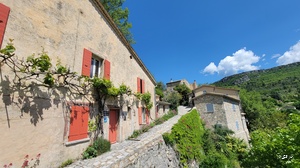
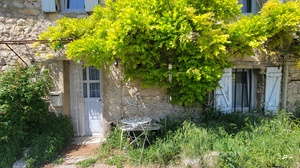
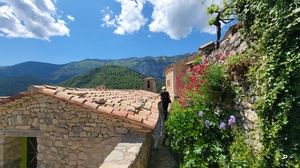
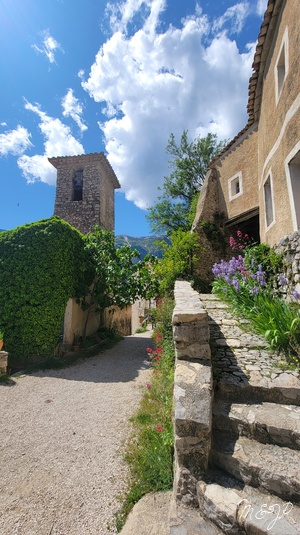
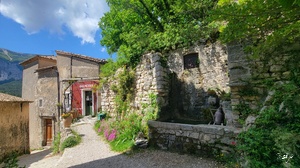
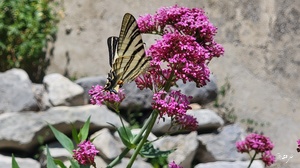
On the road you can stop in the quaint and peaceful villages of Suzette, Saint-Léger-du-Ventoux, Brantes, Savoillans and Montbrun-les-Bains, offering breathtaking views of Mont Ventoux and the valley, and hiding treasures from charming lanes and intricate churches, chapels and bell towers to traditional washhouses and fountains and even the ruins of a medieval castle.
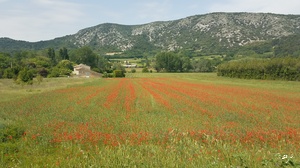
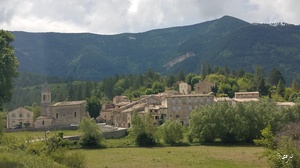
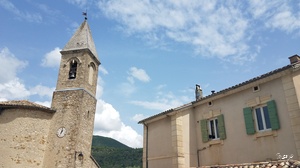
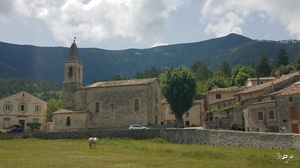
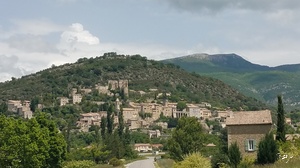
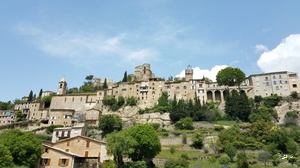
From the village of Savoillans starts an easy ‘Art and Nature’ hiking trail that will delight both culture and nature enthusiasts alike!
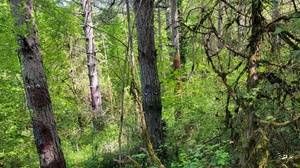
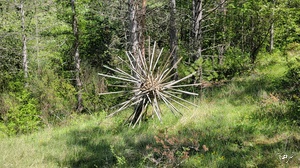
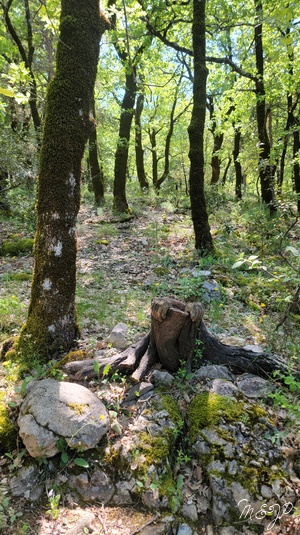
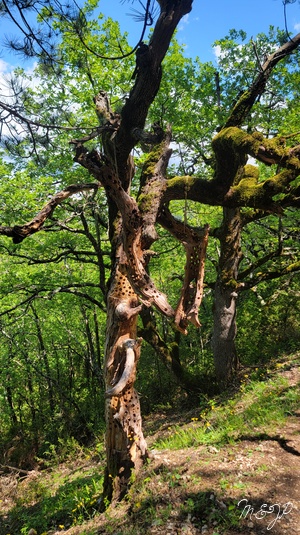
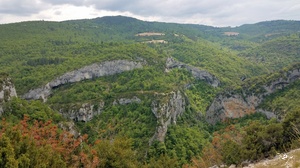
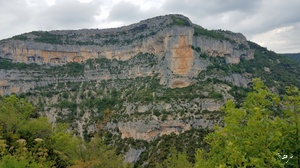
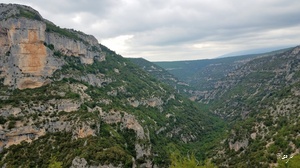
If you have time, you can push the road trip further south to the Gorges of la Nesque - another impressive canyon in Provence, whose vertiginous white limestone cliffs have been carved by the powerful waters of the Nesque River over millions of years and offering grandiose landscapes, spectacular viewpoints and lots of hiking trails!
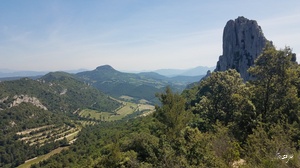
A lace of mountains - Another of Provence’s natural wonders that you can explore only on foot and require some serious fitness are the jaw-dropping Dentelles de Montmirail limestone mountains (translating from French and Latin into ‘the lace of admirable mountains’ due to the dramatically jagged shape of their peaks due to erosion), located just to the south of the village of Vaison-la-Romaine.
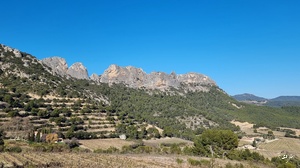
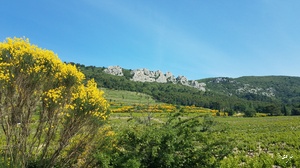
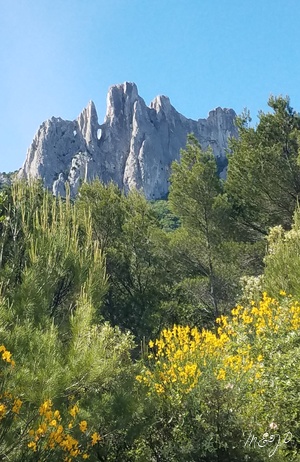
The range is only 8 km wide with its highest point lying at just 780 meters, but offers hundreds of pretty strenuous hiking and mountain biking trails, as well as rock climbing spots.
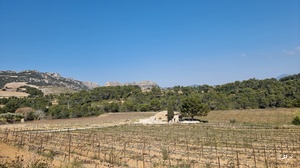
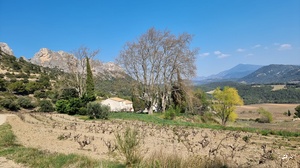
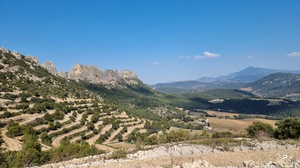
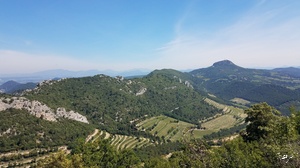
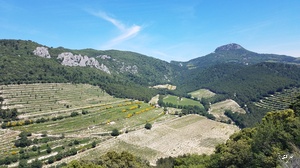
The challenge comes with the incredible beauty of the place, surrounded by pine forests and vineyards of the Rhône Valley.
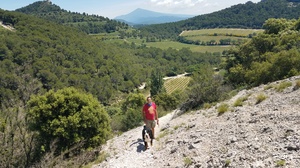
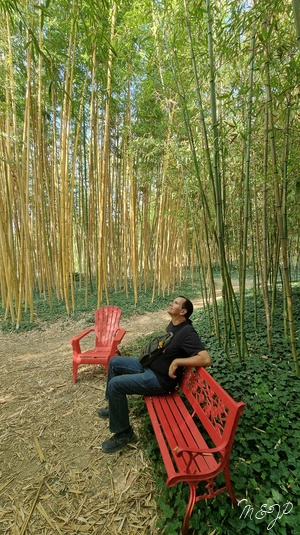
A Japanese garden in Provence - If you are not up for a challenging hike, or any hike at all, but feel more like a Sunday walk would be just enough, Provence has one of its off the beaten track wonders up your sleeve for you. The peaceful and charming Japanese garden Bambous en Provence, located between Avignon and Saint-Rémy de Provence, is a hidden gem!
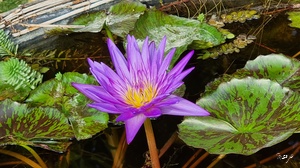
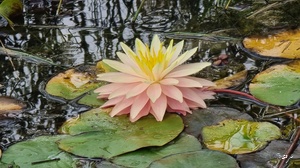
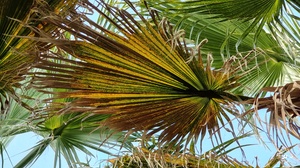
We stumbled across this stunning zen place by pure chance.
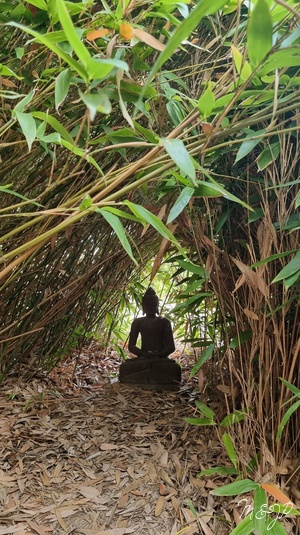
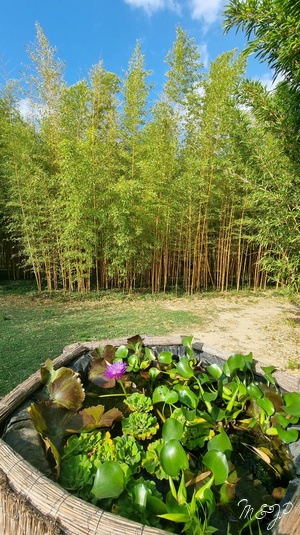
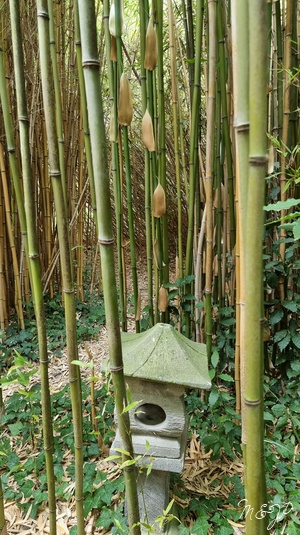
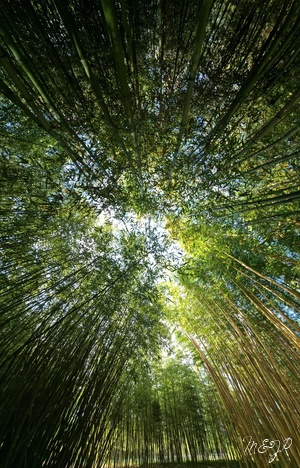
The owner had discovered the bamboo while living in Japan and built the place 20 years ago. It has as many species of bamboo as the famous Bambouseraie d'Anduze (or La Bambouseraie en Cévennes) in the Gard department but is much less touristic.
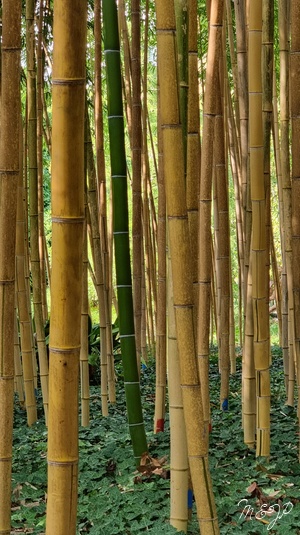
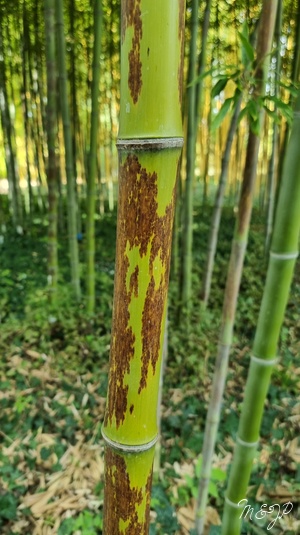
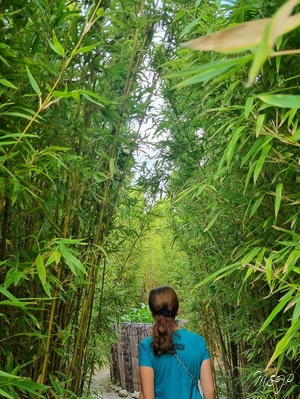
There are cute red benches everywhere, inviting you to stop running around in this crazy world and just spend some time meditating or simply relaxing…
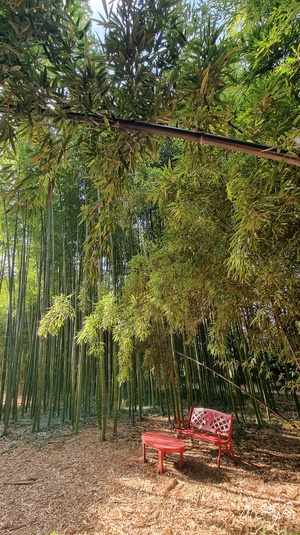
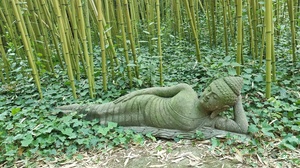
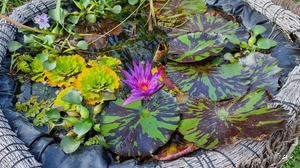
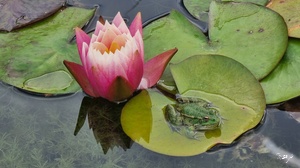
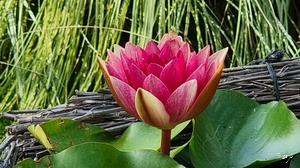
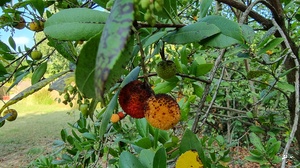
Strolling through the bamboo tunnels, discovering new plants such as the strawberry tree, observing the cute little frogs who were definitely posing and simply being surrounded by green and yellow bamboo guarantees the zen mood! We should return in spring when the garden is open for sakura!
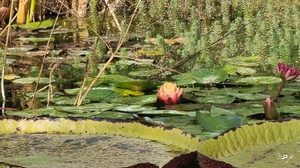
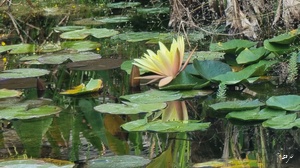
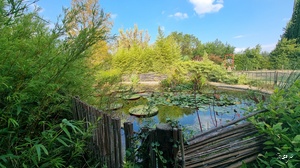
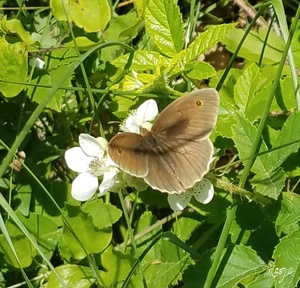
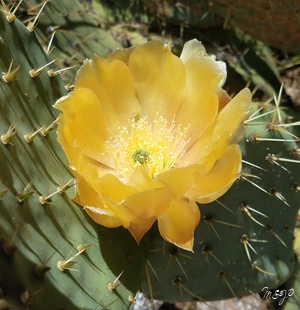
The hiking trails, whether labelled or not, are everywhere in the region. You just need to get out of the house and start walking, and will bump into chirping birds, colourful butterflies, quaint churches, charming castles or their ruins, endless vines and blooming wildflowers, cacti and olive trees.
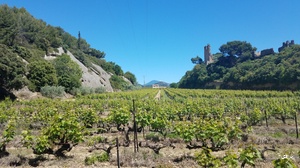
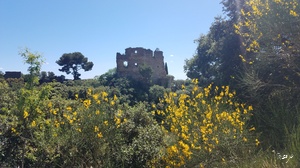
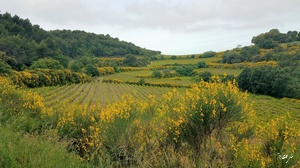
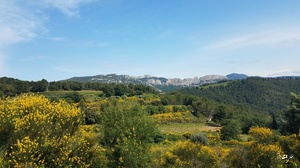
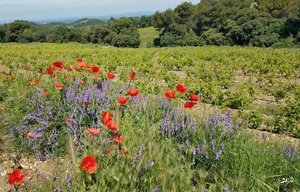
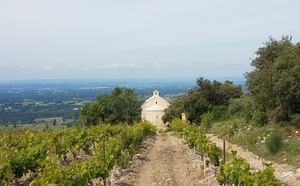
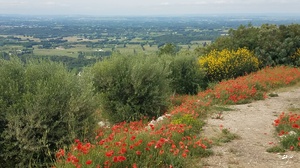
The Alpilles Regional Natural Park, the Mont-Ventoux Regional Nature Park and the Luberon Regional Natural Park hide an endless amount of gorgeous and off the beaten track hiking trails, such as the one around La Vallée Heureuse (the Happy Valley) and the Lavau Lake, offering breathtaking views of the Durance valley and the Luberon.
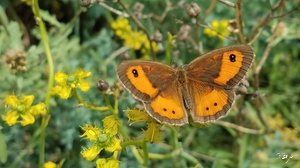
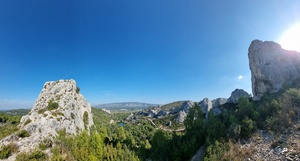
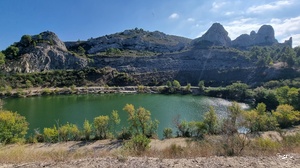
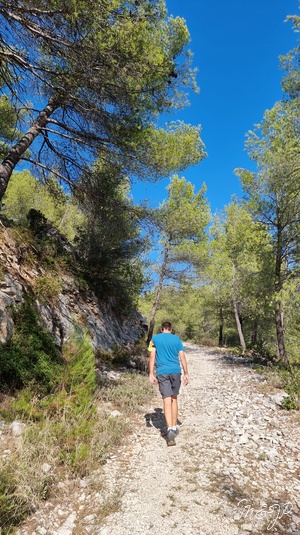
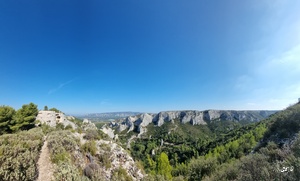
The best way of exploring Provence is definitely on foot or by bike, which will allow you to see its amazing kaleidoscope of flowers, depending on the season and the time of the day.
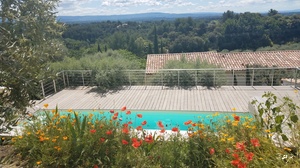
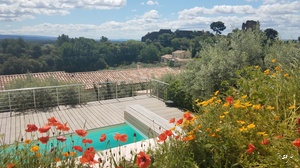
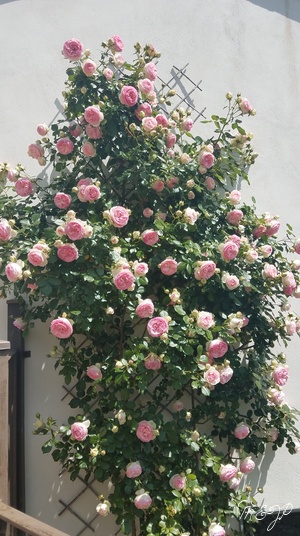
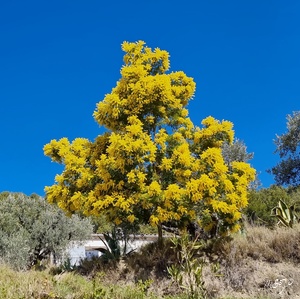
There is no good or bad season to visit the region - each time of the year has something to offer!
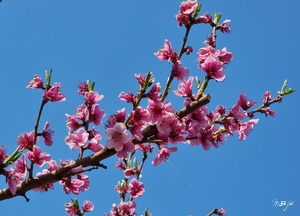
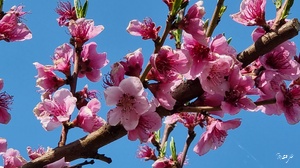
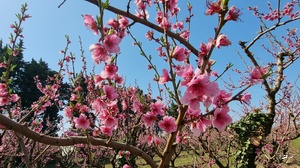
You will witness the ‘pros’ of Provence, but also its only ‘con’ - the fierce, freezing Mistral, known as a wind that can drive a person mad (vent qui rend fou) and even made Van Gogh cut off his left ear, all year round (even though the Mistral is stronger and most frequent during the winter and spring months). In winter, you will see the snow-capped Mont Ventoux, the crystal-clear waters of the rivers, the mist of the early morning hanging above the fields and villages and the unworldly sunrises and sunsets.
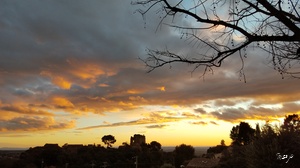
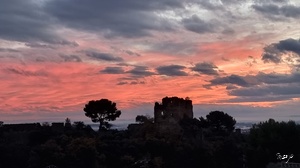
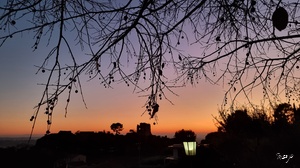
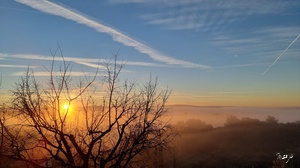
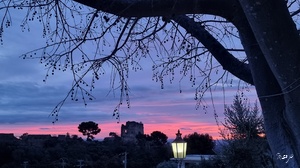
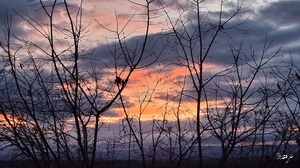
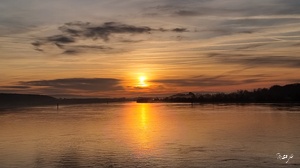
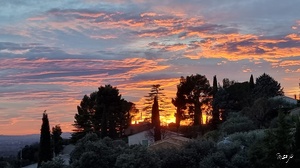
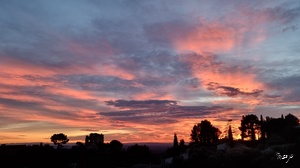

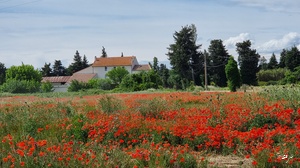
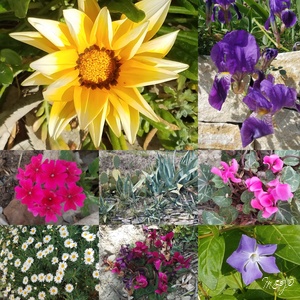
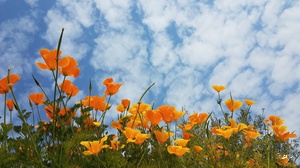
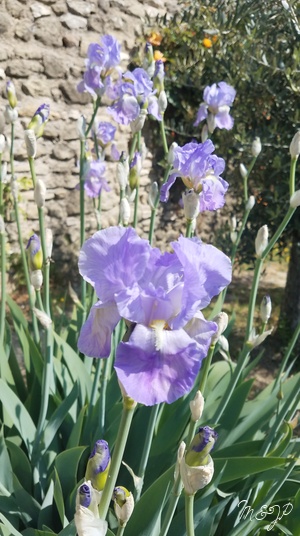
If you are a flower fan, the spring would probably be your favourite with the blooming wild flowers and cacti in the fields and forests and a fairytale of roses, freesias, California poppies, daisies and iris in the gardens!
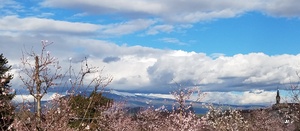
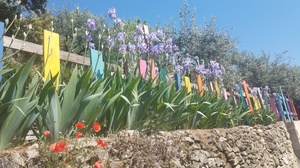
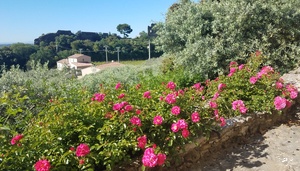
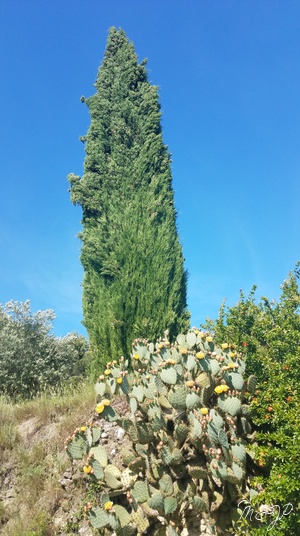
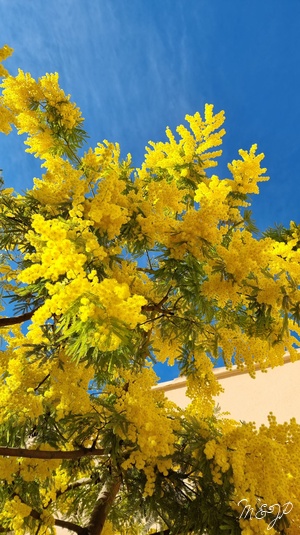
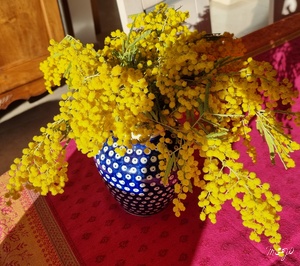
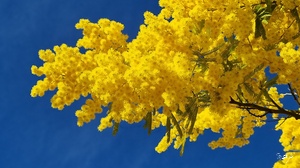
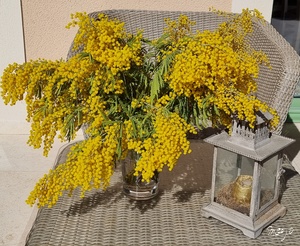
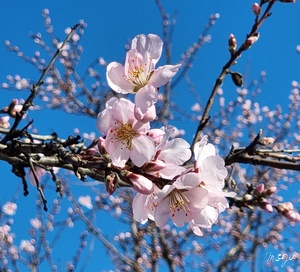
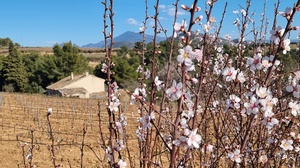
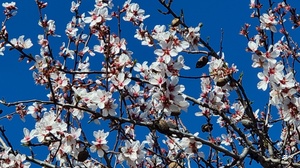
The ephemeral beauty of the mimosas and almond trees in bloom in February-March will make you forget, even for a short moment, how hard it is sometimes to believe that good will always prevail over evil, that spring will always come after winter.
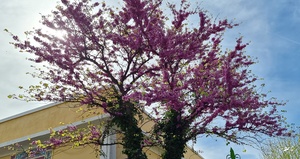
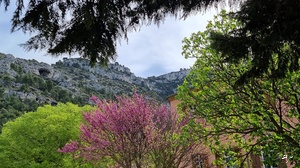
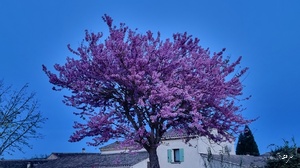
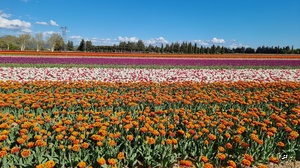
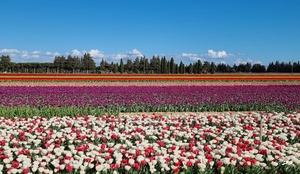
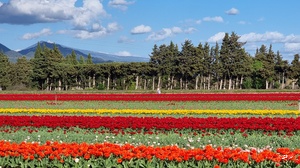
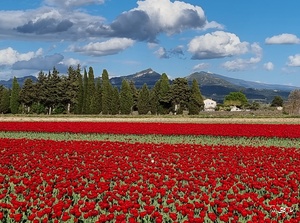
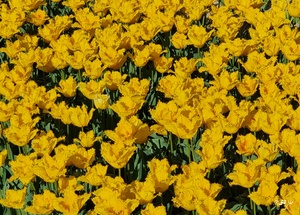
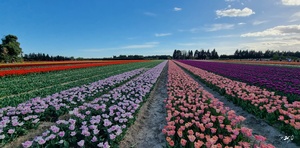
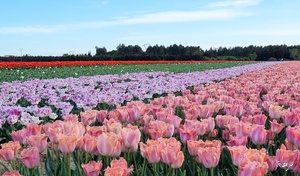
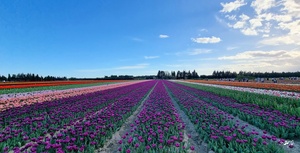
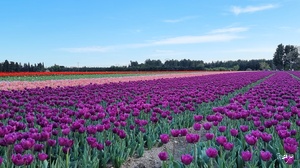
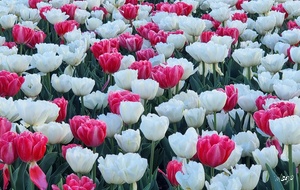
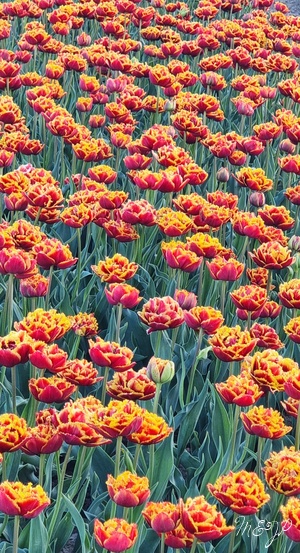
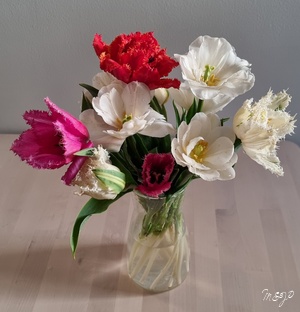
In March-April the tons of blooming purple Judas trees will enchant you and you should definitely stop to pick your own bouquet at one of the rainbow tulip fields.
The most famous of them are in Jonquières and in a triangle formed by the villages of La Brillanne, Lurs, and Forcalquier in the Durance Valley.
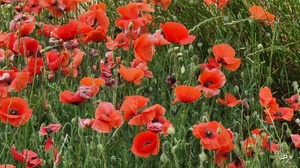
You cannot miss the bright-red poppy fields surrounded by vineyards in May.
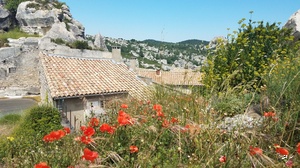
And seeing the purple lavender fields and bright-yellow Spanish broom at the end of June and beginning of July will be a dream come true!
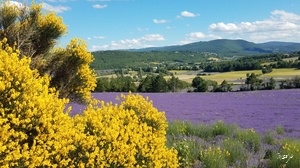
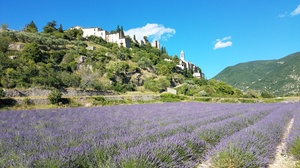
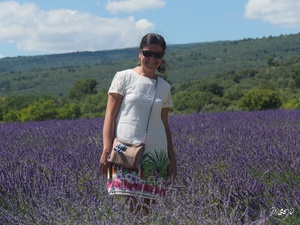
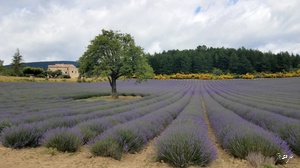
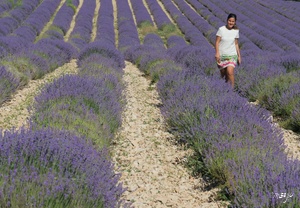
The best places to see tons of lavender are the areas around Sault, Aurel and Montbrun-les-Bains.
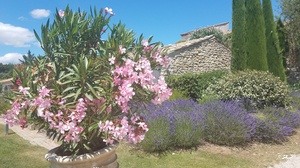
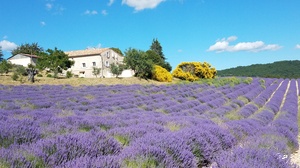
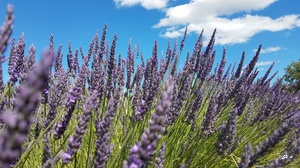
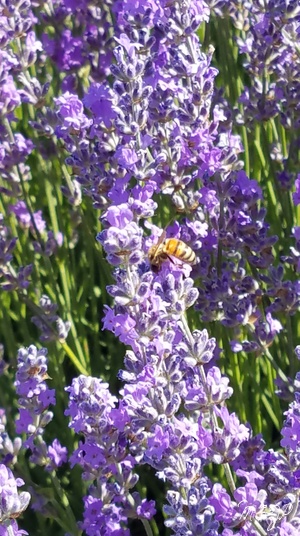
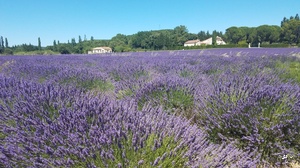
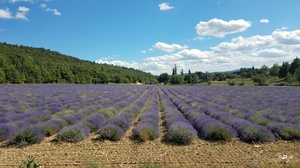
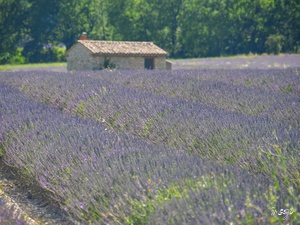
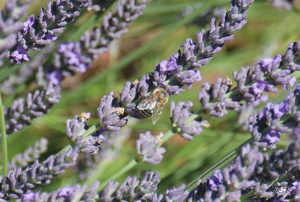
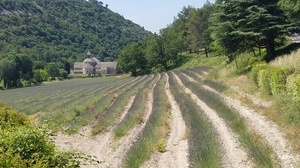
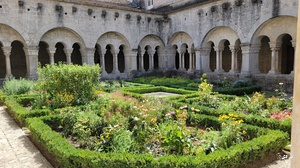
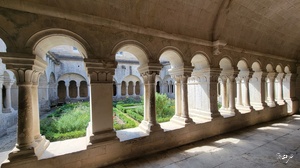
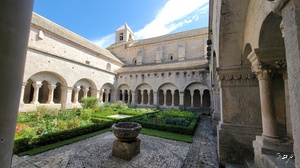
And you should definitely also visit the cute Notre-Dame de Sénanque Abbey near Gordes - the 12th-century monastery where the Cistercian monks still cultivate lavender in the surrounding fields and produce and sell lavender essential oil, dried lavender sachets, honey, biscuits, cosmetic items and other derivative goods.
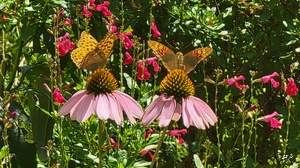
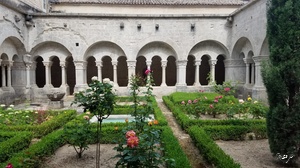
If you absolutely love the fragrance of this plant, you should try the delicate taste of the lavender ice-cream, which forms a divine combination with a scoop of dark chocolate ice-cream. The best one we have tried are in Sault, the café on the Agricol Perdiguier Square in Avignon, along the canals of L’Isle-sur-la-Sorgue and Venasque’s restaurant Le Petit Chose with some stunning views, where you can also stop for lunch or drinks.
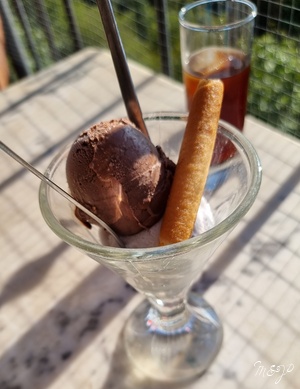
The late autumn in the south comes with its own colourful palette of all shades of yellow, including the ripe lemons for the perfect lemon tart (or lots of tarts for that matter!).
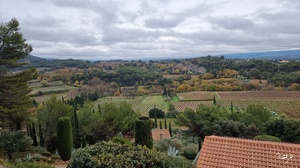
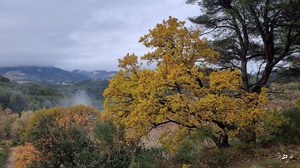
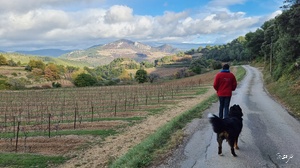
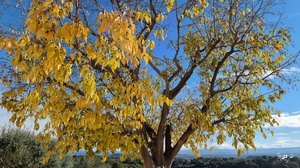
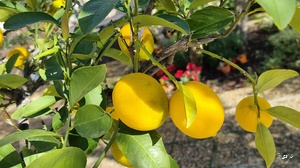
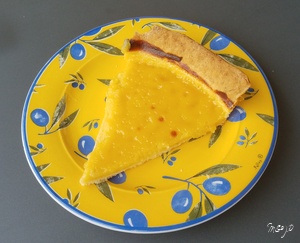
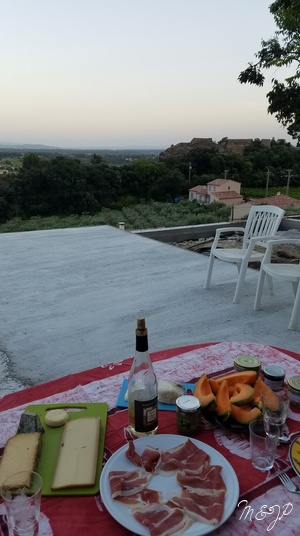
Whether you go for a walk, a hike or a bike ride, the R&R will be there, not least because of the soothing singing of the ubiquitous cicadas! If Provence was a type of music, it would be the cicada song and this enchanting soundtrack would almost always be the first sign that you have arrived in Provence. Another highlight of each nature encounter in the region would be the option (it is actually more than an option, but rather a duty) to bring with you some of the delicious local produce for a delightful picnic moment, surrounded by the region’s beauty! You definitely cannot say that you have visited Provence if you have not tried its delicious cuisine which will not disappoint even the most demanding foodies!
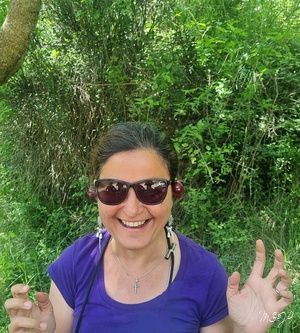
Delicious cuisine - The best places where you can find the ingredients for your picnic and so much more, including a huge part of Provence’s identity, culture and traditions, are of course the local markets. They are festivals of colours, fragrances and flavours and real treasure troves where you can find a little bit of everything typical for the region and its people.
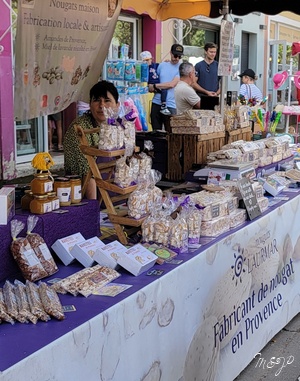
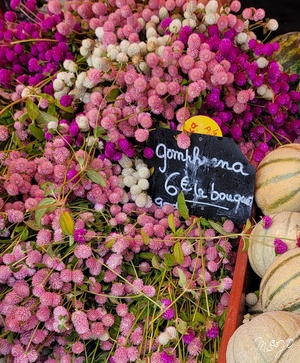
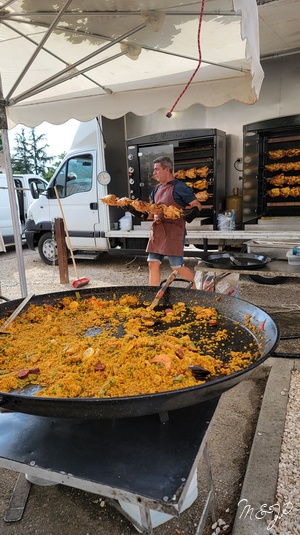
There are markets held on specific days once, twice or even every day of the week in each village, town or city in Provence. You will perhaps find mostly the same thing in the markets of cities, towns and more touristic places as those anywhere else in the region. The markets of Saint-Rémy-de-Provence and L'Isle-sur-la-Sorgue (the latter includes an antiques section once a week and features a floating version on the first Sunday of August) are famous and quite touristy, but still worth the stop.
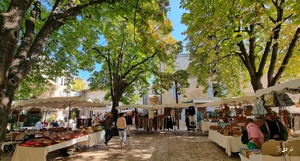
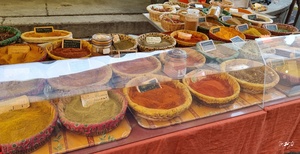
However, the cutest and most authentic ones in my view are those in the tiny and less known villages. If you are looking for a typical farmers’ markets where you can be sure that only local producers sell their produce, the evening Velleron market is the perfect choice. For typical ‘all-in’ Provence markets which are not too big and are really authentic, those of Vaison-la-Romaine and Coustellet are so far my favourite.
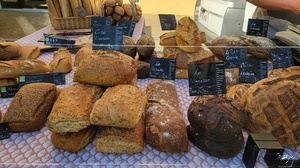
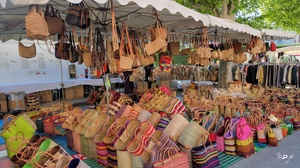
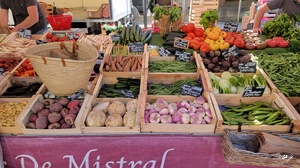
One of my favourite pastimes in Provence is just wandering around the colourful stalls, talking to local producers and getting tempted by local craft or gastronomic specialties. At the ceramics stall it will be difficult to choose a beautiful bright-coloured dish to bake delicious tarts or a traditional mill to grind the herbes de Provence, an aromatic blend of dried Mediterranean herbs typically featuring savory, marjoram, rosemary, thyme, oregano, tarragon, basil, bay leaves, and black pepper (once you have tried this essence of the region’s delicious flavours in a dish, you will sprinkle it everywhere, I promise). At the lavender stall (there is always one in each market), you will probably want to buy every single cute lavender sachet on display, together with a few tiny bottles of massage oils which are known for their relaxing properties. On top of the amazing fragrance this emblem of Provence will bring to your home, you can also use it to add flavour to your sweet and savoury dishes, and why not try to make a homemade lavender ice-cream!
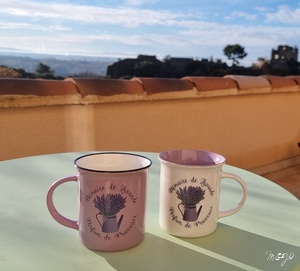
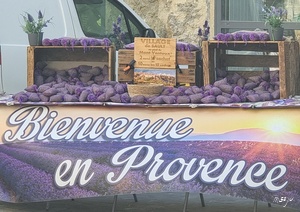
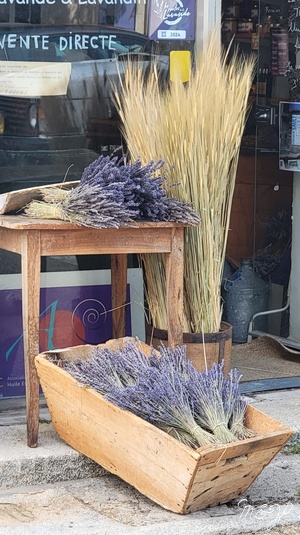
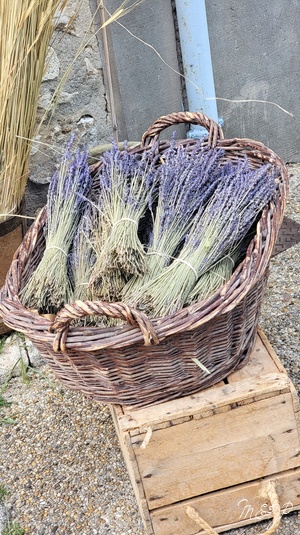
Another typical local scent, or rather scents, are those of the Marseille soap (or Savon de Marseille), a traditional hard soap made from natural ingredients in France for hundreds of years. My favourite scent is unsurprisingly the one with herbes de Provence! The Provence fabrics will be yet another temptation - it is not easy to walk away from the bright-yellow, red or blue tablecloths and aprons, decorated with bees, olives, lemons or lavender!
The main reason the locals go to the markets though is the local produce. If you are craving for a homemade ratatouille (a vegetable stew), aioli (a garlic and olive oil sauce), tapenade (a thick, smooth paste made by crushing and mixing olives, capers, anchovies, olive oil and garlic), fried zucchini flowers or pistou soup (or soup au pistou - a vegetable soup with pasta, served with pistou or a mixture of garlic, olive oil and basil), the markets are the places where you will find the perfect tomatoes, potatoes, beans, aubergines, zucchini, garlic, olives, fresh basil and the golden-coloured elixir of olive oil (France is split in two with the people north of the Loire River cooking with butter, while those to the south cook with olive oil, and each group is snubbing the other for that).
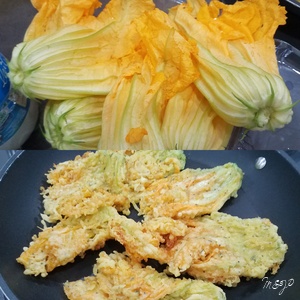
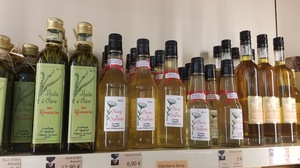
You will have difficulty choosing amongst the huge variety of regional flavourful honey and jams, high-quality cheeses, charcuterie and meat, and delicate red, white and rosé wines.
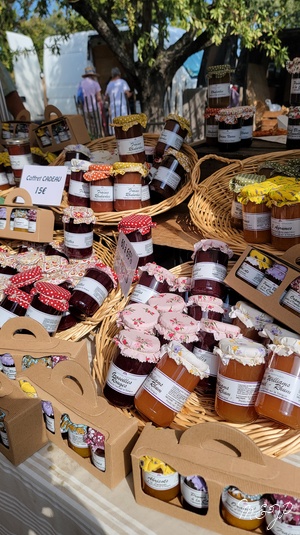
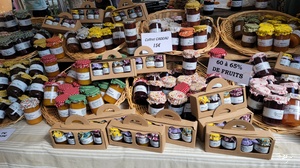
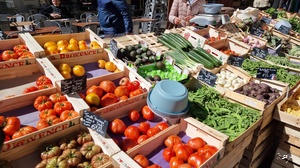
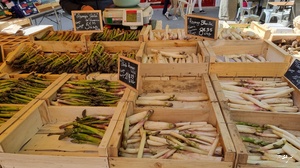
Each market also offers the seasonal produce, as well as cooked dishes and sweets typical for its own region, such as the calissons d’Aix candies, made from paste of candied fruit and ground almonds, the bright-coloured triangle-shaped Berlingot candies of Carpentras, made from fruit syrup, the Montélimar nougat, composed of almonds, honey, and a light mousse of egg whites giving it its traditional whitish colour, the boat-shaped navettes provençales (or navettes de Marseille) dry biscuits, traditionally flavored with orange flower water, the Cavaillon melons between May and September, the Carpentras strawberries between March and June, the apricots between mid-May and late August, the asparagus between late March and May, or fresh fish and other seafood along the Mediterranean coast.
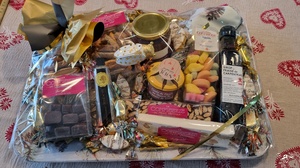
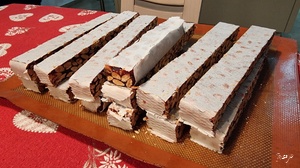
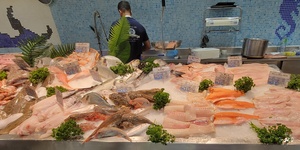
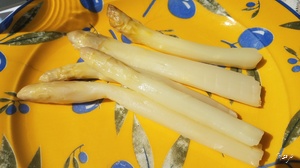
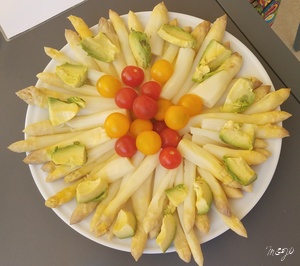
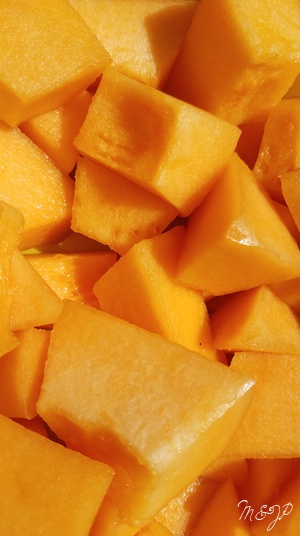
You can also buy local strawberries, melons, asparagus and other regional fresh fruits and veggies from the producers’ stalls along the roads! Also, you might not want to miss the annual Strawberry Festival in Carpentras, Melon Festival in Cavaillon or Lavender Festival in Sault if you are in the region at the right time! And seasonal fresh fruits always go with delicious tarts!
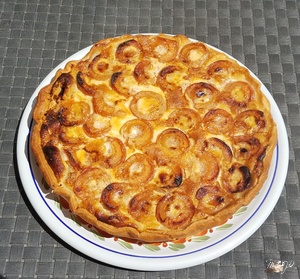
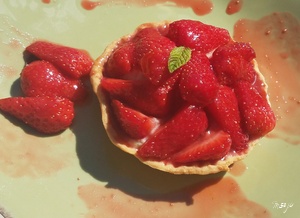
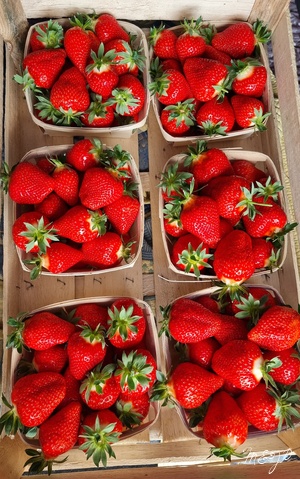
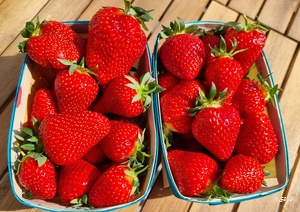
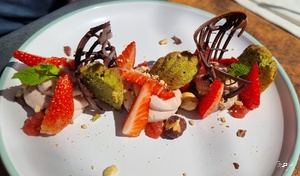
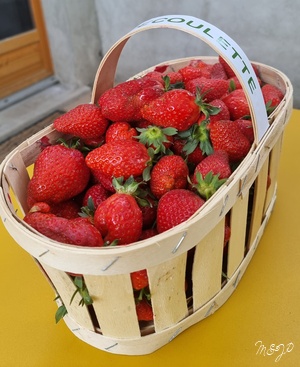
The markets are also the places where the owners of the cute little cafés and restaurants buy the ingredients for their delicious cuisine.
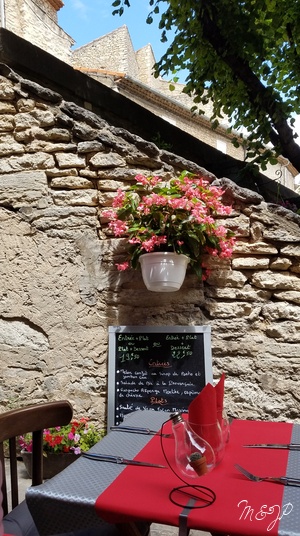
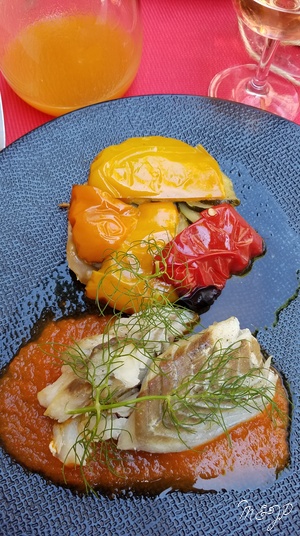
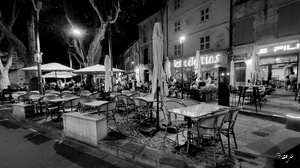
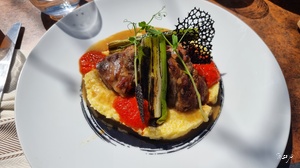
You will find the bright colours of Provence on your plate!
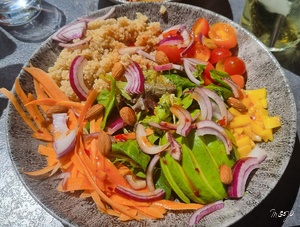
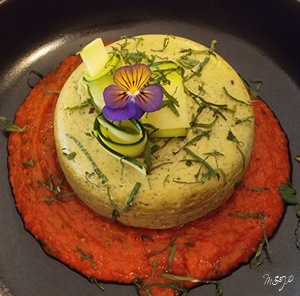
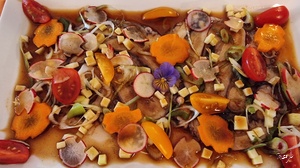
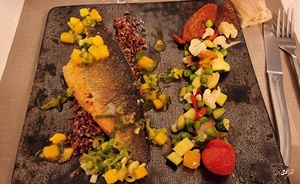
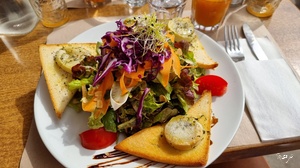
Like the markets, each of them has its own signature dish depending on the region.
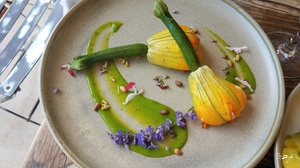
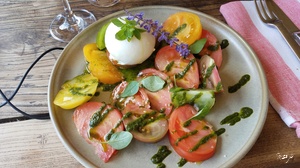
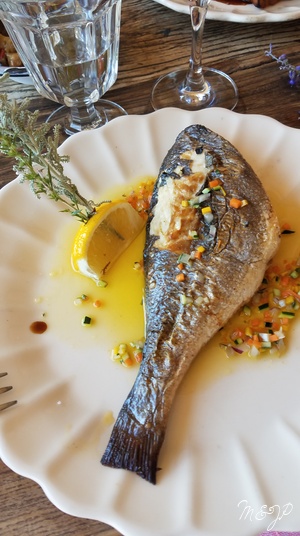
You cannot leave Marseille without having tasted the famous bouillabaisse (a compound of the two Provençal verbs bouillir ('to boil') and baisser ('to reduce heat', i.e. 'simmer'), a traditional Provençal fish soup full of Provençal herbs and spices, which was originally made in the port city by fishermen from the fish they were unable to sell. The chickpea fritters called panisses are another delicious indulgence not to be missed there - you are sure to find it on the menu of many restaurants in the Panier district. The port of Marseille is also a favourite meeting place, together with any other café terrace or petanque playground in Provence, for lovers of the popular local aniseed drink - pastis, which turns yellow when mixed with ice-cold water and is light, refreshing and therefore perfect for the summer months. It is the quintessence of family, friendship and dolce vita!
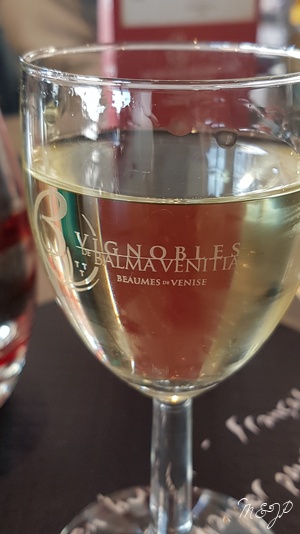
Each meal in a Provence restaurant or café or each picnic indulgence almost always includes a bottle or at least a glass of one of the delicate local wines as well (that you can buy from the markets as well!). If you are an oenophile, the region is perfect for a wine tasting tour - you just need to find someone to drive for you, or do like the locals and spit the wine you taste! I love this almost sacred ritual of turning the glass with wine, then smelling it and finally tasting it, trying to guess (quite often unsuccessfully) whether it smells or tastes like forest fruits, citrus fruits, wood or some other mysterious ingredient which somehow does not fit with a drink! If you do not want to drive, the peaceful village of Châteauneuf-du-Pape boasts one of the most famous vineyards in France and many wineries in its picturesque old houses. If you are up for a drive, do not miss the villages of Gigondas and Vacqueyras where the Romans cultivated vines during the Antiquity, which continued to delight the palates of the popes of Avignon during the Middle Age and of any oenology enthusiasts to this day! For the fans of sweet wines, a visit to the quaint village of Beaumes-de-Venise for a taste of the local muscat is a must (and the village is really charming as well)!
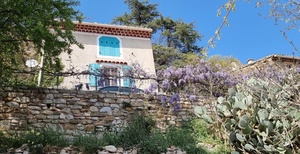
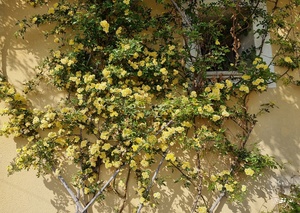
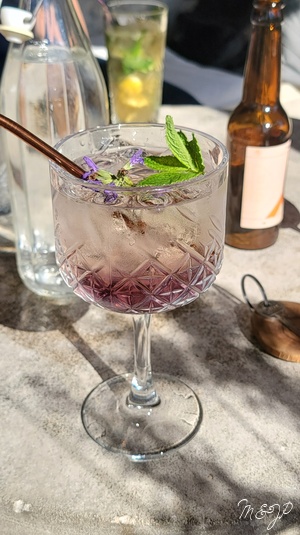
In addition to the traditional pastis and chilled Provence rosé, it perfectly accompanies various casual gatherings and more official celebrations in Provence, including the ‘holy ritual’ of the apéritif (or apéro) - pre-dinner drinks and nibbles such as the classic tapenade, olives, radishes with salt, crisps and dry sausage. It exists in all parts of France but I think that the people from the south have perfected it to its very best, probably due to the lovely weather during the very long summer evenings under the warm sun and the hundreds of stars!
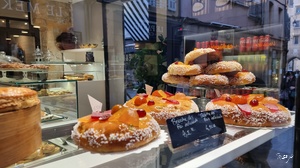
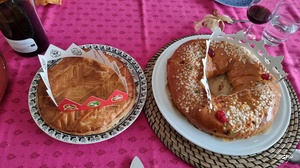
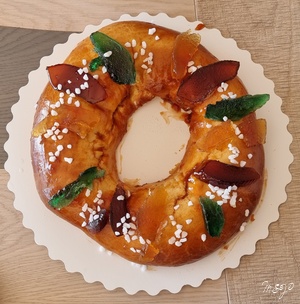
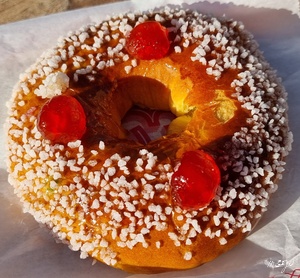
All local traditions revolve around the cuisine! Epiphany is the perfect period to try the local kings cake, which hides a tiny figurine called fève (or bean) - whoever finds it in their slice wins the paper crown sold with the cake and is crowned ‘king’ or ‘queen’ (to ensure a random distribution of the pieces, the youngest person is to place themselves under the table and name the recipient of each slice as they are cut). While the north of France has its galette des rois made with puff pastry and filled with frangipane (a sweet almond-flavoured cream), the south’s equivalent is the gâteau des rois - a ring- or crown-shaped brioche dough decorated with candied fruit and coarse sugar (very similar to the Spanish roscón de reyes), which is pure deliciousness.
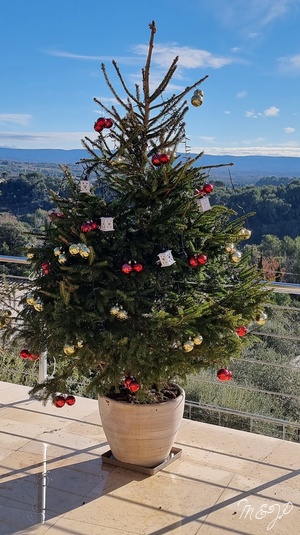
Finally, no visit to Provence is complete without discovering its Christmas traditions, in particular the culinary ones!
I love this period of the year when the best thing to do is touring local churches and markets which display amazingly detailed nativity scenes, usually featuring the life in an idyllic Provençall village with its cute houses, a well, an oven and a mill on top of the stable sheltering Baby Jesus, the Virgin Mary and Joseph.
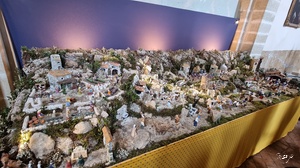
They would not be the same without the famous santons (meaning ‘little saints’ in Provençal) - these little, hand-made and hand-painted clay figurines, representing many popular local characters, inspired by Provençal folklore and traditions.
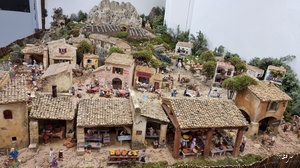
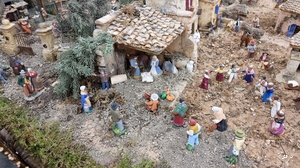
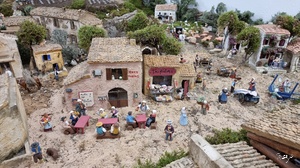
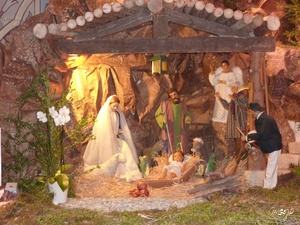
From religious figures to local artisans, oxen and olive trees, they form a delightful little world that brings Christmas decorations to life and is a perfect souvenir to bring back home!
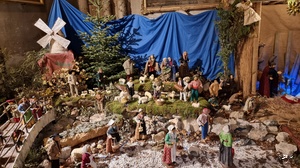
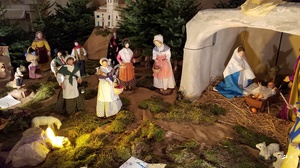
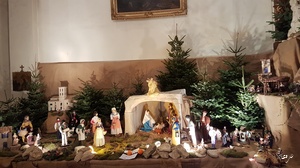
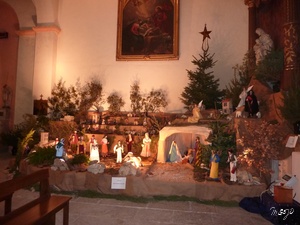
You can find them on the local Christmas markets, which also offer all ingredients for the 13 desserts present on the table at Christmas Eve, in honour of Christ and the 12 disciples (which replaces, or most of the time comes in addition to the usual log cake).
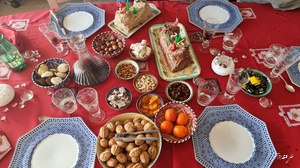
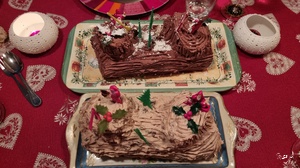
They remind me a little bit of the Bulgarian tradition of an odd number of meatless dishes! Amongst the 13 desserts (or calenos) are the ‘four beggars’ in reference to religious orders that take a vow of poverty: walnuts and hazelnuts (Augustinians), dried figs (Franciscans), almonds (Carmelites,) and raisins (Dominicans). The remaining desserts vary according to the town and family and may include the pompe à huile (brioche made with olive oil and orange flower water, similar to the fougasse), nougat, apples and pears, tangerines, candied fruit, quince paste, calissons from Aix-en-Provence, and dates. Each guest must eat a little of each dessert to get good fortune in the coming year, similar to the Chinese ritual of yu sheng (or lo hei) ritual! There is nothing more delightful than spending this day and sharing its warmth and deliciousness with family and friends! If nature, culture and food help a lot, at the end of the day Provence rhymes with paradise before and above all because of all these moments of sharing and joy!

You like what you read?
Explore and learn more about France !!!
-
 P for Paradise and Provence (part 2)
Stunning nature - You cannot leave Marseille without hiking to … -
 P for Paradise and Provence (part 1)
France used to be divided into historical regions, which do … -
 The Valley of Roses and Kings (part 2) The Valley of Kings
The Valley of Roses is famous not only for its … -
 The Valley of Roses and Kings (part 1) The Valley of Roses
Out of all the flowers in the world the rose … -
 In the heart of the Silk Road (part 4) Khiva and the Desert Castles
Khiva - It took us 6 hours, almost a whole … -
 In the heart of the Silk Road (part 3) Bukhara
Bukhara - While Tashkent is a modern city with some … -
 In the heart of the Silk Road (part 2) Samarkand
Samarkand - No name is so evocative of the Silk … -
 In the heart of the Silk Road (part 1) Tashkent
The Great Wall of China, Machu Picchu, the Pyramids of … -
 The Land of Giants at the End of the World (part 2)
We crossed for the third time the border between Argentina … -
 The Land of Giants at the End of the World (part 1)
No visitors come back from Antarctica in the same state … -
 A Vitamin Sea Christmas in the Mediterranean
Human beings are full of contradictions! When we used to … -
 Spring Colours in the Kingdom of the West (part 6) Morocco is yellow
Morocco is yellow - Besides the yellow hues of the … -
 Spring Colours in the Kingdom of the West (part 5) Morocco is red
Morocco is red - Besides the red hues of the … -
 Spring Colours in the Kingdom of the West (part 4) Morocco is orange
Morocco is orange - Our first encounter with the legendary … -
 Spring Colours in the Kingdom of the West (part 3) Morocco is green
Morocco is green - The Rif Mountains east of Tangier, …
