
A Vitamin Sea Christmas in the Mediterranean
Posted by: Maria in December 2025 (10 months, 2 weeks ago)
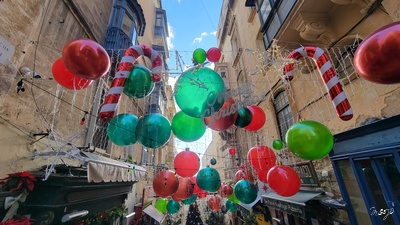
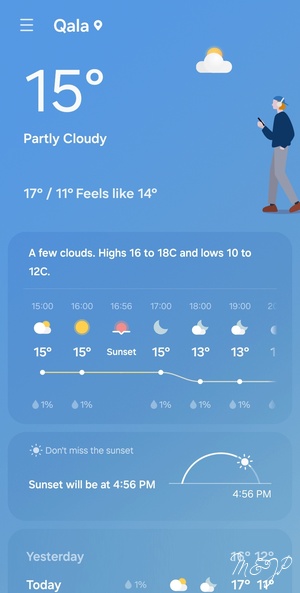
Human beings are full of contradictions! When we used to live in tropical countries, we were looking for trips to cold destinations, and now that we spend most of our time in countries with real winter, we are searching for warmth, sunny weather and Vitamin Sea! Only a short flight away from many European cities, Malta seemed like the perfect place to get away from the minus temperatures for the Christmas holidays. If you set aside the Canary Islands, which geographically are located off the coast of Africa but politically are an autonomous community of Spain, it is the warmest and sunniest country in Europe in winter. The only drawback is the wind which could be quite strong at this time of the year, but who cares when the average temperatures during the day are at least 16 °C (60 °F) higher than at home?
The Maltese archipelago consists of the three inhabited islands of Malta (the largest one), Gozo, and Comino (a tiny car-free paradise with virtually no permanent residents) and a few smaller, uninhabited ones.
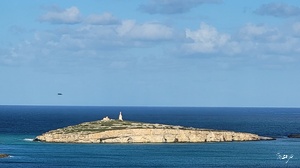
It is squeezed somewhere between Europe and Africa, in the Mediterranean Sea, only 80 km (50 mi) south of Italy, 284 km (176 mi) east of Tunisia, and 333 km (207 mi) north of Libya. This unique location explains the various civilisations and cultures that have influenced the country throughout its history, and its amazing nature.
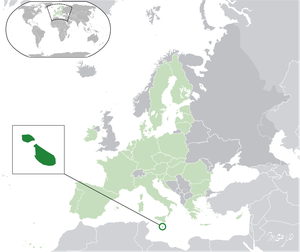
With a population of about half a million people over an area of 316 sq km (122 sq mi), or less than half the size of Singapore, Malta is the world's tenth-smallest country by area but the ninth most densely populated. However, contrary to our expectations that it was going to be entirely overbuilt, we discovered many peaceful and unspoiled places with gorgeous nature which were amazing for hikes in the wilderness.
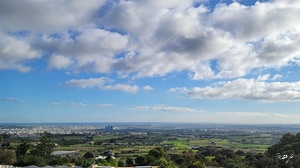
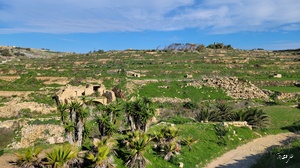
Yes, Malta is tiny but there is so much to discover there that culture-vultures, foodies and nature-lovers will all find their happy place there! It is a hodgepodge of fervent Catholics driving on the left side of the road and speaking perfect English as well as a local language blending Arabic, Italian and English, prehistoric temples, churches, Arab-influenced balconies, stunning rock formations, beaches, salt pans, and agricultural stone terraces! Our two week-stay there was the perfect duration in order to explore almost all its wonders at the right pace.
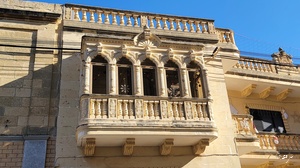
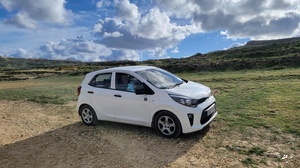
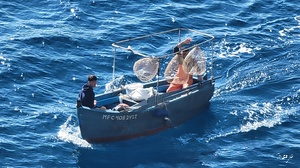
As most people stay in the rather crowded capital Valletta on the island of Malta or the resort-like cities around it, we decided to opt for Rabat instead, around 10 km (6 mi) to the east, and take the bus to Valletta to see the city and its Christmas markets on a day trip.
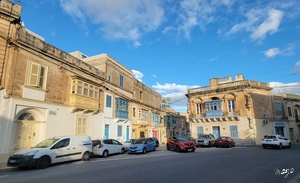
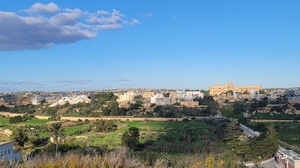
Also, do not make the mistake of visiting Gozo on a day trip like most people - the island is worth spending as much time on it as on its bigger “sister”. We stayed on each of the islands of Malta and Gozo for a week and still had a few things on our bucket list when we left…
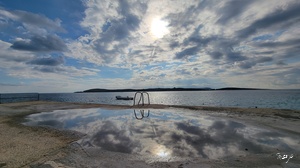
Unique history - Malta’s strategic location in the centre of the Mediterranean Sea made it a sought-after territory for numerous civilizations, including the Phoenicians and the Romans in the antiquity, the Arabs and the Normans in the Middle Ages, and the Knights of St John, the French and the British in the modern era. This succession of powers during the centuries, since at least 6500 BC, explains its rich history. The country came under British rule in the early 19th century, serving as the headquarters for the British Mediterranean Fleet, and achieved independence in 1964. However, the Royal Navy and the British troops officially left Malta much later, on March 31, 1979, marking its full de facto independence - an event celebrated annually as Malta's Freedom Day. The country joined the European Union in 2004 and the eurozone in 2008, and is one of the few countries in the world currently run by a female president.
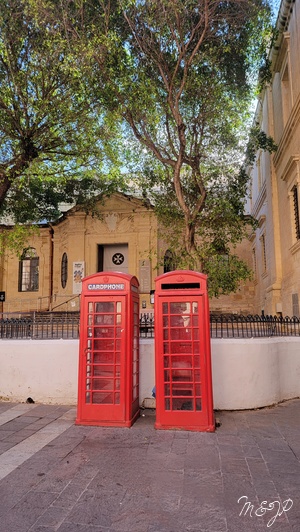
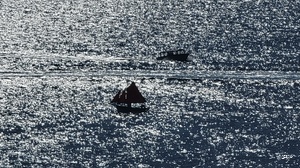
Malta's long history of foreign rule and its proximity to both Europe and North Africa have influenced its culture with a unique blend of architecture, religion, language and cuisine.
Unique architecture - The constant change of the archipelago’s inhabitants and rulers roughly coincides with the variation of architectural styles. The island nation is home to some of the oldest freestanding structures on Earth, even older than the famous circle of Stonehenge or the pyramids of Egypt! The Hypogeum of Ħal Saflieni, an underground necropolis on the island of Malta, as well as the prehistoric Megalithic Temples - Ġgantija (meaning "Giants’ tower" as, according to Maltese folklore, the temples were built by giants) on the island of Gozo and Ħaġar Qim, Mnajdra, Ta' Ħaġrat, Skorba and Tarxien on the island of Malta - were built between 3600 BC and 2500 BC, and are all UNESCO World Heritage Sites.
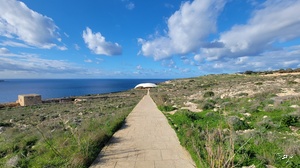
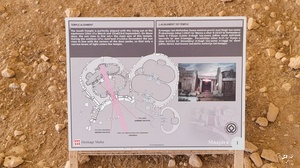
We could not visit all of them given our limited time on the islands, so we picked the best-preserved honey-coloured temples of Ħaġar Qim (meaning "Standing/Worshipping Stones") and Mnajdra, both located in the same area on the southern coast of the island of Malta.
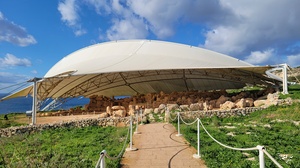
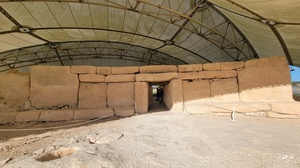
The monumental doorways, internal rooms, steps, altars and shrines are impressive, and showcase the astonishing craftsmanship of the inhabitants of these islands 5,000 years ago. The biggest stone of the complex weighs 20 tons (40,000 pounds)!
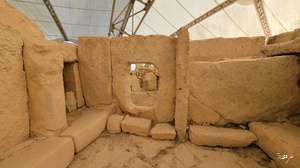
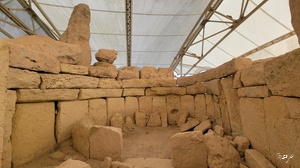
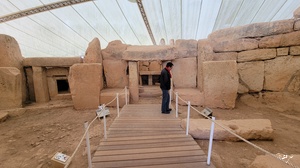
The temples were probably used for religious rituals, such as sun worships and fertility cults given the alignment with solstices and equinoxes and the statuettes found at the site of the “Venus of Malta”, often interpreted as a fertility goddess, as well as for astronomical observations and as a calendar.
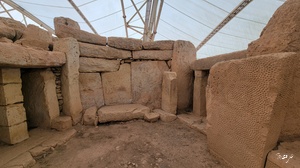
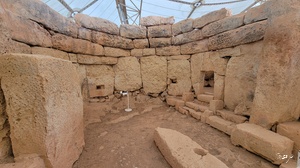
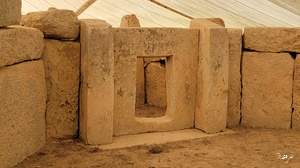
The surrounding landscape along the turquoise waters of the Mediterranean Sea is stunning as well and features many hiking trails that you can follow after the visit to the temples.
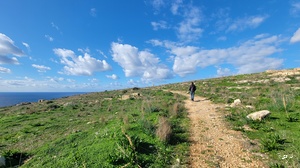
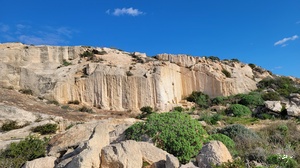
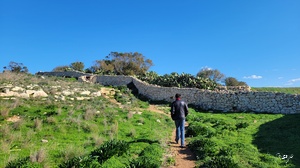
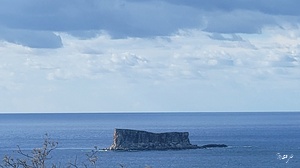
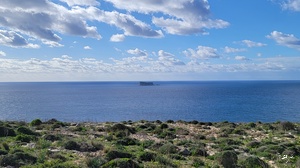
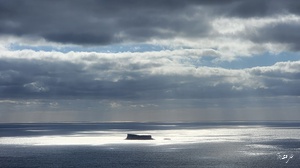
The views of the Islet of Filfla, which lies 4.5 km (3 mi) out to sea and has an altar-like appearance, may have had special significance for the temple-builders.
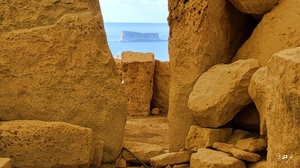
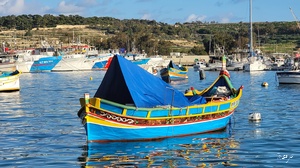
Unfortunately, no remains have survived in Malta from the era when the islands were colonized by the Phoenicians, but the famous luzzus.
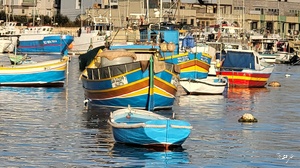
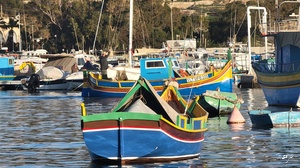
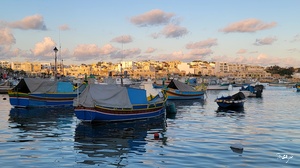
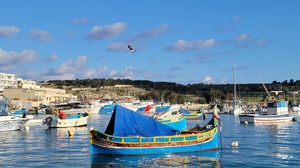
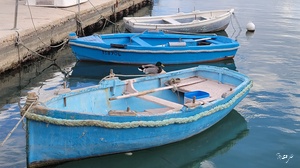
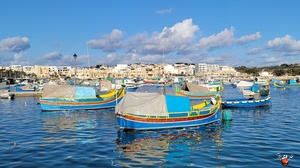
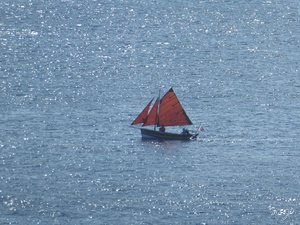
These traditional fishing boats are painted in vibrant shades of yellow, red, green and blue and are known for their sturdiness and seaworthiness.
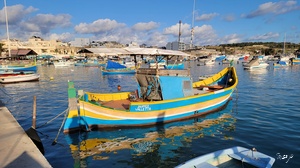
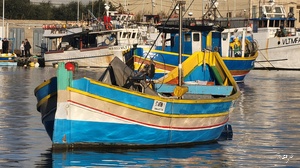
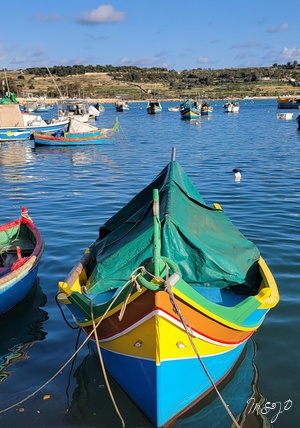
They are said to owe their design to the Phoenicians, these early Mediterranean traders who first arrived on the islands in 800 BC.
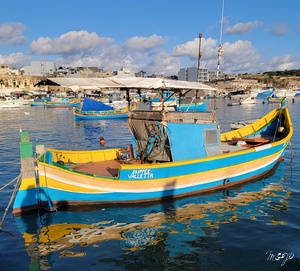
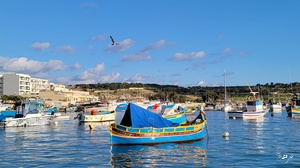
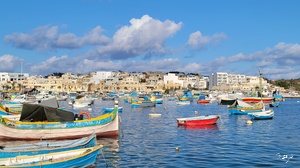
Each of the luzzus features a pair of painted or carved eyes on its bow, known as the “Eye of Osiris” or “Eye of Horus”. This ancient Phoenician (and also Egyptian and ancient Greek) symbol is believed to ward off evil spirits and safeguard the boat and its crew at sea. It reminded us of the eyes painted on the trucks driving in the Himalayas, which serve the same purpose.
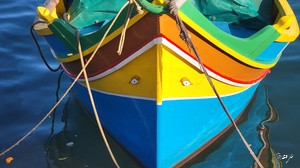
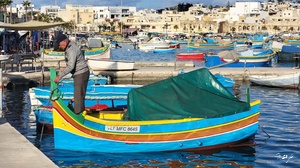
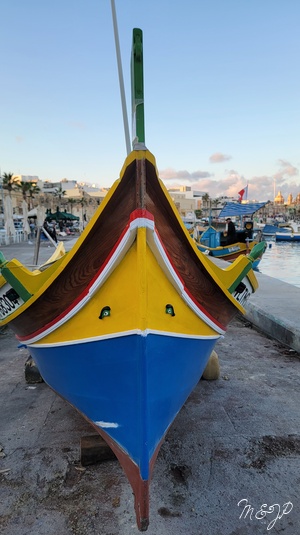
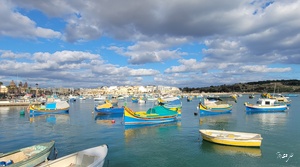
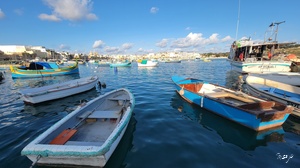
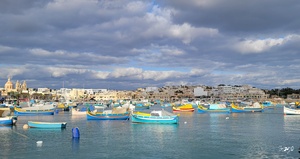
You can find hundreds of luzzus in the picturesque harbour of the enchanting fishing village of Marsaxlokk, set around an azure bay in the southern part of the island of Malta.
Not much is left from the time of the Romans in Malta either. If you are a Roman ruins and mosaics fan, you can visit the Domvs Romana, a Roman-era aristocratic town house (domus) built in the 1st century BC and located on the boundary between Mdina and Rabat on the island of Malta, where the Romans had established the city of Melite.
Little remains also from the time after Malta fell to the Arabs in 870, but a tiny detail which today is one of the country’s symbols - the gallarijis.
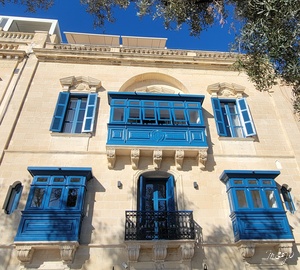
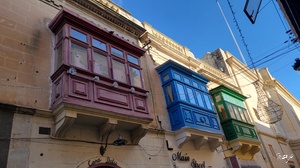
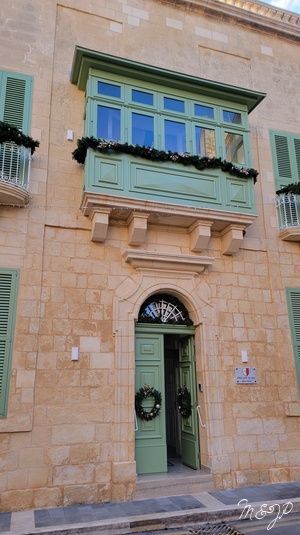
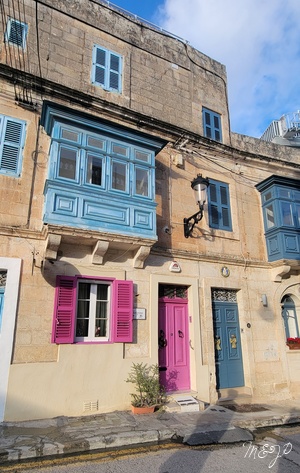
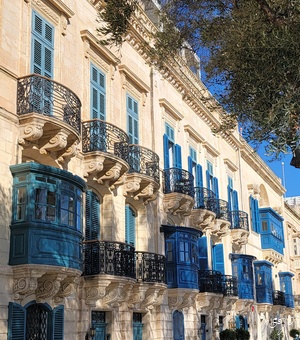
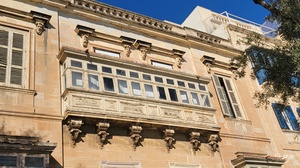
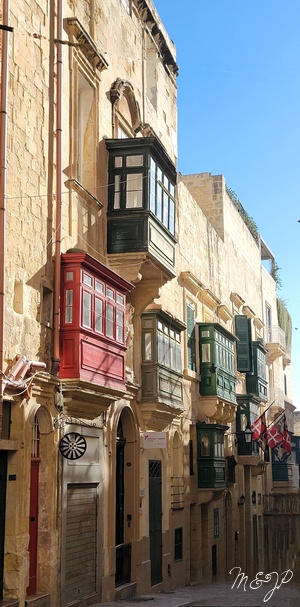
These typical enclosed, painted, wooden or stone balconies overhang mainly the narrow streets and squares of the capital Valletta, the Three Cities opposite it, Rabat and the main city of Victoria on the island of Gozo.
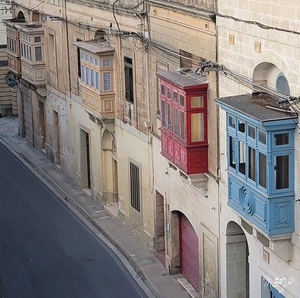
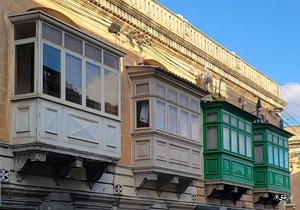
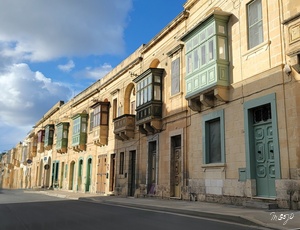
The origins of the iconic balconies date back to the muxrabija (from the Arabic mashrabiya), a creation of the Arab world.
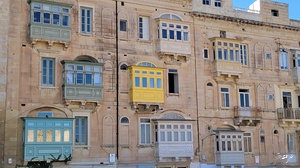
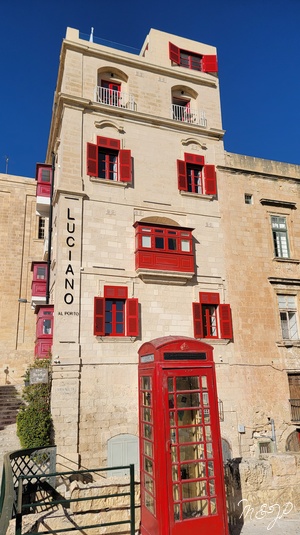
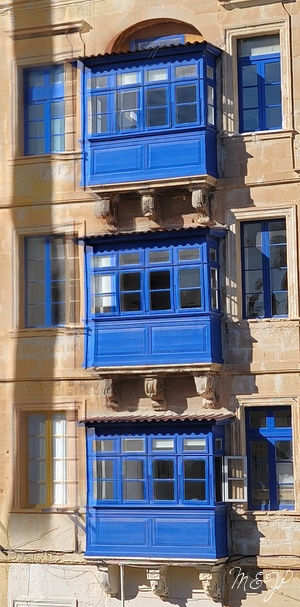
This wooden window frame, which completely screened the window space, allowed the person on the inside to observe all that was going on outside whilst not being visible to the people in the street below, and was an excellent way to shield the women of the house in a time and place when they wore clothing covering them from head to toe. In addition, the muxrabija had the task to keep the interior of the building cool by allowing circulation of air through the carved wood, and was also used to store the pots with drinking water in order to keep them cold.
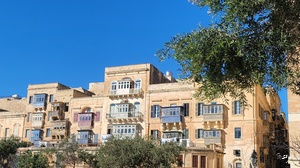
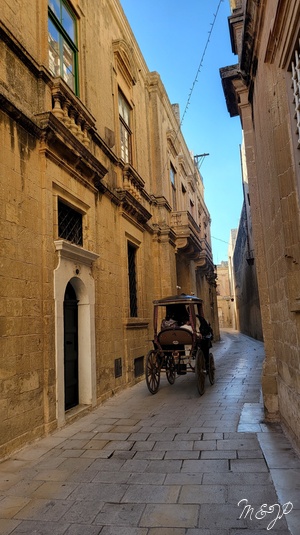
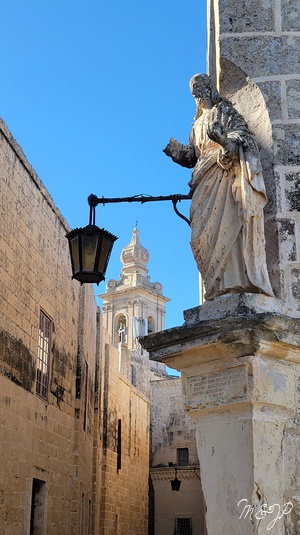
Relatively few buildings remain from the medieval period of Malta as well. Some of them are in Mdina (meaning “city” in Arabic) - a fortified medieval city on Roman and Arab foundations. The core of the imposing city walls were built by the Arabs and later expanded by the future rulers of the islands, including the Knights of St John.
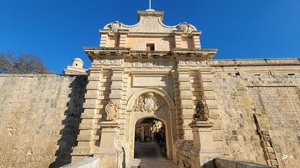
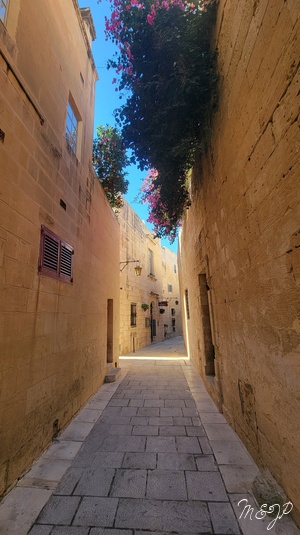
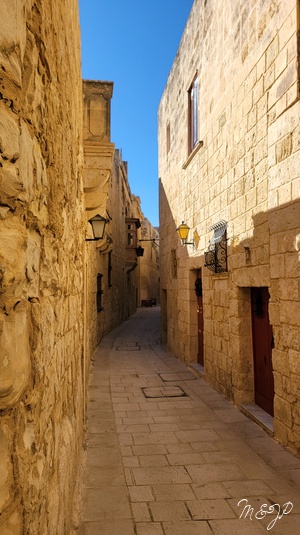
Mdina was Malta’s capital until the construction of Valletta in the mid-16th century and many aristocratic families still own palaces here.
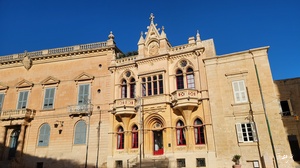
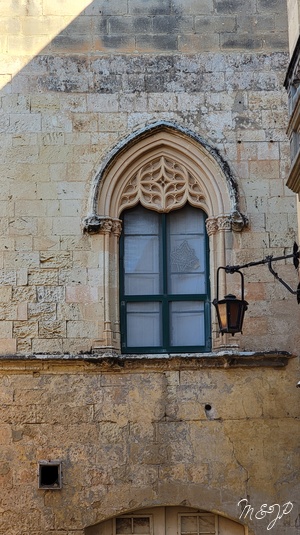
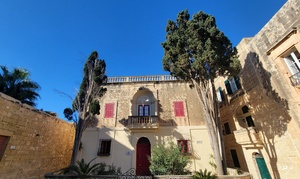
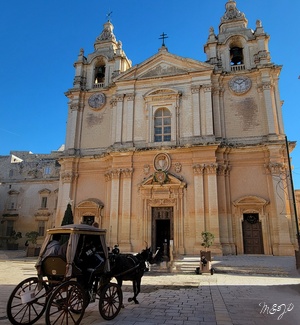
The narrow cobblestone streets, the decorative doorknockers of the houses and the traditional horse-drawn carriages, locally known as karozzins, are delightful.
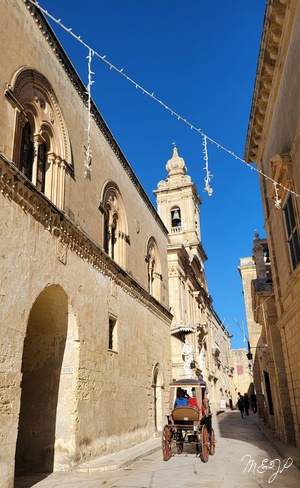
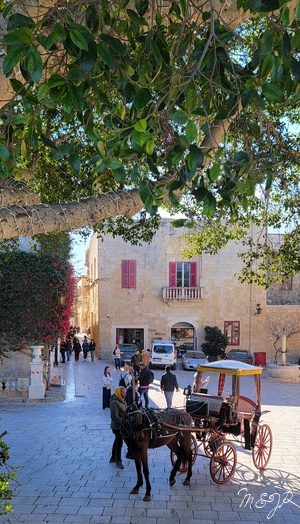
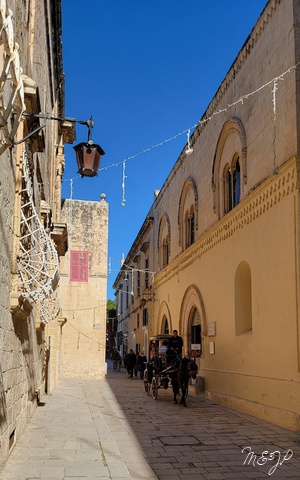
The city sits at one of the highest points of the island and the observation deck at Bastion Square offers some spectacular views.
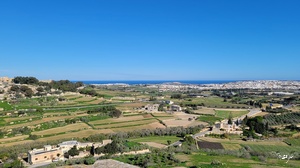
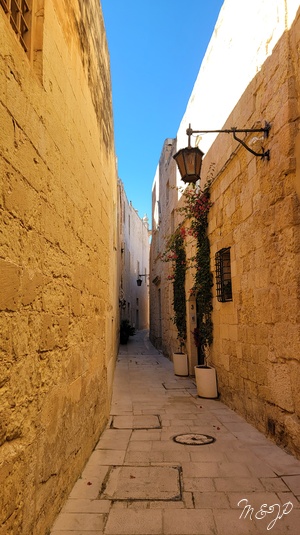
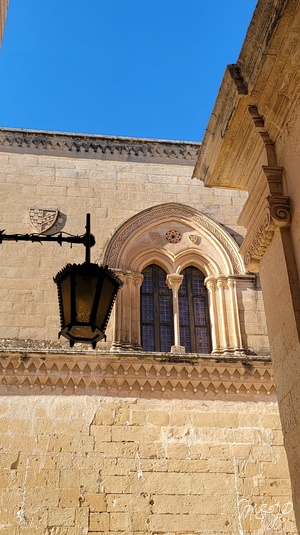
Mdina is also known as the “Silent City” because after Malta’s capital moved away, it became sparsely populated resembling a ghost town, and today remains a quiet place with a magical atmosphere, especially at night when you might be the only visitor wandering around under the mysterious lights of the street lamps.
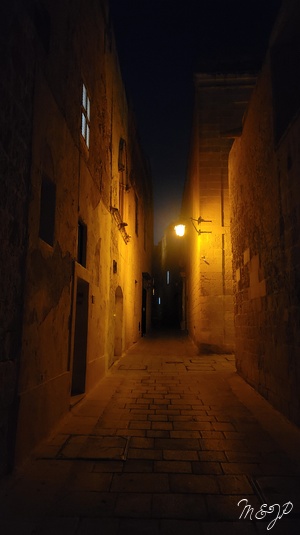
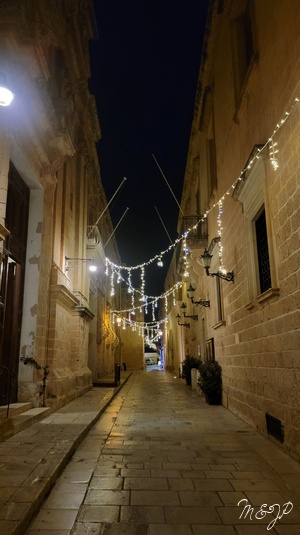
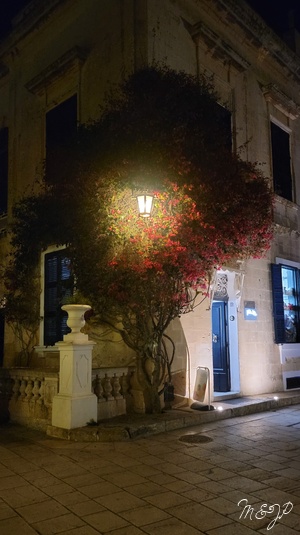
Finally, do not miss driving around Mdina to see its spectacular ramparts, which are even more jaw-dropping at golden hour!
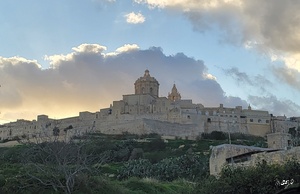
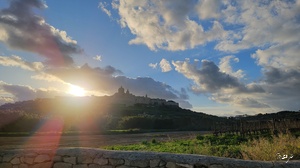
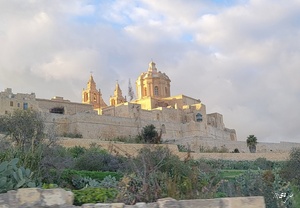
Another still standing major medieval structure is the Cittadella, aka the Castello, in the city of Victoria on the island of Gozo. The citadel served as a refuge for the local people from the raids of corsairs and pirates. Its handsome silhouette is visible from almost everywhere on the island.
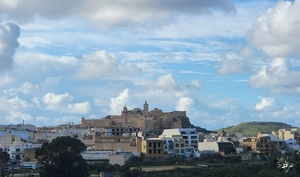
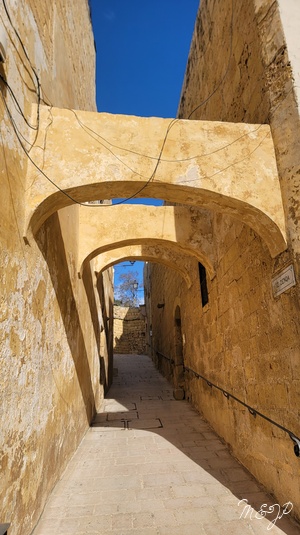
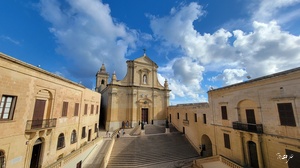
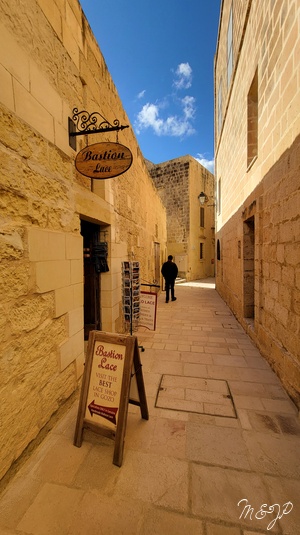
Inside the ochre-coloured walls, which were reinforced by the Knights of St John after their victory over the Ottomans in 1565, there are historic houses, churches, museums and an old prison.
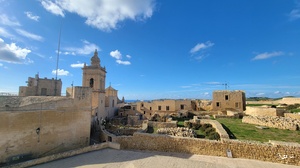
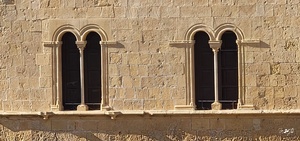
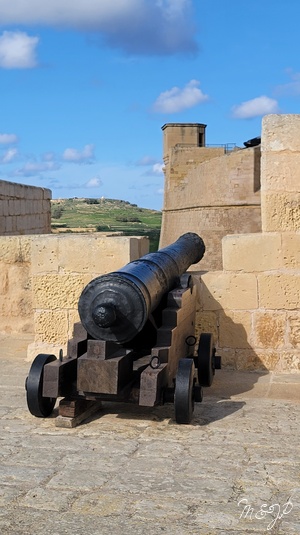
A walk along the ramparts is rewarded with a breathtaking 360-degree panorama of hills, valleys, villages, churches and the Mediterranean Sea.
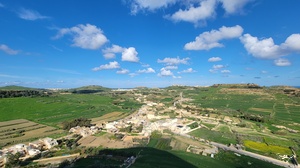
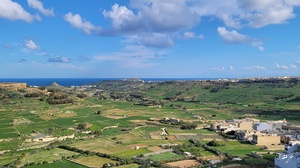
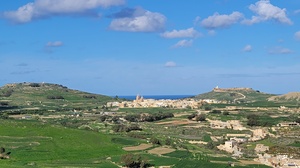
The most visible and permanent traces on the islands’ architecture have been left by the Knights of St John. They ruled Malta for centuries (from 1530 when the islands were given to them by Emperor Charles V, to 1798 when they were evicted by the French led by Napoleon Bonaparte). During this time they built elaborate bastioned fortifications around the main cities and a series of coastal and inland defences that still dominate the islands’ landscape. The Knights also introduced Renaissance architecture to Malta in the mid-16th century and the Baroque style about a century later.
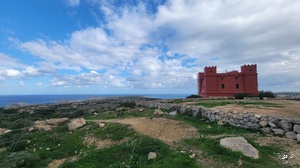
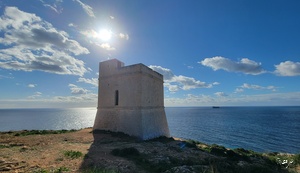
Several towers were built as part of the Knights' extensive coastal defense system to protect Malta from invaders. One of the most spectacular ones is St Agatha’s Tower, aka the Red Tower, in the village of Mellieħa on the island of Malta. It also offers some scenic views of the Gozo Channel, crossed by the ferries bringing travellers from the island of Malta to the island of Gozo.
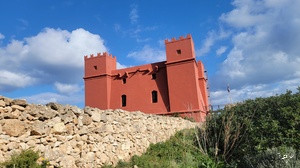
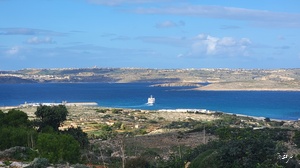
Also spectacular are the panorama from and the landscape around other smaller towers, such as the Ħamrija Tower next to the Megalithic temples of Ħaġar Qim and Mnajdra, as well as the Xlendi Tower near Xlendi Bay and the Dwejra Tower near Dwejra Bay on the island of Gozo.
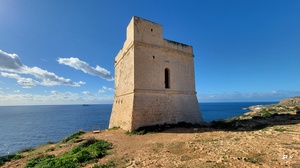
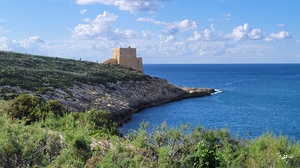
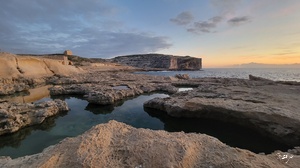
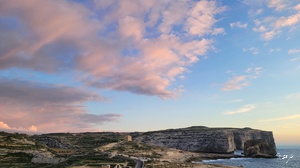
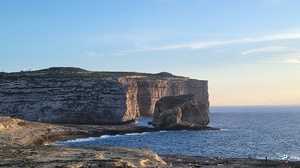
The latter was erected by the Order of St John in the 16th century to guard Fungus Rock (also known as “The General’s Rock”). This strange rock owes its name to a rare parasitic plant growing on it, known as “the General’s Root” or “the Maltese Fungus”, which was highly prized by the Knights who thought it cured dysentery, staunched bleeding and prevented infections - the sentence for anyone caught stealing it was three years in the galleys!
However, the most impressive architectural achievement of the Knights of St John is Malta’s capital, Valletta.
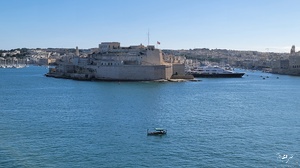
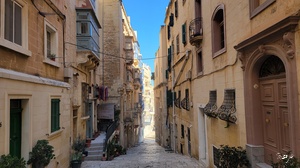
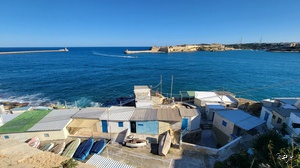
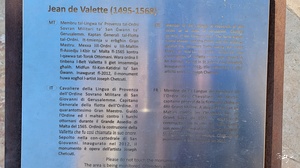
After having withstood the Great Siege by the Ottomans in 1565, the Grand Master Jean de Valette immediately set out to build a new fortified city to strengthen the Order of St John's position in Malta and bind the Knights to the island. The city took his name and was called La Valletta.
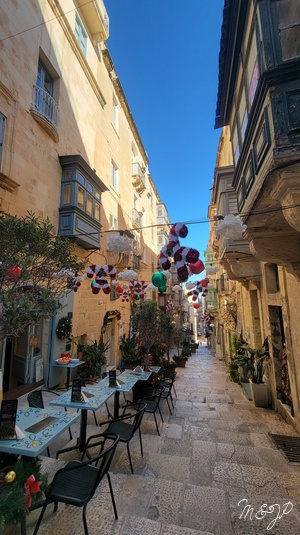
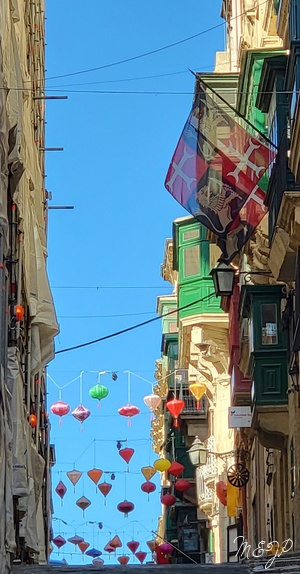
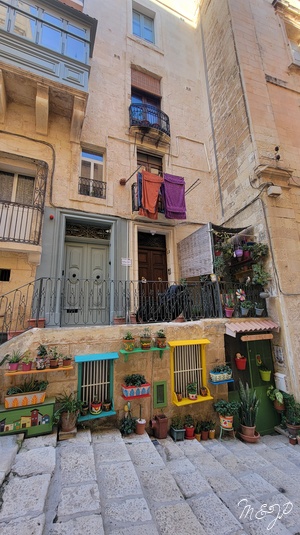
It is a UNESCO World Heritage Site and was one of the first planned cities in Europe. Today, it is the smallest capital city in the European Union by both area and population but has a large variety of architectural wonders to offer to its visitors!
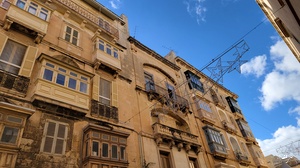
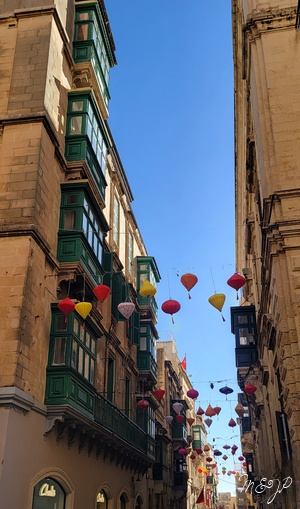
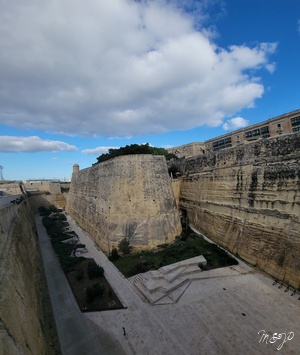
Valletta was built by the Knights to be impregnable and this is already clear at the City Gate, the main entrance into the capital. Vast bastion walls tower over a deep ditch where there was originally a drawbridge. Today’s gate was designed by the famous architect Renzo Piano and completed in 2014.
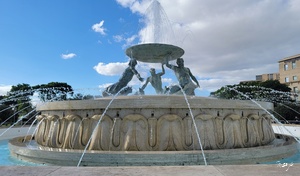
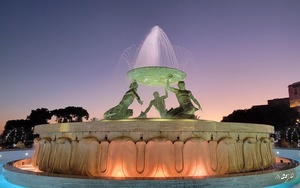
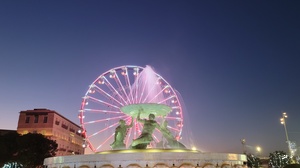
Just outside the City Gate of Valletta is the emblematic Triton's Fountain, which becomes even more beautiful by night.
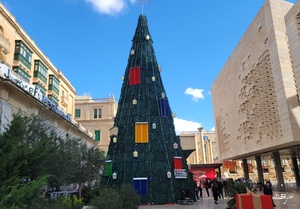
On the other side of the gate is another of Renzo Piano’s creations - the clad with local stone New Parliament Building, reflecting the earlier architecture of Valletta and lifted on stilts.
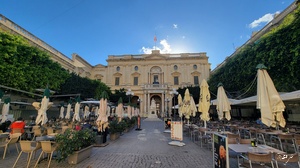
Republic Street, the main street of the capital, also starts at the City Gate and runs to Fort St Elmo at the end of the Valletta peninsula. Halfway down the street is St George's Square, also known as Palace Square - the main square facing the magnificent Grand Master’s Palace, which used to be the residence of the Grand Masters of the Order of the Knights of St John for more than two centuries. Just next to the palace is the cute Republic Square - it was originally called Piazza Tesoreria (or Treasury Square from Italian) as the Order of St John’s treasury was located there.
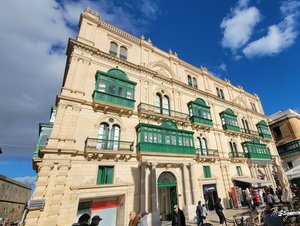
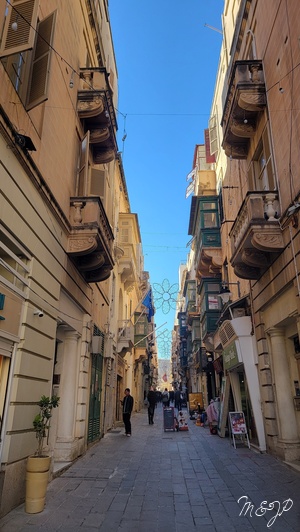
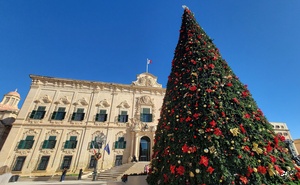
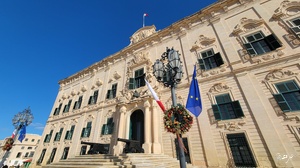
Another trace of the Knights are the Auberges (or Inns/Palaces) of the eight Langues (or Languages), the national branches of the Order, each of which had its own inn/palace, or auberge. The most lavish of the few surviving ones is the Auberge de Castille with a stunning Baroque façade, which today houses the office of the Maltese Prime Minister.
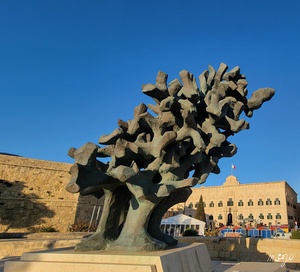
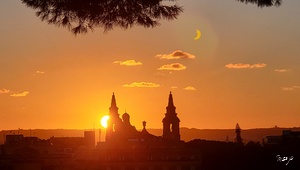
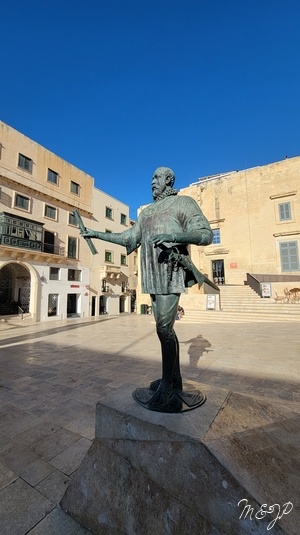
The panoramic views from the sculpture “A Flame That Never Dies” in front of the auberge are spectacular at sunset! Nearby also stands the statue of Jean de Valette, the founder of the city.
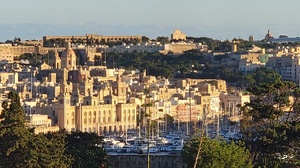
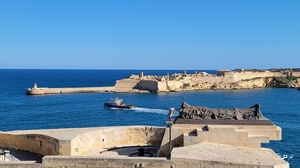
On the other side of the auberge, atop Valletta’s bastion walls, are the Upper Barrakka Gardens. They are not to be missed for both a pleasant coffee break at the cute kiosk in the gardens and the beautiful views of the Grand Harbour, Fort St Angelo - Malta’s oldest fortress, and the fortified Three Cities of Vittoriosa (Birgu), Senglea (Isla), and Cospicua (Bormla). Also, a cannon at the 16th-century Saluting Battery below is fired Monday through Saturday at noon and 4pm with great ceremony.
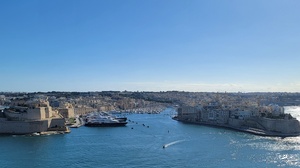
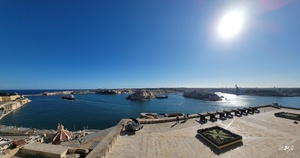
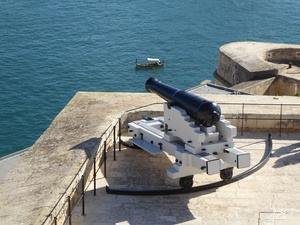
A little bit further from the Upper Barrakka Gardens along the Barriera Wharf are the peaceful Lower Barrakka Gardens, from which the views of the harbour and the city are equally breathtaking.
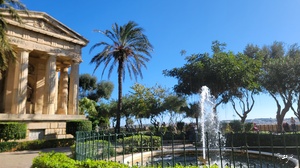
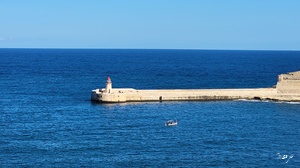
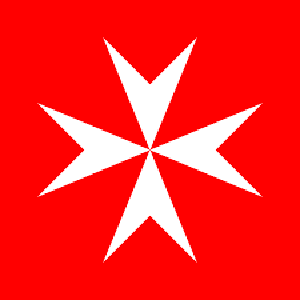
The most ubiquitous reminder of the Knights’ presence in Valletta and the rest of the islands though is probably the eight-pointed, four-arrowheaded Maltese Cross, which is the symbol of the Order of St John. It is believed that the eight points represent the eight Langues or the “eight obligations or aspirations” of the Knights. You will spot the Maltese Cross literally everywhere - it is part of the Maltese civil ensign, the Naval Jack, the presidential standard, the euro coins of 1- and 2-euro denomination, KM Malta Airlines - Malta’s national airline, and the list goes on.
After Malta became part of the British Empire in 1800, the islands grew wealthy as an important refuelling station for British steamships on their way to Asia. While the Baroque elements brought by the Knights continued to influence the Maltese architecture, the new rulers introduced the Neoclassical, Romanesque and Neo-Gothic styles in many administrative buildings and, above all, churches. And indeed, what will stay with you long after your visit to Malta on top of the cute balconies and the Maltese Cross will be all the cathedrals, churches and chapels that you will spot scattered everywhere around the islands. Believe me, there are loads of them and they are a living proof of Malta’s rich architectural heritage! The country’s history has also influenced in a unique way its religion, which is one of the reasons the Christmas holidays there will be beyond memorable!
Unique religion - With more than 90% of its people identifying as Roman Catholics, Malta is one of the countries with the highest percentage of Roman Catholics per person in the world. The religion is reflected in various elements of Maltese culture. The second article of the country’s constitution even establishes Catholicism as the state religion, while still guaranteeing freedom of conscience and religious worship. The reason for that can be found, as usual, in Malta’s history. According to the New Testament, St Paul was shipwrecked on the island of "Melite", which many Biblical scholars identify with Malta, around AD 60. He introduced Christianity on the archipelago, making it one of the oldest Christian communities. The city of Rabat, next to Mdina, houses Malta’s major religious sites from the early years of Christianity, such as the cave where St Paul is said to have lived after he was shipwrecked, and St Paul’s Catacombs - a system of underground galleries and tombs dating from the 3d to the 8th centuries. St Paul’s Cathedral in Mdina - a stunning late 17th-early 18th-century Baroque masterpiece - replaces (while still incorporating some elements from) a 12th-century medieval church significantly damaged in the 1693 earthquake. It was built on the same sacred spot where St Paul supposedly met for the first time the Roman governor Publius, who hosted him and eventually converted to Christianity, becoming Malta's first bishop and a martyr.
During their two-century-long rule, the Arabs introduced Islam but maintained tolerance for Christians. The Norman conquest in 1091, followed by the rule of the German, French and Spanish, deepened Malta's Catholic identity. However, instrumental in making the islands a bastion of Catholicism was the Order of St John - a Catholic military and chivalric order, founded in the 11th century in the Kingdom of Jerusalem by a lay brother of the Benedictine order, led by an elected prince and grand master and whose motto was "Defense of the faith and assistance to the poor". For nearly three centuries, the Knights of St John (aka the Hospitallers) made the archipelago their stronghold, defending it from Ottoman invasions. Today, five organizations continue the traditions of the Hospitallers and recognise each other. Amongst them is the Sovereign Order of Malta (aka the Knights of Malta) - a lay religious order which possesses no territory but is considered a sovereign entity under international law (it has had permanent observer status at the United Nations General Assembly since 1994), and largely focuses on providing humanitarian assistance.
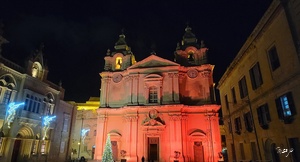
The legacy of the Knights of St John is still visible everywhere today in Maltese architecture. On top of the impressive fortifications and hospitals, they constructed countless magnificent churches. There are around 360 churches, cathedrals and chapels in Malta, or one church for every 1,000+ residents and almost one church for every day of the year! They are a fascinating blend of Baroque, Renaissance, Neoclassical, Romanesque and Neo-Gothic styles, even though the Baroque one is definitely the most predominant!
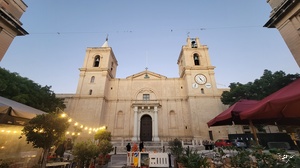
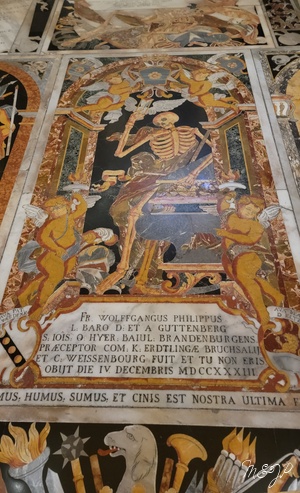
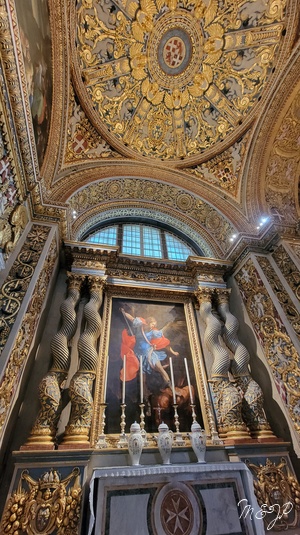
Two of the most iconic religious sights on the island of Malta are located in Valletta. St John’s Co-Cathedral, one of the world’s finest Baroque churches, was built by the Knights in the 16th century. Its sober exterior contrasts with its lavishly decorated interior.
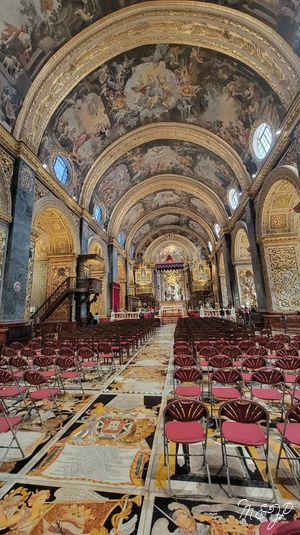
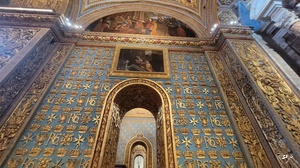
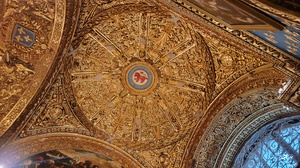
Its marbled floor is covered with the dazzling tombstones of hundreds of Knights. The walls and ceilings of its Nave, High Altar and eight chapels dedicated to each of the Order’s Langues are richly decorated. The cathedral also displays some of the Knights’ treasures such as tapestries and paintings, including Caravaggio’s famous “The Beheading of St John the Baptist”.
Not too far away from St John’s Co-Cathedral is another 16th-century Baroque wonder. The ornate St Paul’s Shipwreck Church is dedicated to Malta’s famous patron saint. It houses a fragment of the pillar on which St Paul is said to have been beheaded and a venerated relic of the saint’s right wrist-bone.
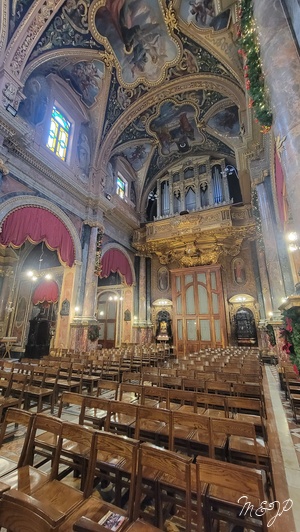
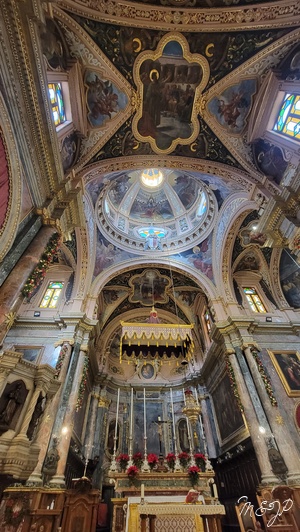
Not more than 15 minutes will go by without coming across a church while roaming around the rest of the island of Malta. The cute 19th-century Baroque Parish Church of Our Lady of Pompei in Marsaxlokk is definitely worth the stop, together with the 20th-century Neoclassical Parish Church of the Assumption of the Blessed Virgin Mary into Heaven in the village of Mġarr.
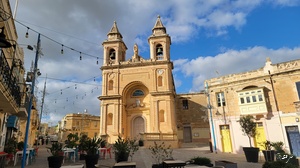
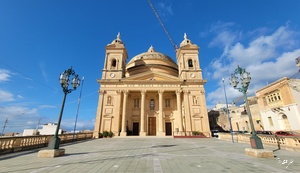
Many of Gozo’s churches have been built in Baroque architecture throughout the centuries as well.
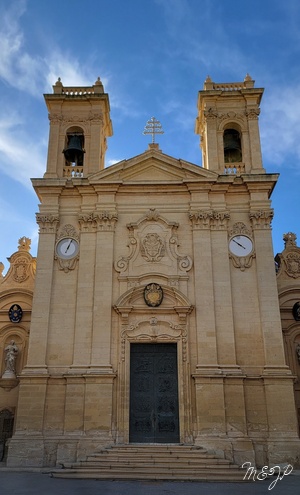
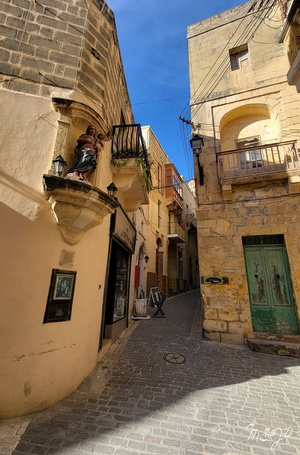
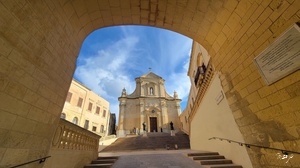
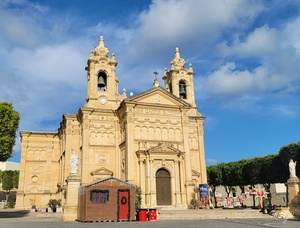
While it was impossible to visit all of them in a week, we made a stop to admire a few from different epochs - the 17th-century St George’s Basilica, situated in the middle of the city of Victoria and surrounded by a maze of old narrow streets and alleys, the 18th-century Cathedral of the Assumption of the Blessed Virgin Mary into Heaven inside the Cittadella of Victoria, the 19th-century Parish Church of il-Qala (aka St Joseph’s Church) in the village of Qala, and the 20th-century Xewkija Rotunda (aka Church of St John the Baptist) in the village of Xewkija. The latter is said to have the third largest unsupported dome in Europe - a fact disputed by the people of Mosta who claim that the 19th-century Neoclassical Rotunda of Mosta, based on the Pantheon in Rome, holds this title.
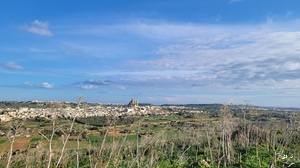
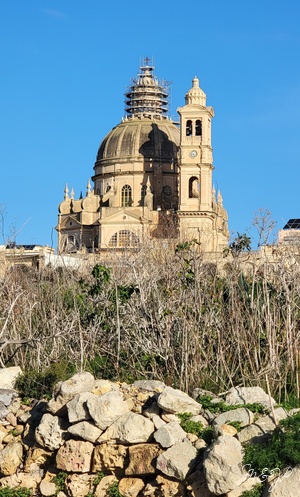
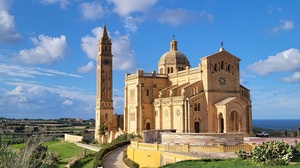
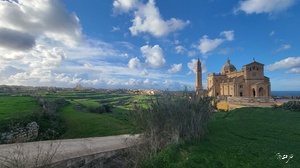
If you have had enough of Baroque and want to see some of the other architectural styles on the island of Gozo, topped with some breathtaking panoramic views, you can stop by the 20th-century Romanesque Basilica of the National Shrine of the Blessed Virgin of Ta’ Pinu near the village of Għarb, surrounded by peaceful landscapes and overlooking the sea.
Also worth the stop is the 20th-century Neo-Gothic Church of Our Lady of Lourdes. It stands on a promontory overlooking the old harbour of the town of Mġarr (there are two towns with the same name on Malta and on Gozo), full of colourful luzzus and fishing nets.
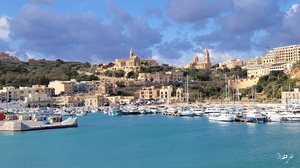
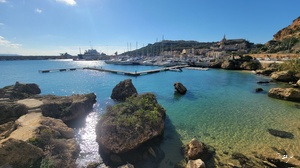
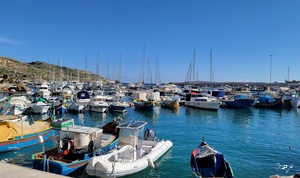
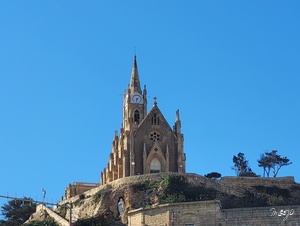
However, the hundreds of churches in Malta are not the only sign of the fervent Catholic vibes on the archipelago. The legacy of the Knights of St John is also visible in the Maltese traditions, including the crazy amount of masses per day and the local festas (feasts). Each village on the islands of Malta and Gozo celebrates the feast day of its patron saint with street decorations, parades, fireworks and traditional food and drinks. For example, the village of Xewkija celebrates the Nativity of John the Baptist every 24 June, the village of Qala - St Joseph in early August, and the town of Mġarr - the first apparition of our Lady of Lourdes on 11 February.
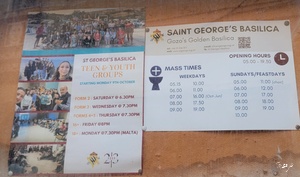
However, the pinnacle of all these celebrations everywhere around the islands is Christmas.
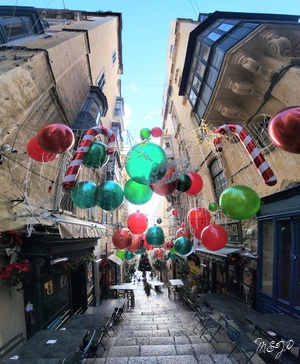
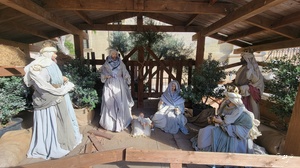
Many cities and villages have their own Christmas markets. The main ones are in Valletta where we visited a cute small market at Castille Square and a much larger one near the Triton's Fountain.
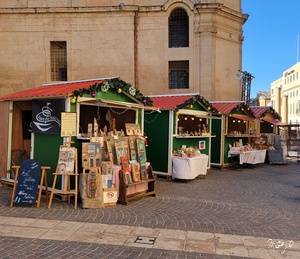
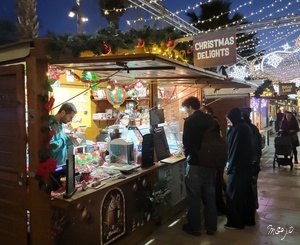
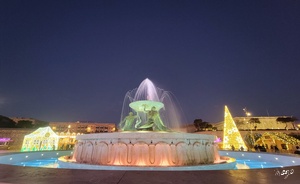
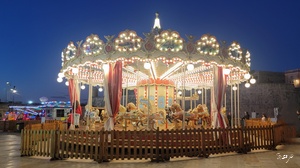
The most amazing thing during the holiday season was not the Christmas markets though, but rather the Christmas decorations.
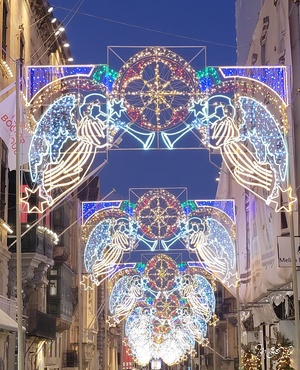
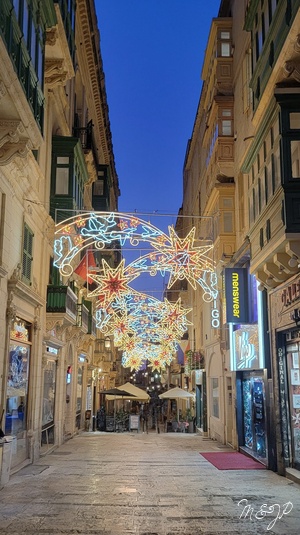
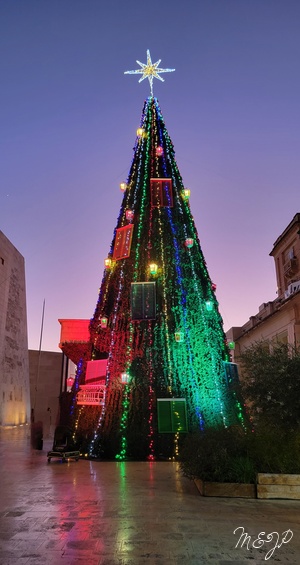
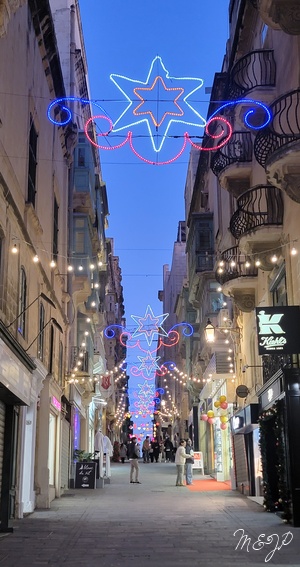
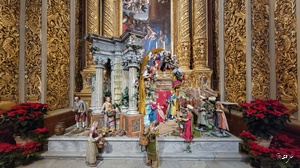
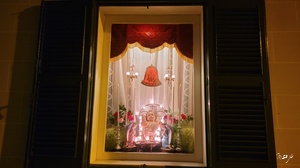
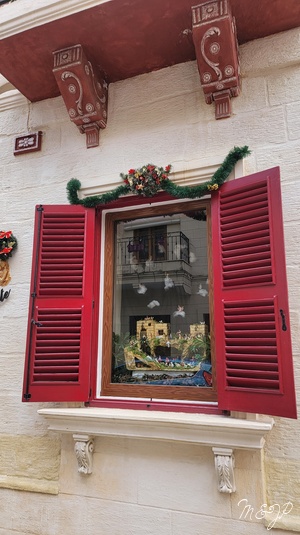
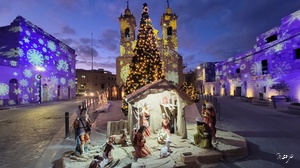
The nativity scenes (aka the cribs), these exhibitions of art objects representing the birth of Jesus, were everywhere in the streets, but also in the windows of many houses.
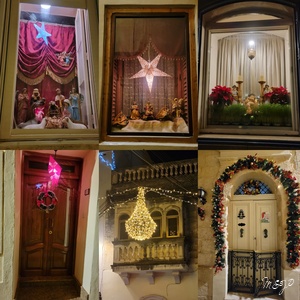
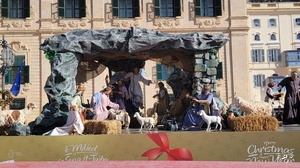
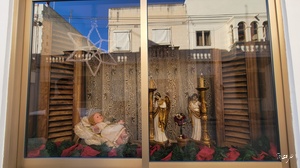
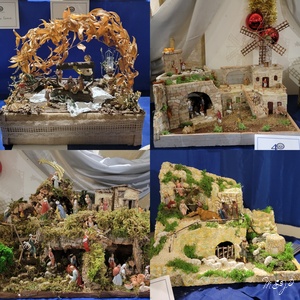
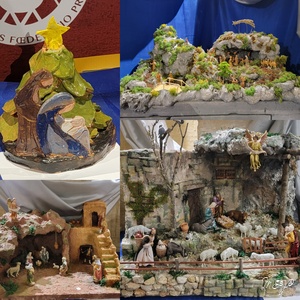
In the Cittadella of Victoria there was even a nice exhibition of handmade nativity scenes!
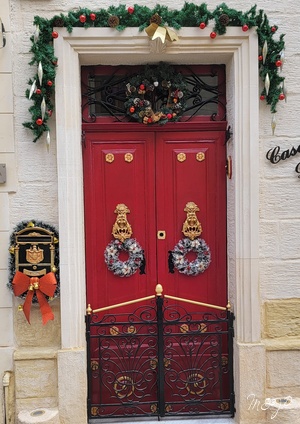
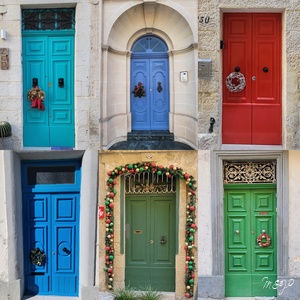
There were joyful Christmas decorations everywhere in the streets, but also on most of the cute colourful doors and balconies.
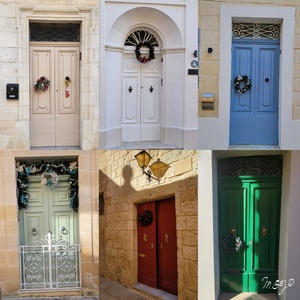
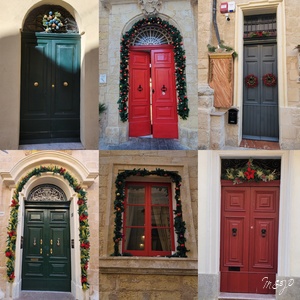
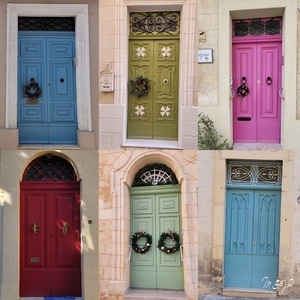
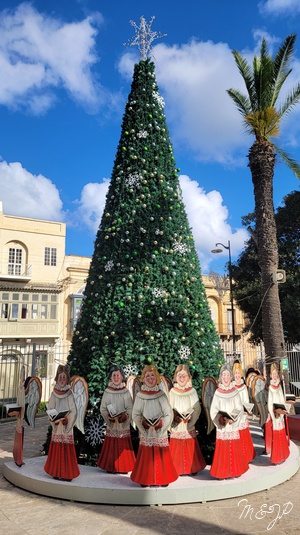
While the large cities like Valletta, Rabat, Mdina and Victoria were beautifully decorated, the magic was also everywhere else in the country, with lots of angels!
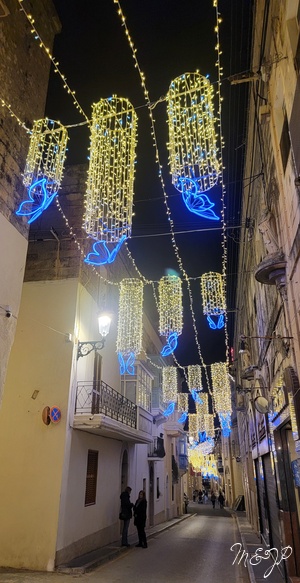
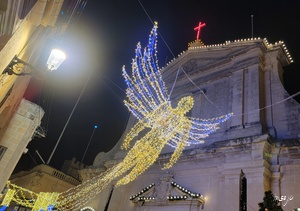
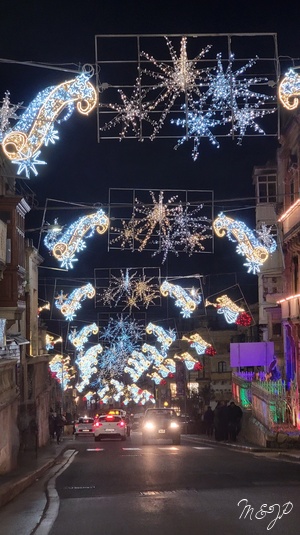
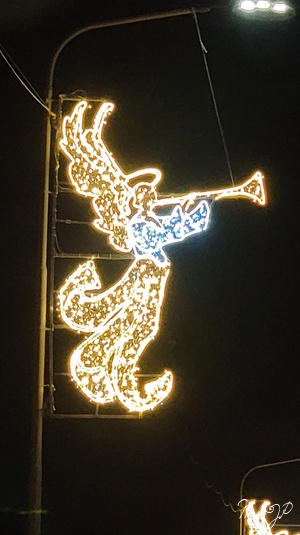
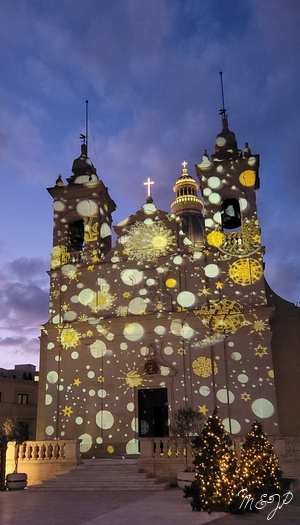
The beautiful Baroque San Lawrenz Parish Church on the island of Gozo looked even more stunning with its Christmas decorations by night! The highlight of our Christmas in Malta were the church bells which rang for more than twenty minutes after 1 am on Christmas - we had never heard anything like that! The people here really “celebrate” Christmas!
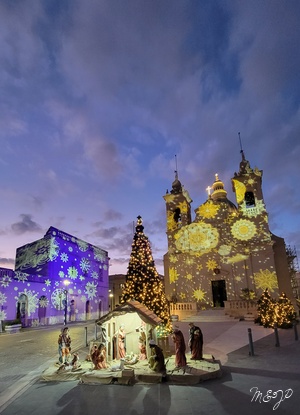
What we found quite interesting as well was the contrast between this bunch of fervent Roman Catholics and the language they speak, which sounds a little bit like Arabic and somehow does not seem to fit when you hear it for the first time! Besides the country’s religion, Malta’s history and blend of cultures has also had an impact on its language and writing.

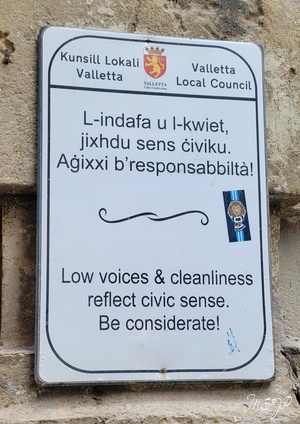
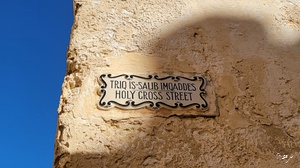
Unique language - Malta has its own and quite unique language, Maltese, which is a strange and fascinating mix of Arabic, Italian and English. It derived from the late medieval Sicilian Arabic, was later influenced by Romance languages and is the only Semitic language written exclusively in a Latin-based script with a few special letters and signs. Despite the sounds that you will hear, which might make you feel like you were in Morocco, the original Arabic base comprises only around one-third of the Maltese vocabulary, with half of it deriving from standard Italian and Sicilian, and English words making up the rest. Due to recent history though, almost all of the Maltese people also speak English - the second official language, and due to the close historical and cultural ties to Italy more than 60 percent of them speak or have significant knowledge of Italian.
In the same way the Maltese language is a blend of the languages of the different people who have come to the islands throughout the centuries, the country’s cuisine is a mix of their culinary traditions.
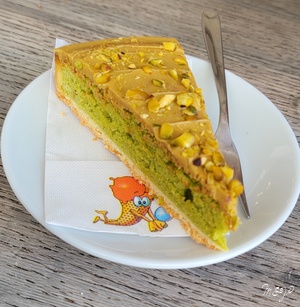
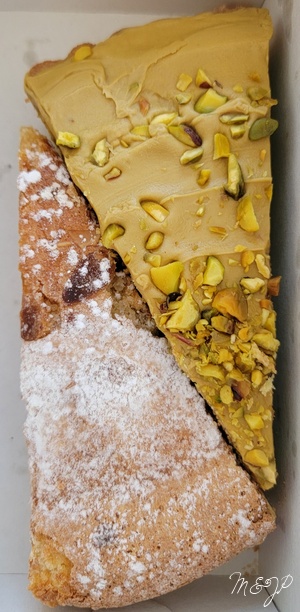
Unique cuisine - The Maltese cuisine reflects the Maltese history, showing influences of English, Italian, French, Provençal, Maghrebin and other Mediterranean cuisines. On the menus of the local restaurants you will find snails, prawns, opera cake, black pudding, beef Wellington, pavlova, porchetta, bruschetta, cannoli and so much more. Most of the time and to keep life interesting, there will be some local touch to them, such as the vegetarian wellington and the pistachio opera cake! Out of all these influences, the Maltese people managed to pull some really unique culinary inventions.
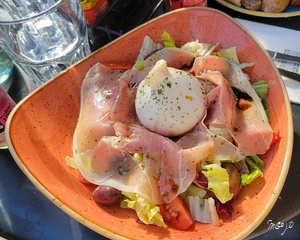
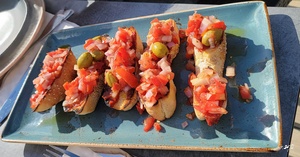
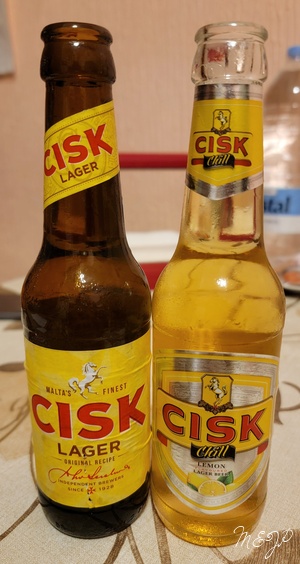
Malta also has its small but high-quality production of wines with some unique endemic grapes, including Girgentina and Ġellewża, as well as its own beers, the most popular of which is the Cisk lager.
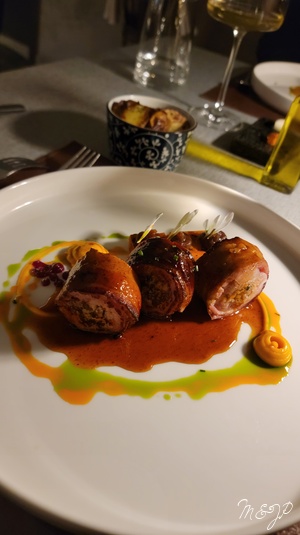
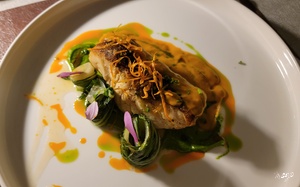
The traditional stuffat tal-fenek, rabbit stew slow-cooked or braised with wine, tomatoes, garlic, bay leaves, cloves and vegetables, is identified as the national dish, but you will come across multiple variations, such as rabbit fried in olive oil, roasted or baked in a pie. For a more sophisticated preparation, the cute restaurant Root 81 in Rabat offers rabbit roulade with bacon, endives and mustard seed jus, on top of other delicious dishes and drinks, including local fish and great cocktails!
Another typical and ubiquitous local dish is the ftira. This ring-shaped Maltese bread can either accompany a meal or be the meal when stuffed, similar to a sandwich, with a mixture of various fillings such as sardines, tuna, potatoes, tomatoes, capers, anchovies and olives. Its texture is very similar to the Italian focaccia or the French fougasse, and its name derives from the Arabic word fatir, meaning flat bread, reflecting the intercultural exchange in Maltese history. In 2020 “Il-Ftira, culinary art and culture of flattened sourdough bread in Malta”, dating back to the 16th century, was added to UNESCO's Intangible Cultural Heritage List.
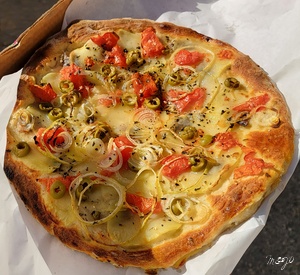
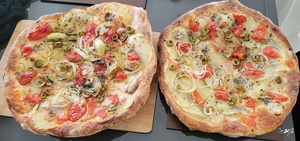
Despite Malta’s tiny size, its cuisine has local variations, including the Gozo ftira, which looks more like an Italian pizza than a sandwich. It is served open with thinly sliced potatoes over the crust, or folded over like a calzone, and has lots of onions, anchovies, olives and olive oil like a Provençal pissaladière. Based on some locals’ recommendation, we bought some from a tiny and authentic old bakery where an elderly lady was making them in a stone oven. If we did not know where to look, we could have easily passed the place without the slightest idea it was even there! The Gozo ftiras were really cheap, only 4 euro each, and incredibly delicious!
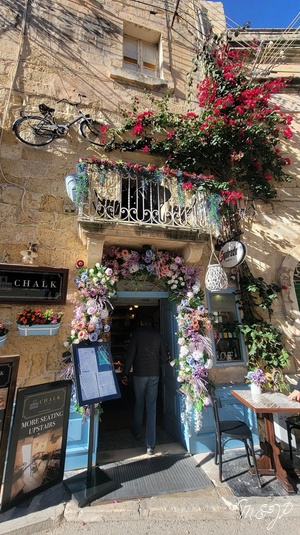
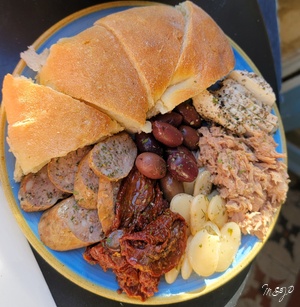
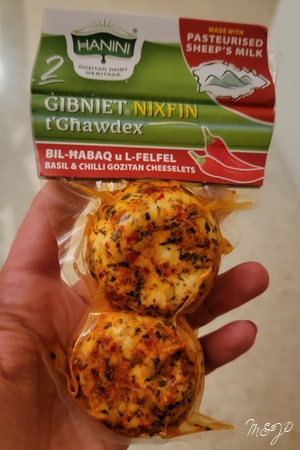
You will also find the ftira as part of another local dish - the Maltese platter. We tried this plate of local specialties in Chalk Cafe in Rabat. It included the Maltese sausage or zalzett malti (made from ground pork and seasoned with sea salt, crushed black peppercorns, coriander seeds, garlic, and parsley), sundried tomatoes, black kalamata olives, tuna, butter beans, ftira and the famous Maltese cheese or ġbejniet (delicious small, round cheeselets with punchy flavours, traditionally made from sheep’s or goat’s milk, and served fresh, sundried, salt cured, or peppered).
The Maltese desserts are something as well.
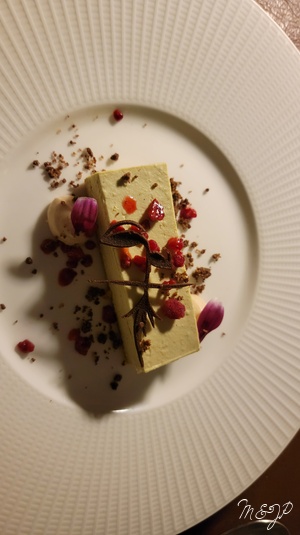
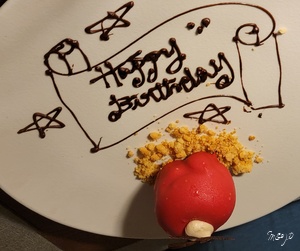
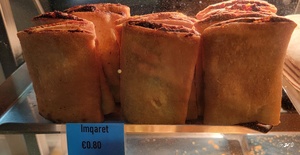
You will find the French and Italian influences with the ubiquitous and mouth-watering pistachio and almond cakes, as well as the Maghrebin one with the popular imqaret (meaning diamond-shaped from Maltese), traditional Maltese sweets made with deep-fried pastry and a filling of dates. The latter are of Arabic origin (a similar sweet named makroudh exists across the sea in Tunisia, Algeria and Morocco), were introduced in Malta during the Arab period and are sold in street markets and in village festas, sometimes served with ice-cream.
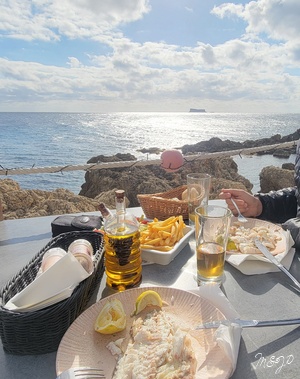
However, out of this amazing feast, my favourite dish in Malta is not one typical to the islands, but present at any place close to a sea or an ocean - the fresh fish. The most important part is to choose the right place to try the incredible variety of fish and other seafood of the archipelago.
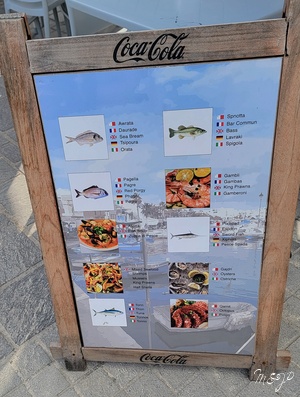
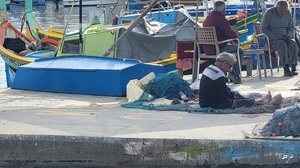
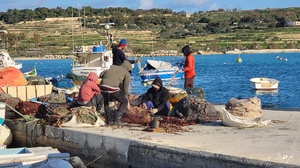
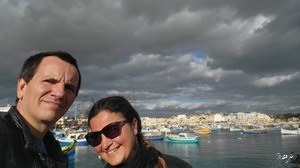
One of them is Marsaxlokk, which on top of the views of its picturesque luzzu boats and fishermen mending their nets, offers a Sunday fishing market and lots of restaurants along the harbour on any day of the week with a great variety of fish on their menus.
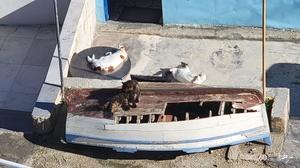
Another place, also combining fresh fish, jaw-dropping views and, the icing on the cake, cute cats, is the tiny Carmen’s Bar & Restaurant at Għar Lapsi, a small quaint bay with a turquoise rock pool where you can swim in summer.
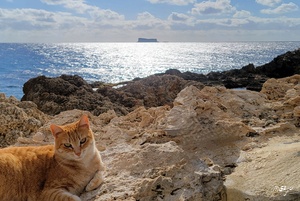
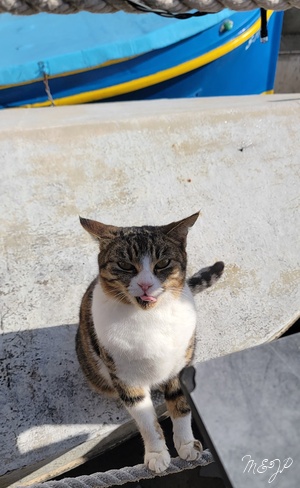
In the unlikely scenario that Malta’s amazing culture and cuisine are not enough, the islands have so much natural beauty to offer that even the most passionate and demanding hikers, nature-lovers and beach-goers will be in heaven!
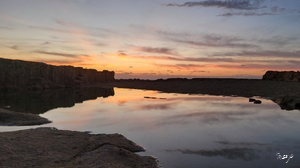
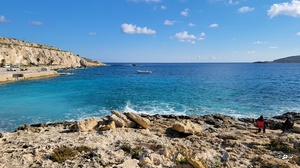
Unique nature - If you think that such a tiny country might be way too overbuilt and overcrowded to hide any natural beauty, Malta will prove you wrong. It boasts one of the most spectacular coastlines in the Mediterranean with secluded bays, beaches and lagoons, impressive rock formations and the turquoise waters of the sea, together with man-made wonders in perfect harmony with nature, such as agricultural stone terraces and salt pans. Even on the most urbanised island of Malta, you will find stunning and peaceful spots that will make you feel far away from any civilization.
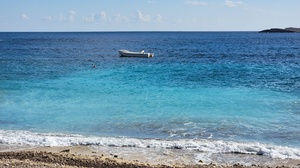
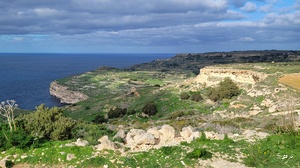
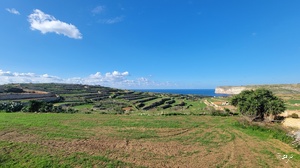
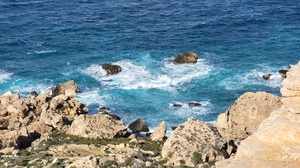
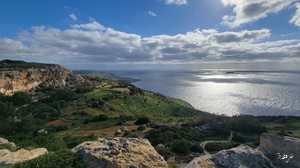
In the southern part of the island of Malta, the 300m-high Dingli Cliffs plunging into the turquoise waters are spectacular, completely unspoiled and perfect for a hike.
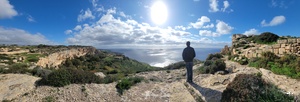
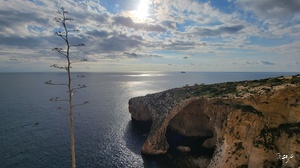
A little bit further to the east stands another stunning rock formation - the huge natural arch of Blue Grotto. It is quite touristy and you might not want to get on one of the many crowded boats for a ride through the caves, but try to at least make a short stop at the Blue Grotto Panoramic Viewpoint - the views are worth it!
For those who want to combine cultural and hiking experiences, not too far away from the Blue Grotto are located the Megalithic temples of Ħaġar Qim and Mnajdra from where start a couple of loops with beautiful views.
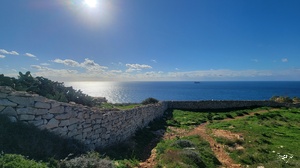
And for all nature-lovers who happen to be foodies as well, the nearby Għar Lapsi is a must-stop for some fresh fish and plenty of natural beauty!
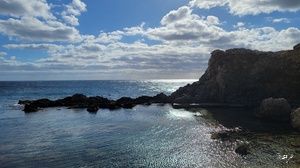
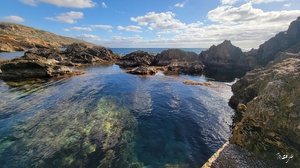
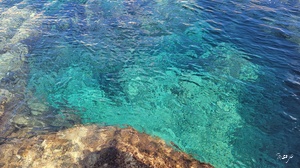
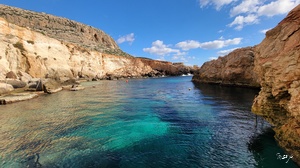
Further east is one of the prettiest corners on the island of Malta - the Delimara Peninsula and the charming little cove of St Peter’s Pool with a few wonderful swimming holes.
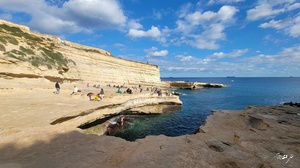
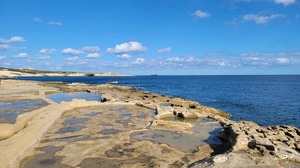
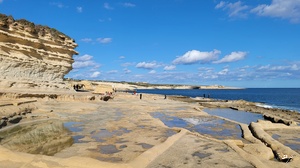
The incredible colour of the water, the majestic alien-like limestone cliffs and rocks and the gorgeous cacti will steal your heart!
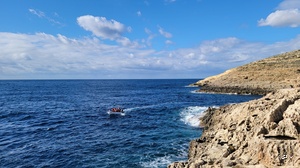
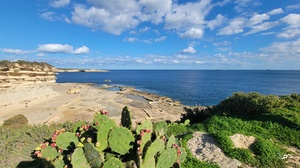
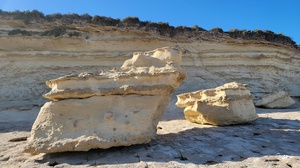
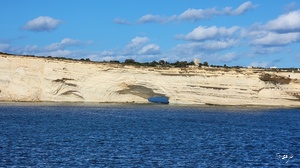
On the western side of the island of Malta there are plenty of hiking trails and breathtaking views as well.
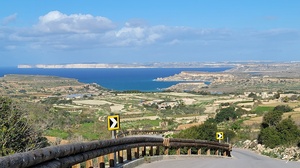
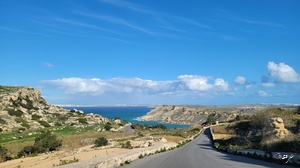
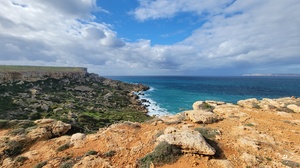
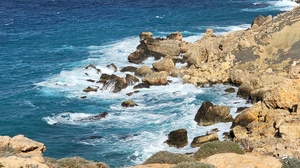
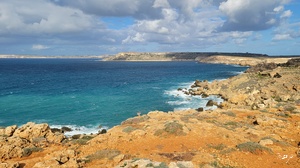
We stopped to take in the jaw-dropping panoramas at Blata tal-Mehl (or “the Salt Rock”) and Għajn Tuffieħa Bay (or “Spring of Apples”).
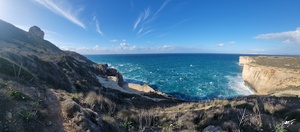
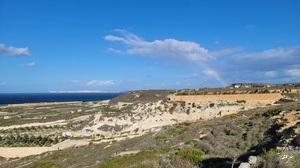
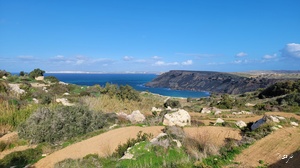
A little bit further north in the Il-Majjistral Nature Park, we hiked around the Għajn Żnuber Tower Loop.
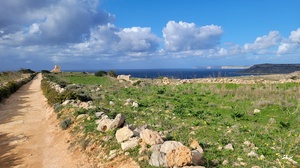
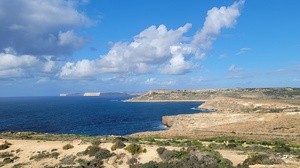
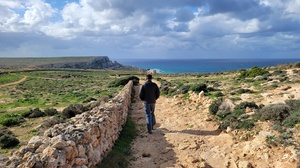
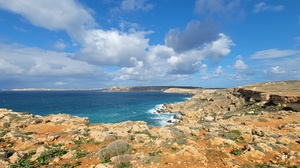
The views of the sea and Golden Bay in the distance were stunning.
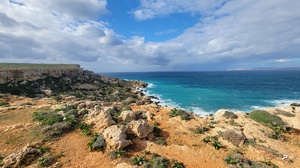
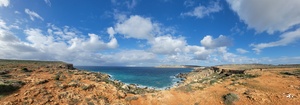
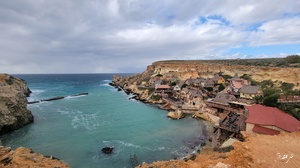
If you are a fan of the Hollywood movie Popeye starring Robin Williams or of theme parks in general, you might want to stop at Popeye Village at Anchor Bay. For all fans of the seventh art, Malta also boasts many other filming locations of famous movies and TV shows such as Gladiator, Troy, Game of Thrones, Napoleon and The Count of Monte Cristo. Since Popeye Village was way too touristy for us, we only made a short stop at the viewpoint overlooking Anchor Bay for the lovely panorama and continued driving north in order to catch the ferry to the island of Gozo.
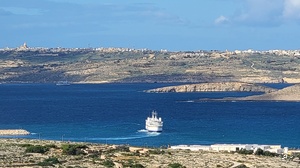
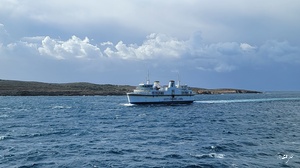
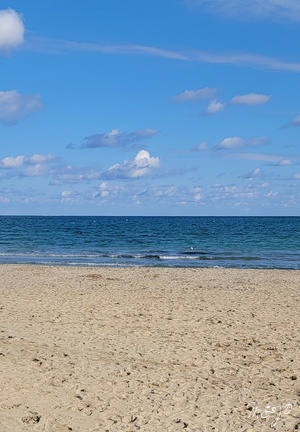
After a quick ftira lunch at Mellieħa Beach, also known as Għadira Bay - the largest sandy beach in Malta (the country does not have many sandy beaches…), we crossed the Gozo Channel from the port of Cirkewwa in northern Malta to the town of Mġarr on Gozo.
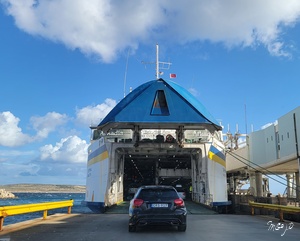
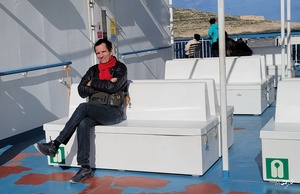
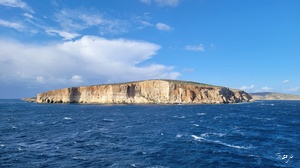
If you are on foot, you can ride on a speedboat from Valletta to Gozo. However, if you are planning on bringing your car or motorbike as well, you need to take the ferry from the port of Cirkewwa, which is what we did. Our ferry sailed around the tiny and charming island of Comino. If you are there during any season other than winter, you might want to stop for a swim at the famous Blue Lagoon, but the weather was way too cold and windy for that during our trip in December.Do not wonder how to pay your ticket for the ferry when you ride it towards Gozo - the payment is made only on the way to Malta before boarding.
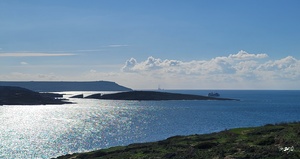
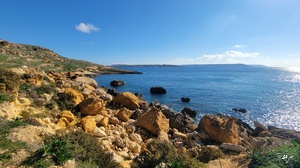
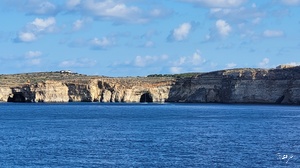
Also, try not to cross the Gozo Channel during any holidays… When we came back from Gozo to Malta on the last Sunday before New Year’s Eve, there was a line of hundreds of cars waiting to cross in the other direction.
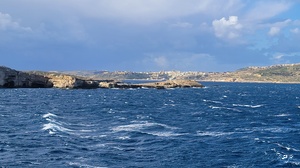
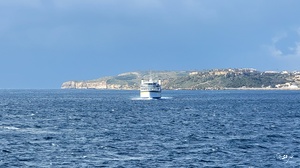
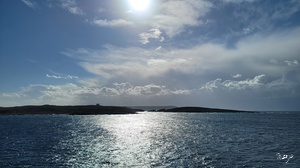
If you love nature, you should definitely spend more time on Gozo than on Malta. We stayed there for a week, choosing as our base the conveniently located village of Qala, and it was not enough to see all the natural wonders of the island.
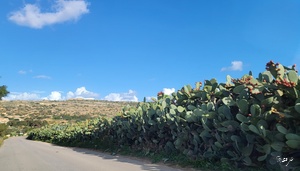
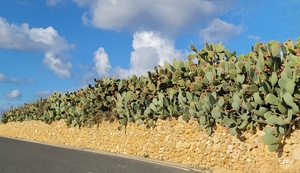
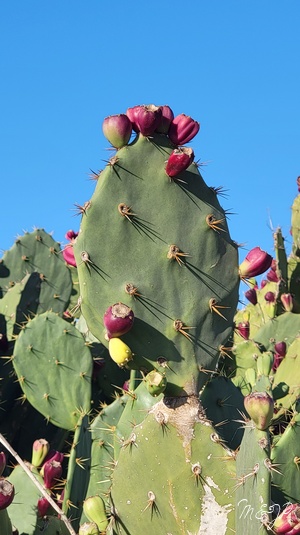
Besides being a cacti paradise, Gozo is full of picturesque bays, rock formations, lagoons, salt pans and so many gorgeous hikes along the sea. There were places which we found so beautiful that we visited them more than once at different times of the day.
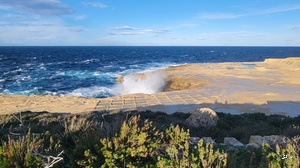
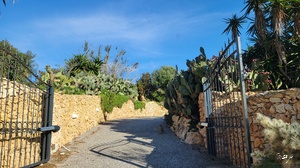
We started our exploration with the northern part of the island where there was already so much to see! The secluded reddish beach and rocks at San Blas Bay were quite striking against the turquoise sea and the greenery of the surrounding terraced orchards.
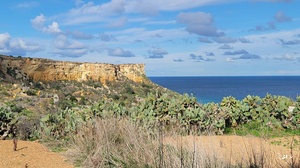
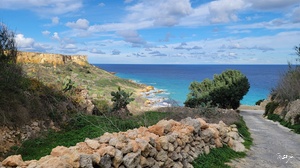
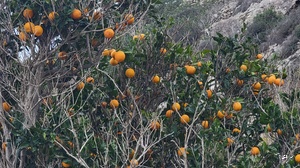
The distinctive agricultural stone-walled terraces are characteristic of the landscape on the island of Gozo (but can be found on the island of Malta as well). They have been used by the local farmers for many centuries, enabling cultivation by creating flat plots on the steep slopes, preventing erosion and flooding, and managing irrigation by using gravity-fed water systems.
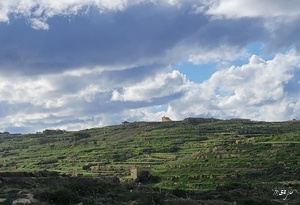
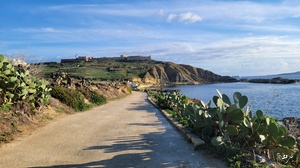
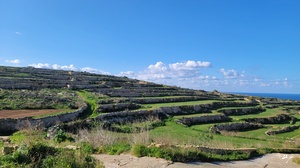
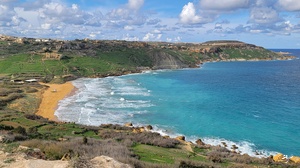
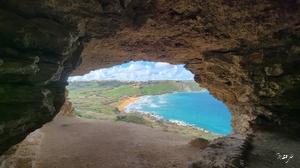
Further west along the northern coast of Gozo is the rocky Calypso’s Cave, overlooking the ochre sands and crystal-clear waters of Ramla Bay. This is where, according to Homer’s Odyssey, the love-sick nymph Calypso has allegedly seduced Odysseus and kept him prisoner for seven years after his ship was wrecked by a fierce storm.
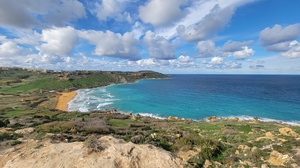
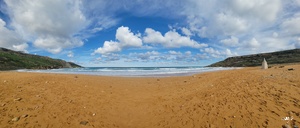
The cave itself has collapsed but from the window-shaped viewpoint you can enjoy the stunning scenery of the bay.
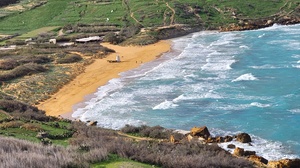
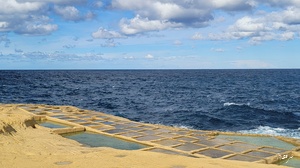
If you keep driving west, you will come across many salt pans, spread between Xwejni Bay and Reqqa Point.
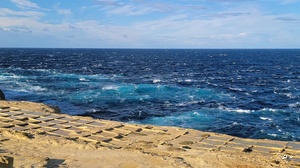
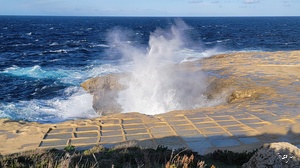
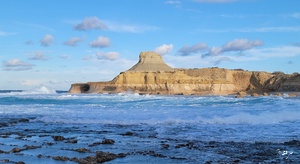
They are formed by shallow indentations in the creamy limestone rocks at the water’s edge.
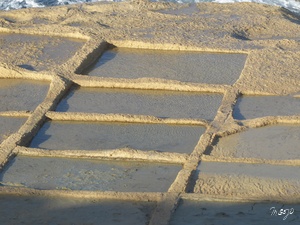
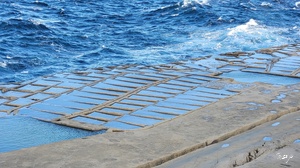
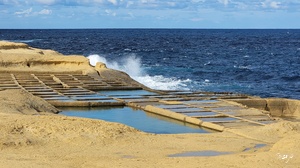
In winter’s storms they fill with salt water, which evaporates in the summer heat and leaves behind white crystals of salt. The landscape is incredibly picturesque!
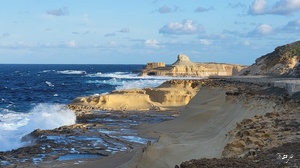
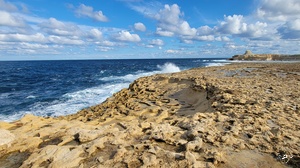
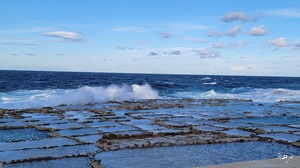
Also along the northern coast of Gozo are located two breathtaking rock formations - the natural sea cave Big Cave (or Għar tal-Qrewis) and the natural arch Wied il-Mielaħ Window (or it-Tieqa ta' Wied il-Mielaħ).
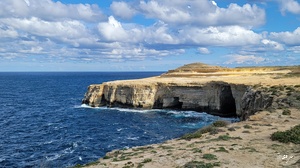
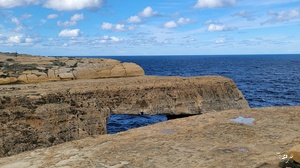
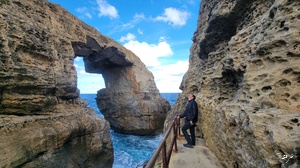
The latter is stunning, even though less known than the Azure Window at Dwejra on the western coast of Gozo, which collapsed in March 2017 following a heavy storm.
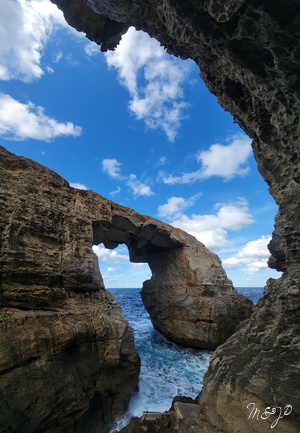
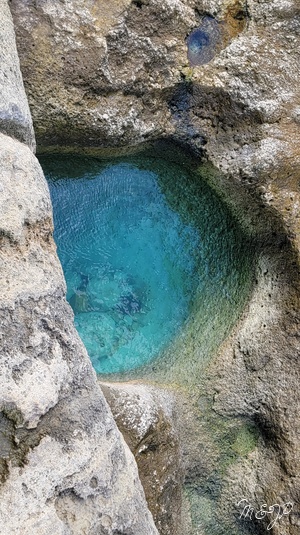
Despite the Azure Window’s disappearance, the area at Dwejra Bay with its alien-like rock formations and majestic cliffs is one of the most scenic places on Gozo.
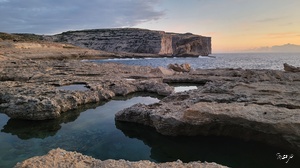
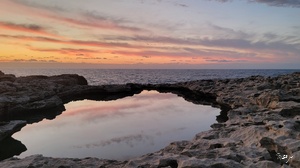
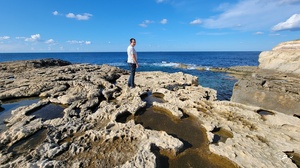
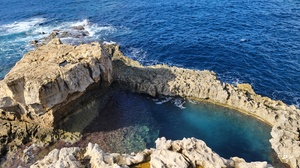
There, you will find the Inland Sea - a shallow lagoon of seawater, surrounded by high sheer cliffs, inside a sinkhole several hundred metres in diameter and formed after the collapse of a vast cave. The highlight of Dwejra Bay though is the Blue Hole, situated next to the famous collapsed Azure Window. This circular sinkhole in the open sea is linked to the Inland Sea by a 262-foot (80-meter) long tunnel and is allegedly one of Jacques Cousteau's top 10 dives.
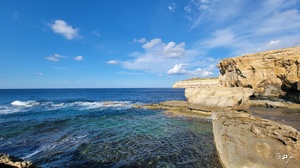
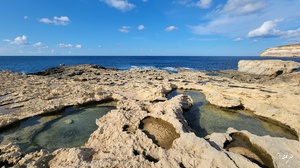
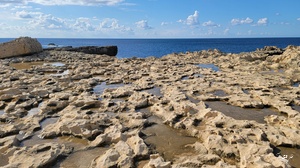
You can have the whole scenery in from the Blue Hole Viewpoint!
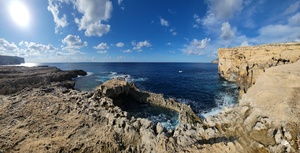
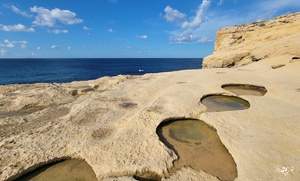
We went to Dwejra twice and wandered for hours around the eroded rock shores with pools filled with water and fossilised sand dollars.
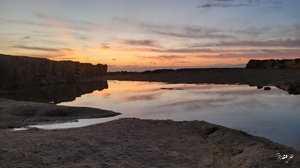
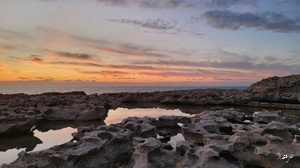
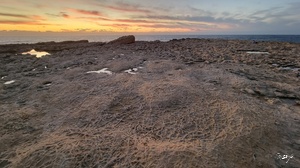
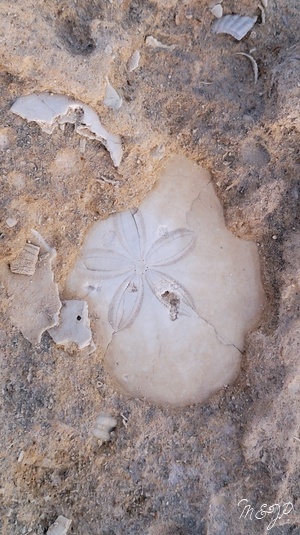
The place looked like the surface of Mars and became even more spectacular at sunset.
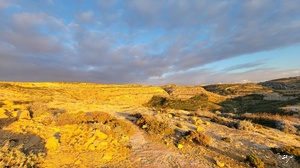
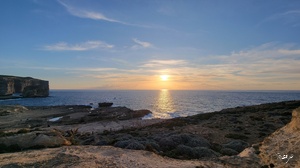
The southern coast of Gozo is as spectacular as its northern and western ones. You will find there the famous Ta' Ċenċ Cliffs, which form a 20 ha linear strip of garrigue (low drought-resistant bushes) and steep and rugged cliffs rising up to a height of 120 m (393 ft) from sea level. There are also great hiking trails following the cliff edge.
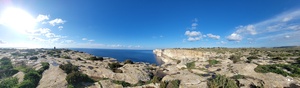
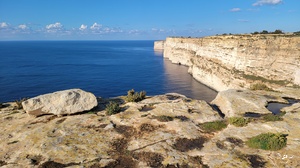
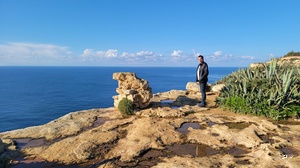
Despite being one of the most famous and gorgeous sights on Gozo, the place is incredibly peaceful in December.
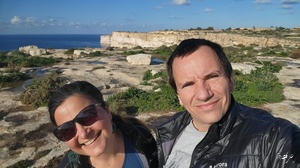
A little bit less famous but also gorgeous and even more serene are the Sanap Cliffs, not too far away from the cute Xlendi Bay.
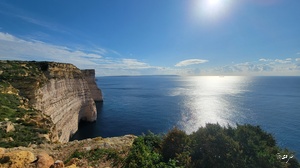
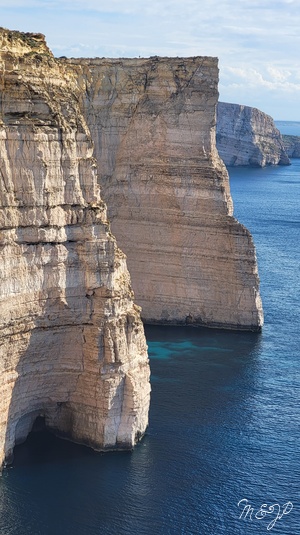
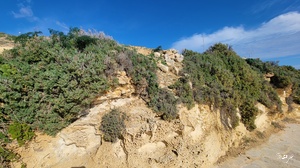
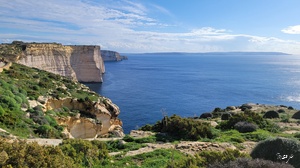
The place offers a great hike along the coast and some jaw-dropping views.
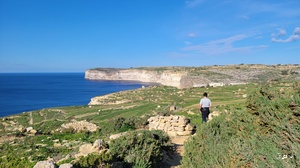
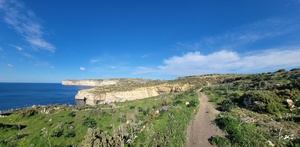
Further east are located the Xatt l-Aħmar salt pans, smaller and less known than those along the northern coast, but much more quaint and secluded.
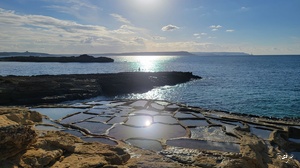
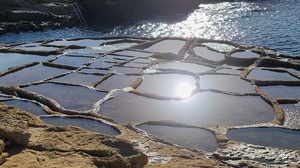
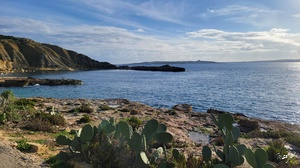
Our last stop before jumping on the ferry back to Malta and taking our plane back home was Hondoq Bay.
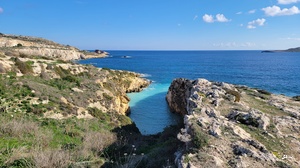
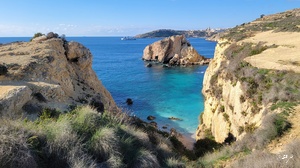
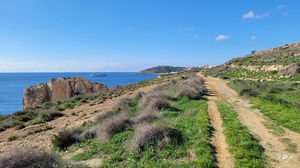
It offers yet another great hike along the gorgeous Gozo coastline with picturesque beaches, majestic rock formations, turquoise water and cute churches and fishing boats.
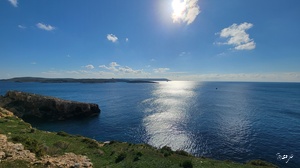
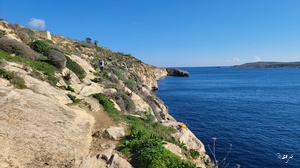
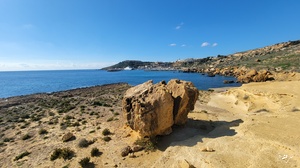
Malta happened to be one of these places from which you do not expect much, but leave dazzled by so much fascinating culture and natural beauty. Our two-week break in this unique island country was enough to stock up on enough Vitamin C before going back to the wintery part of Europe to say goodbye to the current year and welcome the next one with a huge smile on our faces and plenty of hope!

You like what you read?
Explore and learn more about Malta !!!
-
 P for Paradise and Provence (part 2)
Stunning nature - You cannot leave Marseille without hiking to … -
 P for Paradise and Provence (part 1)
France used to be divided into historical regions, which do … -
 The Valley of Roses and Kings (part 2) The Valley of Kings
The Valley of Roses is famous not only for its … -
 The Valley of Roses and Kings (part 1) The Valley of Roses
Out of all the flowers in the world the rose … -
 In the heart of the Silk Road (part 4) Khiva and the Desert Castles
Khiva - It took us 6 hours, almost a whole … -
 In the heart of the Silk Road (part 3) Bukhara
Bukhara - While Tashkent is a modern city with some … -
 In the heart of the Silk Road (part 2) Samarkand
Samarkand - No name is so evocative of the Silk … -
 In the heart of the Silk Road (part 1) Tashkent
The Great Wall of China, Machu Picchu, the Pyramids of … -
 The Land of Giants at the End of the World (part 2)
We crossed for the third time the border between Argentina … -
 The Land of Giants at the End of the World (part 1)
No visitors come back from Antarctica in the same state … -
 A Vitamin Sea Christmas in the Mediterranean
Human beings are full of contradictions! When we used to … -
 Spring Colours in the Kingdom of the West (part 6) Morocco is yellow
Morocco is yellow - Besides the yellow hues of the … -
 Spring Colours in the Kingdom of the West (part 5) Morocco is red
Morocco is red - Besides the red hues of the … -
 Spring Colours in the Kingdom of the West (part 4) Morocco is orange
Morocco is orange - Our first encounter with the legendary … -
 Spring Colours in the Kingdom of the West (part 3) Morocco is green
Morocco is green - The Rif Mountains east of Tangier, …
