

"M" for Mexico (part 7)
Mariachis and Mojigangas
Posted by: Maria in August 2024 (2 years, 3 months ago)
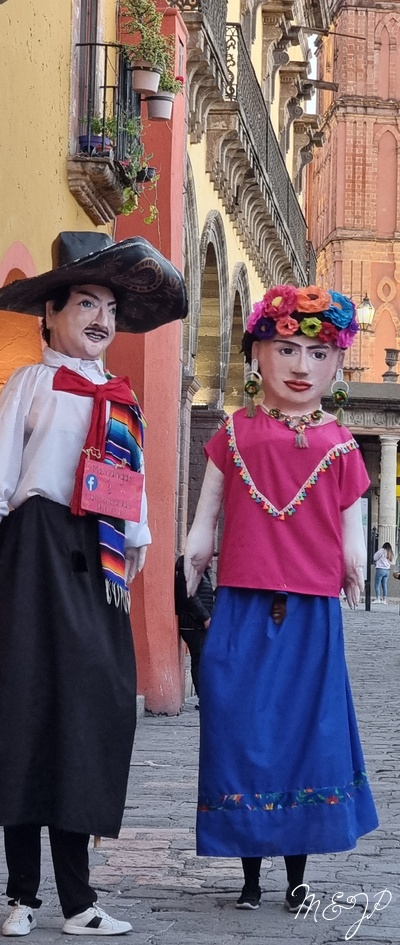
Mexico is also Mariachis and Mojigangas.
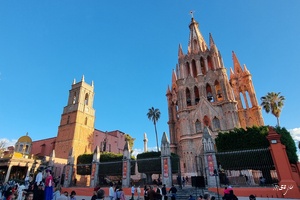
We saw them for the first time in the charming San Miguel de Allende.
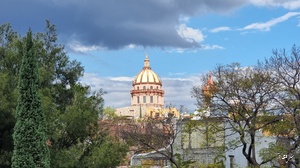
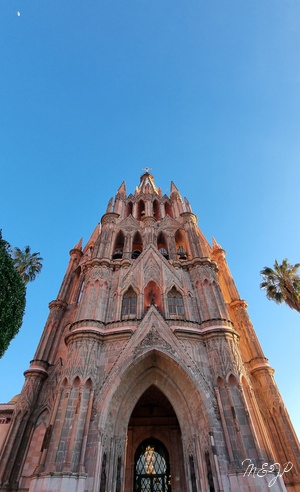
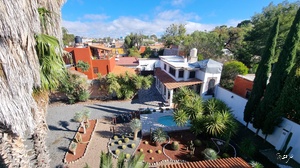
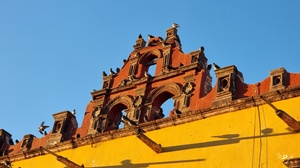
The first thing that impressed us was the exquisite colonial architecture of the city...
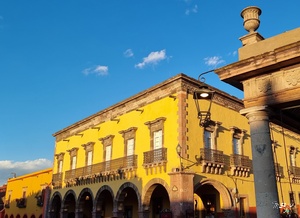
The bright colours of the colonial houses and churches became richer and almost shining at the light of the golden hour, right before sunset.
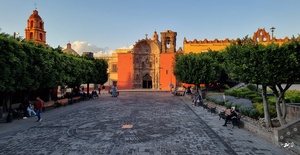
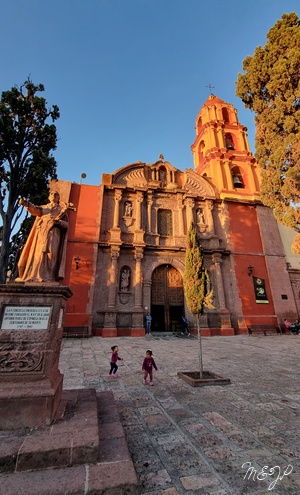
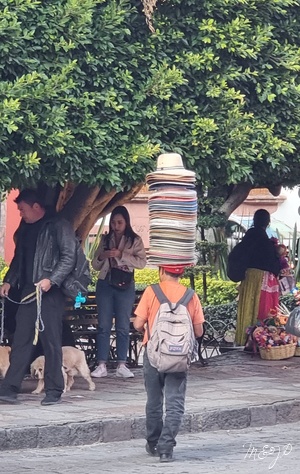
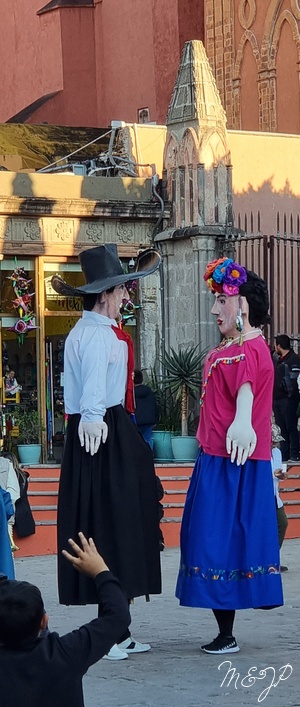
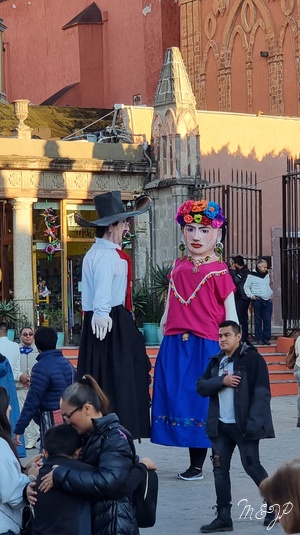
Like any Mexican city, it has a busy main square where you can buy a hat or take a picture of, or even with, the Mojigangas.
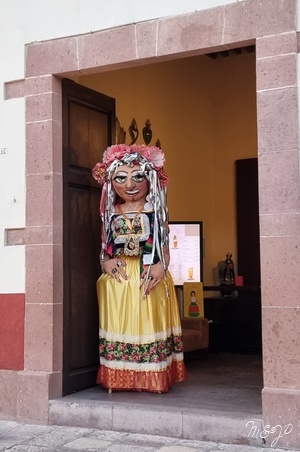
These famous Mexican gigantic puppets who can reach a height of 6 metres are also known as “los monos de calenda” (or the monkeys of the procession), and are used as comic relief during religious or other celebrations, in particular during weddings and quinceañeras.
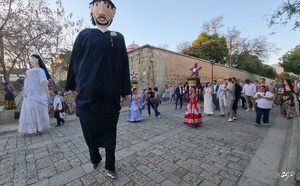
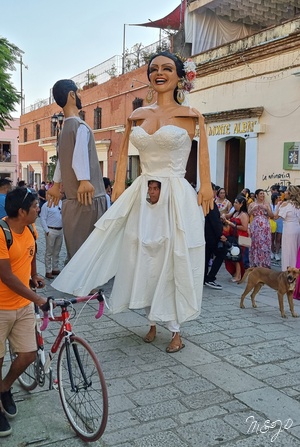
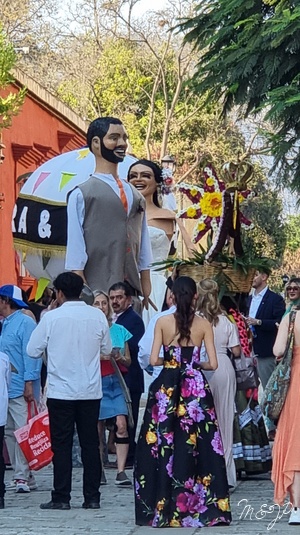
The Mojigangas originated in Spain, were brought to Mexico at the beginning of the 17th century and are made of papier mâché, which is then mounted on a tall supporting A-frame structure.
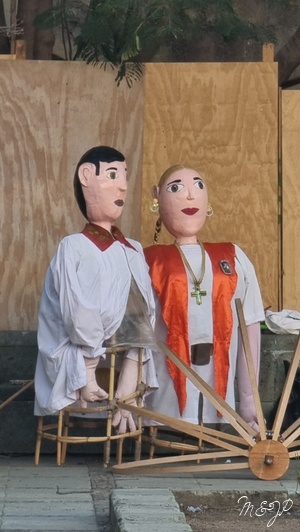
The puppeteer climbs under the puppet and is able to see out through an opening in the costume at his or her eye level.
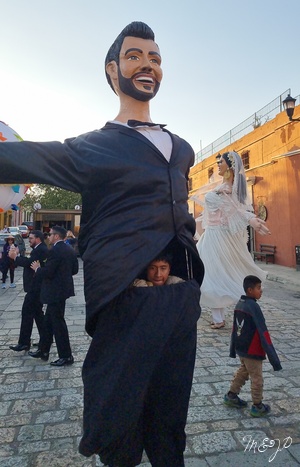
The sight of Mojigangas will always bring a smile to your face!
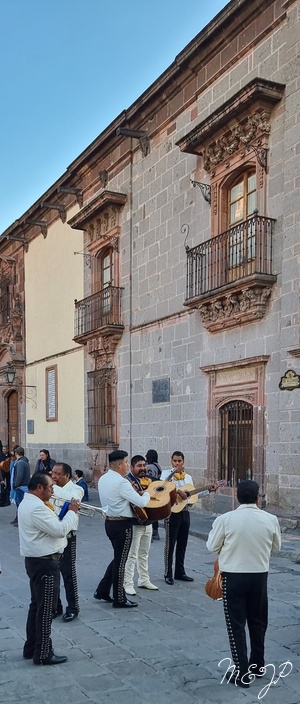
The main square is also the place to hire the services of one of the Mariachi bands hanging around, who will play and sing the song of your choice. These ensembles of musicians typically play ranchera, the regional Mexican music dating back to at least the 18th century. They are famous around the world and even helped me in my Spanish language lessons a long time ago. I still remember, and can sing, one of the most famous Mariachi songs - “Canción del Mariachi” from the movie “Desperado”, which starred Antonio Banderas seeking revenge on the drug lord who killed his lover. I even came across a taxi driver in Mexico City who, when I told him about the song, found it on his music app and played it, listening with a big smile while I was singing out of tune the words I had known since I was 14 years old… This is perhaps the moment to reassure you that Mexican Spanish is among the most polite, clear, and easy to understand of the Latin American Spanish dialects, so your Spanish learnt at school many years ago may still come up handy and allow you to work your way around. The chats with the locals were our best moments in Mexico!
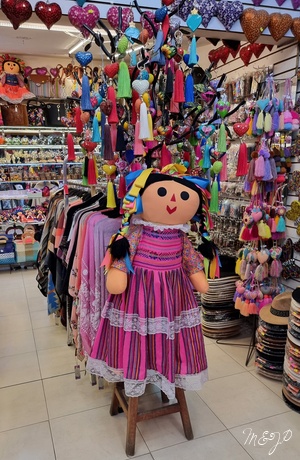
After having stocked up with Mariachi music and songs, you can roam around San Miguel de Allende looking for street art and Mexican rag dolls.
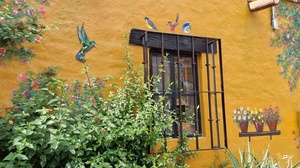
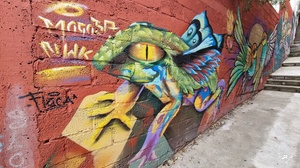

They will not be difficult to spot!

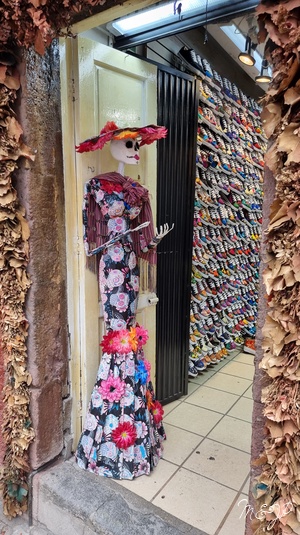
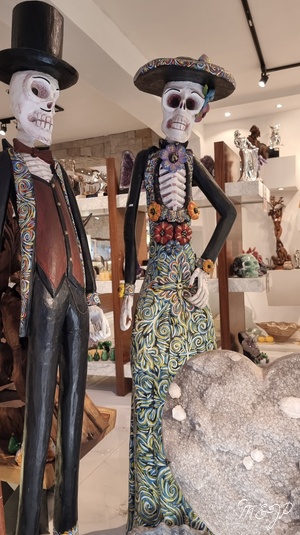
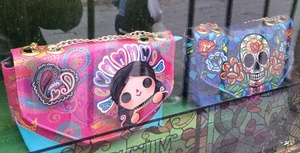
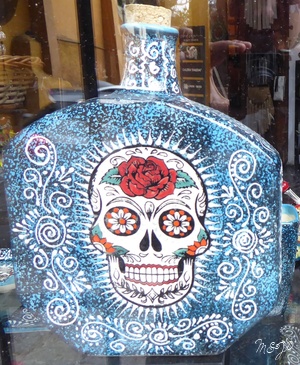
You will also find loads of Day of the Dead trinkets and decorations, which are ubiquitous not only in November but at any time of the year.
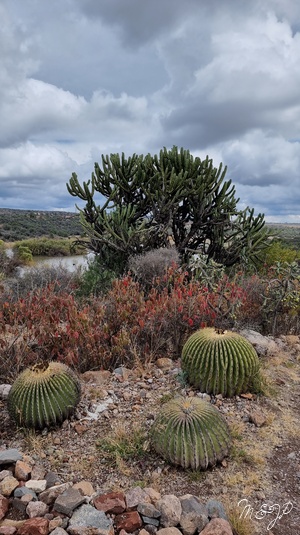
The Garden El Charco del Ingenio with its thousands of gorgeous cacti is also worth the visit.
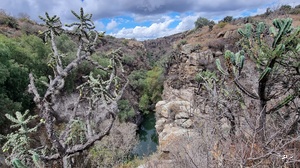
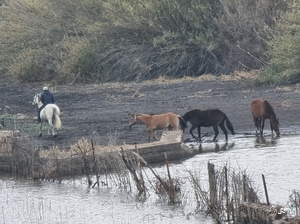
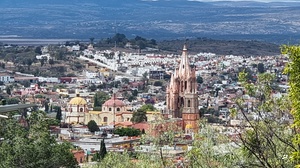
The views of the city below are stunning...
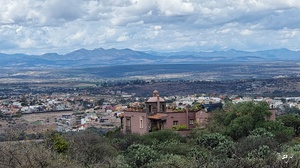
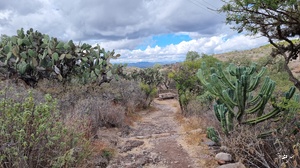
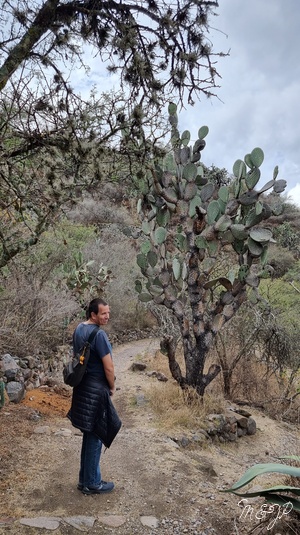
There are various species of cacti from the arid and semi-arid zones of Mexico.
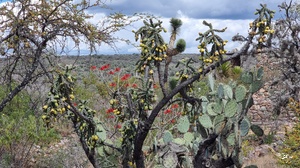
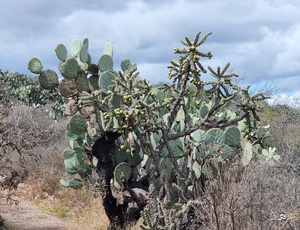
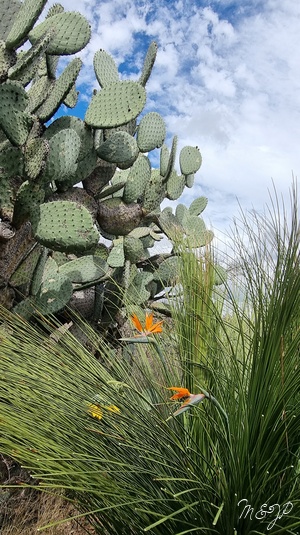
Many of them are rare, threatened or in danger of extinction...
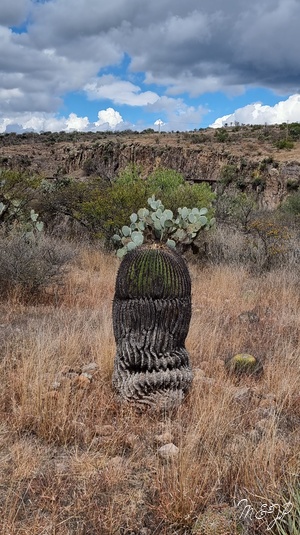
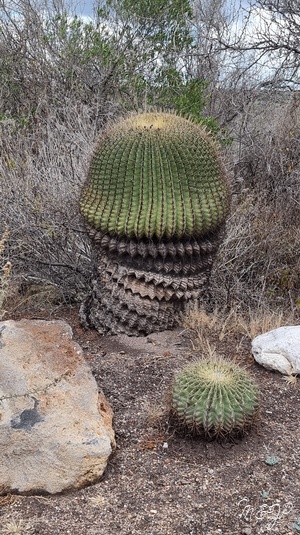
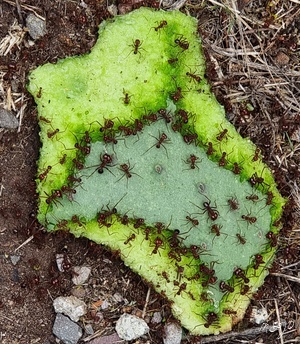
The walk from the city centre to the garden is very pleasant as well, even though slightly steep!
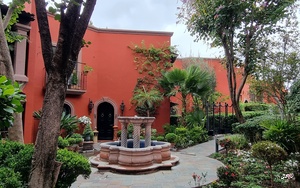
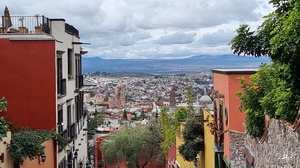
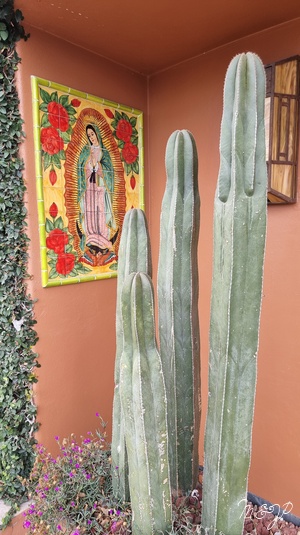
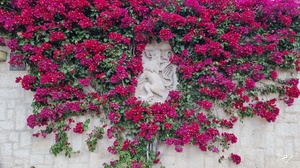
On the way up and down there are beautiful flowers and cacti...
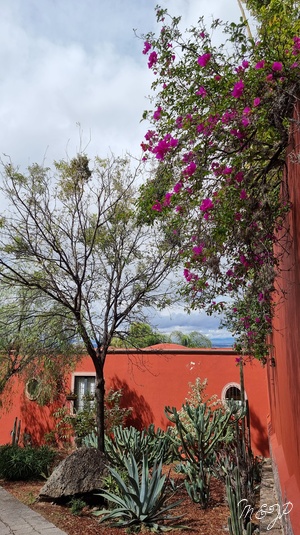
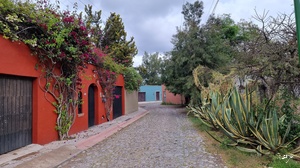
Cute houses...
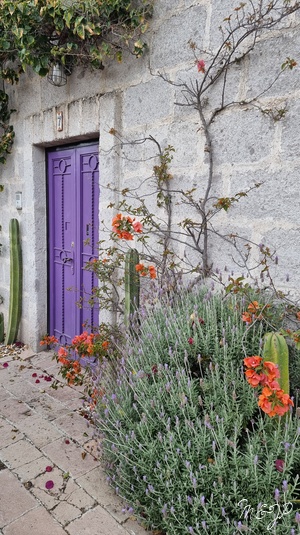
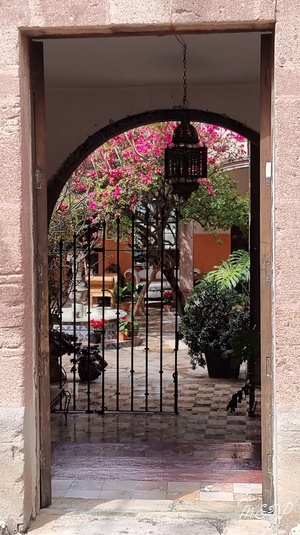
Intricate gates...
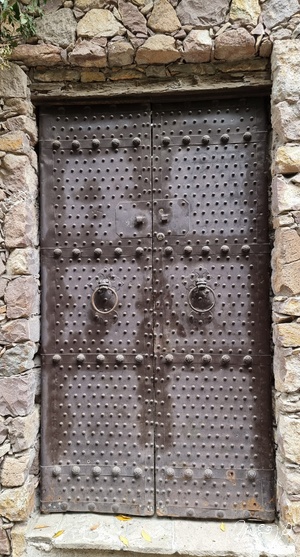
The cobblestone streets and the jaw-dropping views of the city will not disappoint either...
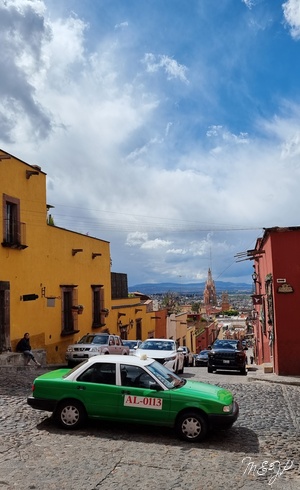
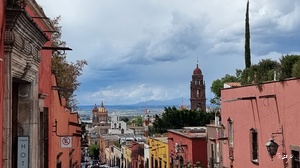
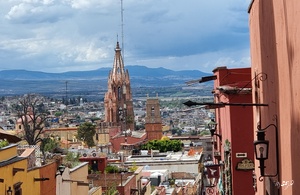
However, our favourite place in San Miguel de Allende was the unusual museum of traditional Mexican toys.
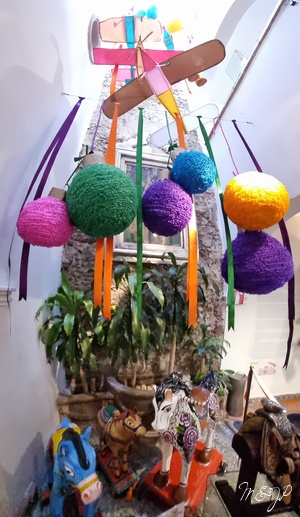
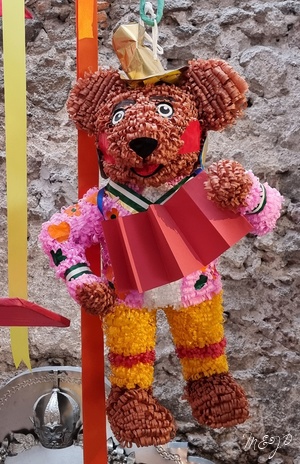
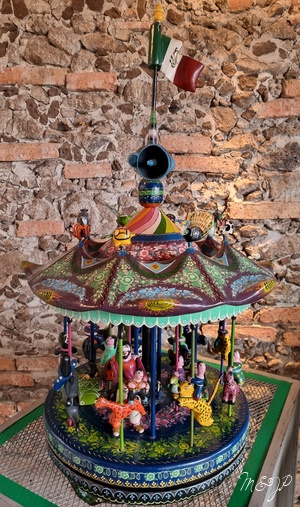
It hosts tons of treasures...
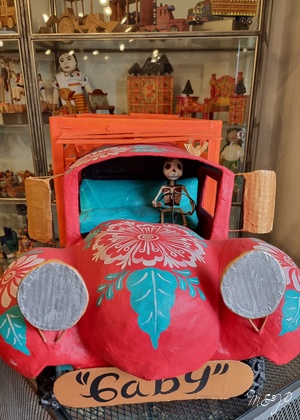
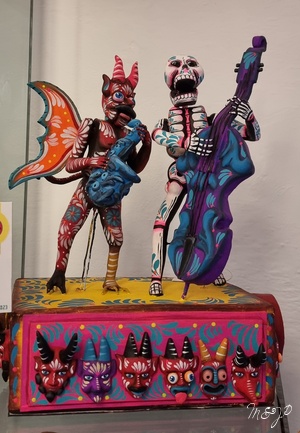
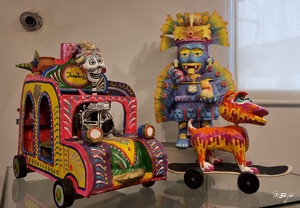
It is no surprise that the Day of the Dead figurines and toys are everywhere...
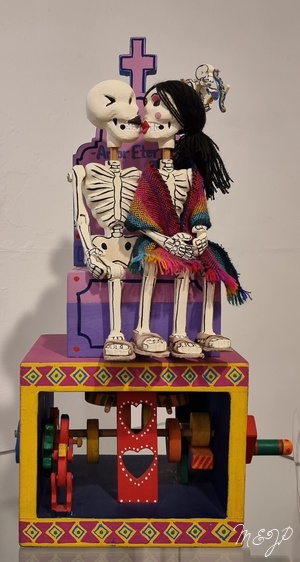
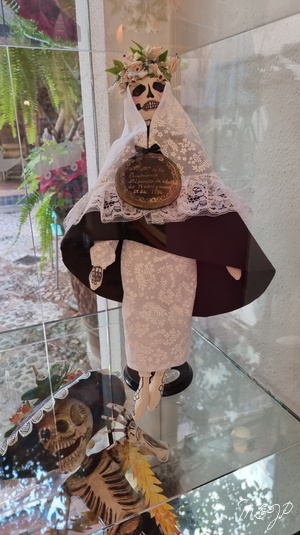
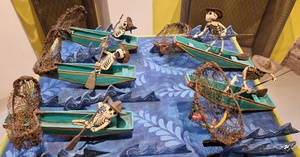
There are also toys made from straw, ceramics or even Coca-Cola cans...
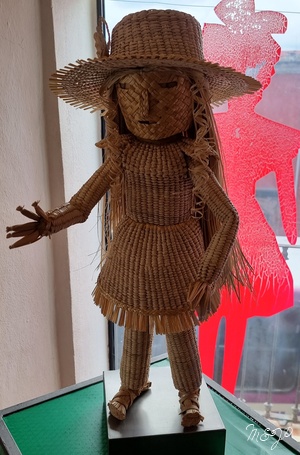
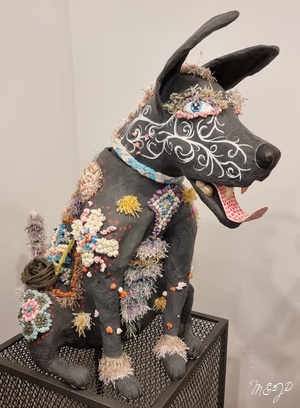
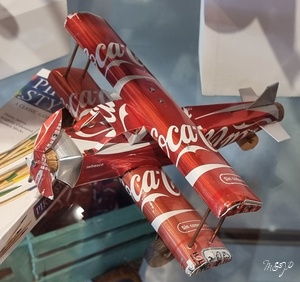
There is something for everyone from the colourful masks for Lucha Libre (the famous Mexican theatrical professional wrestling) to the Frida Kahlo dolls.
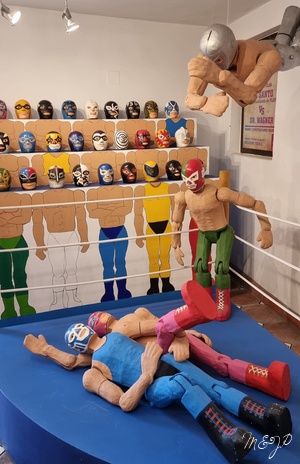
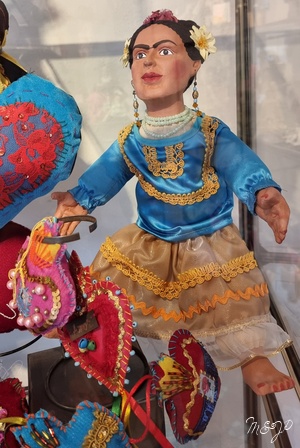
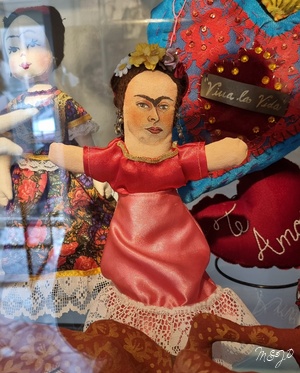
You will find dolls in traditional Mexican costumes as well!
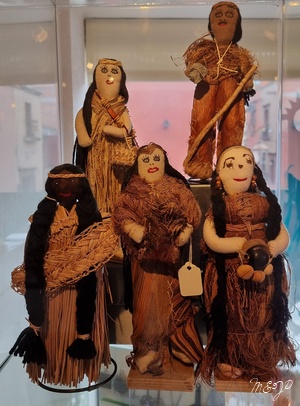
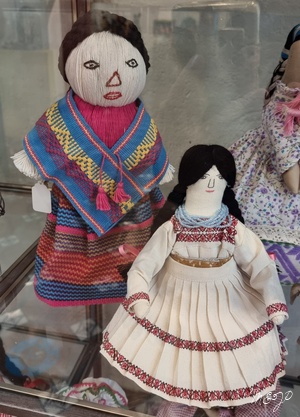
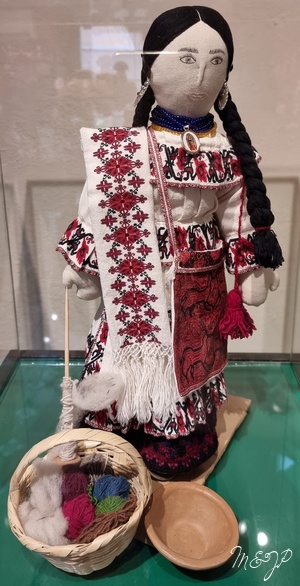
Going back to your childhood, but without any school homeworks or other chores, is guaranteed!
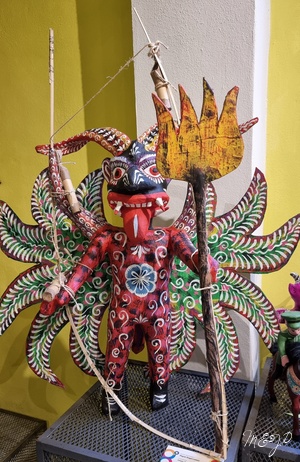
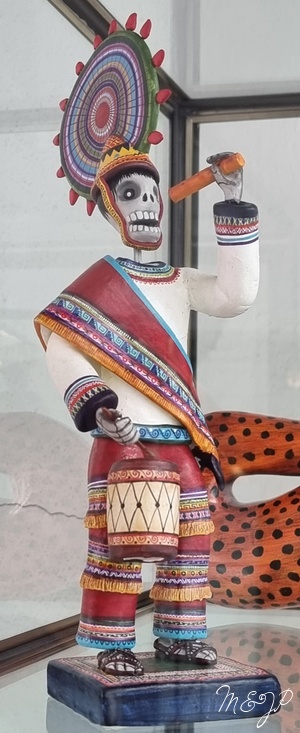
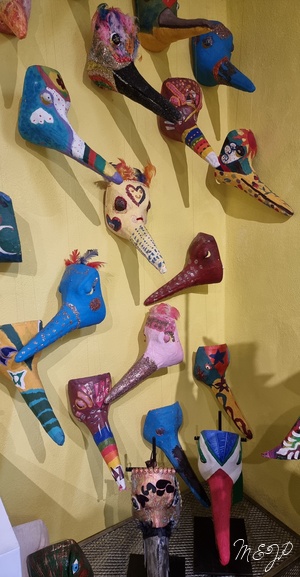
The view of the city from the museum's rooftop is lovely!
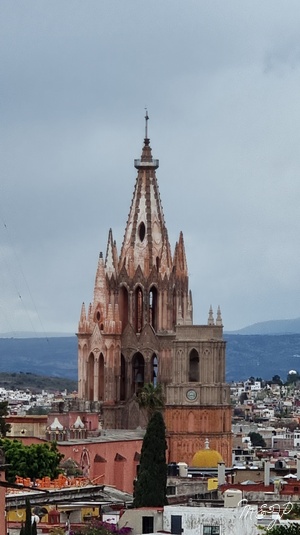
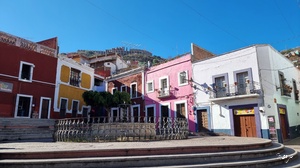
Similar to San Miguel de Allende, the city of Guanajuato has cobblestone streets, flamboyant pastel plazas and picturesque houses.
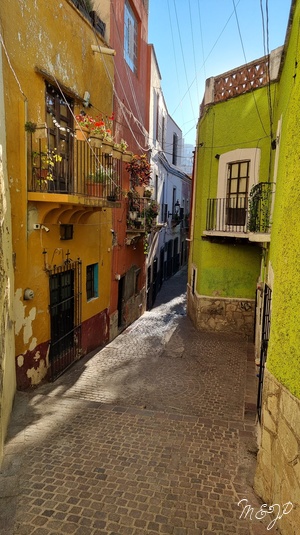
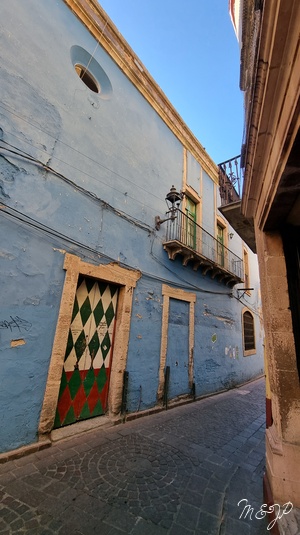
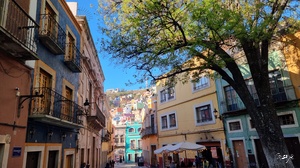
However, it is less touristy and, because of its university, full of joyful students.
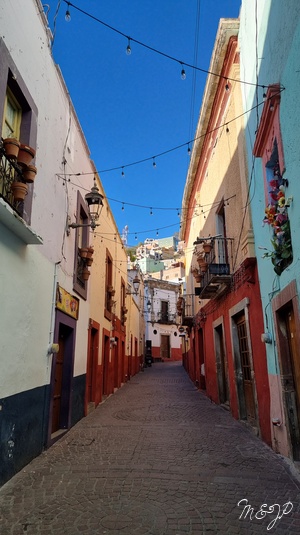
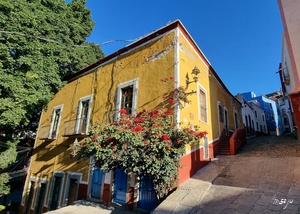
The city has an unusual vertical disposition and is famous for both its subterranean walkways built to prevent flooding and its jaw-dropping views from the El Pípila monument.
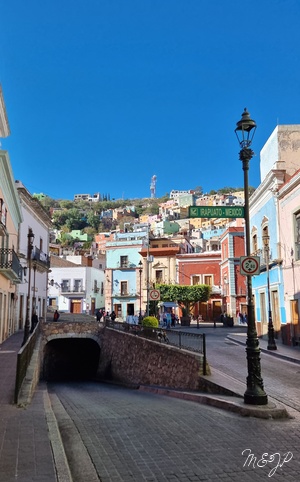
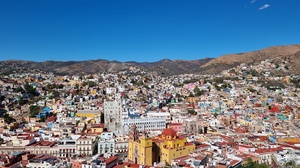
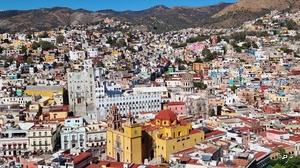
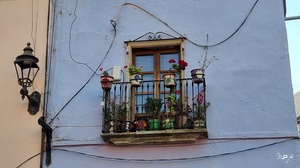
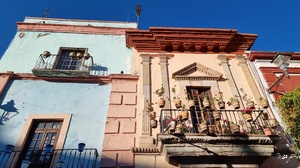
There are colours everywhere…
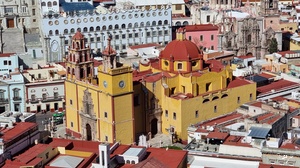
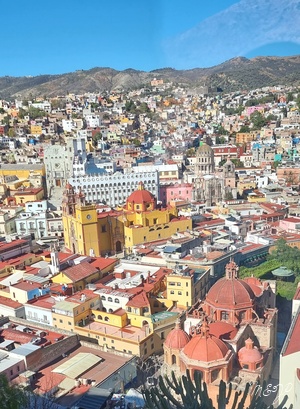
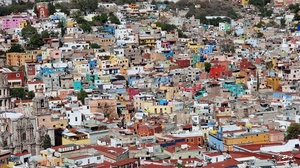
Cute flower pots…
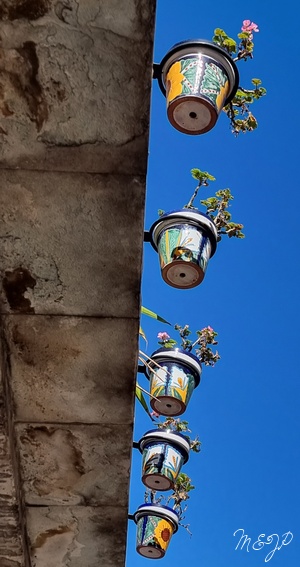
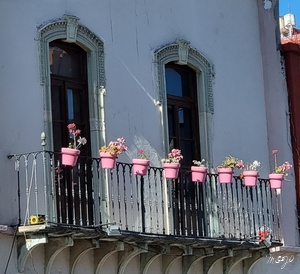
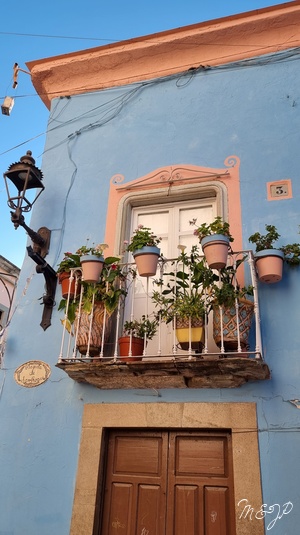
Charming houses...
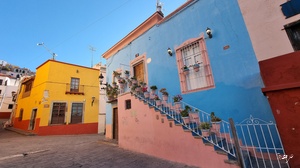
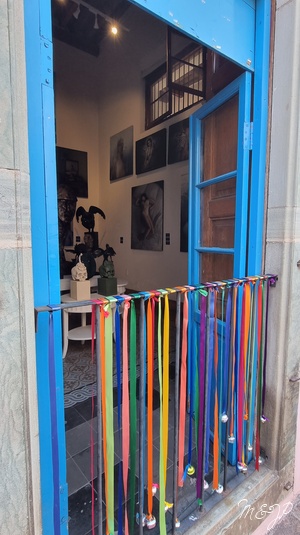
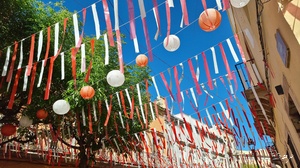
Rainbow flags and ribbons...
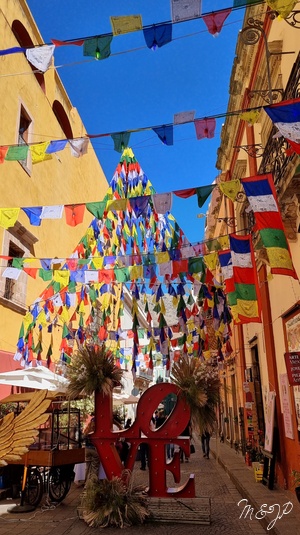
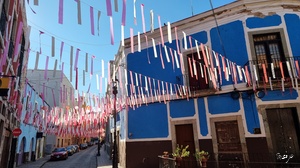
Paper lanterns…
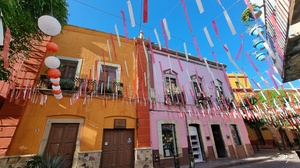
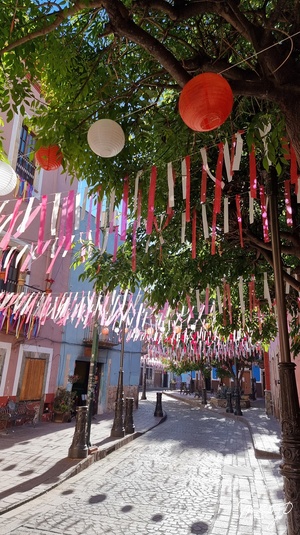
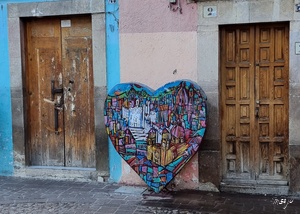
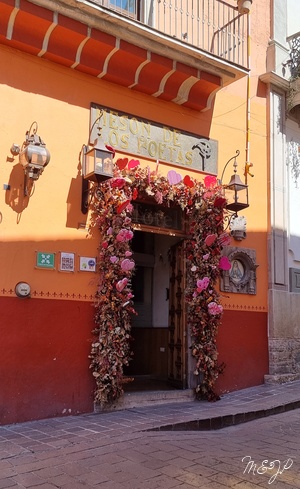
Charming shops, streets and buildings, covered with flowers and hearts…
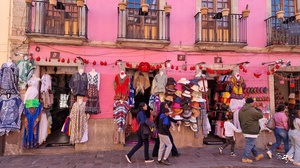
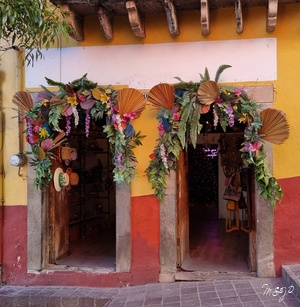
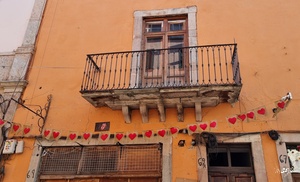
Intricate fountains…
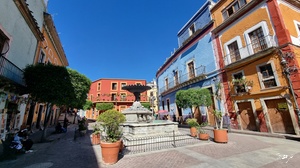
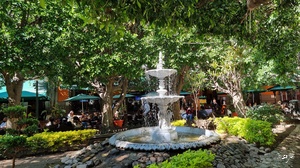
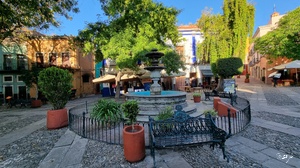
Impressive buildings, including the University of Guanajuato with its majestic staircase and the yellow and red Basílica Colegiata de Nuestra Señora de Guanajuato…
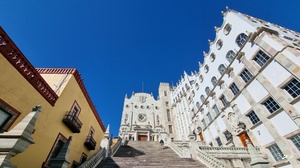
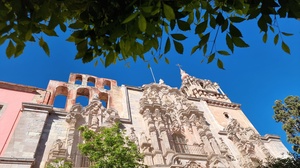
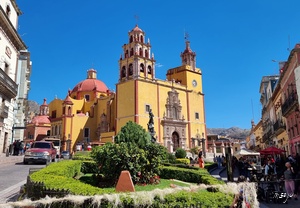
And so many other intricate churches...
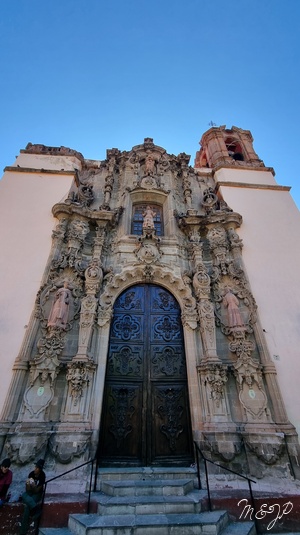
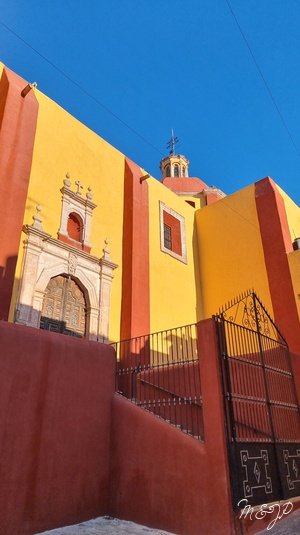
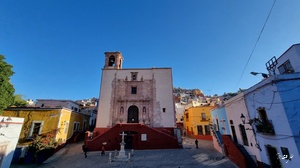
It is such a delight to roam around the city...
Despite Guanajuato's overall charm, the highlight of any visit there will be Museo Casa Diego Rivera. The house where Diego María de la Concepción Juan Nepomuceno Estanislao de la Rivera y Barrientos Acosta y Rodríguez, better known as Diego Rivera (good luck to remember the painter's full name!), was born on 8 December 1886 is now a museum.
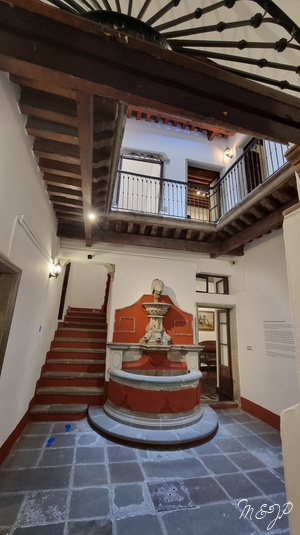
The first floor is decorated with furniture from the end of the 19th century, with the intention of staging the environment in which the Rivera Barrientos family lived during the first six years of the artist’s life.
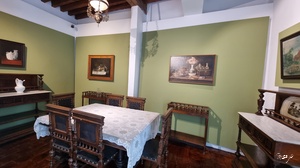
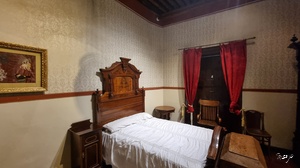
The other floors exhibit pieces from different creative stages of Rivera’s life - his encounter with the European Avant-Garde, his cubist production, his Mexican art, his muralism milestone and his interest in the natural environment and political activism.
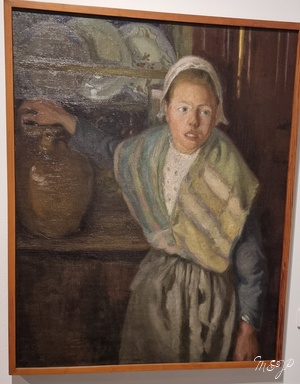
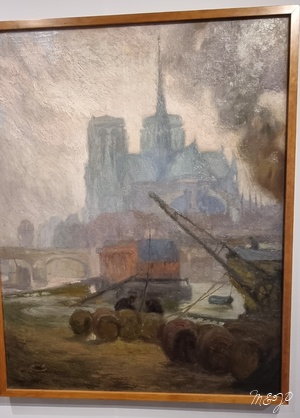
It is fascinating to see the evolution in the artist’s work, as well as some of his photographs with Frida Kahlo on the top floor…
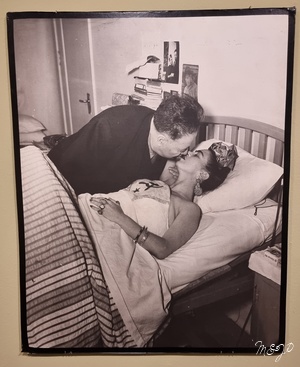
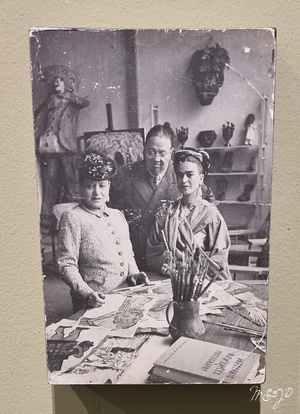
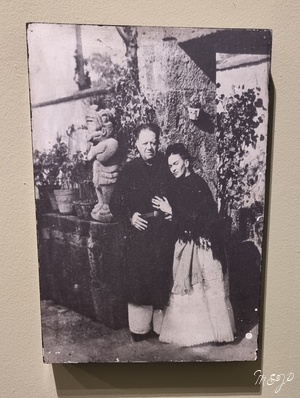
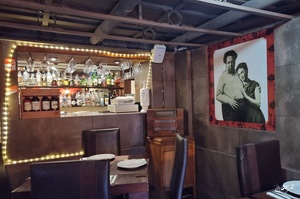
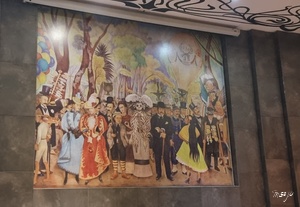
You can continue the journey throughout his life with a dinner at the nearby “Taberna de Diego y Frida”. There, surrounded by pictures and reproductions of paintings of both artists, you will enjoy some fresh fish with delicious salsas, as well as aguachile - our favourite Mexican dish. It is made of shrimp or raw fish, marinated in a mixture of chile peppers, lime juice and slices of cucumber and red onion.
While the description may remind you of the ceviche, the difference is that the latter is marinated for a longer period of time and is less spicy than the aguachile.
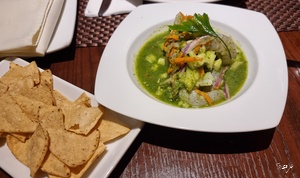
However, both dishes are equally delicious, together with all the other Mexican dishes and drinks that we tasted during our trip around Mexico!
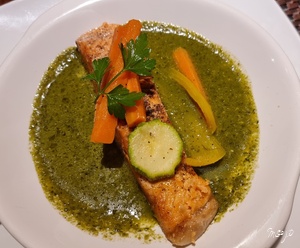
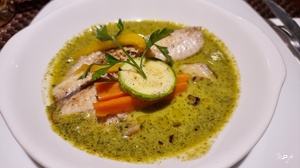
Because Mexico is, of course, also the Mexican cuisine...

You like what you read?
Explore and learn more about Mexico !!!
-
 P for Paradise and Provence (part 2)
Stunning nature - You cannot leave Marseille without hiking to … -
 P for Paradise and Provence (part 1)
France used to be divided into historical regions, which do … -
 The Valley of Roses and Kings (part 2) The Valley of Kings
The Valley of Roses is famous not only for its … -
 The Valley of Roses and Kings (part 1) The Valley of Roses
Out of all the flowers in the world the rose … -
 In the heart of the Silk Road (part 4) Khiva and the Desert Castles
Khiva - It took us 6 hours, almost a whole … -
 In the heart of the Silk Road (part 3) Bukhara
Bukhara - While Tashkent is a modern city with some … -
 In the heart of the Silk Road (part 2) Samarkand
Samarkand - No name is so evocative of the Silk … -
 In the heart of the Silk Road (part 1) Tashkent
The Great Wall of China, Machu Picchu, the Pyramids of … -
 The Land of Giants at the End of the World (part 2)
We crossed for the third time the border between Argentina … -
 The Land of Giants at the End of the World (part 1)
No visitors come back from Antarctica in the same state … -
 A Vitamin Sea Christmas in the Mediterranean
Human beings are full of contradictions! When we used to … -
 Spring Colours in the Kingdom of the West (part 6) Morocco is yellow
Morocco is yellow - Besides the yellow hues of the … -
 Spring Colours in the Kingdom of the West (part 5) Morocco is red
Morocco is red - Besides the red hues of the … -
 Spring Colours in the Kingdom of the West (part 4) Morocco is orange
Morocco is orange - Our first encounter with the legendary … -
 Spring Colours in the Kingdom of the West (part 3) Morocco is green
Morocco is green - The Rif Mountains east of Tangier, …
