

P for Paradise and Provence (part 1)
Posted by: Maria in October 2026 (18 hours, 31 minutes ago)
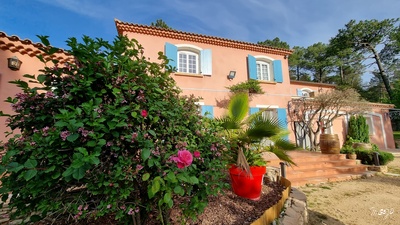
France used to be divided into historical regions, which do not always match its current administrative ones. Similar to historical Brittany, nowadays split between the administrative regions of Brittany and Pays de la Loire, historical Provence does not cover the entire administrative region of Provence-Alpes-Côte d’Azur (aka PACA), bordered by the Mediterranean Sea to the south, the Rhône River to the west, the Italian border to the east, and the Alps to the north, but the million-dollar question is which part it does and the answer varies depending on the person you ask…
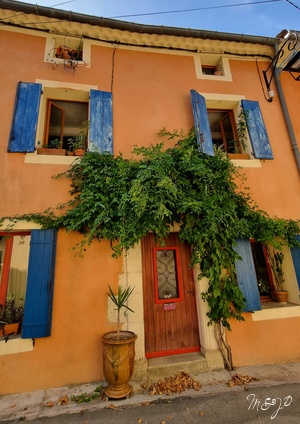
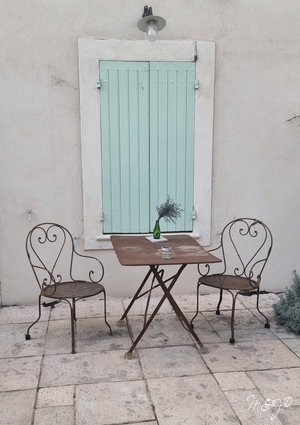
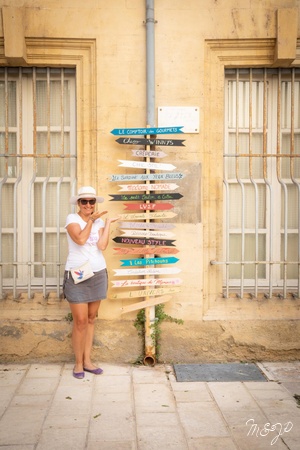
A friend of mine who was born and raised in Nice would be offended if you even insinuated that he was from Provence. Nice and the rest of the French Riviera (known in French as the Côte d'Azur and with no official boundaries, but generally considered to be the coastal area between Menton at the France-Italy border and Toulon) is an entity of its own! Also, the Camargue with its white horses, pink flamingos, black bulls and salt marshes, located south of the city of Arles between the Mediterranean Sea and the two arms of the Rhône River delta, constitutes a coastal region with its own identity, different from the Provençal one. Finally, each self-respecting person born or raised in Provence will tell you that any part of France north of Lyon, or even north of Montelimar is considered the Great North (and the Alps are definitely not part of Provence)!
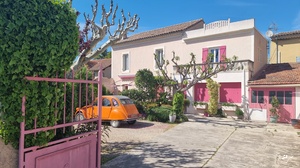
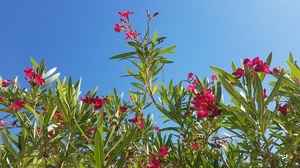
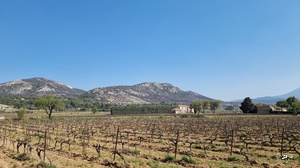
At the same time some areas outside PACA, such as La Drôme provençale (administratively part of the Auvergne-Rhône-Alpes region), are also considered part of Provence!
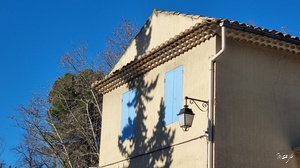
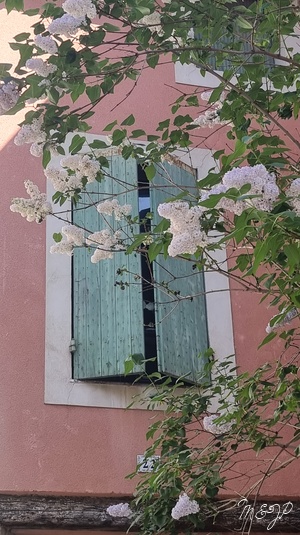
To make a long story short, the borders of this historical region are a brain-teaser and a topic for very long conversations and arguments (even between the best friends and the closest families) since they are actually less a question of geography, but rather of cultural identity! You just need to hear the melodical tones of the Provençal accent!
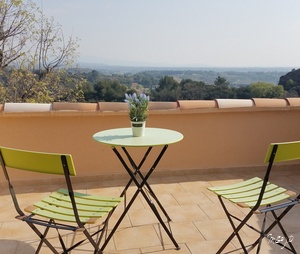
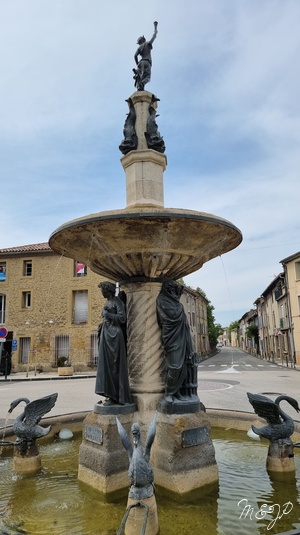
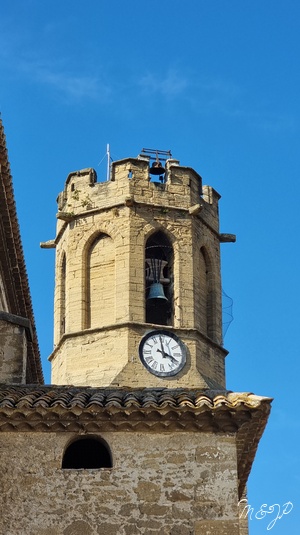
Since I have spent almost 20 years of my life with a person raised in Provence, I decided to follow his definition of this most famous and (I am definitely not partial) beautiful French region, boasting everything from picturesque villages and rich culture to stunning nature and delicious cuisine!
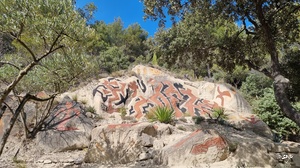
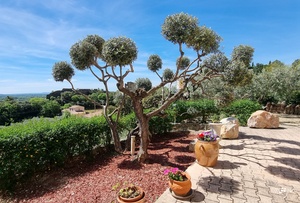
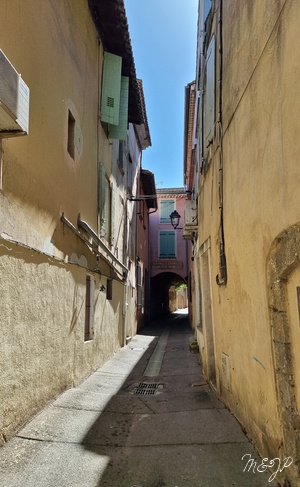
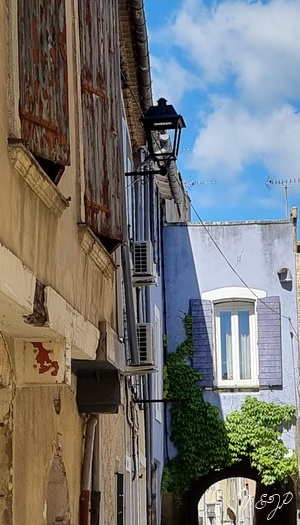
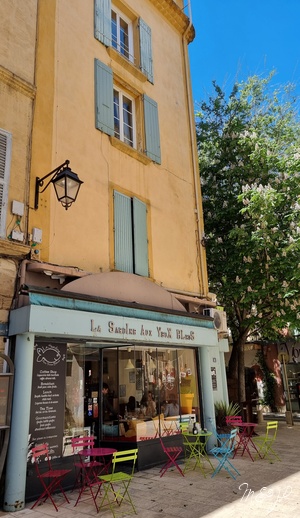
To me, it is a painting of ochre-hued houses with colourful shutters, surrounded by fragrant pine and cypress trees and endless vineyards and olive groves, under an incredibly blue sky and the sun shining around 300 days per year and with the noise of the cicadas as a soundtrack.
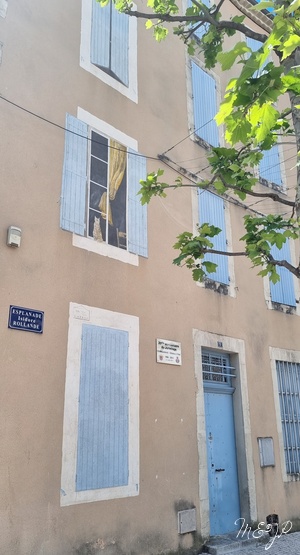
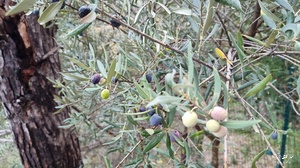
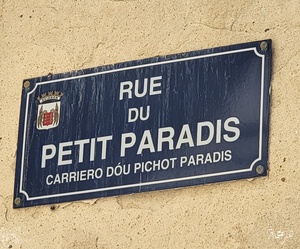
If I had to define it with one word only, it would be simply Paradise!
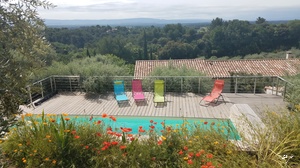
Picturesque villages - The heart of Provence is undeniably its fairytale villages, which will grab your heart in the blink of an eye and never let you leave their spell! Some people might try to convince you that they are all the same, but those who are really familiar with and love the region know better. Still, almost everyone would probably agree on the few villages that you should not miss for anything in the world!
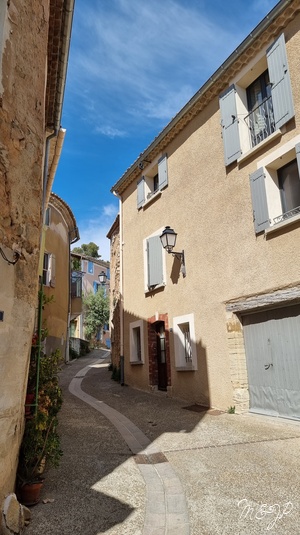
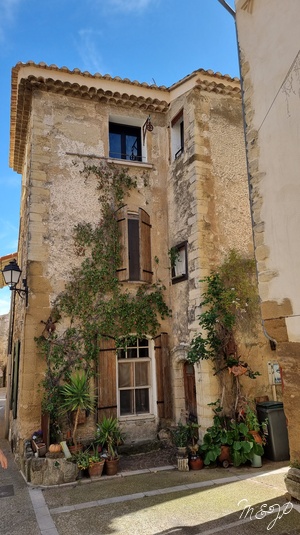
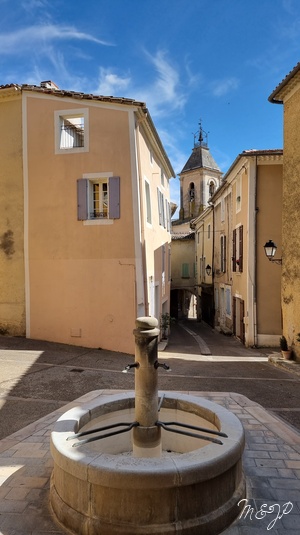
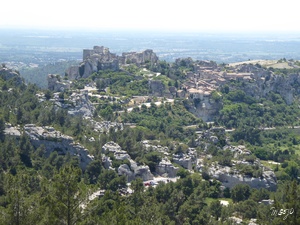
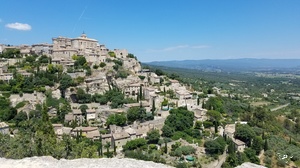
Gordes is the most famous and visited hilltop village and a member of Les Plus Beaux Villages de France (The Most Beautiful Villages of France) Association.
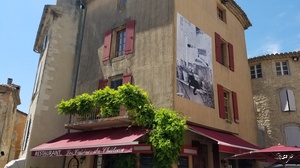
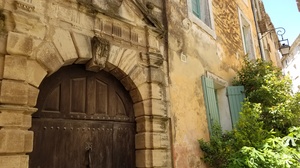
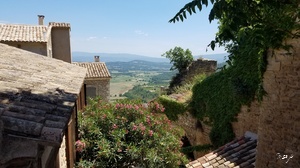
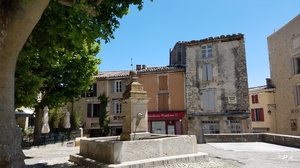
Its architecture, including the typical cobblestone streets lined with dry-stone huts (bories) and walls, is unique.
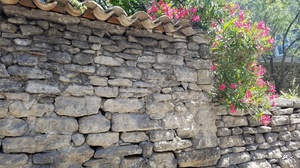
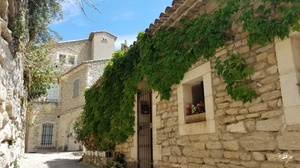
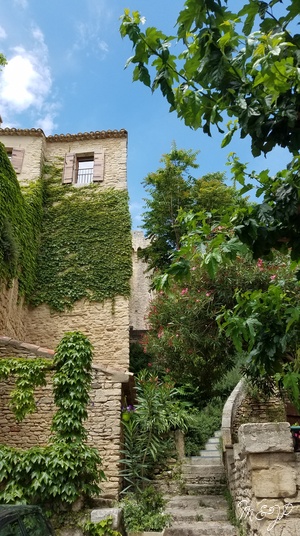
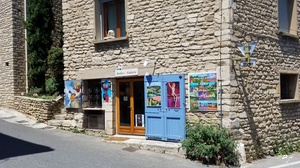
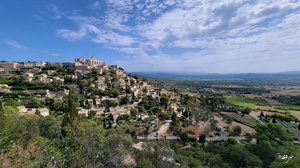
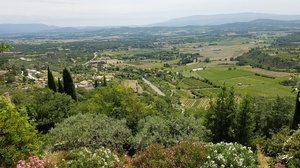
However, what is really special about it is its viewpoint from which you can see the breathtaking views of the village perched on a rocky outcrop of the Monts de Vaucluse and overlooking the Calavon Valley and the Luberon mountains.
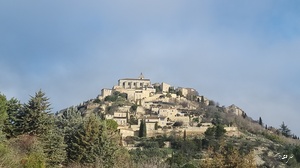
Ten kilometres (6 miles) east of Gordes you will find the also “must-see” Roussillon - another of Les Plus Beaux Villages de France, featuring vibrant ochre cliffs (Europe’s largest ochre deposit) which explain the colour of the whole village (and the rest of the region) and stand out against the incredibly blue sky! Ochres have been used since prehistoric times for cultic purposes, before being used to produce paints and dyes for the fashion or construction industry. After having explored the tiny lanes of the village, head to Le Sentier des Ocres (the Ochre Trail) boasting stairs carved into the ochre rock across old quarries and striking contrasts of fairy orange stones and green oaks!
Another not to be missed village is Saint-Rémy-de-Provence where Nostradamus was born. Van Gogh also spent some time there after cutting his earlobe, voluntarily committing himself to a psychiatric hospital, and created many paintings, including his famous masterpieces ‘Starry Night’, ‘The Almond Tree Branch in Bloom’ and ‘The Iris’.
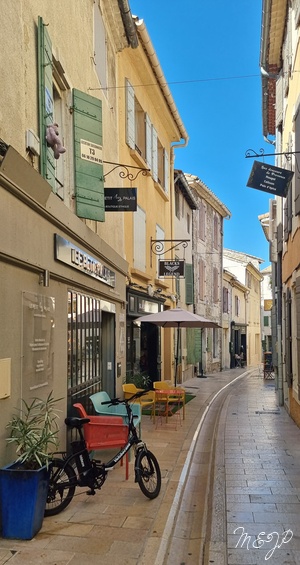
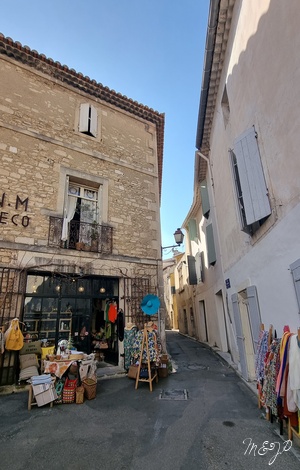
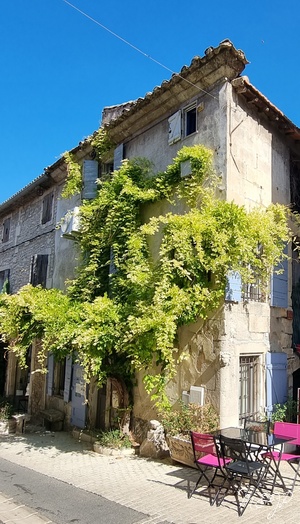
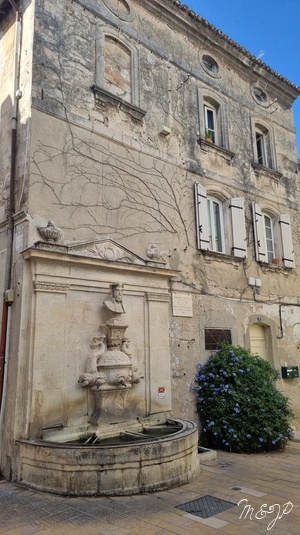
If you wander around the cobblestone streets and little squares of the village, surrounded by the Alpilles mountains, you will understand where the genius painter’s inspiration came from!
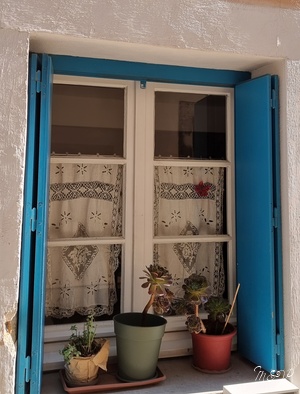
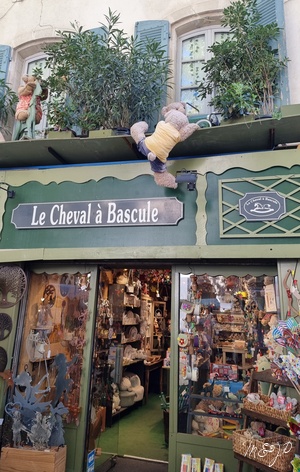
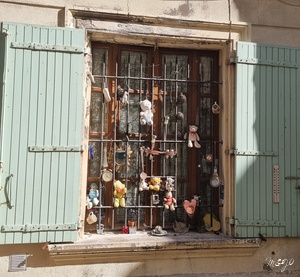
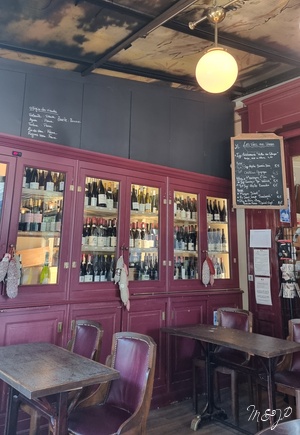
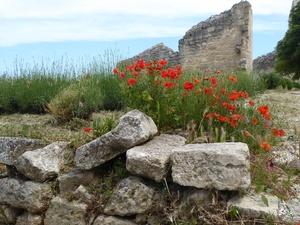
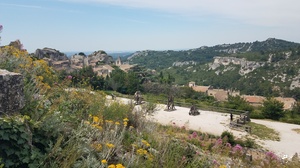
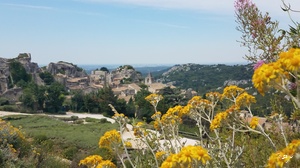
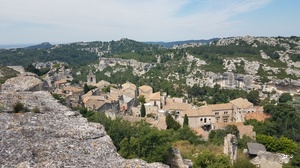
Less than a 20-minute drive away from there, you cannot miss Les Baux-de-Provence either.
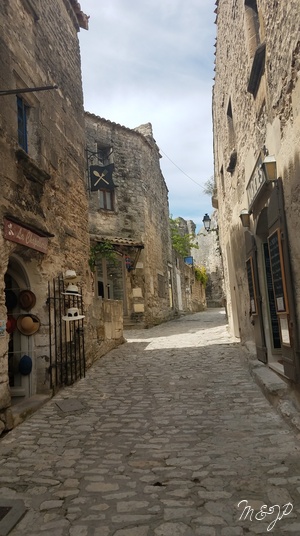
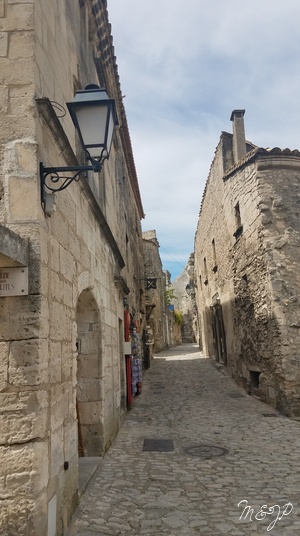
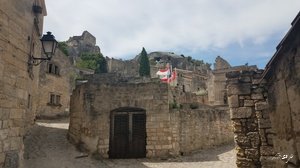
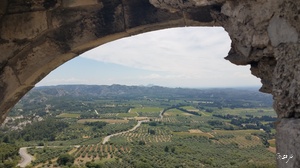
This charming medieval village in the Alpilles mountains has also been listed in Les Plus Baux Villages de France selection.
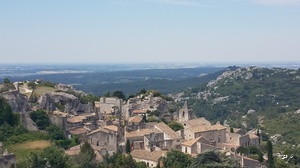
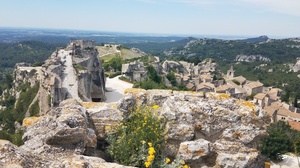
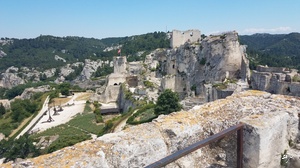
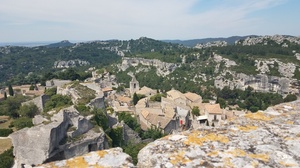
It is dominated by the ruins of an impressive 10th-century castle.
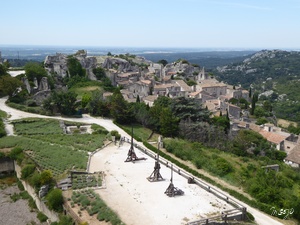
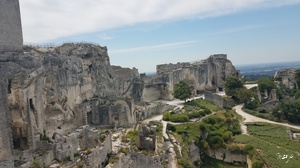
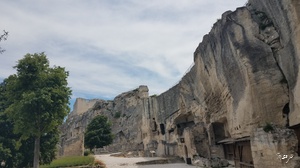
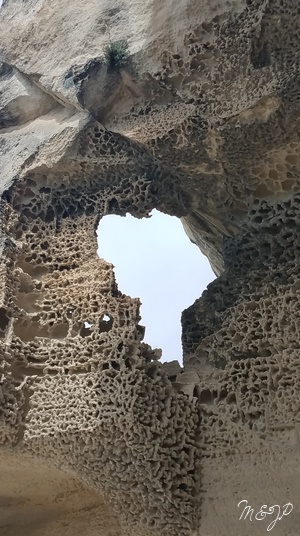
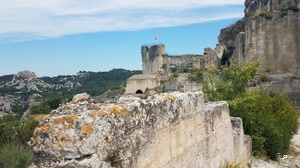
The 360° view of the surrounding countryside covered with vineyards and olive groves is something!
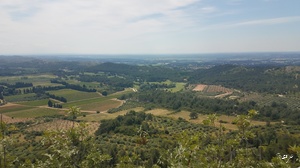
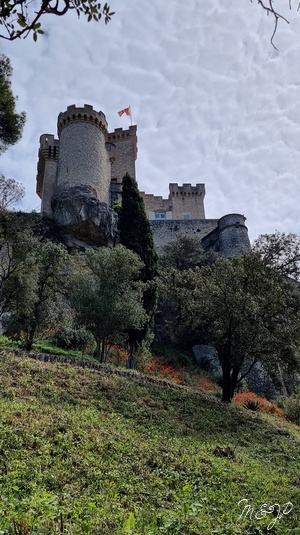
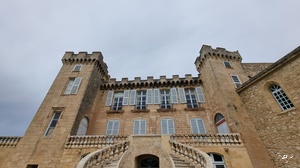
The region features many more stunning smaller or larger castles for the romantic souls amongst you.
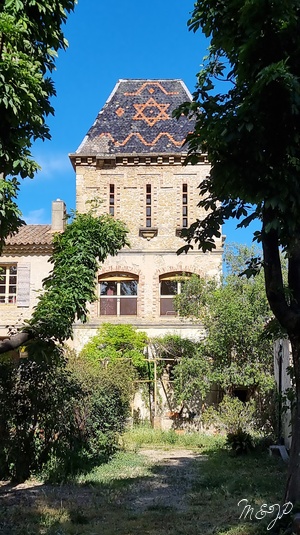
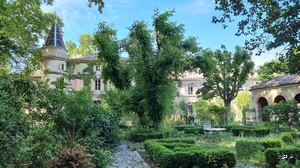
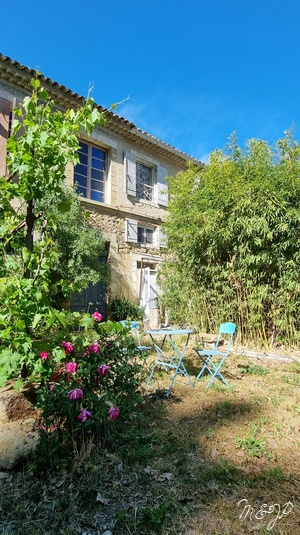
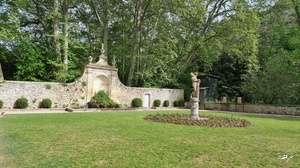
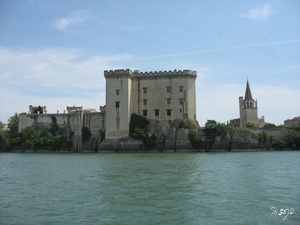
Some of our favourites are the elegant Château de La Barben (aka Rocher Mistral) and its sublime gardens and the picturesque Château de Tarascon on the banks of the Rhône River.
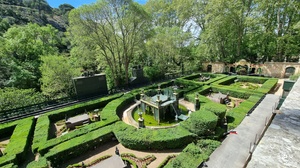
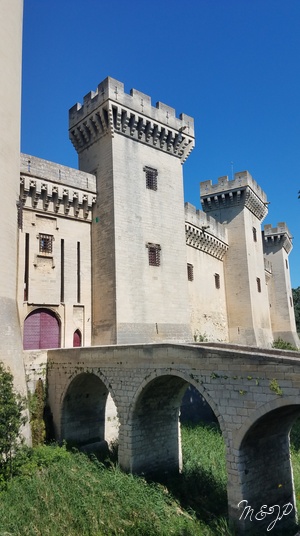
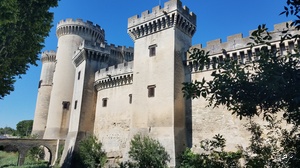
If you have a little bit more time or would rather visit a few ‘off the beaten track’ villages as an alternative to their more famous neighbours instead, you will not be in lack of choice or inspiration!
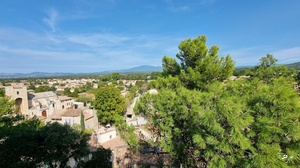
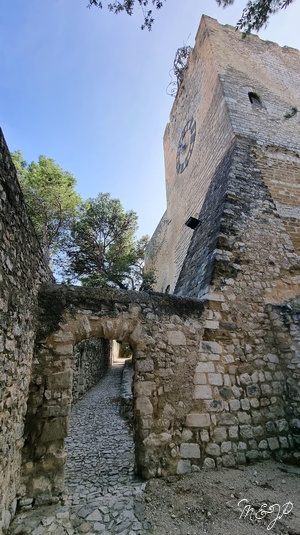
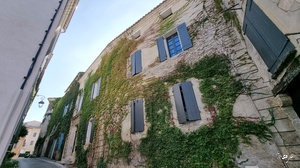
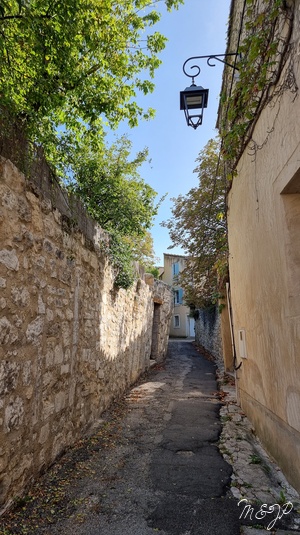
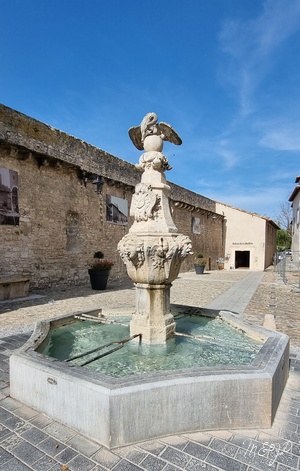
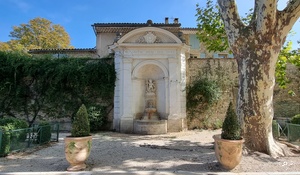
You can go fountain hunting in the village of Pernes-les-Fontaines, famous for its 41 fountains.
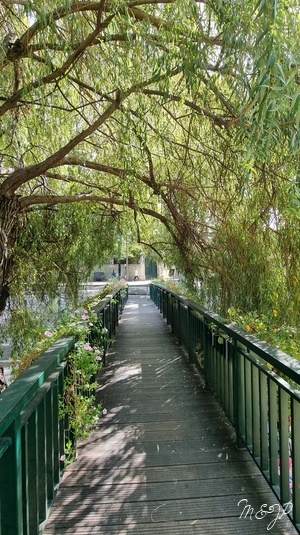
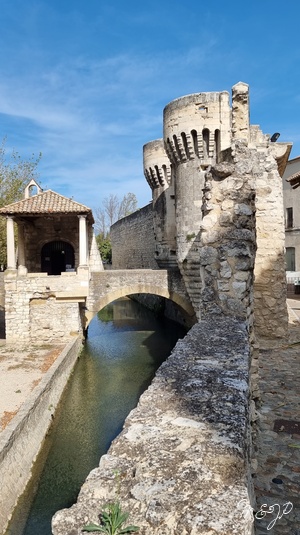
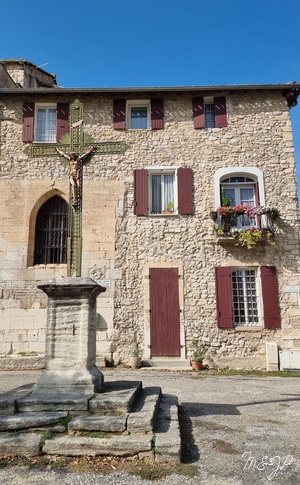
The oldest ones date from the 15th century and many were built in the 18th century.
The Roman era enthusiasts will probably head to Vaison-la-Romaine, aka ‘la Romaine’ (or the Roman City).
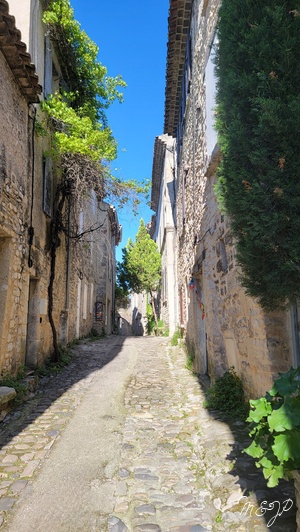
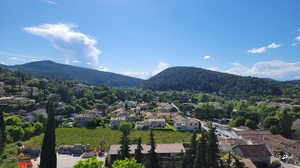
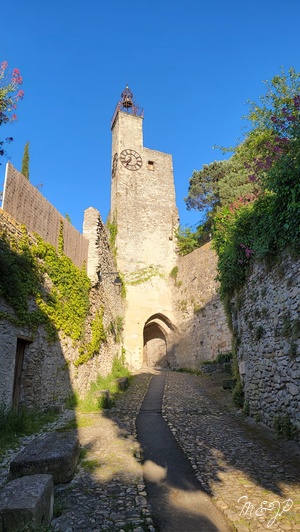
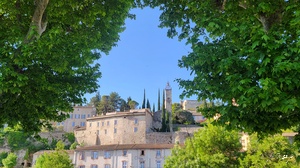
In addition to an amazingly well preserved Roman bridge and the ancient Roman ruins of Puymin and La Villasse - the largest archeological site in France, you will find a charming medieval town with narrow streets, ancient gates and squares with quaint fountains.
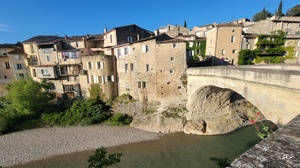
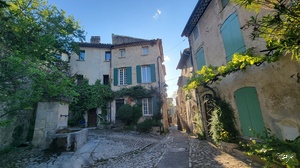
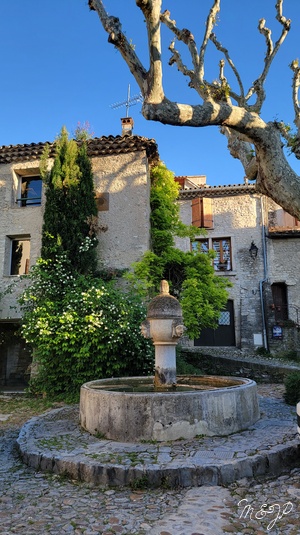
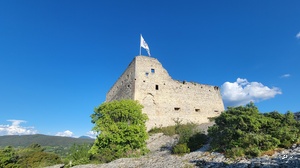
The town is crowned by the ruins of a 12th-century feudal castle with spectacular views.
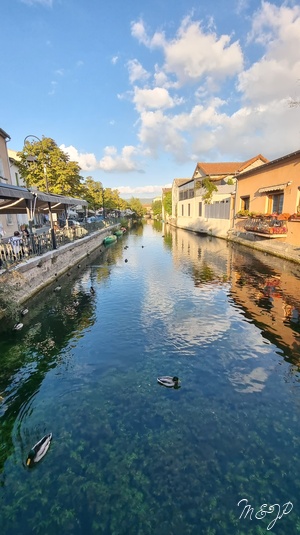
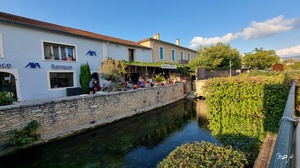
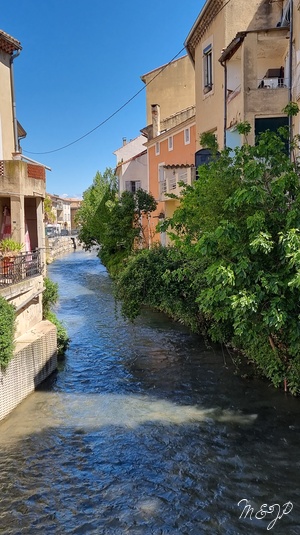
L'Isle-sur-la-Sorgue where the Sorgue River splits into multiple canals weaving through the old town is another gem!
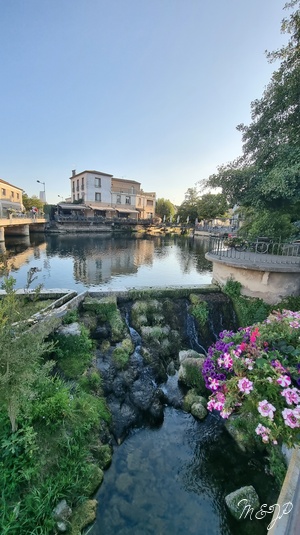
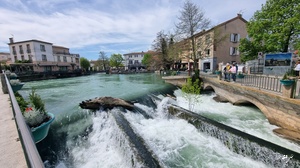
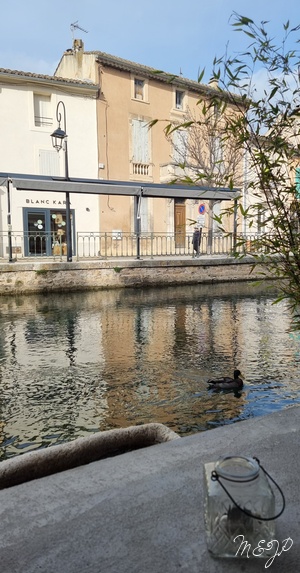
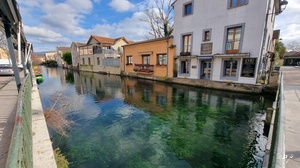
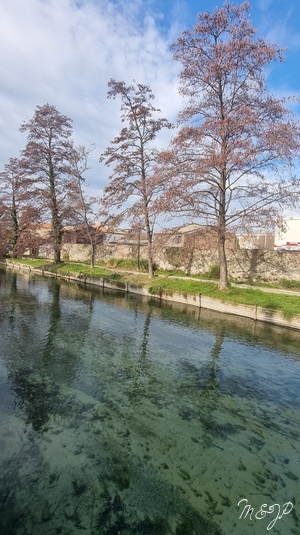
It is also known as the Venice of Provence.
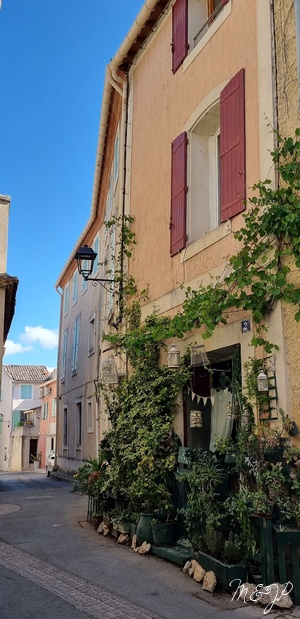
You can walk around in search of the remaining waterwheels left from the town’s 18th- and 19th-century silk, paper, and wool industries or explore the village on a kayak.
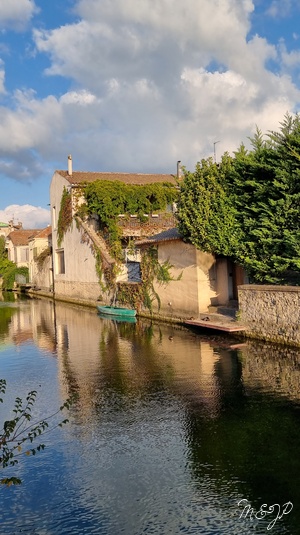
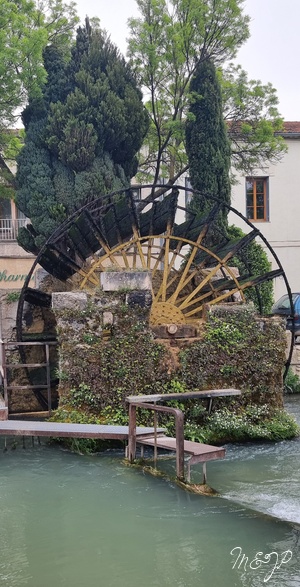
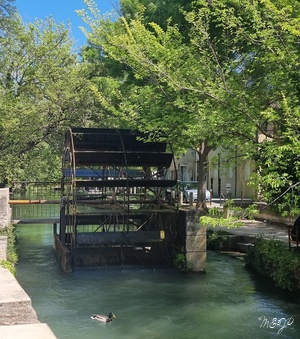
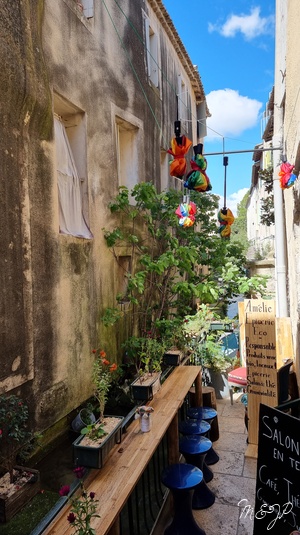
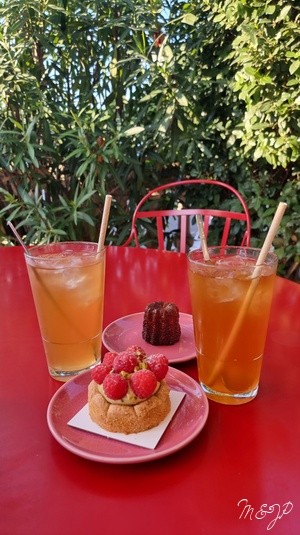
Do not forget to stop for a cup of coffee and some delicious treats at one of the cute local pâtisseries (pastry shops).
Venasque, one of the most authentic and beautiful villages in Provence, will awe you with its dramatic architecture.
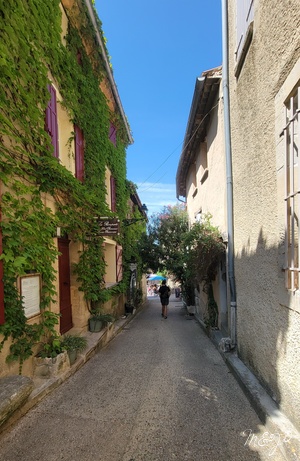
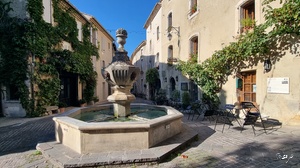
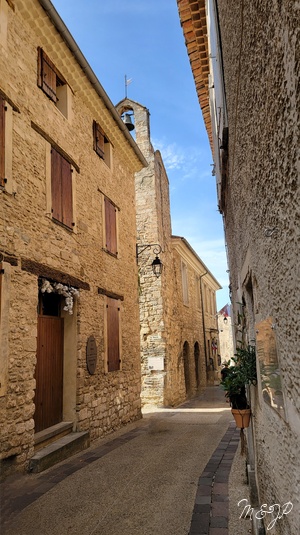
A long time ago an impregnable fortress, it sits on top of a steep rocky cliff and offers some jaw-dropping views of the surrounding mountains and valleys.
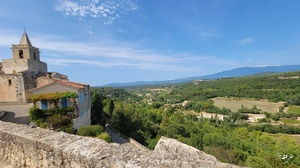
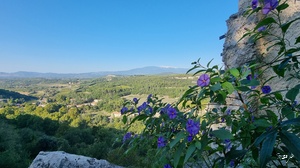
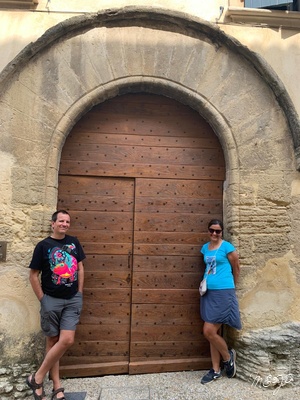
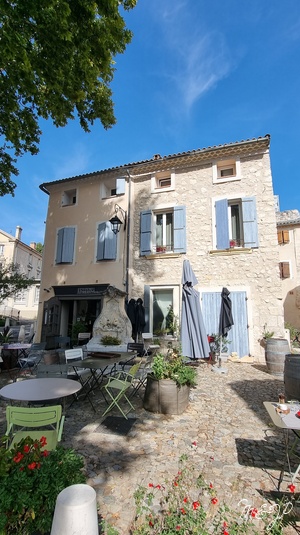
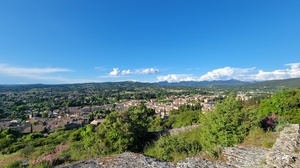
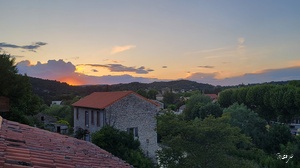
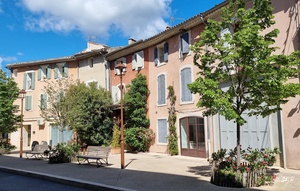
Even if you simply randomly drive around the region, you will pretty soon come across many villages, each of which exudes in one way or another the Provençal charm of narrow streets, cute houses, shaded squares and fountains, ancient churches and chapels and stunning panoramas.
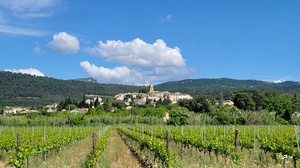
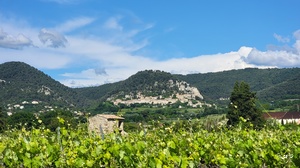
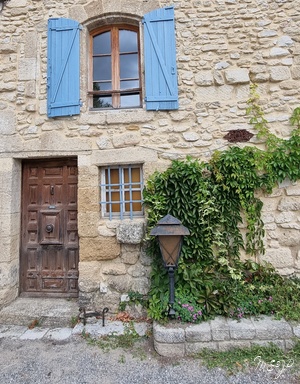
Some of our favourite ones are Bédoin, Bonnieux and Goult, but every time we drive around the region, we come across new ones and our list gets longer!
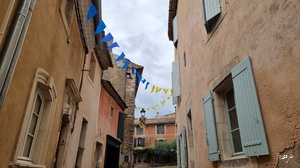
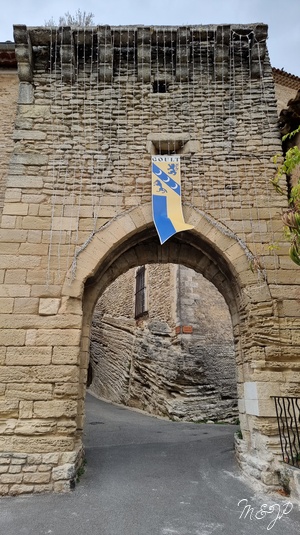
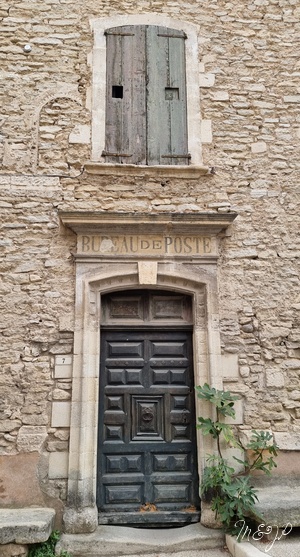
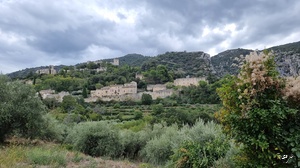
I promise that after visiting a handful of villages, you might decide they are all the same (they are not!) and stop looking at any particular sights, but simply enjoy wandering around and coming across a hidden picturesque square, a cute church, a ‘hole in the wall’ restaurant, bar or shop or a game of pétanque. Provence’s quintessential sport is part of the local culture and reflects perfectly the philosophy of the South of France - getting together with friends and family and enjoying life at a leisurely pace.
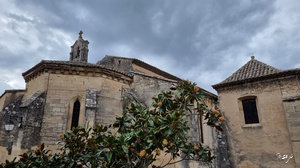
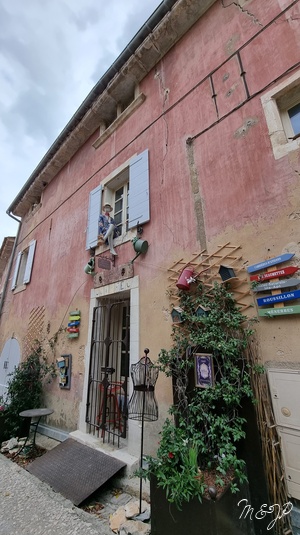
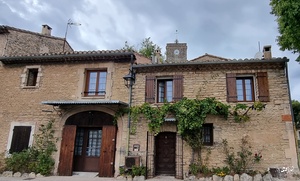
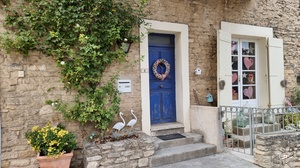
Rich culture - The villages are also amongst the best places for discovering the rich culture of the region!
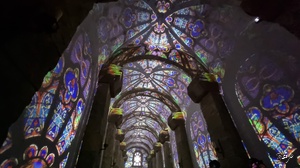
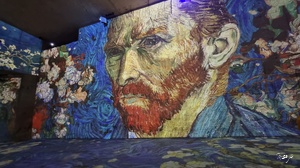
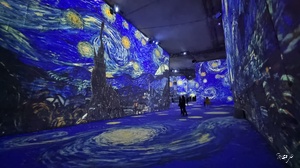
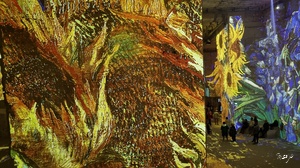
Digital exhibitions - The main reason to visit Les Baux-de-Provence might not be the village itself or even its castle, but its Carrières des Lumières.
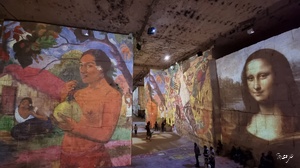
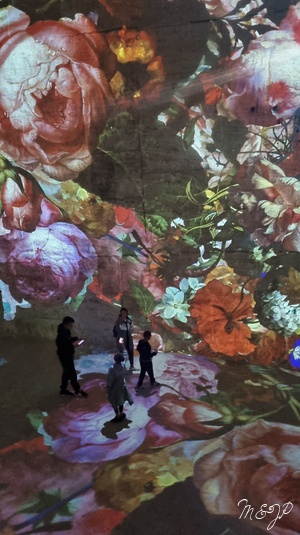
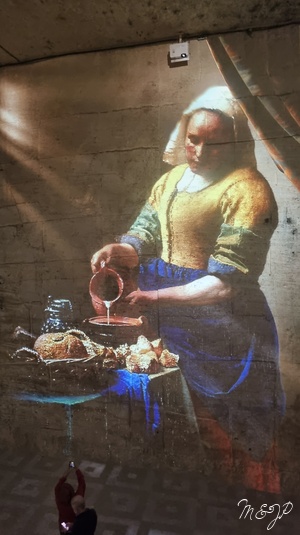
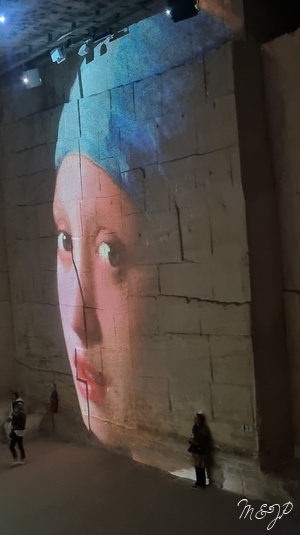
This former quarry with a projection surface of 7,000 m² and over 70 video-projectors lights up the ancient limestone walls with works by the world’s greatest artists.
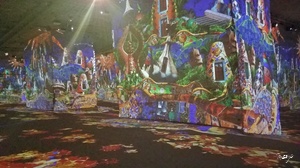
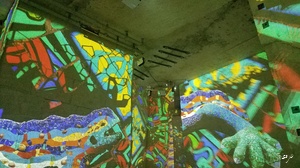
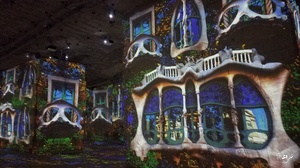
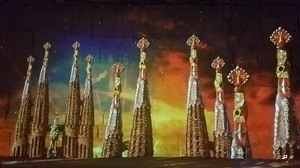
It offers some of the most impressive and beautiful digital exhibitions you will ever see.
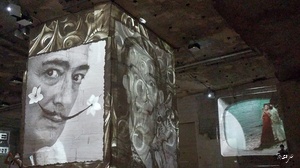
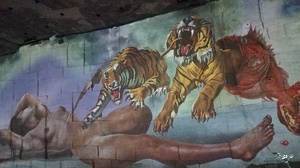
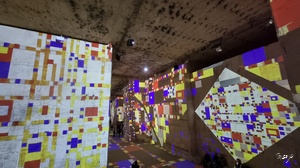
The art and music immersion in the masterpieces of Van Gogh, Vermeer and Mondrian, Monet and Rousseau, Dali and Gaudí (with the music of Pink Floyd), and more recently Picasso and Frida Kahlo are pure magic…
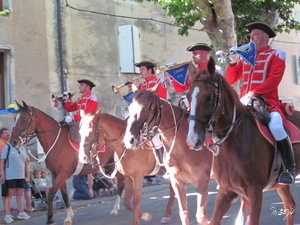
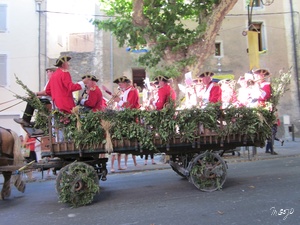
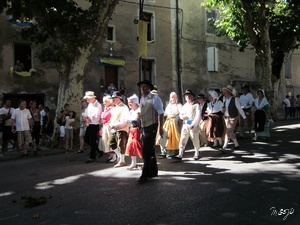
Provençal festivals - The most amazing cultural experiences you can come across in some of the villages are the local festivals, which generally include traditional Provençal dances such as the famous open-chain farandole. Some of them are annual such as la Fête de la Saint-Jean (the Feast of Saint John) in Aix-en-Provence - a traditional midsummer celebration, while others are less frequent. Lou Càrri de Mazan (translating from Provençal language as the ‘Cart of Mazan’), held for the first time in 1725, happens only once every 10 to 20 years (the last one took place in July 2010, featuring 100 horses, hundreds of costumed actors, and over 10,000 spectators).
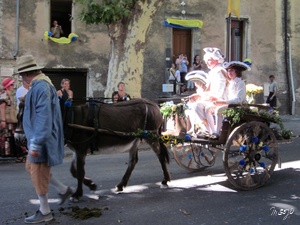
Provence’s rich culture is ubiquitous in some of the region’s vibrant cities as well.
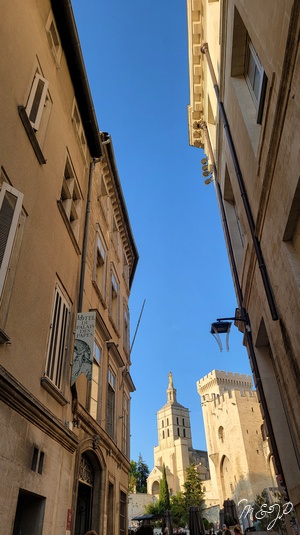
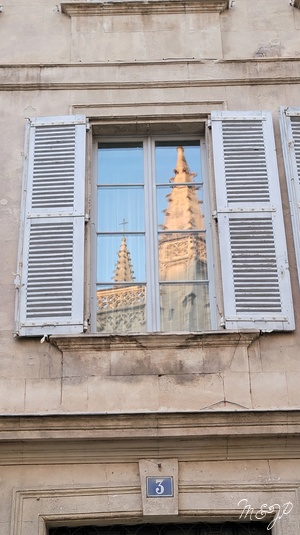
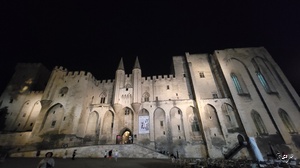
The Half-Bridge and the largest Gothic palace in the world - The Bridge of Avignon (aka the Saint-Bénézet Bridge), the Palace of the Popes and the historic centre of Avignon itself are all UNESCO World Heritage sites.
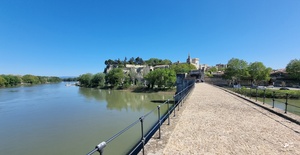
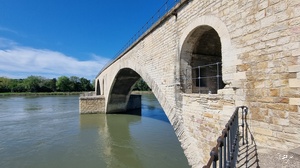
When it was built in the 12th century, the bridge spanned the Rhone River and represented a real technical feat, but after the devastation by sieges and floods (and despite being rebuilt several times over the centuries), only four out of the initial 22 arches, as well as the Romanesque Saint-Bénézet chapel still stand today.
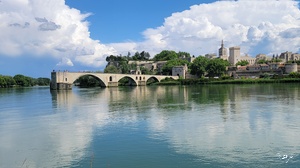
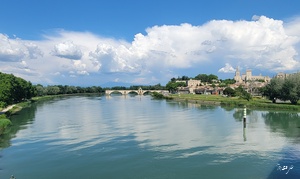
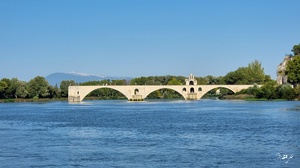
According to the legend, a young shepherd named Bénezet once heard a voice from heaven, instructing him to build the bridge, but was first taken for a madman. However, after he accomplished a miracle by carrying a large block of stone on his shoulders and throwing it into the water, the local clergy believed in his words and started the construction. You can admire the beautiful ruins of the bridge from the Barthelasse Island, one of the cruise ships on the Rhone River, the newly constructed bridge opposite it, the ramparts of the city of Avignon or Le Rocher des Doms (the Doms Rock) Garden, or put into action the words of the world-famous song ‘on the bridge of Avignon, we are dancing, we are dancing...’ (‘sur le pont d’Avignon, on y danse, on y danse…’) by visiting the bridge (which requires a ticket). In reality, there is no room for a proper dance - it is believed that the inhabitants danced on the river banks around the bridge rather than on it.
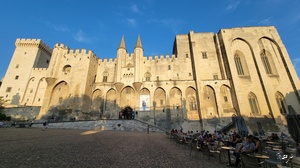
Another of the iconic monuments of Avignon is of course the Palace of the Popes - the largest Gothic palace in the world with 15,000 square metres (160,000 square feet) of floor space.
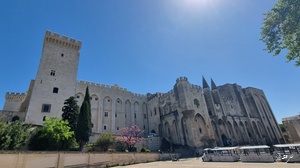
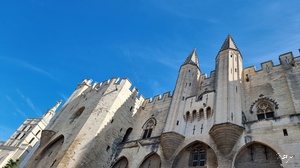
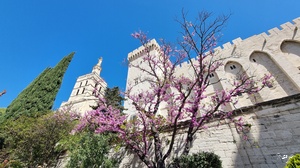
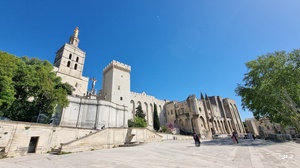
Nine popes reigned from and six conclaves were held in this magnificent and powerful fortress-palace in the 14th century after the popes were forced to relocate here due to the political instability and violence in Rome.
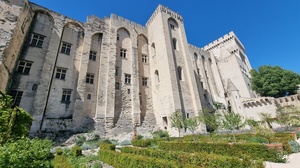
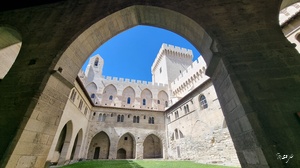
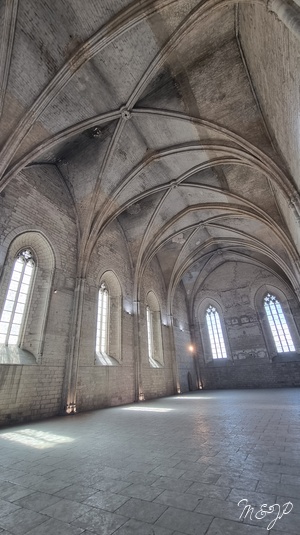
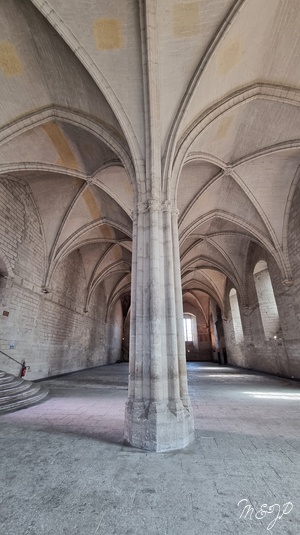
The palace features its own gardens, a cloister, ceremonial rooms, chapels and papal apartments with priceless frescoes.
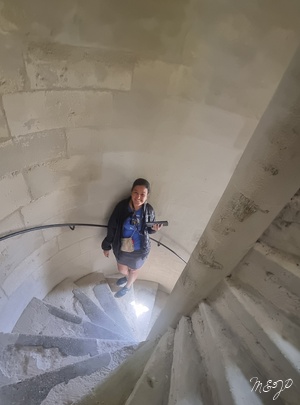
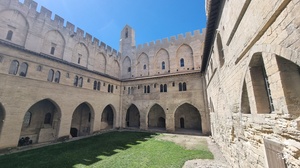
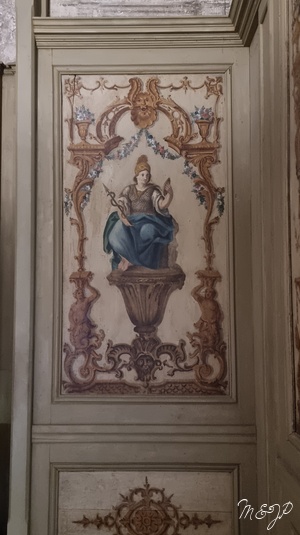
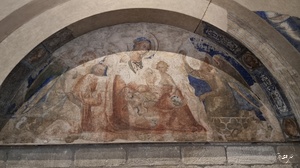
The views of Avignon and the Rhone River are magnificent.
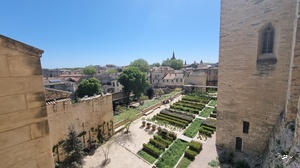
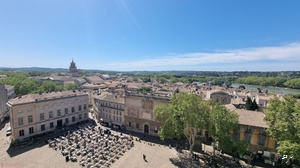
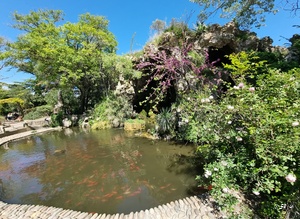
After visiting the palace, you can walk around the nearby Doms Rock Garden.
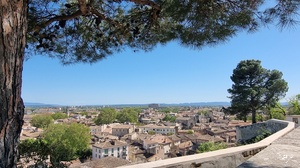
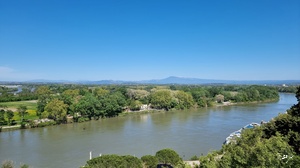
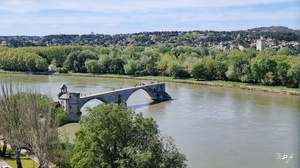
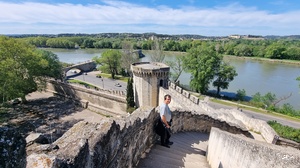
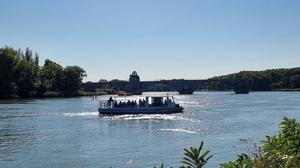
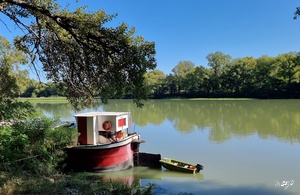
Take the stairs down one of the still standing towers, part of the city ramparts, and then hop on a free shuttle to cross the Rhone River to the Barthelasse Island for a nature stroll along lots of cute houseboats and more jaw-dropping views of Avignon and its bridge and palace.
Last but not least, you cannot miss wandering around the historical city of Avignon.
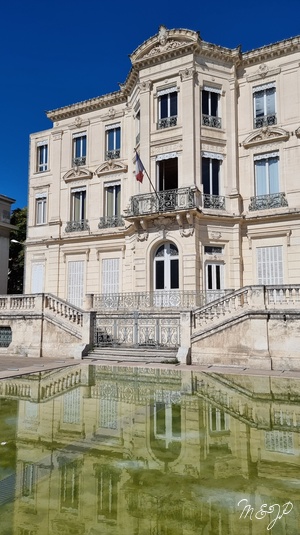
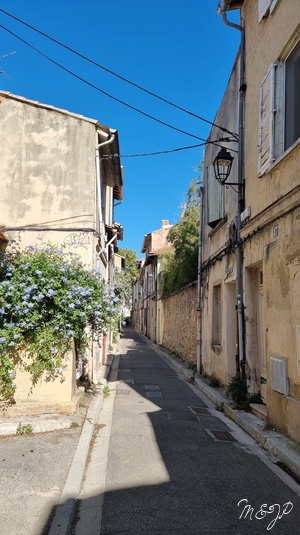
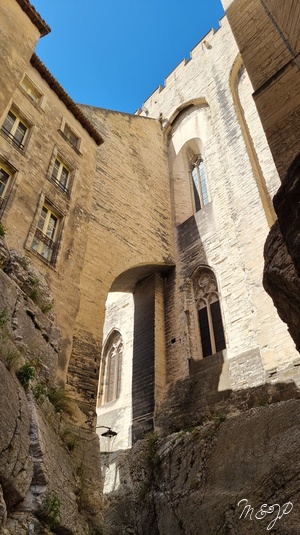
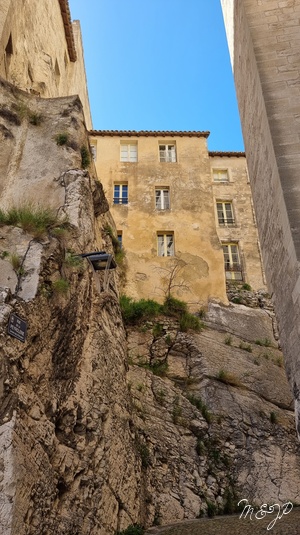
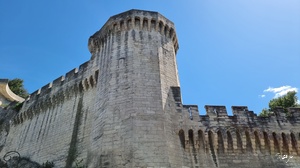
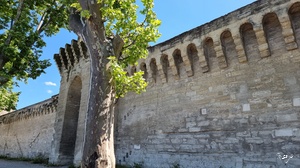
It is still surrounded by its gorgeous medieval ramparts and gates!
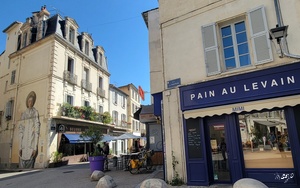
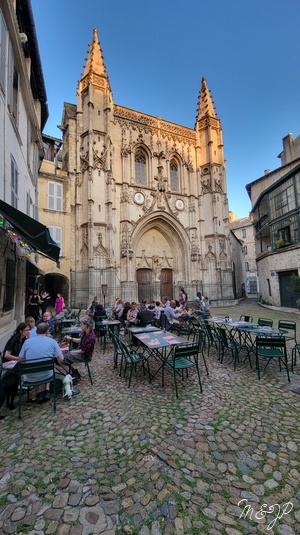
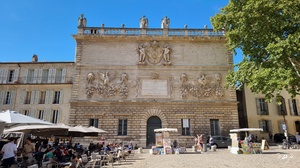
La Place des Carmes (the Carmelite Square), la Place du Palais opposite the Palace of the Popes, la Place des Corps Saints with its beautiful Celestins cloister and fountain and la Place de l'Horloge (the Clock Tower Square) with its Gothic belfry all host the pleasant terraces of lively cafés, bars and restaurants.
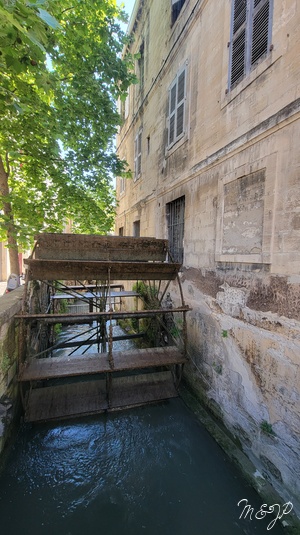
Rue des Teinturiers (Dyers’ Street) still features some of the waterwheels which once powered mills and silk-spinning factories.
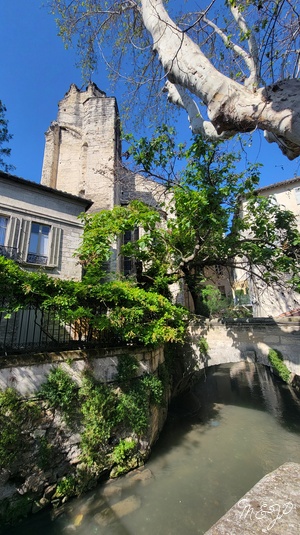
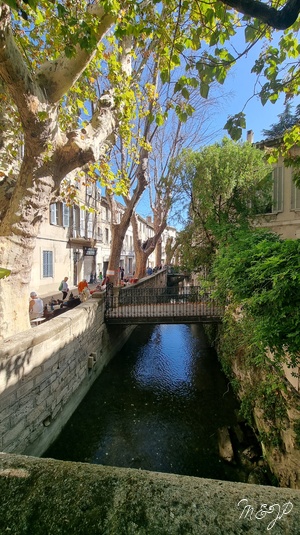
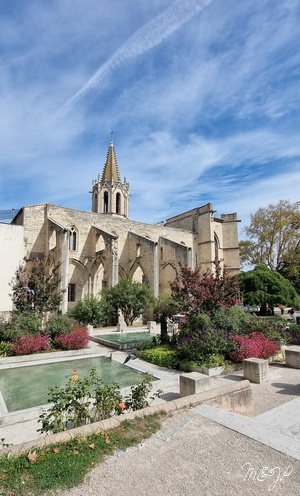
The picturesque Agricol Perdiguier Square hides beautiful gardens, statues and remains of a Gothic cloister and a café where you can soak up the sun while enjoying a cone of homemade ice-cream.
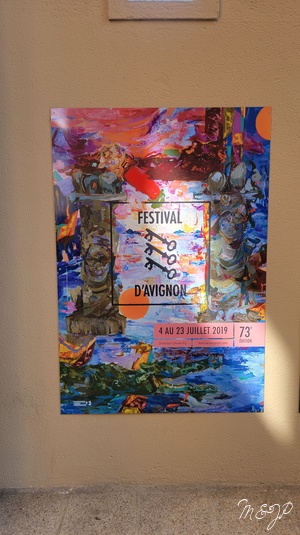
If you are there in July, you should not miss the famous Avignon Festival - the oldest existent festival in France. It was founded in 1947 and features ‘in’ (part of the official programme) and ‘off’ art performances everywhere in the city, including at some of its most emblematic sites!
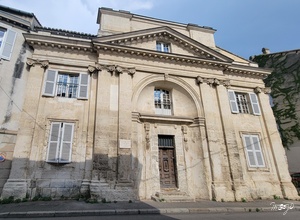
If you like staying at unusual accommodations, Avignon is one of these places where you can book a room in a former chapel! We stayed at Chapelle Notre-Dame-des-Miracles turned into a lovely guest house, which made our experience even more enchanting!
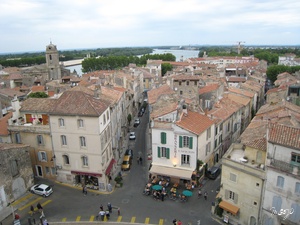
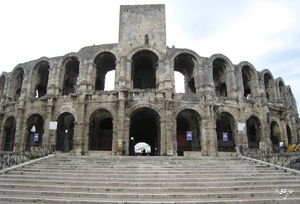
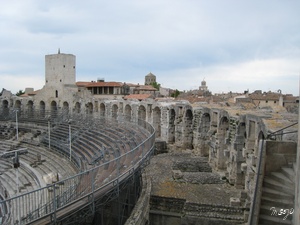
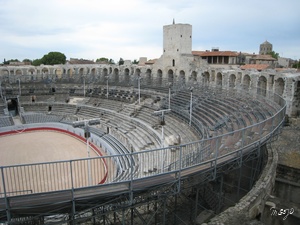
Roman theatres - Other incredible performance venues, also part of the Provençal culture, are the Roman theatres. You can hop on a cruise from Avignon to Arles. The latter features a 1st-century Roman theatre (which could seat 8,000 people enjoying plays and spectacles) and a well-preserved Roman amphitheatre from the same period (which could hold over 20,000 spectators of chariot races and bloody hand-to-hand battles), both listed as UNESCO World Heritage Sites.
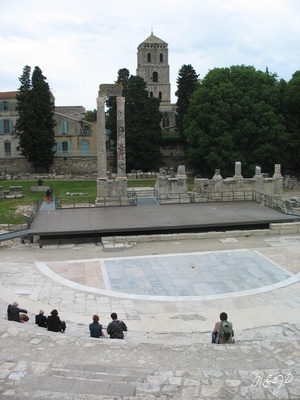
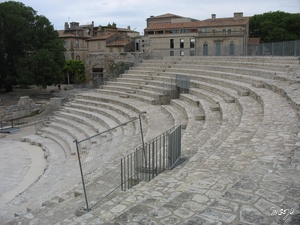
The main difference between the two types of structures is the seating layout and shape - the theatre is semicircular with seating on one side, while the amphitheatre is circular or oval with seating all the way around.
The 1st-century Roman theatre of Orange (aka La Cité des Princes or the City of the Princes as it served for centuries as the capital of a sovereign independent principality governed by hereditary princes) is another UNESCO World Heritage Site. It is the best preserved Roman theatre in Europe and owes its fame to its monumental stage wall whose central niche still houses the sculpture of Emperor Augustus holding his consular baton, reminding the population that it is essential to respect the laws in order to preserve Roman peace. It could accommodate 9,000 spectators attending tragedies, comedies, dances, acrobatics and juggling.
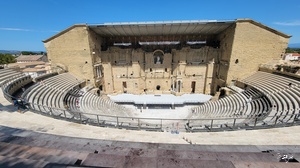
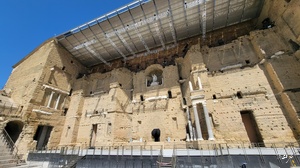
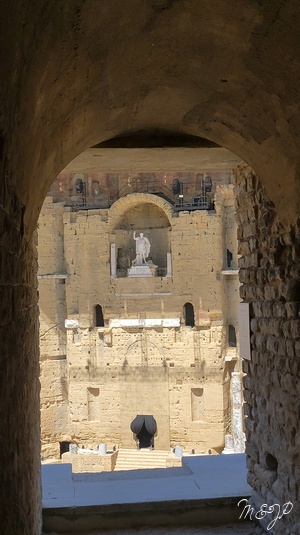
Not too far away from the theatre stands the intricately decorated Triumphal Arch of Orange, another UNESCO World Heritage Site and one of the oldest, largest and best-preserved Roman arches in Provence.
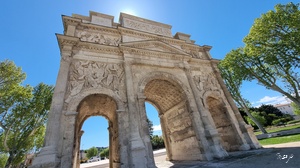
The city of Orange itself is incredibly cute as well.
It is worth spending at least a day there!
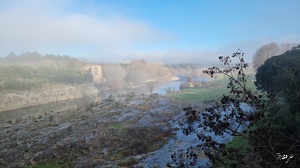
The highest Roman aqueduct bridge in the world - If you are a Roman history and architecture fan, you simply cannot miss le Pont du Gard, located only a 50-minute drive away from Arles. The highest Roman aqueduct bridge in the world is a UNESCO World Heritage Site for a reason! It was built in the 1st century to carry an estimated 40,000 m3 (more than 10 million gallons) of water a day over 50 kilometres (30 miles) to the fountains, baths and homes of the citizens of the Roman colony of Nemausus (nowadays Nîmes). After the Roman Empire collapsed, the aqueduct fell into disuse but remained largely intact with a secondary function as a toll bridge used by travellers to cross the river.
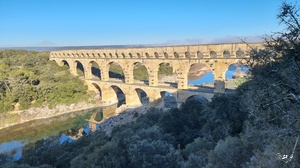
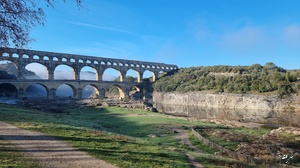
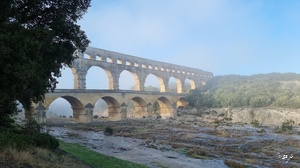
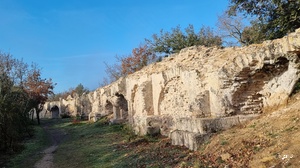
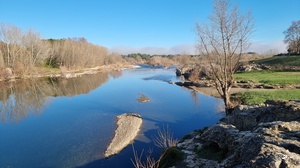
Le Pont du Gard is not only one of antiquity's wonders and an architectural jewel, but was also built in a breathtaking natural environment. A visit in December or January is the perfect time to enjoy a pleasant hike along some Roman ruins to the Gardon (or Gard) River and the spectacular winter colours of the towering, three-level aqueduct bridge, while avoiding the summer crowds.
Little Paris - The first thing coming to most people’s mind when you tell them ‘France’ or ‘French culture’ is Paris. Well, Provence has its own Little Paris - the charming town of Aix-en-Provence.
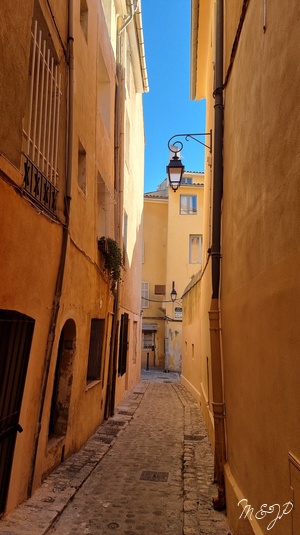
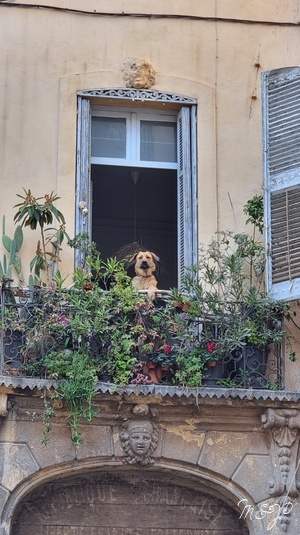
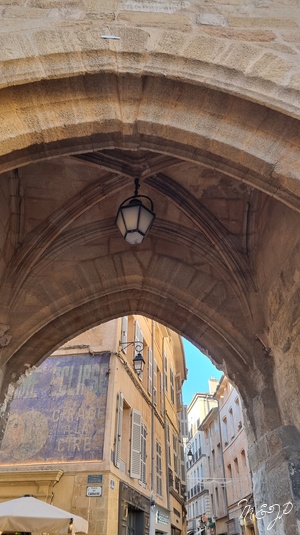
You will really feel like you were in Paris with its architecture and nice cafés, bars and restaurants, but rather an upgraded version of it because of the lovely Provençal weather.
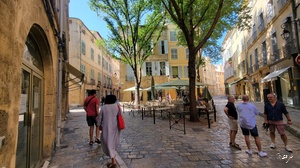
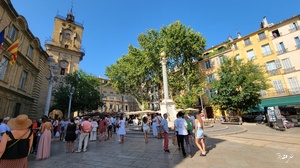
The historic capital of Provence was even nicknamed Little Versailles in the 18th century in recognition of its majestic architecture. If you drive to the city, Parking Rotonde is the best parking from which you can walk towards the Place de la Rotonde and its magnificent fountain and then head up the Cours Mirabeau, the city’s main artery, lined with beautiful 17th and 18th-century mansion houses and more gorgeous fountains.
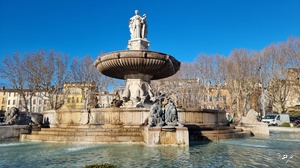
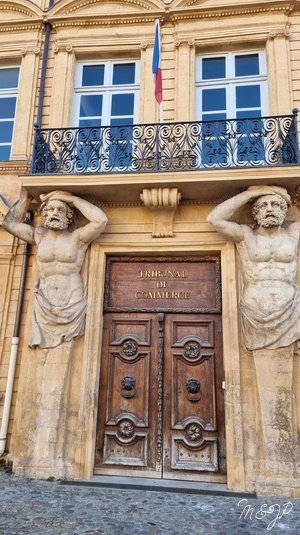
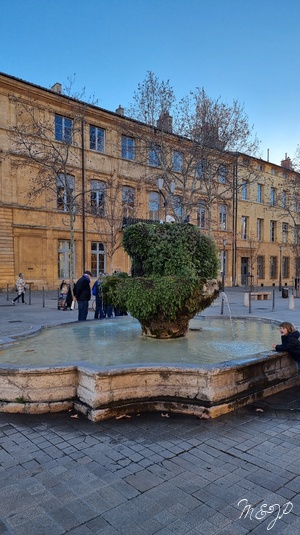
Enjoy window shopping in the little lanes around the Passage Agard, the Palais de Justice (the court) and the Hôtel de Ville (the town hall), a monumental Baroque construction topped with a magnificent clock tower.
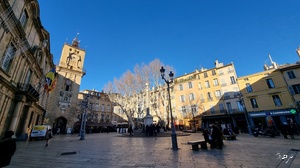
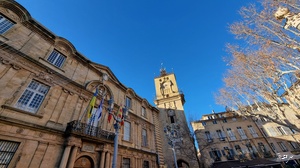
Aix-en-Provence is famous as the birthplace, the work place and the final resting place of Paul Cezanne, who got inspired and even obsessed with the limestone mountain Sainte-Victoire dominating the city’s horizon, featured in dozens of his oil paintings and watercolors.
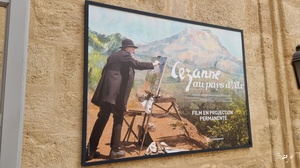
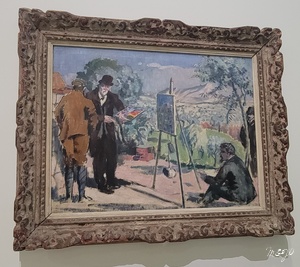
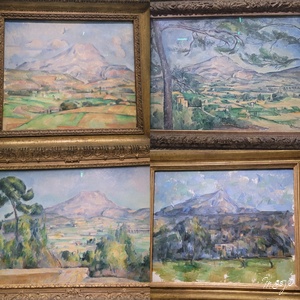
His studio on the hill north of town is preserved as he left it, though he did not actually paint his famous works there.
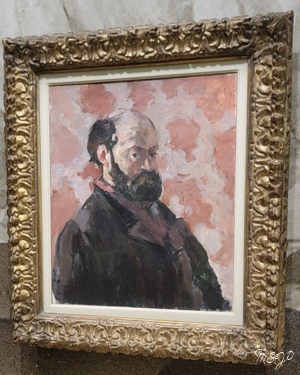
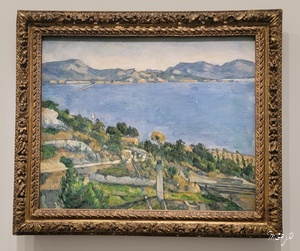
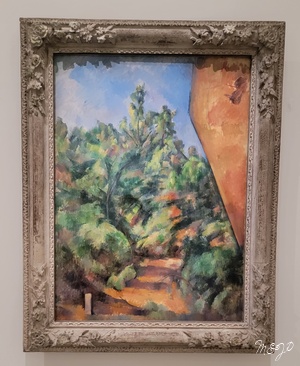
You can find many of Cezanne’s masterpieces, as well as those of other Impressionists and post-Impressionists (Renoir, Monet, Van Gogh, Degas…) and major 20th-century artists (Bonnard, Picasso, Braque, De Staël…) in Musée Granet and Hôtel de Caumont, one of the finest 18th-century townhouses in Aix-en-Provence.
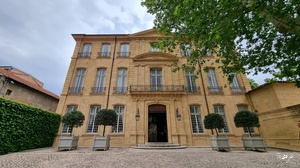
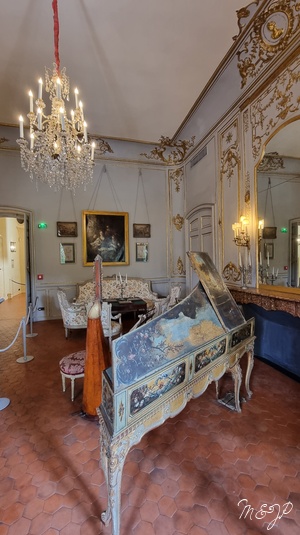
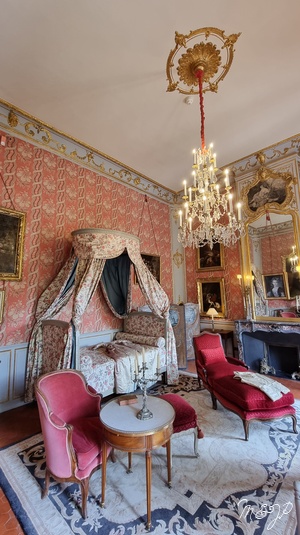
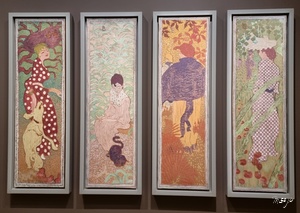
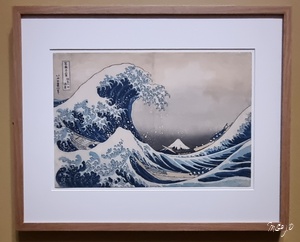
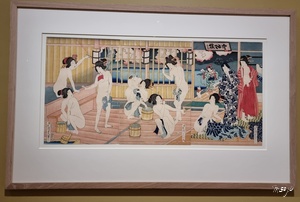
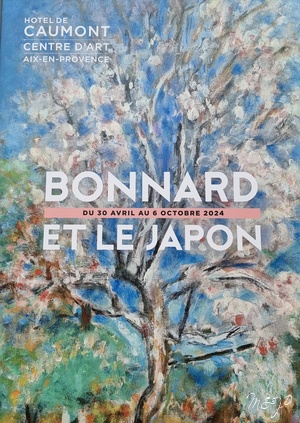
The museums also host fascinating temporary exhibitions. During one of our visits, Hôtel de Caumont displayed works of the French post-Impressionist painter Pierre Bonnard and the Japanese ukiyo-e artists (Hiroshige, Hokusai, Kuniyoshi, Utamaro, Koryusai, Kunisada...) who inspired him with their gorgeous prints.
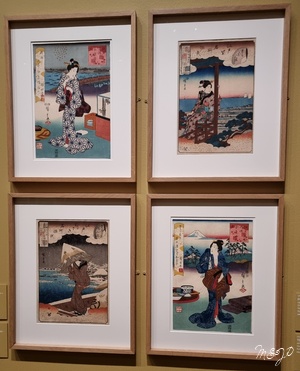
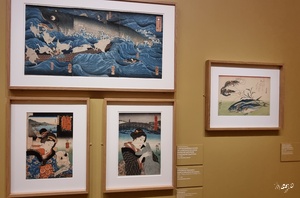
Ukiyo-e (the term 浮世絵 translates as 'picture of the floating world') is a genre of Japanese art that flourished from the 17th through 19th centuries. Its artists produced woodblock prints and paintings of such subjects as kabuki actors, scenes from history and folk tales, landscapes, flora and fauna and geishas. Probably one of the most famous prints is Hokusai's ‘The Great Wave off Kanagawa’.
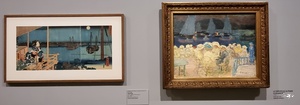
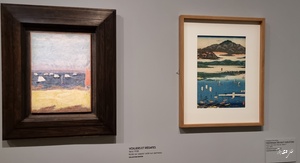
Bonnard was also inspired by his friend Matisse, as well as by his wife Marthe who was also his model.
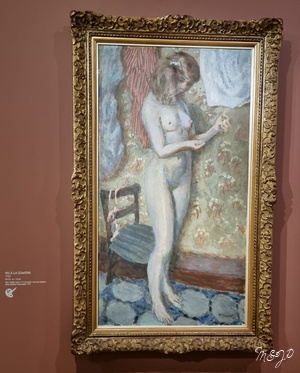
He painted many landscapes seen through an open window of his house, including an almond tree in blossom in his garden.
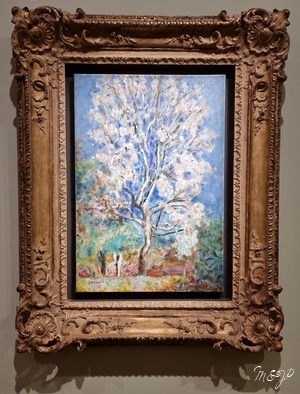
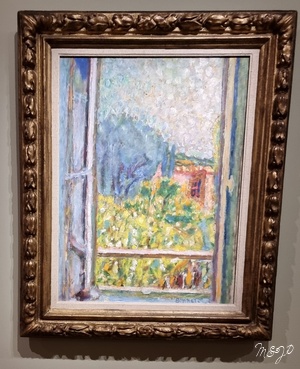
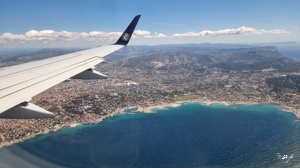
The oldest city of France - Another culturally fascinating city is Marseille, the oldest city of France and one of the oldest continuously inhabited settlements in all of Europe. Situated on the beautiful Mediterranean Coast, it has been a crossroads of people and trade since its founding by the Greeks around 600 BC.
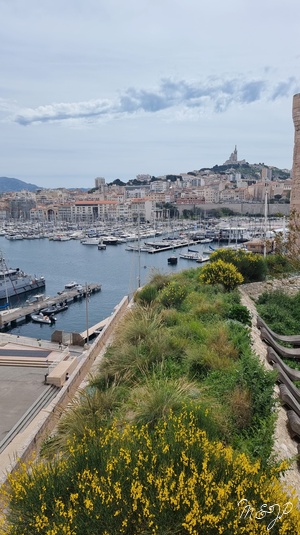
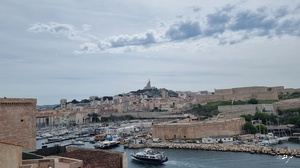
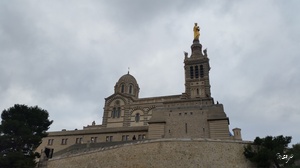
At its heart is le Vieux-Port (the Old Port), where fishmongers still sell their catch along the boat-lined quay, while overlooking the city from a height of 160 metres (520 feet) is the Romanesque-Byzantine basilica Notre-Dame de la Garde, more commonly called ‘la Bonne Mère’ (or ‘the Good Mother’) by the people of Marseille.
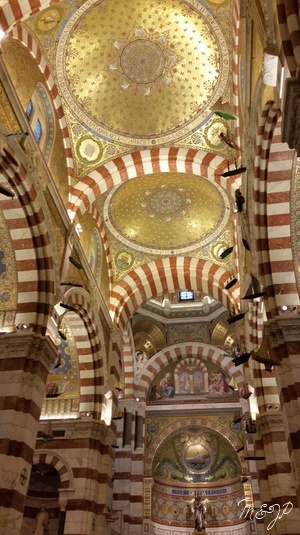
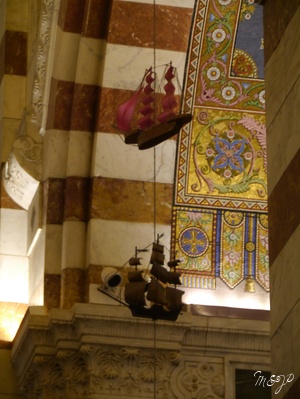
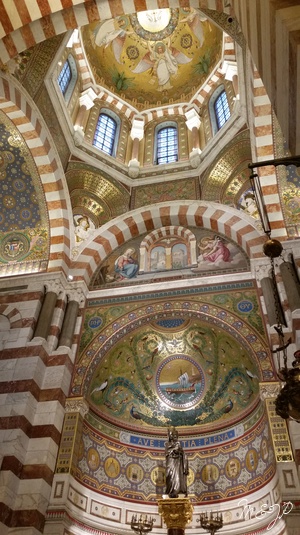
It is topped with the famous golden statue of the Virgin Mary and its interior hides gorgeous mosaics. The basilica is a symbol of Marseille and is visible from almost everywhere.
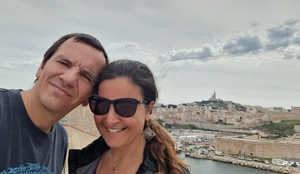
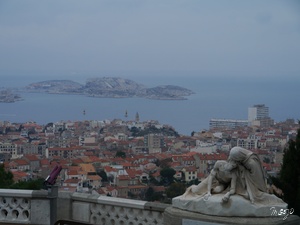
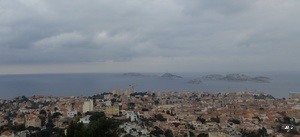
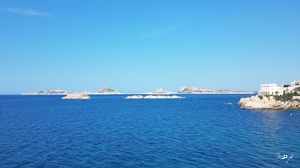
The magnificent 360° view from its terrace is definitely one of the best ways to admire the city, the surrounding hills, and the islands in the distance, including the island of If where stands the 16th-century Castle of If. It served as a prison until the end of the 19th century and is one of the settings of Alexandre Dumas's adventure novel The Count of Monte Cristo.
Marseille was designated as the European Capital of Culture in 2013. In the same year was inaugurated the MuCEM (the Museum of European and Mediterranean Civilisations), whose modern design next to the site of the 17th-century Fort Saint-Jean is easily recognisable.
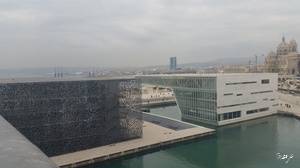
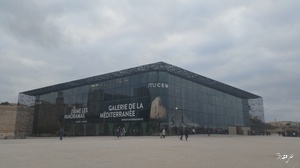
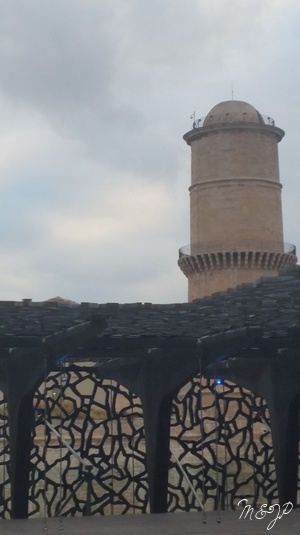
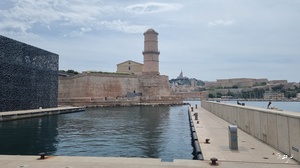
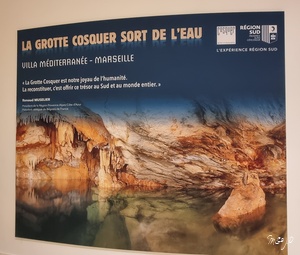
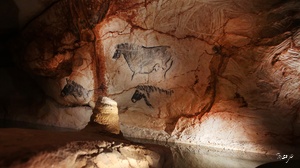
Not too far away from the MuCEM you cannot miss the visit of the replica of the Cosquer Cave - a prehistoric cave which had remained hidden for 30,000 years at a depth of 37 metres (121 feet) beneath the sea! It was discovered in 1991 by the diver Henri Cosquer and the museum was opened in 2022.
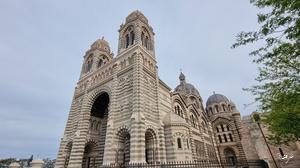
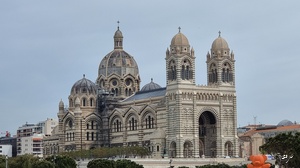
Marseille is a fascinating hotchpotch of stunning old structures such as the Marseille Cathedral (la Cathédrale Notre-Dame-de-la-Major) and modern wonders such as the mirror ceilings at the harbour where you can take a selfie.
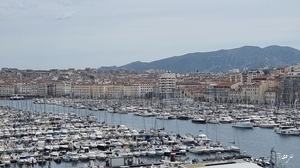
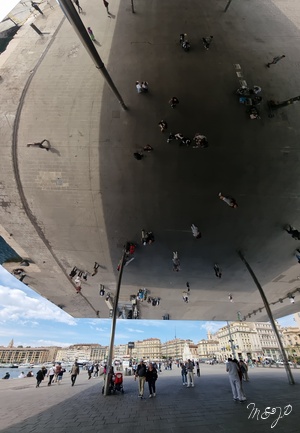
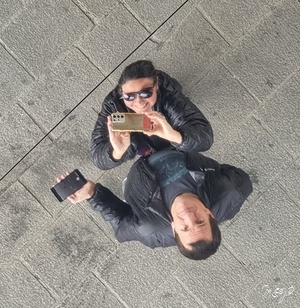
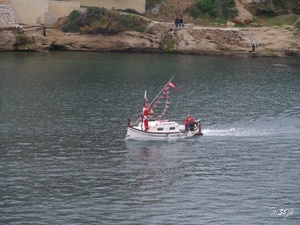
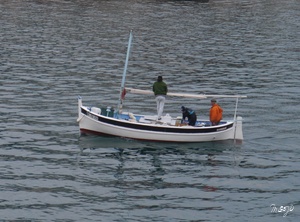
This is also the place where you can admire the pointus (‘pointed’ due to their shape) - the local traditional, colourful fishing boats.
Another of our favourite places in Marseille is Le Panier (or the Basket), a mythical and picturesque district in the old part of the city.
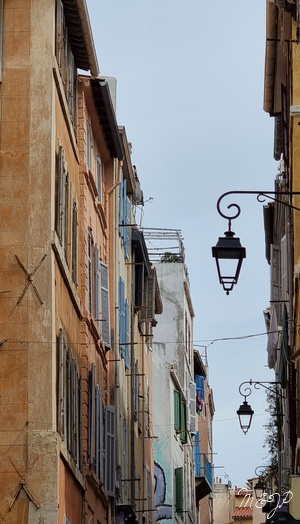
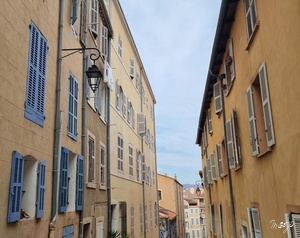
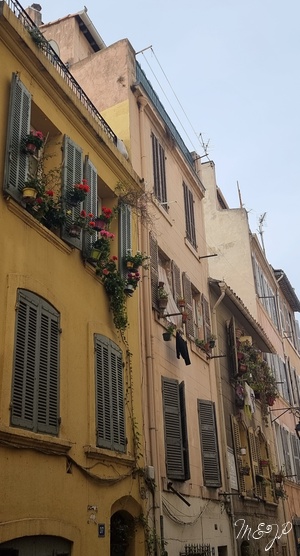
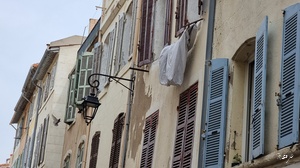
It is a basket of wonders indeed!
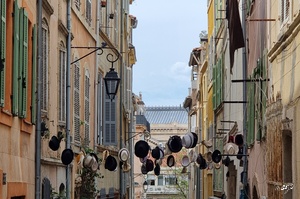
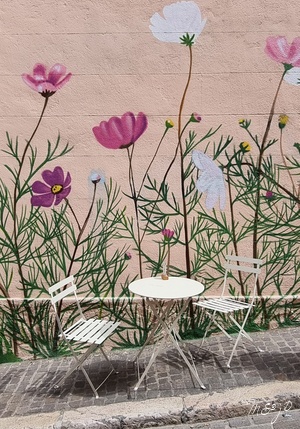
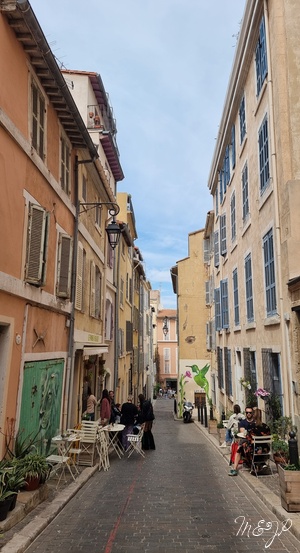
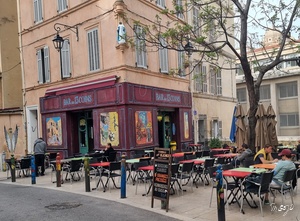
Its narrow streets are an open-air museum with colourful facades, street art, craftsmen shops and cute restaurants.
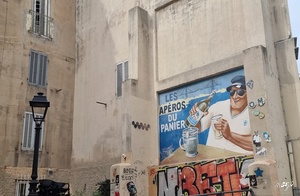
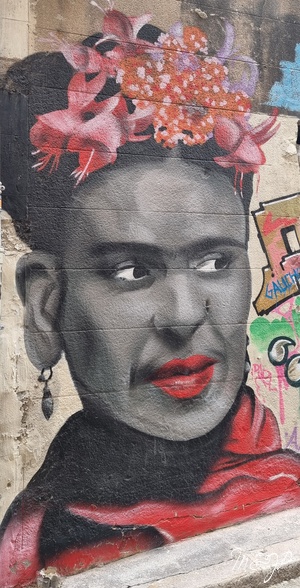
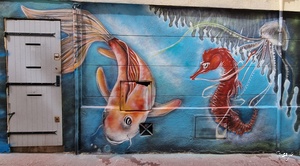
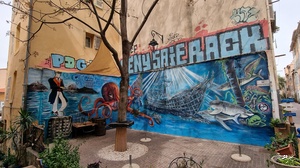
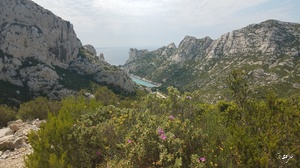
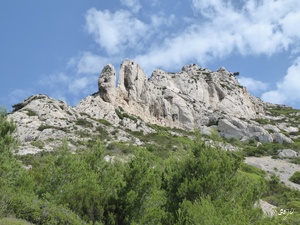
Marseille and the whole of Provence are famous not only for their culture, but also for their stunning nature…

You like what you read?
Explore and learn more about France !!!
-
 P for Paradise and Provence (part 1)
France used to be divided into historical regions, which do … -
 The Valley of Roses and Kings (part 2) The Valley of Kings
The Valley of Roses is famous not only for its … -
 The Valley of Roses and Kings (part 1) The Valley of Roses
Out of all the flowers in the world the rose … -
 In the heart of the Silk Road (part 4) Khiva and the Desert Castles
Khiva - It took us 6 hours, almost a whole … -
 In the heart of the Silk Road (part 3) Bukhara
Bukhara - While Tashkent is a modern city with some … -
 In the heart of the Silk Road (part 2) Samarkand
Samarkand - No name is so evocative of the Silk … -
 In the heart of the Silk Road (part 1) Tashkent
The Great Wall of China, Machu Picchu, the Pyramids of … -
 The Land of Giants at the End of the World (part 2)
We crossed for the third time the border between Argentina … -
 The Land of Giants at the End of the World (part 1)
No visitors come back from Antarctica in the same state … -
 A Vitamin Sea Christmas in the Mediterranean
Human beings are full of contradictions! When we used to … -
 Spring Colours in the Kingdom of the West (part 6) Morocco is yellow
Morocco is yellow - Besides the yellow hues of the … -
 Spring Colours in the Kingdom of the West (part 5) Morocco is red
Morocco is red - Besides the red hues of the … -
 Spring Colours in the Kingdom of the West (part 4) Morocco is orange
Morocco is orange - Our first encounter with the legendary … -
 Spring Colours in the Kingdom of the West (part 3) Morocco is green
Morocco is green - The Rif Mountains east of Tangier, … -
 Spring Colours in the Kingdom of the West (part 2) Morocco is blue
Morocco is blue - The road along the Atlantic Coast …
