

"M" for Mexico (part 6)
Magical towns
Posted by: Maria in July 2024 (2 years, 3 months ago)
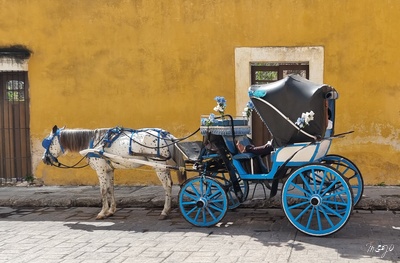
Mexico is its Magical Towns as well.
Some of the country’s towns have “magical” qualities, including beauty, historic importance and natural wonders.
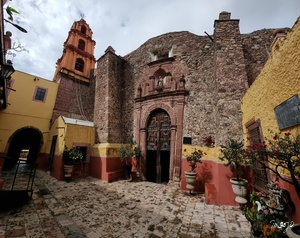
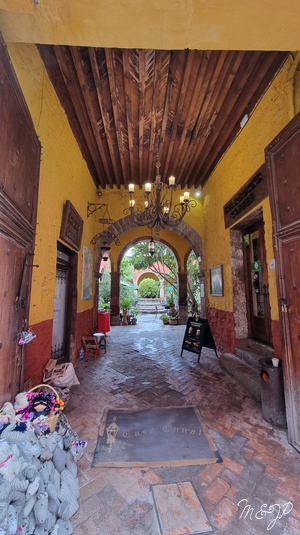
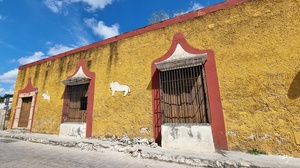
The Mexican government has given them the status of “Pueblos Mágicos” or Magical Towns.
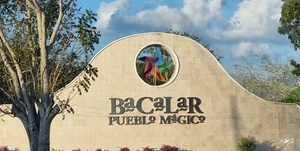
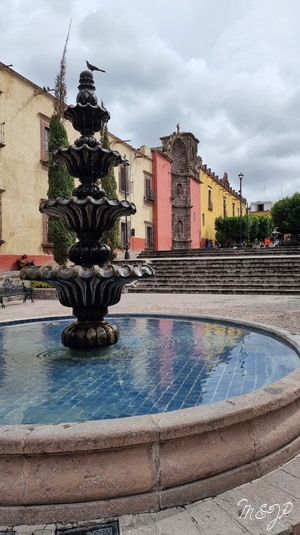
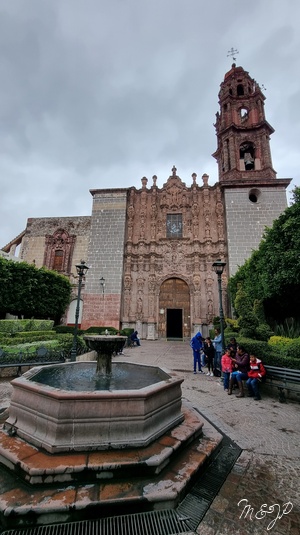
We absolutely loved the Magical Town of Izamal.
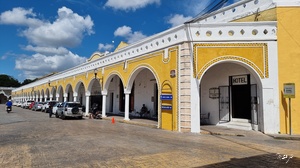
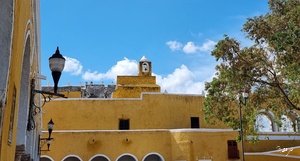
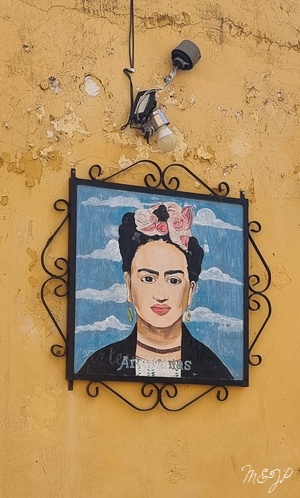
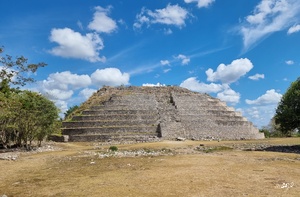
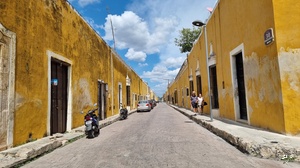
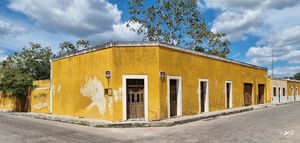
Its 200-metre long and 180-metre wide Mayan pyramid Kinich Kakmó, the upper temple of which is 34 metre-high, is surrounded by gorgeous bright yellow colonial buildings. This explains the city’s nickname - Ciudad Amarillo (or Yellow City)!
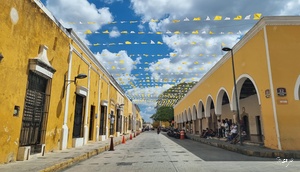
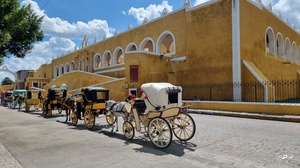
Even the 16th-century Franciscan Monastery is painted in yellow!
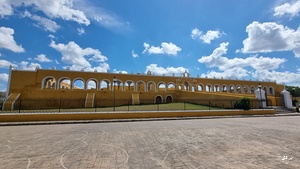
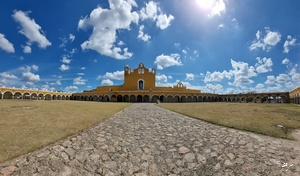
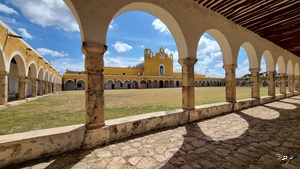
It was built on the ruins of a Mayan shrine...
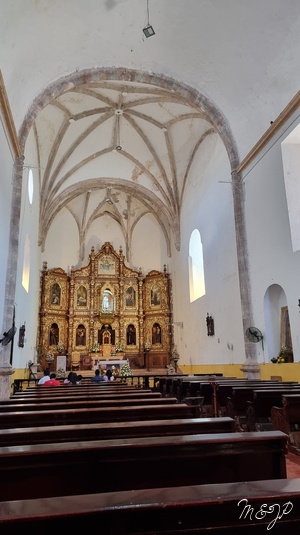
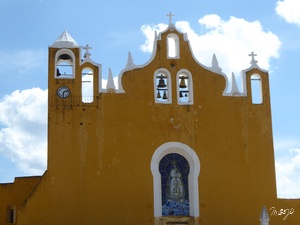
Izamal is also known as the town of three cultures, being a prominent Mayan ceremonial centre, a major colonial site and the city it is today.
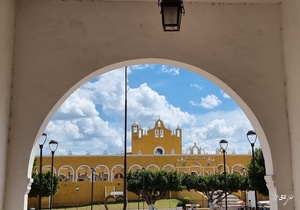
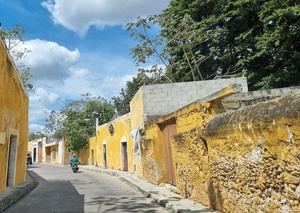
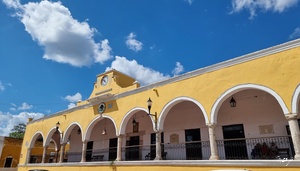
You can walk around the cobblestone streets and stop for a lovely lunch in one of the local restaurants, where you will most likely be the only foreigner.
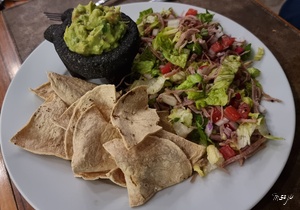
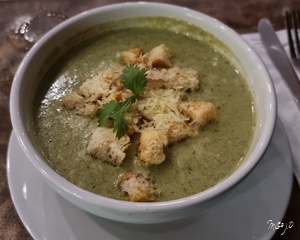
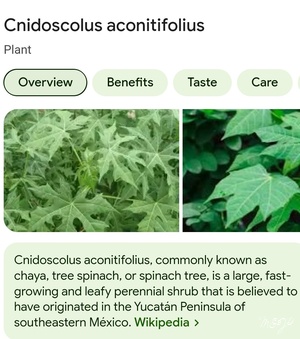
This is the perfect place to try a local dish with chaya, aka the Mayan tree spinach, or the famous dzik de res - a spicy shredded beef dish with red onions, habanero peppers, radishes, tomatoes, cilantro and lime juice!
The delight will continue if you keep driving west through the city of Hoctún, which has the cutest and most colourful cemetery you have ever seen.
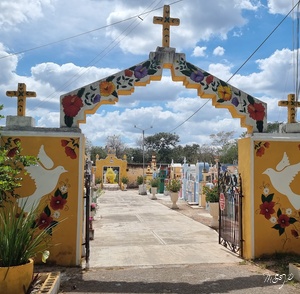
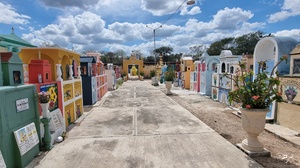
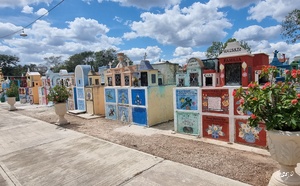
Yes, a cemetery can be a place bringing joy!
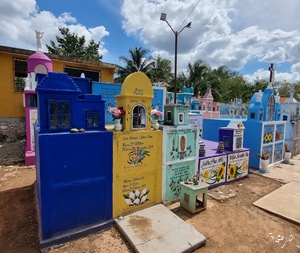
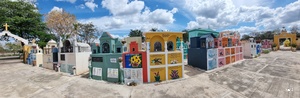
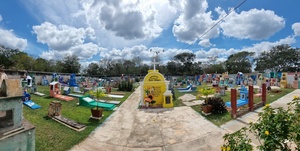
It is regularly painted and decorated by local artists.
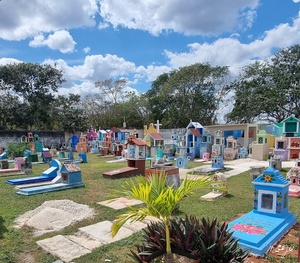
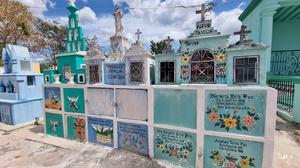
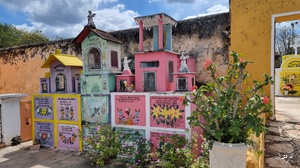
There are colours everywhere in Mexico, even in cemeteries!
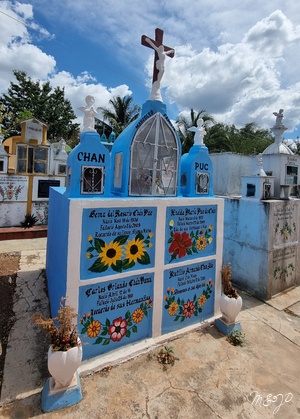
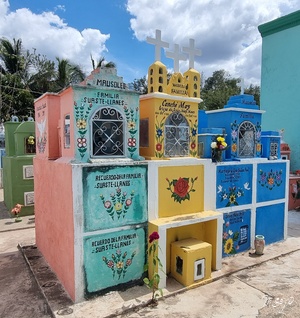
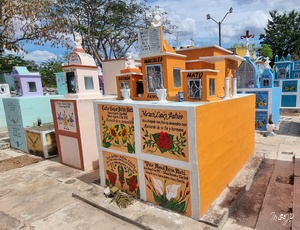
Another of our favourites is the city of Campeche.
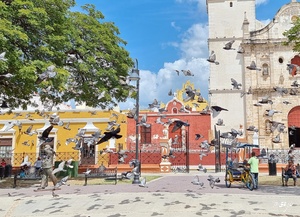
There were colours everywhere!
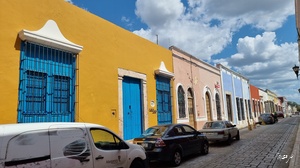
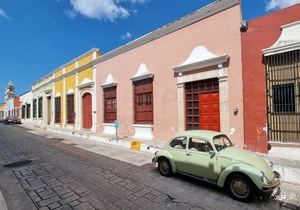
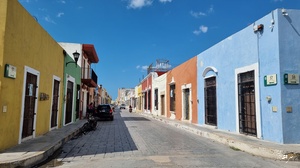
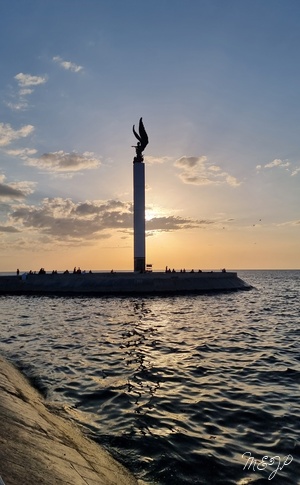
Also, how not to like a place that welcomes you with such a gorgeous sunset!
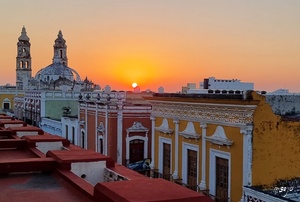
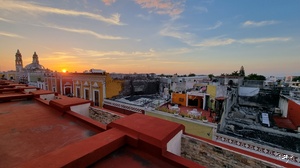
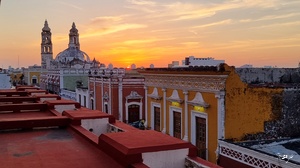
The city is not on the Magical Towns list yet but, if you ask us, it should be!
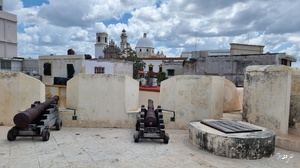
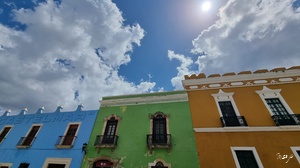
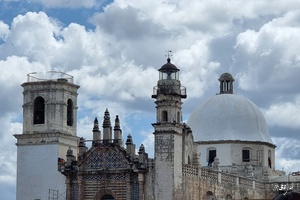
Its historic fortified centre is a UNESCO World Heritage Site!
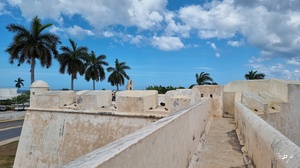
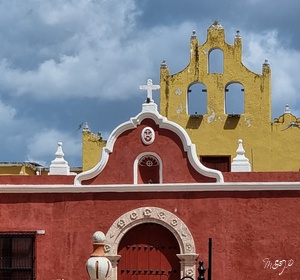
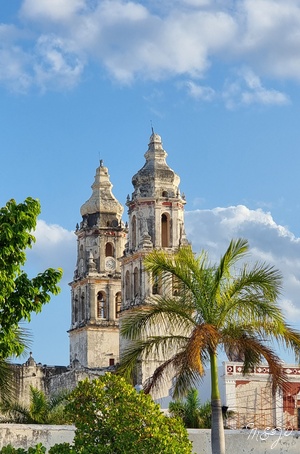
Despite being the capital of the state of Campeche, it felt cute, authentic and definitely not touristy.
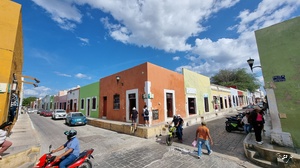
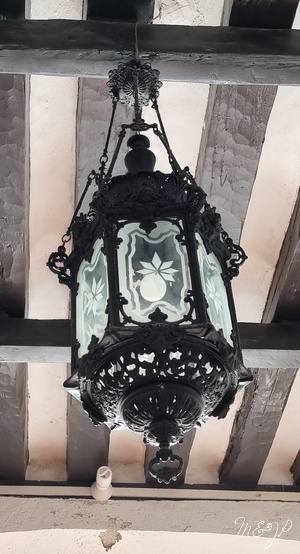
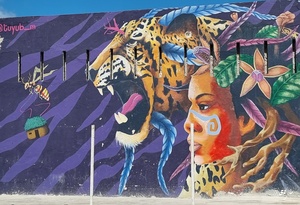
Strolling around the centre by night was magical as well!
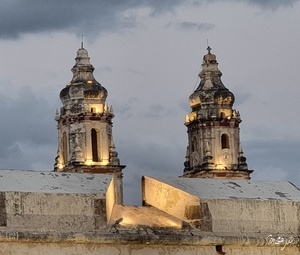
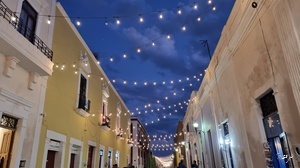
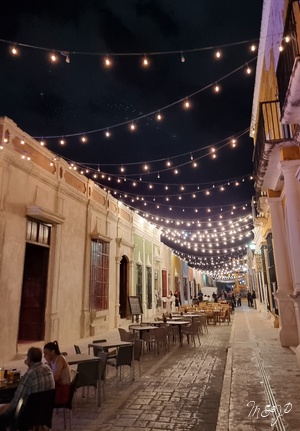
The whole city is a charmer with cobblestone streets and colonial houses in gorgeous pastel colours.
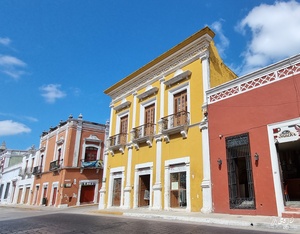
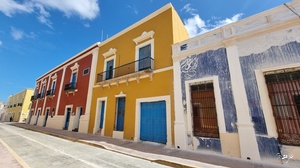
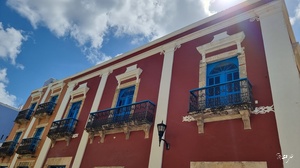
You will come across lots of cute churches as well!
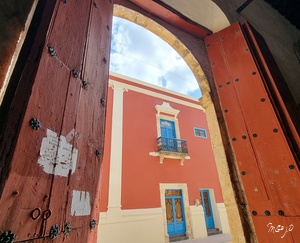
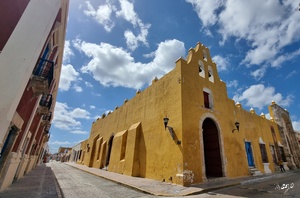
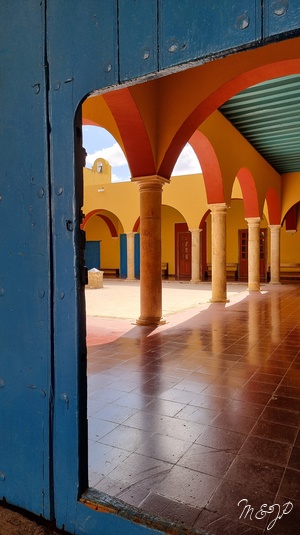
The main square is a great place to relax and do some people-watching!
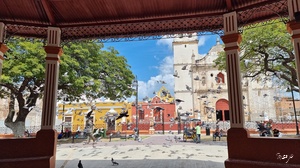
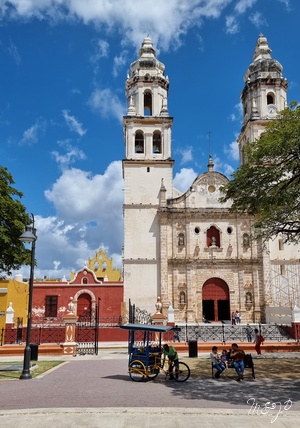
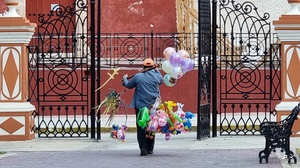
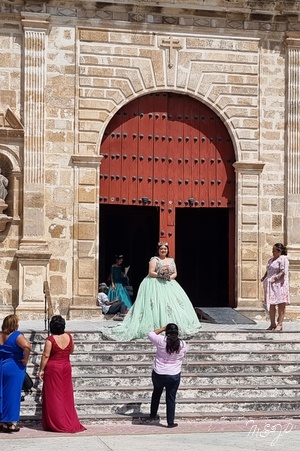
One of the highlights is the quinceañeras taking pictures in front of the Campeche Cathedral after the celebration mass!
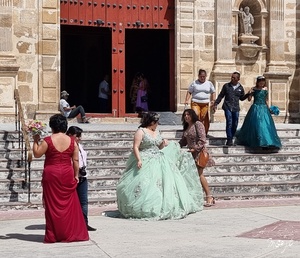
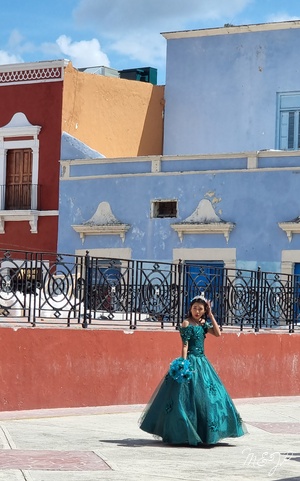
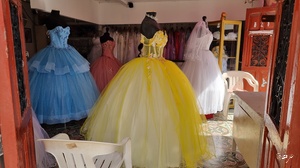
If you are tempted by their princess dresses, you can find some traditional quinceañera shops in the city centre!
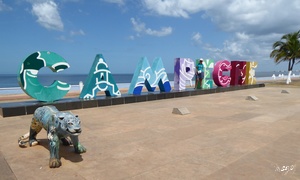
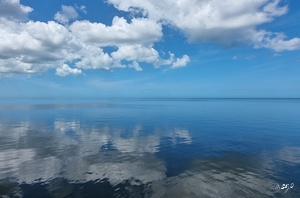
The waterfront is appealing as well with some beautiful views of the Gulf of Mexico.
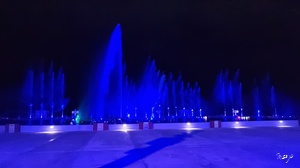
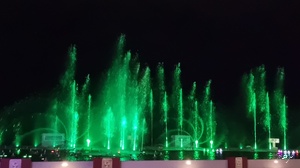
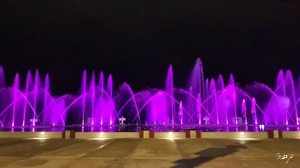
In the evening, you can watch an incredible music and light show by the sea.
Also, the local cuisine is delicious!
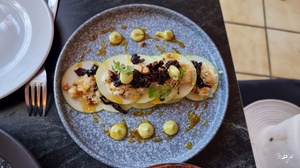
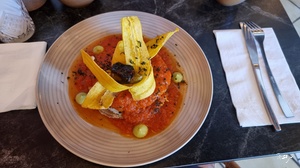
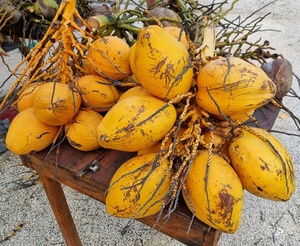
Almost every dish seems to have coconuts or seafood in it!
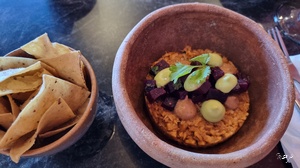
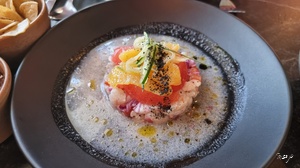
You can also try the street food - a marquesita (or a folded crepe) if you have a sweet tooth, or elotes y esquites (or corn snacks) if you prefer savoury! Watching the sunset from the waterfront while enjoying your marquesita is a must…


The nearby Fort of San Miguel has been transformed into a fascinating museum.
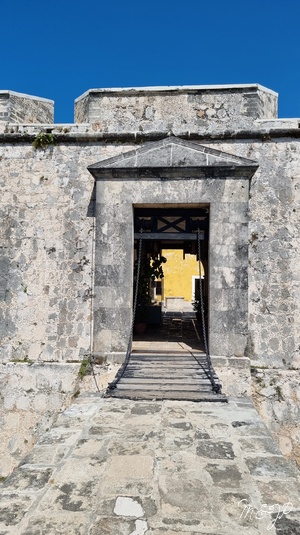
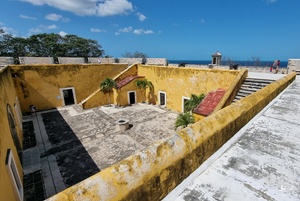
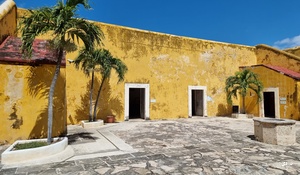
You can admire many enchanting artefacts, uncovered in Calakmul and other archaeological sites located in the state of Campeche.
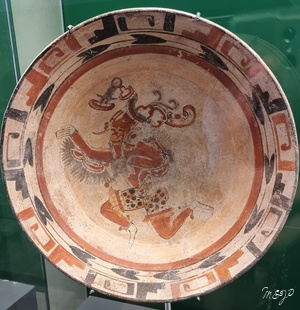
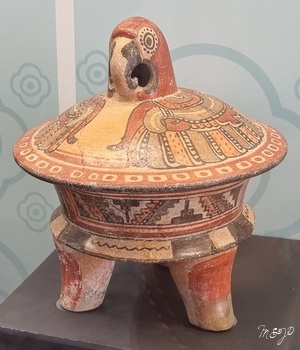
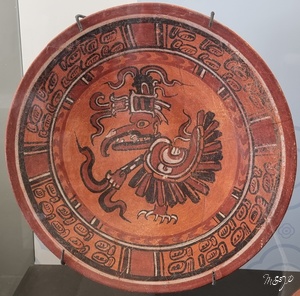
It is an Ali Baba’s cave with lots of treasures, in particular the gorgeous jade death masks!
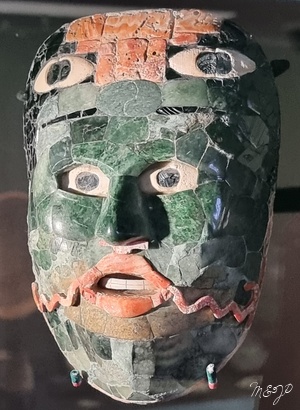
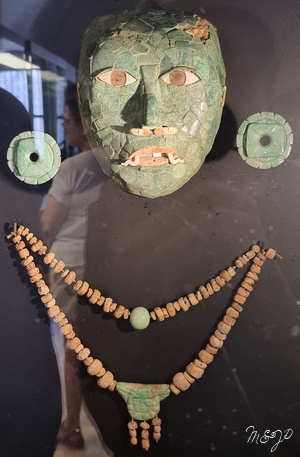
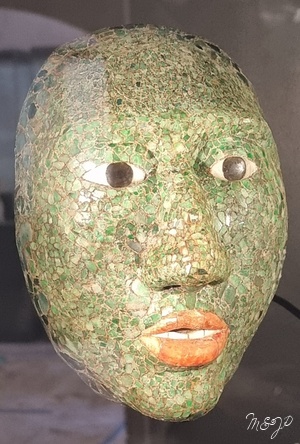
All signs in the museum contain thorough explanations in both Spanish and English.
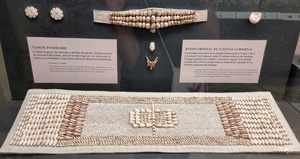
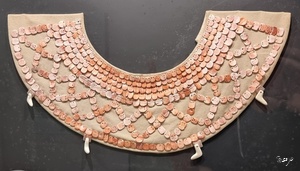
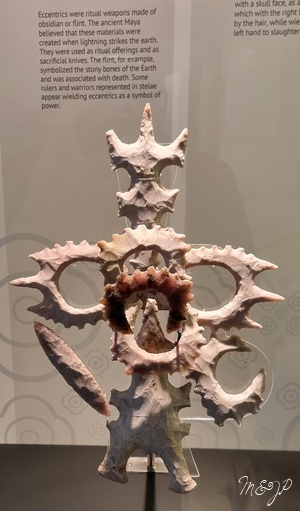
The views from the fort are stunning as well.
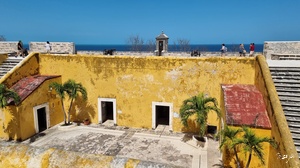
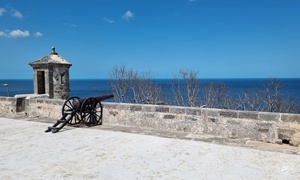
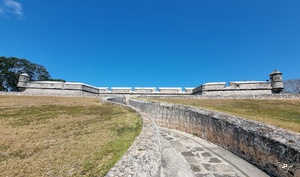
So is the drive along the sea to get there...

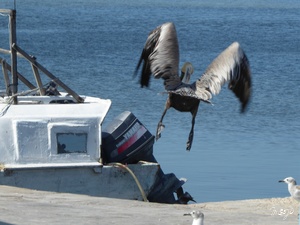

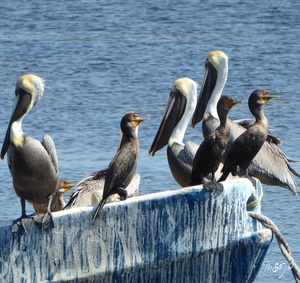
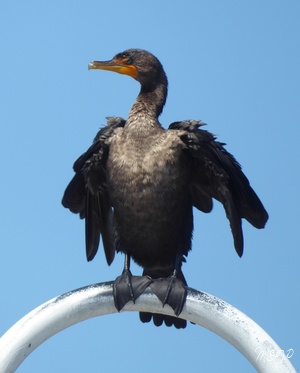
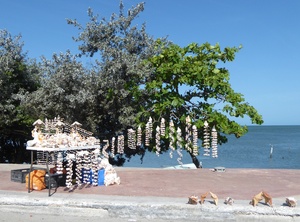
You will spot tons of pelicans and cormorants, as well as some locals selling beautiful shell decorations.
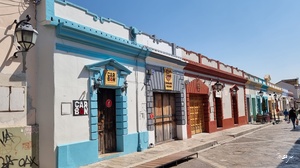
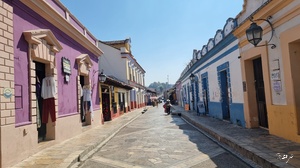
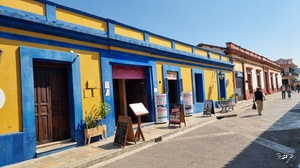
If you continue driving southwest from Campeche, you will reach another Magical Town - San Cristóbal de las Casas.
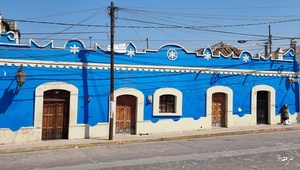
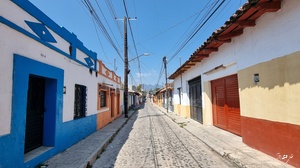
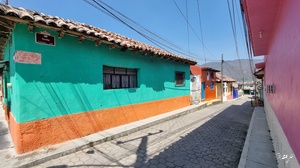
It is one of the most authentic and stunning places in Mexico! The city is located in the state of Chiapas, which is home to the largest indigenous population in the country.
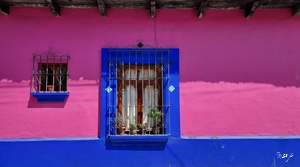
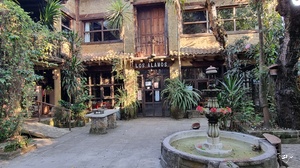
We stayed at a gorgeous former hacienda, the Spanish version of a plantation or a large estate.
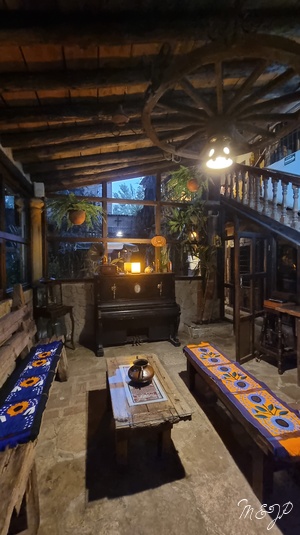
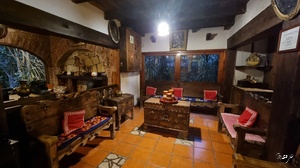
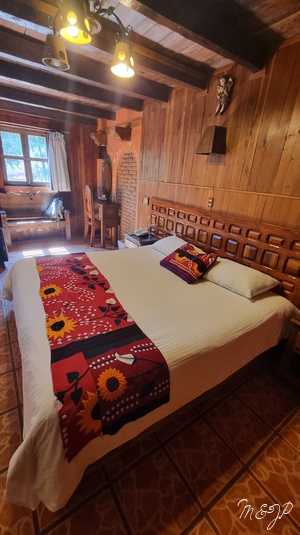
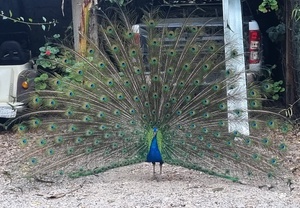
The magnificent garden had some elegant fountains and show-off peacocks!
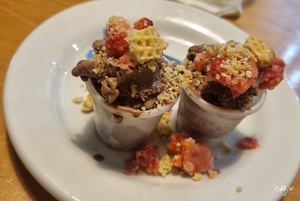
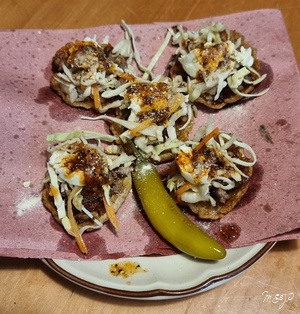
Looking for a place to eat in the evening, we stopped at a local bakery where we tried the pan de elote, a cake made of corn, which was incredibly (and surprisingly so) delicious. Then we spotted a “hole in the wall” - “Insurgentes 129” - with only three tables where the young chef offered us some world-class (and ridiculously great-value) food and drinks!
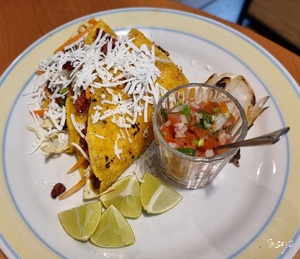
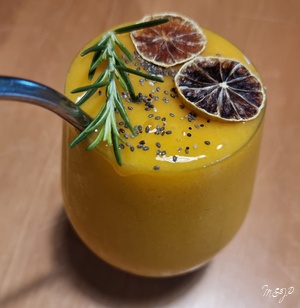
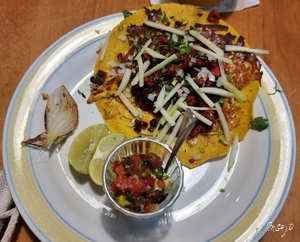
The chorizo tacos and quesadillas, the mango smoothie and the strawberry and mint agua fresca were out of this world! We went there for dinner every single evening during our stay in the colonial city, which says a lot…
San Cristóbal is also the perfect place for coffee-lovers. Unless it has been imported, any coffee you will find in Mexico will most likely come from the state of Chiapas! There are cute cafés at literally every corner of the city, some of which offer an interesting coffee tasting experience on top of a tasty Mexican breakfast.
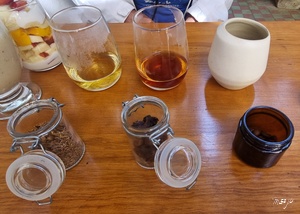
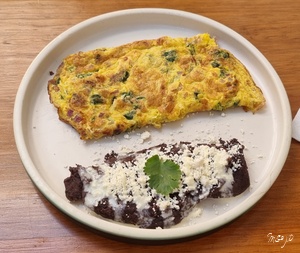
You can also try the pox (pronounced “posh”), a liquor made from corn, sugarcane and wheat, at one of the local posherias. The drink is also commonly used in religious ceremonies.
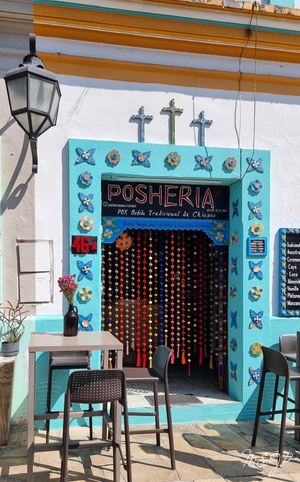
Between lunches, dinners and coffee breaks, we wandered for hours around San Cristóbal, exploring the nooks and crannies.
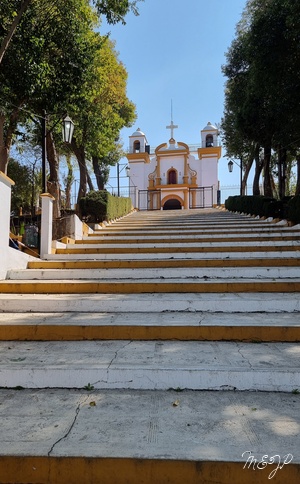
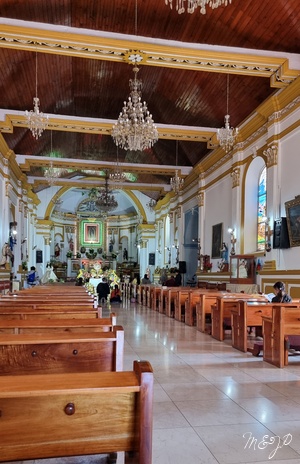
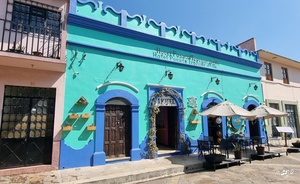
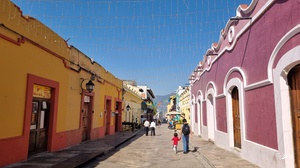
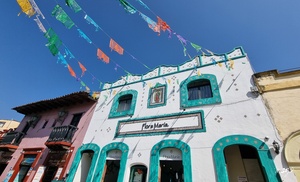
We enjoyed the colourful houses, shops and churches.
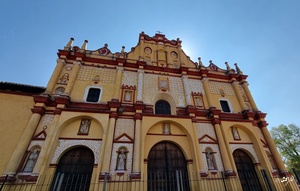
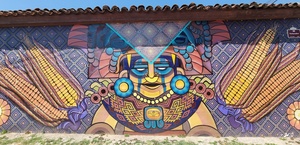
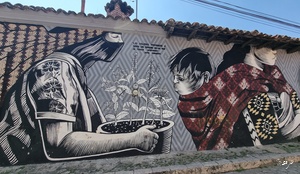
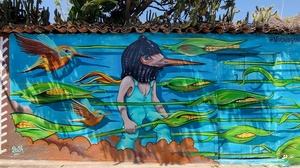
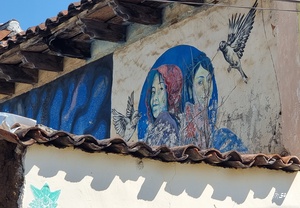
The street art was at the same time beautiful and transmitted important messages about freedom and equality.

We found the ubiquitous hummingbirds of course!
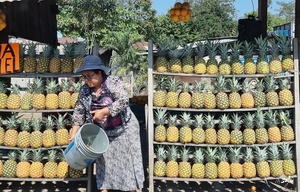
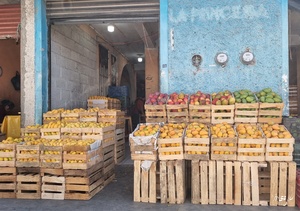
At the vibrant markets or in the streets, indigenous people were selling fresh orange juice, fruits and vegetables, and local handicrafts from textiles to ceramics.
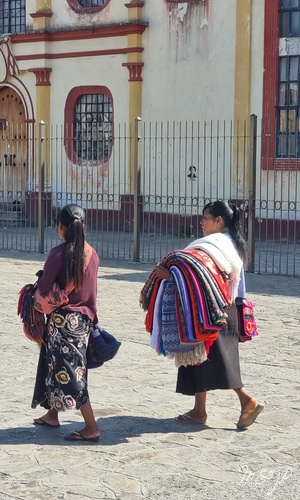
Hidden amongst the stalls of Mercado de Santo Domingo was a gorgeous church.
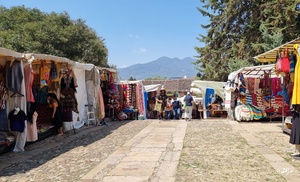
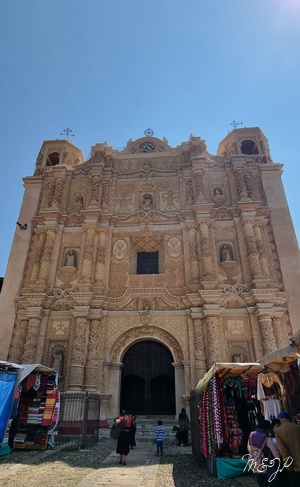
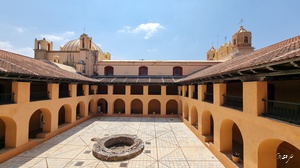
Next to it, a former convent was hosting a beautiful museum of textile - the Centro de Textiles del Mundo Maya.
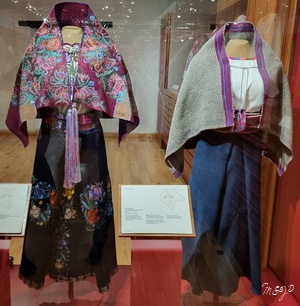
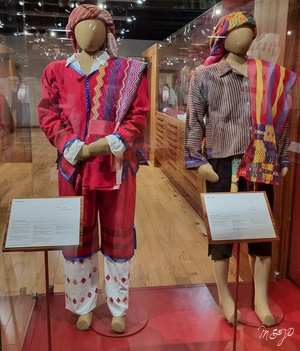
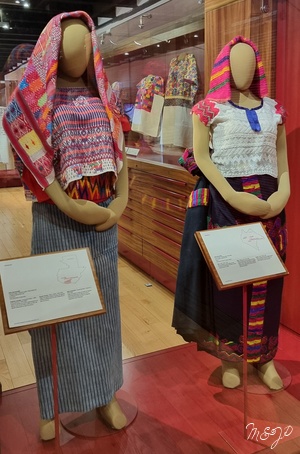
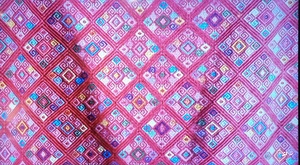
The embroideries, including the traditional huipil tunics worn by indigenous women, came from all parts of the ancient Maya world, from central Mexico to Central America.
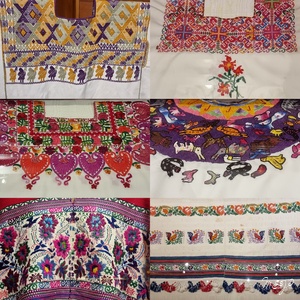
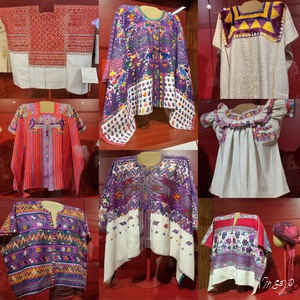
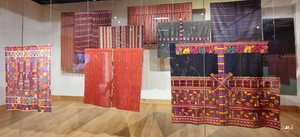
They were so diverse and intricate!

If you would like to get even closer to the way of life of the Maya, you can visit some of the indigenous villages around San Cristóbal de las Casas. The change of scenery is guaranteed in the village of San Juan Chamula, and not only because of its altitude of 2,200 metres above sea level. It is a place where the fiercely independent Tzotzil people, who had resisted the Spaniards upon their arrival in 1524 and later staged a famous rebellion in 1869, have managed to preserve their fascinating culture and religious beliefs. Many of them are of direct Mayan descent!
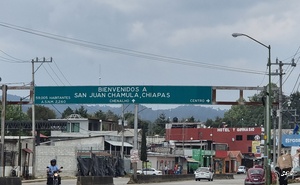
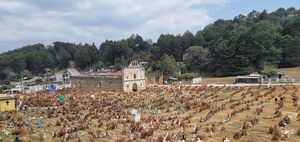
Even though it used to be and still looks like one, Iglesia de San Juan is actually no longer a church, but a place blending Catholicism and pre-Hispanic beliefs. We were told that the “church” did not host any catholic masses, and a priest was allowed to enter the building only once a year on 24 June to baptise the children. If you are curious as to what happens inside this strange building, you will have to take me at my word. Pictures are not allowed and the punishment for violating this simple rule is severe. We were told that the cameras of some tourists had even been confiscated in the past!
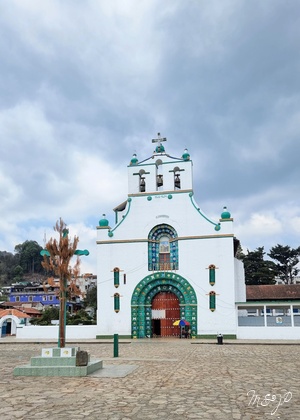
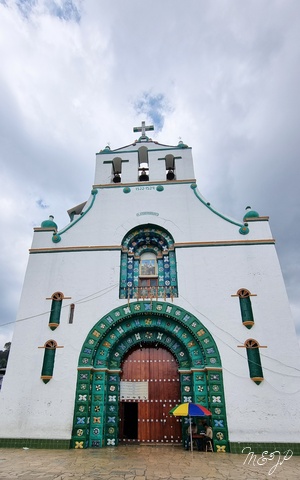
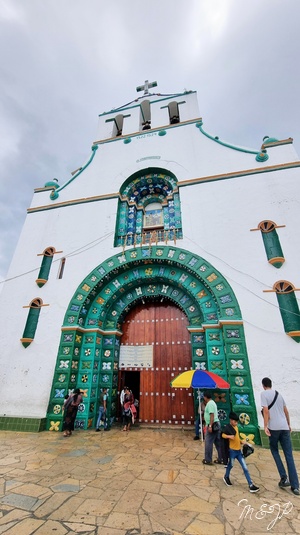
It would be an understatement if I told you that once we were inside, we found the surroundings bizarre! The thought that the place might actually be a movie set crossed our mind, even though only for a second! There were no benches in the church, statues and icons of saints were aligned along the walls, and the floor was covered with straw. Dozens of indigenous people were sitting on the ground, surrounded by hundreds of flickering candles. The worshippers were drinking Coca-Cola, which induced burping believed to cleanse illnesses. If you stay longer, you can witness a strange ceremony performed by the local shamans, who will break the neck of a chicken and rub it against the bodies of the worshippers in order to expel evil spirits. Yes, you read this one correctly and no, I am not delirious! It was a surreal and spiritual experience at the same time…
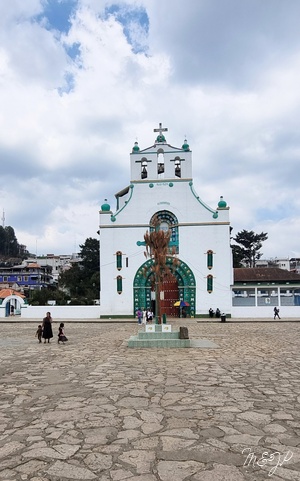
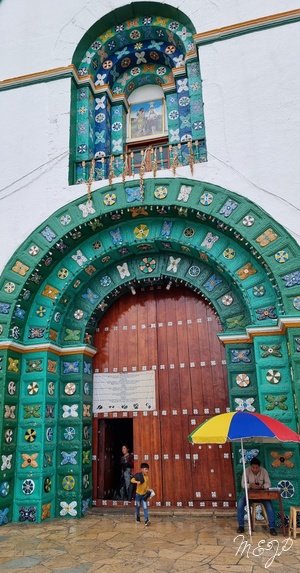
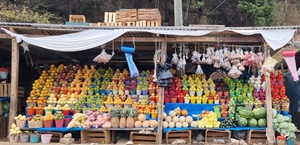
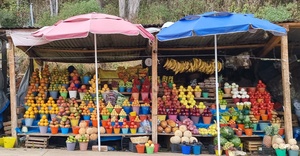
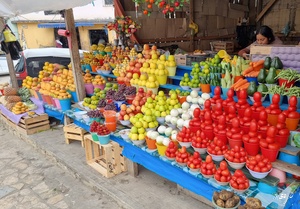
In front of the church and the main city gate, there are markets where you can mingle with the locals while they are choosing their fruits and veggies.
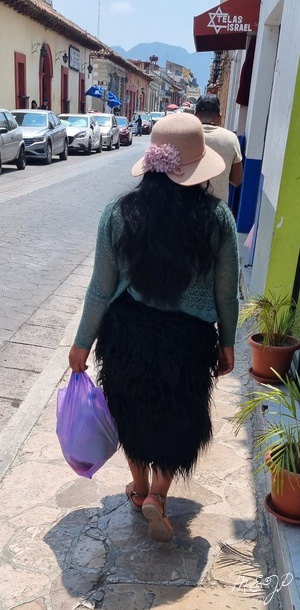
Tzotzil men seem to prefer Western clothes, but most Tzotzil women wear black sheepskins draped around them and held up with a big woven sash. These peculiar outfits look surprisingly fashionable and elegant on them!
Another indigenous village close to San Cristóbal de las Casas is Zinacantán.
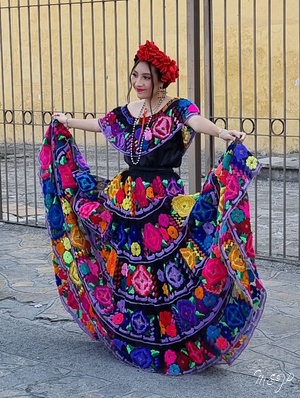
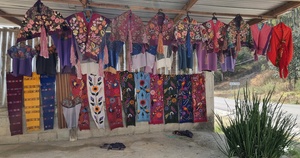
It is famous for its fresh flowers market and the beautiful flower embroideries on the blouses, skirts and shawls of the local women.
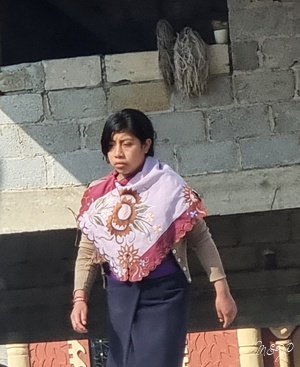
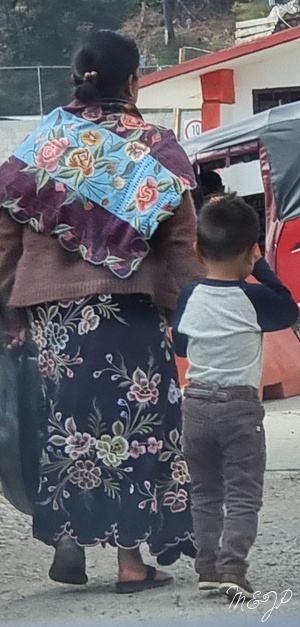
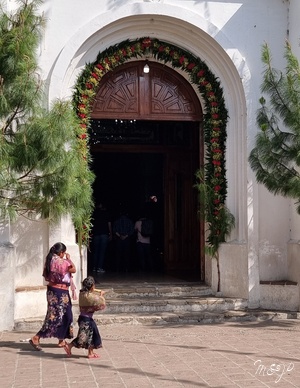
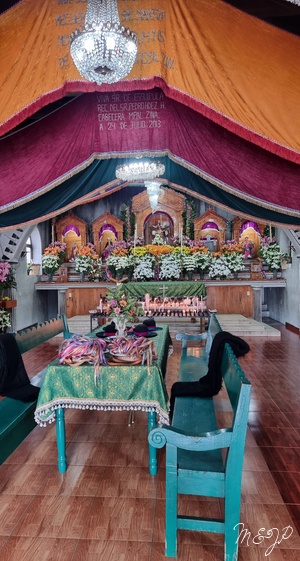
When we visited, there was a local celebration in preparation.
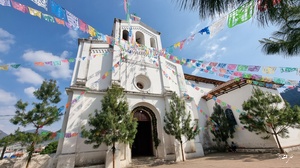
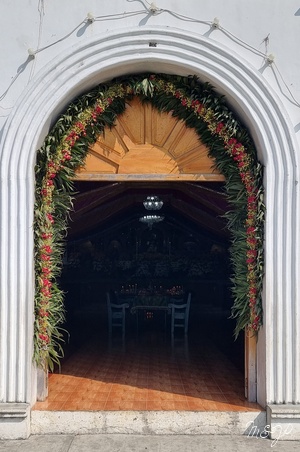
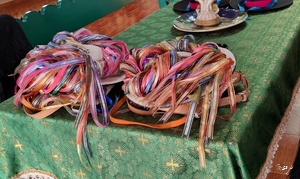
The churches were full of intricately arranged fresh flowers and hats with colourful ribbons.
If you are a real culture vulture, interested in everything from museums to magical towns and local culture, you can take a 4-hour bus ride from Mexico City to San Miguel de Allende and, after a day or two, push an additional hour to Guanajuato.
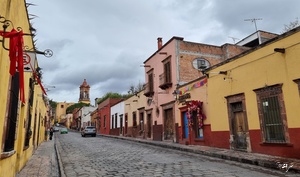
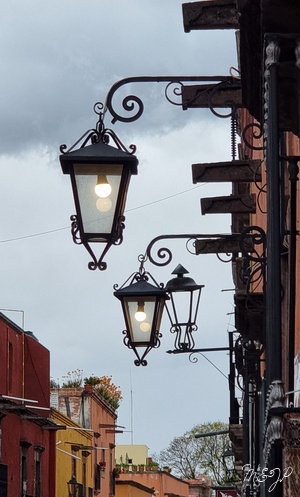
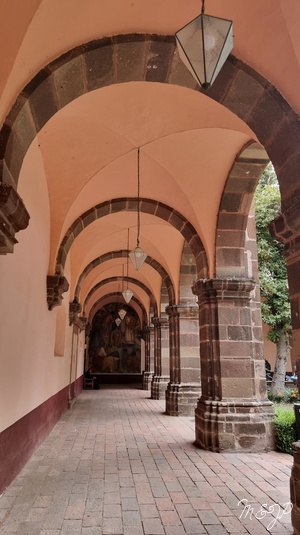
Both are Magical Towns, but also UNESCO World Heritage Sites.
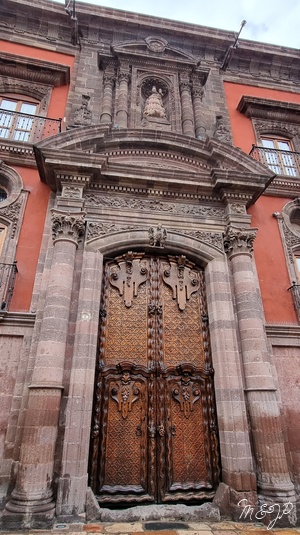
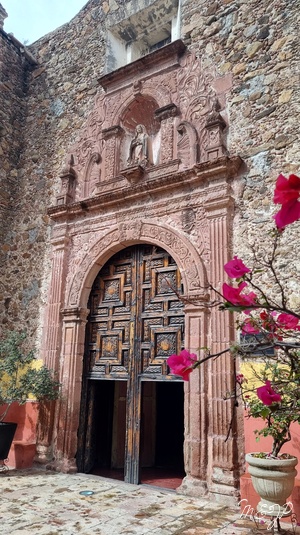
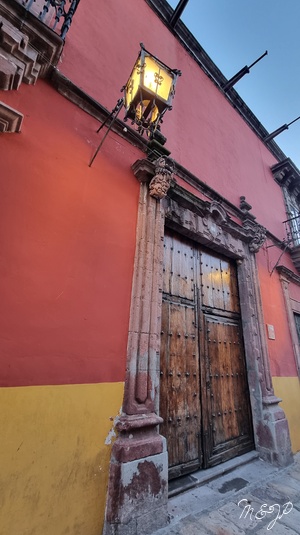
As they were founded due to the wealth of local silver mines, San Miguel de Allende and Guanajuato are also known as Colonial Silver Cities. During the 17th and 18th centuries they were the source of one-third of the world’s silver!
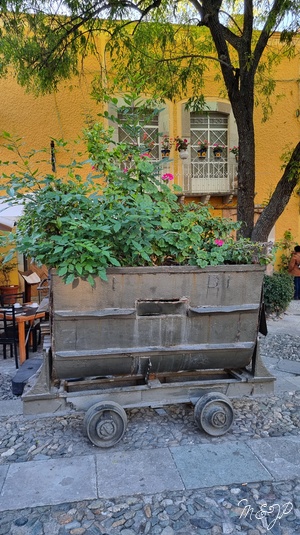
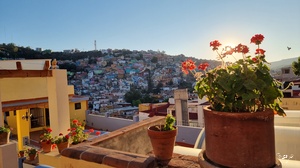
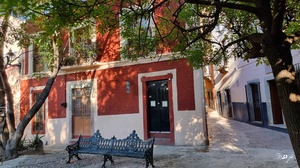
Each has on offer some stunning museums, gorgeous colonial architecture and vibrant cultural experiences.
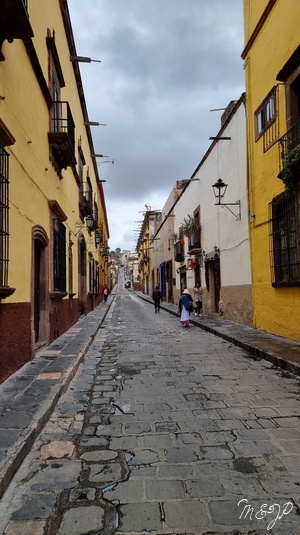
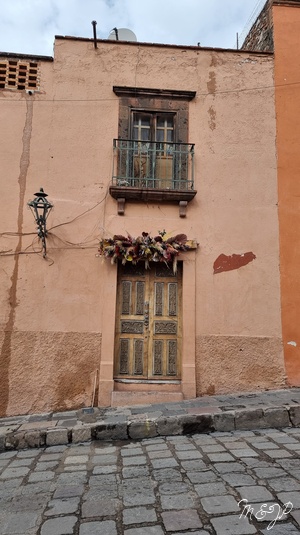
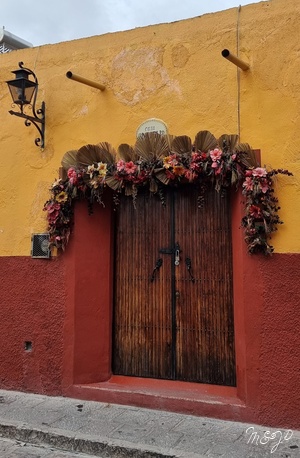
It is in these two cities that we came across Mexico's Mariachis and Mojigangas for the first time...

You like what you read?
Explore and learn more about Mexico !!!
-
 P for Paradise and Provence (part 2)
Stunning nature - You cannot leave Marseille without hiking to … -
 P for Paradise and Provence (part 1)
France used to be divided into historical regions, which do … -
 The Valley of Roses and Kings (part 2) The Valley of Kings
The Valley of Roses is famous not only for its … -
 The Valley of Roses and Kings (part 1) The Valley of Roses
Out of all the flowers in the world the rose … -
 In the heart of the Silk Road (part 4) Khiva and the Desert Castles
Khiva - It took us 6 hours, almost a whole … -
 In the heart of the Silk Road (part 3) Bukhara
Bukhara - While Tashkent is a modern city with some … -
 In the heart of the Silk Road (part 2) Samarkand
Samarkand - No name is so evocative of the Silk … -
 In the heart of the Silk Road (part 1) Tashkent
The Great Wall of China, Machu Picchu, the Pyramids of … -
 The Land of Giants at the End of the World (part 2)
We crossed for the third time the border between Argentina … -
 The Land of Giants at the End of the World (part 1)
No visitors come back from Antarctica in the same state … -
 A Vitamin Sea Christmas in the Mediterranean
Human beings are full of contradictions! When we used to … -
 Spring Colours in the Kingdom of the West (part 6) Morocco is yellow
Morocco is yellow - Besides the yellow hues of the … -
 Spring Colours in the Kingdom of the West (part 5) Morocco is red
Morocco is red - Besides the red hues of the … -
 Spring Colours in the Kingdom of the West (part 4) Morocco is orange
Morocco is orange - Our first encounter with the legendary … -
 Spring Colours in the Kingdom of the West (part 3) Morocco is green
Morocco is green - The Rif Mountains east of Tangier, …
