

The Valley of Roses and Kings (part 2)
The Valley of Kings
Posted by: Maria in June 2026 (4 months, 2 weeks ago)
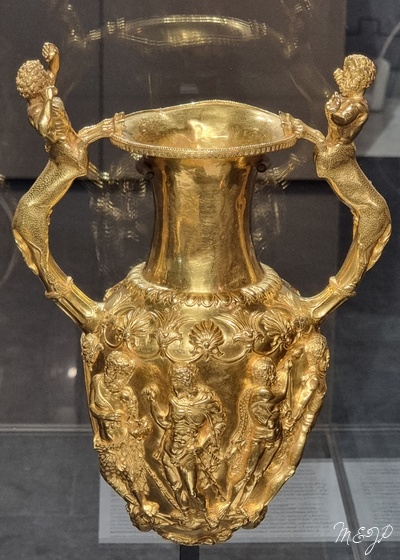
The Valley of Roses is famous not only for its roses, poppies and lavender, but also for its tombs of Thracian rulers. Because of that, it is also known as the Valley of Kings.
While the first oil-bearing Damask roses were brought to Bulgaria only in the 17th century, it is believed that the first roses were brought there from Persia by the returning soldiers of Alexander the Great in the 4th century BC. Written sources from as early as the 1st century AD testify to the role of roses in the life of the Thracians - the native Balkan Indo-European tribes who, together with the Slavs (Indo-European tribes which migrated from Eastern Europe into the Balkans in the 6th-7th century) and the Bulgars (semi-nomadic Turkic tribes from Central Asia which settled in the northeast of the Balkans in the 7th century), founded the Bulgarian state in 681, making it the the oldest country in Europe that has not changed its name since it was first established. If Thrace (comprising present-day Bulgaria and parts of Romania, Greece, and Turkey) does not ring a bell, just think of Spartacus (the Thracian gladiator who led a major slave uprising against the Roman Republic), Orpheus (the famous mythological Thracian bard, musician and prophet) or Homer’s Iliad where the Thracians were described as the allies of the Trojans in the Trojan War against the Ancient Greeks.
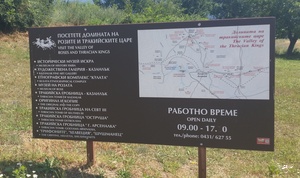
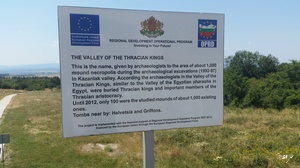
The rose was recognized for possessing rich symbolic power and was widely used in Thracian daily life, but also battles, burials and other rituals and ceremonies. This is why it comes as no surprise the area of the Valley of Roses closely matches that of the Valley of the Thracian kings. Spread throughout it are over 1,500 of tumuli (or burial mounds of earth and stones), under which ancient tombs of kings and aristocracy were hidden, together with priceless and exquisite artifacts.
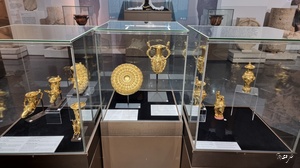
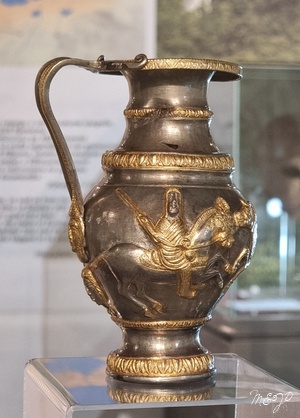
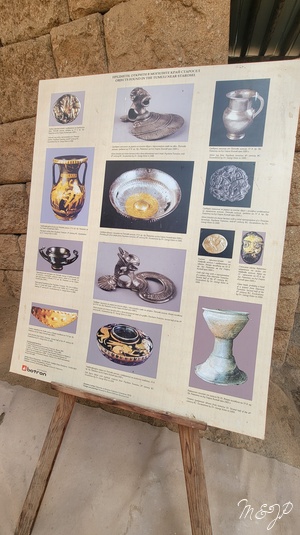
The Thracians were indeed renowned for their skills as warriors and horsemen, but also as artists who produced superb gold, silver, and bronze masterpieces used in warfare, horsemanship, and banqueting.
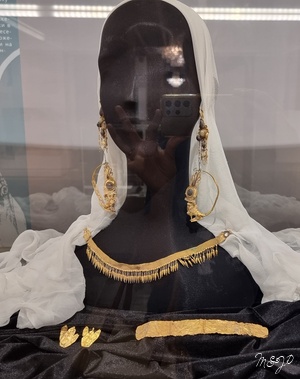
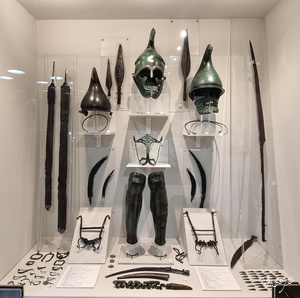
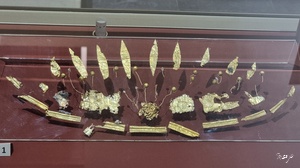
Less than 300 Thracian funerary sites have been explored so far, and only few are open to the public. The main reason for their preservation to this day is that almost all of them were built in burial mounds, which look like small hills.
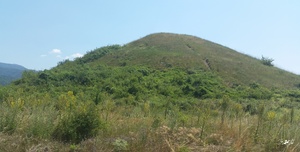
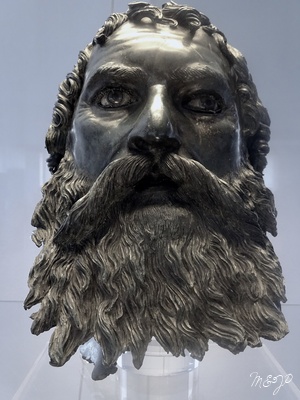
During the 4th-3rd century BC these lands were ruled by Seuthes III - the king of the Odrysian Kingdom of Thrace and the founder of its capital, Seuthopolis (now lying at the bottom of the Koprinka Reservoir near Kazanlak). His large and intact mausoleum, which was originally a monumental temple dating from the second half of the 5th century BC, was discovered in 2004 under a large mound by a group of Bulgarian archaeologists and named the Golyama Kosmatka Tomb. It is thought to be the richest Thracian tomb ever found in Bulgaria. The tomb was actually used for the symbolic burial ceremony of Seuthes III long after his death, after which the temple was closed and the entrance sealed and buried. More than 70 silver, gold and bronze objects, which were used as ritual offerings to the gods, as well as the gilded helmet, leather armor, large sword and knee-pads that belonged to Seuthes III were discovered. They are all now exhibited in the Iskra History Museum in Kazanlak, together with the priceless artifacts found in other tombs. The Golyama Kosmatka Tomb consists of a corridor with three consecutive large rooms - a rectangular one containing a sacrificed horse, a round one with a dome-shaped coverage, and a sarcophagus-like chamber, made of a 60 t granite block and hiding a bronze head sculpture with eyes made of alabaster and glass paste and eyelashes and eyebrows from copper strips, believed to represent Seuthes III.
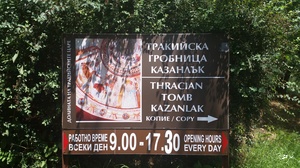
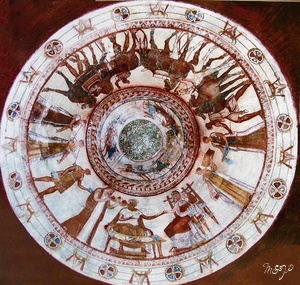
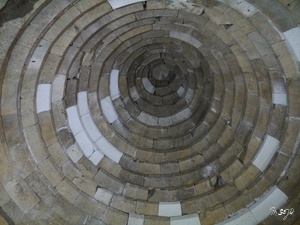
The Kazanlak Tomb, which is located nearby, is the most famous and the first Thracian funerary site to be discovered, accidentally, on 19 April 1944 by soldiers who were digging a trench. It dates back to the 4th-3rd century BC and is a UNESCO World Heritage site as it is the only one in Europe of its kind with preserved murals. It is a vaulted-brickwork “beehive” tomb, comprising a narrow corridor and a round burial chamber, both decorated with vibrant frescoes representing a Thracian couple attending a ritual funeral feast. The actual tomb is protected and closed but an exact replica has been constructed nearby.
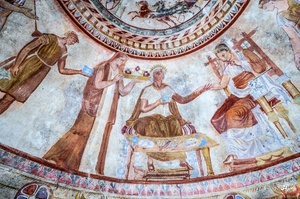
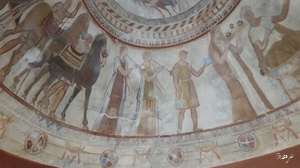
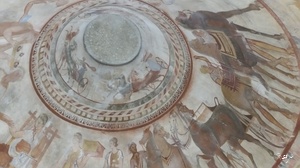
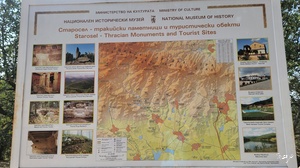
Besides the Golyama Kosmatka Tomb and the Kazanlak Tomb, the most significant funerary sites discovered so far are all part of the necropolis of Seuthopolis and are concentrated on a small area around the town of Shipka - Ostrusha, Shushmanetz, Golyama Gola Mogila (aka “The Griffins”), Malka Gola Mogila (aka “Helvetia”), Golyama Arsenalka, Sarafova Mogila and Svetitzata. Each of them is unique and worth the visit if you have time!
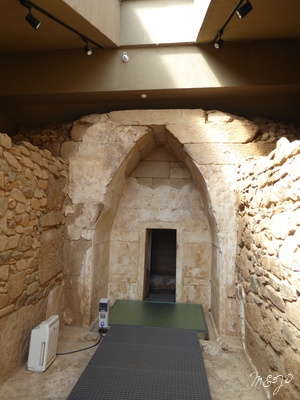
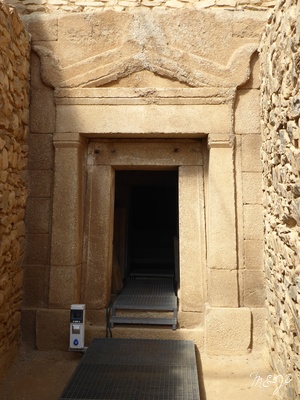
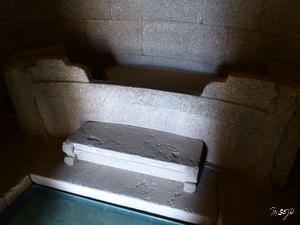
For example, Shushmanets is the largest mound discovered in Bulgaria - it is 20 m-high with a diameter of 100 m.
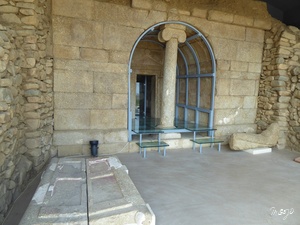
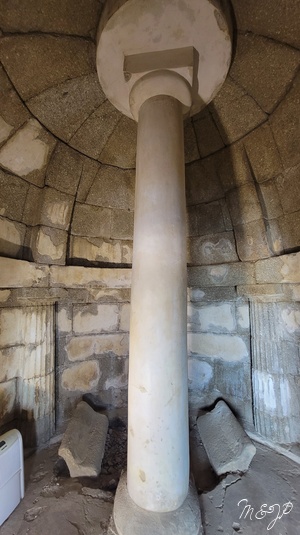
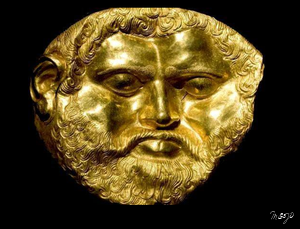
In the Svetitsata Mound was found the golden mask of Teres I, the first king of the Odrysian Kingdom of Thrace, made of 23.5 carat gold and weighing 672 g, as well as a heavy golden ring with an image of an athlete on it.
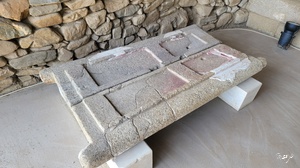
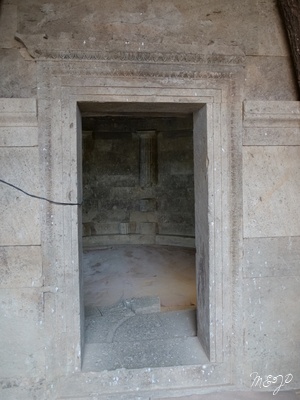
There are two main types of tombs - the typical round-domed ones and the less common rectangular ones. Some of them have no decoration at all, but many are adorned with gorgeous frescoes and reliefs. Numerous objects were found in the unlooted tombs. Placed there as funerary gifts to serve their owners in the afterlife, they are a valuable source for the study of Thracian art, religious beliefs and rituals. Mounds vary in size, with some truly enormous and sometimes confusing the archaeologists, who consider them to be natural hills. The base of each mound was protected from erosion by a solid stone wall, which was also a symbolic boundary between the world of the living and the dead. The earlier tombs were simple with a corridor that provided a connection to the outside world, an antechamber in which funerary offerings were left or later burials were performed, and a circular or rectangular chamber. After the mid-4th century BC, when the political and economic power of the Odrysian rulers was at its peak, the tombs became larger and more intricately planned with more than one burial chamber and several rooms. Some tombs were decorated with Doric and Ionic columns, such as Shushmanets and Starosel, or furnished with stone burial beds (sometimes with pillows carved from stone) and other furniture, such as stone benches and altars.
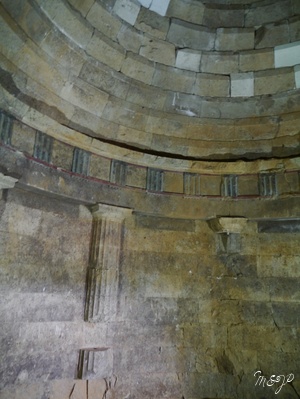
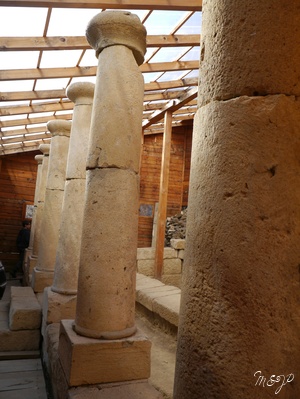
The tradition of the mounds comes from ancient times, when the deceased was buried in an ordinary grave and the soil from digging it was piled up as a small mound on top. Gradually, in order to distinguish the graves of heroes and kings, larger mounds began to be raised, and then tombs were built for the more prominent deceased. Sometimes royal burials were held in active temples, which were covered with soil after the burial. Similar to the Golyama Kosmatka Tomb, research shows that before it became a tomb, the site in Starosel was an active temple dating back to the late 5th and early 4th century BC, which is evidenced by the presence of movable stone doors in the vestibule and side platforms intended for religious rituals.
The Thracian tombs still hold many secrets for the archaeologists and historians. According to a new study many of the mounds served not only as funerary structures, but their tops were also used as solar observatories. It is believed that the Thracians had advanced knowledge of the solar calendar and used it for agricultural and ritual purposes. The remains of the deceased are another mystery yet to be uncovered. No complete skeletons have been found in the tombs, but only parts of them, such as skulls, femurs and other bones.
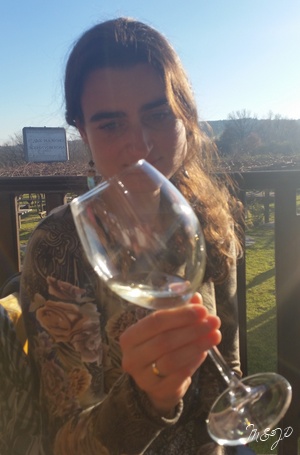
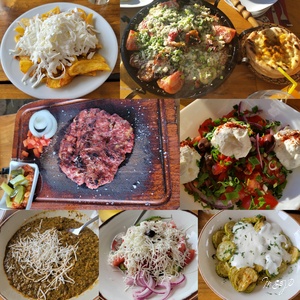
Besides silver, gold and bronze objects and bones, the tomb of Seuthes III also contained three large ceramic amphoras, filled with thick Thracian wine. The Valley of Kings and Roses is also famous for its wines - the soil, altitude and climate do not benefit only the roses and lavender after all! Winemaking on the territory of today's Bulgarian lands began many centuries ago and was laid by the Thracians, who were considered some of the best winemakers in Antiquity. The first vines were brought by them from the Middle East to the territory of today's Southern Bulgaria. Among the most revered deities of the Thracians is the god of wine Dionysus. His cult was later replaced by the veneration of Saint Tryphon, the patron saint of vine growers and winemakers, celebrated by Bulgarians on 14 February each year (on the same day when other countries in the world celebrate Saint Valentine’s Day - go figure it out…)! The Rose Valley region produces wines such as Muscatel, Riesling, Rkatsiteli, Cabernet Sauvignon and Merlot. If you are looking for a wine tasting experience or just a lovely lunch paired with great wines, you can stop in the Starosel Complex cellar! Their wines have been awarded many medals from international and national exhibitions, while their restaurant offers delicious and seasonal traditional Bulgarian cuisine.
The Valley of Kings and Roses is also famous in Bulgarian history. It is the birth or childhood place of many Bulgarian revolutionaries who fought against the 5-century-long Ottoman yoke. If you are interested in history and architecture, you can visit Vasil Levski’s house in Karlovo, built in the 18th century during the early Revival period, as well as the copy of Hristo Botev’s house in Kalofer where he spent his childhood.
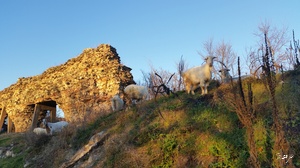
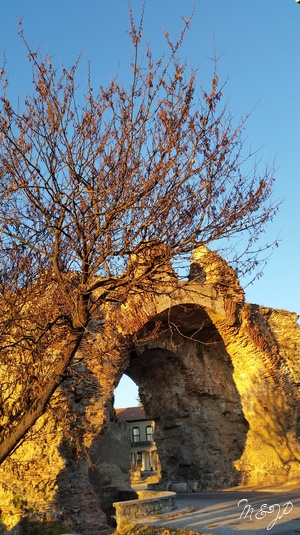
And that is not all! The region is also home to several Roman ruins, such as the remnants of Hisarya's Late Roman fortifications, and if you love hiking, you can just head north to some of Stara Planina’s trails. The Ecopateka Byalata Reka with its mountain rapids and cute wooden bridges, surrounded by beautiful forests, is not to be missed!
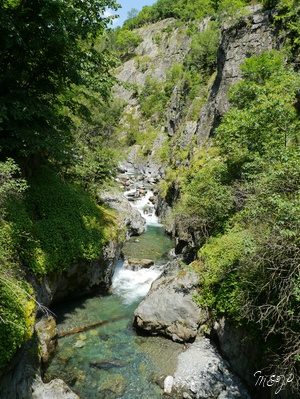
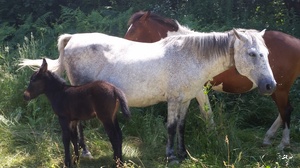
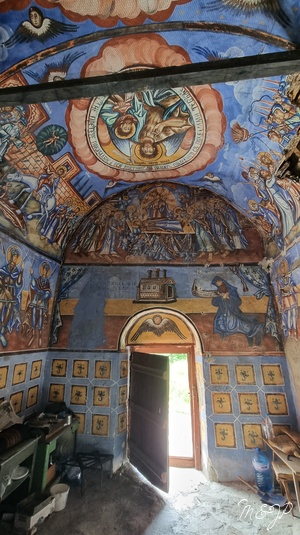
The Valley of Kings and Roses and the rest of Bulgaria have so much to offer, and the good news is that most of it is still off the beaten track!

You like what you read?
Explore and learn more about Bulgaria !!!
-
 P for Paradise and Provence (part 2)
Stunning nature - You cannot leave Marseille without hiking to … -
 P for Paradise and Provence (part 1)
France used to be divided into historical regions, which do … -
 The Valley of Roses and Kings (part 2) The Valley of Kings
The Valley of Roses is famous not only for its … -
 The Valley of Roses and Kings (part 1) The Valley of Roses
Out of all the flowers in the world the rose … -
 In the heart of the Silk Road (part 4) Khiva and the Desert Castles
Khiva - It took us 6 hours, almost a whole … -
 In the heart of the Silk Road (part 3) Bukhara
Bukhara - While Tashkent is a modern city with some … -
 In the heart of the Silk Road (part 2) Samarkand
Samarkand - No name is so evocative of the Silk … -
 In the heart of the Silk Road (part 1) Tashkent
The Great Wall of China, Machu Picchu, the Pyramids of … -
 The Land of Giants at the End of the World (part 2)
We crossed for the third time the border between Argentina … -
 The Land of Giants at the End of the World (part 1)
No visitors come back from Antarctica in the same state … -
 A Vitamin Sea Christmas in the Mediterranean
Human beings are full of contradictions! When we used to … -
 Spring Colours in the Kingdom of the West (part 6) Morocco is yellow
Morocco is yellow - Besides the yellow hues of the … -
 Spring Colours in the Kingdom of the West (part 5) Morocco is red
Morocco is red - Besides the red hues of the … -
 Spring Colours in the Kingdom of the West (part 4) Morocco is orange
Morocco is orange - Our first encounter with the legendary … -
 Spring Colours in the Kingdom of the West (part 3) Morocco is green
Morocco is green - The Rif Mountains east of Tangier, …
