
In the heart of the Silk Road (part 3)
Bukhara
Posted by: Maria in June 2026 (5 months ago)
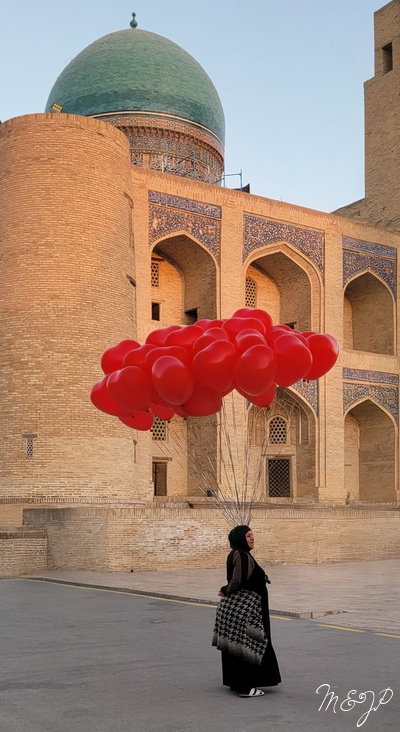
Bukhara - While Tashkent is a modern city with some medieval and former USSR remnants and Samarkand boasts a few amazing landmarks scattered around the city, the Old Town of Bukhara, which has been recognised as a UNESCO World Heritage Site, concentrates hundreds of incredible monuments spanning a thousand years of history and will definitely transport you back in time. You can lose yourself for hours in its narrow lanes and never get bored. Bukhara is one of the oldest (at least 2,500 years old) and the best preserved cities in Central Asia. Throughout its existence, it was governed by both Genghis Khan and Timur and surrendered to the Russians in 1868. It shows the Turkestan - the region lying between the Caspian Sea, Siberia, the Gobi Desert, Iran, Afghanistan, Pakistan, and Tibet, primarily inhabited by Turkic peoples - before it became part of the Soviet Union and was split up according to ethnicity into five parts that in 1991, following the dissolution of the USSR, became the independent countries of Kazakhstan, Kyrgyzstan, Tajikistan, Turkmenistan, and Uzbekistan. In the 16th century Bukhara’s center was a vast market place with dozens of bazaars and caravanserais and hundreds of madrasahs and mosques. We took our time strolling around its Old City for more than four full days! Each corner held a surprise and yet another delightful house, square, workshop or pool…
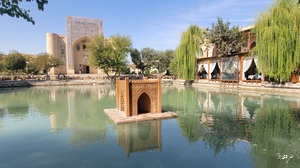
Pools - Since Bukhara is situated in the desert, water was central to life here. The city had only thrived for centuries thanks to its ingenious water system, including canals, underground tunnels and water pools or reservoirs called hauz.
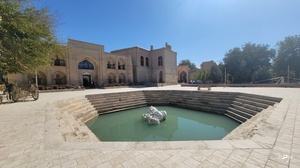
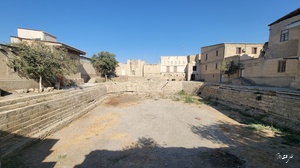
The Chashma-Ayub Mausoleum ('Job’s Well' in Uzbek due to the legend that the prophet Job (Ayub) visited this place and, by striking the ground with his stick, made a well, the water of which is still pure and considered healing) contains several tombs, but also houses a museum dedicated to the history of water supply in Bukhara.
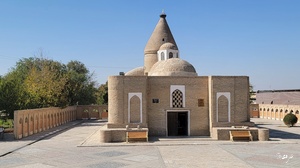
Until the Soviet period, there were many pools which were the principal source of water, but they were notorious for spreading diseases and almost all of them were filled in during the 1920s and 1930s. The most famous amongst the few remaining ones, and the most popular spot in Bukhara, is the rectangular Lyabi-Hauz ('by the pool' in Persian) in the center of the magnificent Lyabi-Hauz Square.
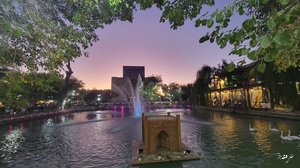
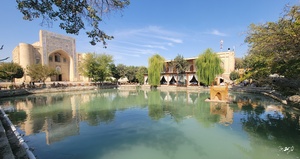
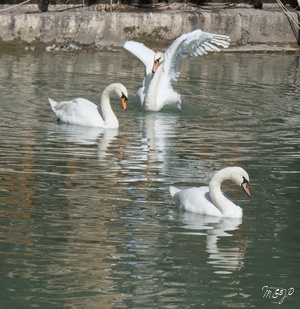
The hauz has only survived because it is surrounded by a magnificent architectural complex of two madrasahs and a khanaqah, projecting stunning reflections in its water. One of them is the 16th-century Kukeldash Madrasah - the largest madrasah in the city.
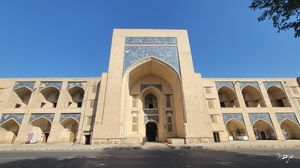
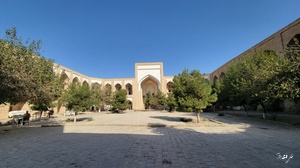
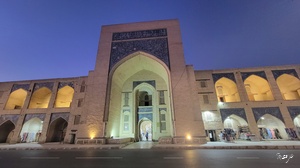
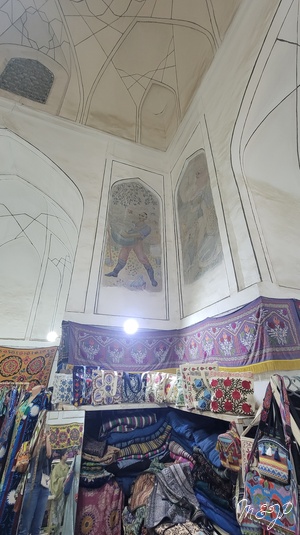
It was built on the initiative of Bukhara’s ruler Abdullah Khan and is adorned with beautiful traditional iwans, majolica, woodcarvings and star-shaped ceilings made of baked bricks or ganch (carved ornamental plasterwork made from a mix of clay and gypsum).
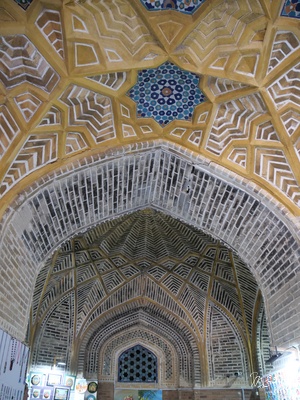
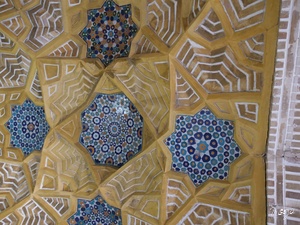
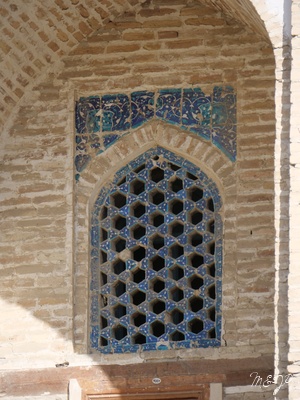
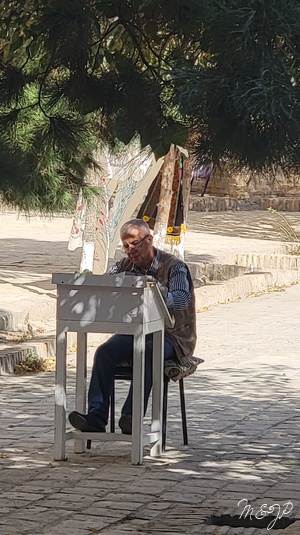
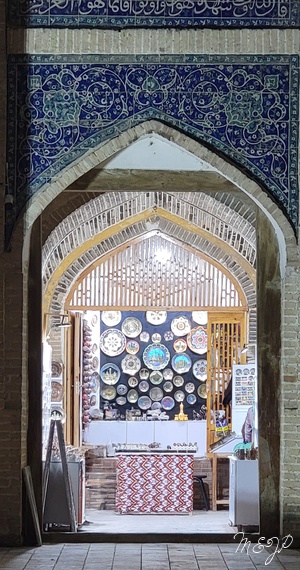
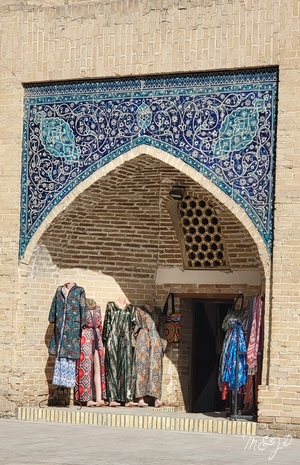
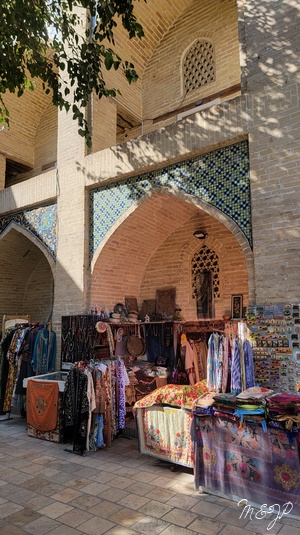
Today it hosts souvenir stores and handicraft workshops.
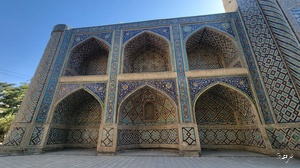
The two other buildings of the complex are the 17th-century Nadir Divan-Beghi Khanaqah and Nadir Divan-Beghi Madrasah. Facing each other, they were both built by Nadir Divan-Beghi - a vizier (or political adviser) and an uncle of Bukhara’s ruler Imam Quli Khan.
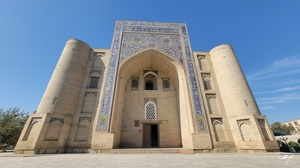
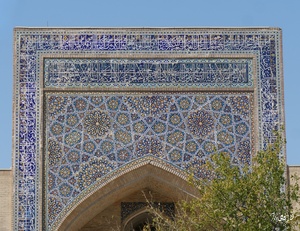
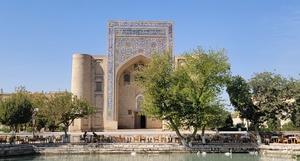
The Nadir Divan-Beghi Madrasah initially served as a caravanserai, but was later repurposed as a religious school. Today, it houses handicraft workshops and serves as a venue for national music and folklore performances.
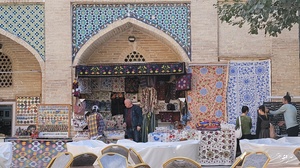
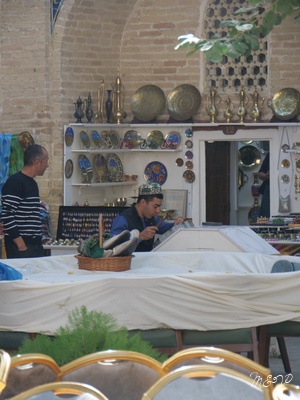
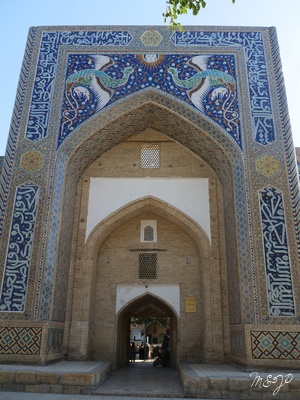
It is adorned with ornamental features uncommon for Muslim structures, such as depictions of the mythical phoenix-like huma birds of Iranian legends and grazing deer on its portal.
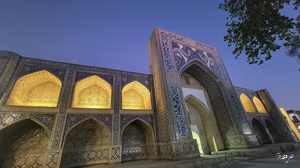
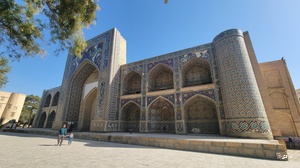
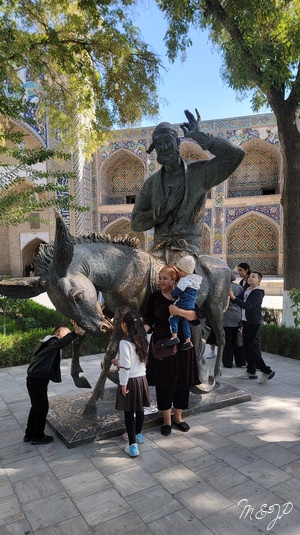
In front of the Nadir Divan-Beghi Madrasah stands the bronze statue of the legendary and beloved Muslim world folk character Khoja Nasreddin, riding on his donkey, who in his stories ridicules with tact, wisdom and humor greedy rulers, hypocrites, cowards, bribe takers and other human vices. The Uzbeks consider him an Uzbek who was born and lived in Bukhara. However, the character is also present in other folk tales around the world, including in non-Muslim countries, such as Bulgarian folk tales where he is the antagonist to a local wise man, named Sly Peter. Young and elderly locals alike all want a picture with the famous man!
Madrasahs - The Nadir Divan-Beghi Madrasah and the Kukeldash Madrasah are far from being the only religious schools in the city. Bukhara used to be a famous center of learning, renowned throughout the Persian and Islamic world, and its Old Center is dotted with dozens of madrasahs! Today, most of them house artisan workshops, souvenir shops and art exhibitions. During the annual contemporary art festival Bukhara Biennial, which was held for the first time between 5 September and 23 November 2025 under the theme Recipes for Broken Hearts, some madrasahs, but also many caravanserais, the ruins of former mosques and even the streets of the city were transformed into museums! It was simply amazing to explore these ancient buildings, decorated with colourful modern art! The whole city was an open-air museum!
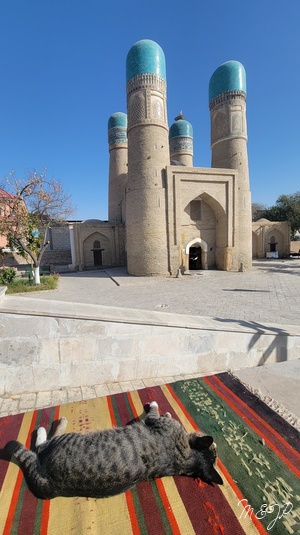
We had already seen a few madrasahs during our visit to Morocco, but the scale of Uzbekistan's ones was a completely different story! Amongst the most spectacular sights is the Khalif Niyaz-kul Madrasah, which is actually a historic gatehouse for a now-destroyed madrasah, built in 1807 by a wealthy Bukharan of Turkmen origin after whom it was named. It is also known as the Chor Minor Madrasah, which translates to 'four minarets' in Persian in reference to its four splendid towers, covered with blue ceramic tiles and capped with blue domes. Each of them boasts a different design, often interpreted as Christian, Buddhist, Zoroastrian and Islamic motifs respectively, and therefore as the symbol of each of these four religions. The towers are actually not minarets, but three of them were used for storage and the fourth one has a staircase leading to the top floor. On either side of the central edifice, which was used as a mosque, are located dwelling rooms, some of which have collapsed, that are evidence the structure was probably a student hospice. On the esplanade to the right are the remnants of a hauz.
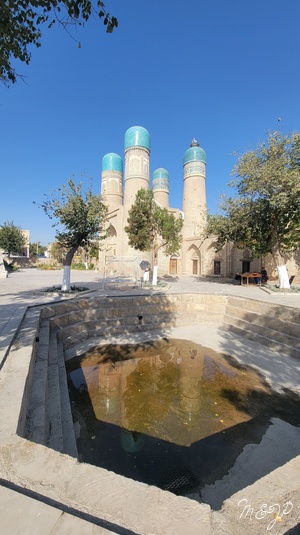
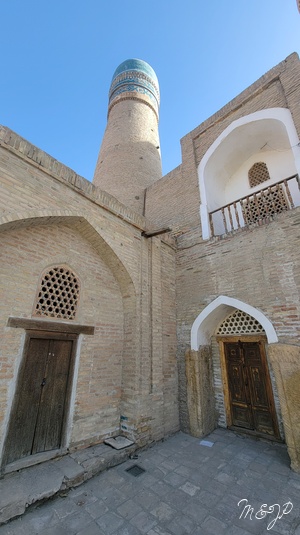
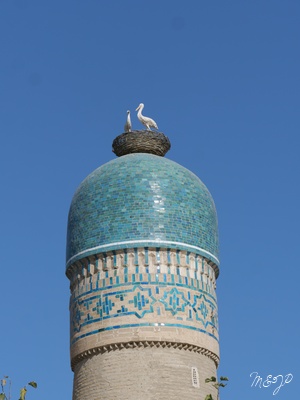
Another famous religious school in Bukhara is the Ulugbek Madrasah - the oldest preserved madrasah in Central Asia and the first one built by Ulugbek, in addition to the one in Samarkand and a third one in the city of Gijduvan in the Bukhara Region.
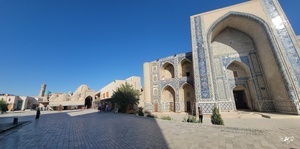
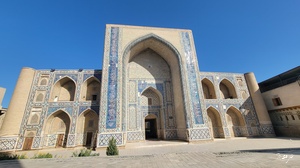
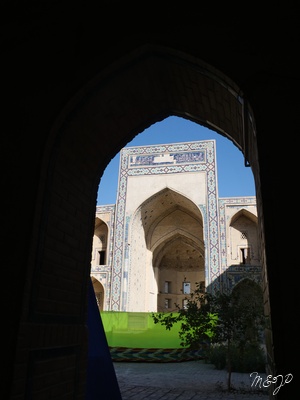
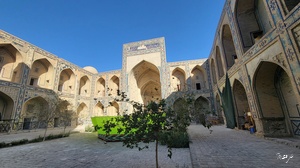
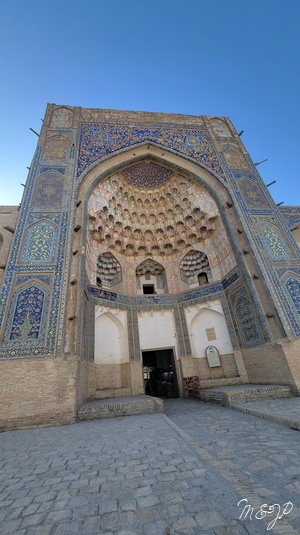
It was completed in 1417 and is relatively small but incredibly charming with a pishtaq decorated with stunning majolica, a two-iwan square yard surrounded by two-storey hujras, and many gorgeous woodcarved doors and star-patterned decorations.
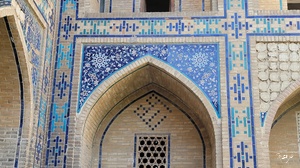
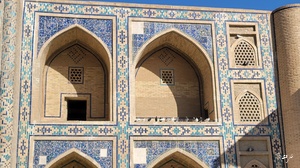
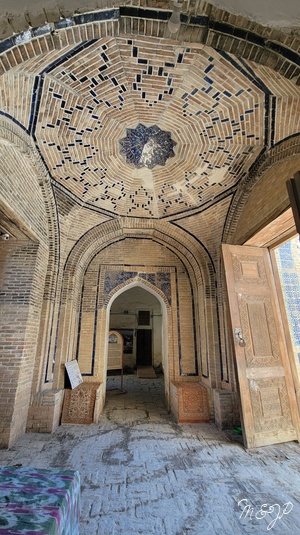
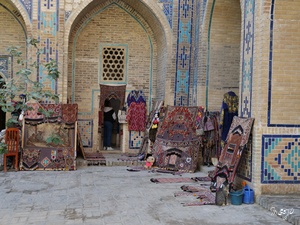
The madrasah was subject to several repair works and changed over time, for the first time on the order of Ubaidullah Khan in the 16th century.
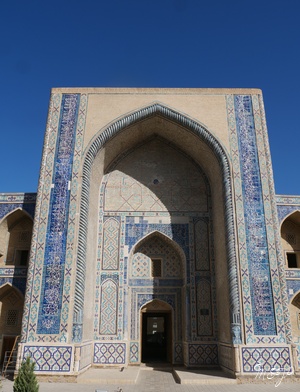
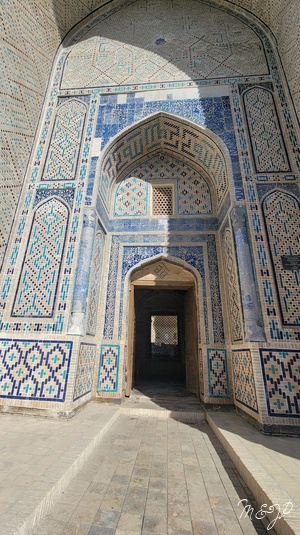
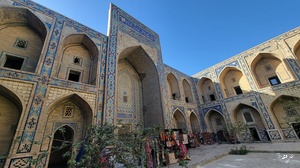
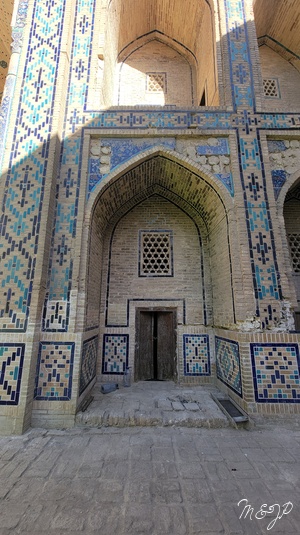
Eminent scholars, poets and calligraphers studied in the Ulugbek Madrasah during the reign of the khan and his son Abdulaziz. In 1652 the latter built a madrasah named after him, facing the Ulugbek Madrasah and forming a single architectural ensemble of kosh (or 'double madrasah') with it - the Abdulaziz Khan Madrasah.
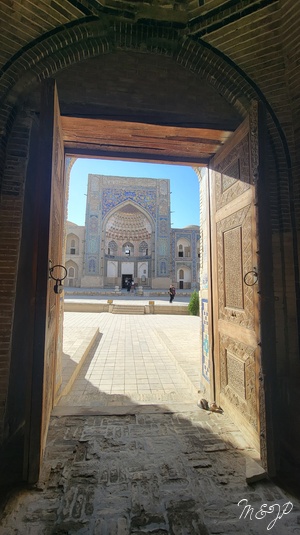
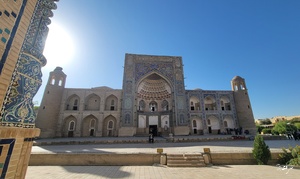
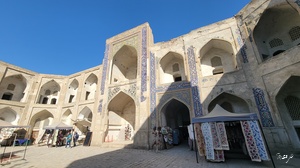
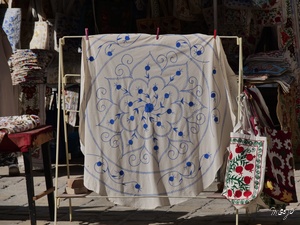
It is incredibly richly decorated with mosaics, relief majolica, glazed tiles, marble, alabaster frescoes, ganch and gold leaf.
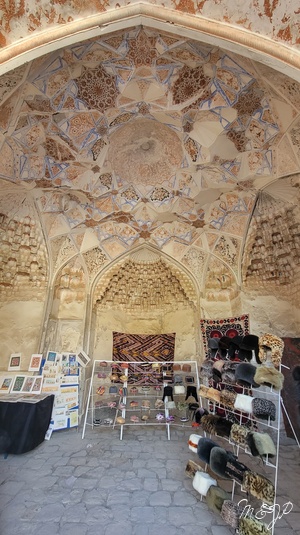
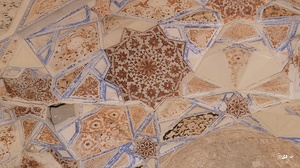
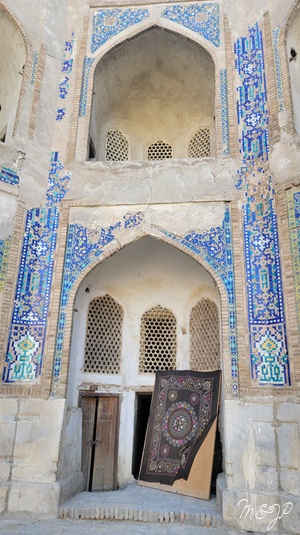
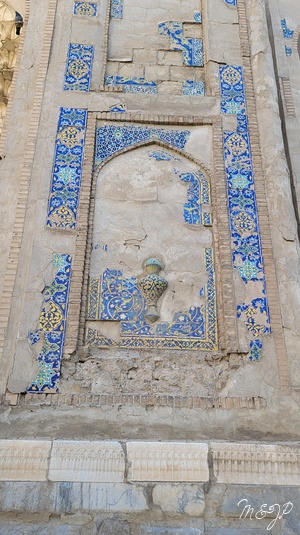
The pishtaq and the portals opening onto the interior courtyard are covered with exquisite blue and gilded tiles and many flower patterns (including the traditional motif of the vase of happiness).
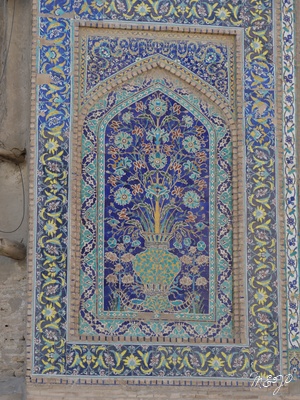
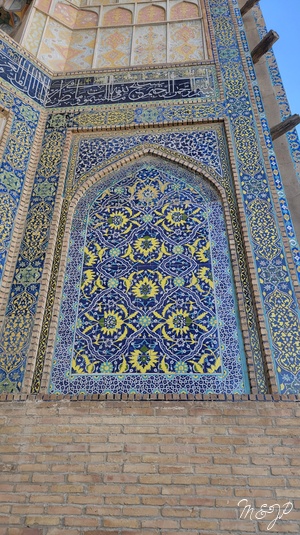
There were loads of cute cats around the two madrasahs, which made the visit even more delightful!
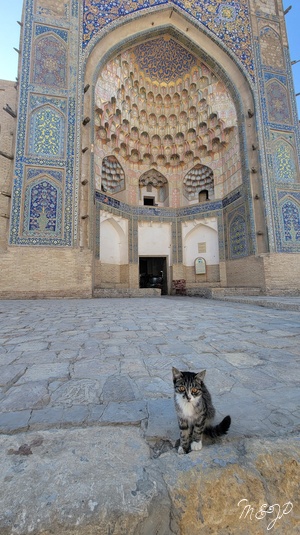
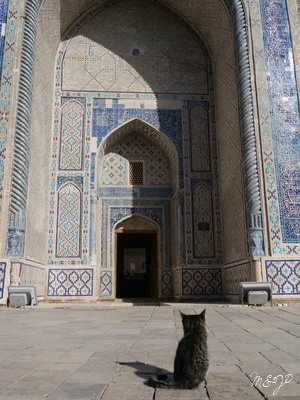
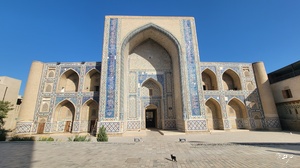
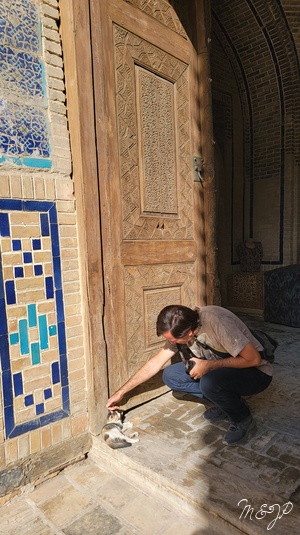
The Abdullah Khan Madrasah and the Modari Khan Madrasah opposite it, located a little bit further, form another kosh or 'double madrasah' ensemble. Both are richly decorated.
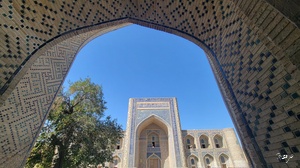
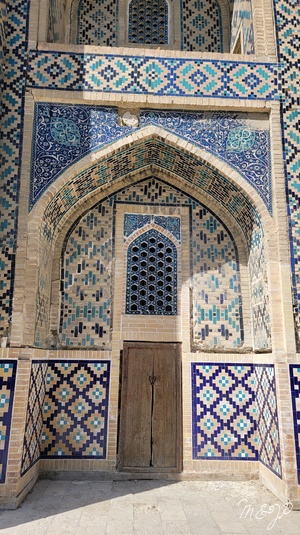
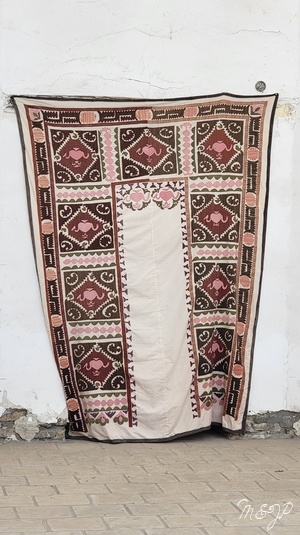
The Abdullah Khan Madrasah was completed at the end of the 16th century and all its exterior facades, except the main one, are decorated with baked bricks.
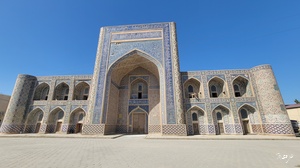
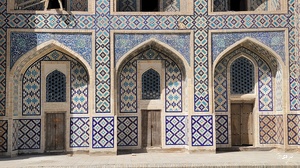
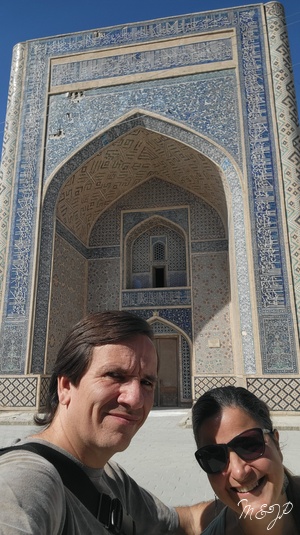
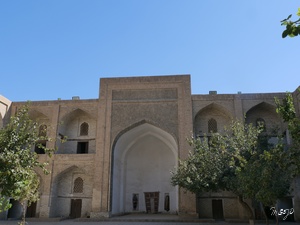
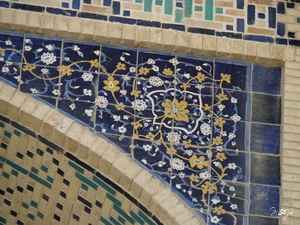
The Modari Khan Madrasah, also completed at the end of the 16th century, was built in honour of Abdullah Khan's mother. It is decorated with exquisite floral and geometrical patterns.
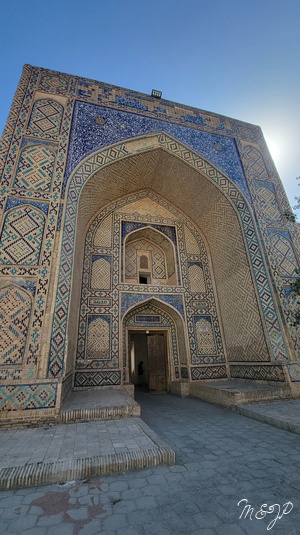
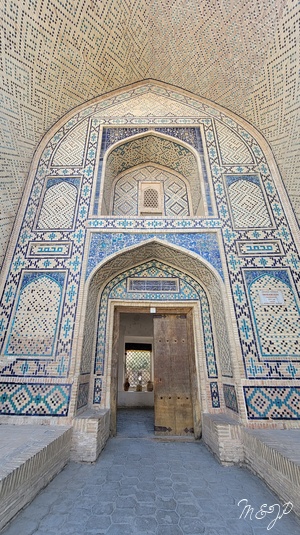
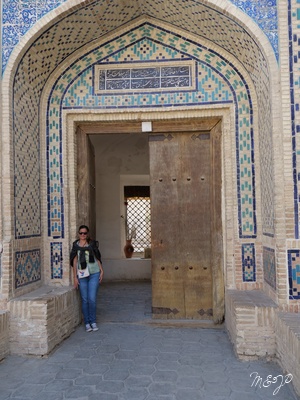
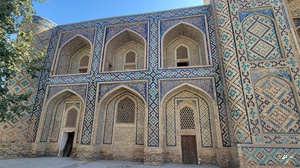
Bukhara hides many other less famous madrasahs, such as the 19th-century Tursunjan Madrasah, built of brick, wood, stone and ganch by a local merchant. With a surface of approximately 2,500 square meters (smaller than the Abdulaziz Madrasa, but larger than the Ulugbek Madrasah), it is one of the largest unrestored buildings in the city. The facade must have been very fine, but the decorative tilework of its monumental iwan has not survived, except a few blue-green tiles.
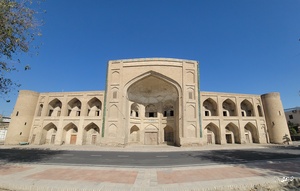
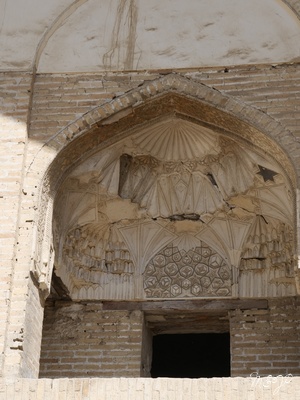
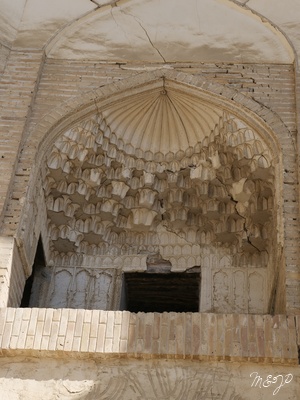
Another less known 19th-century former religious school is the Abdurahmani A'lam Madrasah, which today houses a restaurant, with some beautiful heart and flowers-patterned tiles on its facade and a hauz in front of it.
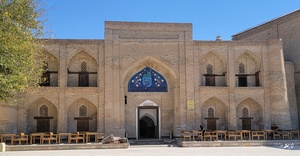
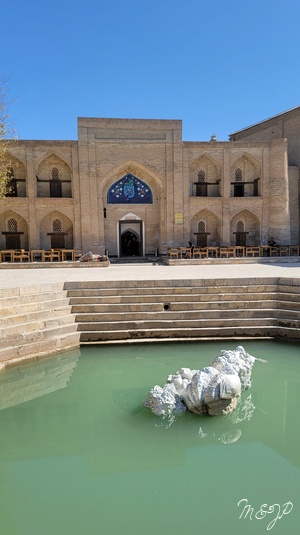
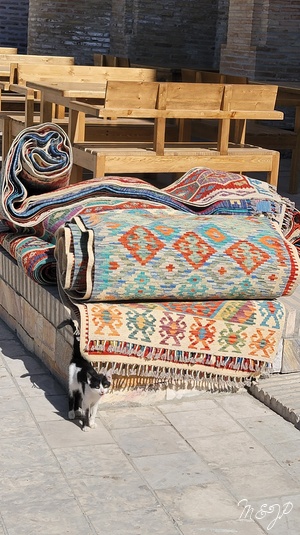
Some of the other less known madrasahs were used as exhibition venues for the Bukhara Biennial 2025 and the result of mixing ancient and modern was astounding.
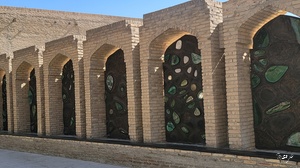
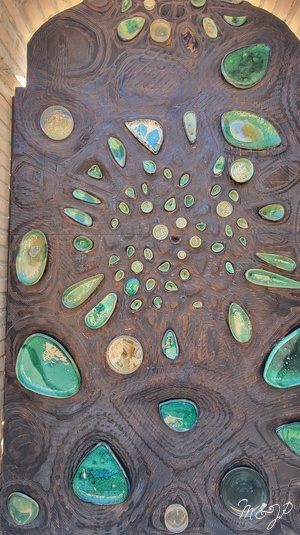
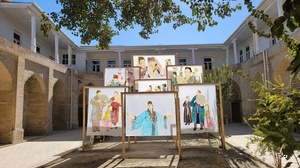
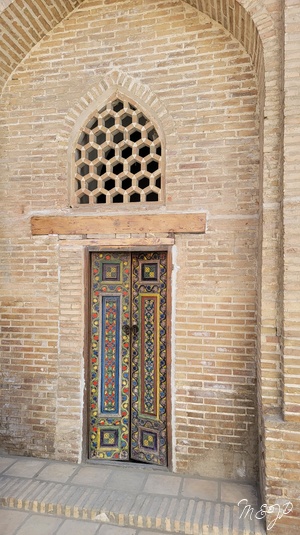
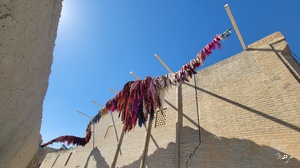
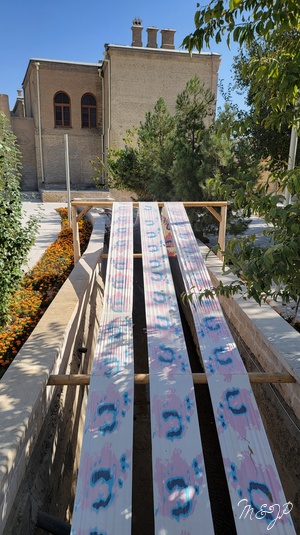
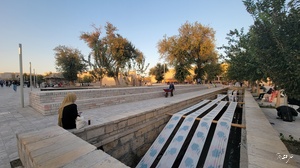
One of them was the Rashid Madrasah, built in the 18th-19th century, during the reign of the Uzbek ruler Muzaffar Khan, by the rich tea merchant from Afghanistan named Abdurashid (Rashid). It is located next to the Shahrud Canal. The area was once known as a neighbourhood of embroiderers, and many of the artists who exhibited their work in the madrasah in the 2025 edition of the festival lived in the nearby lanes. The entire facade of the madrasah was enveloped with a traditional textile installation, symbolising a portal to freedom and using the famous ikat technique (or abr in Uzbek, from the Persian word for 'cloud'). According to the legend, an artisan was forced to marry his daughter to a king but the latter agreed to let her go on one condition: if the artisan could create something so magnificent, it would eclipse his daughter’s beauty. The artisan sat beside a hauz and, as his tears rippled the water, a rainbow reflected across the surface, giving birth to the first ikat pattern.
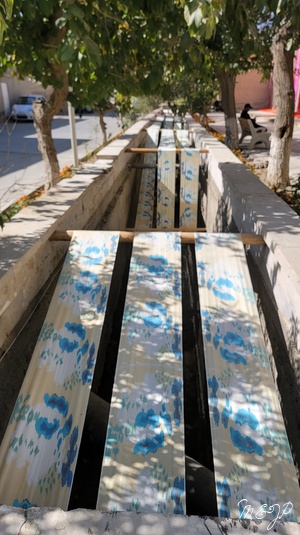
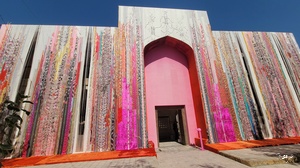
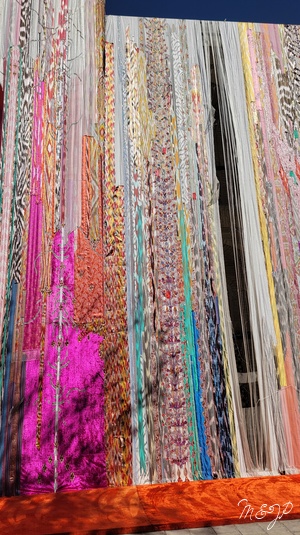
The Rashid Madrasah features classrooms, a prayer room and living quarters for students. During the 2025 biennial they were all turned into exhibition rooms with artefacts dedicated to the process of healing heartbreak, going through the stages of processing, mourning, memorialising and ultimately moving on, using humour, laughter and connection with ourselves and each other on the way.
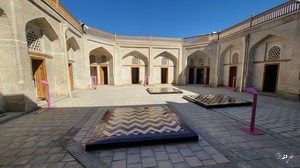
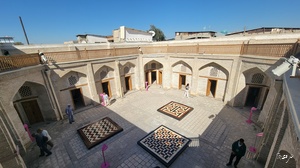
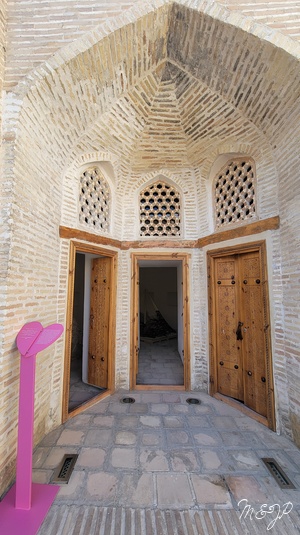
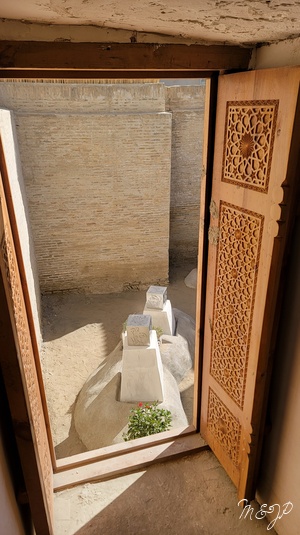
It was such a pleasure to go from one room to another and discover the various masterpieces, full of beauty and wisdom.
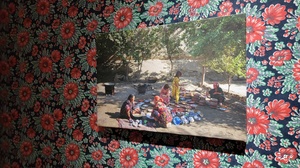
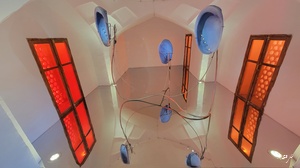
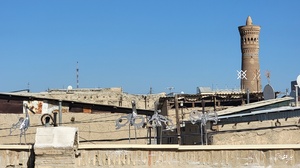
Another exhibition venue was the 16th-century Gaukushan Madrasah. The name 'gaukushan' means 'bull slaughter' as the site was previously home to a slaughterhouse and then an animal trading square. It was built by the influential Sheikh Khoja Said, known as Khoja Kalon (the Great Khoja) - a prominent leader of the Naqshbandi Sufi order and an influential political figure. With over 30 rooms, a library and a large prayer hall that also served as a lecture space, the madrasah remained a center of learning for centuries before being repurposed as a craft school in the 20th century.
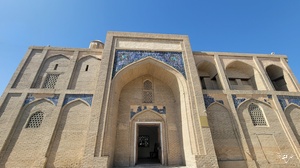
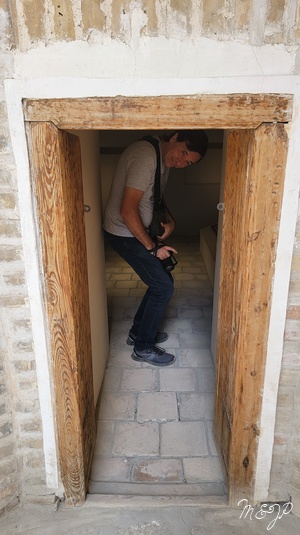
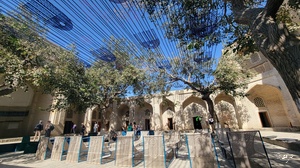
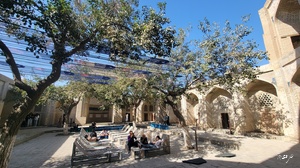
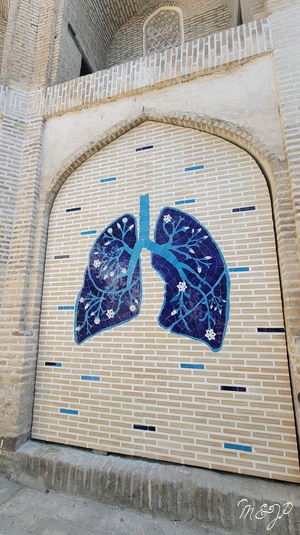
The theme of the artefacts from around the world displayed there during the 2025 biennial was facing hardship without hardening our hearts.
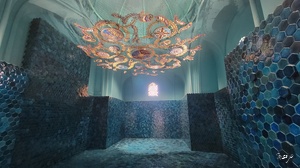
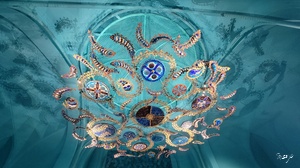
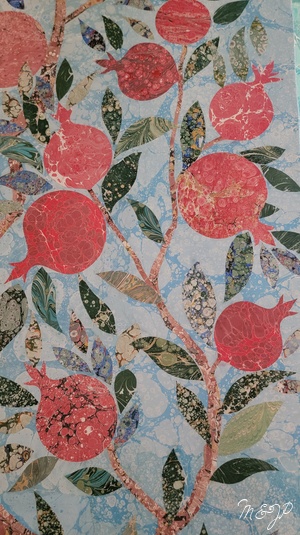
In the words of Persian poet Shams Tabrisi, 'You will learn by reading, but you will understand with love'.
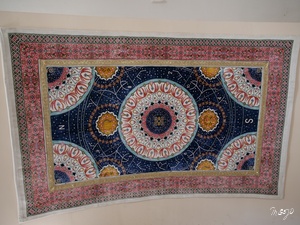
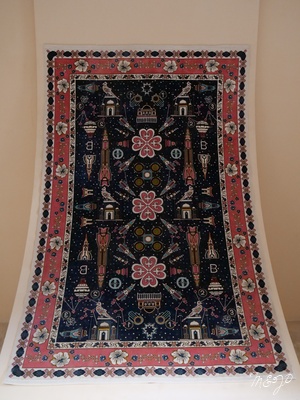
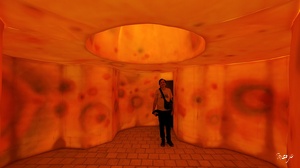
The Gaukushan Madrasah is part of the Khoja Gaukushan complex - the largest group of buildings in the centre of old Bukhara, also comprising the Khoja Kalon Minaret and the ruins of the Khoja Kalon Mosque. They are the remnants from the medieval times when the area was ruled by the first khans of the Shibanid dynasty and Bukhara was their capital.
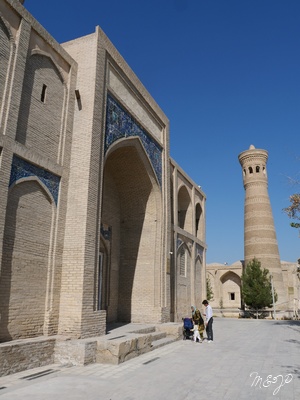
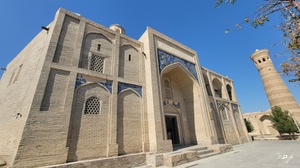
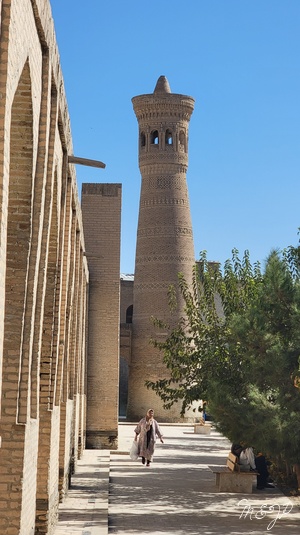
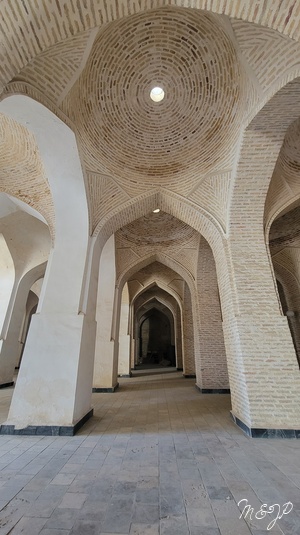
The Khoja Kalon Mosque was the second largest in Bukhara, and featured a spacious rectangular courtyard surrounded by domed galleries and a large domed prayer hall. Unfortunately, most of the structure collapsed in the 20th century - only the minaret survived - and was repurposed as a warehouse.
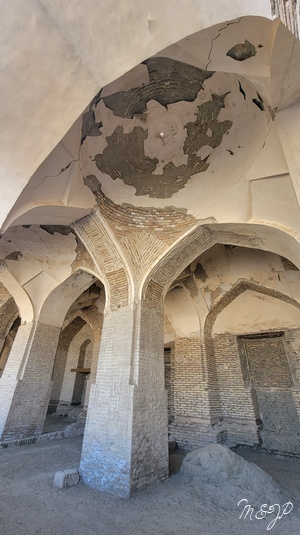
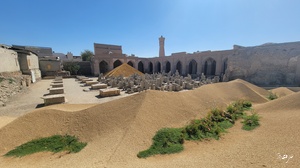
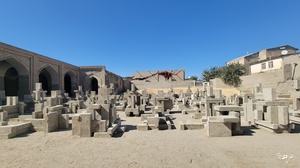
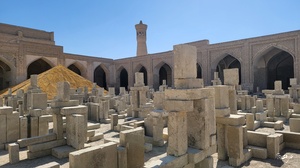
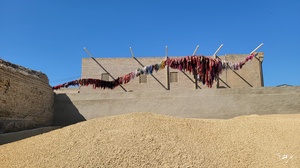
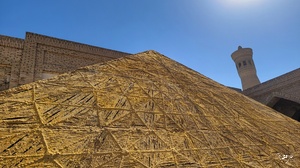
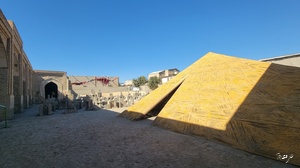
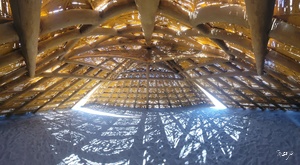
The ruins of the mosque and the surrounding lanes were another venue for the spectacular contemporary artefacts of the 2025 biennial, which had a tremendous effect on all our senses!The giant pyramid built around the mosque columns smelled of many delicious spices, and the visual effect of the sun rays penetrating through its structure was spectacular!
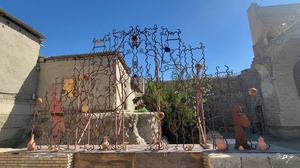
Mosques and minarets - Similar to all the other Silk Road cities in Uzbekistan, Bukhara (whose name, derived from the Old Uighur language, means 'prayer house' or 'temple') also boasts the rest of the five 'M', including the mosques and the minarets. Under the reign of Timur, the city began to emerge as a religious center, earning it the nickname Bukhara-ye sharif (or Holy Bukhara), and was considered Central Asia’s holiest city, which explains the many religious structures in the Old Town and their incredible architecture.
The design of the Khoja Kalon Minaret and the Khoja Kalon Mosque were inspired by the nearby Poi-Kalon complex ('At the foot of the Great One' in Persian) - perhaps the most famous landmark in Bukhara. It consists of the Kalon Minaret at its center, the Kalon Mosque and the Mir-i-Arab Madrasah facing each other, and the small Emir Alim Khan Madrasah in the southern part of the square, behind the minaret.
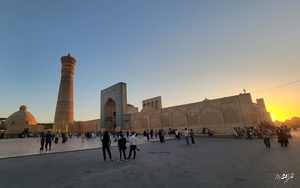
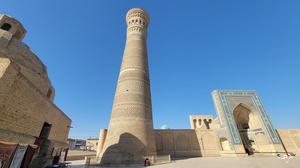
You cannot miss the silhouette of the Kalon Minaret (formally the Minâra-i Kalân or 'Grand Minaret'), built in 1127, initially for Muslim clergymen to call the faithful to prayer from its summit, and later as an observation post to watch out for enemies, a beacon for trade caravans, and even a place of public punishment, which earned it the surname of 'Tower of Death'. It is an almost 47-m-high brick cylindrical tower - one of the tallest buildings in Bukhara, with a diameter of 9 m at its base and narrowing upwards towards a lantern supporting a 16-arched rotunda. The minaret is adorned with religious inscriptions and geometric patterns, featuring 12 zones, each of which has its own unique pattern. There are a great deal of legends about the Kalon Minaret, one of which is about Genghis Khan. When he captured Bukhara in 1220 and entered the square, he looked up the minaret, his helmet fell from his head and he had to bend to pick it up, which is when he uttered the phrase 'I had never bowed, but this structure is so majestic that it is worth a bow'.
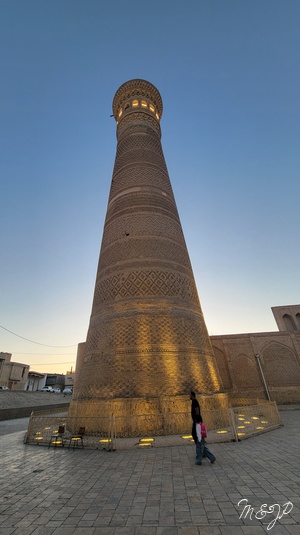
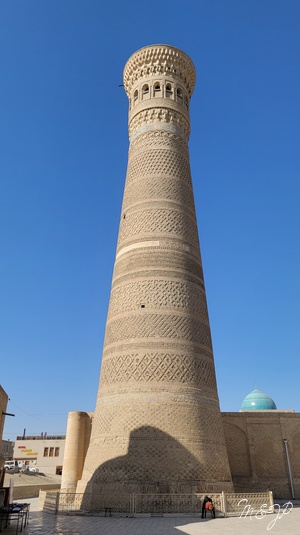
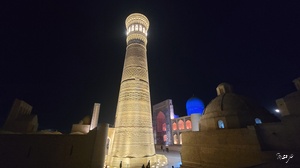
The Kalon Mosque, next to the Kalon Minaret, is the second largest mosque in Central Asia after the Bibi-Khanum Mosque in Samarkand, from which it drives inspiration, showing the shift of the Shabanid’s state capital in the 16th century from Samarkand to Bukhara. It serves as Bukhara's primary mosque, in which the faithful pray on Fridays and feast days and has the capacity to accommodate 12,000 people simultaneously.
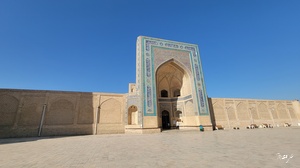
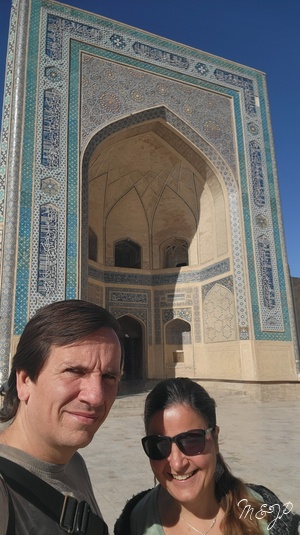
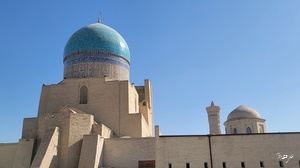
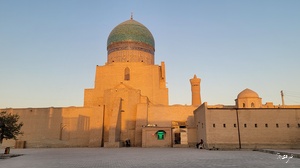
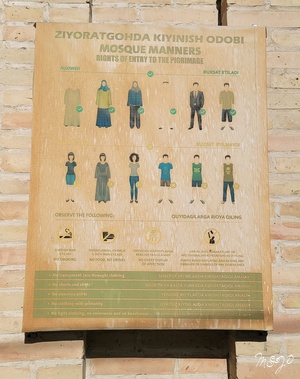
As it is an active Muslim religious building, you should lower your voice and women should wear a head scarf inside.
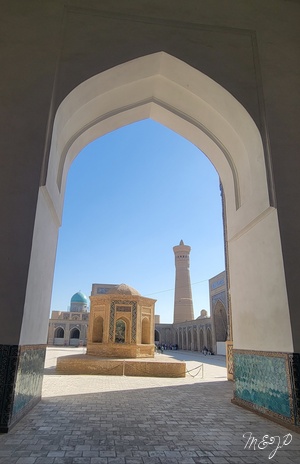
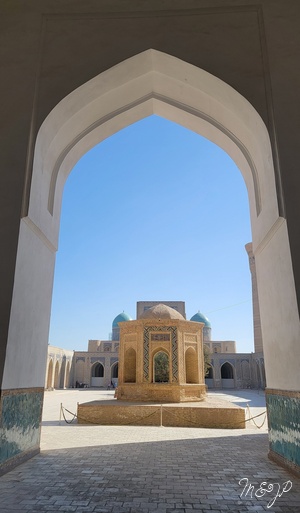
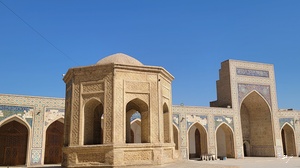
The mosque was built in the very beginning of the 16th century and replaces the original 12th-century mosque destroyed by Genghis Khan's forces.
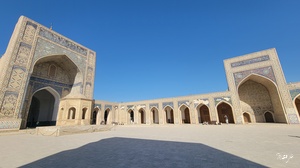
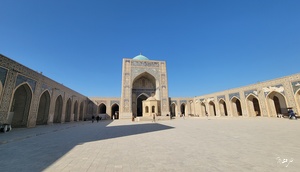
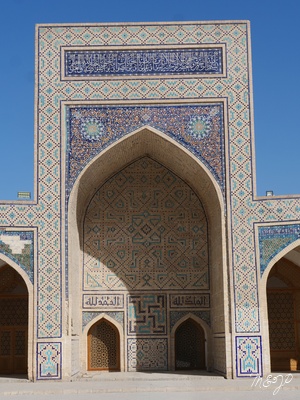
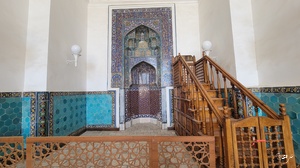
It features a richly adorned outer and inner portal covered with mosaics and glazed tiles, turquoise domes, including a large one atop the mihrab (a niche in the wall of a mosque that indicates the qibla, the direction of Mecca towards which Muslims should face when praying), and a huge yard with four gorgeous iwans and arched galleries.
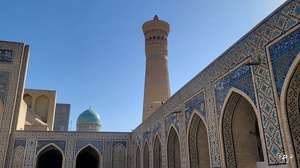
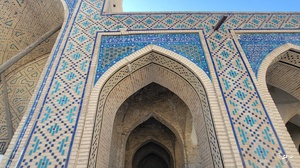
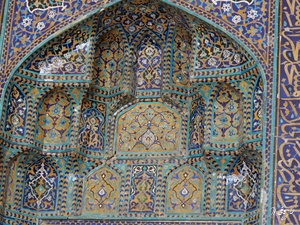
Facing the Kalon Mosque is the Mir-i-Arab Madrasah, built in 1536 in honor of Sufi Abdullah Mir-Arab, the spiritual mentor of Bukhara’s emir Ubaidullah Khan. It is both a university where many notable individuals taught and studied and a mausoleum for Mir-Arab, where Ubaidullah Khan was also buried at his feet. Following the 1917 Russian Revolution, the madrasah was closed and its clergy repressed. However, after the Second World War believers campaigned for the resumption of educational activities, and between 1946-1956 and 1961-1989 the Mir-i-Arab Madrasah was the only functioning madrasah in the entire Soviet Union. It still continues to serve its original function even today, making it the only madrasah in Central Asia with such a longstanding use. Its ornate two-story facade covered by glazed mosaic tiles and flanked by two turquoise domes was inspired by the Timurid architecture. The light of the golden hour turns the building into a stunning sight!
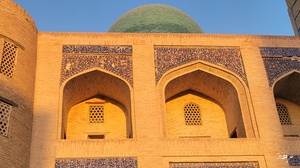
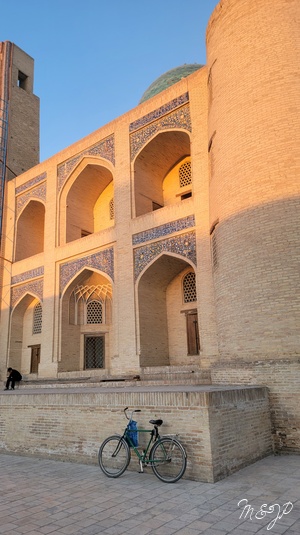
The last building of the complex - the Emir Alim Khan Madrasah - was built in 1915 by Sayyid Mir Muhammad Alim Khan, the last emir of Bukhara. Since all religious educational institutions were shuttered in 1924, the madrasah has served as a city library. It stands on the site of a former bathhouse whose octagonal dome building has been preserved.
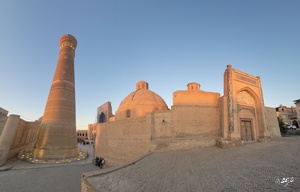
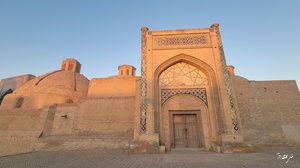
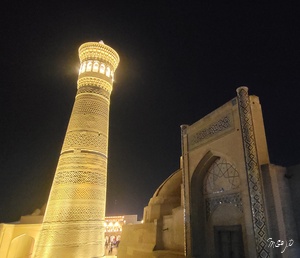
A 5-minute walk away from the Emir Alim Khan Madrasah are located the ruins of another complex of ancient baths and a caravanserai, dating from the 9th to the 11th centuries, where travellers and traders stayed and cleaned up.
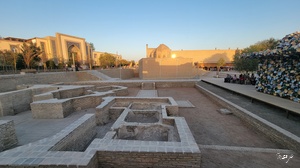
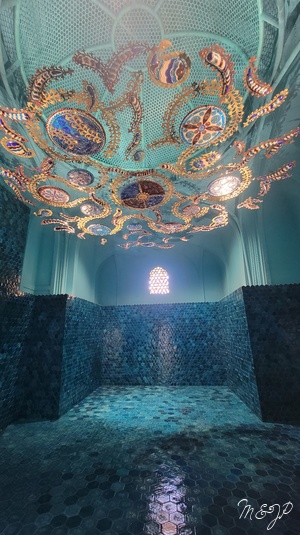
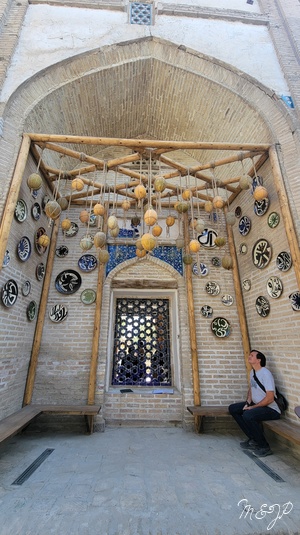
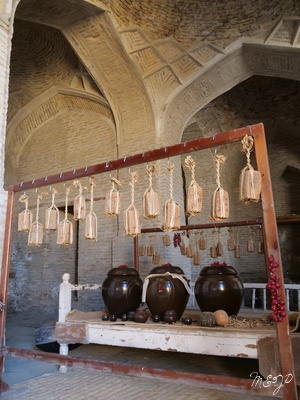
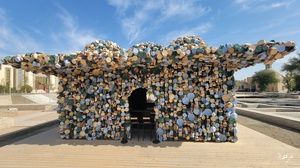
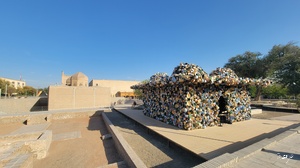
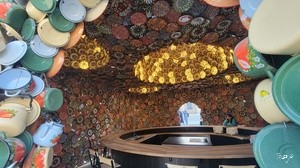
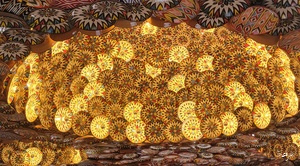
In 2025 the square was an open-air exhibition venue for the biennial, featuring a large dome structure with an exterior covered in enamel dishes and an interior lined with suspended traditional ceramic plates, mixing past and present. The food as a healing element followed the theme of the festival.
Next to the old bath ruins is located the Maghoki Attori Mosque ('maghokī' meaning 'in a ditch' or 'in a pit' in Persian as the structure’s floor is about 4.50 meters below the Earth’s surface), constructed between the 12th and the 16th centuries. It was built on the remnants of a Zoroastrian temple from the pre-Islamic era, and is one of the oldest surviving mosques in Central Asia and one of the few surviving buildings in Bukhara from the time before the Mongol invasion. Its main features making it different from other medieval religious buildings are the asymmetrical construction and the decorations inherited from Zoroastrian culture.
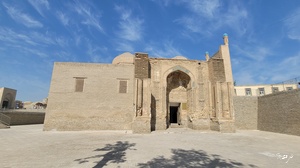
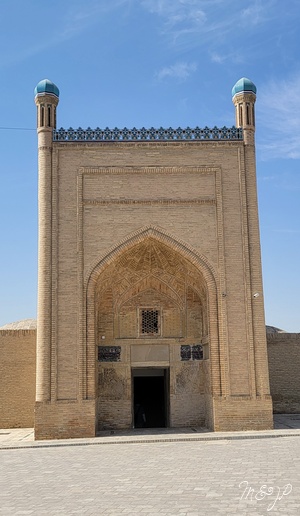
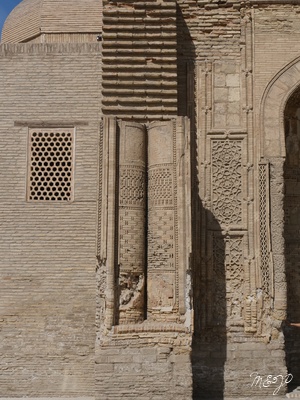
Today, the mosque is an incredibly interesting and interactive museum about the history and culture of Bukhara.
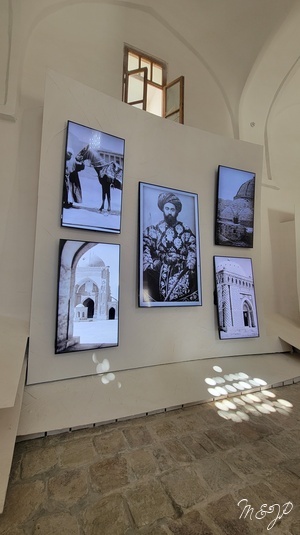
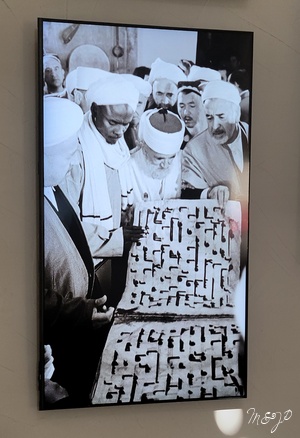
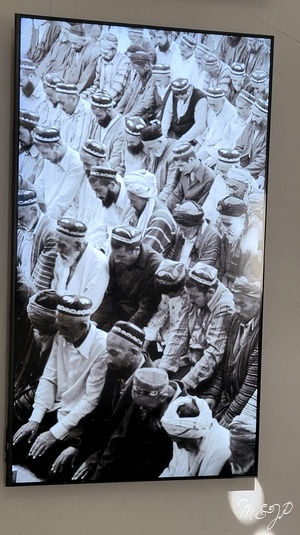
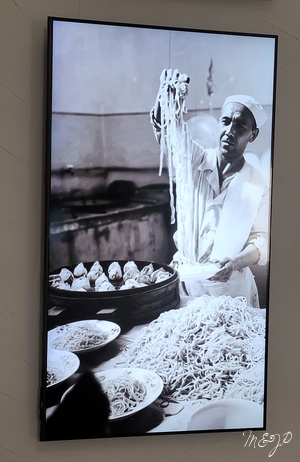
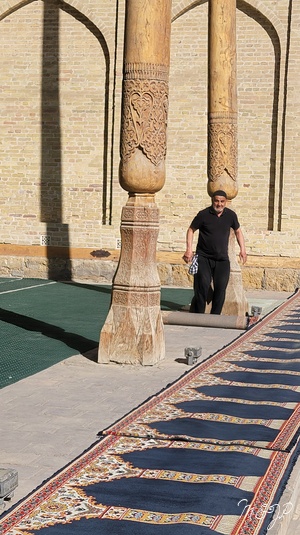
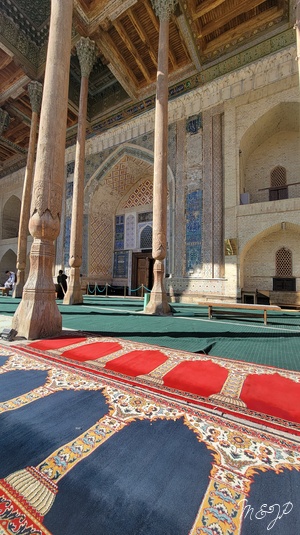
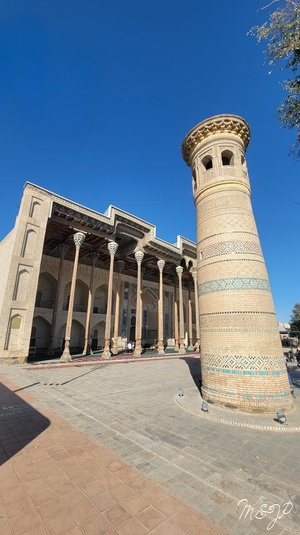
Another religious building, this time an active one, is the Bolo-Hauz Mosque with an octagonally shaped hauz in front of it, both built in 1712, and a separately standing minaret, built 200 years later and alternating bands of brickwork and blue glazed tiles in a variety of geometric designs.
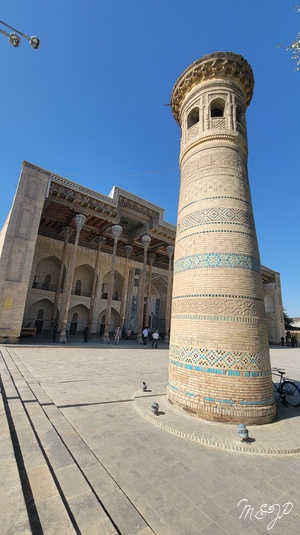
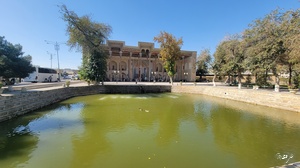
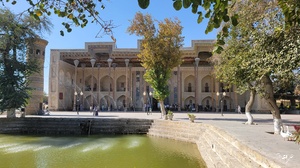
The reflections in the water of the hauz in the morning light are stunning, and the intricate decorations of the mosque itself will not leave you indifferent!
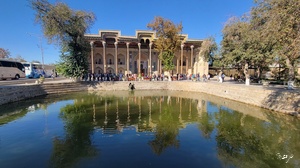
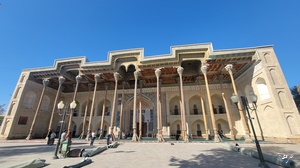
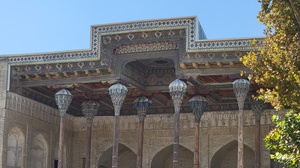
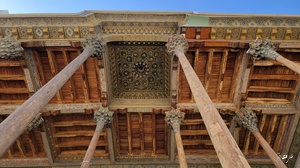
It was constructed by order of the wife of Bukhara’s ruler Abu Fayud Khan in honor of his mother, and features beautifully carved painted wooden ceilings and columns and exquisite glazed tiles.
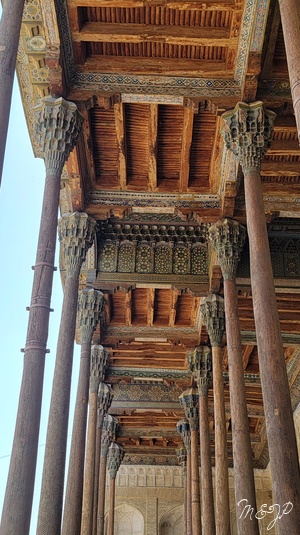
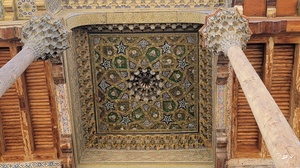
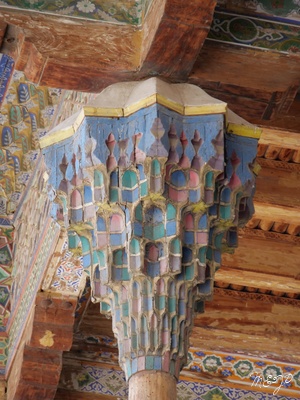
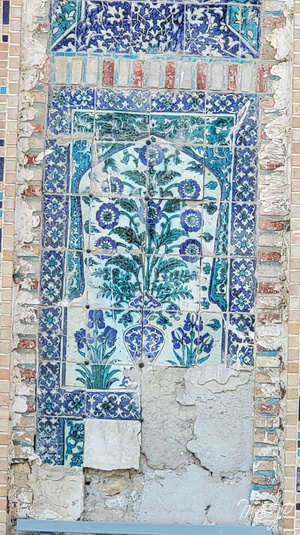
This is the place where we also witnessed one of the rare prayers in the country, while standing outside in front of the impressive iwan and the dozens of shoes of the faithful who had come to the mosque that day.
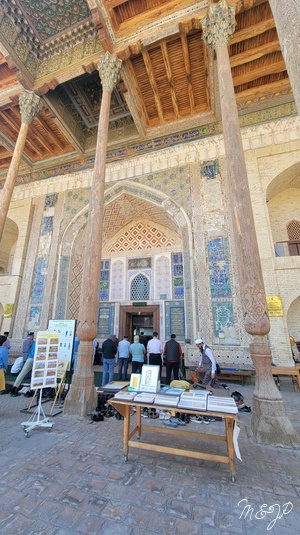
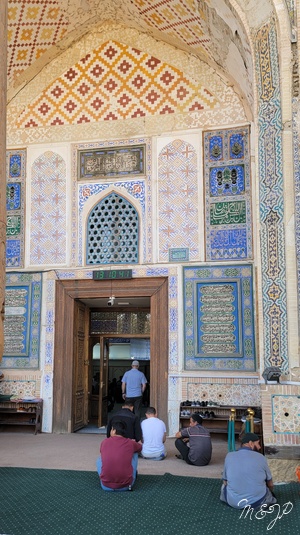
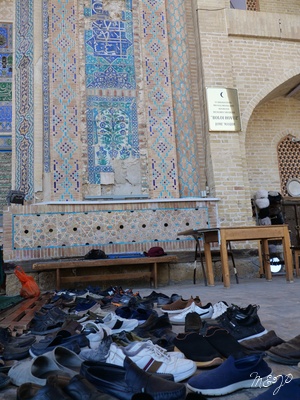
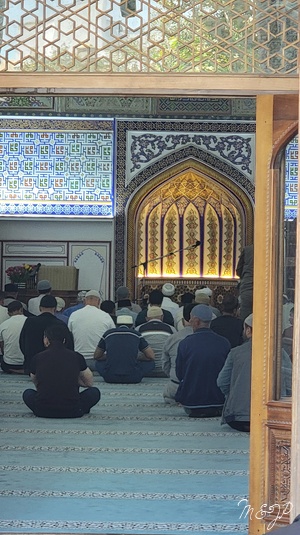
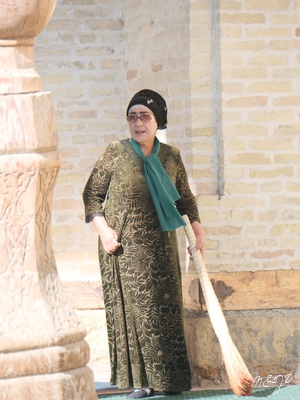
We returned to the Bolo-Hauz Mosque the following morning and this time saw the staff spreading several carpets in front of the mosque in order to be able to fit the highest number of devotees for the Friday prayer - the most important one for the Muslims.
While simply strolling around the city, you will also come inadvertently across many other smaller mosques, such as the tiny Kuyi Khonako Mosque.
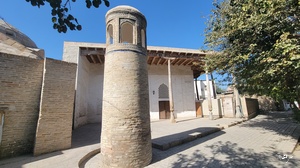
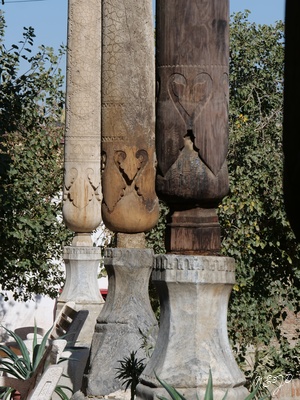
Another less known mosque featuring gorgeous colourful woodcarved ceilings and columns is the 16th-century Khoja Zayniddin Mosque, hidden at the junction of two side streets near the Poi-Kalon complex.
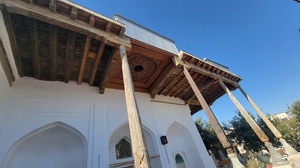
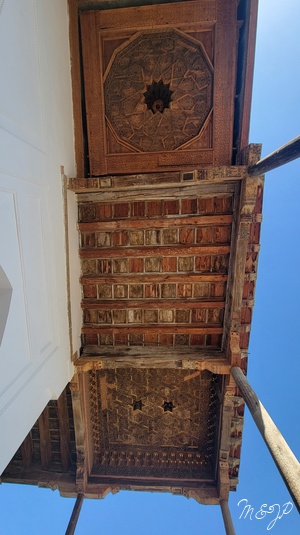
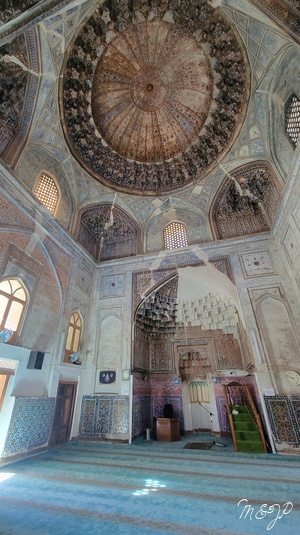
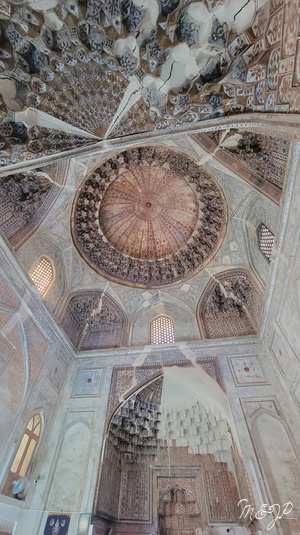
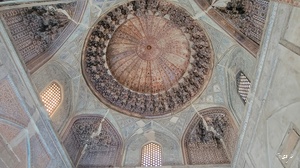
This is the only mosque we entered during our whole stay in Uzbekistan and the interior was simply spectacular, housing a prayer hall with the grandest dome in Bukhara. Its sponsor and architect are not known but the quality of the site and its proximity to the heart of the city suggest that it was built on the order of Bukhara’s ruling elite, or even the khan himself. The main entrance to the east and the qibla wall and the mihrab to the west feature stalactite ceilings. The walls to the north and to the south are pierced with a number of doors and windows, some covered by pandzharas (patterned window gratings made either of carved or cast ganch) to reduce the light and prevent birds from entering. Apart from the prayer hall, the building includes a number of smaller rooms that are off-limits to the public, which may have been used as living quarters and the complex may have served as a khanaqah in the manner of similar buildings such as the Nadir Divan-Beghi Khanaqah to the east of the city. One of the sights of the complex is the tomb of Khoja Zayniddin in the form of a headstone, based on the canonical traditions of the Koran that even the elite should be buried not in mausoleums but under the open sky (it is considered that building permanent structures on graves leads to veneration of the people buried there and both the mighty and the weak should be equal in front of death).
Therefore, the presence of many mausoleums in Bukhara, but also elsewhere in the country, might come as a surprise. However, it indicates indeed the peculiar nature of Islamic funerary architecture in Central Asia, built to emphasize the power of the local dynasties under the influence of Persian and Mongol traditions, and favoured by the cultural and economic prosperity of the region, fueled by its strategic position along the trade routes between Asia, the Middle East, Russia and Europe.
Mausoleums - Besides the Chashma-Ayub Mausoleum, you cannot miss the elegant 10th-century Ismail Samani Mausoleum. It is the oldest Islamic tomb to survive in Central Asia (and one of the earliest departures from the religious prohibition of constructing mausoleums over burial places in the history of Islamic architecture). The mausoleum is also the oldest building in Bukhara, standing west of the city center in a park erected during Soviet times. It is believed to have served as the family tomb of the Samanid dynasty (819-1005), the descendants of a noble Persian family who governed Transoxiana (the region located in lower Central Asia, corresponding to parts of Uzbekistan, Tajikistan, Kyrgyzstan, Kazakhstan, and Turkmenistan) with their capital first in Samarkand and then in Bukhara. Their most esteemed ruler and unifier was Ismail Samani after whom the mausoleum was named (even though it contains several graves).
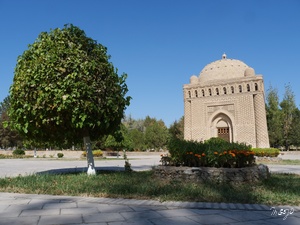
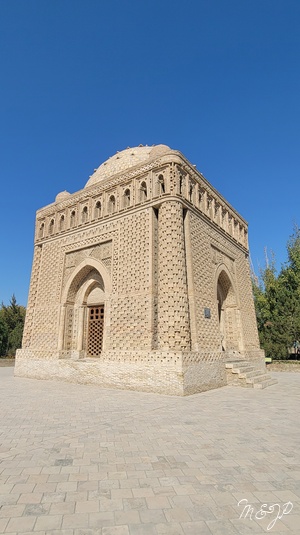
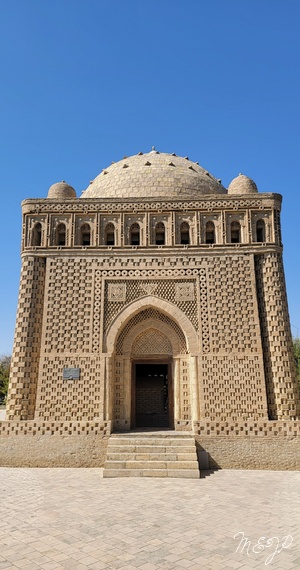
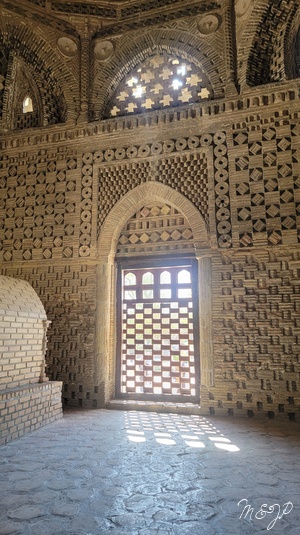
The perfectly symmetrical building resembling a wickerwork basket was constructed of and decorated with baked bricks in various patterns from multiple cultures such as Persian, Arabic and Antique, and is spectacular.
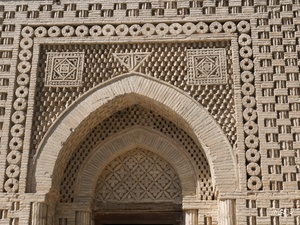
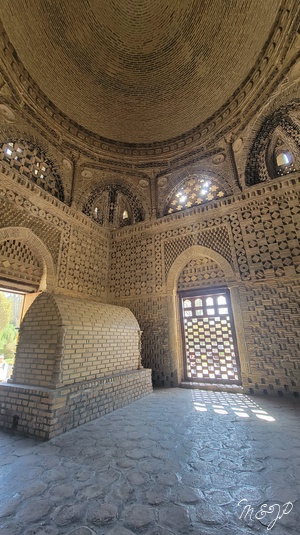
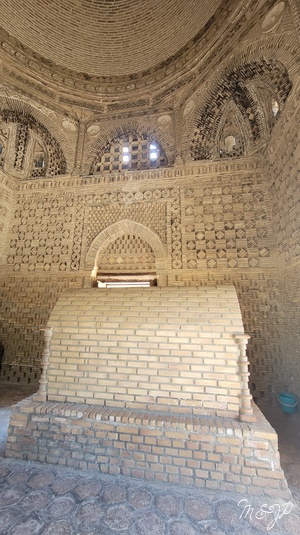
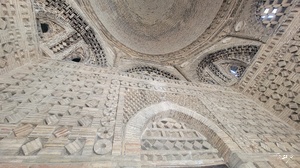
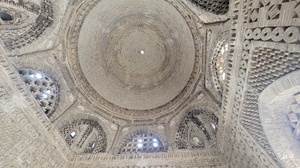
The openings in the walls, carved in intricate shapes, let the light inside and might make you feel like you were part of some sacred ceremony. The mausoleum is also the first in Central Asia to introduce the use of squinches (or arched structures) for the redistribution of weight and transition from a round dome to a square base, which foreshadow the future use of the alternative muqarnas or stalactite-vaulting, that will become extremely popular in Islamic architecture. The structure is similar to the open, four-arched, often square in shape, Zoroastrian fire temples from the Sassanian Empire (an Iranian empire which existed from 224 to 651), commonly known as chahar taq (meaning 'having four arches' in Persian). During the Middle Ages, this one and other mausoleums that have not survived to this day were located within the large necropolis of the Samanid dynasty. The Ismail Samani Mausoleum survived everything, including Genghis Khan’s siege and sack of Bukhara, only by accident, as it had laid undisturbed, buried in mud and sand, for many centuries until its rediscovery in the 1930s.
Besides the madrasahs, mosques, minarets and mausoleums, Bukhara - a legendary Silk Road city through which heavy caravans passed selling, exchanging and buying goods - is also famous for its fifth 'M' element - its markets and, since the traders needed a place to stay, its caravanserais.
Markets and caravanserais - The city is famous not only for its architectural masterpieces, but also for its arts and crafts. Its covered markets (or bazaars) and the surrounding streets are the perfect places to find handicrafts and other souvenirs, and also host, together with the many caravanserais around, stunning exhibitions, including the Bukhara Biennial.
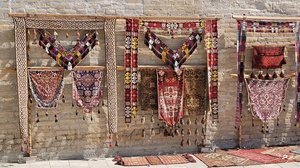
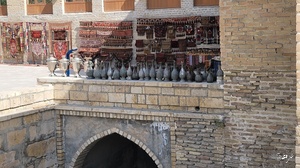
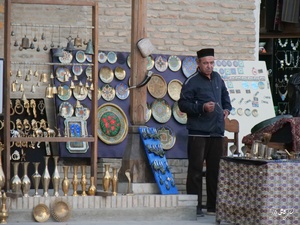
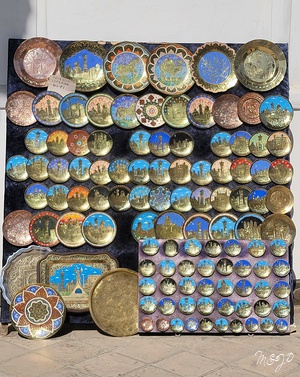
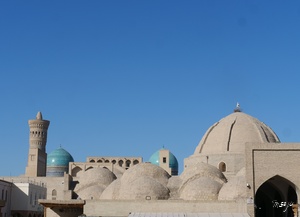
While strolling around the old center and even without specifically looking for them, you will come across three impressive covered bazaars - Toqi-Zargaron, Toqi Telpak Furushon and Toqi Sarrofon ('toqi' means 'dome' in Persian). Built in the 16th century during the reign of the Shibanid dynasty under which Bukhara experienced an unprecedented prosperity, these chorsu or crossroads markets played a pivotal role during the city’s Silk Road past. Organized in clusters by commodity or trade, they were part of complexes, comprising also caravanserais, warehouses, mosques and bathhouses, and often governed by tradesmen or craftsmen guilds.
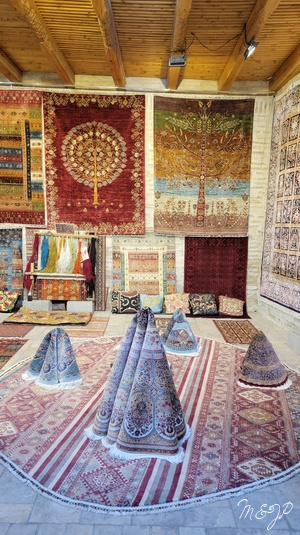
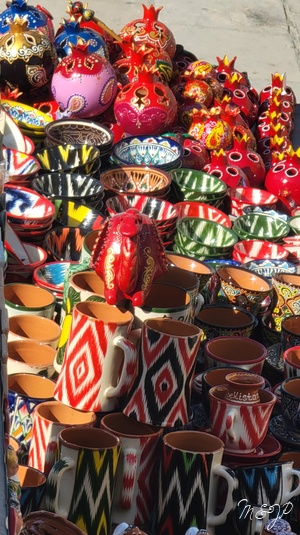
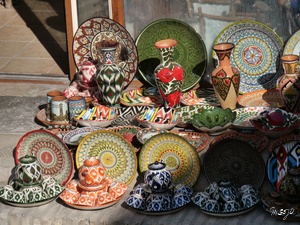
While Europe started building covered markets and passages only in the 19th century, the huge trading domes with unshakable stone arches (which will remind you of the dome of the Chorsu Bazaar in Tashkent) were the heart of local life in Central Asia. They protected both people and goods from the summer heat and the winter winds, and served at the same time as a place of trade and meetings and a venue for spectacles and entertainment.
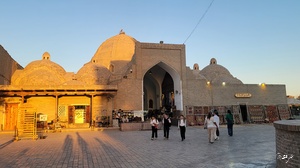
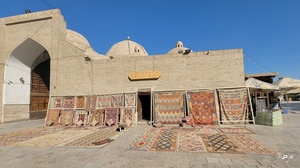
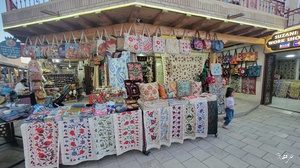
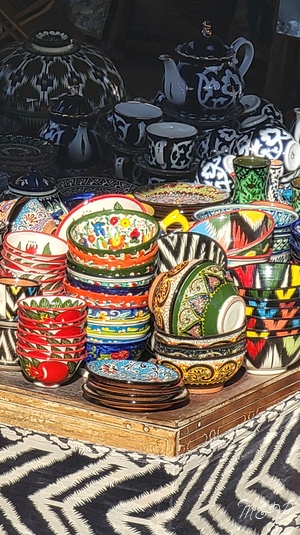
Toqi-Zargaron ('the jewellers' dome' in Persian) is a multiple dome-covered market, which had been a center for trading precious metals and jewelry for centuries. It is one of the oldest, the largest and the best preserved of the city's once numerous bazaars, and connects two of Bukhara's famous public squares - the one to the east with the Ulugbek Madrasah and the Abdulaziz Khan Madrasah and the one to the west flanked by the Poi-Kalon complex. Toqi-Zargaron also forms the northern end of the commercial spine, linking Toqi Telpak Furushon and terminating at Toqi Sarrofon and the Lyabi-Hauz Square.
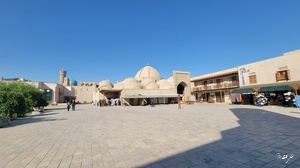
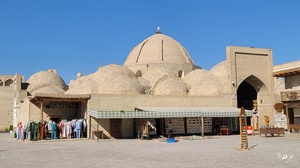
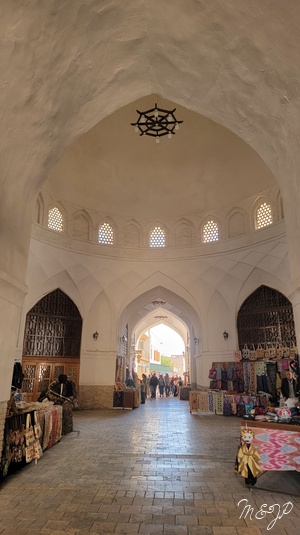
Toqi Telpak Furushon ('the hatsellers' dome' in Persian) is known for its wide selection of traditional Uzbek attire, including doppis, sashes, shawls and the long and loose ikat chapan robes and vests which have been an integral part of Central Asian culture for centuries, all in various colours and patterns.
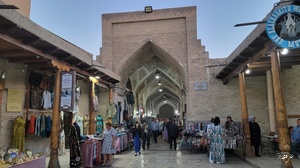
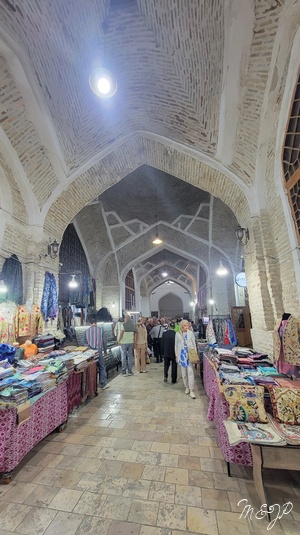
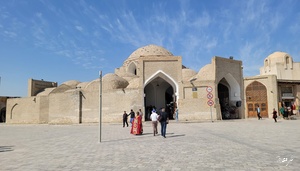
Toqi Sarrofon ('the money changers' dome' in Persian), built next to the Shahrud Canal, is the smallest dome featuring four arches. Several centuries ago money changers sat there and exchanged foreign currency from merchants from around the world. These operations were conducted exclusively by Hindus or Jews, since Islam categorically forbids this kind of activity. Today the moneychangers are gone but there is a great choice of Central Asian handicrafts and other souvenirs.
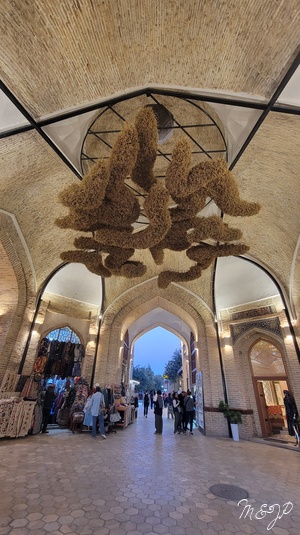
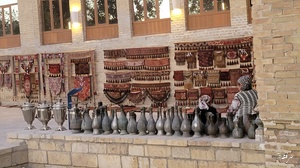
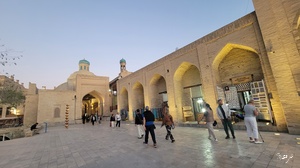
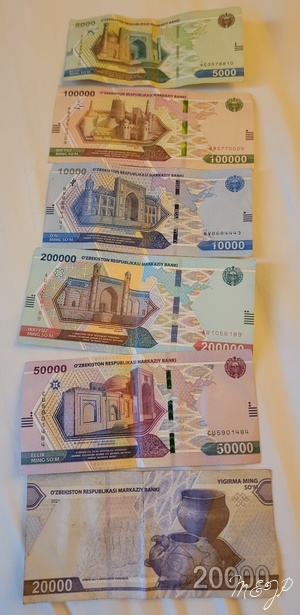
In the market domes, but also everywhere in the streets, you will realise how carefully the city has preserved the traditions of its ancient crafts from embroidery, goldwork, silk weaving, copper engraving and ceramics to wood carving and wood painting.
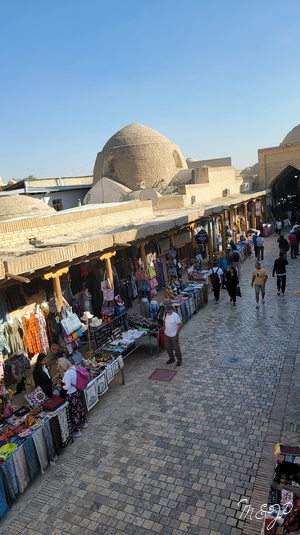
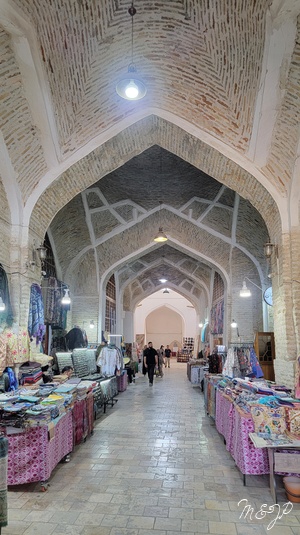
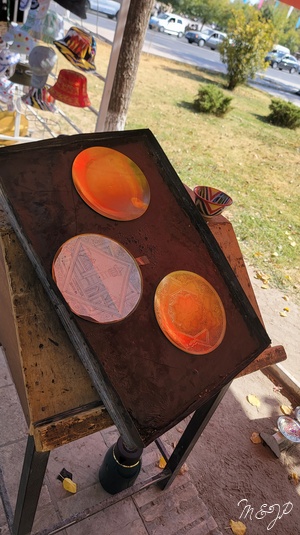
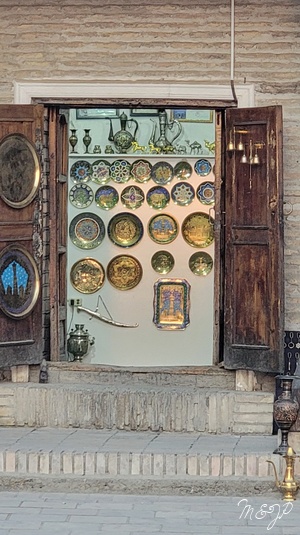
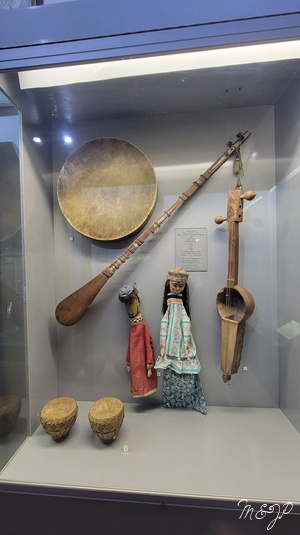
The bazaars are the perfect places to experience the local culture, chat with friendly vendors and find spices, dried fruits, jewelry, traditional attire, carpets, ceramics and so much more! One of the most interesting stalls we came across was the one with handmade local instruments. The saleswoman was kind enough to play one of them for us and the sounds were incredible!
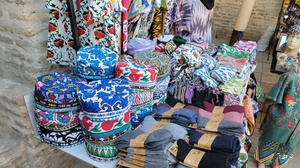
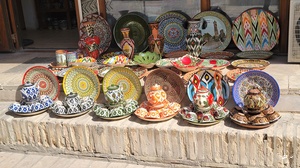
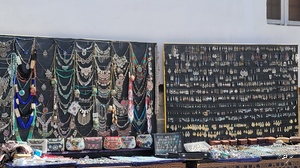
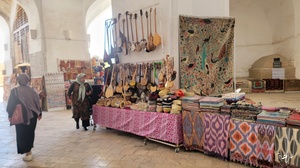
In the same area as the bazaars are located many caravanserais, which had grown up along the Silk Road to offer lodgings, stables and stores to the traders. We had visited a few caravanserais in Morocco but, similar to the madrasahs, the scale of the local caravanserais were another story.
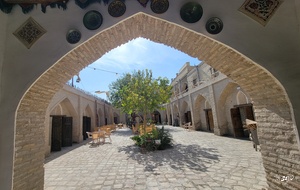
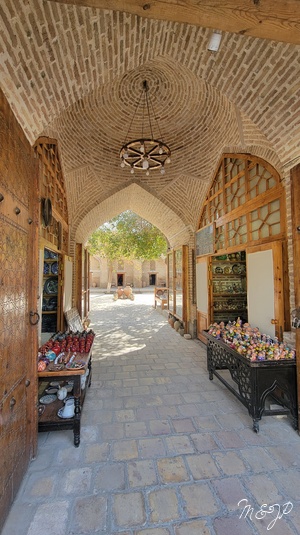
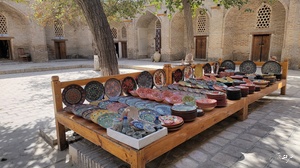
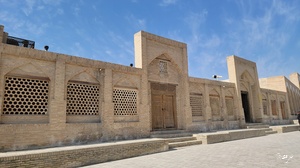
Their facades and spacious courtyards were stunning! Also, most of them were used as exhibition venues for the contemporary art masterpieces of the Bukhara Biennial.
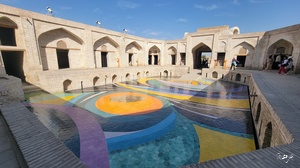
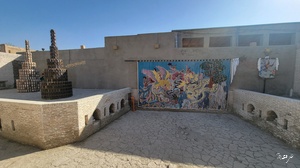
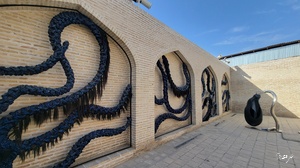
There were so much art to admire there that we spent at least one full day only visiting the most famous caravanserais in the city, including the Ahmadjon Caravanserai, the Ayozzhon Caravanserai, the Badriddin Caravanserai, the Nughay Caravanserai, and the Sayfiddin Caravanserai.
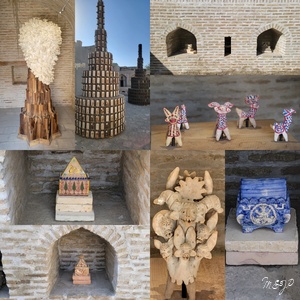
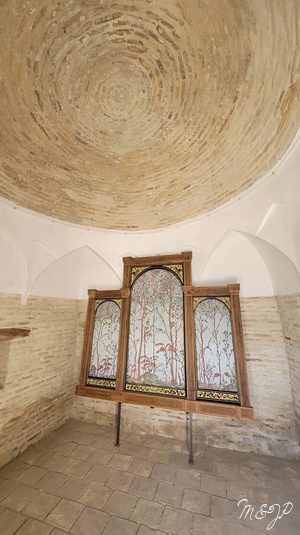
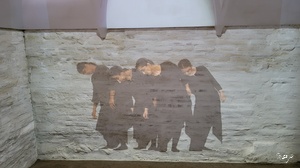
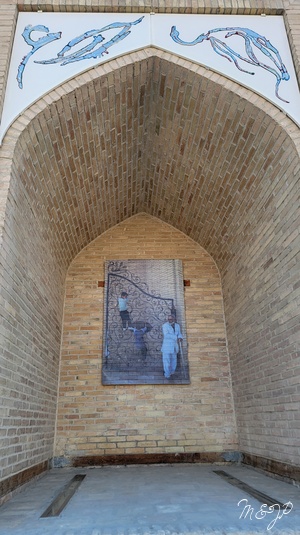
In one of them we wandered around the art installations while listening to the beautiful stories of the Indian-Canadian poet Rupi Kaur from the book 'Milk and Honey'!
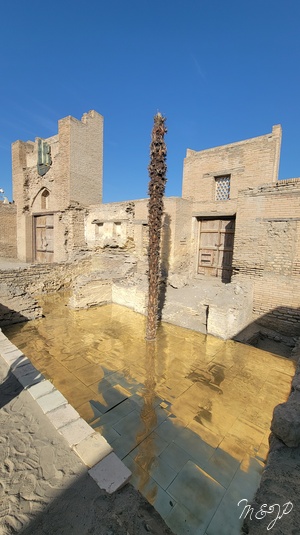
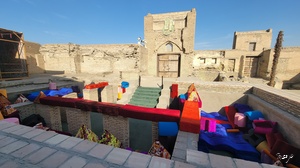
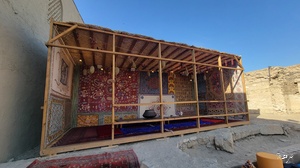
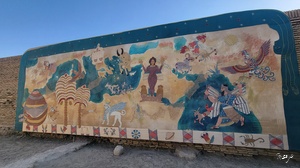
Bukhara’s strategic position in the heart of the trade routes, which brought wealth to the city and explains the popping up of splendid madrasahs, mosques, bazaars and caravanserais, is also the reason it was coveted by many rulers throughout the centuries, changing hands from one conqueror to another.
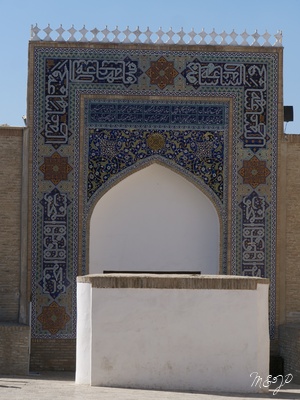
Fortress - Therefore, it makes perfect sense that the city also features a massive fortress - the Ark of Bukhara, which is as symbolic as its trading domes and its Kalon Minaret. It is located on an artificial hill on one side of a square, called Registan Square (the same name as the famous square in Samarkand), opposite the Bolo-Hauz Mosque. Around the fortress, there used to be caravanserais, houses of rich merchants and even a madrasah.
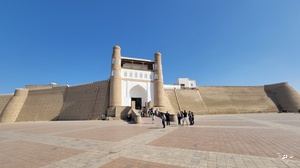
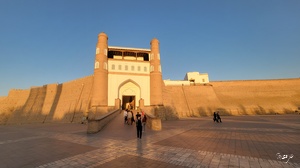
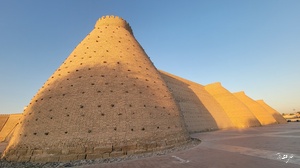
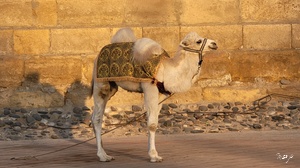
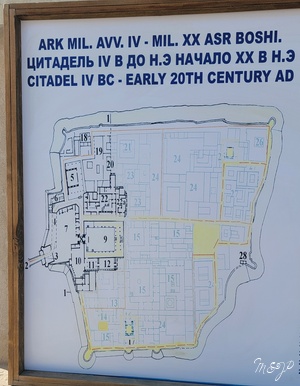
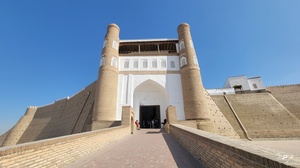
This impressive citadel with seemingly impregnable defensive walls was initially built in the 5th century. It was the main residence of Bukhara’s rulers for many centuries, and on its territory there was a palace, reception halls, a library, a mint, a bathhouse, a prison, mosques and much more. However, it was destroyed, rebuilt and repaired many times. The main structures that still remain - the front gates with two cylindrical towers, the palace mosque, the prime minister’s courtyard, the throne hall, the greeting courtyard and the stables - date from the 16th-20th centuries.
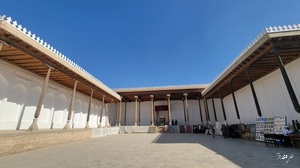
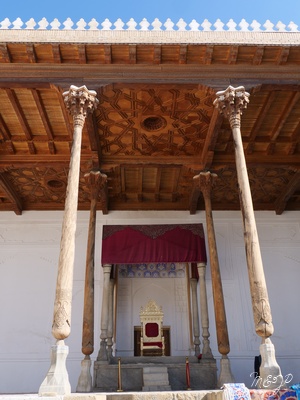
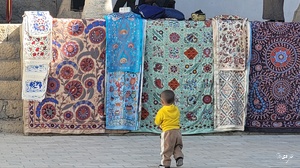
The Ark has witnessed many bloody conflicts. In 1220 when the armies of Genghis Khan captured Bukhara, the city’s inhabitants sought refuge within the fortress, but the Mongols broke through, killed the defenders, looted its treasures, and razed the structure. Just before it fell to the Red Army troops in 1920, over 2,000 people lived inside the citadel. The last emir of Bukhara, who escaped to Afghanistan with the royal treasury, ordered the Ark to be blown up so that its sacred places (especially the harem) could not be defiled by the Bolsheviks. The fortress is massive - its total area covers almost 4 hectares, the length of its walls is almost 800 meters, and its height above the Registan Square ranges from 16 to 20 meters.
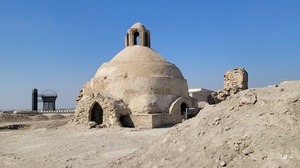
The views of the Kalon Mosque from the citadel are spectacular!
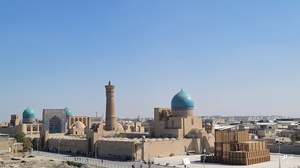
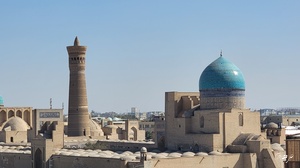
The palace mosque inside the Ark’s walls, built in the 18th century, is surrounded on three sides by a gallery of wooden pillars.
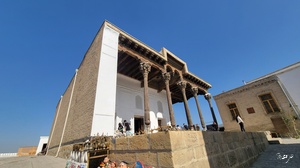
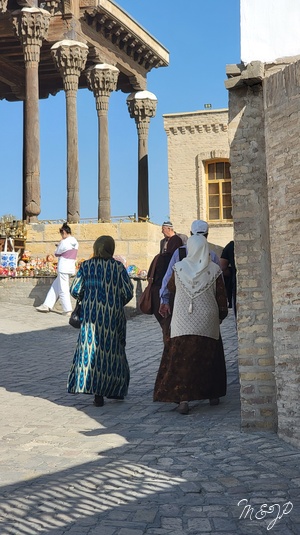
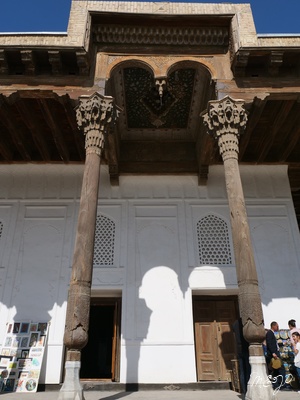
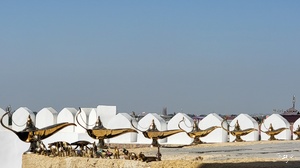
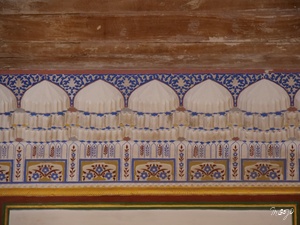
It also features richly decorated ceilings…
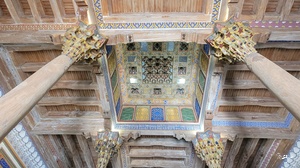
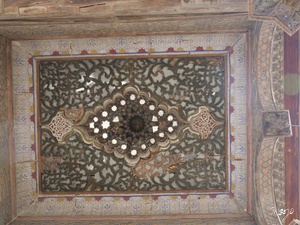
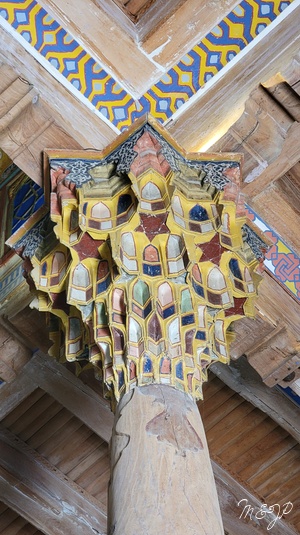
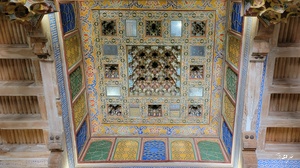
The wall paintings are exquisite as well. Nowadays, the mosque displays stunning manuscripts and other artefacts from the 17th-20th centuries.
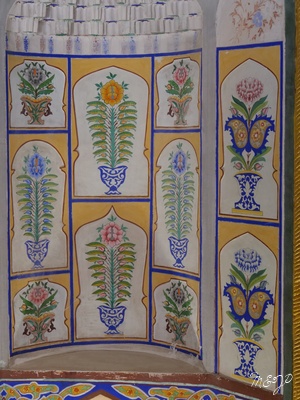
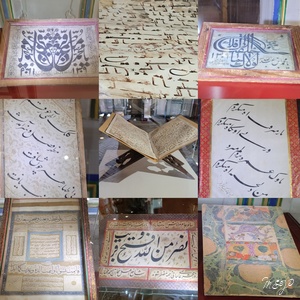
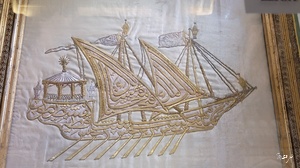
The other buildings of the citadel have also been turned into museums, housing various artefacts.
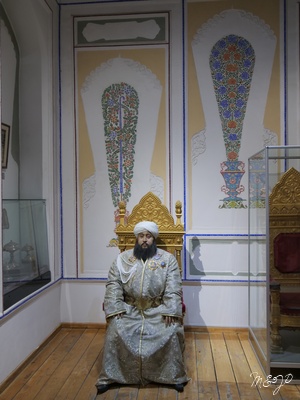
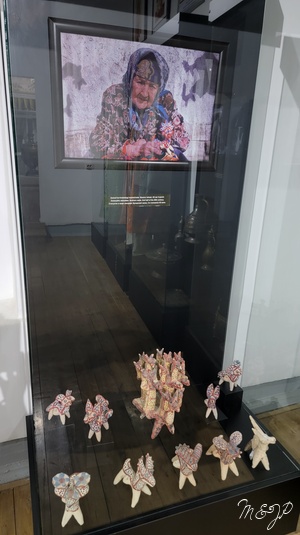
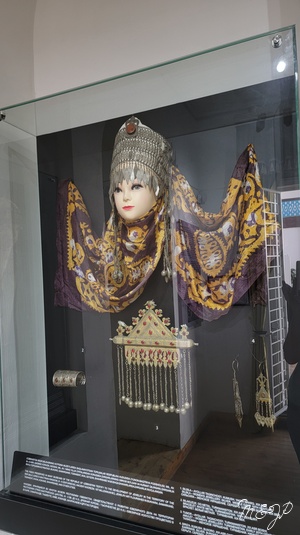
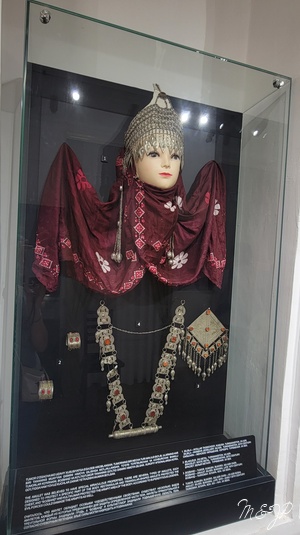
Amongst them you will find some incredible pieces of jewelry. The most impressive ones were the tilla-bargaks - traditional wreaths worn over the scarves by noble women and made of white metal, gilded and adorned with semi-precious stones and beads.
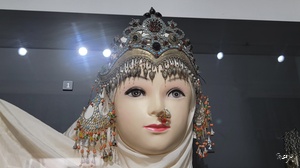
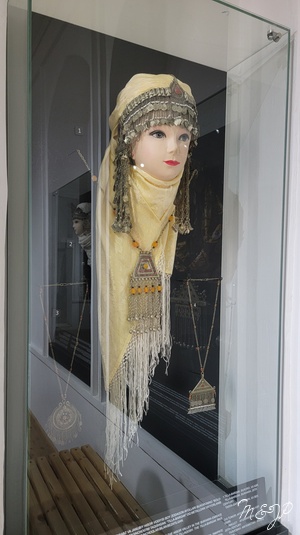
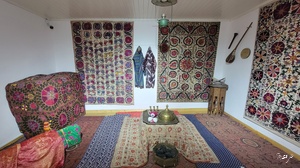
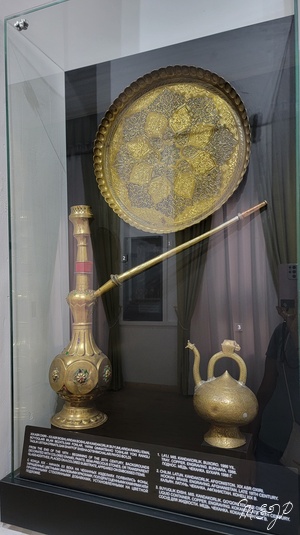
The exhibitions also include objects from daily life in Uzbekistan, such as traditional clothes, skullcaps and daggers, as well as hookahs, vases, trays and bowls.
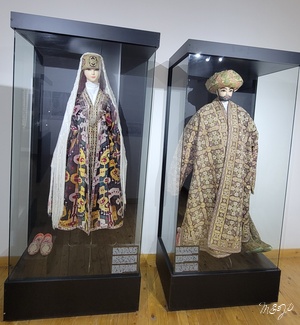
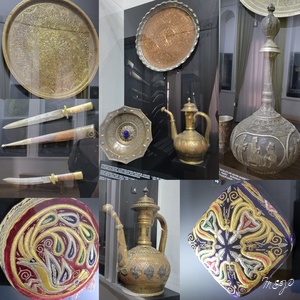
If you are interested in European-style palaces, you can also visit Sitorai Mokhi-Khosa, located 20-min away by car from the city center. The summertime country residence of the last emir of Bukhara was built in the early 20th century and he only used it for two years before being chased by the Bolsheviks. Currently, it houses a museum of decorative and applied arts. Since we had already seen similar palaces and museums and there was so much to see in the city itself with the biennial, we skipped it.
While we were in Bukhara, we also explored, of course, its culinary wonders.
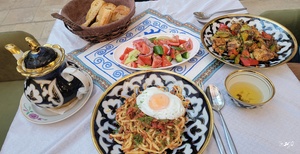
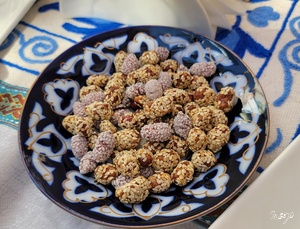
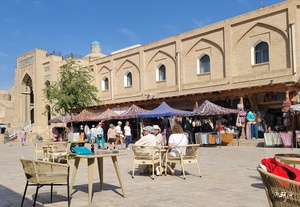
Cuisine - Our favourite restaurant in the city where we had many lunches and dinners was Zolotaya Buhara. Besides its outdoor sitting in the heart of the city, it offered delicious traditional Uzbek cuisine and had a really impressive list of teas, which came with peanuts robbed in sesame and other local sweets and nuts!
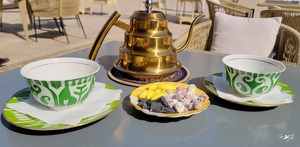
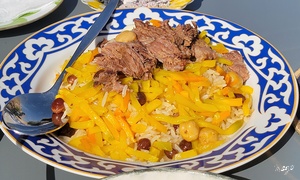
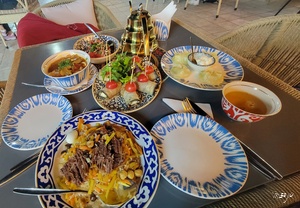
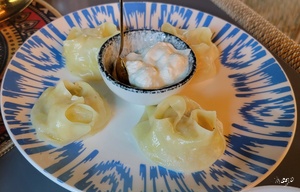
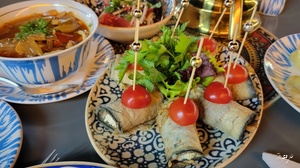
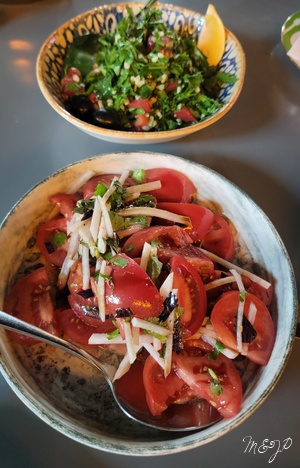
Our absolute favourite was the lagman soup with egg noodles and beef - it was full of flavours and reminded us of South East Asian cuisine. We also loved the eggplant rolls stuffed with cheese and walnuts, the amazing salads including the Anor-ob salad made with tomatoes, radish and pomegranate seasoning and the Kuk salad made with fresh greens and bulgur, the bichak - an unleavened pastry stuffed with farmer cheese and fresh herbs, the pumpkin manti with yoghurt sauce, and the star of all meals in the country - the famous plov! In the museum of the Maghoki Attori Mosque we learned more about the local version of the plov - Sofi osh, prepared with carrots, rice, onions, meat and quail eggs, cooked in zigir oil (or linseed oil with flax, sesame and other seeds). In Sofi osh nothing is fried, and therefore the dish is not harmful to the human stomach and is a source of energy. Also, it is cooked only in a copper cauldron, copper being a metal in which infection quickly dies. A 10th-century philosopher and physician of the Muslim world has allegedly said about it that 'there is a dish that, if a patient eats it when he is sick, weakness will be eliminated.'.
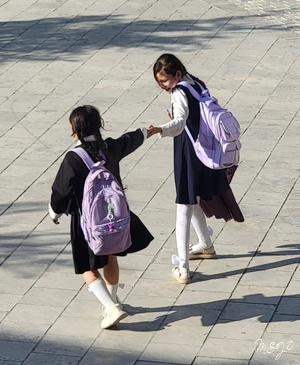
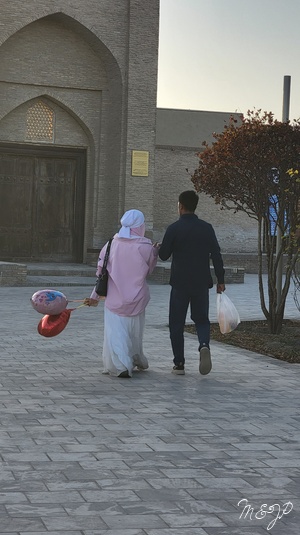
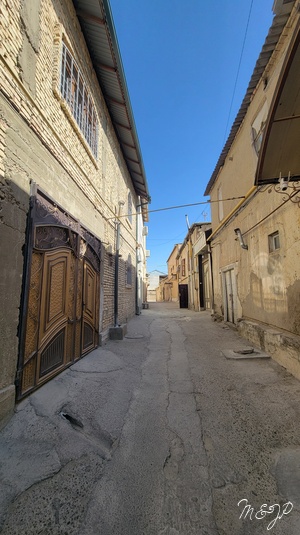
However, what we loved the most about Bukhara was just wandering leisurely along the tiny lanes with mudbrick houses of its old town for hours, coming across women gossiping in front of their porches and kids playing around after school. When we greeted them with a 'Salam', huge smiles showed up on their faces and it seemed to delight them. Some of the kids were practicing their English with us and were incredibly cute! Instead of a trivial hotel, we had chosen a traditional guest house with an incredible internal courtyard ten minutes away from the Lyabi-Hauz Square, and were crossing the city several times a day, getting lost in its beautiful streets… Opposite our guest house there was a tiny local active mosque, and every day we were coming across the devotees and going to sleep with the call for prayer… It was authentic and magical! We felt like time had slowed down…
The sunsets, combined with the live concerts in the streets, were spectacular as well!
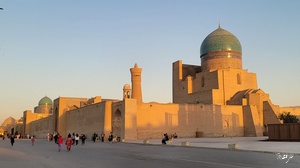
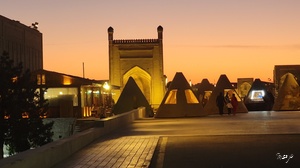
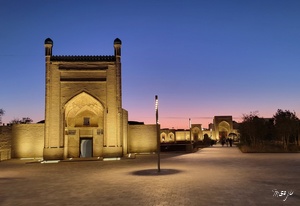
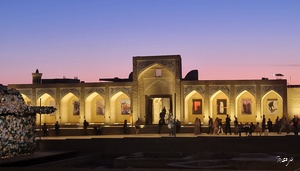
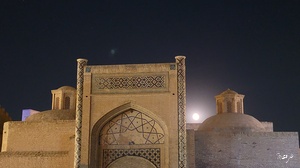
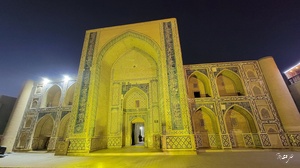
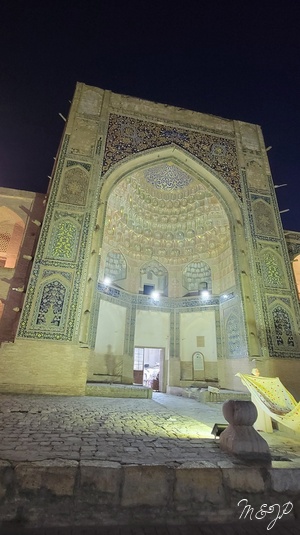
Do not miss Bukhara by night either!
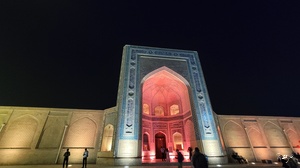
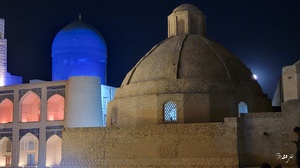
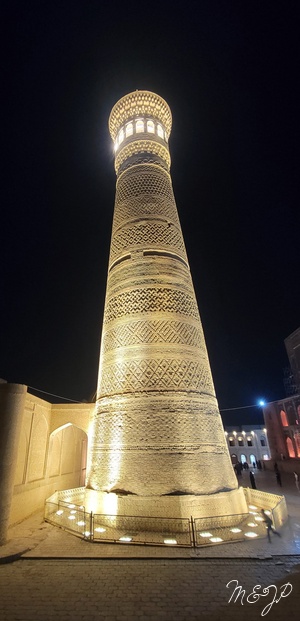
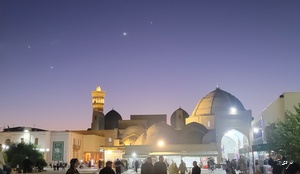
It is beautiful and will show you the city under a different light…
After so many architectural, art and culinary discoveries, we continued to follow the ancient Silk Road route to the west towards another iconic trade city, preserved for over 2,500 years - Khiva.

You like what you read?
Explore and learn more about Uzbekistan !!!
-
 P for Paradise and Provence (part 2)
Stunning nature - You cannot leave Marseille without hiking to … -
 P for Paradise and Provence (part 1)
France used to be divided into historical regions, which do … -
 The Valley of Roses and Kings (part 2) The Valley of Kings
The Valley of Roses is famous not only for its … -
 The Valley of Roses and Kings (part 1) The Valley of Roses
Out of all the flowers in the world the rose … -
 In the heart of the Silk Road (part 4) Khiva and the Desert Castles
Khiva - It took us 6 hours, almost a whole … -
 In the heart of the Silk Road (part 3) Bukhara
Bukhara - While Tashkent is a modern city with some … -
 In the heart of the Silk Road (part 2) Samarkand
Samarkand - No name is so evocative of the Silk … -
 In the heart of the Silk Road (part 1) Tashkent
The Great Wall of China, Machu Picchu, the Pyramids of … -
 The Land of Giants at the End of the World (part 2)
We crossed for the third time the border between Argentina … -
 The Land of Giants at the End of the World (part 1)
No visitors come back from Antarctica in the same state … -
 A Vitamin Sea Christmas in the Mediterranean
Human beings are full of contradictions! When we used to … -
 Spring Colours in the Kingdom of the West (part 6) Morocco is yellow
Morocco is yellow - Besides the yellow hues of the … -
 Spring Colours in the Kingdom of the West (part 5) Morocco is red
Morocco is red - Besides the red hues of the … -
 Spring Colours in the Kingdom of the West (part 4) Morocco is orange
Morocco is orange - Our first encounter with the legendary … -
 Spring Colours in the Kingdom of the West (part 3) Morocco is green
Morocco is green - The Rif Mountains east of Tangier, …
