
.svg)
Spring Colours in the Kingdom of the West (part 4)
Morocco is orange
Posted by: Maria in November 2025 (10 months, 3 weeks ago)
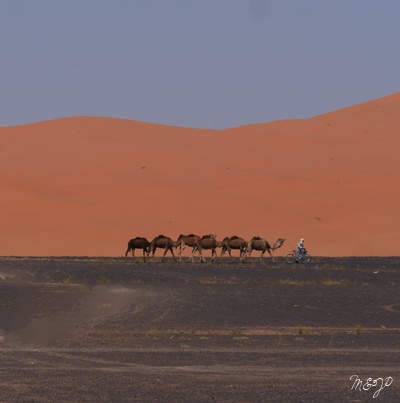
Morocco is orange - Our first encounter with the legendary High Atlas was on our way from Ifrane to Ifri, after having crossed Midelt - the entry point to the highest mountains in North Africa. We had to wait a little bit longer for a closer look at their snow-capped peaks though!
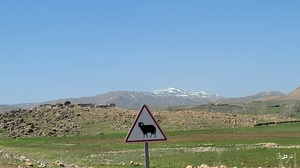
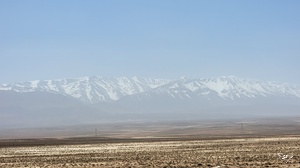
Our first impressions of the High Atlas were actually of another, more hidden, face of the famous mountains…
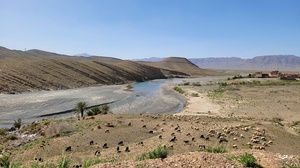
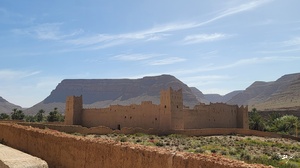
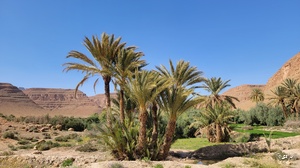
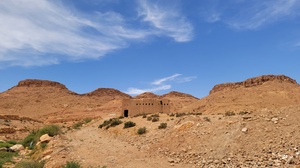
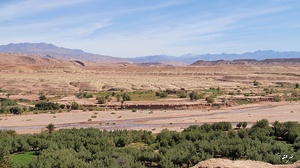
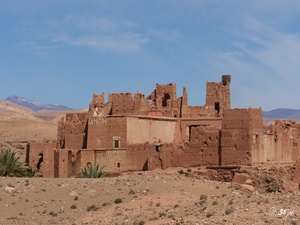
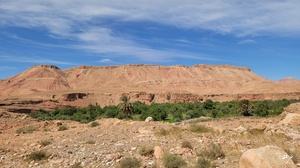
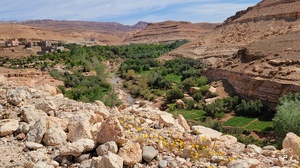
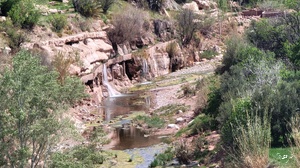
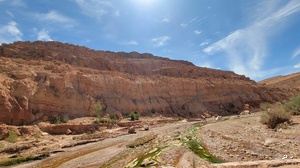
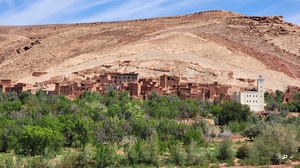
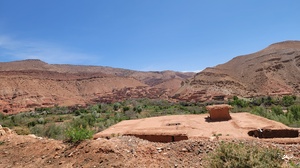
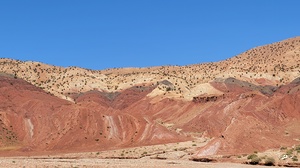
Spectacular orange cliffs, ksour (fortified villages) and kasbahs, turquoise rivers and green oases!
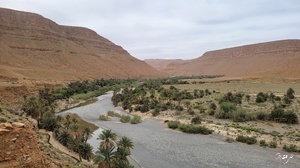
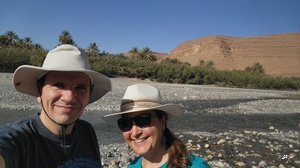
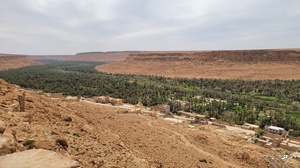
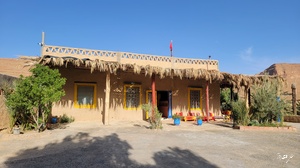
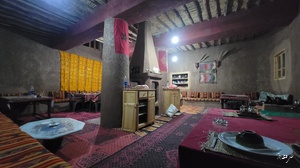
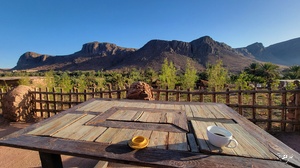
We stayed at a lovely local house in the stunning Ziz Valley and Gorge - Gite d’etape Luna Del Fuego, which, despite being quite simple, was one of the highlights in terms of accommodations on our trip.
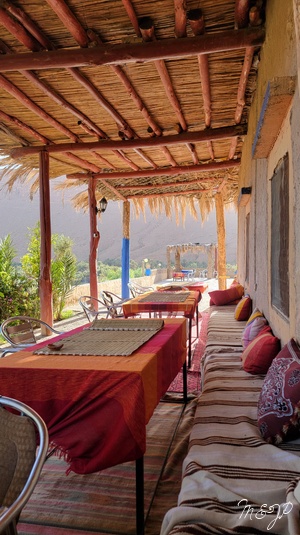
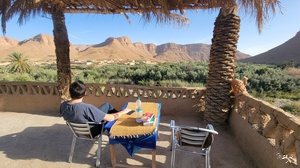
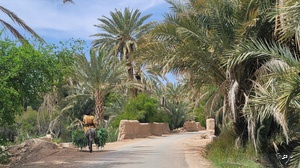
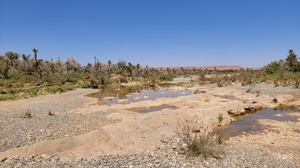
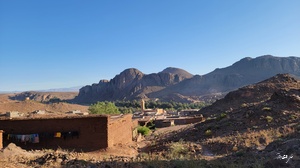
The views of the dramatic landscape carved by the Ziz River, the mud-walled villages and the oases with lush green palmaraies (palm groves), surrounded by the orange cliffs that turned red at sunset, were simply breathtaking!
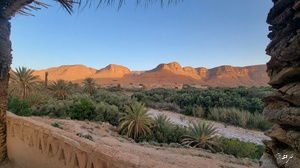
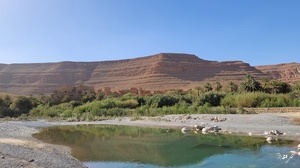
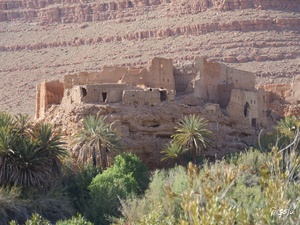
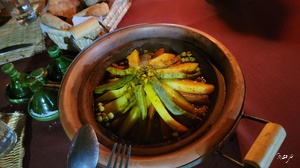
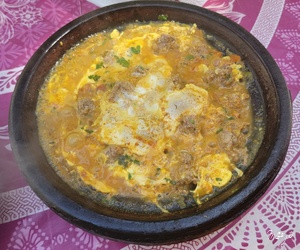
And last but not least - the homemade kefta tagine and bread prepared by our lovely host were beyond delicious!
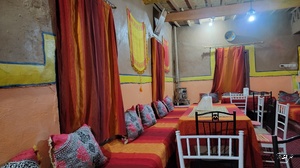
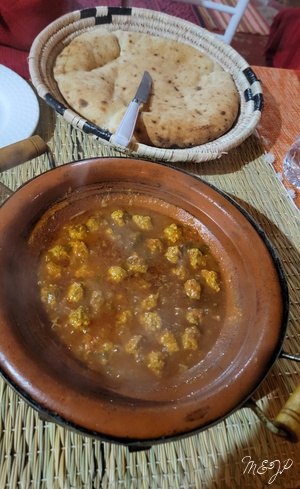
After that delightful experience, we decided that it would be more logical to head first to the desert, and explore the snow-capped mountains of the High Atlas a little bit later on our way up north to Marrakesh.
Morocco has two gateways to the Sahara Desert - Merzouga and its Erg Chebbi dunes, the most famous ones where almost all tourists are drivven, and M’Hamid and its Erg Chigaga dunes, which are less known and more remote, and therefore less visited.
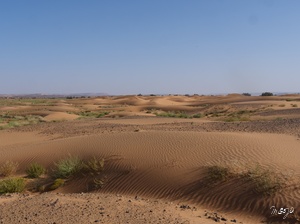
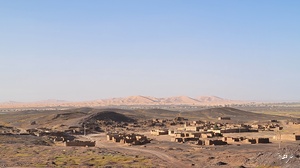
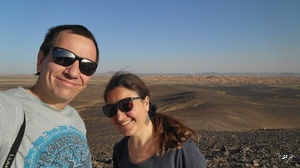
Ergs (translating into "dune fields" from Arabic) are large seas of dunes, formed by wind-blown sand, with little or no vegetation.
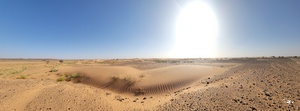
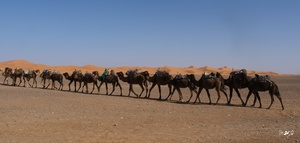
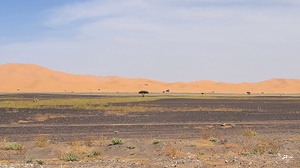
We decided to give the Erg Chebbi dunes a try since they were the most accessible ones - there was a paved road to, and many accommodation on offer in, Merzouga.
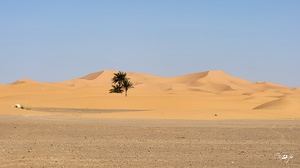
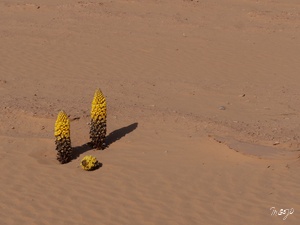
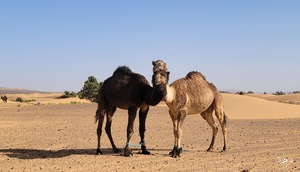
We had also read that the Erg Chebbi dunes were the highest and most impressive dune system in the country, with heights reaching at some places up to 150 meters from the surrounding hamada (rocky desert). This made them much higher than the Dune of Pilat in France, the tallest sand dune in Europe with a height ranging between 100 and 115 meters.
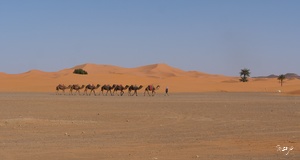
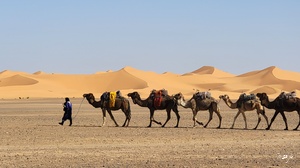
The size of the Erg Chebbi dunes was impressive as well - they spanned an area of approximately 28 kilometers from north to south and 7 kilometers from east to west, lining the Algerian border! In case you thought that it would be a great idea to hop for a quick trip to Algeria, you should know that the land border between the two countries has been closed since 1994…
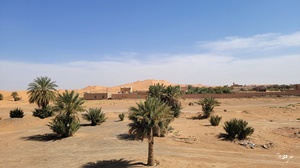
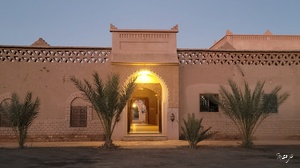
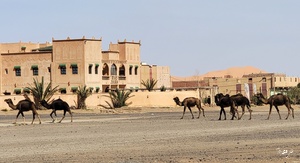
Upon our arrival, we were surprised to discover that Merzouga was quite touristy and looked almost like an amusement park.
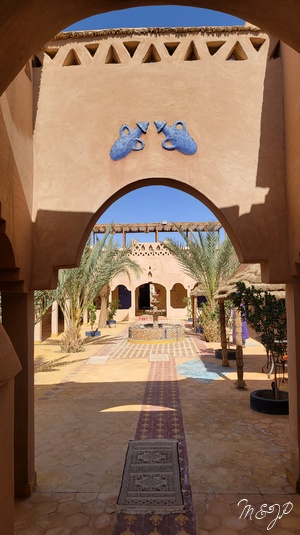
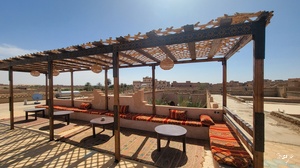
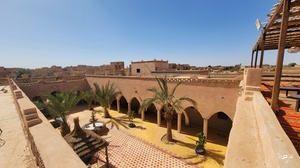
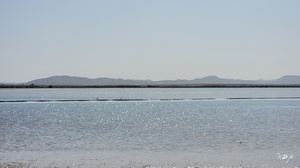
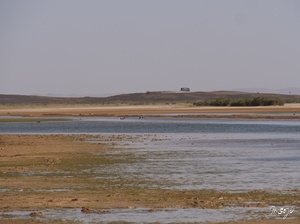
We decided to give it a try anyway and booked a day tour to the desert. First, we stopped at Yasmina Lake - one of the two seasonal lakes (the other one being Dayet Srij Lake), which appear after rainfall and attract flamingos. While we did not see any flamingos, there was an impressive amount of water, and several other birds were enjoying this miraculous oasis in the middle of the desert!
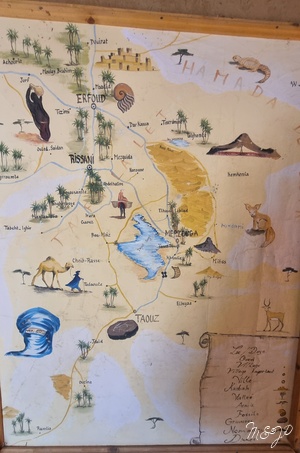
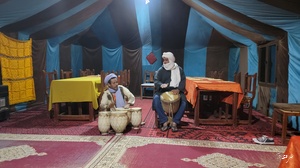
We also stopped in the village of Khamlia for a private gnawa performance. These songs and rhythms, combining ancient West African practices, Arab-Muslim influences and native Berber cultural performances, have been inscribed on the UNESCO Intangible Cultural Heritage of Humanity since 2019.
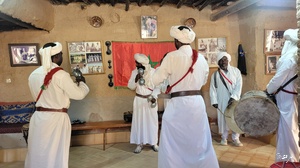
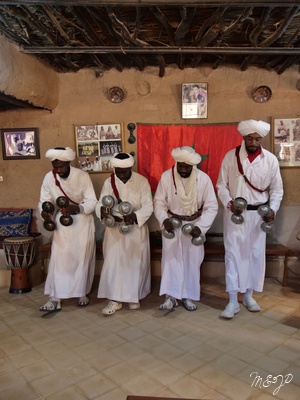
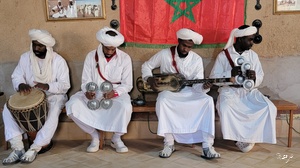
The performers were the dark-skinned descendants of sub-Saharan Africans, brought as slaves to Morocco centuries ago. There was something spiritual and almost religious in each song, where one phrase or a few lines were repeated over and over again…
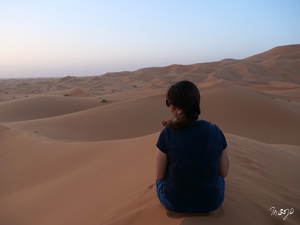
The tour finished with our first sunset over the dunes! Even though the camps were aligned one after the other along the dunes, it was easy to walk a little bit further away from the amusement park, turn your back on the crowds of tourists enjoying their dinner, and just watch the magic of the setting sun turning this "sand sea" in glowing gold, red and orange.
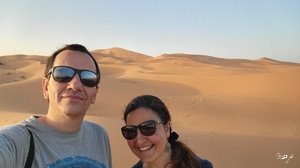
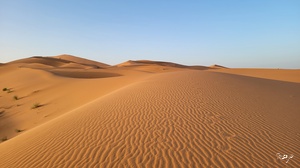
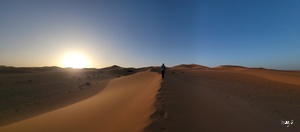
It reminded us of our recent trip to the Namib Desert - it was so pleasant to walk around on the cool sand…
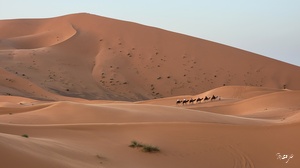
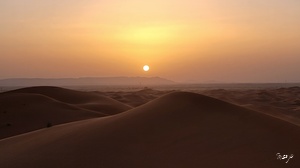
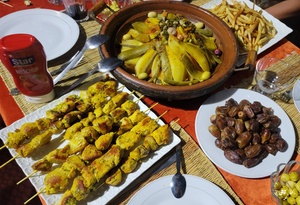
A dinner of lamb tagine, marinated chicken skewers and harira was waiting for us in the camp after the walk, and I must admit that it was delicious, like any other food we tasted in Morocco!
However, we were happy we had not booked a camel ride or a night in the Erg Chebbi desert - all the camps along the dunes did not feel authentic at all… We shortened our stay, almost running away from Merzouga, and headed to M’Hamid for a last minute booked one night in the Erg Chigaga desert! And this happened to be our most amazing experience in Morocco!
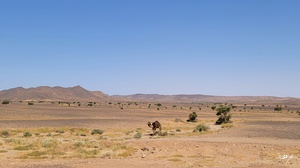
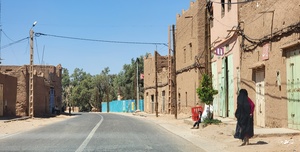
M’Hamid is located in the Draa Valley, still in the southeastern part of the country but a 5-hour drive away from Merzouga, and boasts some beautiful scenery. The only hiccup is that the Erg Chigaga dunes - the largest ergs in Morocco, covering an area of approximately 40 kilometers long by 15 kilometers wide - are located about 56 kilometers southwest of M’Hamid and there is no paved road to get there. Even if you have the proper vehicle to drive through soft sand (which we did not), it is quite easy to get stuck or lost in the vastness of the "sand sea"…
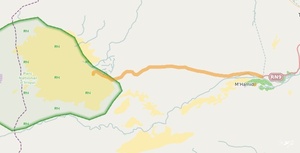
This is where Bivouac le Charme d’Aladdin was the perfect choice as they drove us through the desert to their camp after we had left our car with them in M’Hamid. The 4WD ride was quite sporty and shaky and lasted more than an hour, but it was definitely worth it. The other option - a several day-camel ride - somehow did not seem very appealing…
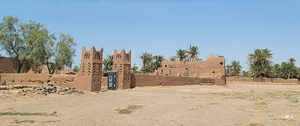
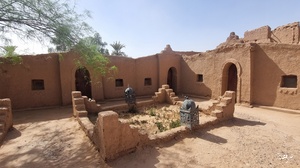
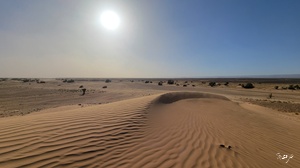
As we were getting closer to the desert camp, we saw more and more dunes and cute camels freely roaming around.
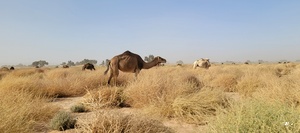
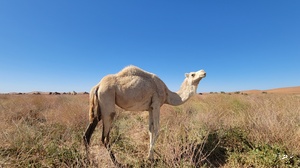
We had booked a camel ride upon arrival at the camp (even though my memories from the short camel ride in Dubai were not exciting at all…). However, the experience, which was supposed to last 2 hours, was unanimously shortened to 30 minutes…
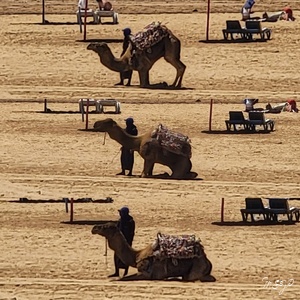
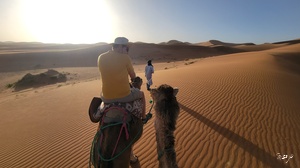
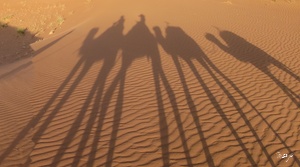
Just getting on the camels was already disorienting enough… During the 3-step process the camel uses to stand up, you might feel, at different degrees, something similar to an earthquake under your body (and I know what I am talking about after the few earthquakes we experienced in Ecuador, Japan and so on…)! The process unfortunately repeats itself when you have to get off the camel, and you do not have any choice here, unless you are ready to spend the rest of your life in constant and unbearable pain! Nobody is exactly graceful on the saddled humps of these cute animals, but I guess that this was the least of our concerns. The side-to-side sway was something we could not get used to, and the biggest hurdle was actually the surface we had chosen - we were completely crazy to do an already bumpy enough camel ride on the uneven surface of some of the highest dunes on the planet! Each time the camel was going up or down a dune, we were clinging on and praying for dear life… We must have looked quite comical holding on to the saddle bars with our white-knuckled fists.
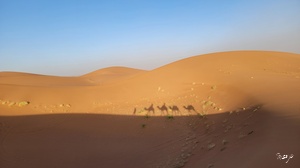
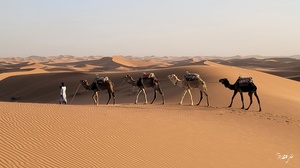
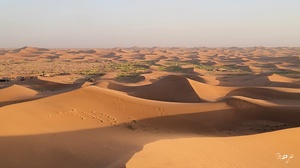
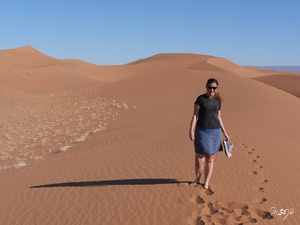
So we decided to continue on foot and enjoy the sunset from the top of the highest dune we could spot, and it was a stunner!
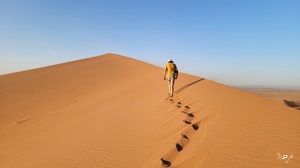
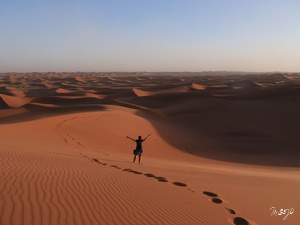
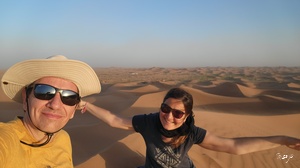
While the Erg Chigaga dunes, rising to just 80 meters, are not as high as the Erg Cheggi ones, they are as spectacular, and have the advantage of remaining authentic and far away from the crowds.
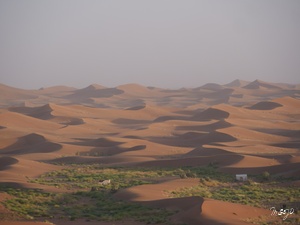
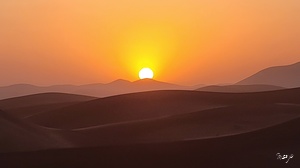
When we returned to the camp, we realised that it had only around 10 tents and was literally surrounded by the dunes, with no sight of any other camps around.
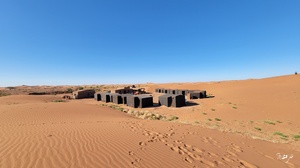
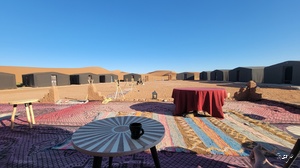
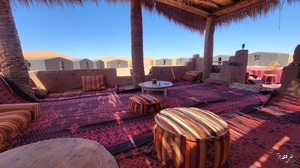
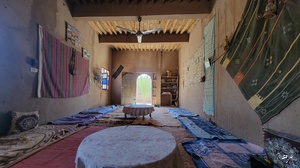
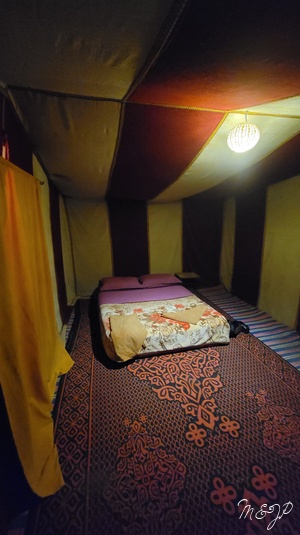
The interior of our tent was simple, but very comfortable and authentic.
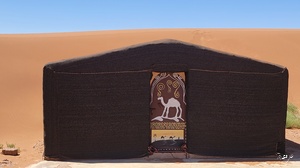
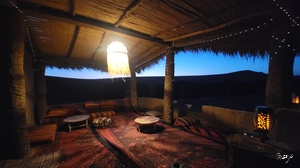
And then the magic began…
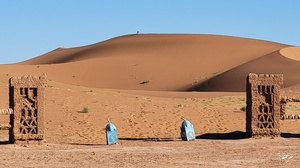
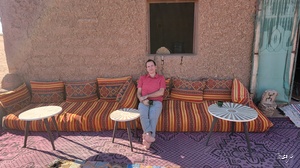
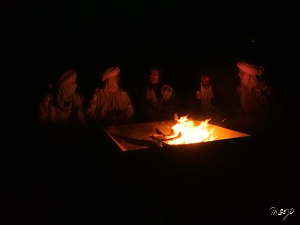
The silence of the desert, the delicious food, the amazing live music around the fire in the evening, the walks on the vast dunes, and the warmth of the blue-robed Berber people in the camp, who all looked like Aladdin, were simply amazing! The name of Bivouac le Charme d’Aladdin was spot on!
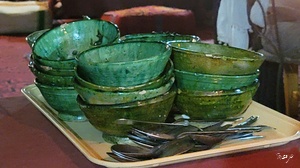
I almost felt like Scheherazade in a fairytale of One Thousand and One Nights or in a movie set…
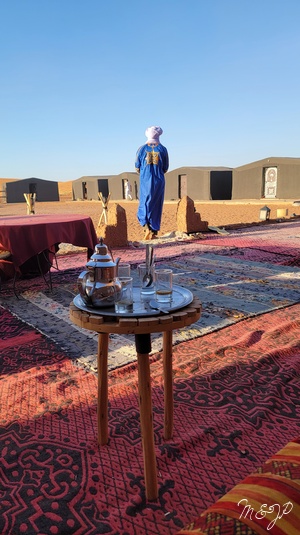
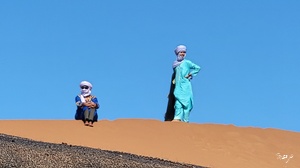
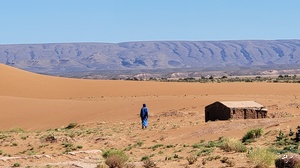
We were supposed to stay only one night, but loved it so much that extended for a second night! We wished we could have stayed even longer, but there was still so much to see in Morocco that we decided to come back for a longer period of time in the future.
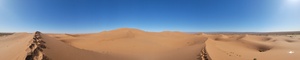
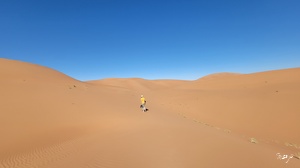
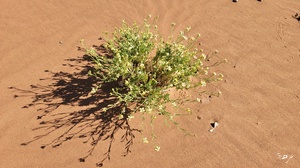
The place is perfect for a spiritual or meditative journey away from the world for a week or two, or to simply recharge your batteries for a couple of days. With the nearest streetlights several hours away, the stars had never been so bright or felt so close…
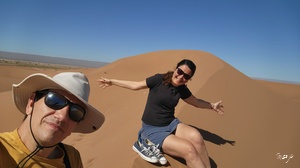
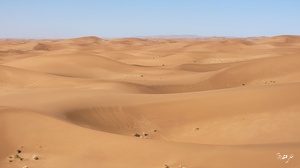
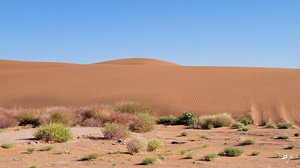
We understood why the desert was also known as the "sand sea", and the camels as the "ships of the desert"…
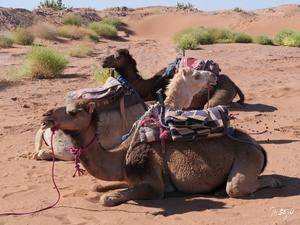
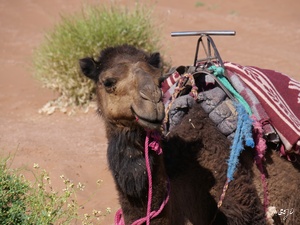
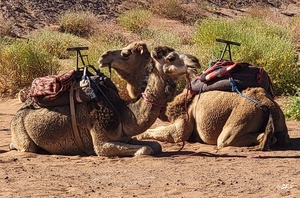
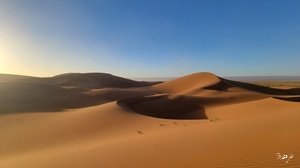
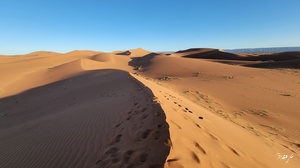
The sand patterns on the dunes were like the Arabic writing - elegant and mesmerising.
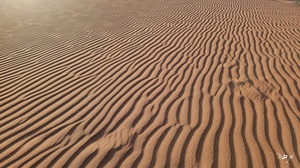
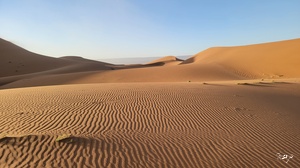
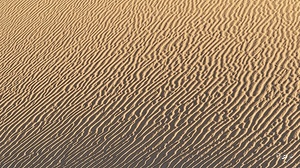
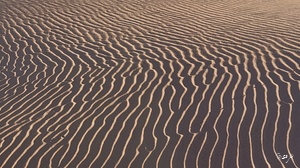
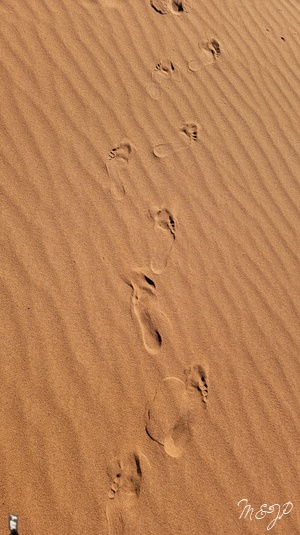
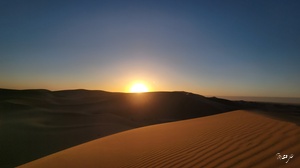
The best part of the day was walking barefoot on the sand, and sitting on the top of the highest dunes to watch the sun rising above them in the morning or setting behind in the evening.
The views of the oases in the distance were like a mirage…
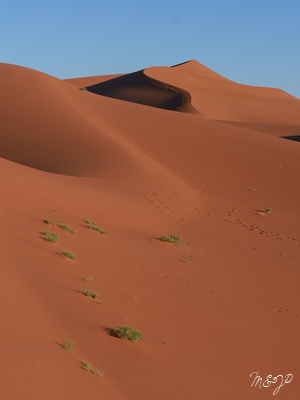
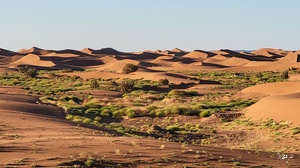
Even though we were there in April, the heat during the day was already too unbearable to walk in the desert, and so we enjoyed the calm in the coolness of our tent, reading a book or simply dozing. You should bear in mind that it is impossible, or rather an utter craziness, to visit the desert during the summer months between May and September - the heat will be scorching. Also, beware of the wind that might be quite strong and explains the practical, still elegant, turbans (chèches) the Berber people tie around their heads to protect their skin and eyes from the sun and the sandstorms.
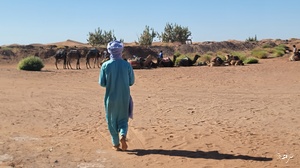
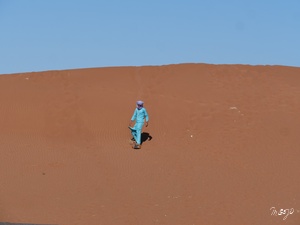
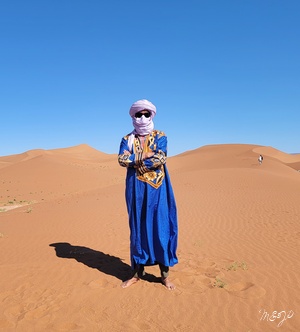
The Sahara Desert is a Berber country. Morocco features not only a variety of landscapes, but also of people, cultures and languages. The indigenous population of Morocco (and the whole Maghreb region of North Africa) who have inhabited the area for millenia are the Berbers, who proudly call themselves Imazighen (the singular is Amazigh), meaning "free men".
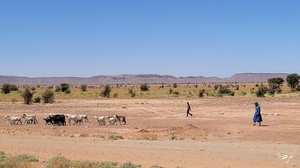
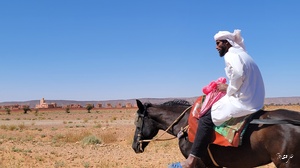
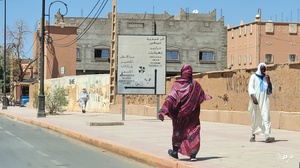
They constitute around 30% of the population, while the Arabs - who originated from the Arabian Peninsula, were Muslims and conquered Morocco starting in the mid-7th century CE - form the majority ethnic group of around 67%.
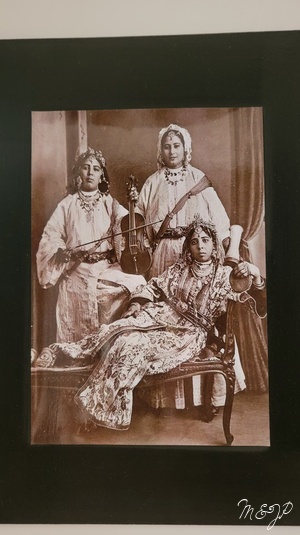
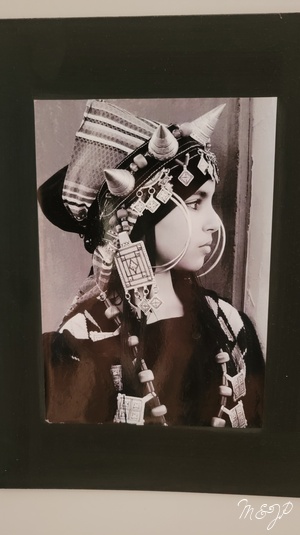
Before the Arab conquests, most Berbers were Christian, Jewish, or practiced indigenous religions, but the majority eventually converted to Islam over time. However, they have managed to preserve their unique culture, languages and even their own flag.
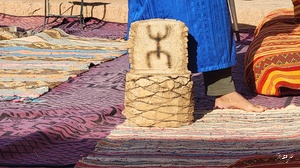
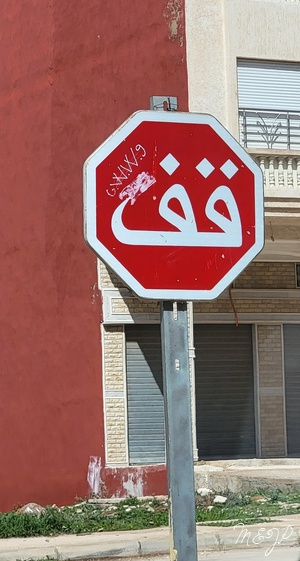
On top of the Moroccan Arabic, around 50% of the Moroccan population speak a Berber dialect, mainly one of the three major Amazigh dialects of Tarifit, Tachelhit and the prevalent Tamazight. Following our rule to try to learn at least the basic salutations in the language of any country we travel to, we managed to pick a couple of words in Tamazight from our new friends from the desert. For example, "Aït" means "children of" ("Aït Atta" means "children of Atta", referring to their ancestor Atta) and "Ma kanech mochkil" means "No problem" or "No worries". Even though we loved the sound of it, Tamazight seemed quite difficult to pronounce. It was even harder than the Moroccan Arabic, from which we had picked a few words as well. They were all very helpful during the entire trip - "salaam alaikum" or simply "salaam" for "hello", "baslamma" for "good bye", "choukran" for "thank you", "bismillah" (meaning "in the name of god" and used before prayer or any daily activity, including before meals as "bon appétit" or "enjoy your meal"), and the most important of them all - "inshallah" (meaning "if God wills" or "God willing", or the equivalent of "Pura Vida" in Costa Rica and "Hakuna Matata" in Kenya). The latter was used everywhere, all the time and in any circumstances! A true story is that when we booked our accommodations, we sometimes wrote "See you tomorrow" to the owner, who quite often answered with "See you tomorrow, inshallah!". This word, the meaning of which is close to the Indian "karma", is the quintessence of the Moroccan identity. It might even explain the crazy speed on the roads (despite the presence of the numerous stop signs and police checkpoints), or the people leisurely crossing literally in front of the fast-driving cars… Everything in Morocco is in God’s hands…
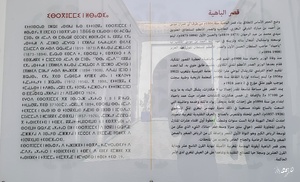
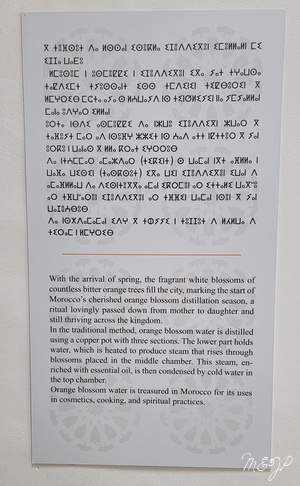
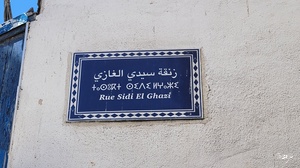
The Amazigh people also have their own beautiful writing - Tifinagh, which reminded me a little bit of the initial Cyrillic alphabet, and is widely used across the country along with the Arabic writing.
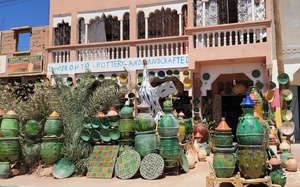
In addition to the Sahara desert, you will come across these fiercely independent tribes further north in the Anti-Atlas and the High Atlas, where thousands of mud-brick kasbahs and ksour - Morocco’s own "Orange Cities" - will pop up like mirages in the rocky deserts or on the steep cliffs of the spectacular gorges, surrounded by lush oases. You will quickly realise that not all deserts are made of sand - most of them are actually made of rock, and not all oases are lakes in the middle of the desert - most of them are just green patches of palm groves.
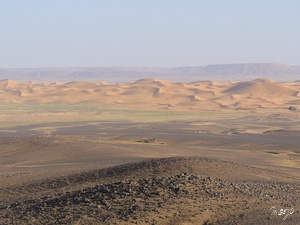
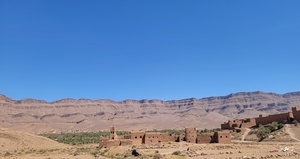
As many oueds (rivers) are dry most of the year, the oases are networked by communal wells and irrigation channels (khettara) - the lifeblood of the Moroccan south. You will be surprised at how many varieties of fruits and vegetables can be grown there, including the ubiquitous dates, pomegranates, figs, and olives.
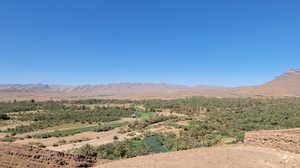
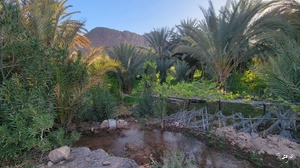
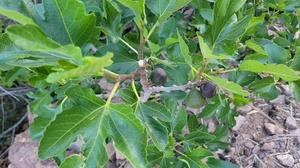
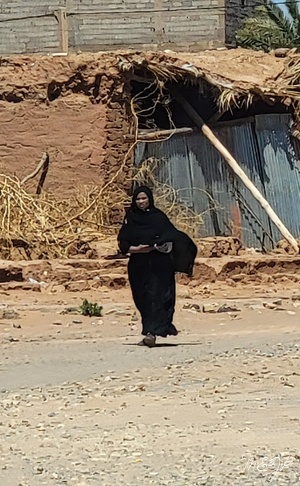
The most authentic part are the ancient traditions still present in this arid region. While you venture further south, it will become rarer to take a glimpse of a woman’s face, as women stay out of sight in this ancestral culture.
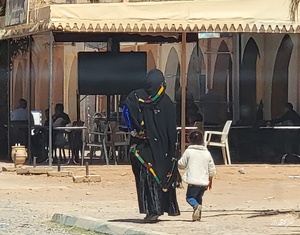
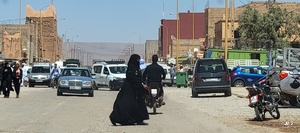
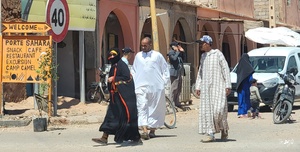
While we were driving through the Draa Valley - the getaway to the desert located between the foothills of the Anti-Atlas and the Saharan immensity, some of the most stunning views during our road trip started to appear in front of our eyes…
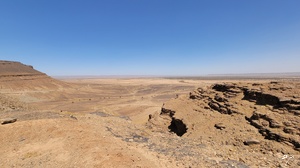
The region was an endless succession of ksour, oases with palm groves, and kasbahs that used to house the caravans when the area used to be the crossings of ancient routes of desert-traders’ dreams…
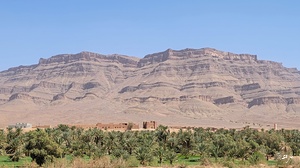
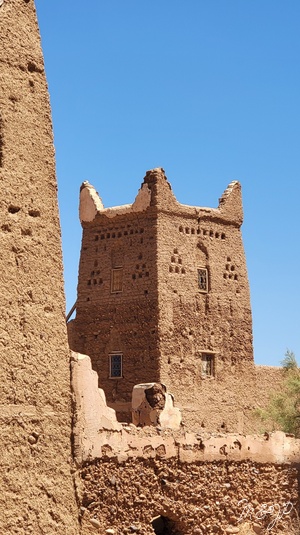
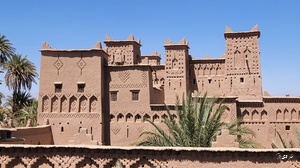
There was so much to see that we stayed for a couple of nights in the beautiful Riad Dar Sofian in Zagora and Dar Amzir in Agdz, and it almost felt like we were in heaven…
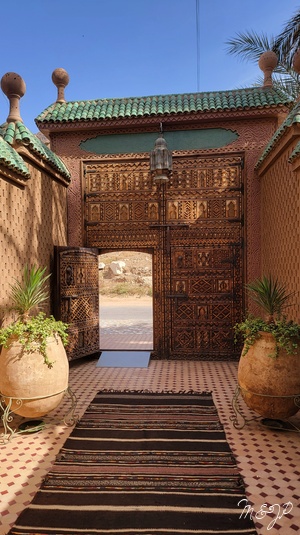
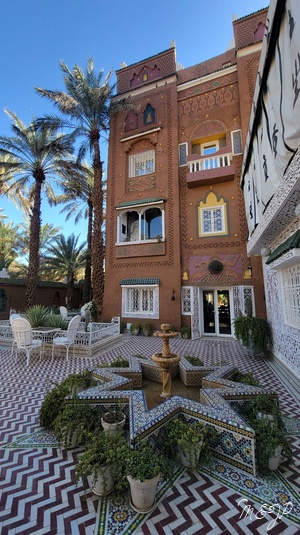
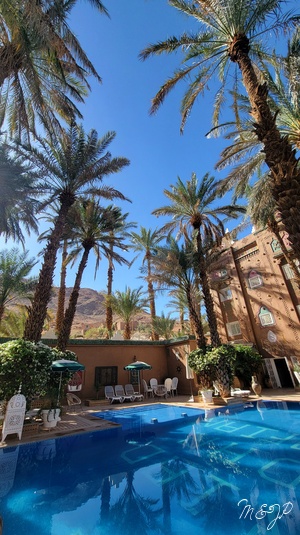
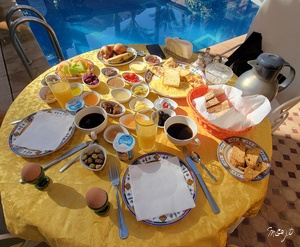
The dinners and breakfasts were delicious, and the interior of both places looked so charming…
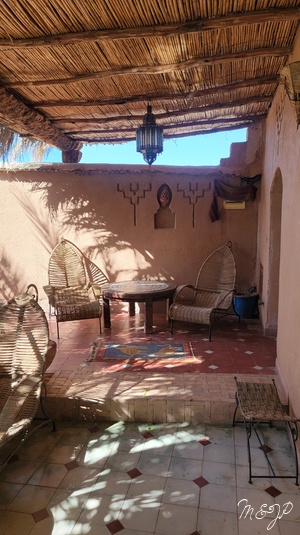
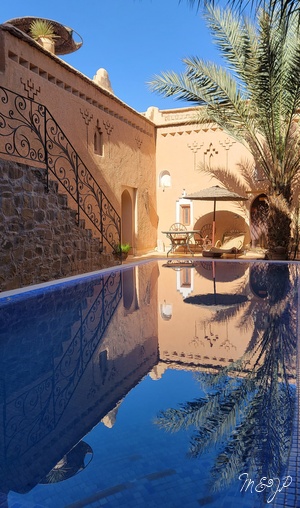
We did not have time to wander around Zagora, but did so in Adgz which felt really authentic. We walked to the souq to buy some dates, and came across many locals running their daily errands or getting home from work or school.
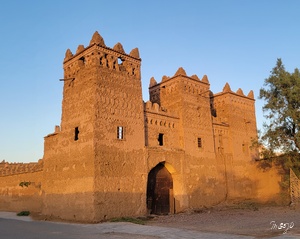
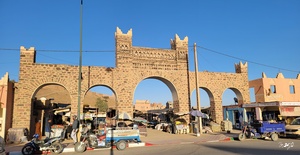
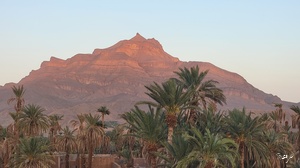
After the Draa Valley, we continued towards another gorgeous region - the Dadès Valley and Gorges and the Todra Gorges, both located in the High Atlas, and respectively carved by the Dades and Todra Rivers over millions of years.
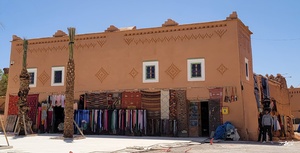
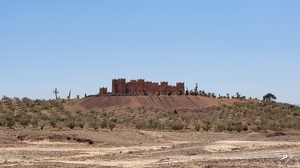
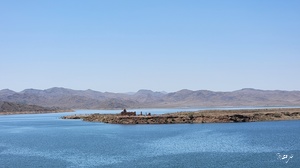
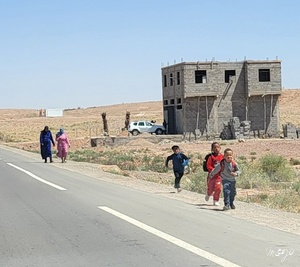
In order to reach the Dades Gorges from Ouarzazate, we had to drive along the Dades Valley between Skoura and Boumalne Dades.
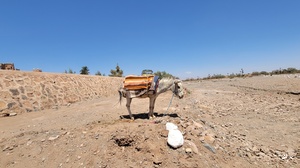
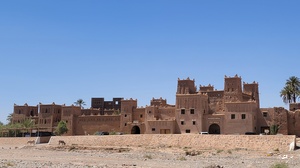
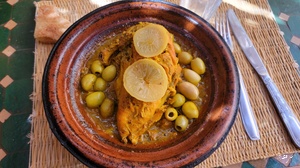
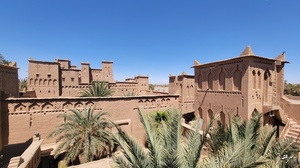
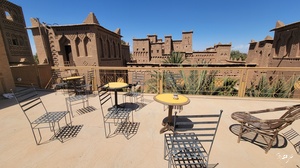
We stopped for a delicious lunch at the stunning Kasbah Amridil - a 17th-century wonder that appears on Morocco’s 50-dirham note.
We also tried to find the roses around El-Kelaa M’Gouna, which is supposed to be the heart of the Moroccan Rose Valley, but even though we were there in May (which is the harvesting month), we could not find any rose fields - just shops selling rose products… I must admit that it was quite disappointing as we had already seen so many stunning rose fields in Bulgaria - the major producer of rose oil in the world! The area was still beautiful with lots of greenery and quaint kasbahs scattered around!
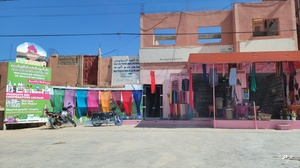
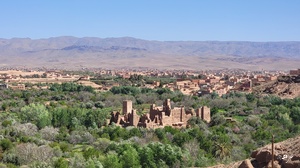
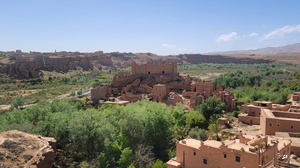
We quickly forgot the Rose Valley debacle though! When we turned at Boumalne Dades, our jaws dropped, literally! The road was winding through some spectacular scenery. The Dades Gorges looked like the Colorado Canyon, and even better!
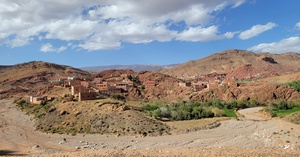
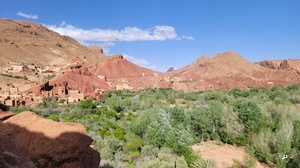
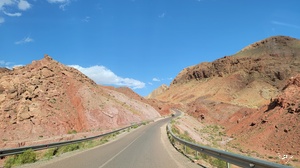
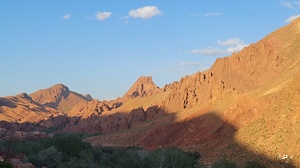
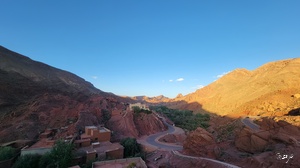
Orange ksour and kasbahs, which looked like sand castles, were perched on spectacular cliffs, surrounded by oases of greenery.
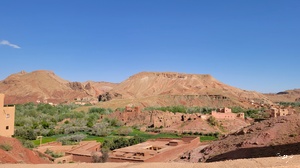
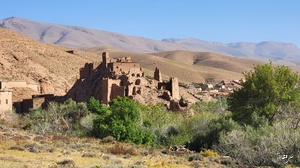
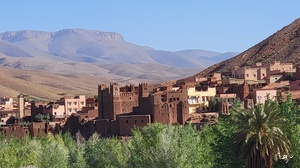
The region, also known as the "Land of a Thousand Kasbahs", was incredibly scenic…
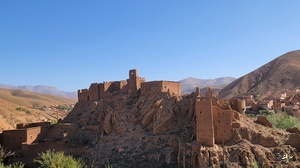
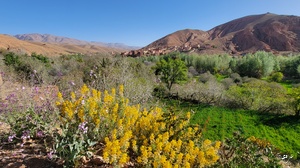
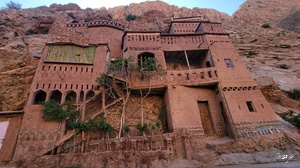
The colours and the quaint sceneries were everywhere!
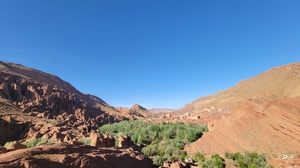
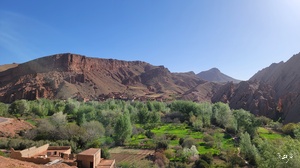
The towering canyon walls were reaching heights of up to 500 meters…
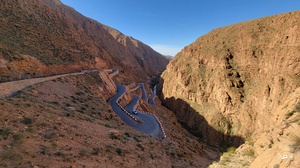
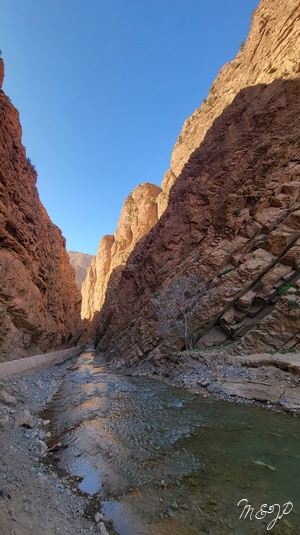
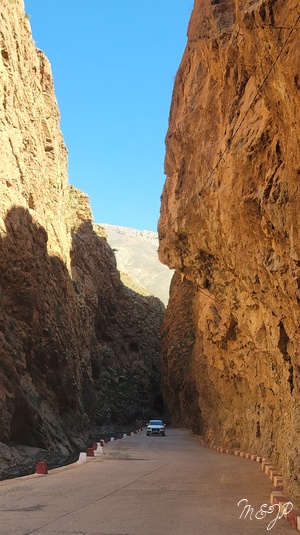
The distinctive rock formations that the Dades River had artfully carved, the most famous of which were the "Monkey Fingers", were impressive and looked out of this world…
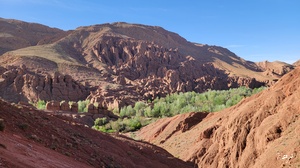
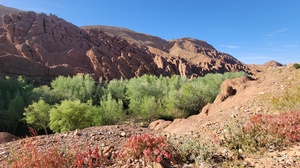
As the loop from Ouarzazate was quite long, we stayed overnight in the Dades Gorges and enjoyed the breath-taking sunset over the orange cliffs.
We wanted to reach Agoudal and then turn south to Tinerhir in the Todra Gorges, but time was flying and we decided to turn just after Msemrir instead.
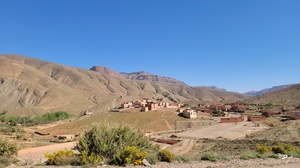
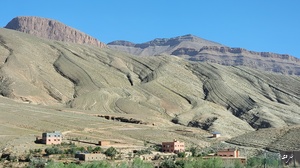
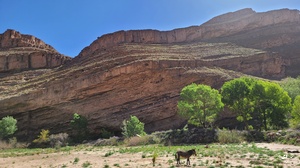
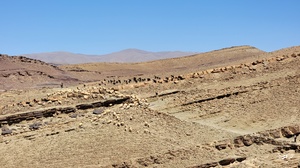
The road was incredibly beautiful…
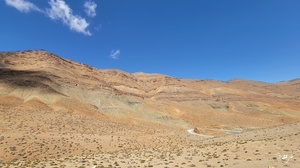
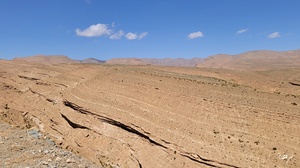
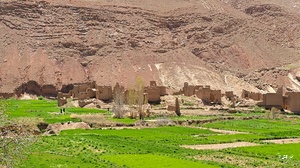
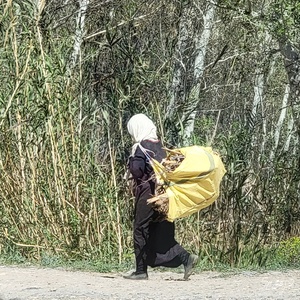
We admired for hours some of the most spectacular colourful rocks we had ever seen…
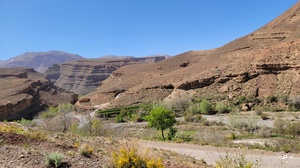
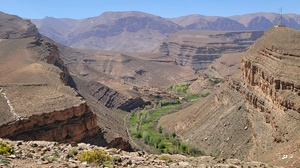
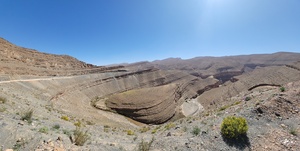
And we were almost alone in the area…
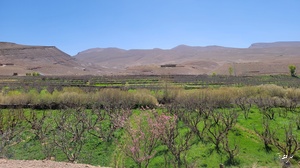
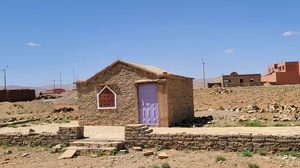
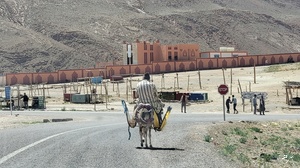
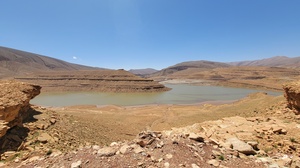
The Todra Gorges was another highlight on our trip, with its canyon walls reaching up to 400 metres and its charming palm groves.
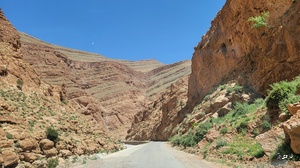
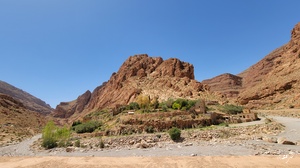
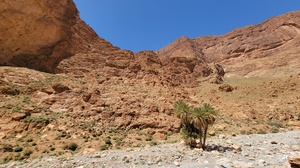
The last part of the gorges where the canyon narrows to a flat stony track, in places as little as 10 metres wide and with sheer and smooth rock walls up to 160 metres high on each side, is the most jaw-dropping.
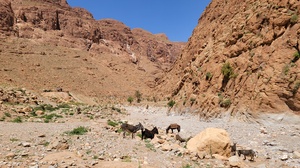
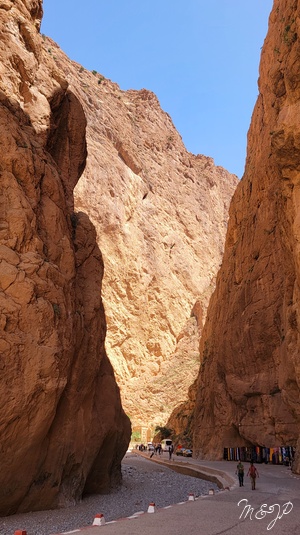
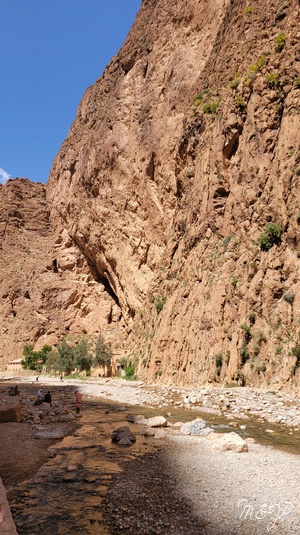
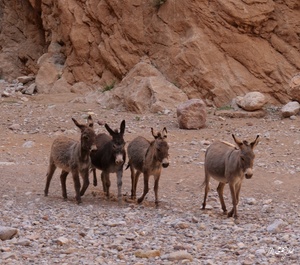
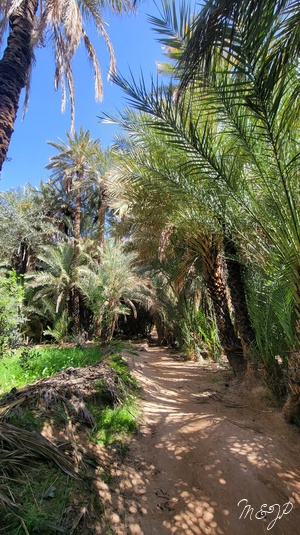
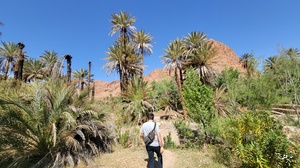
Part of the Todra Gorges’ charm is also the city of Tinerhir (aka Tinghir) - home to one of the largest and most beautiful palm groves in Morocco and its picturesque, abandoned orange-hued ksar (the singular of ksour).
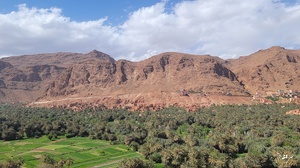
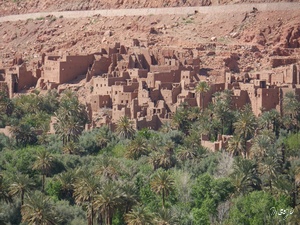
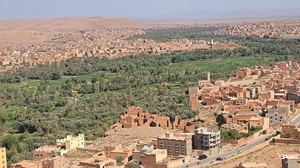
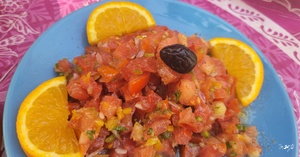
This is also the place where we had one of the most delicious lunches in the country. The tiny, reasonably priced and authentic Cafe Restaurant Source Des Poissons Sacrés Cher Abdell is located just next to the palm groves and you can go for a scenic walk after your meal.
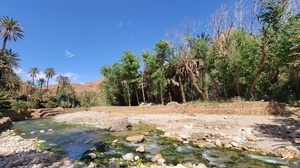
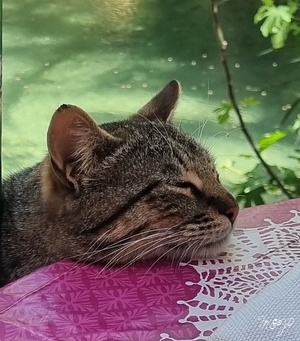
Also, the company of the cute fish in the pond and the even cuter cat on top of the tasty food will make the experience unforgettable!
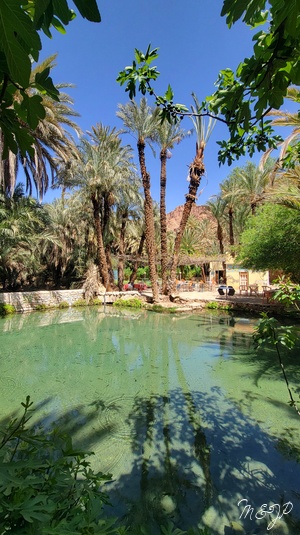
Before driving north, we followed the recommendation of our new local friends and stayed overnight in the Fint Oasis, located around 10 km south of Ouarzazate.
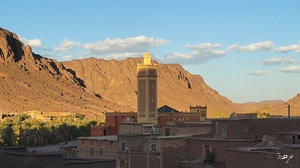
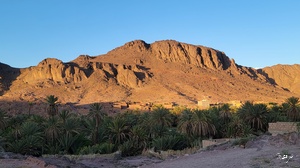
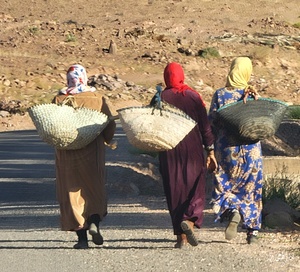
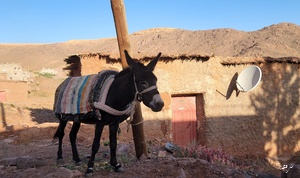
The sights of the palm groves, the Berber village and the local women, dressed in colourful tunics and headscarves and carrying cute baskets, were incredibly quaint and authentic.
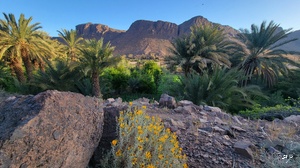
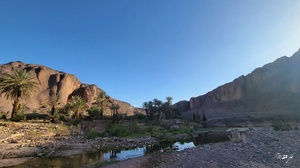
This is where we completely understood the Moroccan saying "Un homme pressé est un homme mort." (translating into "A man in a hurry is a dead man." from French). In this region of the country speed is simply overrated…
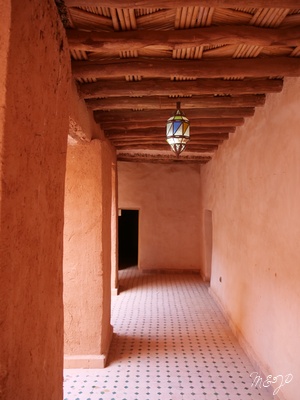
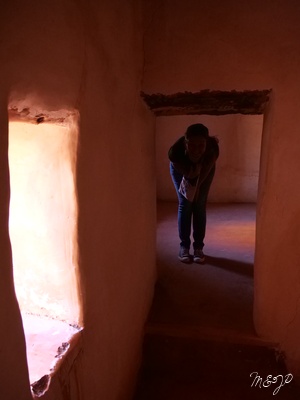
The following morning we stopped in Ouarzazate to visit the Kasbah Taourirt. No visit to Morocco is complete without seeing the interior of at least one of these fortified castles, but you need to choose one which has been restored as faithfully to the ancient traditions as possible.
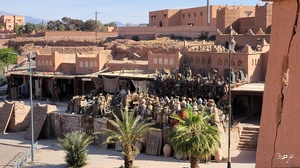
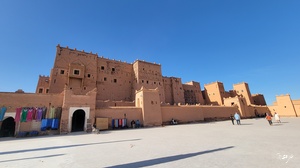
The Kasbah Taourirt was first built in the 17th century, and then taken over and expanded in the 19th century by Thami El Glaoui. This powerful Berber tribal leader was an ally of the French Protectorate in Morocco - he conspired with the French in the overthrow of Sultan Mohammed V, was granted the rule of southern Morocco and was the Pasha of Marrakesh from 1912 to 1956. Following the sultan's return and the achievement of Morocco's independence, El Glaoui faced a dramatic fall from power, and his family's wealth and palaces were later confiscated by the state.
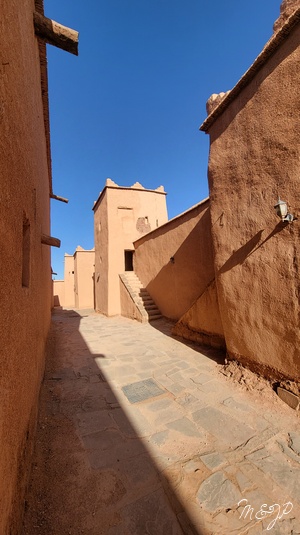
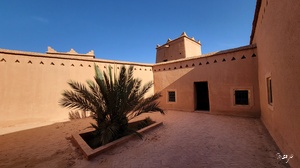
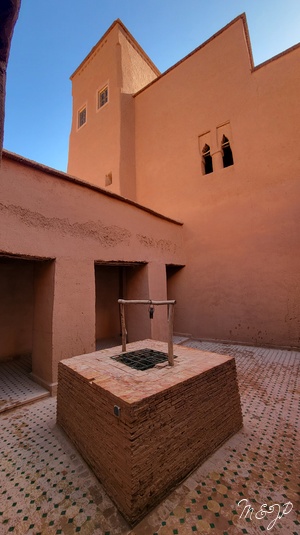
You will realise that a kasbah is not just a fortress, but a whole town.
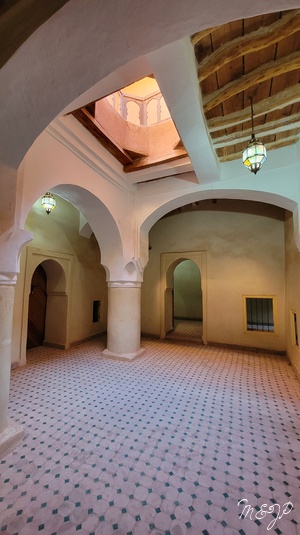
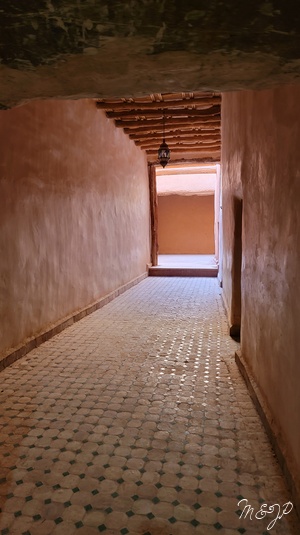
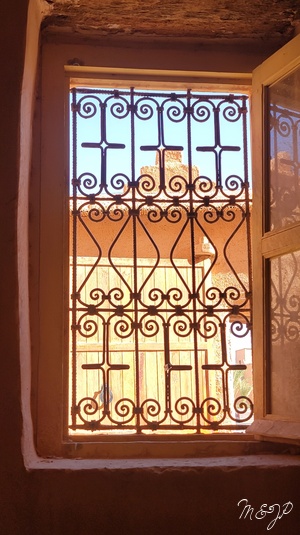
You can play hide and seek in the alleys, and enjoy the intricate details of the constructions and the gorgeous views from the rooftops.
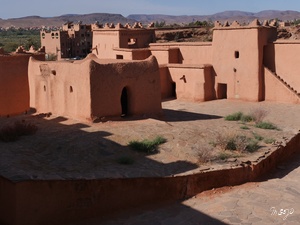
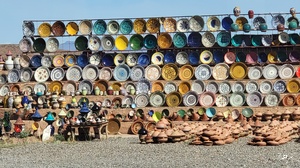
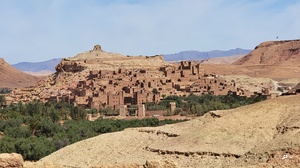
Not too far away from Ouarzazate, after a few stalls with colourful pottery along the road, is located Aït Benhaddou - a UNESCO World Heritage Site and probably the most beautiful ksar in Morocco. We did not visit the village as it appeared way too touristic, but admired the overall scenery from far away for a while.
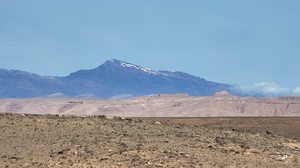
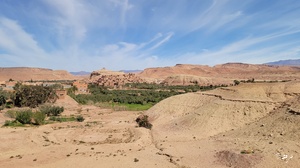
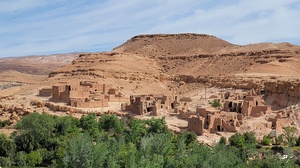
The view of the orange pisé (a mixture of straw and mud) walls and towers of the fairytale-like 11th-century kasbah, which resembled a melting sand castle, perched on a hillside in the surrounded by gorgeous cliffs and lush greenery river valley, was spectacular.
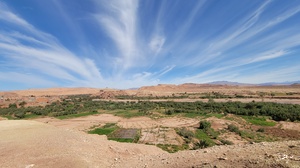
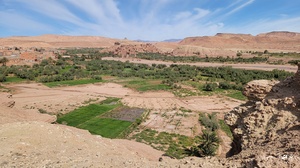
The whole area around, at the crossroads of the Atlas Mountains and the Sahara Desert and full of canyons, gorges, steppes and palm groves, was so picturesque that it had been chosen as the film-making location for many movies, earning Aït Benhaddou the reputation of the "Hollywood of Morocco".
Actually, the whole of Morocco is a favourite choice for film directors from Alfred Hitchcock to David Lean, Martin Scorsese, Bernardo Bertolucci, Orson Welles, Oliver Stone, Lasse Hallström and Ridley Scott. Some of the most famous movies shot there are Othello (1951), The Man Who Knew Too Much (1956), Lawrence of Arabia (1962), The Man Who Would Be King (1975), The Living Daylights (1987), Ishtar (1987), The Last Temptation of Christ (1988), The Sheltering Sky (1990), Kundun (1997), The Mummy (1999), Gladiator (2000 & 2024), Black Hawk Down (2001), Alexander (2004), Syriana (2005), Sahara (2005), Kingdom of Heaven (2005), The Hills Have Eyes (2006), Babel (2006), Sex and the City 2 (2010), Inception (2010), Prince of Persia: The Sands of Time (2010), Salmon Fishing in the Yemen (2011) and The Wages of Fear (2024), as well as part of the TV series Game of Thrones and Outer Banks.
From Aït Benhaddou, the obvious continuation of any road trip is heading north towards Marrakesh through the High Atlas.
If you want to enjoy these mountains in the best possible way, you have to cross at least a few passes. You can do it by taking the two must-see roads - both starting from, or finishing in, Marrakesh - of Tizi n'Tichka and Tizi-n-Test.
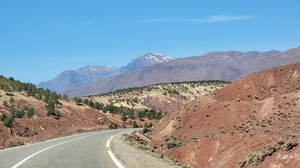
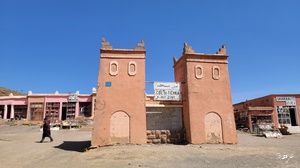
The road going through the Tizi n'Tichka pass (translating into the "Pass of Tichka" from Berber), connecting the High Atlas to the Sahara Desert, is way too touristic and extremely dangerous, considering the locals’ way of driving.
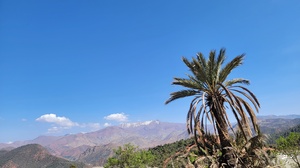
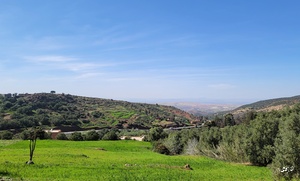
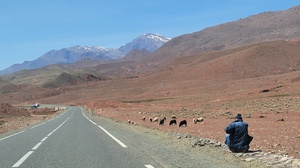
However, the scenery of the majestic peaks of the highest mountains in North Africa and the bright-yellow flowers along the road is breathtaking.
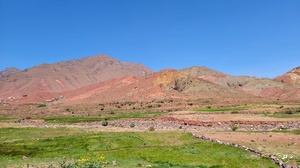
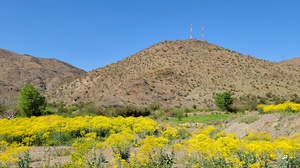
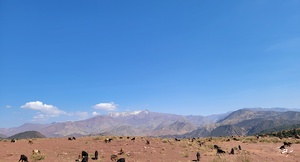
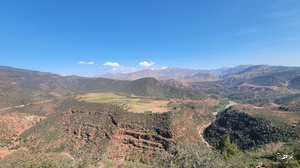
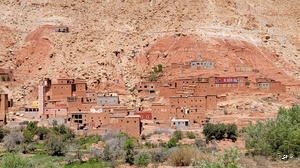
We made a slight detour through the Ounila Valley, known for its stunning contrast of arid mountains and lush green riverbanks, dotted with picturesque ksour and kasbahs.
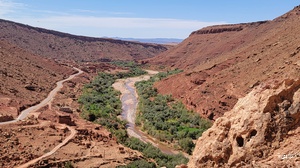
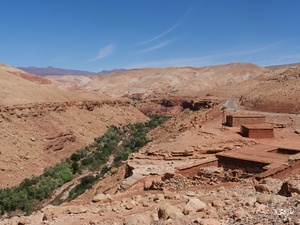
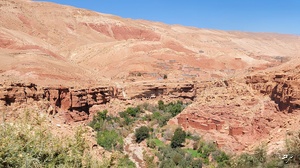
The valley, which is totally "off the beaten track", was a special place for the early 20th-century French painter Jacques Majorelle. He spent some time there between 1928 and 1929 and created a series of artworks capturing the region's unique landscapes and architecture, often using innovative techniques such as incorporating gold and silver powders with pigments to enhance the reliefs and lights.
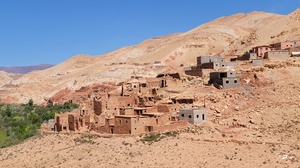
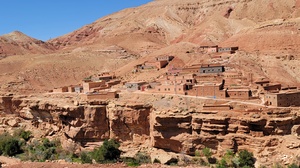
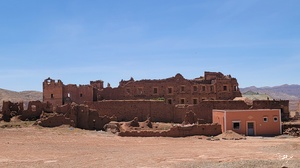
We also made a quick stop at Telouet for lunch and a glimpse at the Telouet Kasbah. This majestic, even though crumbling, fortress was built at the beginning of the 19th century on the former route of the camel caravans from the Sahara over the Atlas Mountains to Marrakesh, and used to be the seat of El Glaoui, the former Pasha of Marrakesh. Unfortunately, the interior was closed due to significant structural damage from the 2023 earthquake…
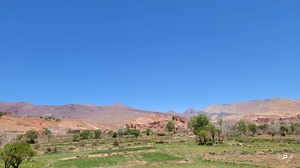
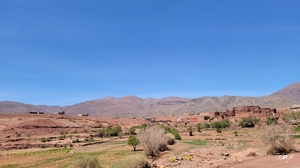
The other road that you should not miss (even though it was subject to important works when we were there, due to the damages of the 2023 earthquake which had also severely affected the villages in the area) is the one through the Tizi-n-Test pass (translating into the "Challenging Pass" from Berber).
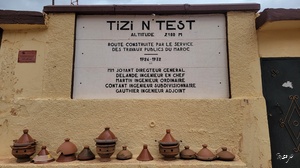
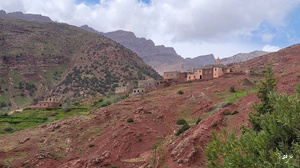
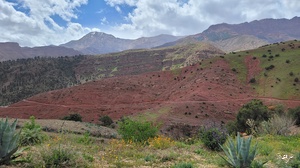
The road was incredibly picturesque…
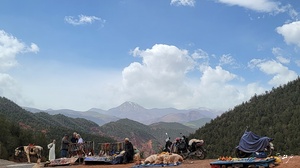
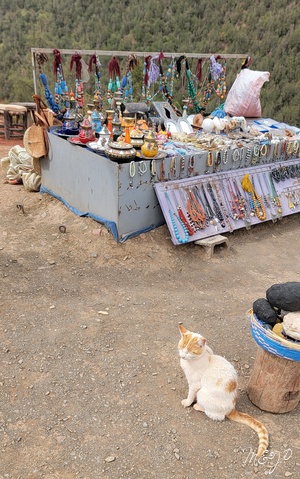
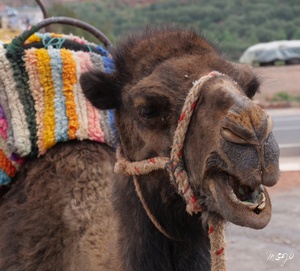
This was the place where we decided that we could actually postpone our visit to the US national parks - there was no way the views on the American continent were going to be more spectacular than those of the African High Atlas!
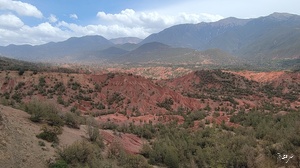
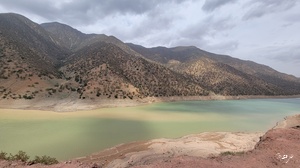
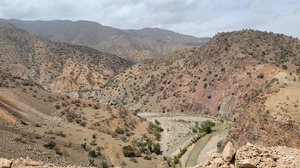
The scenery along the road was a big WOW!
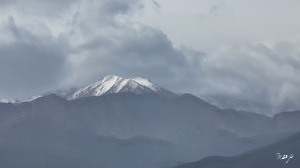
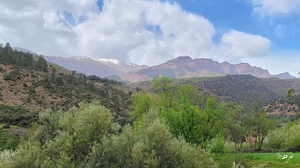
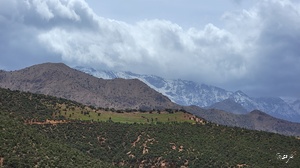
We saw the snow-capped mountains of the High Atlas up close for the first time, including Jebel Toubkal - the Atlas Mountains’ highest peak of 4,167 m, and the beautiful light of the sun setting on them.
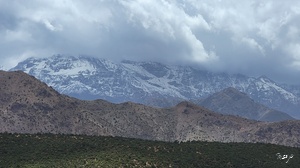
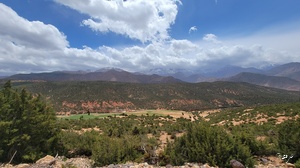
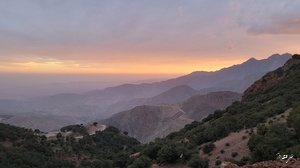
We also stopped by at a modest hotel near the pass - Hôtel/Restaurant "La Haute Vue 2100m". The authenticity of the place, topped with some delicious food and a cosy fireplace (it was freezing cold at that altitude!), made the experience even more amazing!
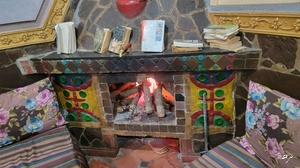
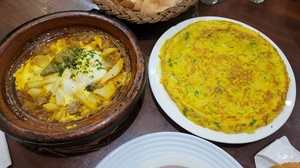
We also made a small detour through the Ourika Valley, which was beautiful in springtime!
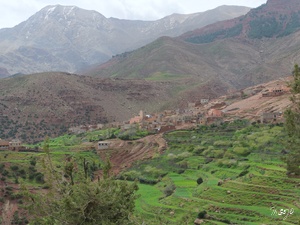
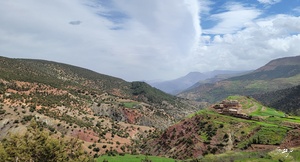
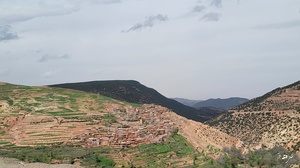
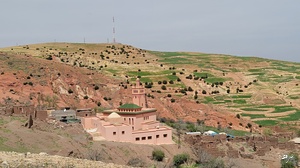
After passing the Tizi-n-Test pass, the road slowly entered into the Anti-Atlas.
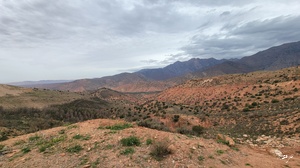
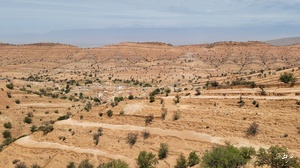
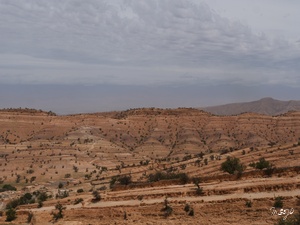
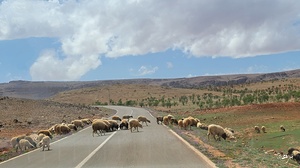
Even though we enjoyed the breathtaking views of the High Atlas, we were glad to leave behind its hairpin turns!
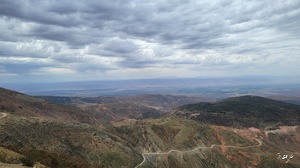
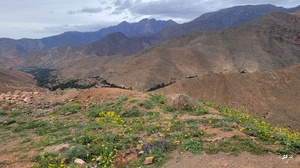
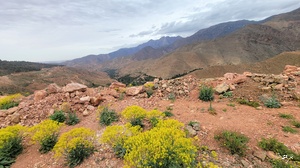
If you are in Morocco in the early spring, you can stop in Tafraoute. The main town of the Anti-Atlas mountains is surrounded by lush palm groves and gorgeous orange rocks and ksour.
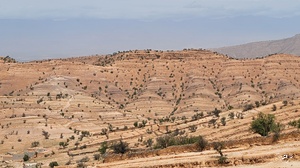
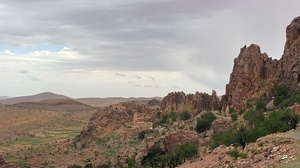
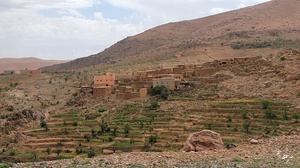
It is also known as the official almond capital of Morocco and holds an annual Almond Blossom Festival at the beginning of spring. Unfortunately, we were there in April and missed the festival, but still saw lots of blooming almond trees across the country.
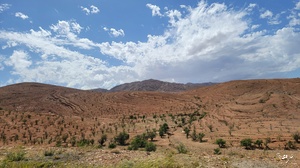
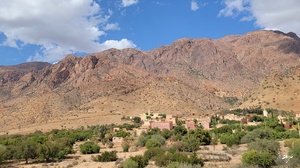
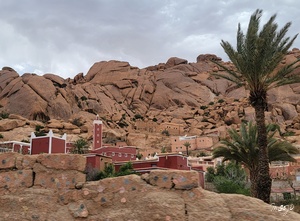
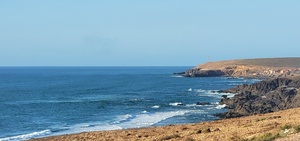
Another stunning panorama not to be missed is the nearby Kerdous Pass, where we left the orange rocks, kasbahs and ksour for the blue of the Atlantic Ocean!
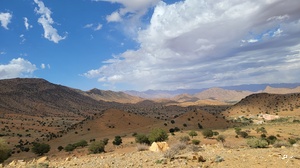
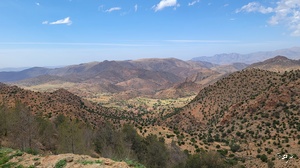
If you do not have time to drive to the High Atlas (Why wouldn’t you? This is definitely the highlight of any trip to Morocco… But let us imagine that it might happen if you are short on time…), you can see their snow-capped peaks from Marrakesh, aka the "Red City". Because Morocco is also red…

You like what you read?
Explore and learn more about Morocco !!!
-
 The Valley of Roses and Kings (part 2) The Valley of Kings
The Valley of Roses is famous not only for its … -
 The Valley of Roses and Kings (part 1) The Valley of Roses
Out of all the flowers in the world the rose … -
 In the heart of the Silk Road (part 4) Khiva and the Desert Castles
Khiva - It took us 6 hours, almost a whole … -
 In the heart of the Silk Road (part 3) Bukhara
Bukhara - While Tashkent is a modern city with some … -
 In the heart of the Silk Road (part 2) Samarkand
Samarkand - No name is so evocative of the Silk … -
 In the heart of the Silk Road (part 1) Tashkent
The Great Wall of China, Machu Picchu, the Pyramids of … -
 The Land of Giants at the End of the World (part 2)
We crossed for the third time the border between Argentina … -
 The Land of Giants at the End of the World (part 1)
No visitors come back from Antarctica in the same state … -
 A Vitamin Sea Christmas in the Mediterranean
Human beings are full of contradictions! When we used to … -
 Spring Colours in the Kingdom of the West (part 6) Morocco is yellow
Morocco is yellow - Besides the yellow hues of the … -
 Spring Colours in the Kingdom of the West (part 5) Morocco is red
Morocco is red - Besides the red hues of the … -
 Spring Colours in the Kingdom of the West (part 4) Morocco is orange
Morocco is orange - Our first encounter with the legendary … -
 Spring Colours in the Kingdom of the West (part 3) Morocco is green
Morocco is green - The Rif Mountains east of Tangier, … -
 Spring Colours in the Kingdom of the West (part 2) Morocco is blue
Morocco is blue - The road along the Atlantic Coast … -
 Spring Colours in the Kingdom of the West (part 1) Morocco is white
If I had to use only a couple of words …
