
In the heart of the Silk Road (part 4)
Khiva and the Desert Castles
Posted by: Maria in June 2026 (4 months, 4 weeks ago)
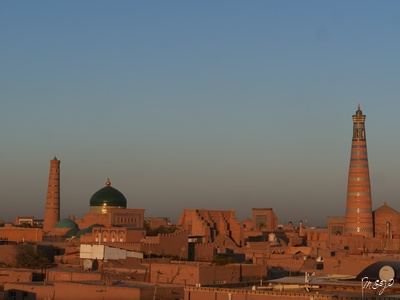
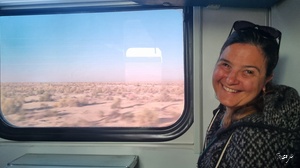
Khiva - It took us 6 hours, almost a whole day, by train through endless cotton fields and the Kyzylkum desert to reach Khiva. It felt quite long, even though we travelled on relatively comfy bunk beds in a cabin we shared with another family.
While both Bukhara and Khiva are located in the desert and boast old centres which have probably not changed much in centuries, the former is lived-in and lively while the latter looks more like a movie set or an open-air city museum. It was incredibly touristic, yet still quite peaceful, probably because we visited it on a weekday…
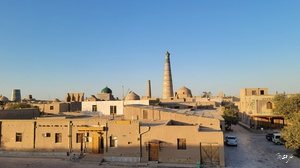
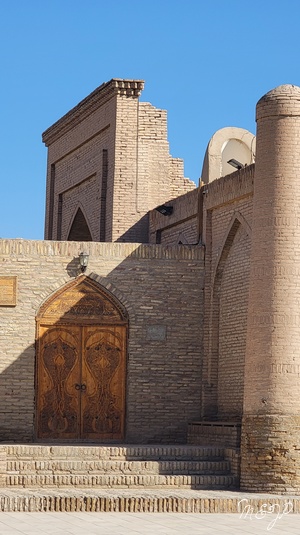
Also, while Bukhara’s historic centre includes a fortress, Khiva’s entire old town, called Itchan-Kala (meaning 'inner town' in Uzbek), is a fortress itself.
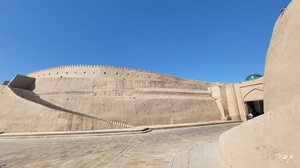
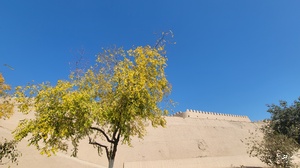
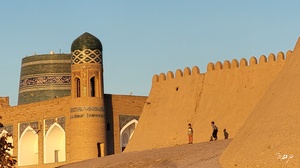
It occupies 26 hectares and is surrounded by 8-10-m-high and 5-6m-thick mudbrick defensive walls with a length of 6,250 meters, initially built in the 10th century and then rebuilt in the 17th century!
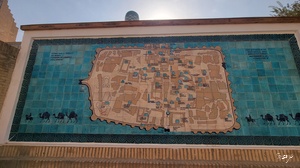
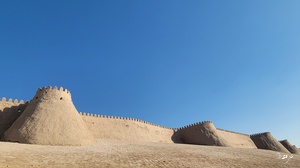
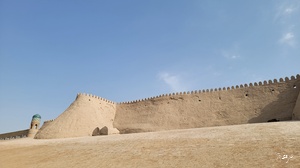
Designated as a UNESCO World Heritage Site, Itchan-Kala is home to the majority of Khiva’s architectural and cultural wonders.
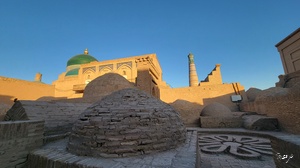
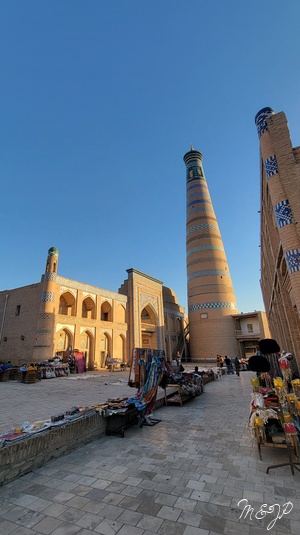
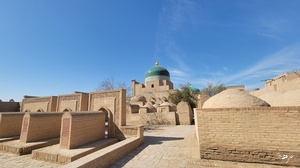
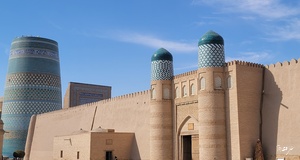
You will need a ticket to enter the old town through one of its four gates - Ata-Darvaza (the Main gate) to the west, Bagcha-Darvaza (the Garden gate) to the north, Tash-Darvaza (the Stone gate) to the south and Palvan-Darvaza (the Heroic gate) to the east. It is valid for two days (i.e. the day of the purchase and the following day).
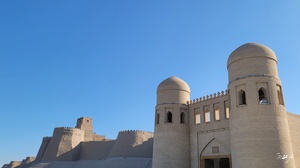
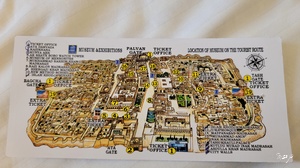
Two full days will give you enough time to see everything without rushing around.
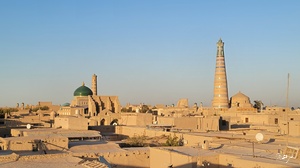
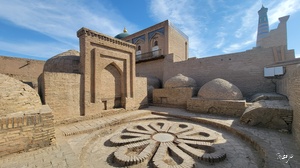
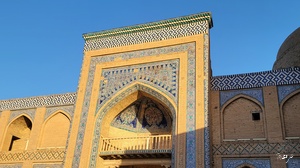
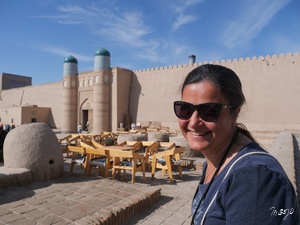
Even if you do not have two days, try to spend at least one night there to watch the sunset.
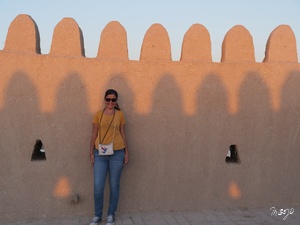
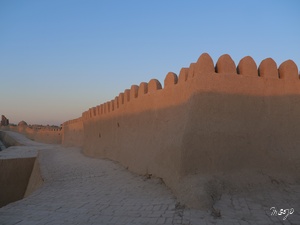
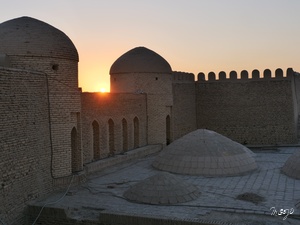
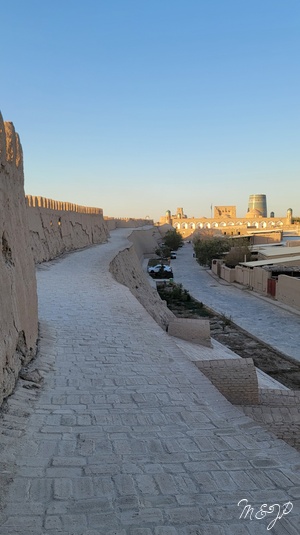
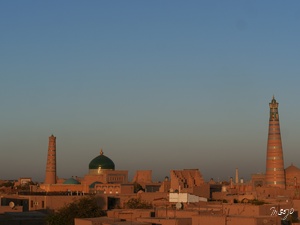
There are different sunset viewpoints. We chose the least touristic one - the staircase of the southern Stone gate - to climb and walk along the city walls, while admiring the stunning views of the desert city in the golden light.
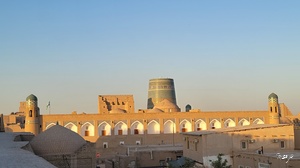
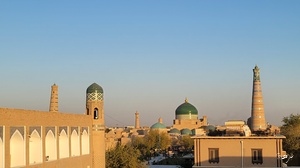
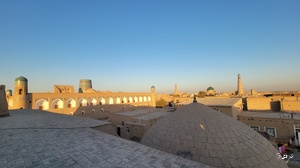
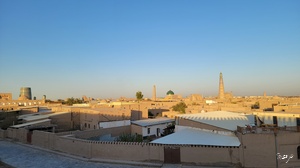
It was our most magical moment there!
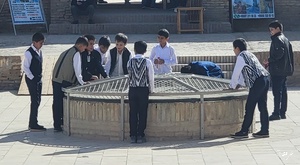
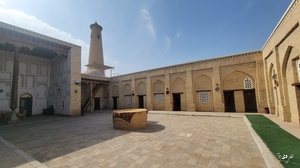
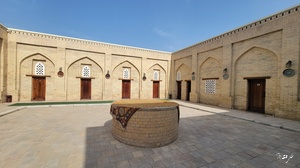
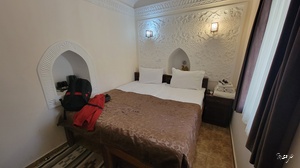
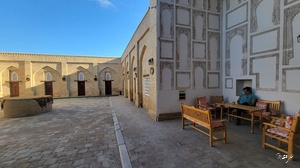
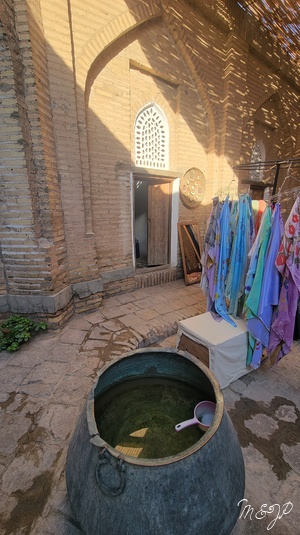
Khiva is also the place where we decided to stay for three nights in a real madrasah - an experience you do not want to miss for anything in the world! While there are plenty of accommodation options in Itchan-Kala itself, we preferred a small former madrasah, turned into a guest house and located in the outer town, only a 5-minute walk away from the city walls. It allowed us to explore the rest of Khiva and felt more authentic than staying inside the city-museum. Our room was tiny but so cute, overlooking the beautiful courtyard with a well in the middle of it and a few tables where it was a real delight to enjoy our breakfast in the morning. It was so peaceful!
Like other Silk Road cities, Khiva has a rich history but also some dark moments in its past. Archeologists have found evidence that it has been around since at least the 5th century. Once an ancient Zoroastrian site, it was transformed into an Islamic centre following its conquest by the Arabs in the early 8th century. The city was ravaged by Genghis Khan in the 13th century and then became the capital of the Khanate of Khiva - an Uzbek monarchy that existed from the 16th to the 20th century in Khorezm (a historical large oasis region on the Amu Darya River delta between the Aral Sea to the north, the Kyzylkum Desert to the east, the Karakum Desert to the south, and the Ustyurt Plateau to the west, which today is split between Uzbekistan and Turkmenistan). It was the last independent Central Asian khanate, which fell to the Russians in 1920. Between the 17th and the 19th century, the city (same as Bukhara) developed as a bustling slave market of mainly Persians and Russians, which explains its prosperity and the construction, using the available free labour, of most of Itchan-Kala’s current monuments (including its defensive walls). The most prominent amongst those structures were the residences of the khans and their entourage - the Kunya Ark Fortress and the Tash-Hovli Palace.
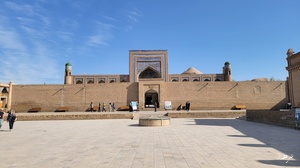
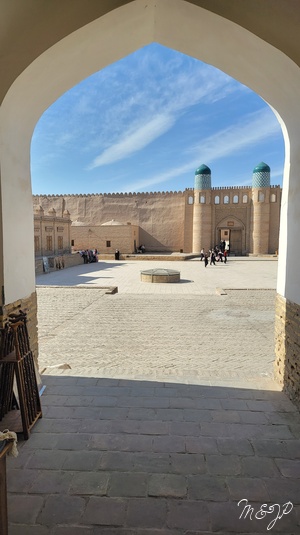
Fortress - The Kunya Ark (or 'walled city') is fenced off from the main fortress of Itchan-Kala by a defense wall and an imposing portal, flanked by two towers decorated with white and turquoise tiles, which resembles Palvan-Darvaza (the eastern gate of the inner city).
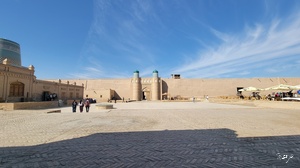
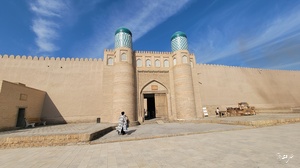
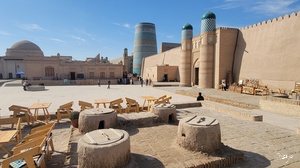
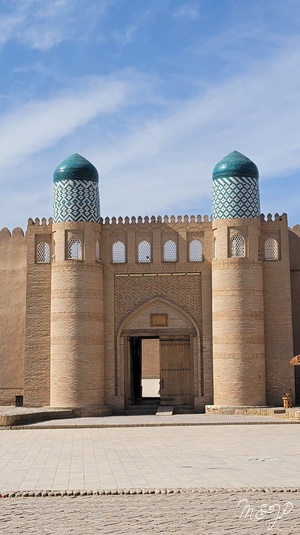
This 'fortress within a fortress' or 'city within a city' was constructed at the end of the 17th century upon the foundations of an old fortress from the 5th century. Initially, it served as a residence for the khan, but later evolved and also included administrative offices, a mint, summer and winter mosques, stables, a warehouse, workshops and even a prison. The Kunya Ark was significantly destroyed by Iranian troops in the 18th century and then restored at the beginning of the 19th century. Today, only a few buildings still remain, including a watchtower, a harem, a mint, a mosque (divided into an enclosed winter mosque and a summer mosque open to the courtyard), and an official reception hall. Some of them have been turned into a museum.
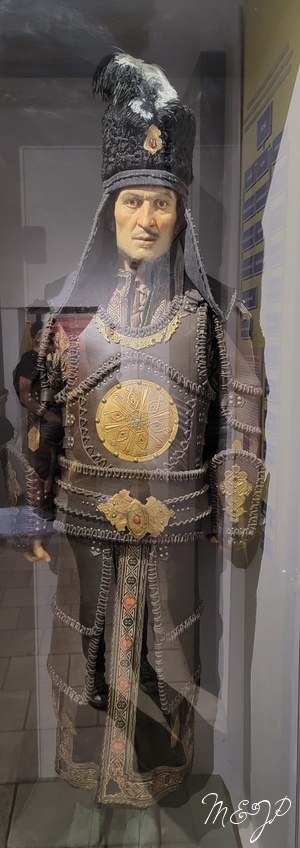
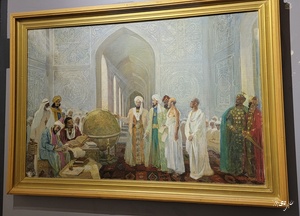
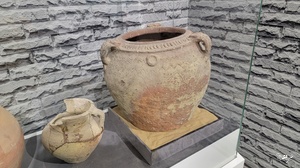
The visitors would be waiting to see the khan in the first small courtyard next to the gate, guns and carriages were located in the second, the khan’s council gathered in the third, and a corridor opened to the reception hall (kurinishkhana) in the fourth and largest courtyard. There, the khan would grant public audiences either in the open summer iwan, or in a winter yurt (a nomad round tent) which would be set in the yard.
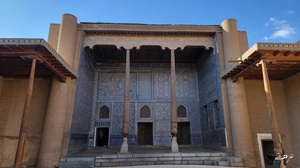
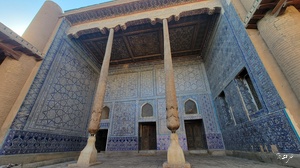
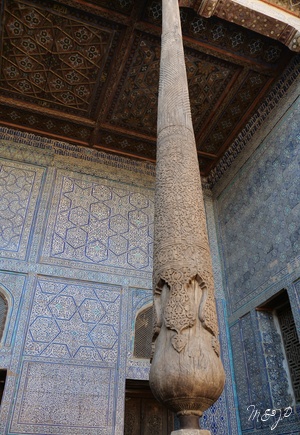
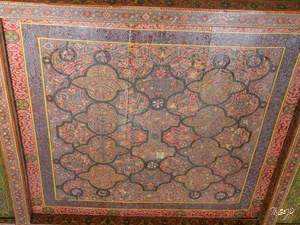
The iwan of the kurinishkhana is supported by wooden columns on stone bases and is richly decorated with white and blue majolica and glazed tiles, contrasting with the splendid woodcarved ceilings painted in different colours.
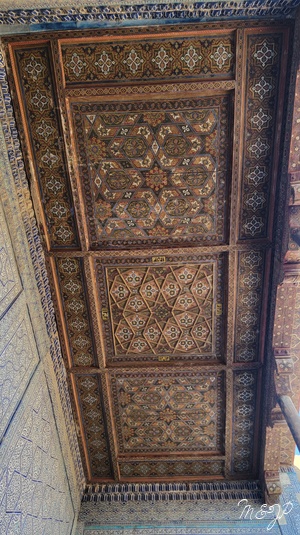
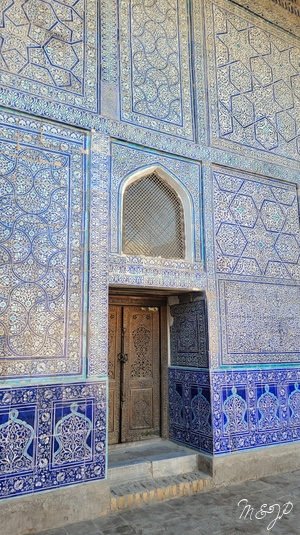
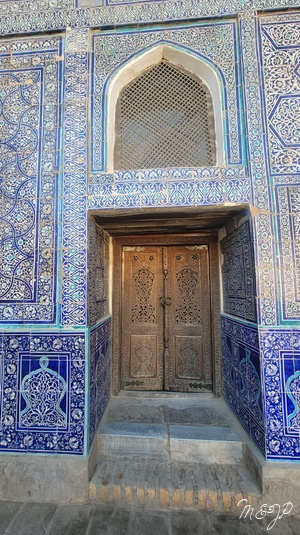
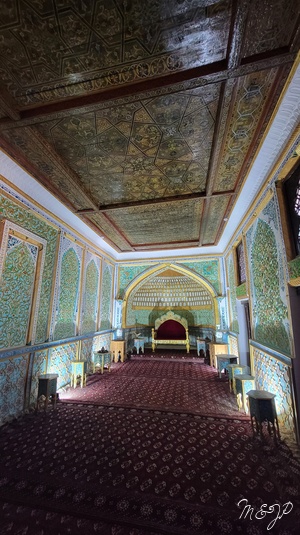
The interior of the throne hall located behind the reception hall is adorned with carved plaster. The throne itself is a replica as the original was taken to Moscow in 1873 after the conquest of Khiva by the Russians.
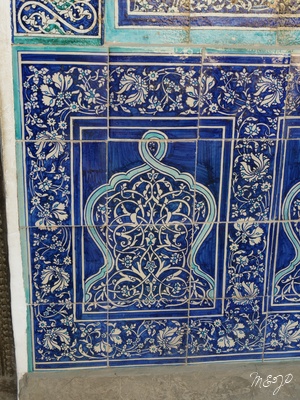
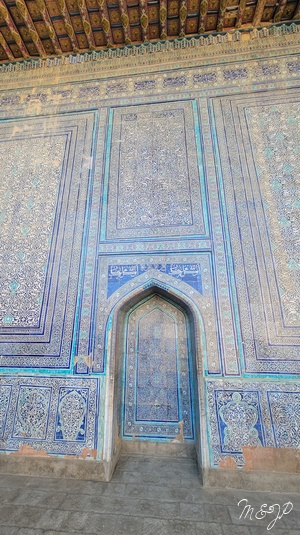
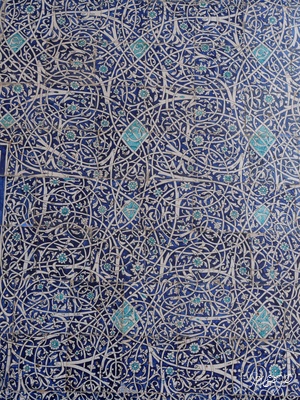
A little bit further, the summer mosque’s iwan, including its side turrets, mihrab and minbar (a pulpit where the imam stands to deliver sermons), is also covered with amazing majolica with intricate plant patterns.
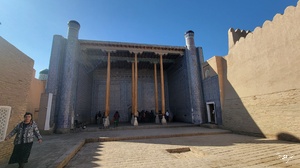
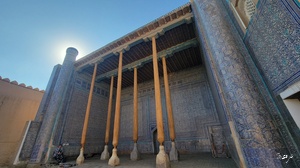
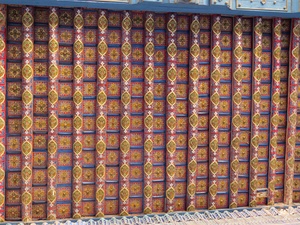
The colours and motifs of the ceilings, contrasting with those of the tilework, are equally jaw-dropping!
The mint next to the mosque is a must-see! It exhibits different local coins and explains the fascinating process of minting.
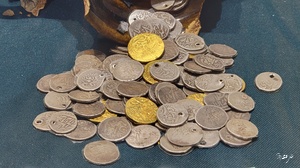
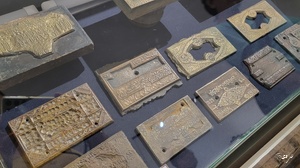
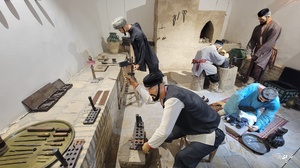
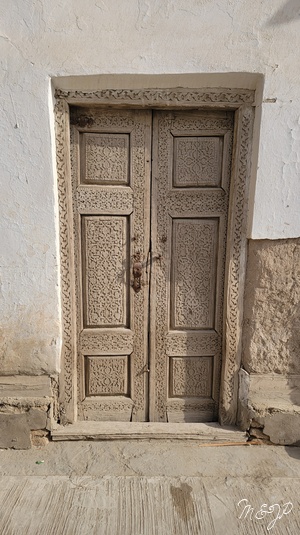
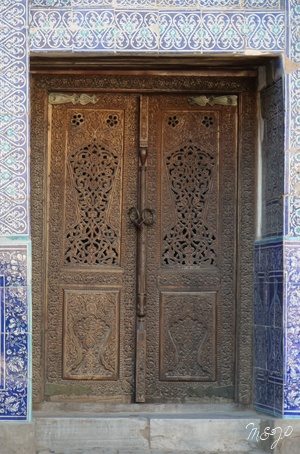
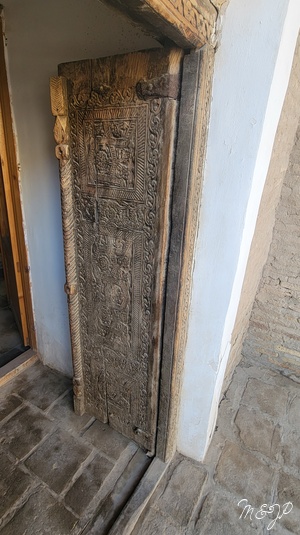
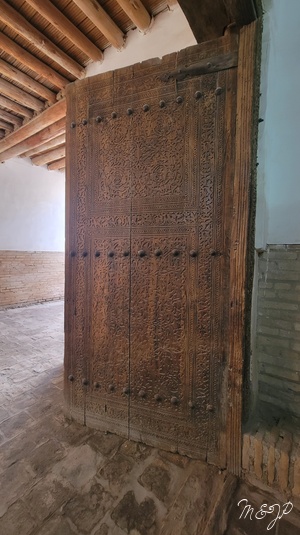
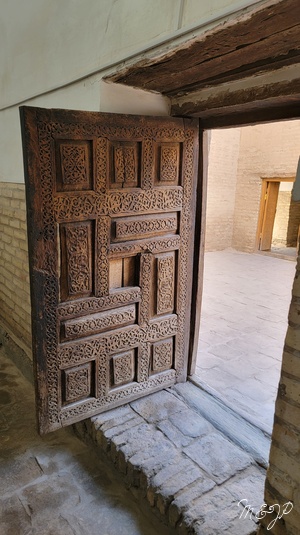
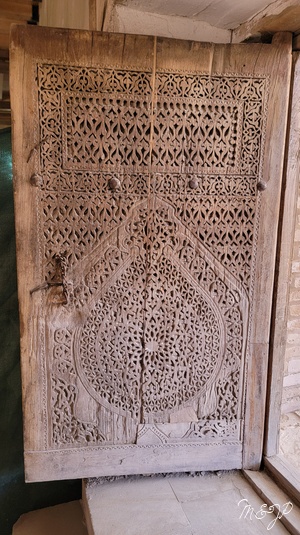
You cannot miss either the ubiquitous woodcarved doors of the fortress which are exquisite!
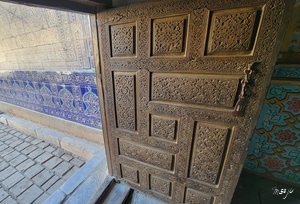
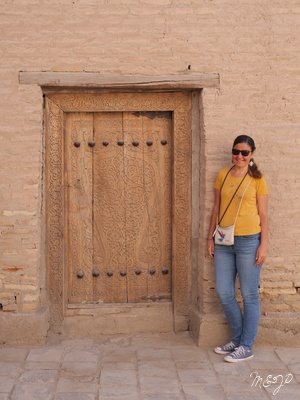
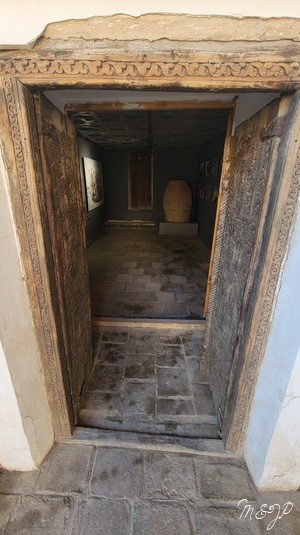
Palace - While the Kunya Ark served as the primary home of the khans for centuries, it was built primarily as a fortress and military residence rather than a lavish palace. For that reason in 1830 Allakuli Khan commissioned the construction of the splendid Tash-Hovli Palace ('Stone Palace') as an alternative to the already ancient citadel.
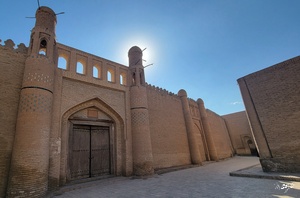
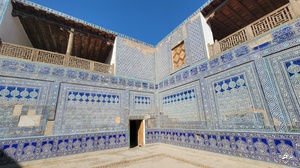
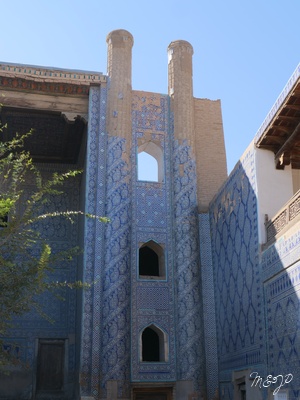
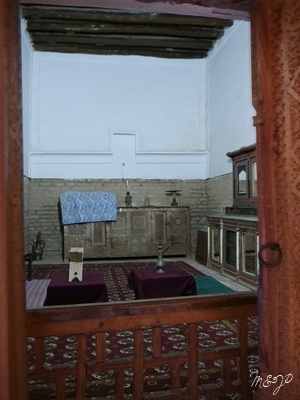
It was completed in 1838 and features a maze of long, winding corridors, small rooms and tiny doors connecting the various parts and courtyards of the palace, turning its visit into a mysterious and awe-inspiring experience.
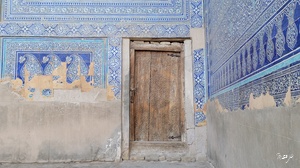
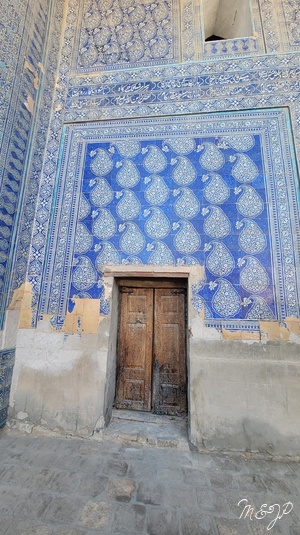
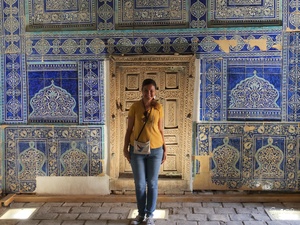
The Tash-Hovli Palace, in particular its iwans, is beautifully decorated with traditional majolica.
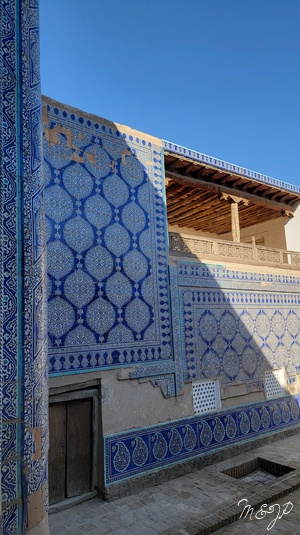
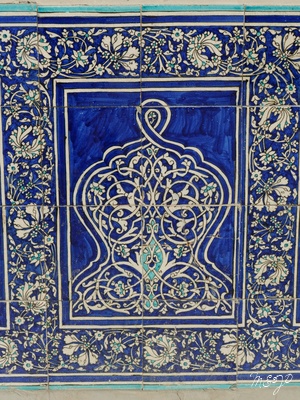
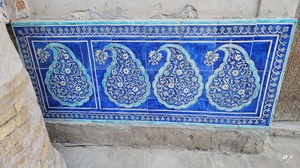
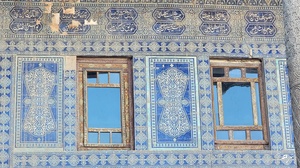
Its most spectacular buildings are the formal reception room with a round stage that used to accommodate the khan’s yurt, the court of justice and the khan’s harem (including four lodges for the khan’s four legitimate wives and a fifth and larger one for himself).
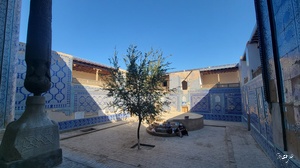
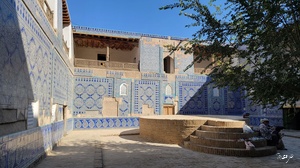
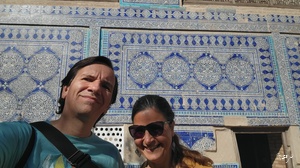
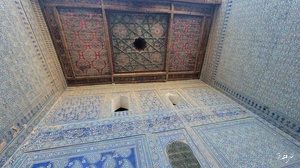
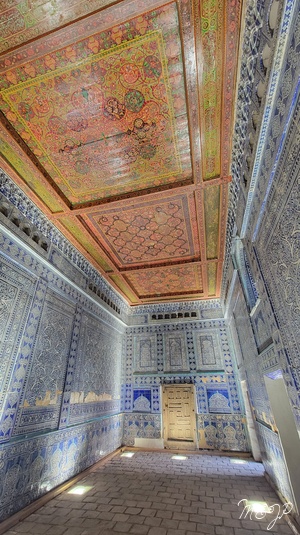
Wherever you look, you will see white and blue majolica and glazed tiles, as well as painted woodcarvings, in hundreds of different exquisite patterns…
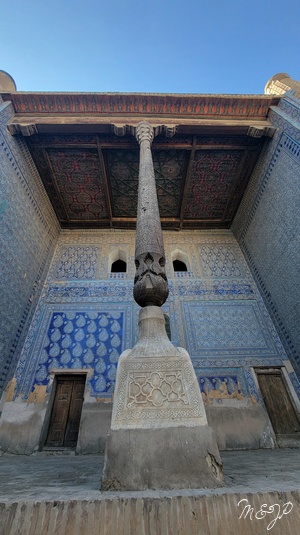
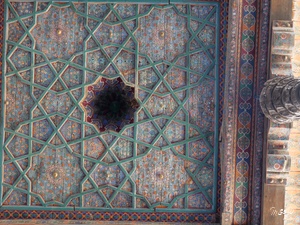
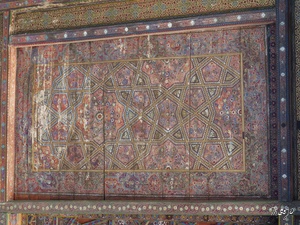
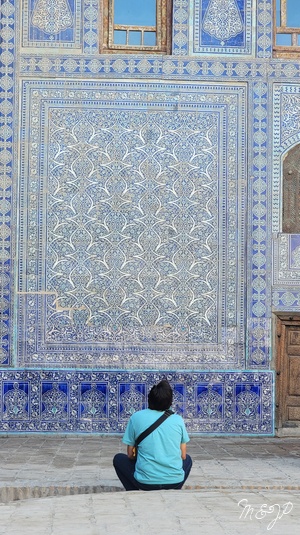
It even contains in one of its courtyards a real yurt that you can visit!
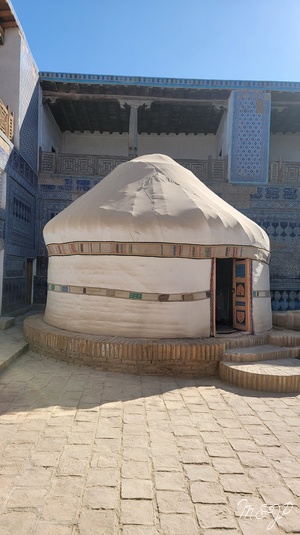
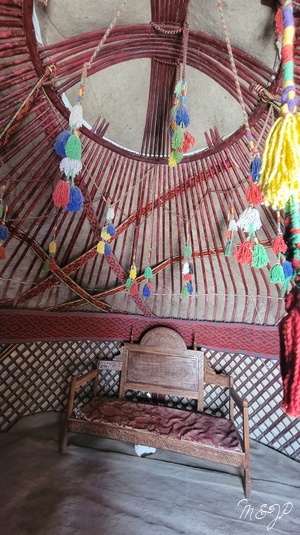
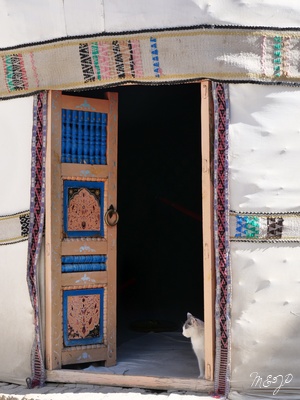
We could have stayed in the palace for hours, and actually took our time during the visit… The cute cats around certainly had something to do with it too!
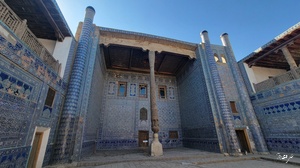
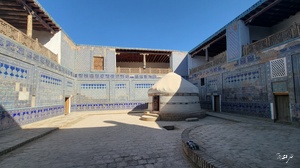
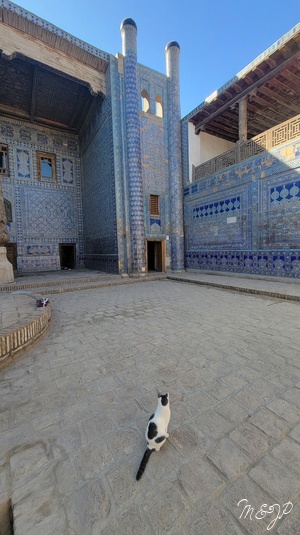
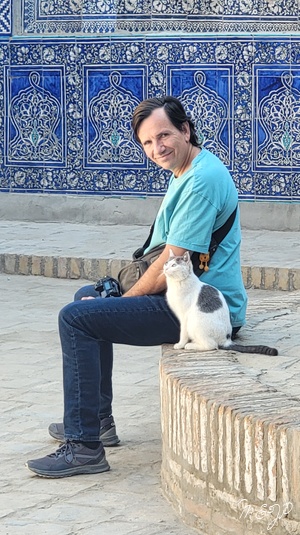
Every part of the palace, including the richly adorned interior rooms, is jaw-dropping and evidence of the Khanate of Khiva and its ruler’s prosperity during that time!
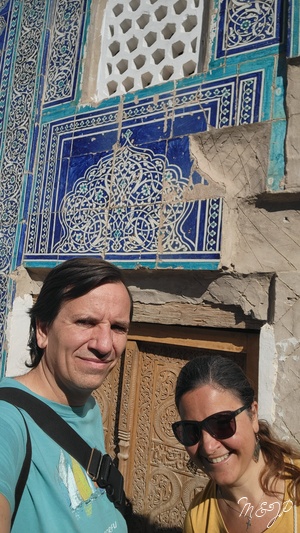
Mausoleums - Besides its breathtaking fortress and palace, Khiva, like the other Silk Road cities, also boasts the five 'M' architectural elements, including a few mausoleums, the most famous of which is the Pahlavon Mahmud Mausoleum.
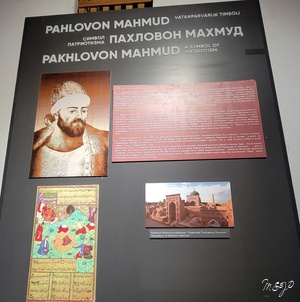
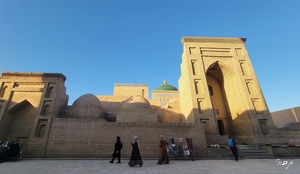
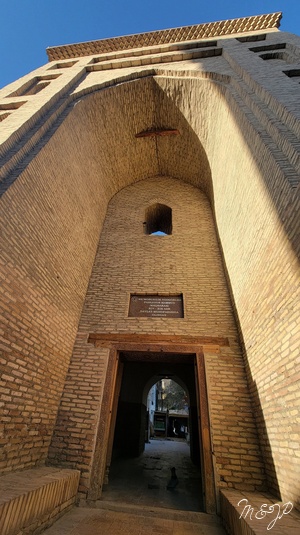
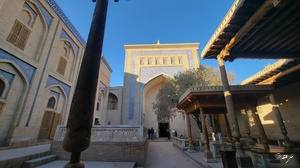
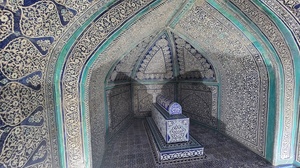
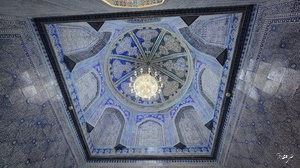
The resting place of this famous poet, philosopher, professional wrestler and healer, who was born in Khiva and became the patron saint of the city after his death in 1326, features the largest dome in the city, covered with turquoise glazed tiles.
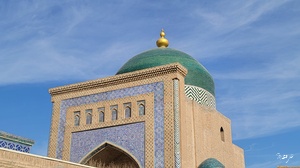
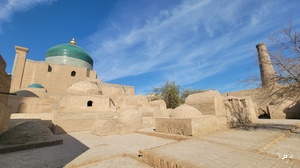
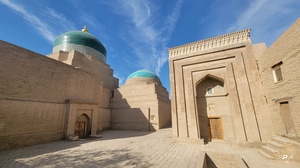
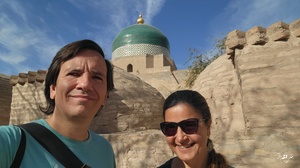
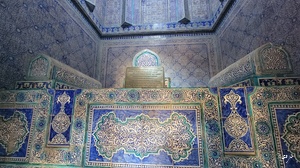
During the reign of Allakuli Khan, the building was decorated with white and blue majolica. By the end of the 19th century, the mausoleum had also turned into a burial place for Khiva khans and their close relatives (including Allakuli Khan himself and his father Muhammad Rahim Khan). The interior where their tombs are located is simply spectacular. The only sober place of the building, and of the whole city for that matter, is the room in the back, containing Pahlavon Mahmud’s tomb - it is considered a sacred place and locals come here to pray. Bear in mind that the entrance is not included in the Itchan-Kala ticket, but the additional fee is definitely worth it!
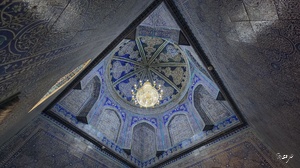
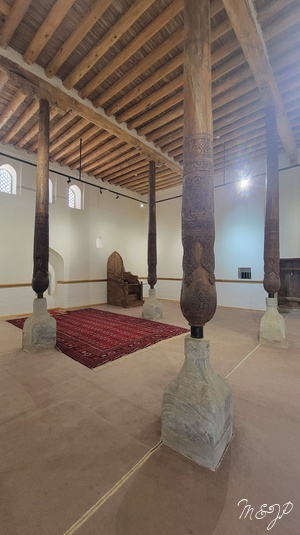
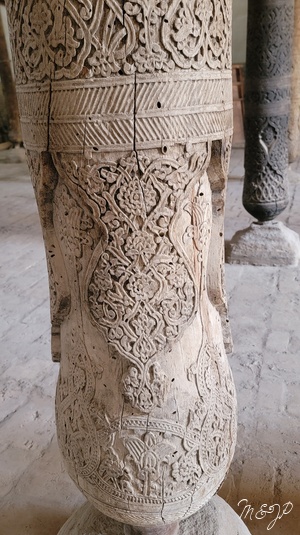
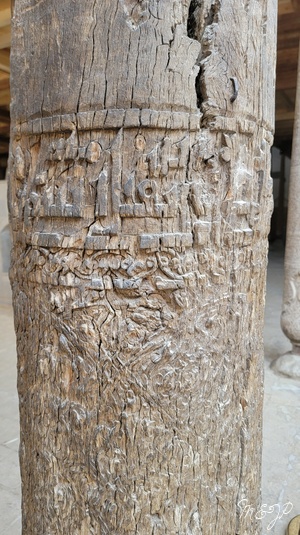
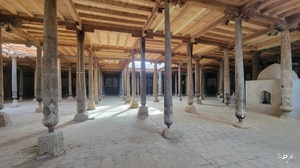
Mosques - Amongst the other 'M' elements, the city had more than 100 mosques during his pinnacle era, highlighting its significance as a religious centre. However, they were mainly built from mud or clay brick, and therefore most of them have not survived or were heavily restored or rebuilt on the same site. One of the most spectacular ones is the Juma Mosque ('Friday Mosque'), initially built in the 10th century and then rebuilt at the end of the 18th century. Its architecture is bespoke as compared to other mosques in Uzbekistan. It has neither intricately designed portals nor turquoise domes, galleries or courtyards. Instead, the mosque’s exterior is quite sober, while its interior features a single hall with 213 handcarved wooden columns in 17 rows, holding its flat wooden ceiling (21 of them have been preserved since the 10-12th centuries), as well as woodcarved doors, the oldest of which date from the beginning of the 14th century!
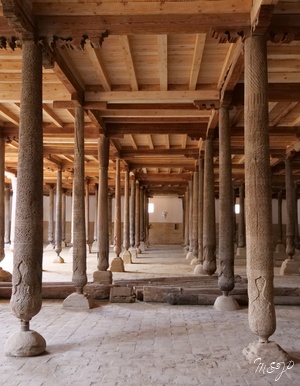
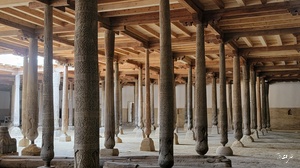
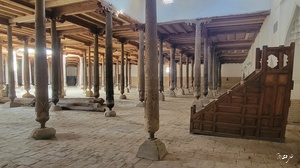
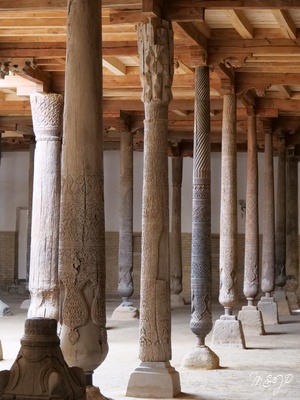
The openings in the roof let the air and the light in the rather dark structure, giving the impression that some sort of mystical rituals are going on… The mosque looks almost like an enchanted forest and is gorgeous, despite the lack of the blue glazed tiles ubiquitous in the rest of the country!
Madrasahs - In Khiva you will also find tons of madrasahs. During its medieval peak, its wealthier residents were fighting each other by building larger, fancier and more elaborate educational institutions. As a result, there were a total of about 65 madrasahs in the city at the beginning of the 20th century, 54 of them within the inner town of Itchan-Kala. From an architectural point of view, they are perhaps not as impressive as those in Samarkand or Bukhara, but most of them house fascinating museums about local history, as well as colourful souvenir stalls and artisan workshops.
Amongst the madrasahs with the most beautiful facades is the Muhammad Rahim Khan II Madrasah, located directly opposite the Kunya Ark.
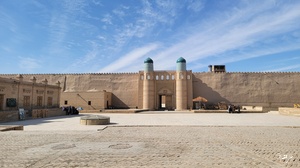
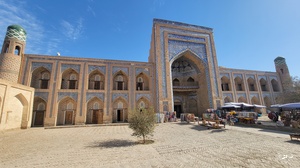
It was built in 1876 by Muhammad Rahim Khan II (Muhammad Rahim Khan’s grandson), who had the reputation of a wise monarch and was also a well-known poet. The madrasah was one of the largest in Khiva and is richly decorated with majolica, glazed tiles, woodcarvings and Arabic inscriptions.
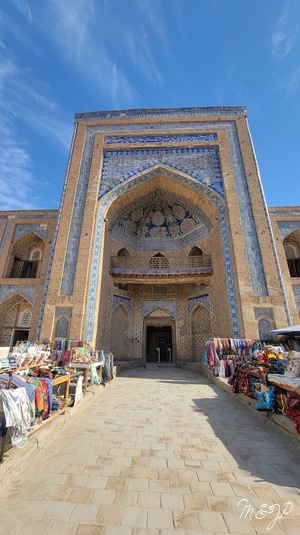
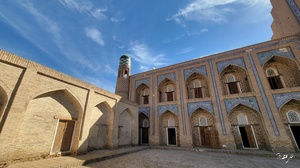
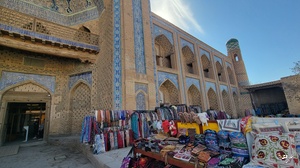
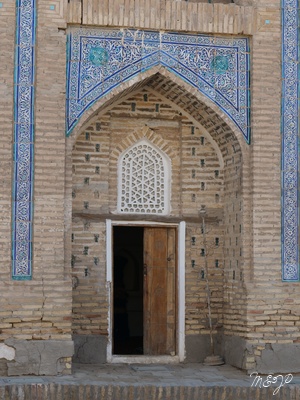
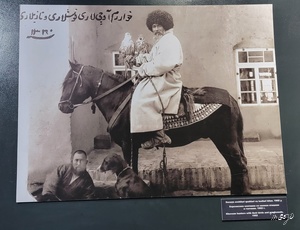
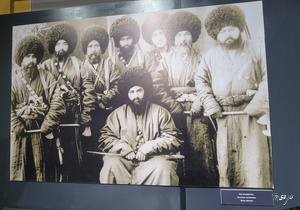
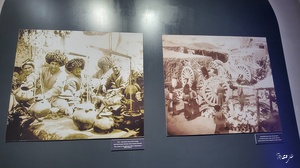
Today, it houses the museum of the history of Khiva’s khans.
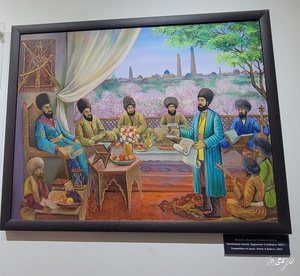
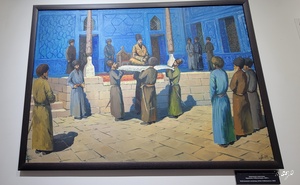
Another madrasah with a gorgeous facade is the Allakuli Khan Madrasah, built in 1834-1835 by Allakuli Khan (Muhammad Rahim Khan’s son), the same khan who commissioned the Tash-Hovli Palace, but also a caravanserai, a bazaar and a mosque. The building stands on an artificial hill, which makes it look taller than its neighbours.
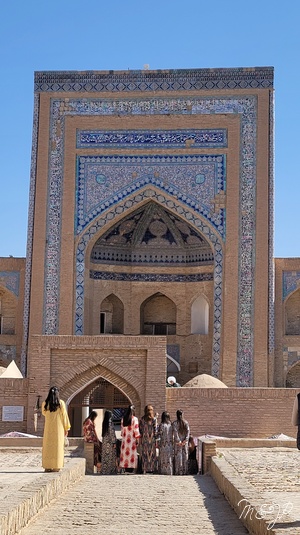
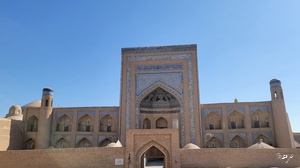
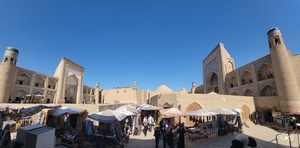
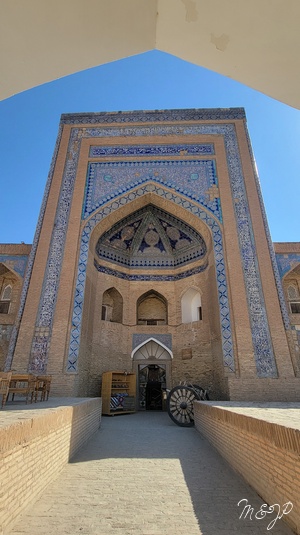
It is truly impressive with its baked bricks and refined decorations of white, light blue and dark blue painted majolica. The madrasah was one of the major educational centres of its time with 99 student cells on two stories, two mosques (winter and summer), a library and a lecture hall, where students of different nationalities studied.
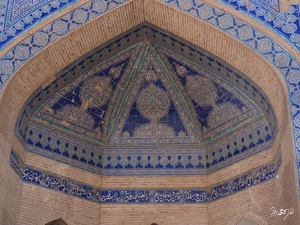
The Allakuli Khan Madrasah is part of a kosh or double madrasah ensemble with the Kutlug Murod Inoq Madrasah opposite it, which boasts another spectacular facade with a whitewashed entrance arch.
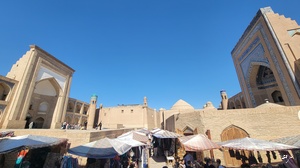
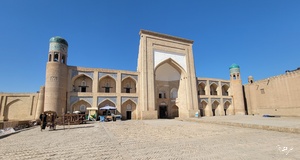
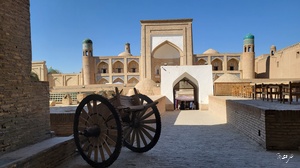
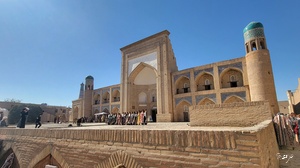
It was built by Allakuli Khan’s uncle - Kutlug Murod Inoq.
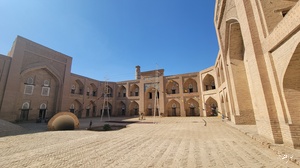
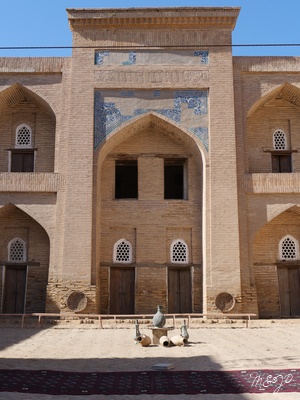
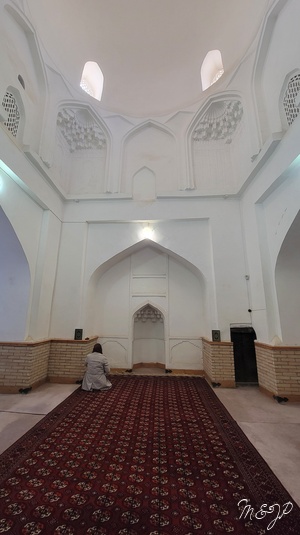
Today, it hosts, like many other madrasahs, a museum with paintings depicting local customs and landscapes.
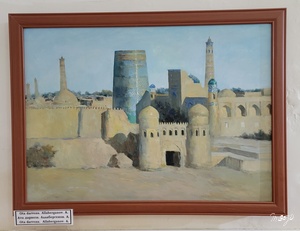
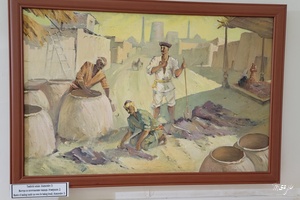
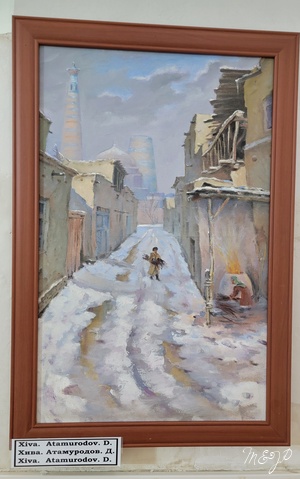
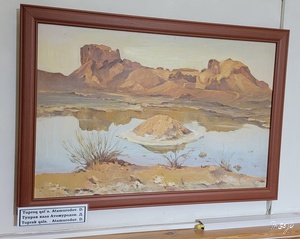
Between the Allakuli Khan Madrasah and the Kutlug Murod Inoq Madrasah is located the Abdullah Khan Madrasah, built in memory of Abdullah Khan by his mother. The khan died in a battle at the age of 17 in 1855, after having ruled only for six months.
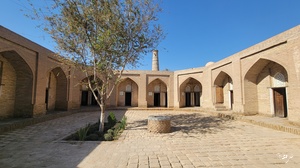
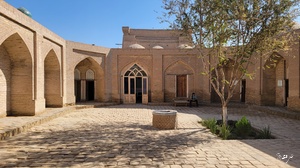
This rather sober madrasah is home to the Khorezm Museum of Nature.
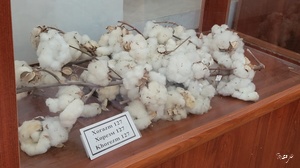
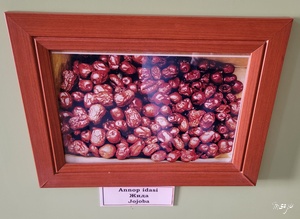
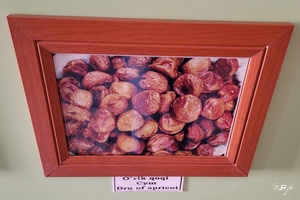
Abdullah Khan was the son of Muhammad Amin Khan (Allakuli Khan’s son), after whom is named another madrasah with a gorgeous facade and the first one most visitors see after entering Itchan-Kala through the main western gate - the Muhammad Amin Khan Madrasah, built in 1855. Its construction was completed in only three years! It is the most tiled madrasah in Khiva and the largest madrasah in Central Asia, with two floors, 130 rooms and the capacity to host 260 students, or a smaller number of tourists nowadays as it has been transformed into a hotel complex.
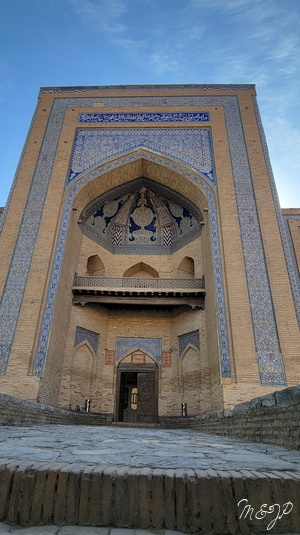
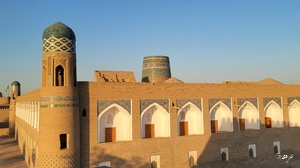
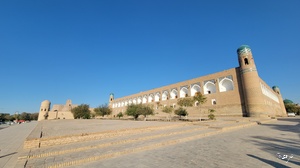
The Islam Khoja Madrasah, built in 1910 by Islam Khoja - the vizier and father-in-law of Asfandiyar Khan (Muhammad Rahim Khan II’s son), is another former educational institution boasting a stunning facade.
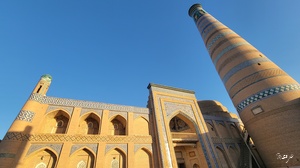
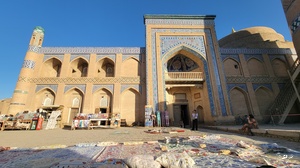
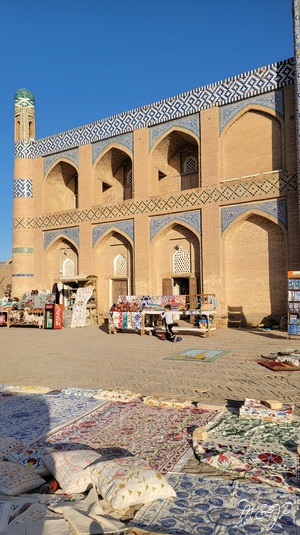
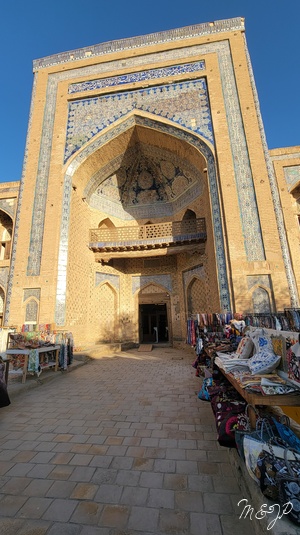
Today, it houses in its 42 hujras the Khorezm Applied Art Museum with over 400 exhibits, including wood carvings, textiles, and jewellery, some of which date as far back as the 14th century.
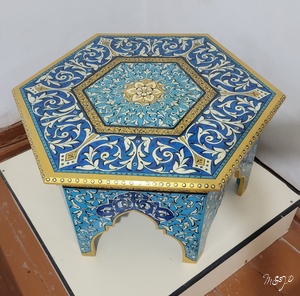
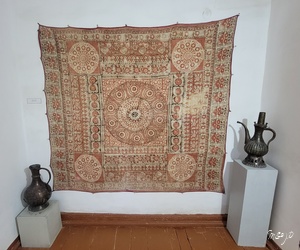
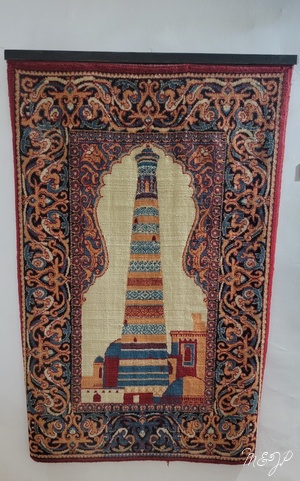
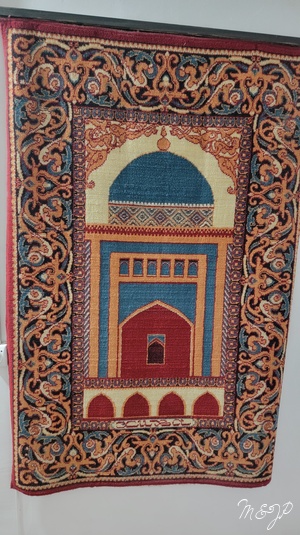
In Itchan-Kala you will also come across many other less known madrasahs, which are definitely worth the visit! The Yoqubboy Khoja Madrasah, built in 1878 by a Khiva merchant, houses a training workshop for traditional carpet weaving and natural dyemaking.
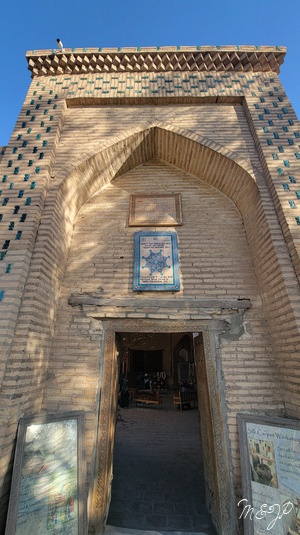
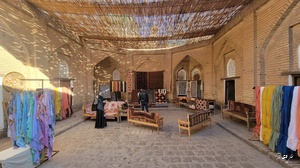
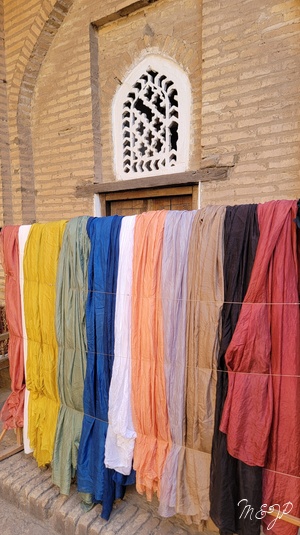
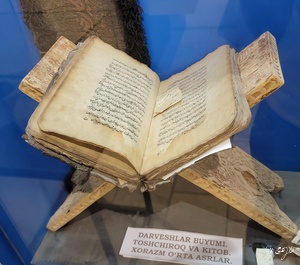
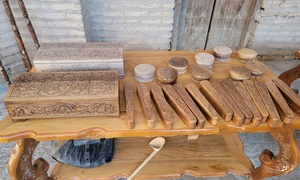
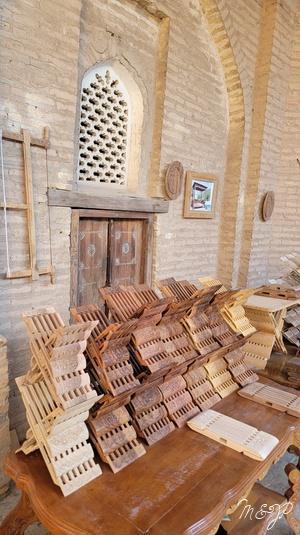
If you are looking for some special gifts to bring home, the Kojagh Makhram Madrasah, built in 1839, houses a woodcarving workshop selling various wooden handicrafts, including the famous (and magical) secret storage boxes and book readers.
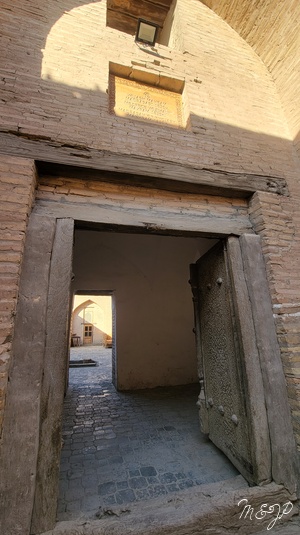
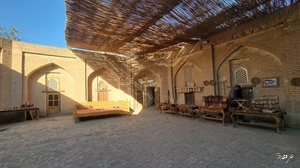
The Shergazi Khan Madrasah was built in 1720 by Shergazi Khan, whose body is buried in a small room in the western part of the building. Its interior garden is incredibly peaceful…
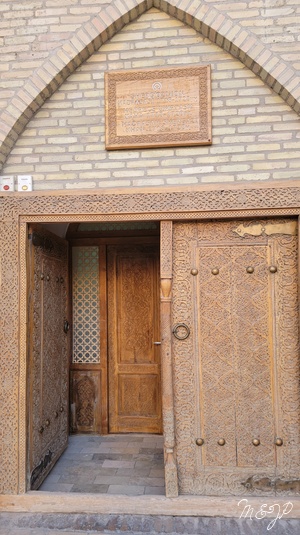
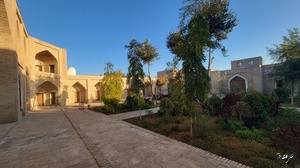
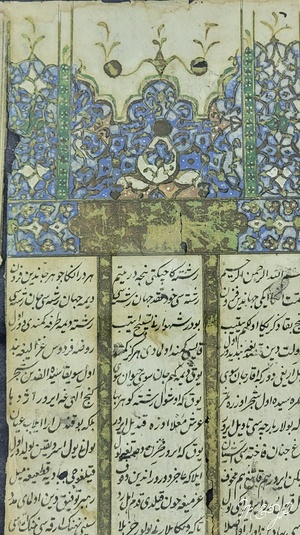
The decorations of the madrasah have not been preserved but it houses a museum with many interesting artefacts, such as Turkmen clothes, jewellery, musical instruments and manuscripts.
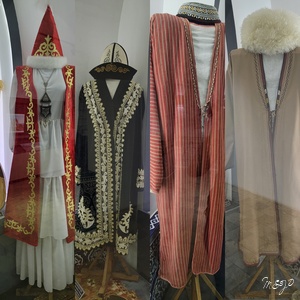
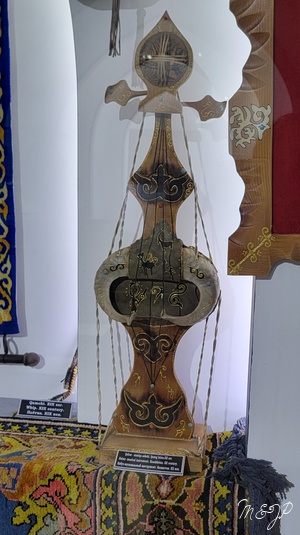
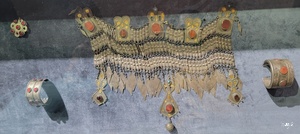
In the Qozi Kalon Madrasah, built in 1905 by the chief judge of Khiva, Mohammad Salih Okhund, the students studied, along with religion, law and tax regulations.
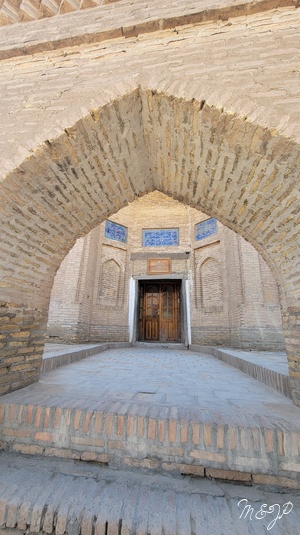
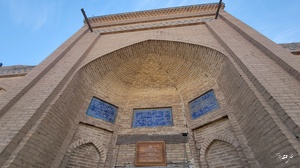
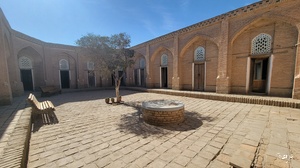
Today, the building houses the Khorezm Music Art History Museum, displaying various musical instruments and paintings.
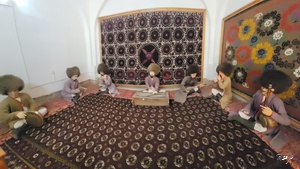
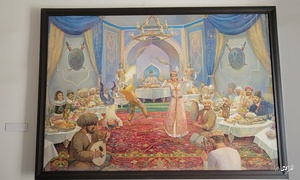
The Matpanoboy Madrasah was built in 1905 by one of the richest Khiva merchants. It has more than a dozen cells, a classroom and a mosque, and nowadays displays some magnificent ancient documents.
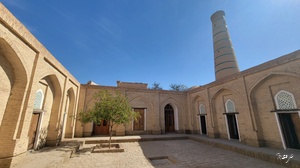
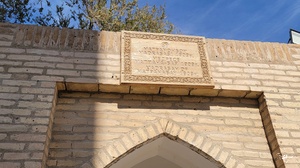
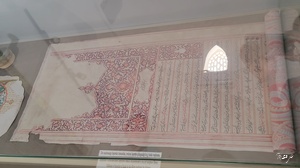
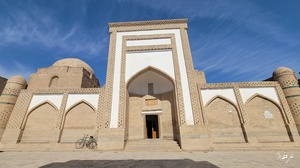
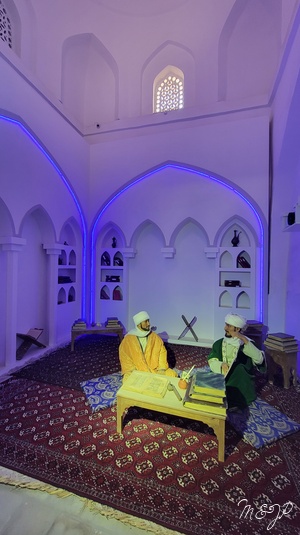
The Muhammad Amin Inoq Madrasa was built in 1785 by Muhammad Amin Inoq Khan - the first Khiva khan from the Qungrat dynasty, who defeated the Turkmens in 1770 and Bukhara in 1782. Its facade in orange and white is stunning, and the former student cells have been beautifully furnished.
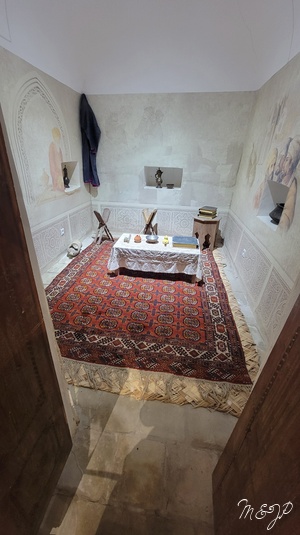
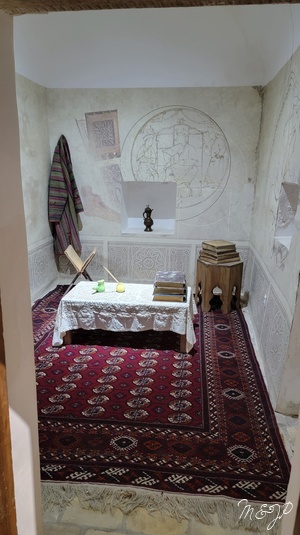
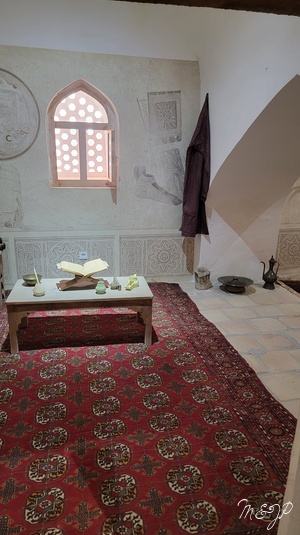
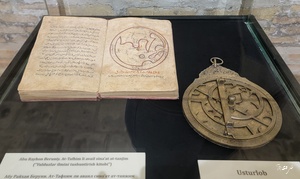
Today the madrasah houses various artefacts used by the teachers and students in their daily life, including astrolabes (instruments used to make astronomical measurements), ancient manuscripts and traditional clothes.
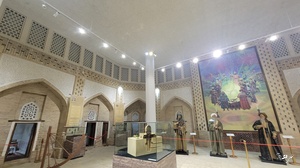
Minarets - What is really special about Khiva are not its mosques or madrasahs, but the minarets attached to some of them with the purpose of marking the location of the main buildings. They are the real stars of the place, towering above the city like loyal soldiers, keeping it safe from an unknown enemy.
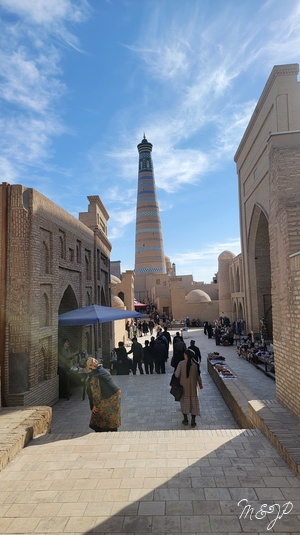
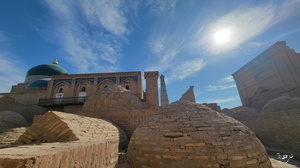
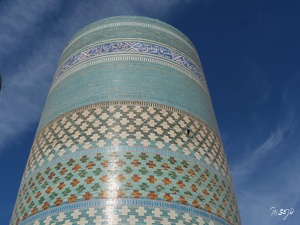
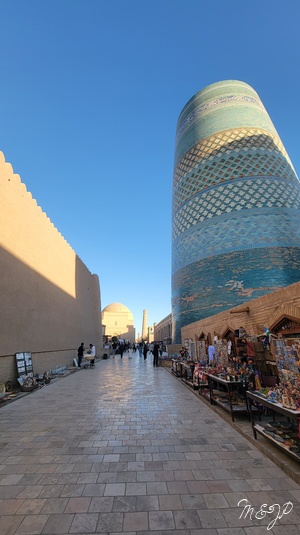
The most famous one, located in front of the Muhammad Amin Khan Madrasah, is the Kalta Minor (translating into 'Short Minaret'). It looks like a glazed barrel and is actually unfinished, which has not prevented it from becoming the symbol of the city.
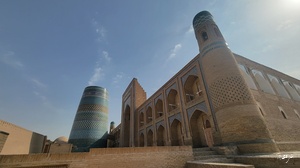
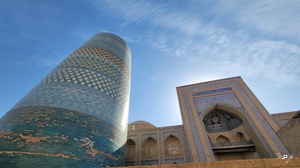
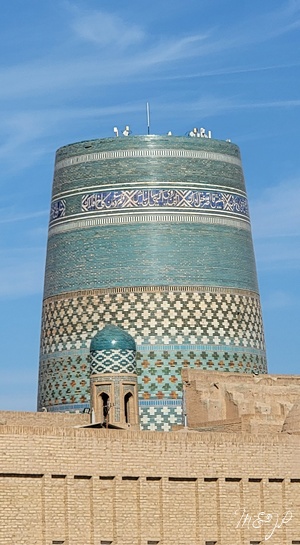
The construction of both the Muhammad Amin Khan Madrasah and the Kalta Minor was ordered by Muhammad Amin Khan and carried out simultaneously. The height of the minaret was supposed to reach 80 meters (or, according to other records, even 110 meters), which would have made it the highest, and also largest, in the Muslim world (surpassing even the 73-m-high Qutub Minar in Delhi, India and the 77-m-high Kutubiyya Mosque Minaret in Marrakesh, Morocco). According to its plan, its diameter was to decrease sharply as its height increased, which was supposed to help its stability. However, the construction of the minaret, which had begun in 1852, stopped in 1855 when its height had reached only 29 meters. According to a Khiva historian, the reason it remained unfinished was the death of Muhammad Amin Khan, who was beheaded at the hands of the Turkmens. The Kalta Minor is the only minaret (well, partial minaret) entirely covered with bright and vivid white, blue, green and turquoise glazed tiles and majolica in geometric patterns, including different inscriptions such as a few verses from a famous Khiva poet. Just try to imagine what it would have looked like if it had been finished… It is massive with 15-m-deep foundations and a diameter of more than 14 meters at the base to support the intended weight and height… Even unfinished, the Kalta Minor is without a doubt one of the most beautiful minarets in Central Asia!
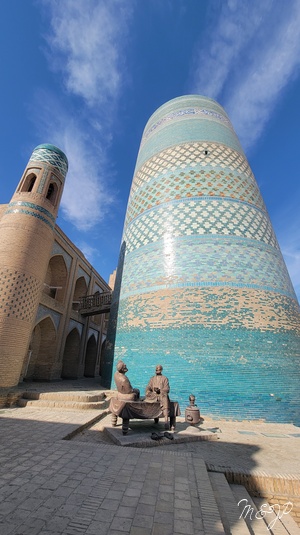
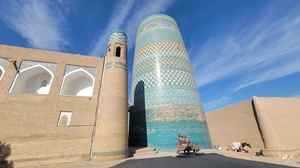
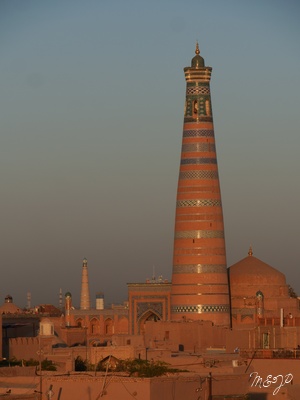
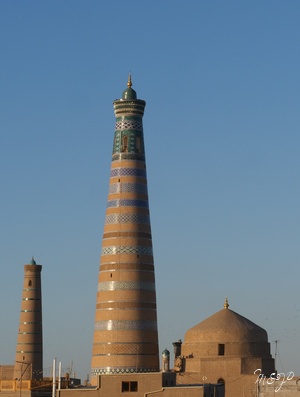
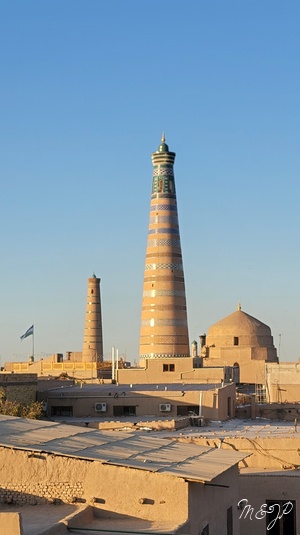
Another stunning minaret in Itchan-Kala, also built next to a madrasah, is the turquoise-domed Islam Khoja Minaret. It was completed in 1910 and is almost 57-m-high with a diameter of 9.5 meters at its base becoming thinner toward the top, which makes it the highest and largest minaret in the city. It is believed that the builders wanted to exceed the height of the 47-m-high Kalon Minaret in Bukhara!
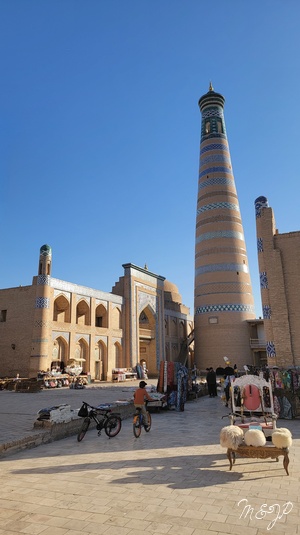
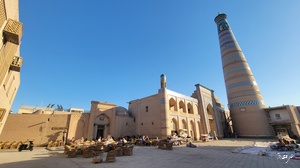
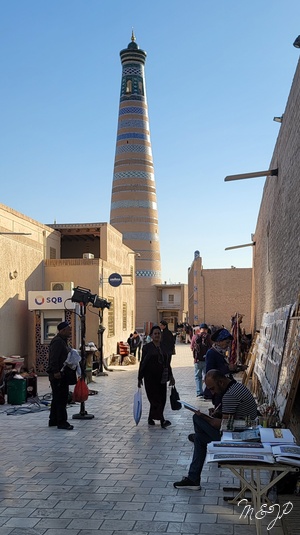
The Islam Khoja Minaret looks even higher due to the visual effect of its horizontal belts of white, blue and turquoise glazed tiles, and the tiny scale of the adjacent Islam Khoja Madrasah. You can see this towering beauty from almost anywhere in the old town!
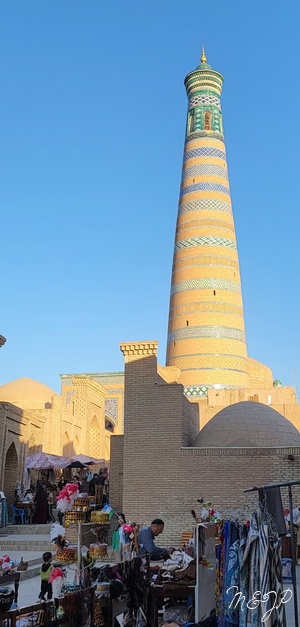
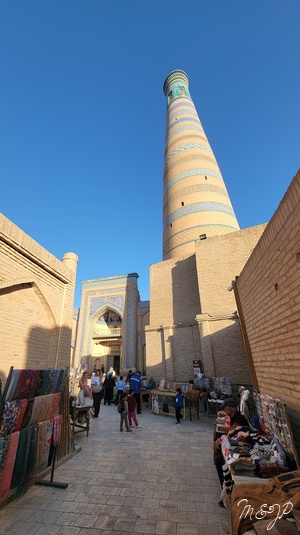
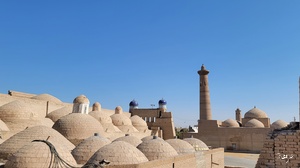
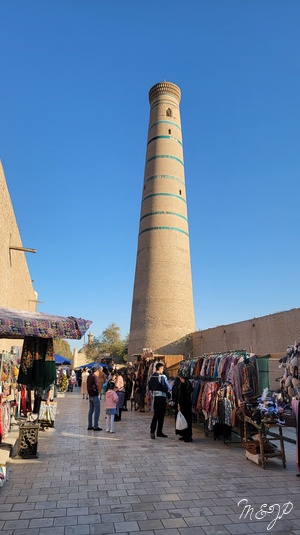
A third minaret in Khiva that you cannot miss is the one attached to the Juma Mosque, which is the oldest in the city. With its height of 32.5 metres and a diameter of 6.2 meters at its base, it is smaller, shorter and less decorated than the Islam Khoja Minaret, but still spectacular! Its lantern with a turquoise dome and a stalactite cornice is beautiful!
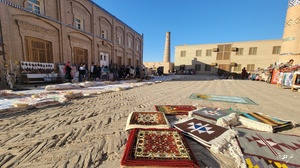
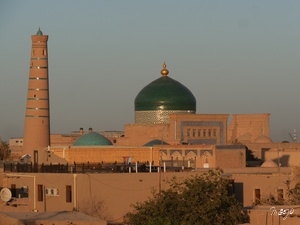
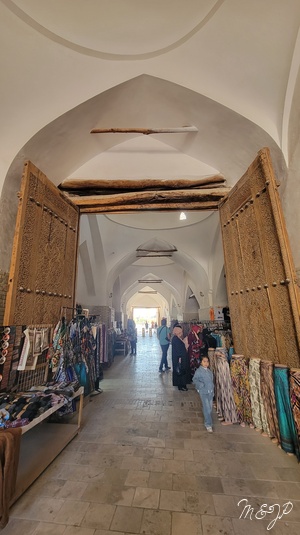
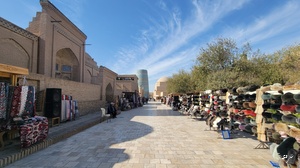
Markets - Finally, the buzzing and colourful markets of any Silk Road hub are everywhere in the streets of Itchan-Kala.
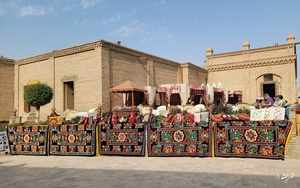
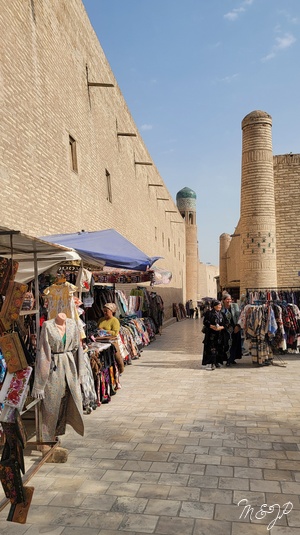
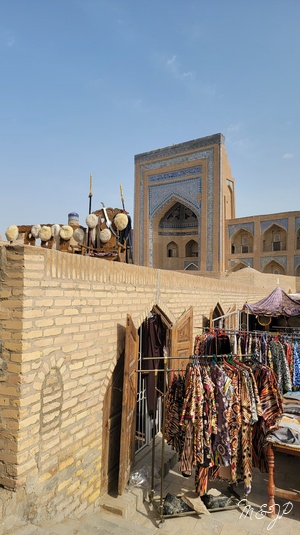
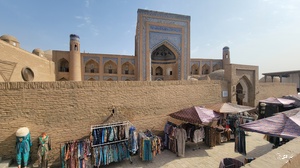
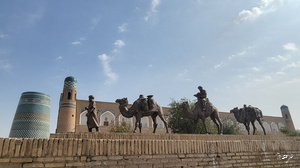
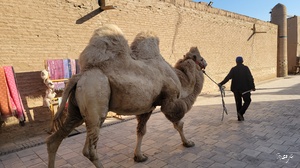
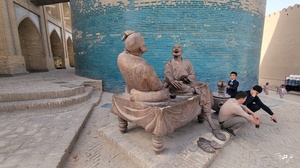
The statues and the real versions of the Bactrian camels around might give you the feeling that you have been transported back in time when caravans were still passing through the city for real!
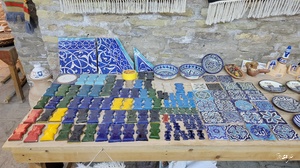
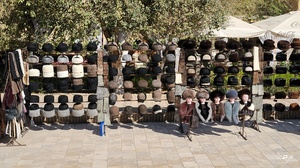
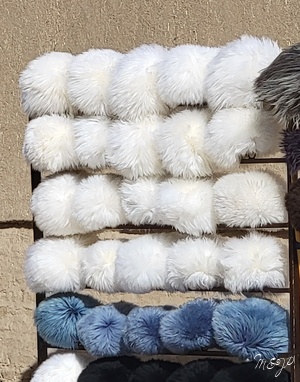
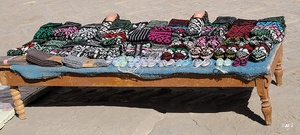
The markets are the perfect places where you can buy secret storage boxes, book readers, ceramics, shawls, wool socks and so many other gifts to bring back home, including a traditional Turkmen-style telpek - a huge white fur hat made from sheepskin. Khiva is really close to the border with Turkmenistan, and you can see it and feel it!
In the streets of the city you can also witness the preparation of traditional Uzbek bread in a tandir (a large vase-shaped oven, usually made of clay), using coal or firewood. The Uzbek women were literally sticking the bread on the walls of the tandirs, after having sprinkled them with water!
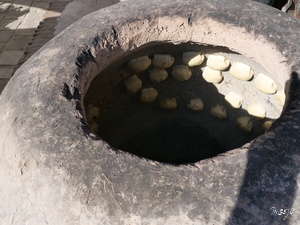
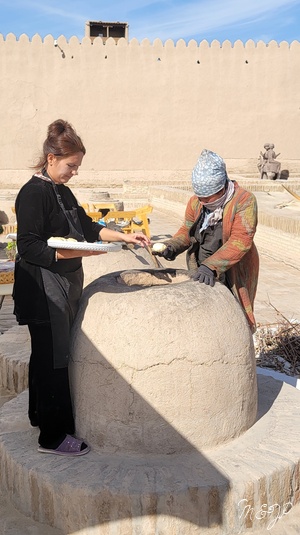
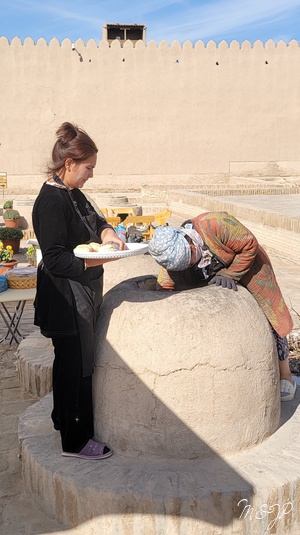
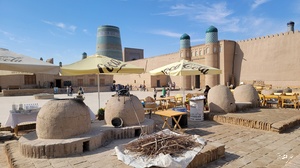
In Uzbekistan, bread is more than just food. It represents the hospitality and traditions of its inhabitants, and each region has its traditional bread with distinctive texture, patterns and even fillings.
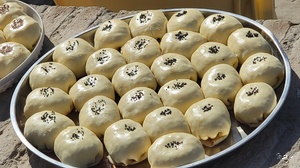
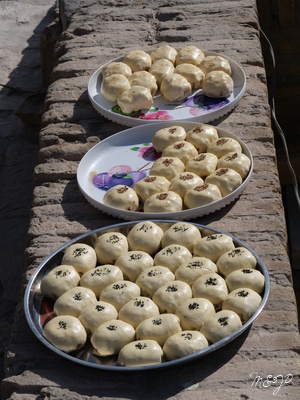
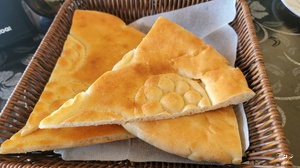
In Khiva we not only saw its preparation, but also tasted the freshly out of the oven and still hot patir bread, filled with meat or vegetables! It was delicious!
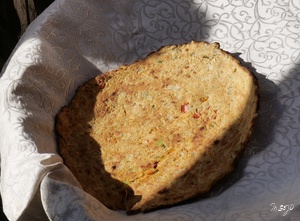
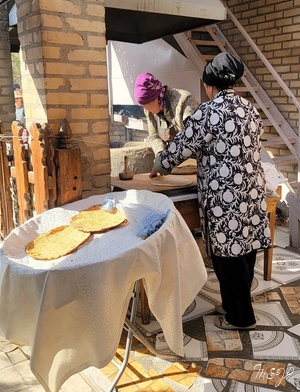
V=src>https://www.youtube.com/embed/qpgMVYX0MvQ|title>Bread making in Khiva, Uzbekistan | OurSmallPlanet.eu=V
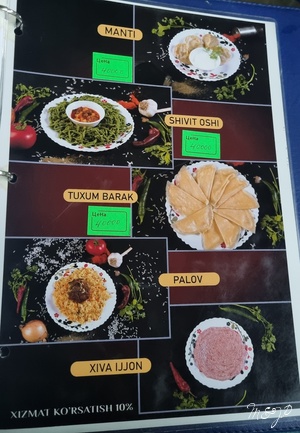
If you want to taste more traditional Khorezm dishes, such as the shivit-oshi (green noodles made from dill dough, topped with some red meat and vegetable gravy and served with a yoghurt sauce), the tukhum-barak (dumplings with egg filling) or the xiva ijjon (chopped raw meat and onions, mixed with herbs and spices), try one of the local restaurants (even though we were slightly disappointed with both the quality of the food and the prices after the feasts we had had in Tashkent, Samarkand and Bukhara). You will also find there the classics, including the plov, the manti and all the delicious Uzbek soups and salads!
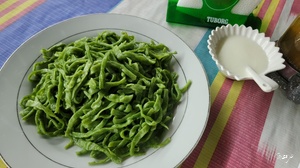
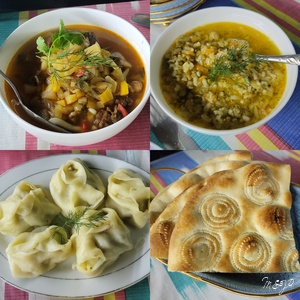
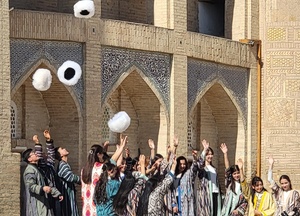
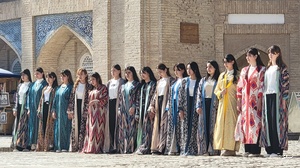
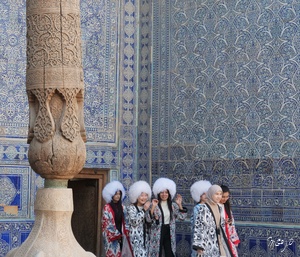
The streets of Itchan-Kala are also venues for celebrations.
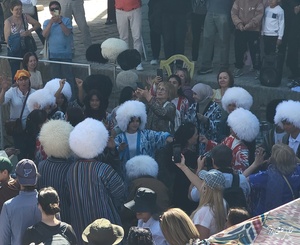
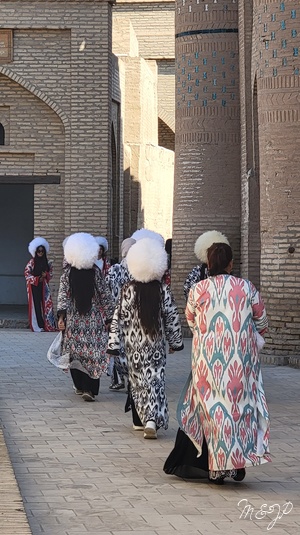
You will come across groups of young men and women, dressed in traditional long, tunic-like ikat dresses in vibrant colours and featuring geometric, floral and celestial motifs, who are strolling around, posing for pictures, dancing or throwing their telpeks in the air!
A little bit outside Itchan-Kala’s inner walls is located the 19th-20th-century Nurullaboy Palace, built by Muhammad Rahim Khan II for his son Asfandiyar Khan. After we read in the guidebook and on Tripadvisor that its interior resembled a European palace rather than a Central Asian one, we decided to skip it and go on a day-trip to the more authentic desert castles instead.
The Desert Castles - In the Kyzylkum Desert around Khiva, you will find the ruins of dozens of clay-built castles, called kalas or qalas, and can spend days visiting as many of them as you want. On our day-trip in the Boston region (nope, not Boston in the United States) we visited only three of them, but it was already an incredible experience, topped with the gorgeous autumn hues as the icing on the cake!
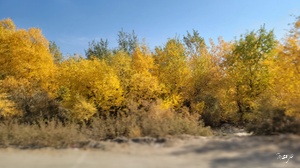
About 2,000 years ago, the Kyzylkum Desert was actually a fertile agricultural land, dotted with several settlements and fortresses built to protect them from nomad raids. However, by the end of the 9th century, the Amu Darya River that flowed in the Aral Sea changed its course, and the land slowly started to turn into a desert. The population had to leave some areas for lack of irrigation water and several fortresses had to be abandoned.
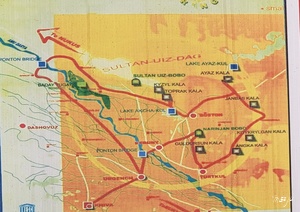
We started the day with a visit to the 'small' fortress of Kyzyl-Kala (meaning the 'Red Fortress'). It was probably built in the 1st-4th centuries and rebuilt in the 12th-13th centuries, just before the Mongol conquest.
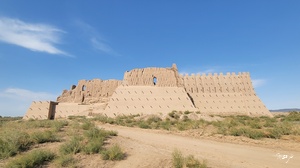
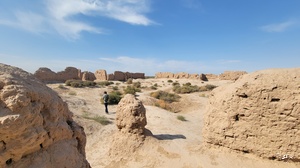
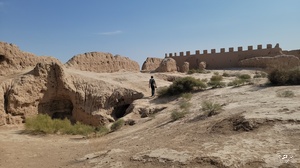
With walls rising to 13-16 meters and an area of about 3,000 square metres, the fortress is majestic. Part of it was restored, and you can clearly spot the striking contrast between what it used to look like and its current ruins.
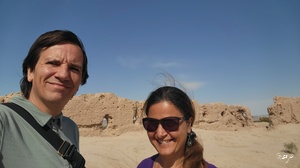
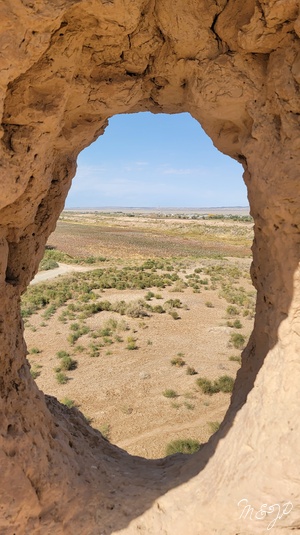
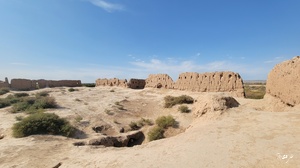
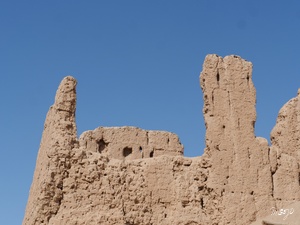
Kyzyl-Kala probably served as a fortified defense for the nearby fortress of Toprak-Kala from the same era, which is believed to have been the former capital of Khorezm in the 2nd-3rd centuries. It reached an approximate height of 40 meters, covered an area of over 120 hectares and included several palaces and residential buildings.
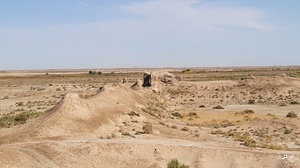
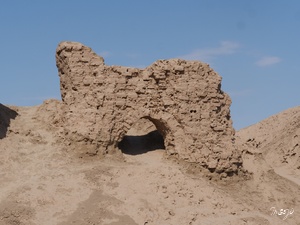
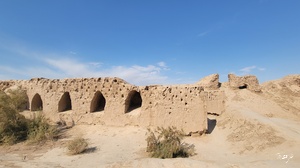
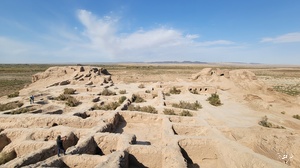
The King’s Palace in the northwestern section of Toprak-Kala was built on an elevated base, rising about 15 meters above the rest of the town, and offers some spectacular views of the surrounding area!
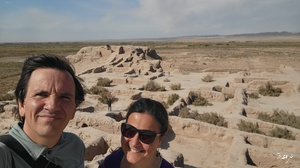
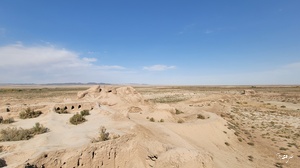
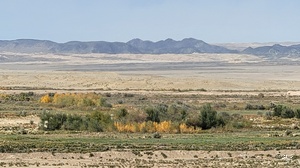
Three monumental towers, each 25-m-high, still exist. On the site, the archaeologists discovered a lot of wall paintings, sculptures, coins, jewellery and archives, which allowed them to determine the epoch when the fortress was built. In front of the palace, a fire temple was identified by the volume of ash in the surrounding buildings.
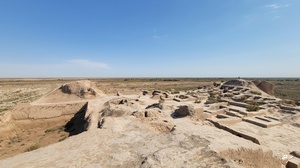
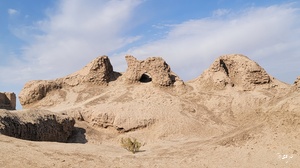
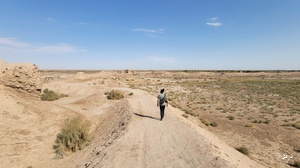
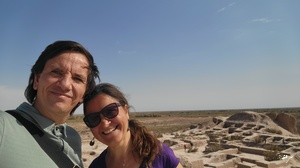
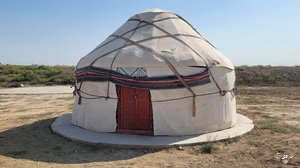
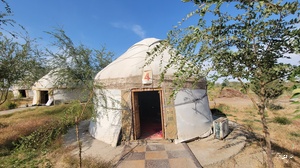
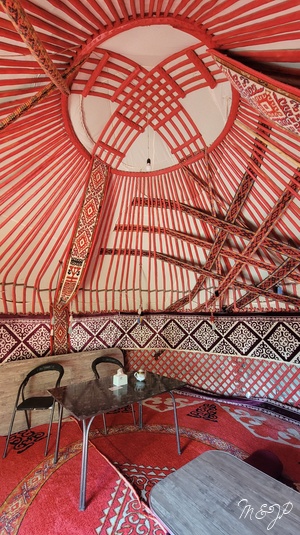
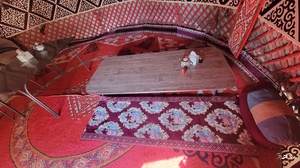
After the visit of the two fortresses, we stopped for lunch in the local restaurant Aqchako’l, featuring traditional yurts next to the Akhchakol Lake - a freshwater lake, which looked like a mirage in the middle of the arid landscape of dunes and steppes.
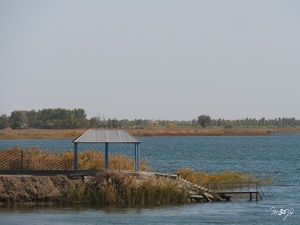
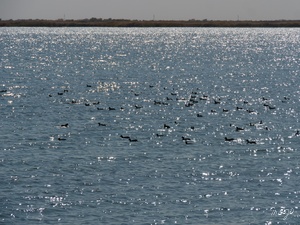
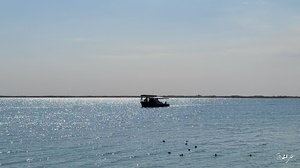
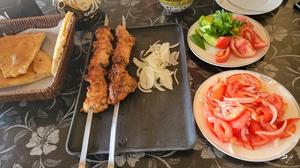
The chicken shashliks, spicy tomato salad and fresh local bread were delicious, the views of the lake were beautiful and the area was so peaceful!
We had saved the best for last - the incredible fortress of Ayaz-Kala. It is probably the most famous amongst the kalas and is actually a complex of three fortresses, built between the 4th century BC and the 7th century CE.
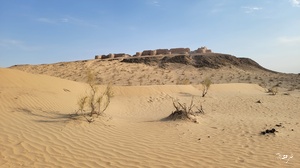
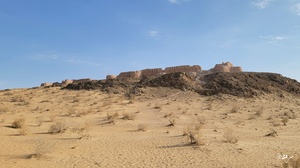
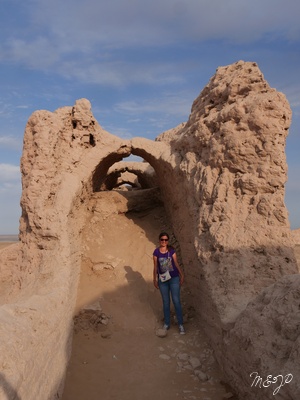
Ayaz-Kala 1 is the most stunning amongst them, dating back to the end of the 4th or the beginning of the 3rd century BC when Khorezm had become independent from Persia.
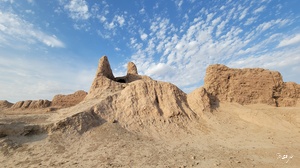
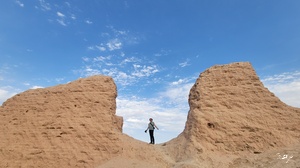
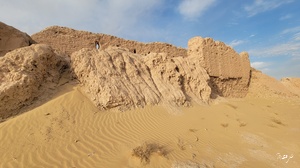
It is located on the top of a 100-m-high hill with gorgeous views of the surrounding dunes, steppes and other structures.
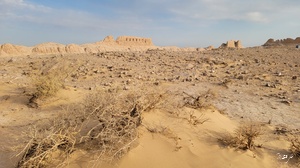
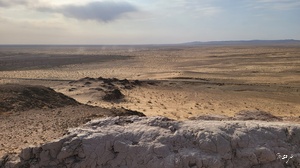
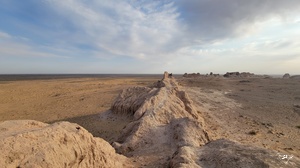
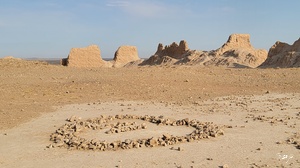
It features thick inner and outer walls with a vaulted corridor between them, as well as several watchtowers.
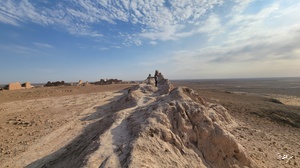
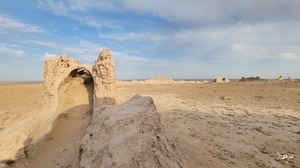
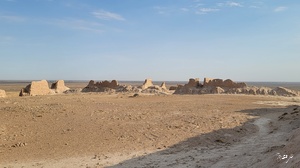
Ayaz-Kala 2, in front of and below Ayaz-Kala 1, dates from the 6th-8th centuries and was also built on the top of a conical hill with a height of about 40 meters. Ayaz-Kala 3 is a fortified enclosure in the open plain below Ayaz-Kala 1, dating from the 1st-2nd centuries, with a building, probably used as a garrison, in one corner which might have been built earlier in the 5th-4th centuries BC. Surrounding the enclosure were found the remnants of many farmsteads with dwellings, fields and vineyards. Based on the various objects, including wine presses and golden statues, that the archaeologists have unearthed from the site, the entire complex would once have been a very wealthy place.
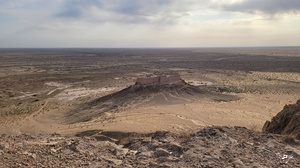
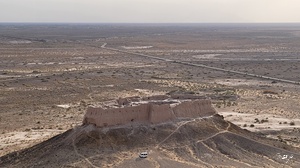
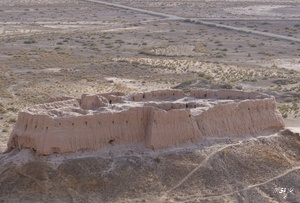
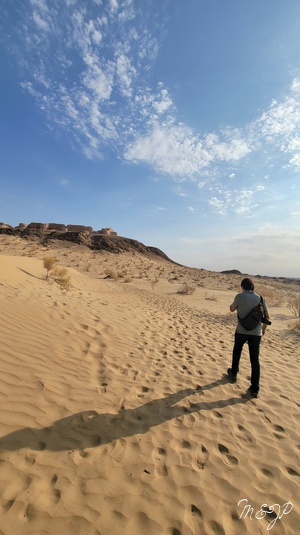
However, the most spectacular part of the visit was the surrounding sand dunes landscape, especially at the light of the golden hour.
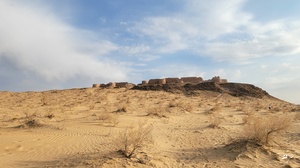
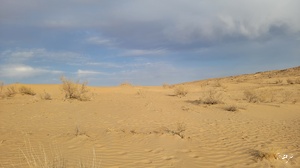
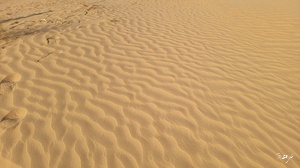
Bactrian camels and long-clawed ground squirrels were randomly popping up against the breathtaking backdrop of the kalas, which looked like melting sand castles!
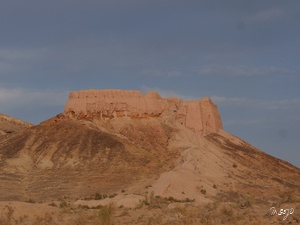
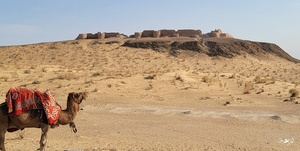
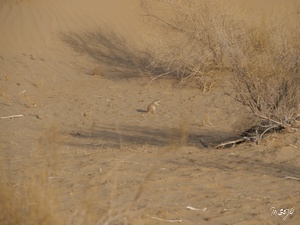
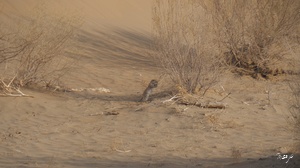
During our visit the place was also the set of a local movie, and it was quite entertaining to watch the actors repeat again and again a specific sequence following the producer’s instructions!
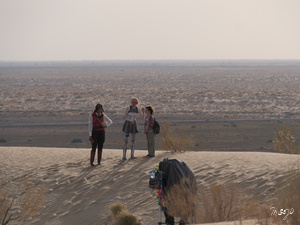
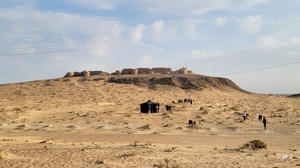
After this incredible day, we took a short flight back to Tashkent from the city of Urgench, located close to Khiva. If you are a Russian avant-garde fan and are ready to drive for three hours from Urgench to Nuxus, you might want to stay another day and visit the local Museum of Art, boasting Central Asia’s greatest art collection. It was founded by the famous Russian artist Ivor Savitsky, who had managed to hide many works banned by the Soviets.
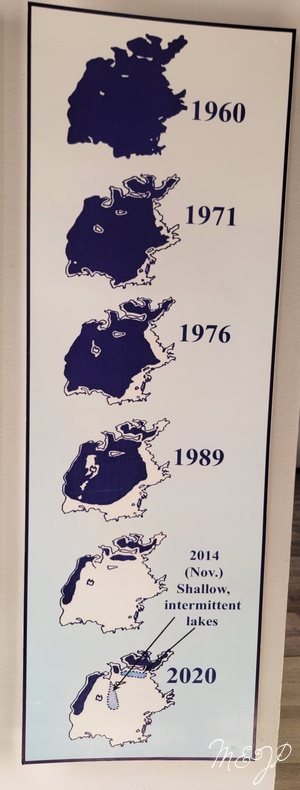
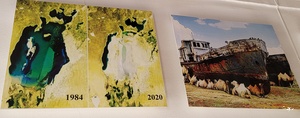
Finally, we decided not to visit the Aral Sea either. Once the fourth largest lake in the world (its name is misleading…), divided between Uzbekistan and Kazakhstan, it is now an environmental disaster due to excessive water usage (in particular for the irrigation of the cotton production started during the Soviet era), rather than a sightseeing place… By 2010, its salt content had reached levels higher than those of the sea water, making it impossible for most species to live there, and it is slowly disappearing. Looking at ghost towns and graveyards of ships, which were once at the bottom of the lake now turned into a desert, would have been heartbreaking...
After spending more than two weeks in Uzbekistan, we hopped on our flight back home from Tashkent, conscious that we had barely scratched the surface of this incredible country in the heart of the Silk Road (or rather the Silk Roads, according to English historian Peter Frankopan’s book 'The Silk Roads: A New History of the World'). The place where the East and the West had first met each other through trade and conquest, leading to the phenomenal and fascinating spread of ideas, cultures and religions around the whole world… Rahmat ('thank you'), Uzbekistan, you are a hidden jewel and we will be back!

You like what you read?
Explore and learn more about Uzbekistan !!!
-
 P for Paradise and Provence (part 2)
Stunning nature - You cannot leave Marseille without hiking to … -
 P for Paradise and Provence (part 1)
France used to be divided into historical regions, which do … -
 The Valley of Roses and Kings (part 2) The Valley of Kings
The Valley of Roses is famous not only for its … -
 The Valley of Roses and Kings (part 1) The Valley of Roses
Out of all the flowers in the world the rose … -
 In the heart of the Silk Road (part 4) Khiva and the Desert Castles
Khiva - It took us 6 hours, almost a whole … -
 In the heart of the Silk Road (part 3) Bukhara
Bukhara - While Tashkent is a modern city with some … -
 In the heart of the Silk Road (part 2) Samarkand
Samarkand - No name is so evocative of the Silk … -
 In the heart of the Silk Road (part 1) Tashkent
The Great Wall of China, Machu Picchu, the Pyramids of … -
 The Land of Giants at the End of the World (part 2)
We crossed for the third time the border between Argentina … -
 The Land of Giants at the End of the World (part 1)
No visitors come back from Antarctica in the same state … -
 A Vitamin Sea Christmas in the Mediterranean
Human beings are full of contradictions! When we used to … -
 Spring Colours in the Kingdom of the West (part 6) Morocco is yellow
Morocco is yellow - Besides the yellow hues of the … -
 Spring Colours in the Kingdom of the West (part 5) Morocco is red
Morocco is red - Besides the red hues of the … -
 Spring Colours in the Kingdom of the West (part 4) Morocco is orange
Morocco is orange - Our first encounter with the legendary … -
 Spring Colours in the Kingdom of the West (part 3) Morocco is green
Morocco is green - The Rif Mountains east of Tangier, …
