
.svg)
The Hidden Gems of Africa (part 2)
The landscape gems - sand deserts
Posted by: Maria in March 2025 (1 year, 6 months ago)
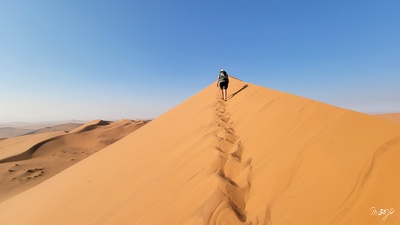
Vast deserts, giant sand dunes, alien salt pans, spectacular valleys, deep canyons, beautiful rivers, breathtaking waterfalls, giant rock formations, gorgeous mountains, and the majestic Atlantic Ocean…
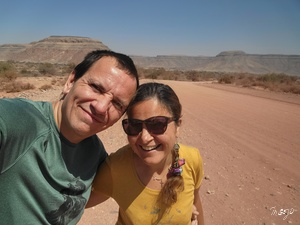
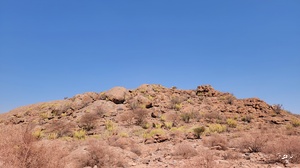
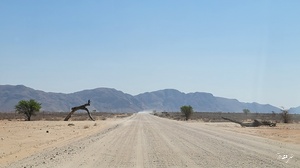
Namibia and Botswana boast some of the most stunning landscape gems in Africa but you need to earn each and every one of them because they are spread across some of the vastest territories ever.
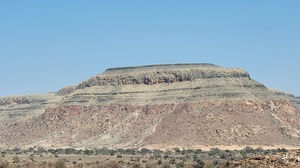
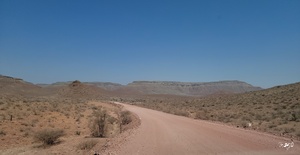
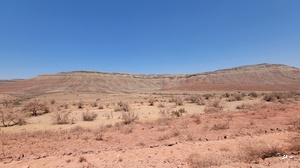
At more than 800,000 km2, Namibia is the world's thirty-fourth largest country (or almost twice the territory of France or Germany and four times the territory of the United Kingdom), and Botswana, with its almost 600,000 km2, is not far behind.
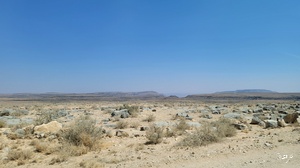
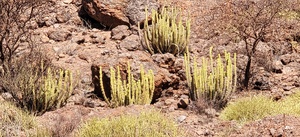
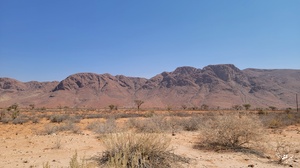
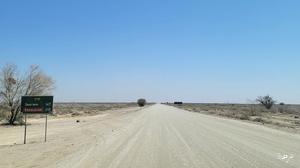
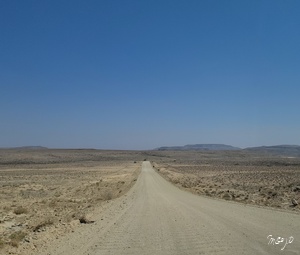
While there are sealed roads in both countries, most of the time you will drive on gravel ones, which vary from coarse gravel to fine sand and dust, and even salt roads.
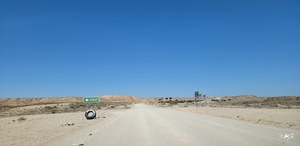
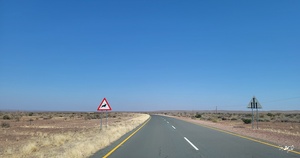
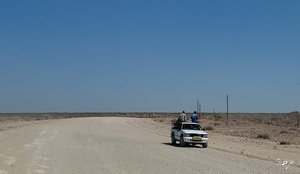
You will soon discover that this means dust, a lot of it and everywhere! Were your flip flops white when you started your road trip? Well, they will still be white at the end of it, but the African "white" colour - ivory! Being overtaken by another car means a huge cloud of dust and zero visibility for a while! If you see something which looks like a tornado in the distance, there is no need to panic - it is probably just another car driving on a sandy road…
Also, with a population of around 2.5 million people each, spread over a huge territory, Namibia and Botswana rank amongst the least populated countries in the world.
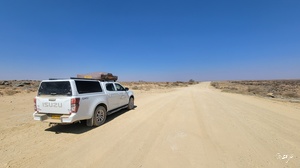
With 2.7 inhabitants per square kilometre, Namibia is actually the second least densely populated country in the world after Mongolia! This means that if you get off the beaten track, you will drive along lonely desert roads for hours and sometimes even days without seeing a living soul, other than perhaps an oryx, a baboon or a hornbill popping out like a mirage somewhere in the distance or suddenly crossing the road in front of your car.
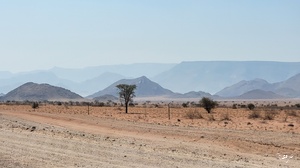
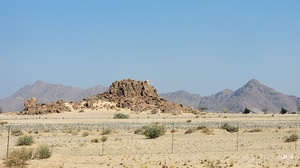
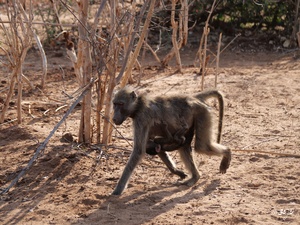
This was the reason we had a 50-liter tank of drinkable water in our 4WD - you never know when you might need it! A flat tyre (we had 2 spare tyres!) or any other car-related hiccup in Namibia has a completely different dimension from what you are used to! You might have to wait for a while for help to arrive, if you even manage to call for help as there might not be any network… And if you are unfortunate enough for the flat tyre to happen at a place where there are wild animals (I mean lions, leopards, cheetahs, rhinos, this type of animals…), and in particular at parks where you are not allowed to get off your vehicle, you might not have any other choice but to wait for help if you value your life (this actually happened to two friends we made along the trip but, luckily for them, help in the Etosha National Park was very efficient and they did not have to wait long)! Self-driving in Africa is not for the faint-hearted!
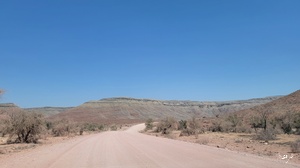
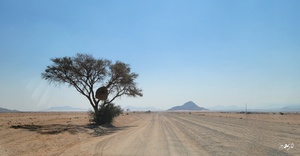
And still, a safari trip through Namibia and Botswana is one of the greatest road adventures ever, as it will be a journey of amazing discovery and wonder every single day.
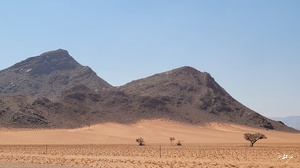
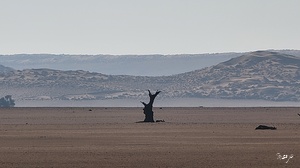
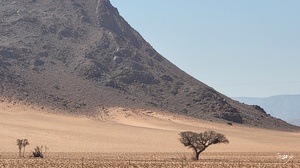
These are lands of contrast in terms of landscapes but also climate! If you expect warm weather when visiting during the summer in the southern hemisphere, think twice! It is hot during the day, but freezing cold during the night in the desert. Also, do not get fooled by the harsh beauty of the Namib Desert’s sand dunes meeting the fiercely crashing waves of the Atlantic Ocean - the shock between the desert winds and the cold ocean current brings cold temperatures and lots of wind all year round!
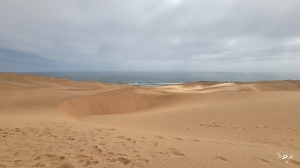
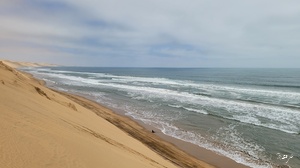
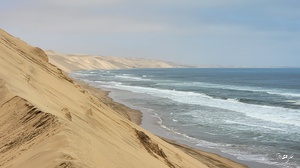
I think that we were definitely not ready for what was going to unwind in front of our eyes. It was a trip of many firsts! The views from the plane were already spectacular and screamed nature and adventures.
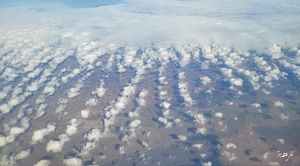
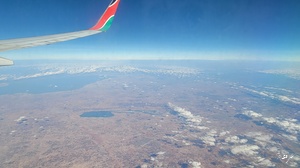
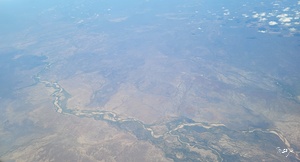
The first part of our trip and our first discovery were Namibia’s deserts. Our first camping and our first night sleeping in our 4WD rooftop tent were at the Lapa Lange Game Lodge in the mythical Kalahari Desert! Even the name carries some African magic!
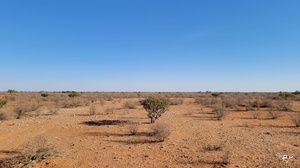
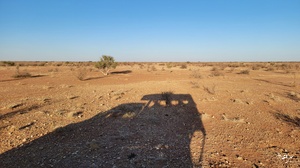
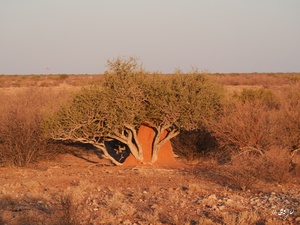
On our way south from the capital Windhoek, the landscape had turned in the blink of an eye from light green trees into dazzling white rocks, orange sands and rare yellow bushes and grass.
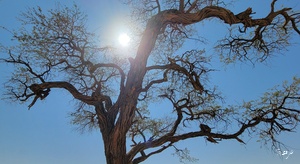
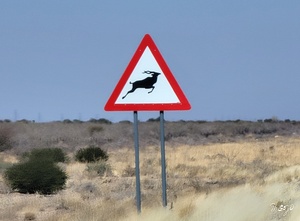
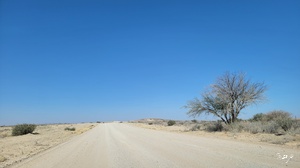
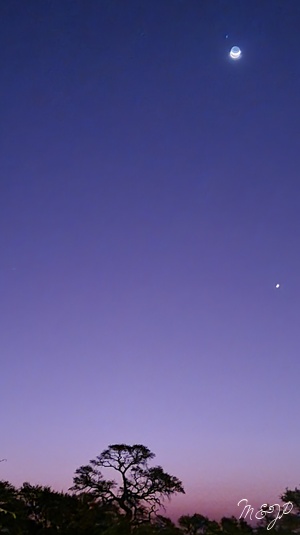
On the first night in the desert, we went to sleep with the jaw-dropping view of the clear violet night sky with its millions of stars. Initially, I was quite scared to sleep in the tent but it was so cozy and comfortable. In case you are scared of wild animals visiting your bed during the night, I can reassure you that few of them can climb the ladder to your roof tent, so you are (generally) safe, or at least this is what I thought at the beginning of our trip! The only problem was getting up in the morning as the air was quite crisp despite the beautiful rising sun!
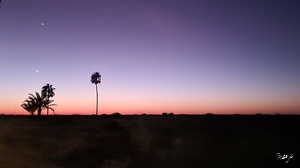
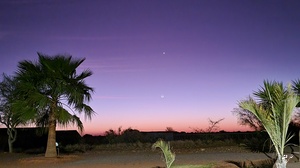
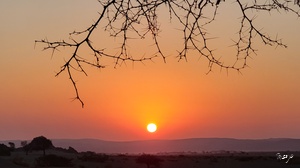
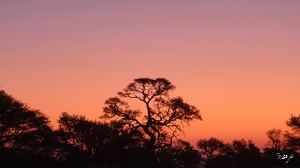
The second day in the Kalahari desert ended with our first African sunset - it looked like the horizon was burning in flamboyant colours as far as you could see! The sunsets on the Mother Continent are probably one of the most memorable things that will stay with you long after the end of your trip!
Our second desert landscape discovery was even more iconic than the Kalahari. The Namib Desert stretches 2,000km along the Atlantic coastlines from Angola to South Africa, with the largest part making up the coastline of Namibia. The word "Namib" of Nama origin means "vast place" and gave its name to the country itself. The desert is one of many picture-perfect destinations that will be the highlight of your trip to Namibia.
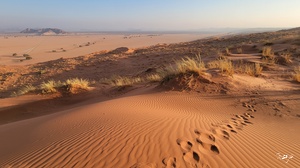
The Namib is the oldest and one of the driest deserts in the world. It originated in the Kalahari Desert millions of years ago, was washed down the Orange River and out to the ocean and has been around for at least 55 million years. This extremely hot and arid landscape is home to gravel plains, rugged mountains, and some of the highest and largest dunes in the world. Formed over 5 million years ago, the towering star-shaped red dunes around the Sossusvlei region - the southern part of the Namib Desert - constantly move, although they are considered to be some of the most permanent and stable of these types of dunes in the world. Their age can be seen in their colour - the more intense the red, the more oxidised the iron in the sand and the older the dune. They also change their colour with the light and look the most spectacular during sunrise and sunset!
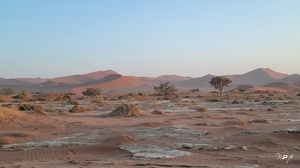
We knew that the place would be a treat and decided to stay there for two nights. Our first night in the desert was at the Sesriem Oshana campsite.
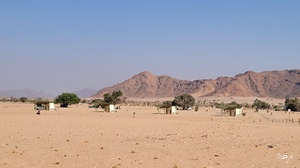
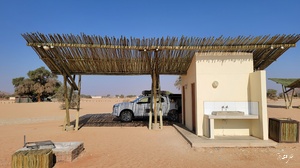
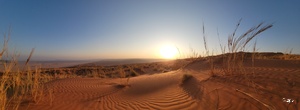
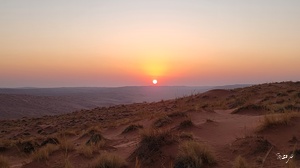
Before setting our tent up, we decided to enjoy the sunset over the nearby Elim Dune - our first dune in the Namib-Naukluft National Park.
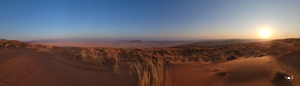
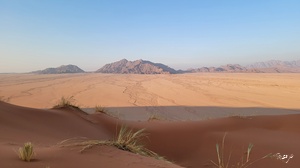
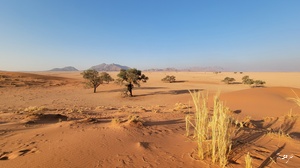
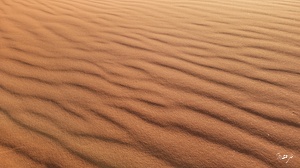
Even though the dune was not that high, it was very large and the climb was quite hard.
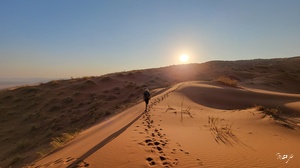
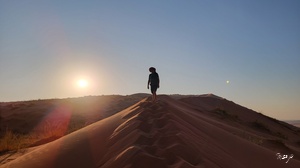
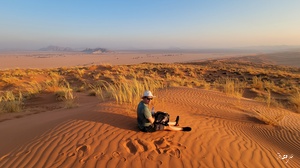
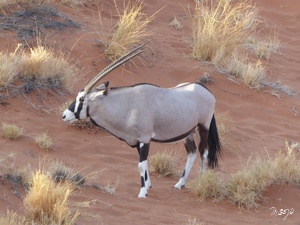
The views from the top were gorgeous and we even came across a lonely gemsbok - the largest species of oryx and the only large mammal that can survive in this harsh climate!
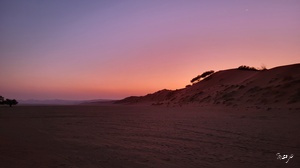
When we came back to the campsite, it was already dark and we still had to prepare our dinner and unfold our tent, which always took time. Luckily, the place was comfortable - we had our private bathroom, a sink and even a shelter to protect us from the strong desert winds. The advantage of staying at the Sesriem Oshana campsite was that we were between the two gates and therefore could enter the park one hour before sunrise and exit one hour after sunset (people staying outside the park can only enter at sunrise and should exit at sunset). This was good news as we were going to beat the crowds staying outside the park in the morning, but we still had to wake up at 5am and fold our tent in the cold and the darkness of the night… It was quite challenging, but worth it!
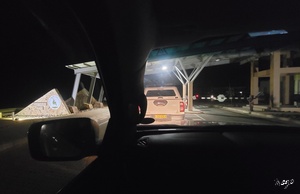
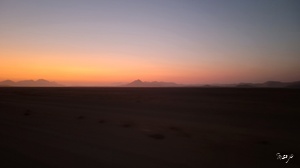
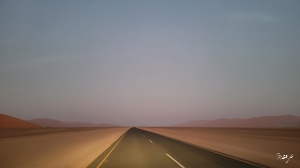
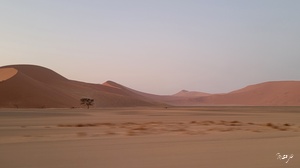
When we visited Sossusvlei in September, the sunrise was at 7am, and so we were told to be at the gate at 6.15am. We arrived at 5.50am and were the second car waiting for the second gate to open. Even though we were overtaken by almost all cars after the gate opened - the speed limit was 60km/h but we seemed to be the only guys respecting it - it was still worth it to be amongst the first people to arrive and climb the dunes in the early morning. At 11am, it was already crowded and unbearably hot…
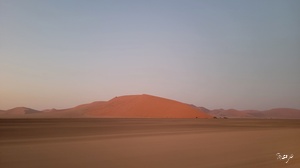
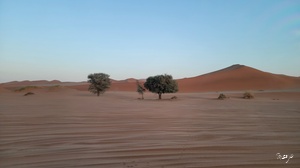
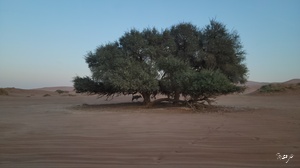
Most of the cars stopped at Dune 45 - the star of Sossusvlei, located 45 kilometres after the gate, but we decided to do it on the way back and drove directly to the end of the road, which took us around 50 minutes from the gate. After parking our car, we took one of the 4WD shuttles for the last 5 km (200 NMD per person). I guess that we would have made it on our own but it might have taken us longer, in particular in the unfortunate event that we had got stuck in the soft sand (the memories from our bad experience on Fraser Island were still pretty fresh and scary…)!
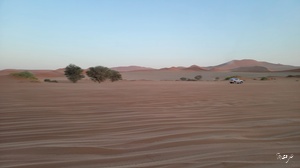
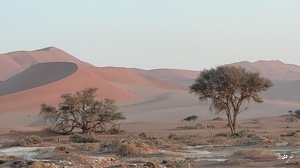
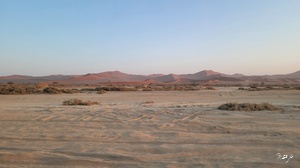
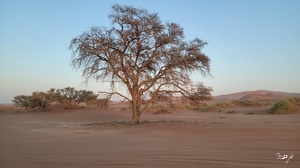
The landscape was simply stunning, with the sun gently popping up and shedding its beautiful morning light on the surrounding dunes.
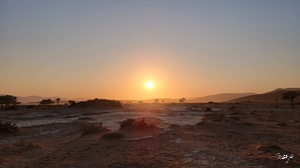
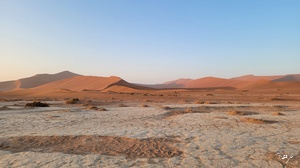
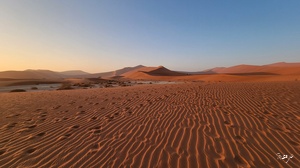
The colours were simply spectacular and it was only the beginning!
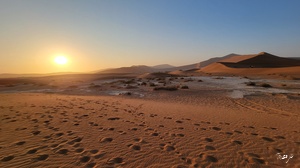
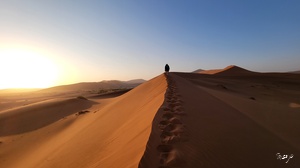
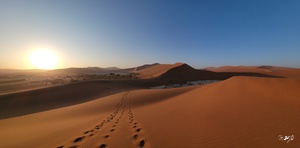
The main reason we had skipped Dune 45 and driven to the end of the road was Big Daddy, the highest dune in the Sossusvlei region (although not the highest in the Namib Desert).
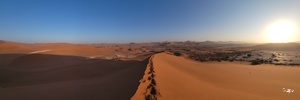
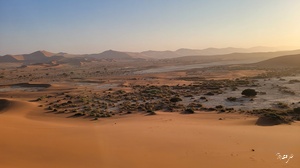
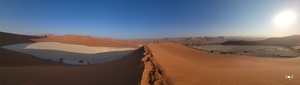
With its 325 meters, it dwarfs the other dunes…
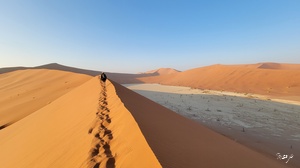
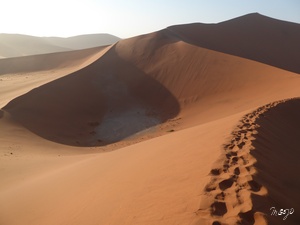
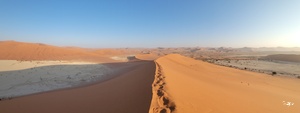
The climb to the summit of this sandy giant was slightly challenging - there were a few steep areas where the sand was so soft that our feet were sinking in it… It took all our strength and determination to keep going, but it was more than worth it!
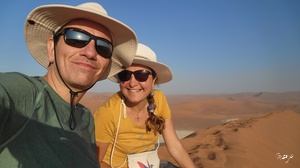
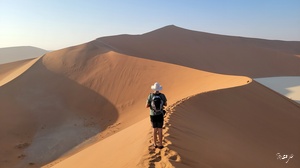
Luckily, we wore our diving shoes, which was our best decision ever. Most people wore sneakers and heavy hiking shoes that got spoiled by the sand…
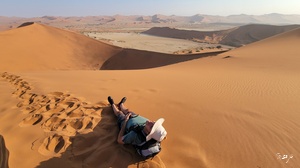
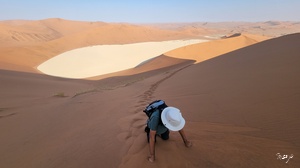
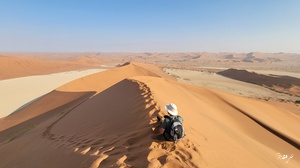
A barefoot trek did not seem reasonable as beetles, sharp grass, and lizards were hiding in the sand…
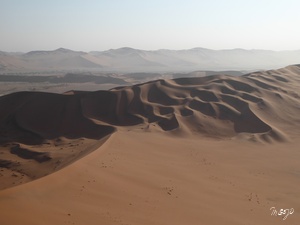
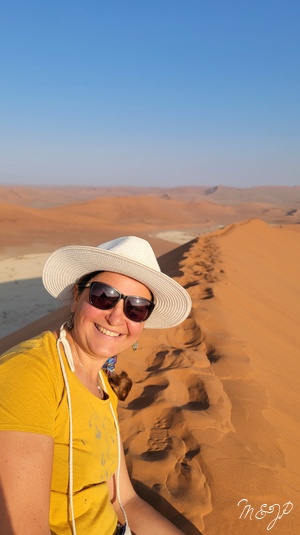
Also, emptying tons of sand from our shoes - which was a must every half an hour - was easy with our diving shoes as we were not wearing any socks or laces!
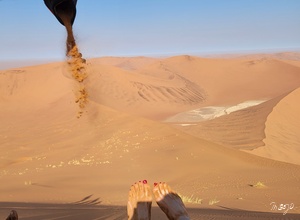
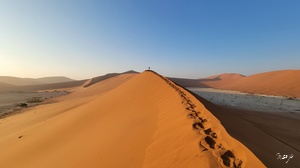
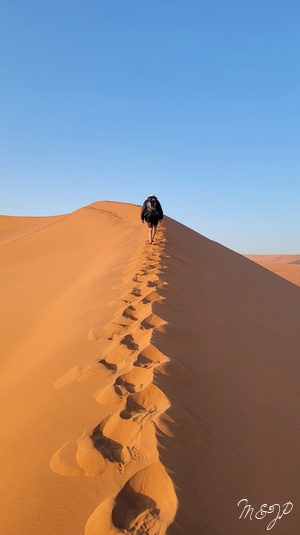
After having braved the scorching sun for almost an hour, we finally arrived at the top…
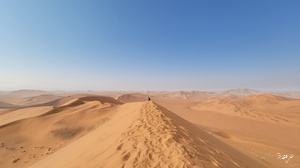
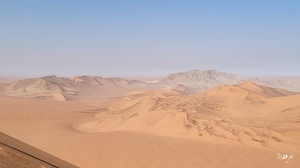
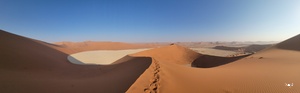
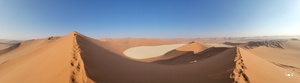
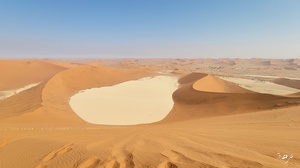
And some of the most jaw-dropping 360° views unraveled in front of our eyes - dunes, salt pans, mountains, and even the Atlantic Ocean in the distance.
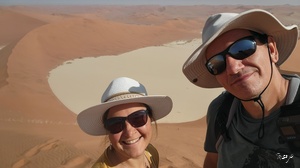
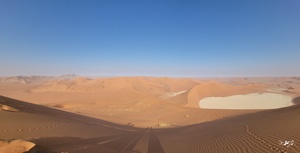
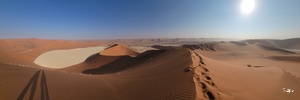
The panorama was so stunning that it felt almost surreal!
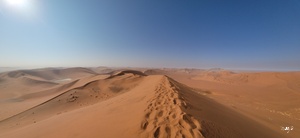
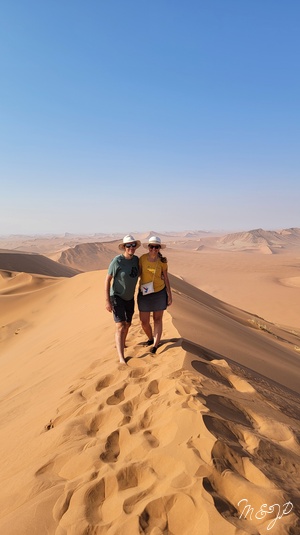
Our best moment at Sossusvlei was yet to come!
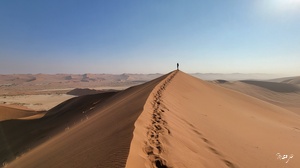
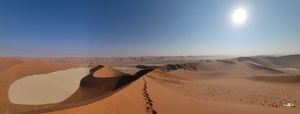
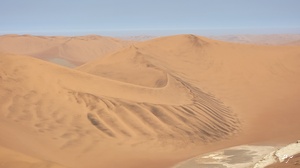
We ran and slid down the huge dune to reach the valley below. It was a lot of fun as the sand that we were moving with our feet was making the most unearthly noise ever! It was like the dune was a gentle beast who was whispering or singing to us! We also came across an incredibly cute lizard!
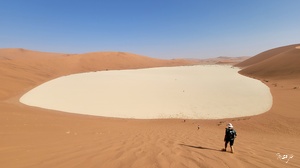
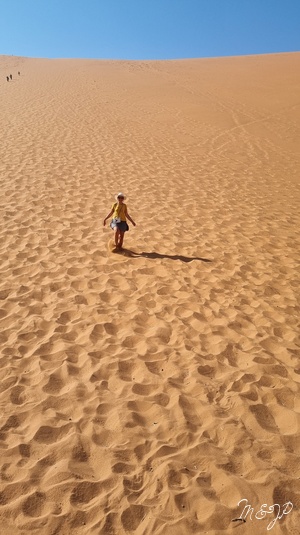
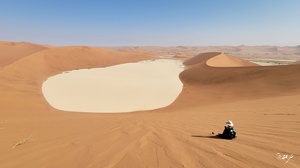
When we arrived at the bottom, another treasure emerged in front of us - Deadvlei, the most alluring pan in the Namib-Naukluft National Park.
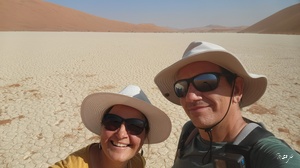
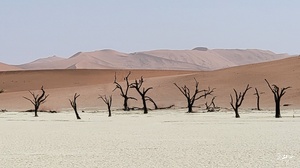
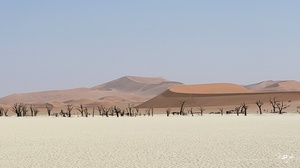
The view of the seemingly petrified black trees popping up from the white canvas of Deadvlei, and surrounded by orange dunes and blue skies, was out of this world.
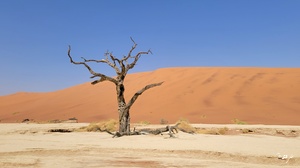
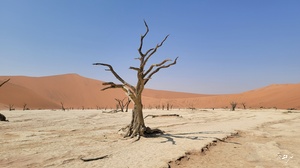
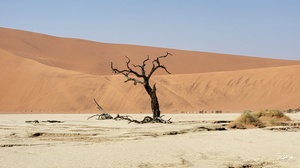
The word "vlei" derives from the Dutch word for a small valley, but has evolved into a seasonal shallow tiny lake in Afrikaans - a Southern African language, derived from the form of Dutch brought to the Cape by Protestant settlers in the 17th century.
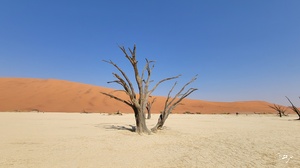
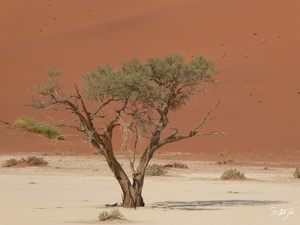
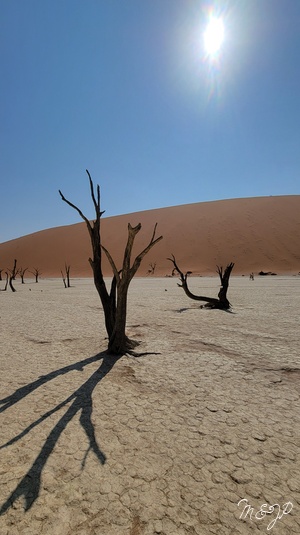
Over time a vlei may degrade into a salt pan or clay pan, such as Deadvlei or Sossusvlei in the Namib-Naukluft National Park, or the Salar de Uyuni in Bolivia - the largest salt pan in the world.
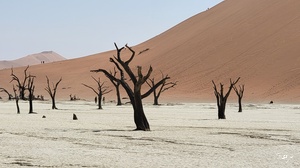
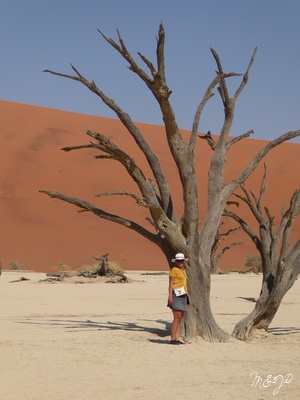
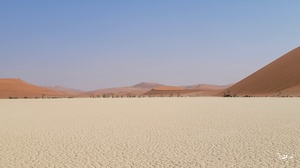
These natural flat expanses of ground, found in deserts, are formed by the evaporation of water pools, covered with salt and other minerals, and are usually shining white under the sun’s rays.
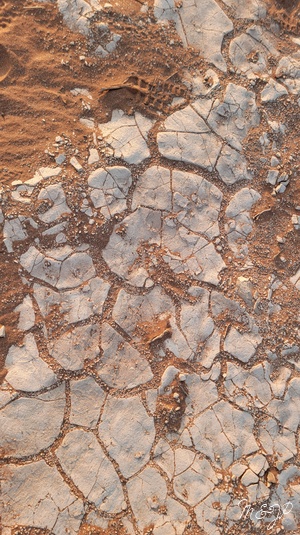
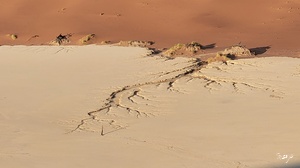
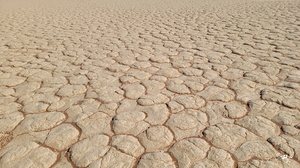
From the top of Big Daddy you can spot many vleis, including Deadvlei, Sossusvlei and Hidden Vlei (the least visited one in the Sossusvlei area), which give to the landscape its eerie magic!
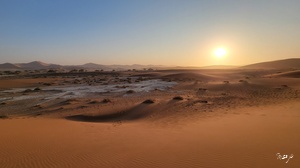
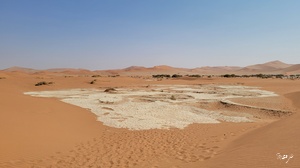
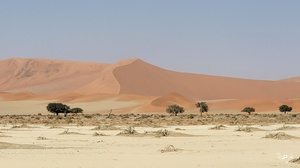
It is surprising to see some vegetation on the permanent dunes, bringing some green colours to the landscape. The life-giving water comes from the morning fogs, the underground sources and the occasional flood.
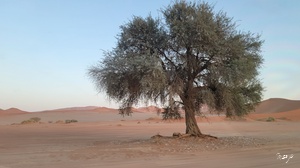
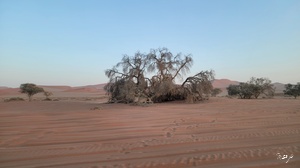
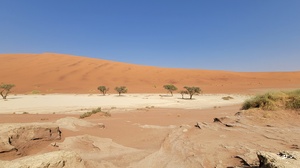
We walked around Deadvlei for a while and, as the heat was becoming unbearable, headed back to our 4WD. If you stay a few days in the Sossusvlei region, you can also visit the other vleis and climb Big Mama on the other side of the Sossusvlei pan. On the way back, we stopped at Dune 45 for lunch (we had a small fridge in our car, which allowed us to make sandwiches on the road and enjoy an easily available supply of cold juice and beer!). However, we decided not to climb the dune as it felt very touristic - lots of "influencers" with long summer dresses were taking ridiculous pictures at its bottom…
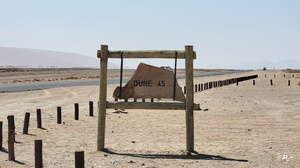
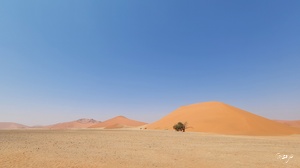
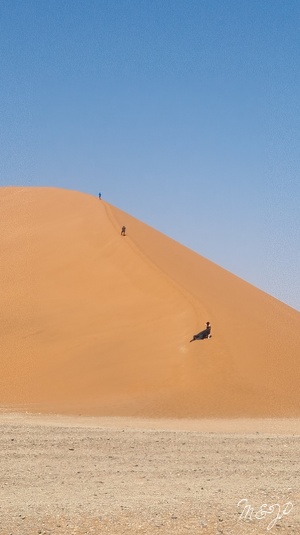
Also, it was definitely not worth it after Big Daddy - Dune 45 is "only" 170 meters high and much less impressive than its towering neighbour! Well, this seems quite high if you compare it with the highest sand dune in Europe - the Dune of Pilat - which is only 106.60 meters high. Still, if you climb one dune at Sossusvlei, make it Big Daddy - I promise that you will not regret it! The visit to the dunes and the vleis was definitely one of the highlights of our African safari road trip!
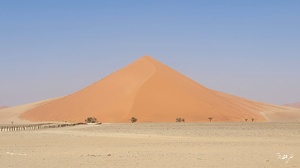
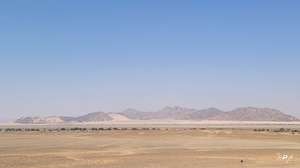
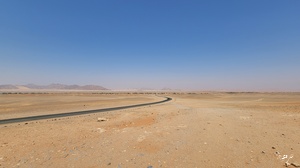
After a short stop at another viewpoint next to the road, we turned on a dirt road just before exiting the park and headed to the nearby Sesriem Canyon.
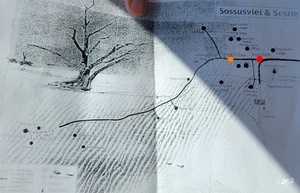
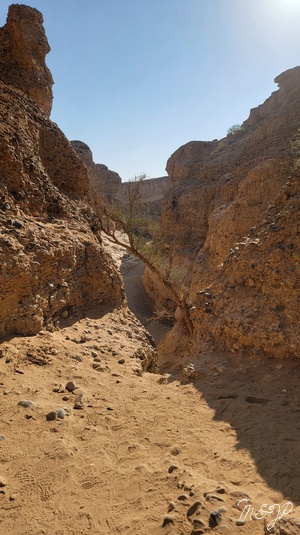
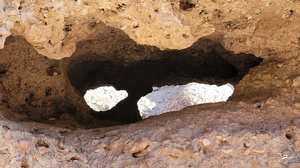
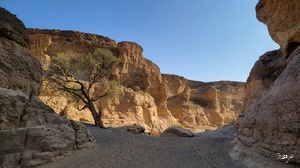
It seems much less visited but is definitely a must. This 3 km-long, 300 m-deep natural miracle was carved by the Tsauchab River through 15 million years!
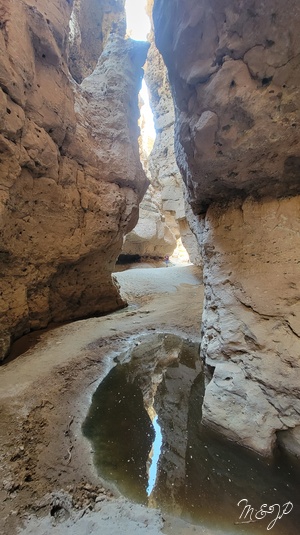
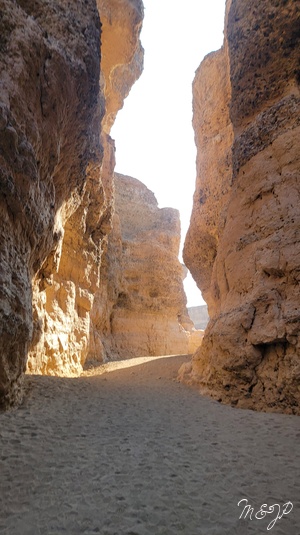
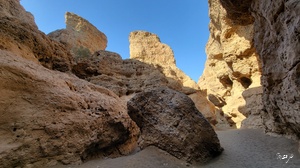
We decided to go for a one-hour hike along the canyon.
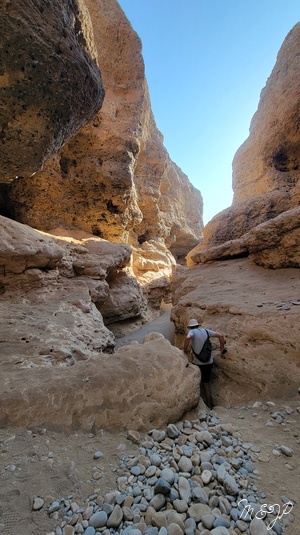
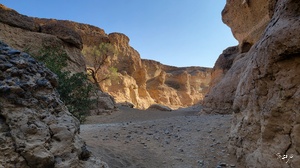
There were some puddles with gorgeous reflections at the bottom of this natural wonder
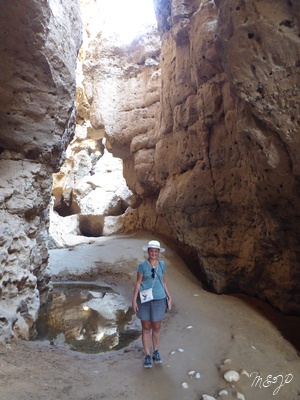
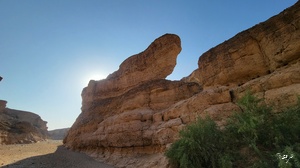
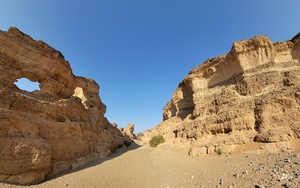
The golden hour light in the late afternoon was painting the rocks in dozens of stunning warm colours!
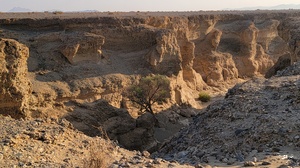
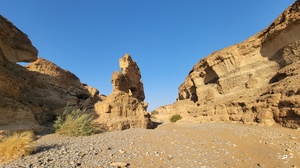
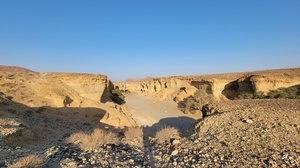
After the hike, we continued enjoying the beautiful sunset and the stunning views of the desert from our bungalow at the Desert Camp and the restaurant at the nearby Sesriem Lodge.
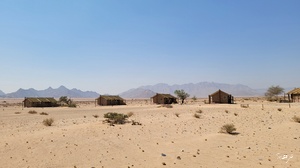
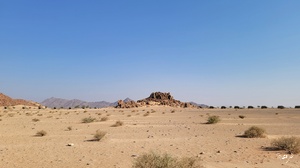
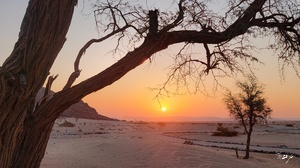
It was an even more astounding end to an already magical day!

You like what you read?
-
 The Valley of Roses and Kings (part 2) The Valley of Kings
The Valley of Roses is famous not only for its … -
 The Valley of Roses and Kings (part 1) The Valley of Roses
Out of all the flowers in the world the rose … -
 In the heart of the Silk Road (part 4) Khiva and the Desert Castles
Khiva - It took us 6 hours, almost a whole … -
 In the heart of the Silk Road (part 3) Bukhara
Bukhara - While Tashkent is a modern city with some … -
 In the heart of the Silk Road (part 2) Samarkand
Samarkand - No name is so evocative of the Silk … -
 In the heart of the Silk Road (part 1) Tashkent
The Great Wall of China, Machu Picchu, the Pyramids of … -
 The Land of Giants at the End of the World (part 2)
We crossed for the third time the border between Argentina … -
 The Land of Giants at the End of the World (part 1)
No visitors come back from Antarctica in the same state … -
 A Vitamin Sea Christmas in the Mediterranean
Human beings are full of contradictions! When we used to … -
 Spring Colours in the Kingdom of the West (part 6) Morocco is yellow
Morocco is yellow - Besides the yellow hues of the … -
 Spring Colours in the Kingdom of the West (part 5) Morocco is red
Morocco is red - Besides the red hues of the … -
 Spring Colours in the Kingdom of the West (part 4) Morocco is orange
Morocco is orange - Our first encounter with the legendary … -
 Spring Colours in the Kingdom of the West (part 3) Morocco is green
Morocco is green - The Rif Mountains east of Tangier, … -
 Spring Colours in the Kingdom of the West (part 2) Morocco is blue
Morocco is blue - The road along the Atlantic Coast … -
 Spring Colours in the Kingdom of the West (part 1) Morocco is white
If I had to use only a couple of words …
