
.svg)
The Golden Country (part 3)
Posted by: Maria in February 2020 (6 years, 7 months ago)
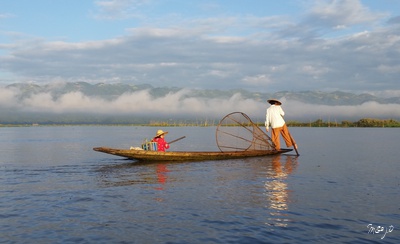
The soul of Myanmar is its people who are as colourful and diverse as its temples, colonial buildings, fishing villages and markets!
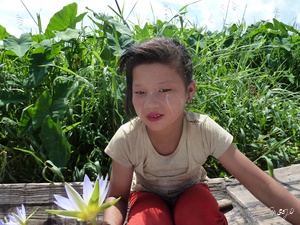
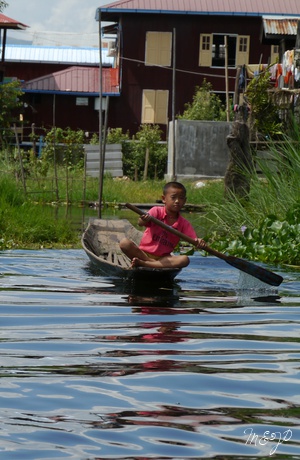
The biggest treasures of the country are all the smiles and curious eyes looking at you from the beautiful faces covered with thanaka, the famous fragrant paste made from ground bark with a scent similar to sandalwood and used for its cosmetic effects and as an ubiquitous sunblock.
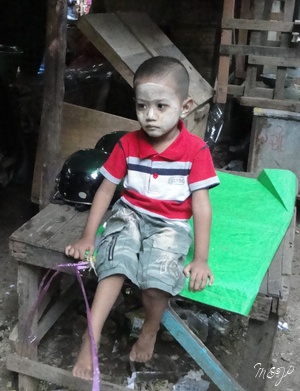
There are at least 135 recognised ethnic groups speaking different languages, the largest of which is the Bamar who form roughly 70% of the population and speak the Burmese language (it is related to Tibetan and Chinese and is the sole official language of Myanmar on a national level).
However, all these groups have many things in common - in addition to the thanaka applied on their faces, men and women wear longyi, the traditional cloth often sewn into a cylindrical shape and which suits the climate as it keeps cool in the hot sun.
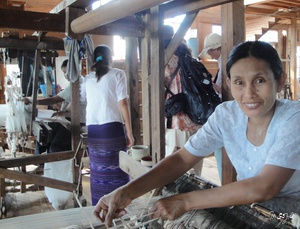
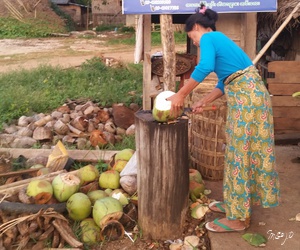
Also, they all chew kun-ya. This traditional sort of stimulating "chewing gum", which was already part of court life in the ancient Burmese kingdoms, is made by spreading lime paste on a betel leaf, sprinkling tobacco and powdered areca nut (the fruit of a local palm tree that causes a slight euphoric effect and relaxation) on top and folding the leaf into a square. You can buy it from a stall at almost every street corner in Myanmar.
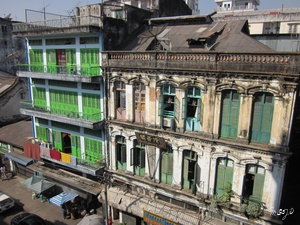
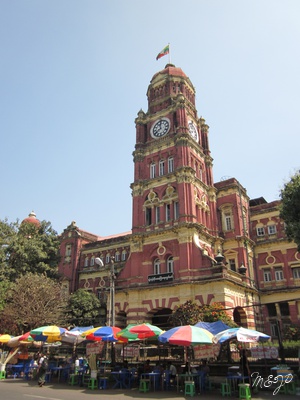
Even though all these ethnic groups were united under the British colonial rule, which has left the country with the best preserved colonial buildings in Southeast Asia, Myanmar still remains a patchwork of people with their own cultures and ways of life.
During your trip, you will come across the Kayan people. They are best known for their enigmatic women wearing brass rings around their necks. Over time the rings that are continuously added lower their collarbone and rib cage, making their necks appear unusually long.
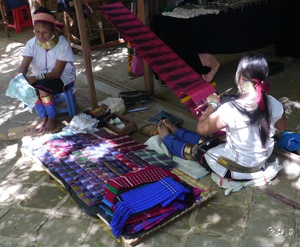
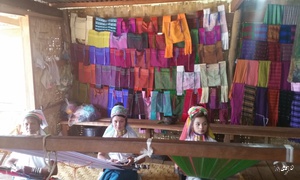
There are different theories as to the reason for the rings - protecting the women from tiger bites, making them less attractive and therefore protecting them from other tribes or, on the contrary, making them more attractive, or merely a fashion accessory or cultural identity. It will probably remind you of the "foot binding" or "lotus feet" custom in ancient times in China and some parts of Southeast Asia, which involved tight cloth bindings being applied to the young girls' feet in order to keep them small. It may sound barbarian but back then women with small feet were deemed beautiful and could marry better.
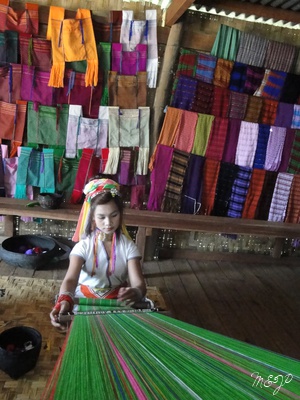
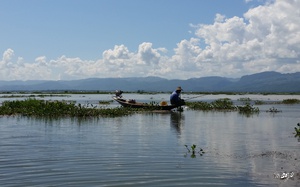
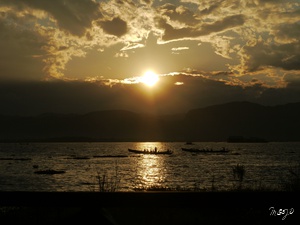
There are also the Intha people who live in one of the most beautiful places on earth. Once you have seen the reflection of the clouds and the Intha fishermen on their boats on the ink-like Inle lake, you will fall in love with this magic waterworld.
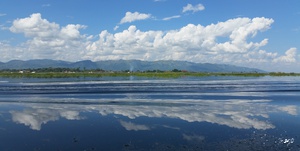
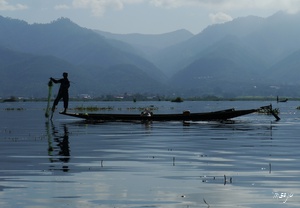
You will see the desperate efforts of the boatman to find your stilted hotel in the middle of the lake as a blessing, instead of a nuisance.
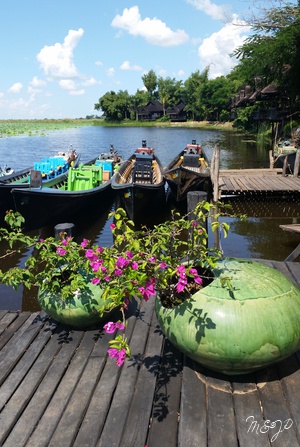
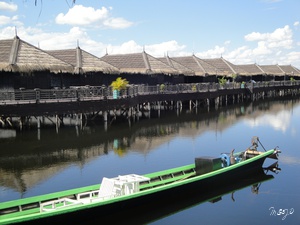
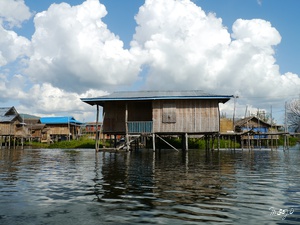
Hopping from one hotel to another, gliding along beautiful floating gardens, marshes, Buddhist temples, stilt-house villages and floating markets, and admiring the simple and charming daily life on the lake is a pure fairytale.
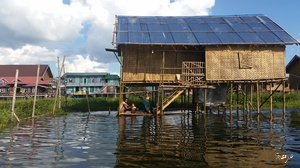
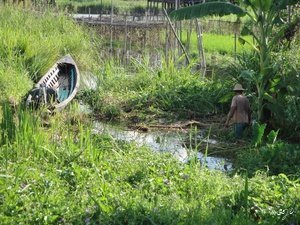
Inthas' technique of leg-rowing, where the fishermen propel their boats with one leg around the paddle in a snake-like motion, is unique and impressive. It allows the men - women row in the customary style - to better see above the floating plants covering the lake and also use both their hands to fish.
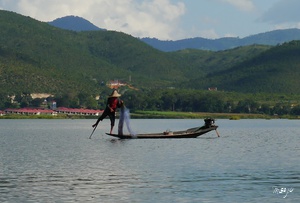
Inle lake is the quintessence of everything that makes Myanmar the Golden Country.
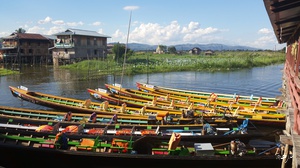
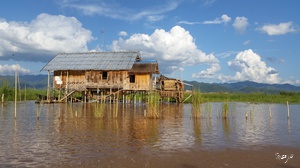
You will find there some of the cutest stilted houses and just let yourself peacefully daydream while roaming around this universe of simple life on one of the most beautiful lakes on earth.
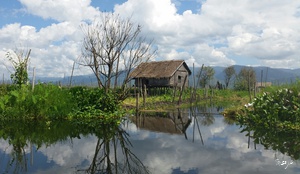
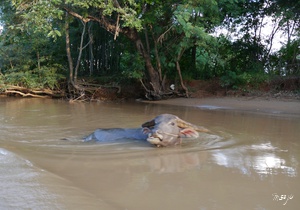
There are boats everywhere as everything evolves around the water.
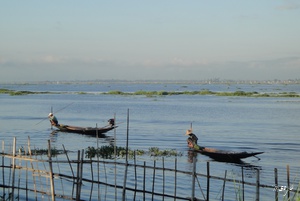
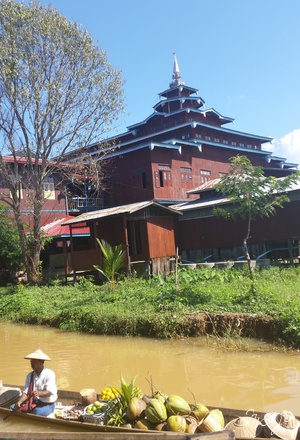
You will wake up every morning in your stilted-hotel room in the middle of the lake with the stunning view of the sunrise and the shadows and reflections of the fishermen.
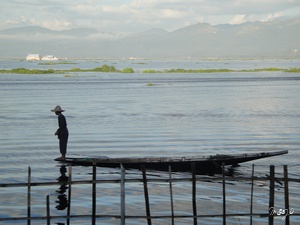
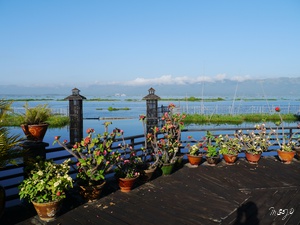
It is so peaceful and charming!
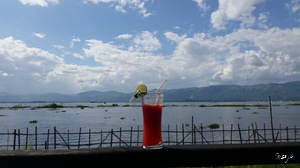
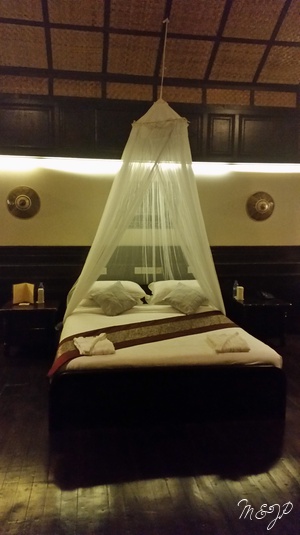
Every day will give you the opportunity of a new adventure... by boat!
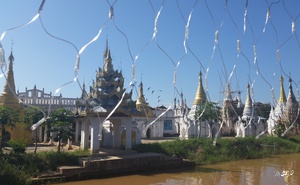
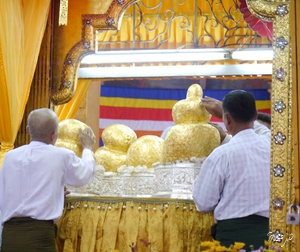
You can admire the white stupas on your way to one of the holiest religious sites of the country - the Buddhist temple Phaung Daw Oo Paya. Only men can approach the centre where five ancient Buddha images have been enshrined. Devotees have been covering them with golden leaves for years to the point that they look more like Barbapapa.
Another trip is to the Nga Hpe Kyaung (or Jumping Cat Monastery) floating on the surface of the lake.
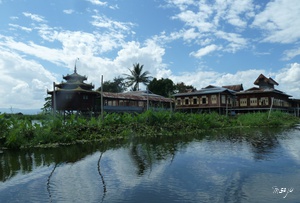
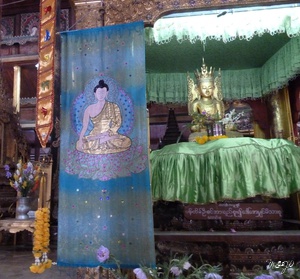
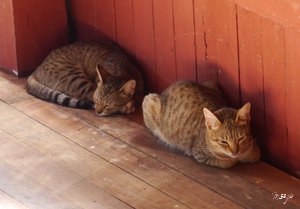
There are cats, lots of them, but they were definitely not jumping while we were there. However, the Buddha images in the hall were diverse and exquisite!
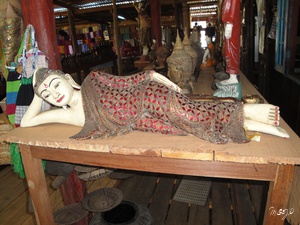
You can schedule a craftsmanship and antiques trip as well.
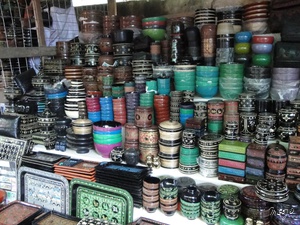
Have you ever wondered how to make silver jewellery or the colourful paper umbrellas and fans?
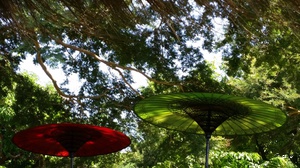
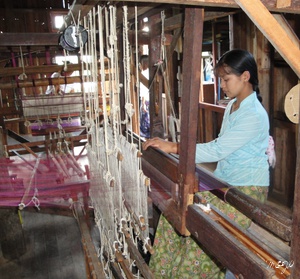
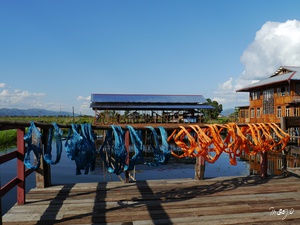
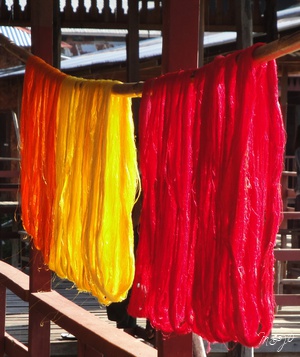
You can also witness first hand the making of longyis and scarves from the delicate lotus root threads.
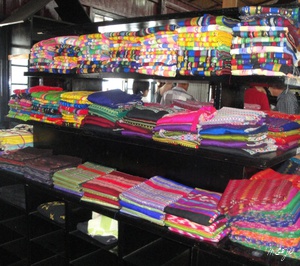
The colourful threads drying in the sunlight are a festival for the eyes.
You cannot leave Inle lake without a visit to the markets.
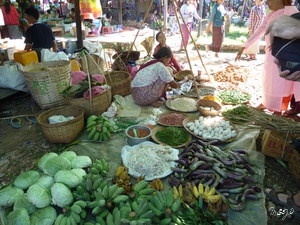
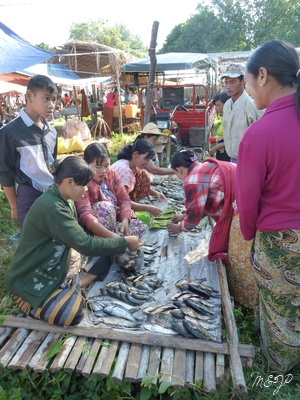
Most of the produce comes from the catch in the lake and the floating gardens. The farmers gather up weeds from the deeper parts of the lake, bring them back on their boats and make them into floating beds in their gardens. The gardens rise and fall with the changes in the water level which makes them resistant to flooding.
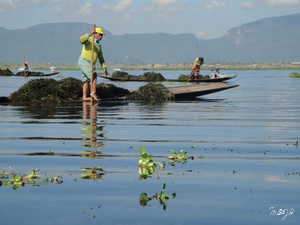
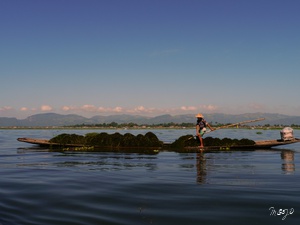
There are so many colours, smells and noises!
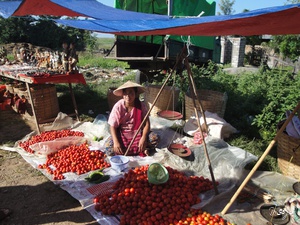
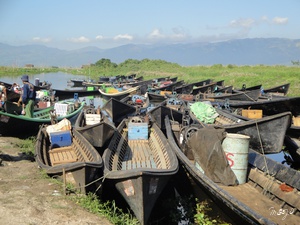
This is also where the produce for the delicious Myanmar cuisine comes from!
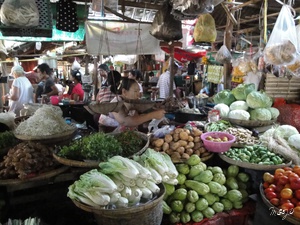
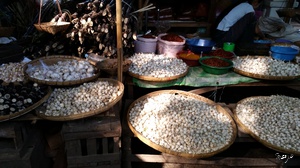
You will be delighted to taste the mildest curries in Asia, the sophisticated flavours of the fresh fish in its sauce, the beautiful bouquet of the red wine and the local beer "Myanmar"!
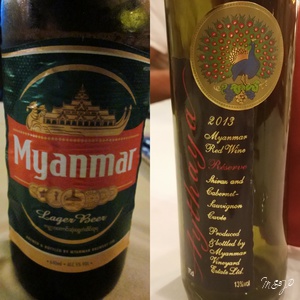
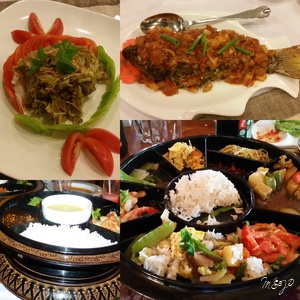
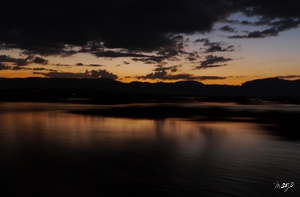
The magic will continue with the boat ride back in the middle of the golden sunset colours, only to long for yet another magical day in this Golden Country!

You like what you read?
Explore and learn more about Myanmar !!!
-
 The Valley of Roses and Kings (part 2) The Valley of Kings
The Valley of Roses is famous not only for its … -
 The Valley of Roses and Kings (part 1) The Valley of Roses
Out of all the flowers in the world the rose … -
 In the heart of the Silk Road (part 4) Khiva and the Desert Castles
Khiva - It took us 6 hours, almost a whole … -
 In the heart of the Silk Road (part 3) Bukhara
Bukhara - While Tashkent is a modern city with some … -
 In the heart of the Silk Road (part 2) Samarkand
Samarkand - No name is so evocative of the Silk … -
 In the heart of the Silk Road (part 1) Tashkent
The Great Wall of China, Machu Picchu, the Pyramids of … -
 The Land of Giants at the End of the World (part 2)
We crossed for the third time the border between Argentina … -
 The Land of Giants at the End of the World (part 1)
No visitors come back from Antarctica in the same state … -
 A Vitamin Sea Christmas in the Mediterranean
Human beings are full of contradictions! When we used to … -
 Spring Colours in the Kingdom of the West (part 6) Morocco is yellow
Morocco is yellow - Besides the yellow hues of the … -
 Spring Colours in the Kingdom of the West (part 5) Morocco is red
Morocco is red - Besides the red hues of the … -
 Spring Colours in the Kingdom of the West (part 4) Morocco is orange
Morocco is orange - Our first encounter with the legendary … -
 Spring Colours in the Kingdom of the West (part 3) Morocco is green
Morocco is green - The Rif Mountains east of Tangier, … -
 Spring Colours in the Kingdom of the West (part 2) Morocco is blue
Morocco is blue - The road along the Atlantic Coast … -
 Spring Colours in the Kingdom of the West (part 1) Morocco is white
If I had to use only a couple of words …
