

Spring Colours in the Kingdom of the West (part 1)
Morocco is white
Posted by: Maria in October 2025 (1 year ago)
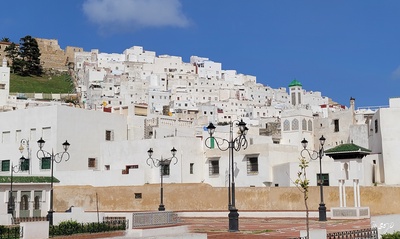
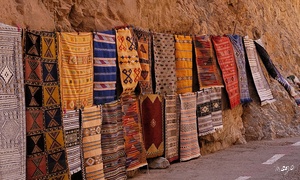
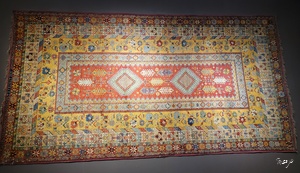
If I had to use only a couple of words to describe Morocco, they would be "a photographer's dream come true". The variety and the contrasts of its landscapes and cultures, the fairytale light, and above all the ubiquitous vibrant colours will make it impossible to leave your camera even for a minute… The country is as diverse as the intricate patterns of its fabulous rugs!
The first Arab conquerors and geographers nicknamed this region - snuggled between the Atlantic Ocean, the Mediterranean Sea, the Sahara Desert and the Atlas Mountains - "Jazirat al-Maghrib" (translating into the "Island of the Sunset" or the "Island of the West"), because it was geographically located to the west of the Arab civilisation’s center at the time and seemed so isolated from the rest of the world that it gave the impression of being an island.
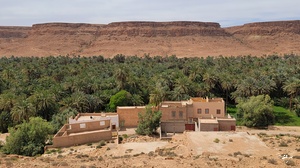
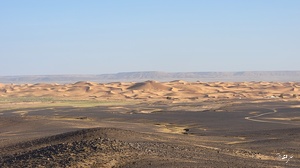
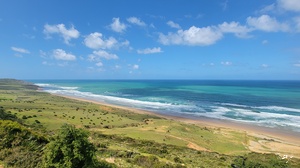
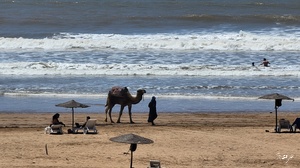
Morocco's official Arabic name is "al-Mamlakah al-Maghribīyah" (translating into the "Kingdom of the Sunset" or the "Kingdom of the West"). Contrary to many of its Arab neighbours, the country which was founded in 788 by Idris I (also known as Moulay Idriss) - a descendant of the Islamic prophet Muhammad, was never administered by the Ottoman Empire, and has remained a monarchy under various dynasties throughout its entire history. Even during the short period of time between 1912 and 1956 when it was divided into French and Spanish Protectorates, the sultans remained nominal monarchs, and after the country regained independence in 1956, Sultan Mohammed V officially adopted the title of "King" and formally established the Kingdom of Morocco. This is why Morocco has so many kasbahs (fortified castles or fortresses), palaces and royal residences to show for, including four main royal palaces in each of the imperial cities.
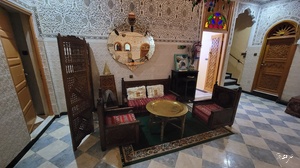
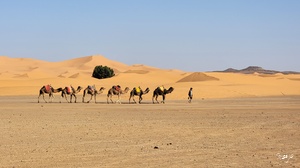
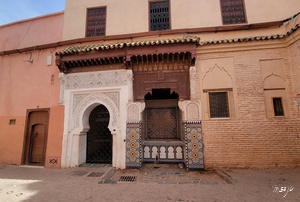
They are just the icing on the cake in this wonderland of contrasts between mountains, deserts and coasts, where you will never run out of ideas for things to do and see - shopping in the souq (an open-air marketplace or commercial quarter), getting lost in the medina (a historic, often walled, old town) of buzzing cities and villages, camel riding or sandboarding in the desert, hiking or skiing in the mountains, sleeping or chilling out in riads (traditional houses) coming straight out of a One Thousand and One Nights fairytale, sweating or relaxing in a hammam (a steam bathhouses), cooking or simply gorging oneself on Moroccan sweets, tagines and couscouses…
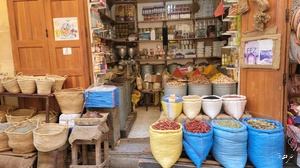
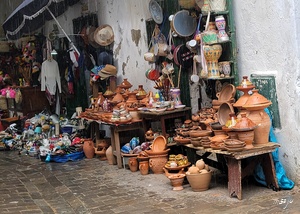
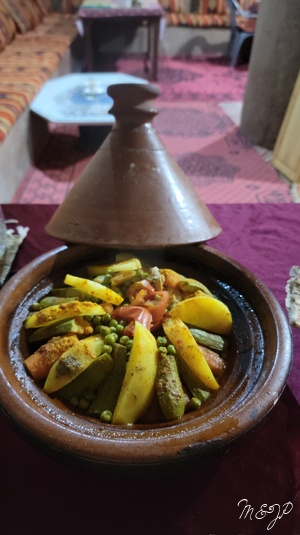
While you can visit different parts of the country for different activities, such as beaches, skiing, cultural tourism or hiking, at specific periods of the year, the best time to see the Kingdom of the West in all its glory and experience all its gems is without any doubt springtime.
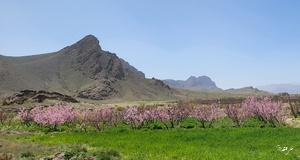
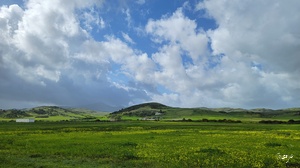
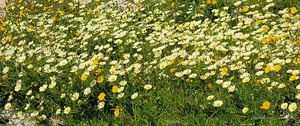
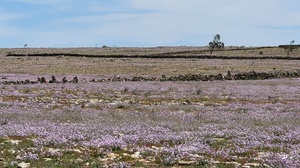
You will be able at the same time to see the blooming trees and flowers and the remaining snow on the top of the mountains, to swim in the ocean and to stay overnight in a nomad camp in the desert (do not even think of setting foot there between June and September…).
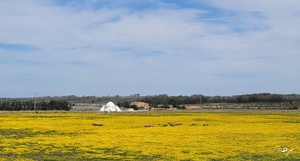
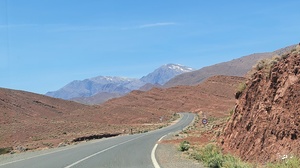
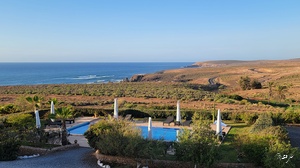
Spring is also your best option if you want to immerse yourself in the country in the most authentic way and as far away from the crowds as possible (the country has crowned itself Africa's most-visited destination, welcoming more than 10 million international tourists in the first half of 2025…).
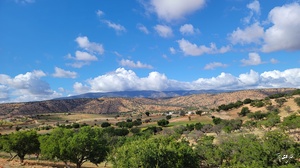
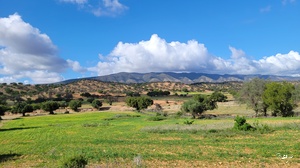
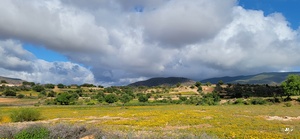
However, as important as the time of the year are the way you will visit the country and the duration of your trip. Do not get fooled by its size - it is the second smallest country in North Africa after Tunisia, but it is huge! Most tourists visit Morocco on organised tours bringing them to the most touristic and, unfortunately, the least authentic places for a week or two, which is definitely not enough and will make you feel like you are only visiting the "Morocco for tourists"... If you have the option, choose a self-organised roadtrip and put the accent on more "off the beaten track" places - the top 5 of our Moroccan favourites are definitely not on the touristic itineraries!
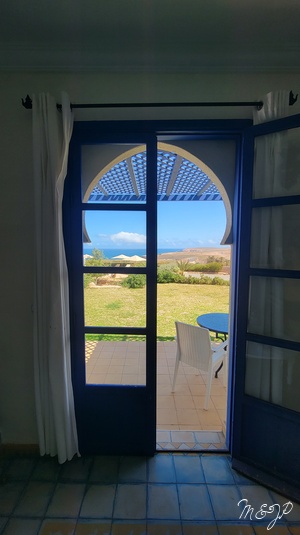
Also, take as much time as possible - we had planned to stay there for a month, but decided to extend our trip by two whole weeks and still found that this was way too short - there were so many things to see and experience!
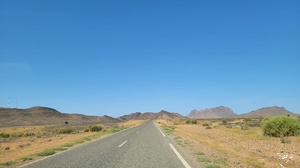
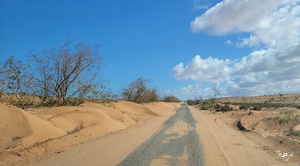
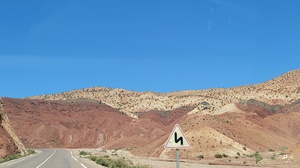
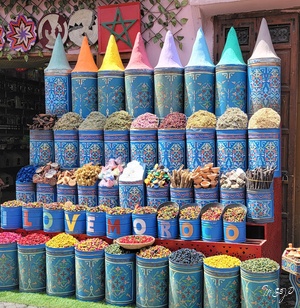
It is not surprising at all that the country’s stunning scenery, rich culture and magical light have inspired through the centuries many famous painters, writers, film directors, actors, musicians and even politicians - Eugène Delacroix, Henri Matisse, Tennessee Williams, Jean Genet, Paul Morand, Roland Barthes, Pier Paolo Pasolini, Ridley Scott, The Beatles, Jimi Hendrix, The Rolling Stones, Led Zeppelin, amateur painter Winston Churchill, and the list goes on and on. Each visit to Morocco will be an assault on all your senses with the exotic flavours of its cuisine, the fragrant perfumes of its spices, the soft textures of its carpets, the intoxicating sounds of its calls for prayer and, last but not least, the mindblowing magic of its colours… The Kingdom of the West is like an artist’s palette, especially in springtime… It is first of all white…
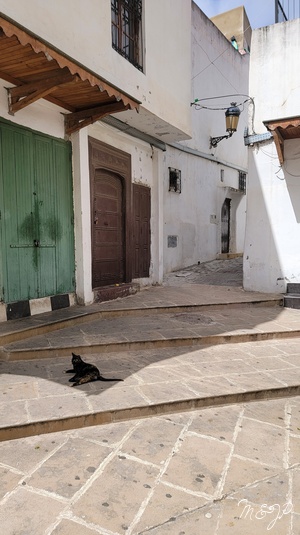
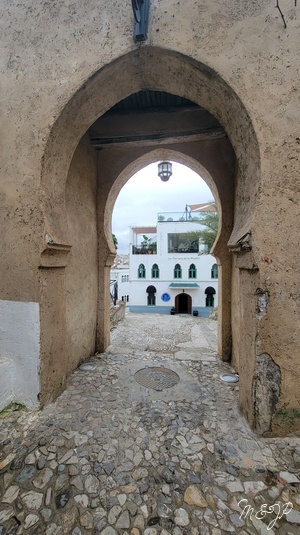
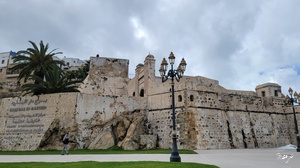
Morocco is white - The colours are so important in the country that many cities even have nicknames, inspired by the predominant colour of their architecture like Tangier, also known as the "White City". It is the first city that most European visitors arriving by sea see after crossing the Strait of Gibraltar.
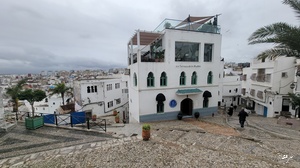
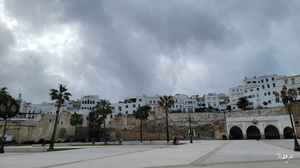
While the shortest ferry ride connects Morocco to Spain and takes around an hour, you might want to feel the thrill of crossing from Europe to Africa for a longer period of time and follow our example to take, together with our European registered car, the ferry from Genoa in Italy to Tangier (Tanger Med Port), spending two nights cruising the turquoise and sometimes choppy water of the Mediterranean Sea.
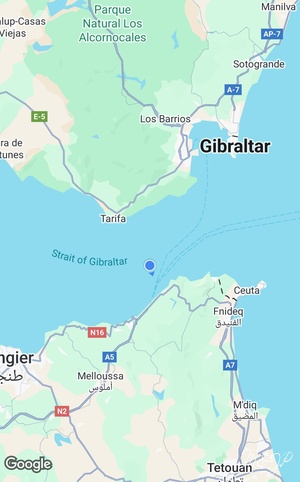
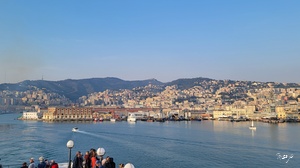
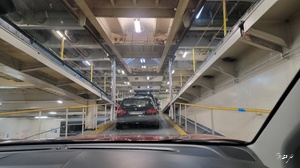
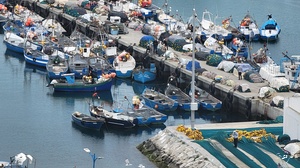
Another exciting, but shorter, itinerary would be to take the ferry from Algeciras in Spain to Ceuta, a Spanish enclave on the northern shores of Morocco's Mediterranean coast - it looks and feels like Europe but is located in Africa (similar to nearby Melilla or the Canary Islands), which is worthy of a trivia game quiz - and then drive to Tangier.
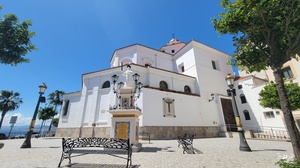
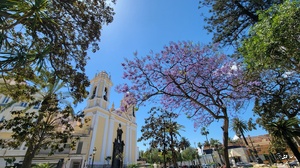
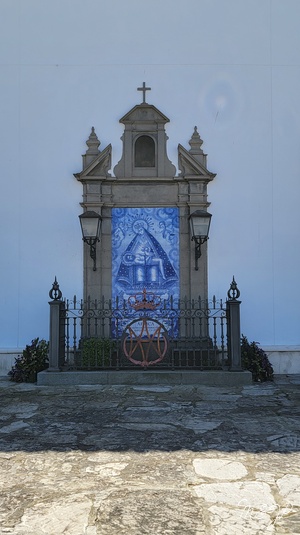
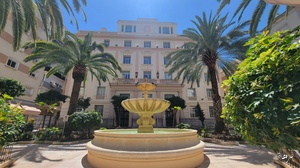
This is the option we took on our way back to Europe - it felt quite weird crossing the border from Morocco into Spain and the European Union, without leaving the African continent!
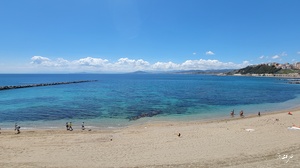
Tangier is easily accessible for Spanish day- or weekend-trippers (it is only 14 km away from the European coast…), but is also a great start of any road trip in the Kingdom of the West.
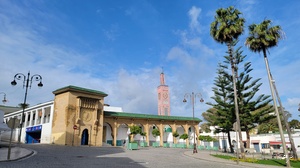
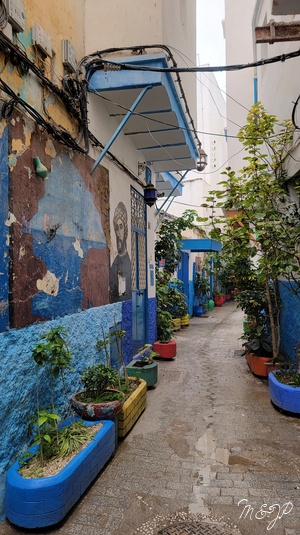
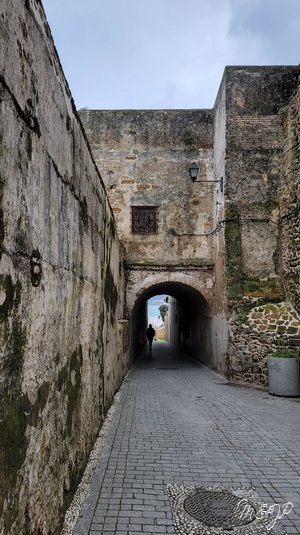
It feels like the most European of the major Moroccan cities.
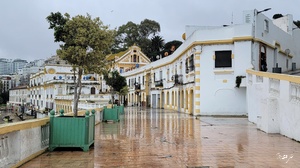
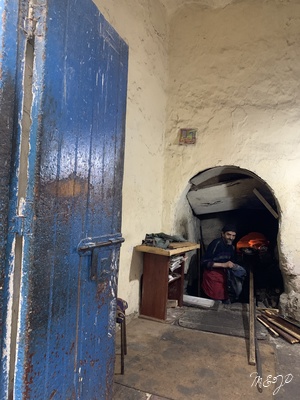
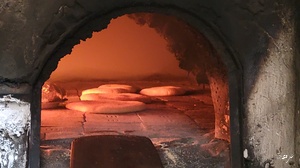
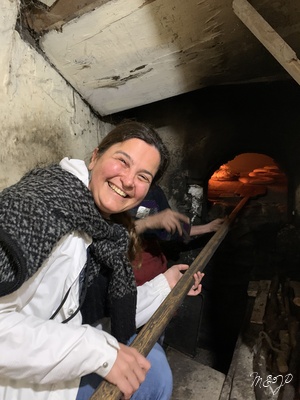
At the same time, its medina and other neighbourhoods still feature the "traditional seven elements" around which revolves the life of any city or village in the country - a mosque, a madrasa (a Koranic school or theological seminary), a communal hammam, a fountain (providing free water to the public and located on squares, next to mosques, or inside markets), a souq, a funduq (also known as a caravanserai or an inn providing lodging for merchants on the upper floor and space for their caravans on the ground floor) and a communal bread oven (wood-fired and run by a baker, where residents bring their homemade bread dough - each bread has a mark to recognise it from the others, as well as veggies or meat to be baked for a small fee).
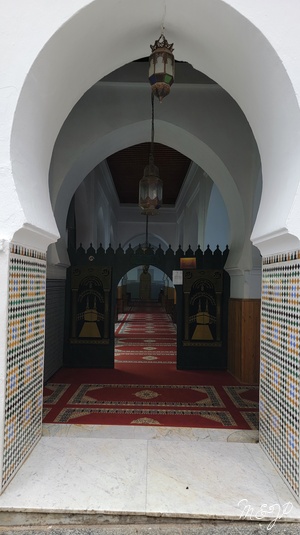
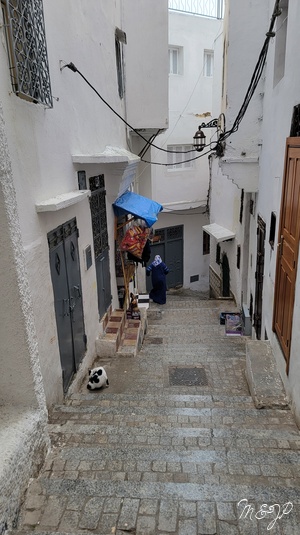
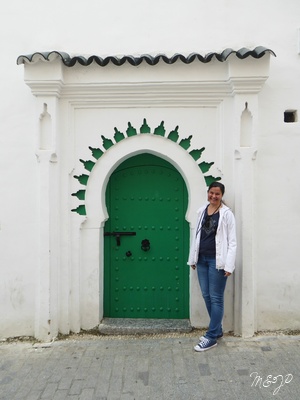
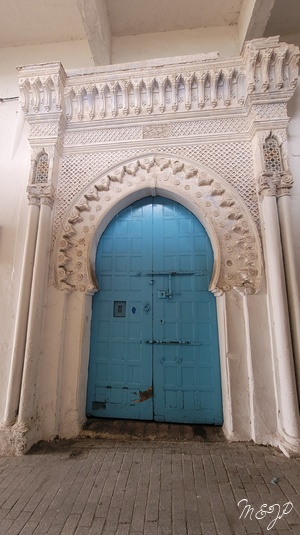
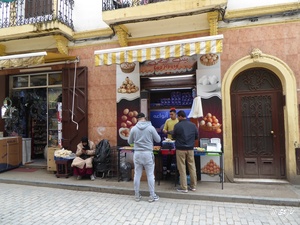
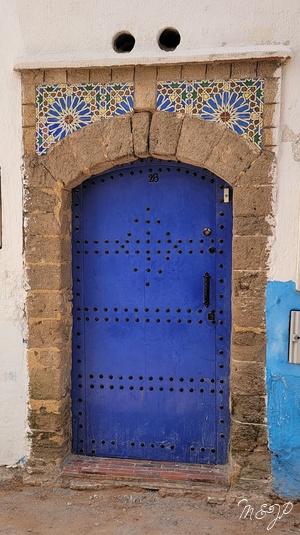
The best way to discover the city is to just wander around the cute medina with its narrow streets and gorgeous doors, from the intricately decorated entrances of the buildings to the imposing babs (city gates).
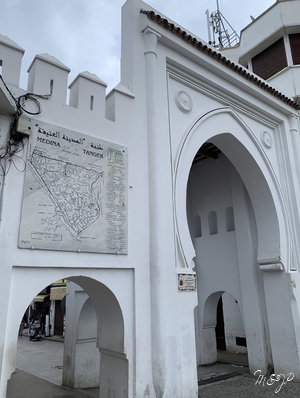
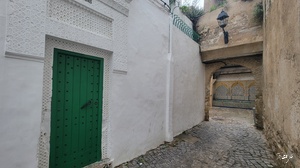
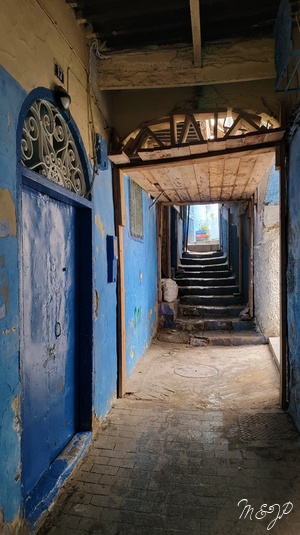
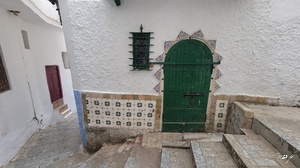
You cannot miss the souq which is the beating heart of the medina - there is a little bit of everything from street food, fruits and veggies, spices and herbs including fresh mint leaves and coriander, and freshly baked bread in various shapes, to anything you need to pamper yourself - from the beldi (or black) soap (it is made from olive oil and macerated olives and used in the hammams for cleansing, moisturising the skin and exfoliating) to the magic green lipstick made from poppy flowers, pomegranate extract and henna, which changes colour once applied on the lips and can go from light pink to pinkish reddish depending on your skin’s pH.
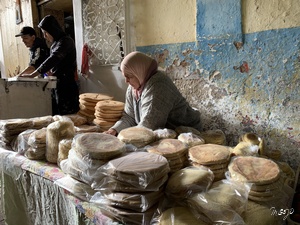
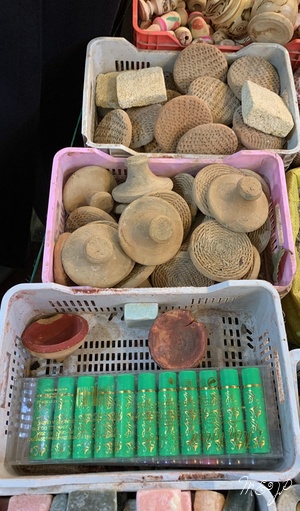
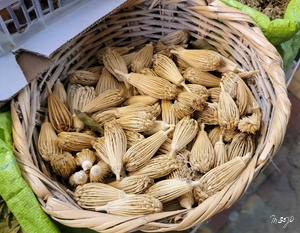
Since we started our trip during the holy month of Ramadan, the souq also displayed huge piles of Moroccan sweets in various shapes, as well as dates from dozens of different varieties (if you do not like the texture of the dates, try some with walnuts in the middle - this tiny trick gives them a different crunchy taste).
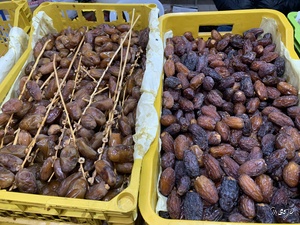
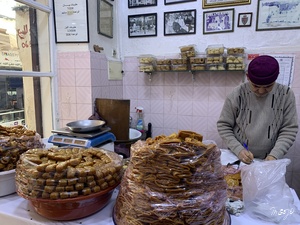
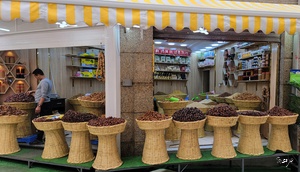
The souq also boasted the famous argan oil produced from the seeds of the argan tree, which is indigenous to Morocco and southwestern Algeria.
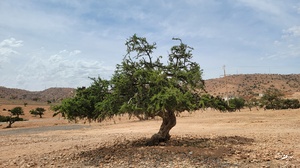
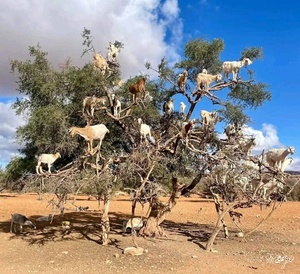
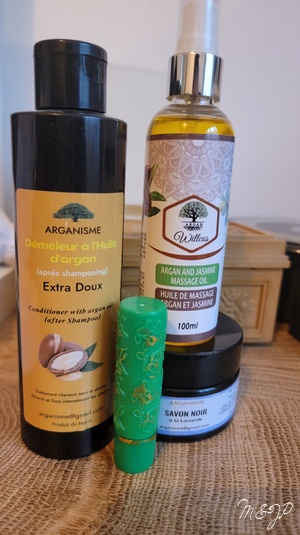
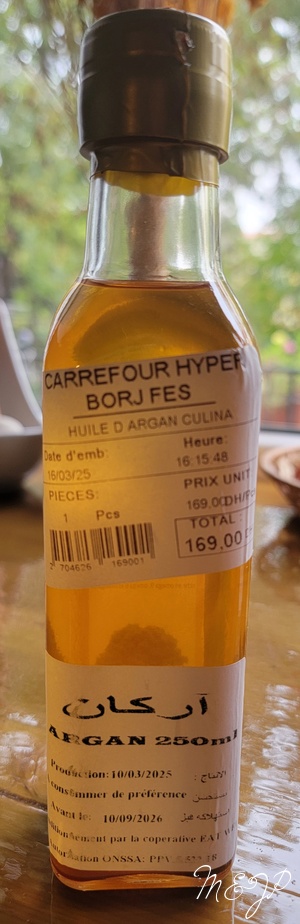
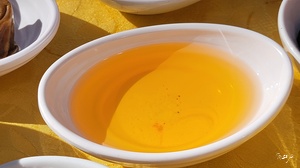
The type of argan oil is different depending on whether you use it for cosmetic purposes (it has a lighter shade and does not use roasted seeds), or for culinary purposes to dip in your bread at breakfast or drizzle it on couscouses, pastas or salads (it has a darker shade and uses roasted seeds, giving it a nutty flavour). The argan oil is not used for cooking as it should not be heated above 60 degrees. Bear in mind that, unless you are a connoisseur, you will never know for sure whether the argan oil you will buy from the souqs is of good quality, which is why you should better visit one of the cooperatives where it is produced. Based on the recommendation of our local friends, we picked Argan Oil Cooperative near Marrakesh from where we bought some nice argan oil cosmetics. Since the smell of argan oil alone is olive-like or not detectable at all, you might choose products mixing argan oil with gardenia, jasmine flowers, lavender or any other flower fragrance you might like. You can be less picky for the culinary argan oil, and even grab a bottle from the local Carrefour supermarket!
Cuisine seemed such an important feature of Morocco’s identity that, in the same way we usually start our visit in a country with a free tour in order to get a first overall impression of the place, we decided to enroll for a cooking class with Blue Door Cuisine. And the experience was much more than cooking…
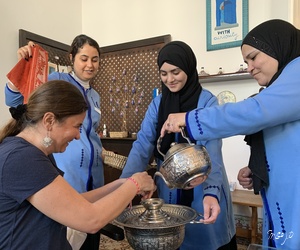
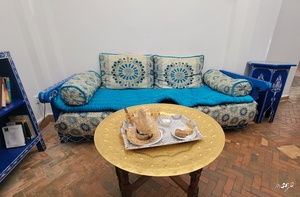
After a visit to a communal oven, we joined three lovely Moroccan ladies for some Moroccan tea and an interesting chat about Moroccan food and culture.
Tea is much more than just a drink in the country - it is a daily ritual of hospitality and the pivotal element of local traditions! When you enter a Moroccan home, office or even a shop, it is typical for tea to be served immediately as a welcome, sometimes even before the conversation begins. Failing to offer tea, or refusing it as a guest, can be seen as discourteous. You will get some Moroccan tea at any time and all the time, including during all meals!
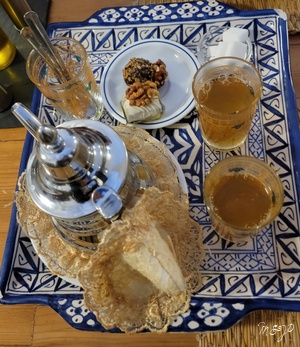
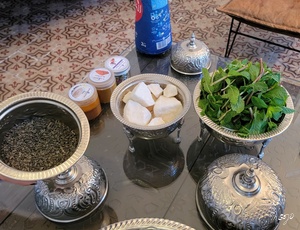
The basic ingredients of Moroccan tea are bunches of fresh mint (this is the most important part!), lots of sugar (the traditional way is to use a huge chunk of sugar and a sugar hammer to break small pieces out of it, depending on the amount of sugar you like in your tea), hot water and gunpowder tea (a type of Chinese green tea first introduced in the country by British merchants in the 18th century, in which each leaf has been rolled into a small round pellet becoming surprisingly large when hydrated). However, if Moroccans want to make the tea special for some of their guests, they might also add other herbs and spices such as cardamon, rose buds, menthol, verbena, anise, cinnamon, oregano, cloves and Arabic gum - this brings the already delicious tea to yet another level!
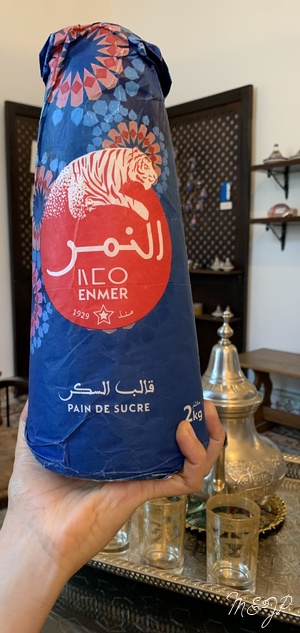
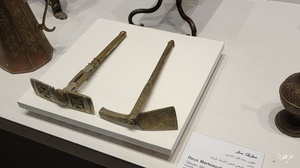
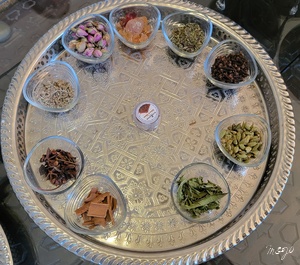
What makes the tea ceremony special are also the elegant berrad - a traditional Moroccan teapot, typically made of silver, brass, or sometimes ceramic and with a unique and easily recognisable shape, and the tiny tea glasses, beautifully crafted with intricate designs and vibrant colors.
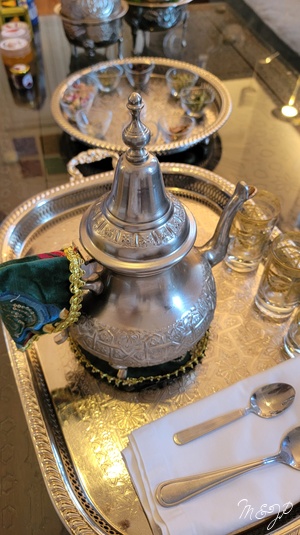
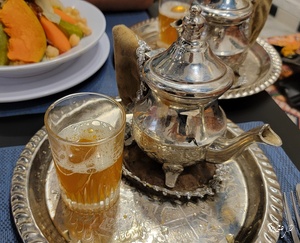
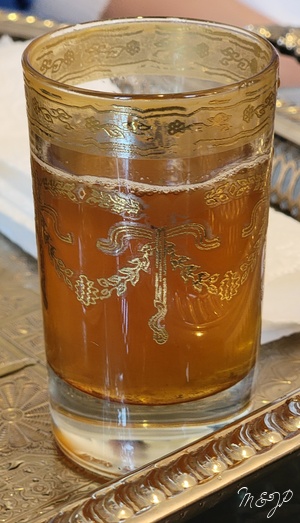
The most mesmerising thing in a tea ceremony though is watching your host pouring the tea from an impressive height for aeration and a foamy top - it might look like a Houdini act at the beginning, but it is actually not that hard if you get the technique of starting as close as possible to your glass and slowly raising the teapot.
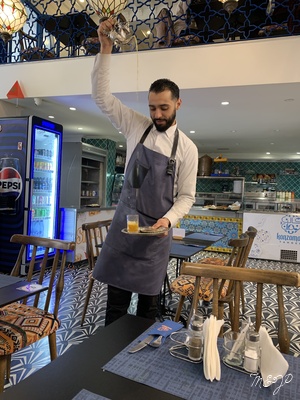
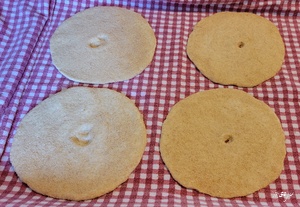
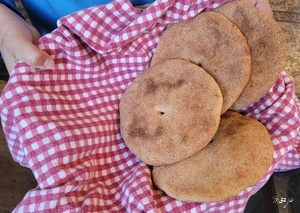
After the tea ceremony at Blue Door Cuisine, we got to more serious things making our own bread (which was of course brought to the communal oven to be baked) and cooking our first ever tagine - it was quite easy and fun, and the result was mouthwatering. I think that all the tagines we tasted during our trip afterwards were not as good as this one, and I promise that I am being completely objective here.
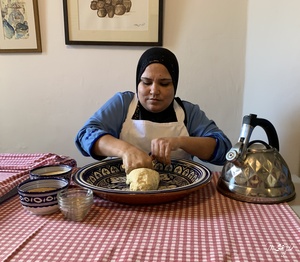
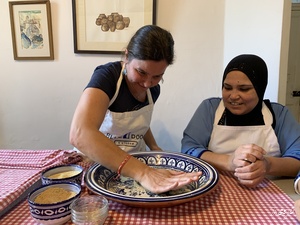
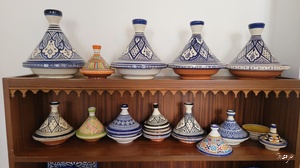
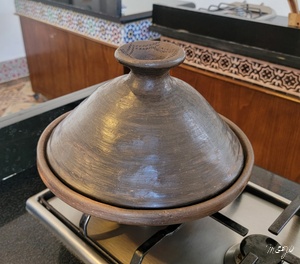
A little bit similar to a wok, a tagine refers to both the earthenware conical cooking vessel and the famous slow-cooked savory stews prepared in it.
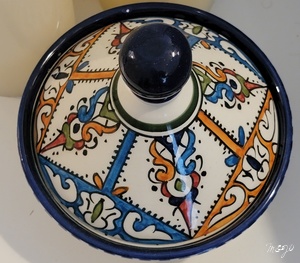
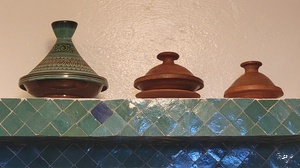
The classic varieties of tagines include chicken with olives and lemons, kefta (meatballs in tomato sauce and topped with eggs), beef with prunes and almonds, and fish, but you can also get a vegetarian tagine, a goat meat tagine and so on.
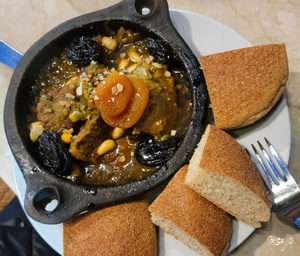
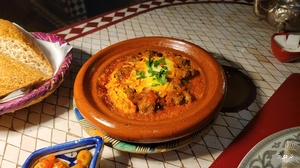
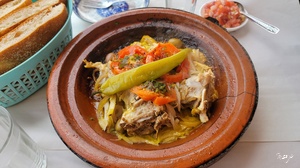
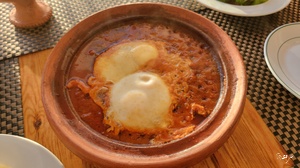
Our major takeoff of the cooking class was that everything in Moroccan cuisine is in the ingredients and, above all, the condiments, herbs and spices!
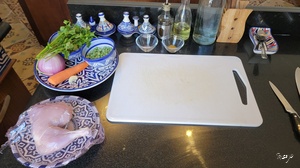
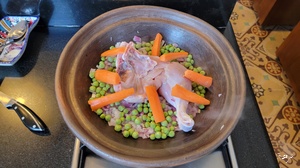
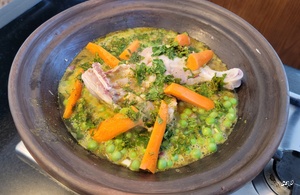
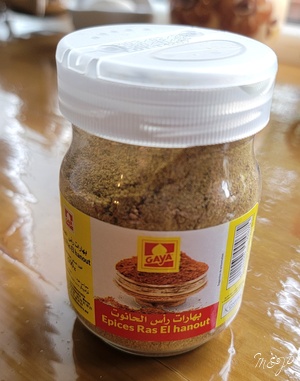
Some of our most amazing discoveries, which would make or break a tagine, were the famous Ras el hanout spice and the preserved lemons. Ras el hanout, which means "head of the shop" in Arabic and implies a combination of the best spices the seller has to offer, is a spice mix with no definitive composition. Each shop, family or company has their own blend of spices in different proportions, and commonly include cardamom, cumin, clove, cinnamon, nutmeg, ginger, chili peppers, coriander seed, peppercorn, sweet and hot paprika, fenugreek, and turmeric.
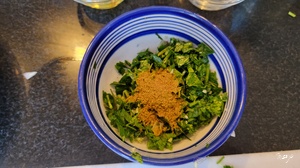
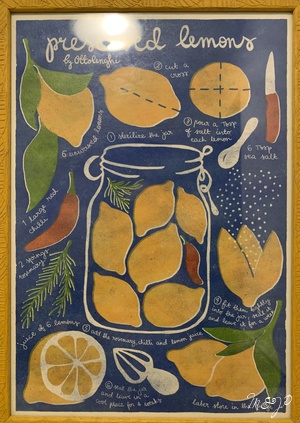
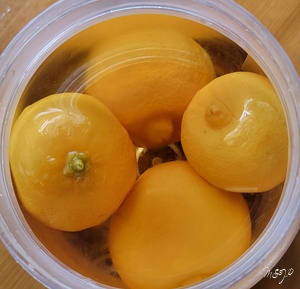
Another Moroccan cuisine wonder, and an essential ingredient of your chicken with olives and lemons tagine, are the preserved lemons - whole lemons pickled for weeks in a brine of water, lemon juice, salt, rosemary and red chilli - with a divine umami taste.
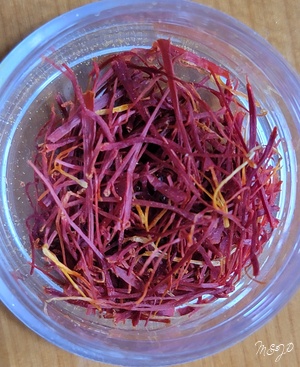
Finally, your tagine will not turn out right if you spare the saffron - this delicate spice derived from the flower of crocus and often referred to as the "Red Gold" because of its intense golden colour and high cost - or the fresh parsley and coriander.
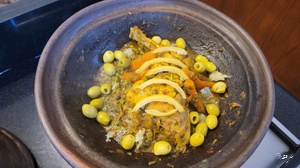
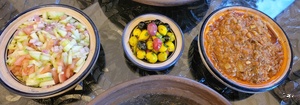
The best part of the cooking class was of course tasting our chicken with olives and lemons tagine, our beautifully baked bread and the salads our hosts had prepared for us - the zaalouk salad with eggplants, tomatoes and garlic, and the Moroccan salad with thinly chopped tomatoes, cucumbers and onions.
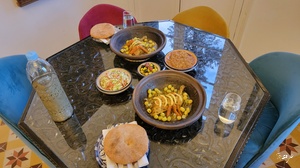
After the class, we felt like we were on the right track for digging deeper in Moroccan culture and traditions, and headed towards another Moroccan icon, this time from an architectural standpoint - our first kasbah. The kasbahs, these fortified castles or fortresses that are found throughout the country, particularly in the Atlas Mountains, coastal areas, and arid south, typically feature high walls and narrow alleys. Historically, they served as the residences of local leaders and looked like medieval towns.
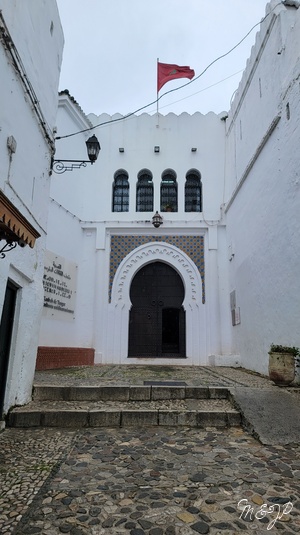
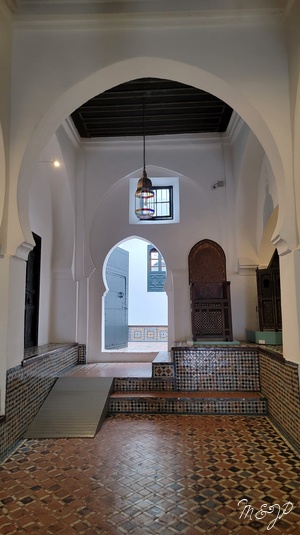
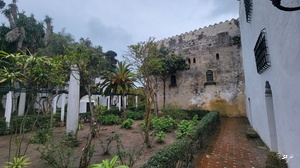
The Kasbah Palace of Tangier, also known as Dar al-Makhzen ("dar" means "house" or "at someone’s place"), was built as a sultan palace in the early 18th century during the reign of sultan Moulay Ismail (the second ruler of the Alawi dynasty who fixed his capital in the city of Meknes).
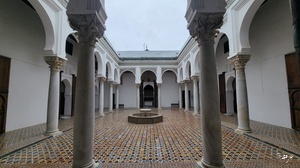
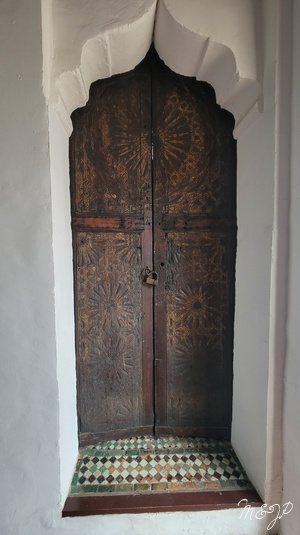
It used to be the residence of the city's governor and home for the sultan of Morocco when staying in the city, and was repurposed as a museum of Mediterranean cultures and contemporary art in the early 20th century.
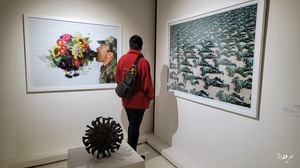
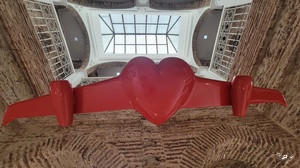
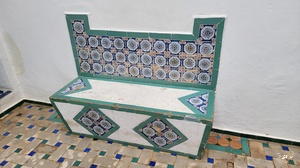
The building is located at one of the highest points of the city, overlooking the medina and the Strait of Gibraltar. It features elegant courtyards with marble columns and fountains, a beautiful garden, gorgeous doorways, and intricate wooden ceilings, arabesques (elegant series of geometric patterns that often resemble intertwined natural forms such as plants, stems, or leaves) and zelliges (typical handcrafted and colourful glazed terracotta geometric mosaic tiles) - fundamental elements of Islamic art that will amaze you during your entire trip throughout Morocco.
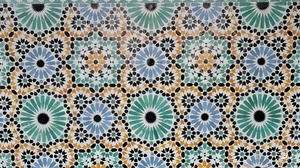
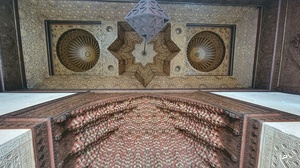
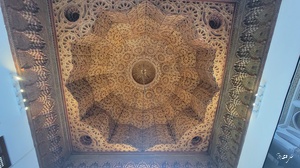
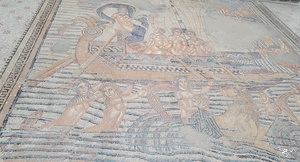
The museum displays works of art from all over the country, including the Navigation of Venus - a beautiful Roman mosaic found at the ancient site of Volubilis.
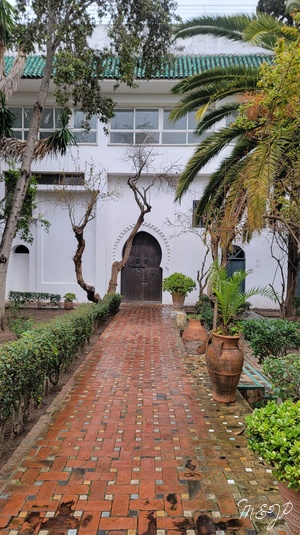
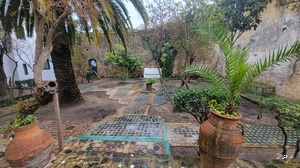
If you are fed up with the narrow streets and need some nature, take a short drive to the Atlantic Coast to visit the beautiful rock formations of the Caves of Hercules, where surf crashes through the window-like opening in the shape of Africa.
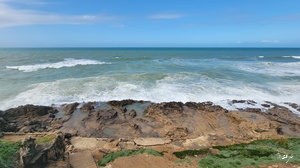
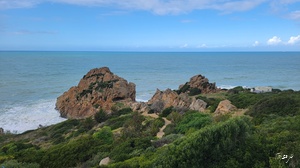
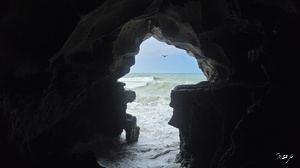
The coast and white-sand beaches are beautiful in spring with all the greenery, blooming flowers and grazing sheep and camels around.
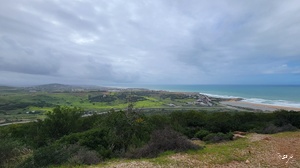
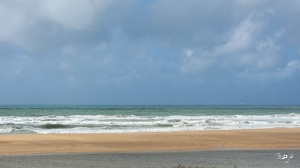
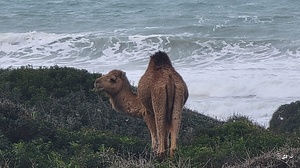
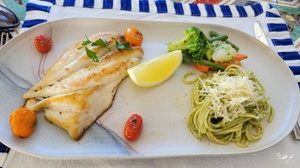
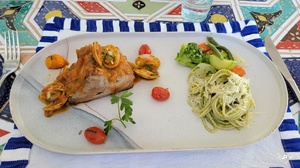
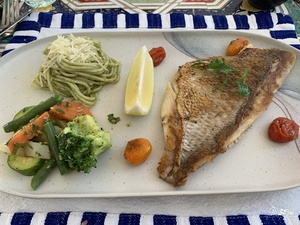
Even if you are not a beach-goer, you can find your luck in one of the coastal restaurants, which offer some of the freshest and most delicious sea food ever.
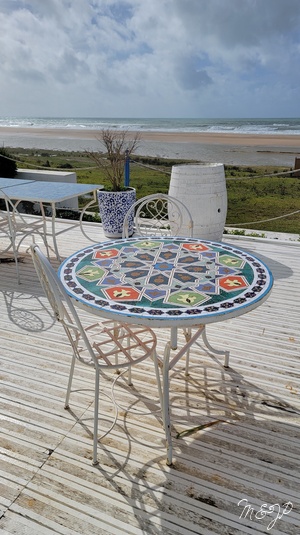
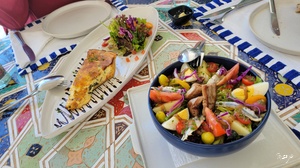
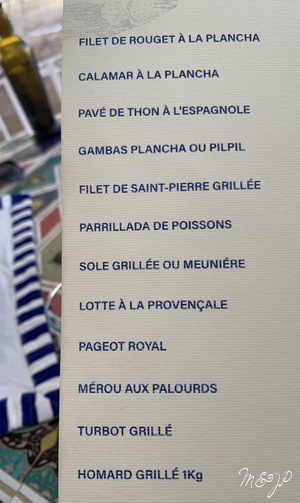
You might want to bring a dictionary in order to check the names of the dozens of different fish on the menu!
Another city near Tangier that also deserved the nickname of "White City" is Tetouan.
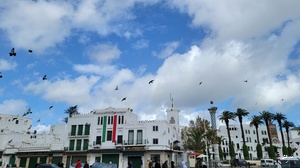
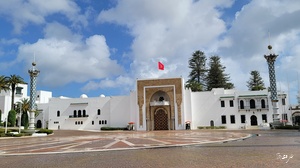
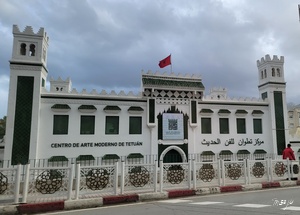
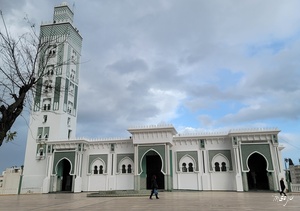
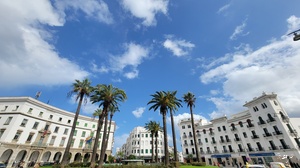
This charming blend of Arab medina and Andalusian architecture used to be the capital of the Spanish Protectorate of Morocco.
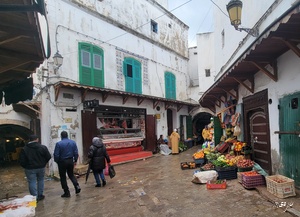
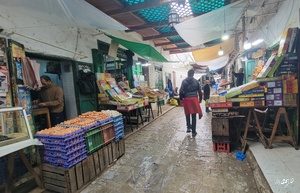
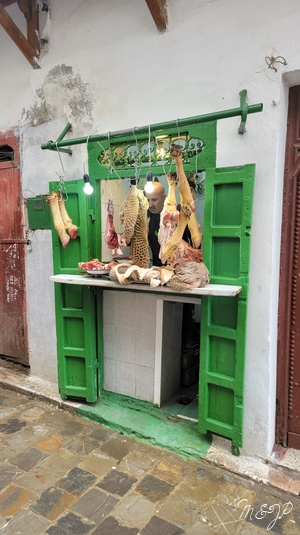
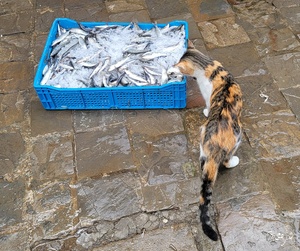
This explains why locals might address you in Spanish instead of French - the latter being widely spoken in the rest of the country, including in all administrations (even though the official language is Moroccan Arabic).
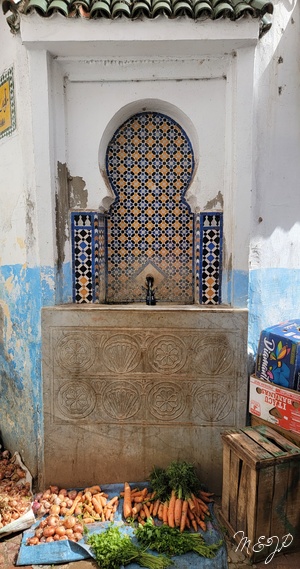
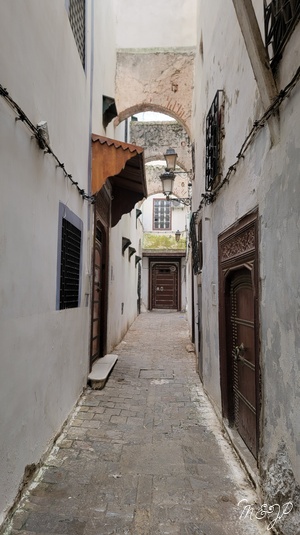
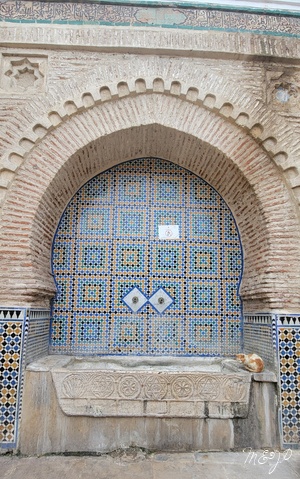
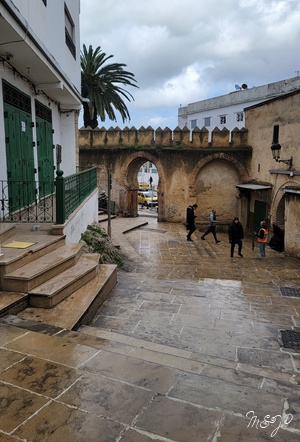
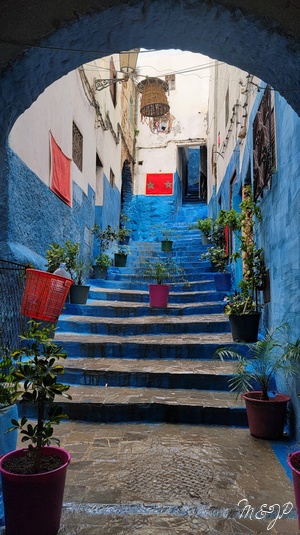
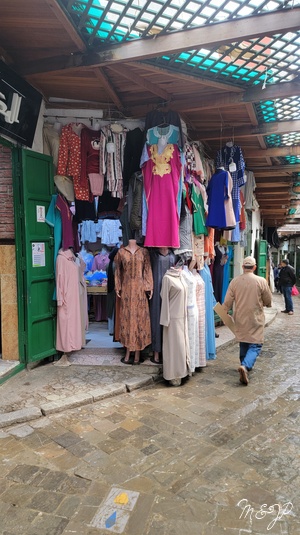
Contrary to its neighbour, Tetouan is much less touristic and its medina - which has been on UNESCO’s World Heritage List since 1997 - is much more authentic with its kissariats (covered markets) with traditional crafts, as well as its interesting museums.
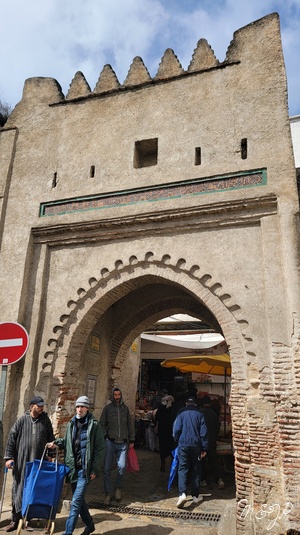
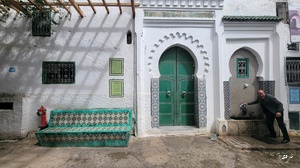
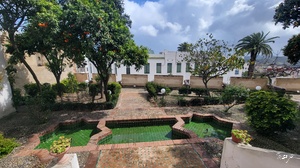
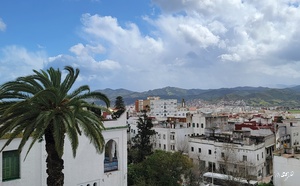
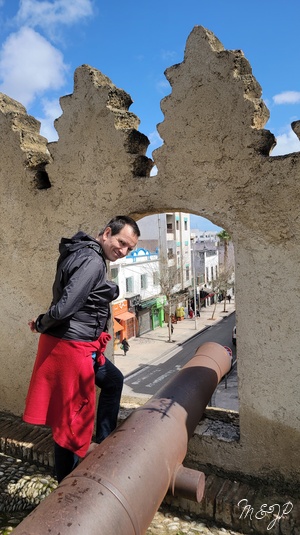
One of them is the Tetouan Ethnographic Museum (or Bab El Oqla Museum), located in a beautiful historic fortress with a cute rooftop garden and nice views of the city.
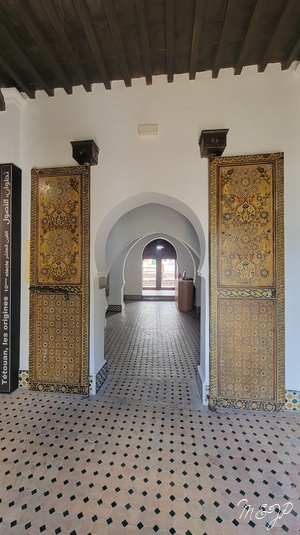
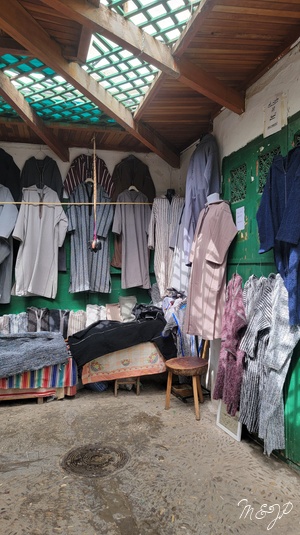
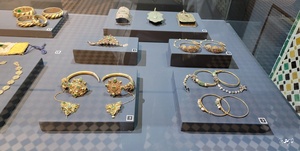
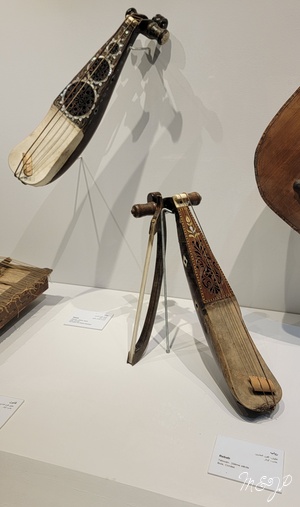
It presents a rich collection of ancient objects, such as caftans (traditional robes or tunics for women, sometimes embroidered), khamsa or the Hand of Fatima (a palm-shaped amulet believed to ward off evil and bad luck), jewelry, carpets, musical instruments, zelliges, pottery and so much more.
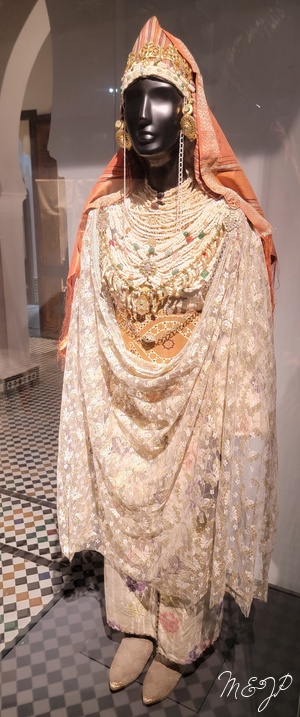
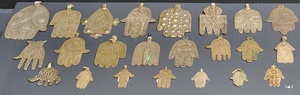
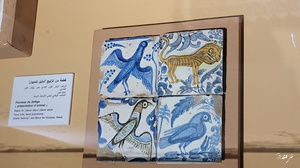
While you cannot visit the interior of the Royal Palace located on Hassan II Square (the royal palaces in the country are generally not open to the public, as they serve as official residences and government centers), you should definitely take some time to discover Dar El Oddi.
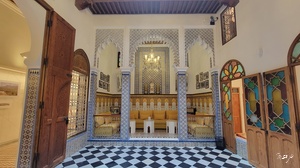
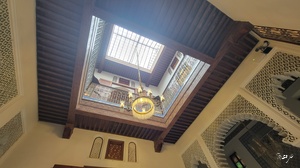
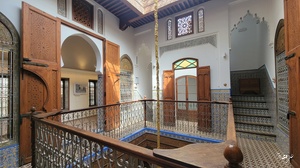
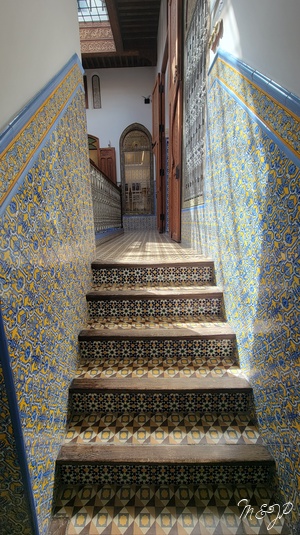
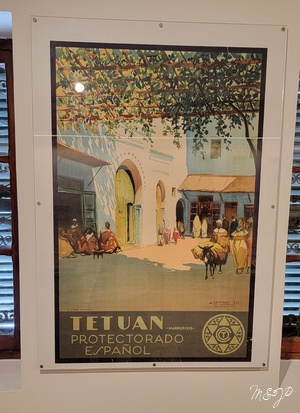
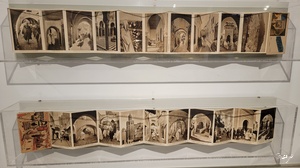
This traditional Moroccan family house (dar), located in the heart of the medina, has been restored and features traditional elements and European influences, as well as an exhibition of paintings and post cards from the time of the Spanish Protectorate.
You cannot miss either, at least from the outside, the bright-yellow Tetouan Catholic Church, built during the Spanish Protectorate and still active today.
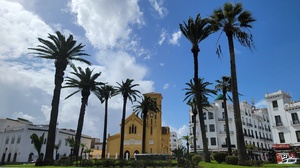
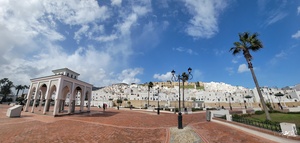
The highlight of any visit to Tetouan though will be the mind-blowing views of the snow-white houses from Place Feddan - a public square with beautiful Andalusian architecture and mosaic-designed benches!
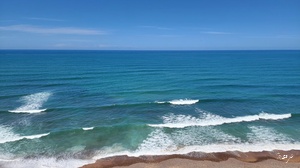
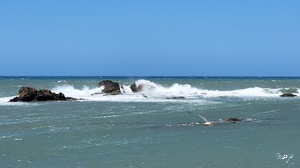
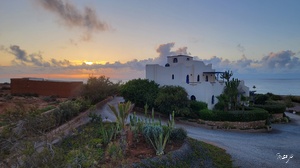
The title of "White City" can also rightfully be attributed to some of the cities along Morocco’s west coast, but if you look closely, you will realise that they are actually painted in both white and blue and their most spectacular feature is the contrast between the whitewashed houses and the deep blue waters of the Atlantic Ocean. Because Morocco is also blue…

You like what you read?
Explore and learn more about Morocco !!!
-
 P for Paradise and Provence (part 2)
Stunning nature - You cannot leave Marseille without hiking to … -
 P for Paradise and Provence (part 1)
France used to be divided into historical regions, which do … -
 The Valley of Roses and Kings (part 2) The Valley of Kings
The Valley of Roses is famous not only for its … -
 The Valley of Roses and Kings (part 1) The Valley of Roses
Out of all the flowers in the world the rose … -
 In the heart of the Silk Road (part 4) Khiva and the Desert Castles
Khiva - It took us 6 hours, almost a whole … -
 In the heart of the Silk Road (part 3) Bukhara
Bukhara - While Tashkent is a modern city with some … -
 In the heart of the Silk Road (part 2) Samarkand
Samarkand - No name is so evocative of the Silk … -
 In the heart of the Silk Road (part 1) Tashkent
The Great Wall of China, Machu Picchu, the Pyramids of … -
 The Land of Giants at the End of the World (part 2)
We crossed for the third time the border between Argentina … -
 The Land of Giants at the End of the World (part 1)
No visitors come back from Antarctica in the same state … -
 A Vitamin Sea Christmas in the Mediterranean
Human beings are full of contradictions! When we used to … -
 Spring Colours in the Kingdom of the West (part 6) Morocco is yellow
Morocco is yellow - Besides the yellow hues of the … -
 Spring Colours in the Kingdom of the West (part 5) Morocco is red
Morocco is red - Besides the red hues of the … -
 Spring Colours in the Kingdom of the West (part 4) Morocco is orange
Morocco is orange - Our first encounter with the legendary … -
 Spring Colours in the Kingdom of the West (part 3) Morocco is green
Morocco is green - The Rif Mountains east of Tangier, …
