
.svg)
European Snow Trip to the Arctic (part 6)
Dog sledding, ice hotel and the Venice of Scandinavia
Posted by: Maria in January 2025 (1 year, 8 months ago)
SWEDEN is the land of lakes, pine forests and beautiful coasts with countless islands in the Baltic Sea. It is also the country of the Nobel Prize, ABBA, Ace of Base, Astrid Lindgren and her "Pippi Longstocking" and "Karlsson on the Roof", IKEA, Greta Garbo, Stieg Larsson and his "Girl with the Dragon Tattoo", H&M, Volvo, Nokia and many more.
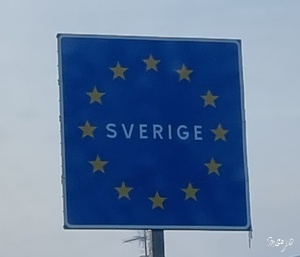
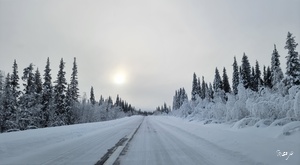
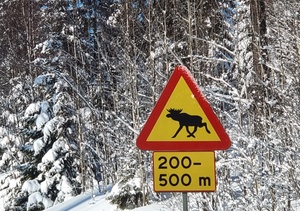
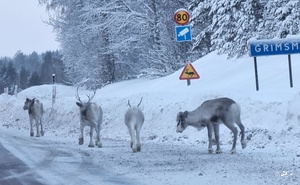
A day on the road in Sweden starts with some magical encounters - there are different road signs for wild reindeer and moose and you can actually spot both animals for real!
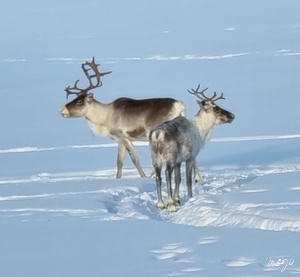
We reached Kiruna for our next Arctic adventure - Alaskan husky sledding - through the serene beauty of Lapland’s snow-covered wilderness. We were initially hesitant about doing this type of activity as we hate exploiting animals. We decided to give it a try when 1/ we read that dog sledding was part of the way of life of the Sámi who relied on sleds to navigate the Arctic and 2/ we were reassured by a few dog lovers that huskies actually love running in the snowy forest and this is a good exercise for them! The day started with meeting our team of friendly dogs, feeding and petting them and learning more about each of them and how to harness, hold the reins and handle these furry cuties. The activity of controlling dogs pulling a sled over snow is called mushing. Driving the team of huskies on the beautiful trails in the snowy forest and marvelling at Sweden's untouched nature where wild reindeer and moose were roaming freely was an exciting and unforgettable experience. The dogs were so excited pulling the sled that the challenge was to keep them focused, organised and safe. Other than the noise of the sled and the breathing of the running dogs, everything was incredibly quiet and peaceful!
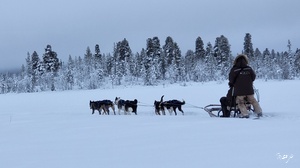
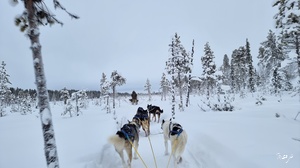
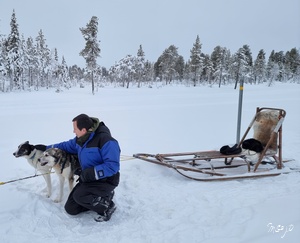
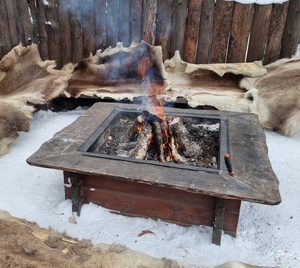
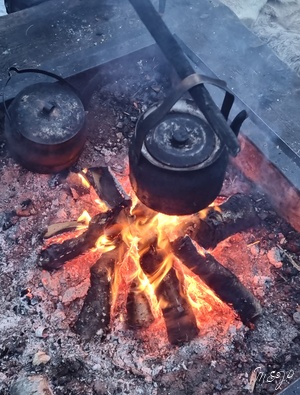
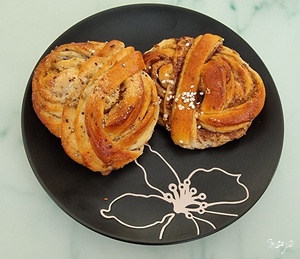
After the dog sledding adventure, we warmed up around an outdoor fire pit and enjoyed a traditional Fika - an important part of Swedish culture. It means taking a break at least once a day to share a cup of coffee or tea and a piece of cake with friends, family or colleagues. The typical cakes you can find in Sweden are the famous kanelbullar (or cinnamon rolls) and kardemummabullar (or cardamom rolls), which are beyond delicious!
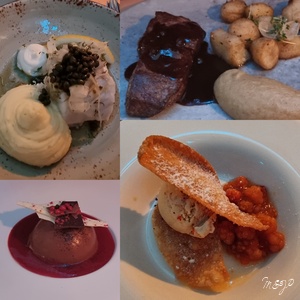
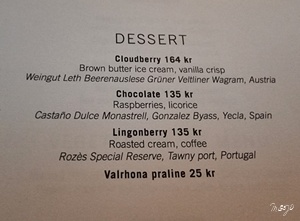
In a nice restaurant in the village of Jukkasjärvi, located only 17 kilometres away from Kiruna and 200 kilometres north of the Arctic Circle, we tried some more tasty Swedish cuisine. Everything was mouth-watering - from the unusual mains such as moose steak and cod with horseradish to the very typical desserts of cloudberry (an Arctic fruit) with brown butter ice-cream and vanilla crisp and chocolate with raspberries and licorice! Swedish and Lapland cuisines in general hide some amazing surprises for any foodie.
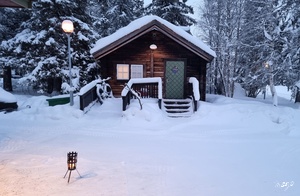
Our next Arctic adventure, and the main reason we stopped at this place, was waiting for us near the restaurant - the Icehotel.
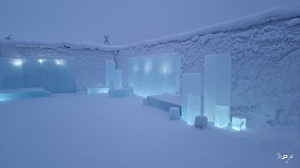
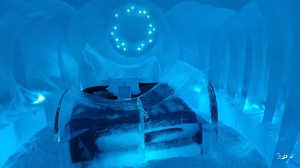
Staying there might not be your best night of sleep but the experience will be definitely worth it!
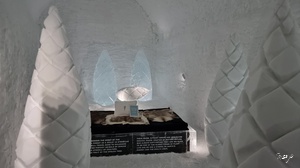
The hotel is built up from scratch each year using the ice blocks taken from the nearby Torne River.
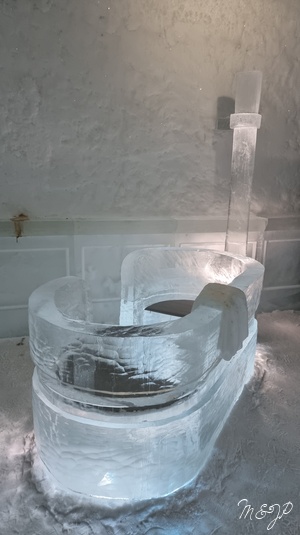
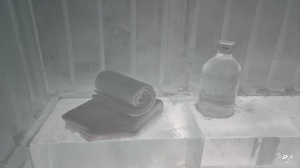
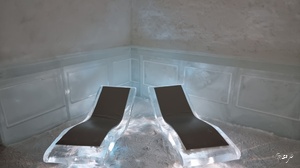
What makes it exceptional is its ephemeral nature as much as the experience itself.
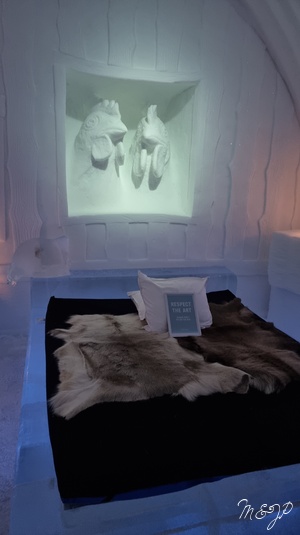
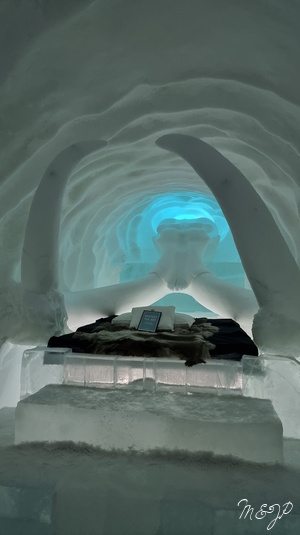
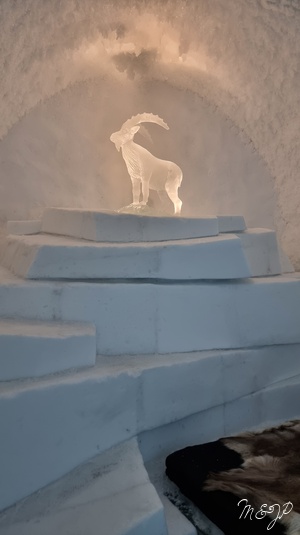
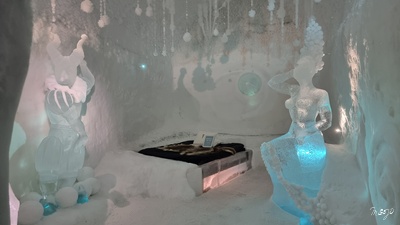
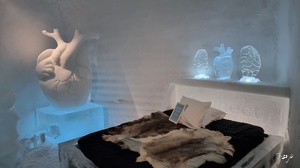
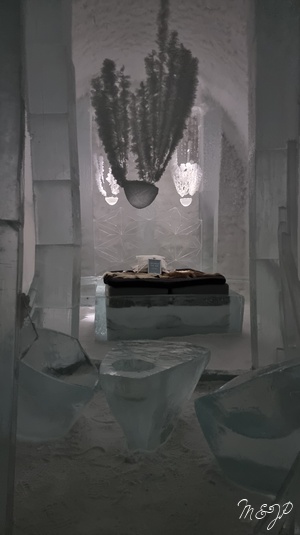
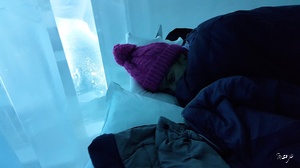
If, like us, you were coming from the far north where it was -30°C, you would have found that the temperature of -5°C inside the hotel was perfectly fine and even warm! You can sleep in your pyjamas and without any socks but must keep a warm hat on your head! You need to change in the heated wing of the hotel and leave all your belongings in the lockers there. In case you want to bring your phone in the room, do not forget to keep it inside the sleeping bag. The Icehotel will provide you with special boots and a sleeping bag that you can use as a coat to reach the cold wing of the establishment. Our bed, made of snow and ice and covered with reindeer furs, was in the middle of an igloo-like room with ice sculptures that looked like ice waterfalls.
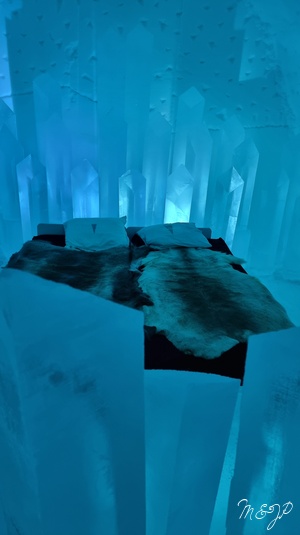
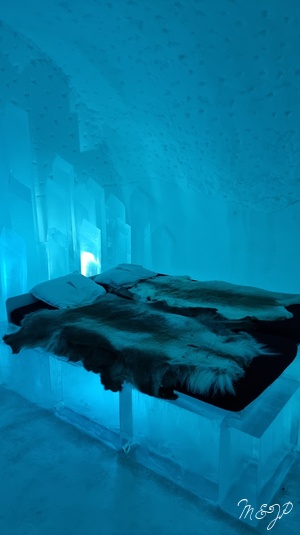
We snuggled up in the sleeping bags that were incredibly warm and comfortable, which is normal since they are also used by the Swedish army for Arctic survival training! The blue light of the ice during the night was surreal… Once I had figured out how to keep my nose - the only part of my body still exposed to the cold - warm by burying it in the pillow, I slept like a baby but needed a lot of bravery to get out of the sleeping bag in the morning!
You also need to limit the drinks in the Icebar of the hotel in the evening - you really don’t want to get out of your sleeping bag to go to the restroom during the night! A great piece of advice is to visit the bar as soon as you arrive in the hotel (and not just before bedtime).
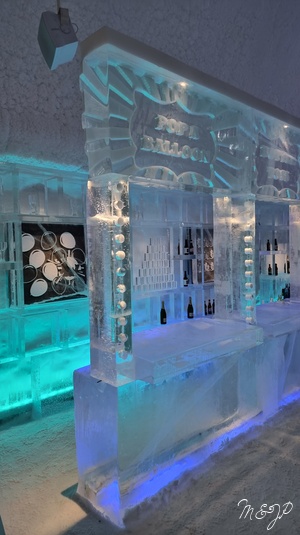
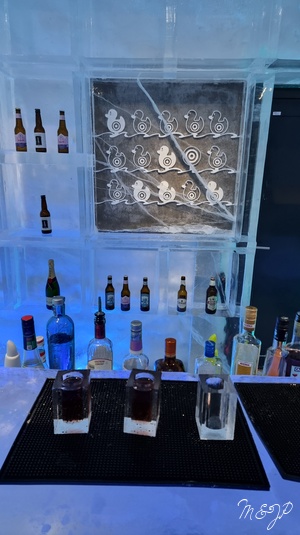
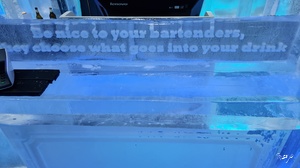
You will find that the vodka and lingonberry (another Arctic fruit) cocktails are unbelievable, and skål (pronounced [skol], which means cheers in Swedish) is a very useful word!
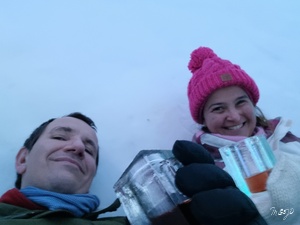
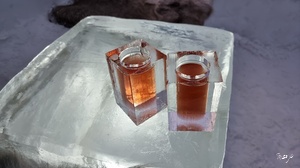
If simply looking at the pictures of the Icehotel makes you shiver and you are not ready to spend the night in an ice room, you can either stay in one of the rooms in the heated wing of the hotel (which would be no different from sleeping in any hotel in the world - no ice there...) or simply visit the Icehotel during the day.
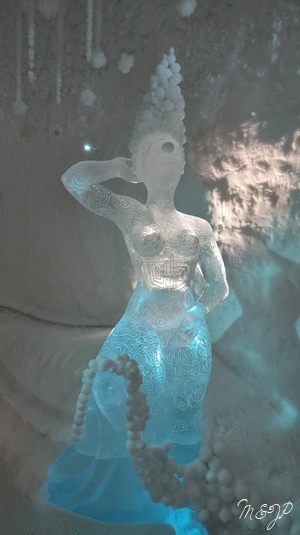
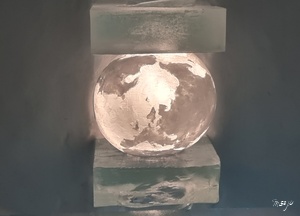
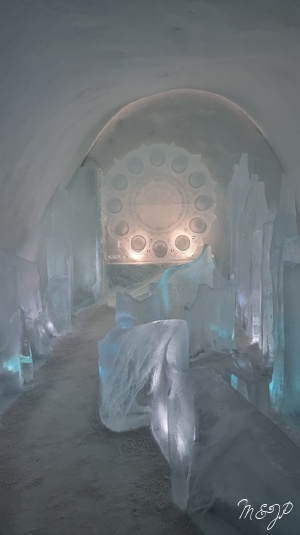
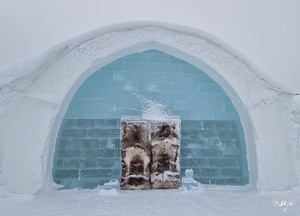
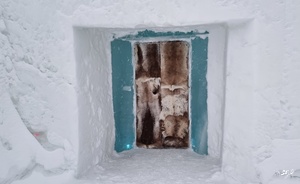
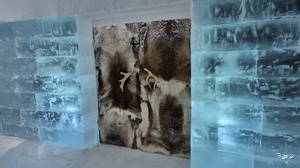
The entrance of the hotel with its door made of reindeer furs and antlers is spectacular.
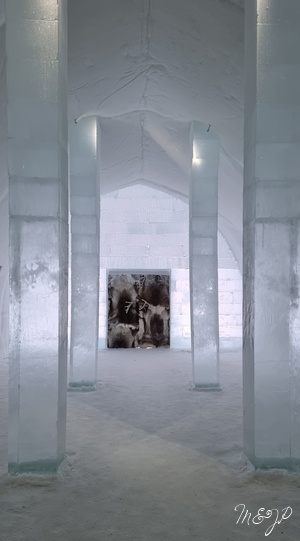
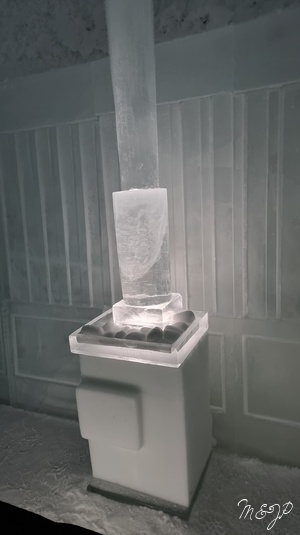
Walking around, you cannot but marvel at the beautiful lavvu and the ice slide in the yard, the Ice Chapel with white balloons where you can get married, and the huge galleries with exquisite ice chandeliers and elegant ice columns.
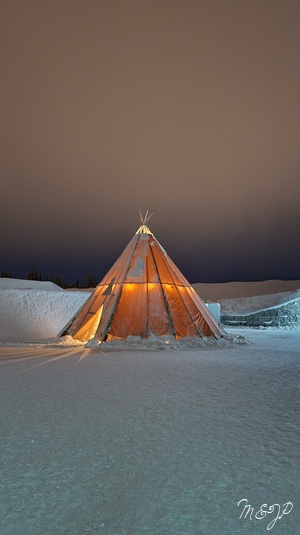
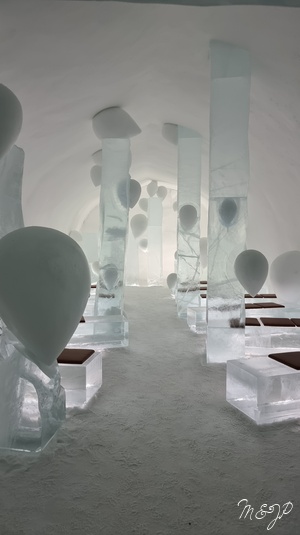
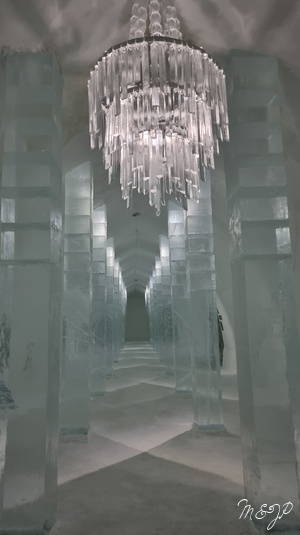
You will feel like one of the characters in Hans Christian Andersen’s fairy tale "The Snow Queen"!
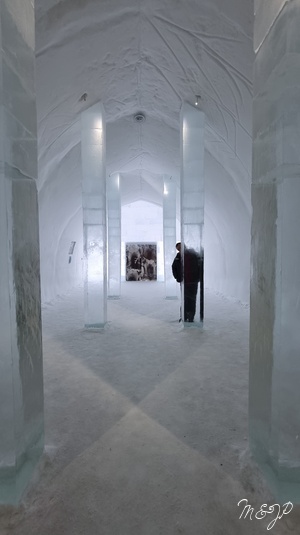
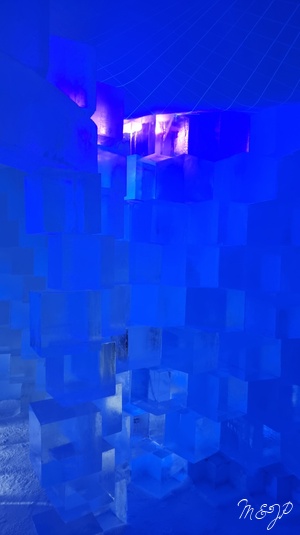
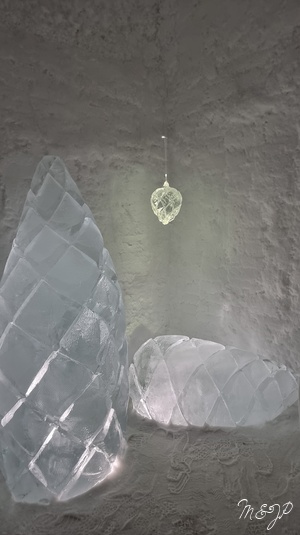
The highlights of the visit will be the art suites where you can stay during the night or visit during the day. Each suite is handcrafted in snow and ice by a different artist, has its own name and theme, and sometimes even its own music - "Dancers in the dark", "To bed with the chickens", "Room service", "UV", "Dickensian street", "Wanderlust", "Sauna", "Crescents", "You are here", "No pressure", "Blue tundra", "Sacred giant"... It looks like an ice museum!
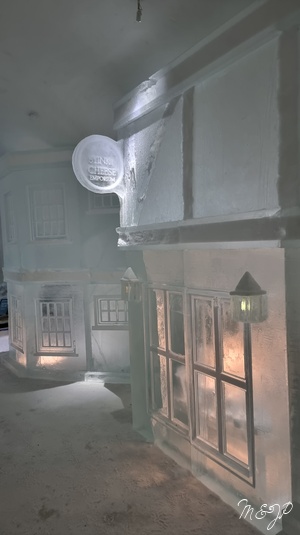
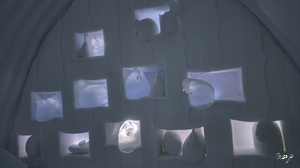
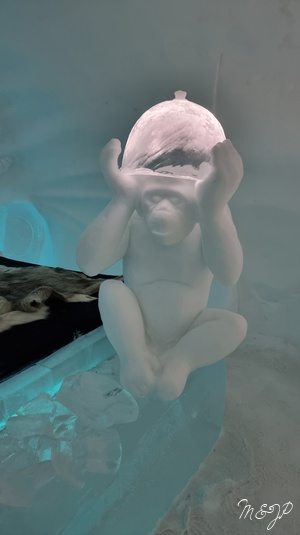
Each ice sculpture is stunning and is telling a story, immersing you in a winter wonderland of fascinating art fairy tales!
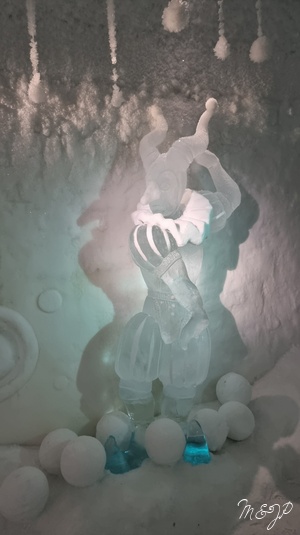
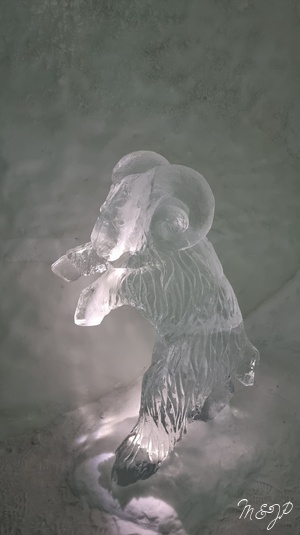
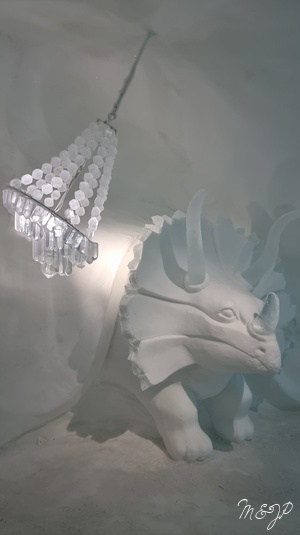
There are also deluxe suites with a private heated bathroom and a sauna. However, you cannot visit those unless you stay there overnight, which will cost you an arm and a leg!
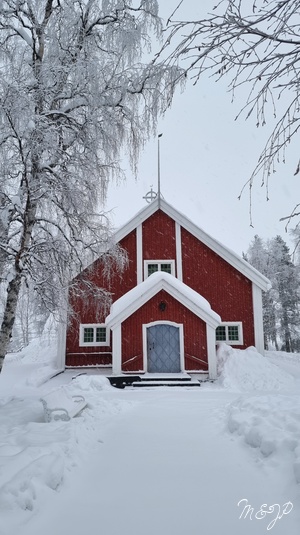
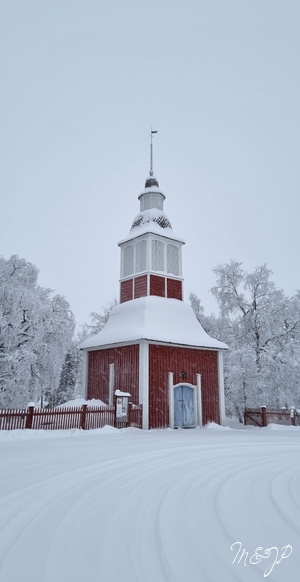
The village of Jukkasjärvi is also home to a cute timber-lined, red-coloured church with a bell tower. Built in 1607 and completed in 1785, it is the oldest church in Lapland.
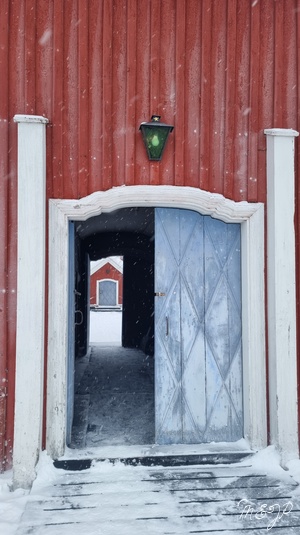
The organ, made of reindeer horn and birch wood, as well as the altar are decorated with images from Sámi mythology.
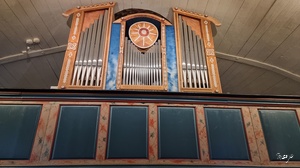
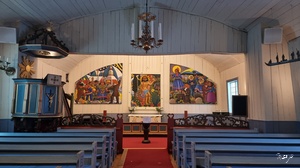
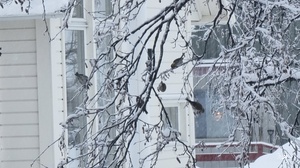
In the beautiful forest around the church and along the river, we saw hundreds of gorgeous birds and lonely log cabins. It was incredibly quaint!
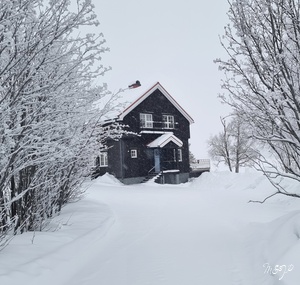
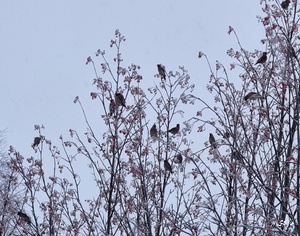
While heading south towards Sweden’s capital Stockholm, we felt a pang of sadness, but also impatience to finally see again some land and water not covered by snow or ice.
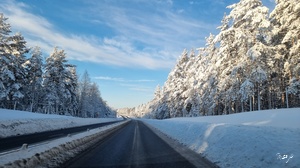
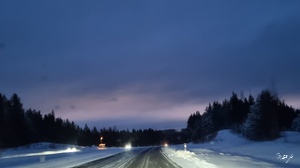
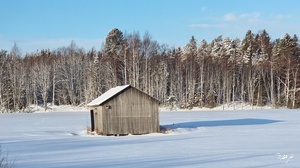
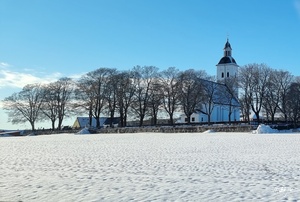
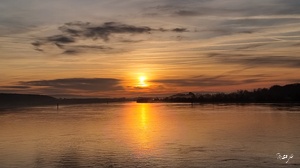
There was less and less snow on the road but the wildlife, the picturesque churches and houses, and the sunsets were as spectacular as those in the Arctic.
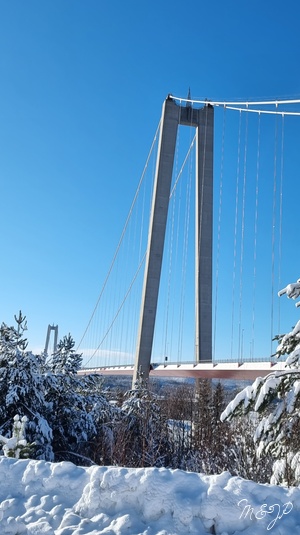
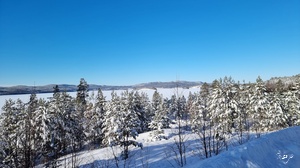
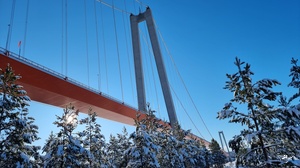
Our second encounter with the Gulf of Bothnia was when we crossed it on the Högakustenbron - an impressive bright-red suspension bridge, which looked a lot like its U.S. cousin, the Golden Gate Bridge.
Stockholm, aka the Venice of Scandinavia, and its Baltic Sea archipelago did not disappoint at all in winter!
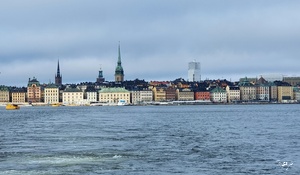
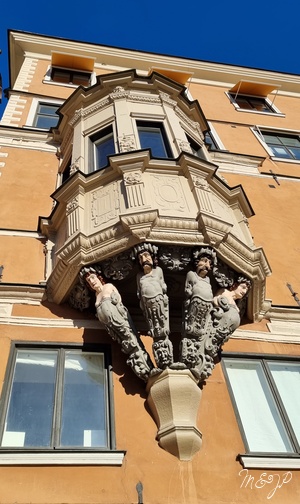
Gamla stan (or The Old Town in Swedish) displays many notable buildings including Stockholm Palace - the official residence of the Swedish monarch, and Riddarholmen Church - the final resting place of most Swedish monarchs. If you are a royalty watcher, you can find postcards with pictures of the Swedish royal family everywhere in the city.
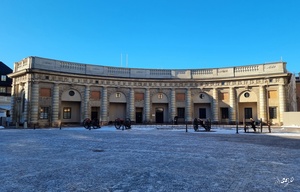
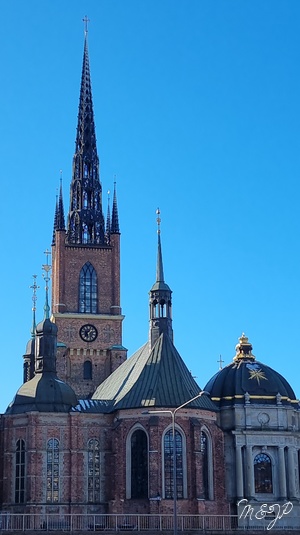
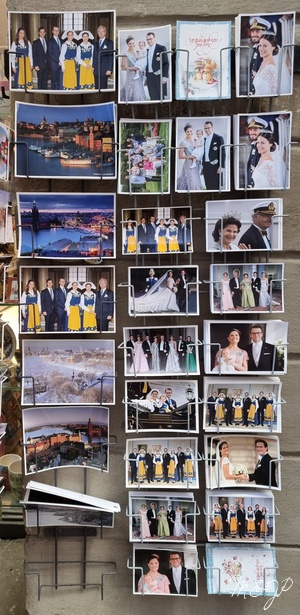
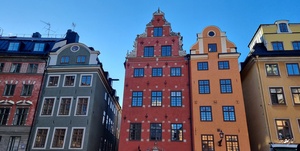
Strolling around the cute cobblestone streets and the pastel-coloured houses of Gamla stan was a treat but the highlight was the eye-catching Stortorget (or the Grand Square in Swedish) - the oldest square and historical centre of Stockholm, also renowned for its annual Christmas market!
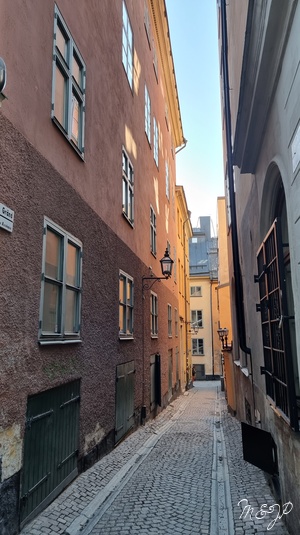
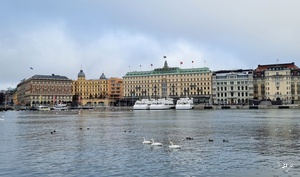
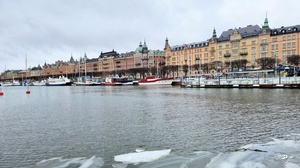
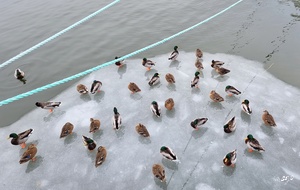
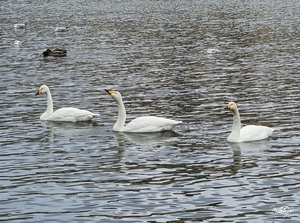
Not too far away from the Old Town, Strandvägen with its beautiful views of the waterfront and the tons of swans and ducks is one of the most famous streets of the capital.
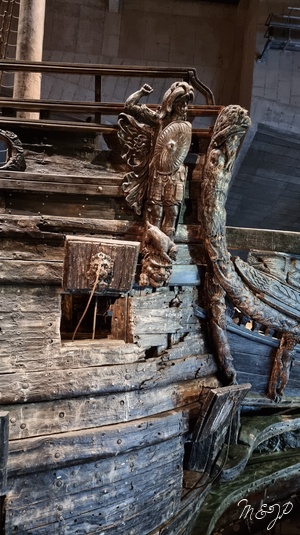
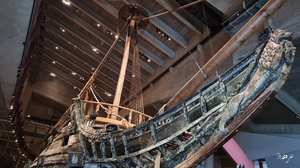
Only a 10-minute walk away from it awaits one of the most visited museums in Scandinavia. The Vasa Museum displays the only almost fully intact 17th-century ship that has ever been salvaged - the 64-gun warship Vasa that sank on her maiden voyage in 1628 after sailing barely 1,300 metres. It was salvaged with a largely intact hull 300 years later.
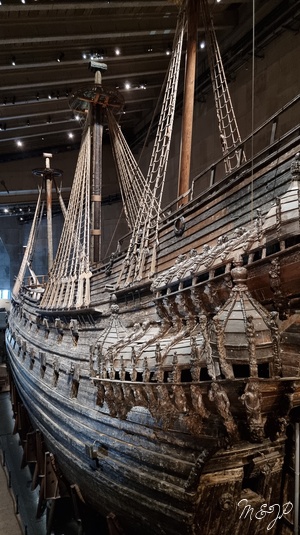
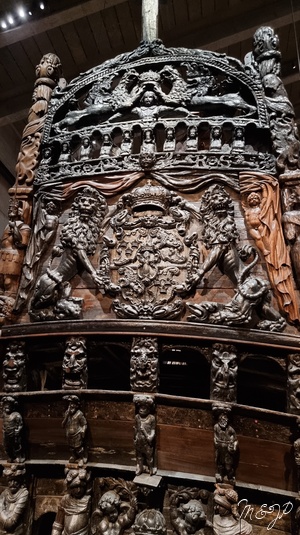
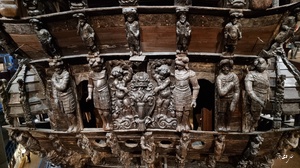
Its size is impressive and it is richly decorated with beautiful wood carvings and sculptures, including Vasa’s figurehead - a 3-metre-long lion holding the Vasa dynasty coat of arms in its front paws, that has been a symbol of the Swedish monarchy ever since the Middle Ages!
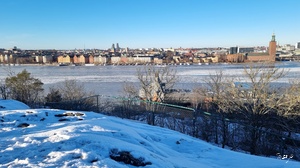
The best way to admire Stockholm is from Skinnarviksberget. This rocky hilltop overlooking the bay and Gamla stan is the highest natural point and offers the most stunning views of the city. It might also be the perfect place for a picnic during any other season but winter!
You cannot say you have been to Stockholm if you have not explored it from the water, on one of the many ferries and sightseeing boats shuttling passengers between the islands. The Stockholm Archipelago extends roughly 80 kilometres to the east from the capital and is made up of almost 30,000 islands, islets, and rocks sprinkled throughout the Baltic Sea!
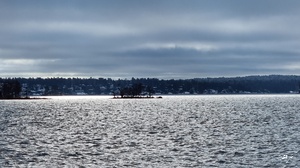
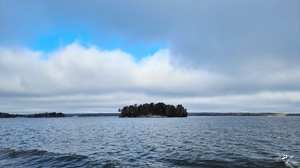
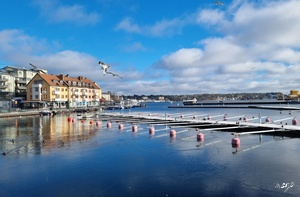
We decided to have a quick taste of it and hopped on one of the public ferries to the city of Vaxholm. The ride was jaw-dropping, with bright-coloured citadels perched on steep cliffs and snowy islands with cute lonely log cabins along the way.
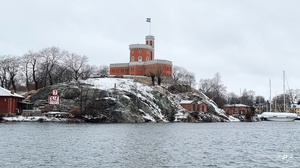
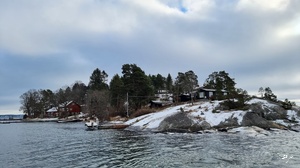
Our destination - Vaxholm - dotted with pastel-coloured wooden houses and quaint cafés was charming as well.
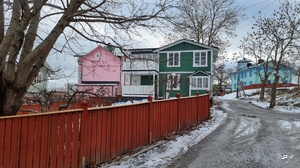
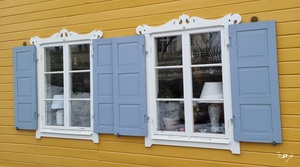
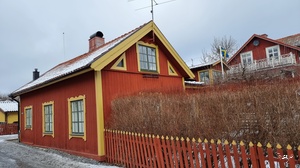
We took the public bus back to Stockholm and saw many typical red and white houses on the way! The sun, the snow and the bright colours were wonderful!
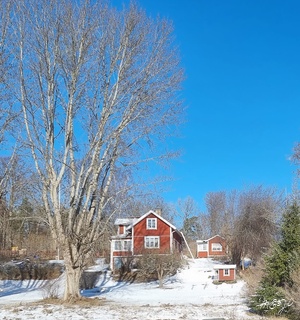
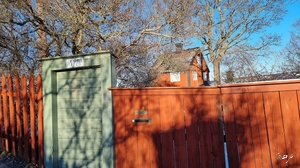
On our way to the south across Sweden’s countryside, we saw more of these traditional houses which seemed to come straight out of a fairy tale, and even stayed in one of them for our last night in the country.
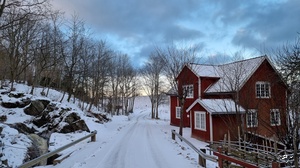
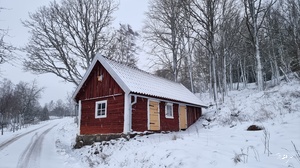
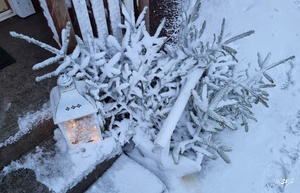
The lights on each of their windows and at their front doors brought warmness and cosiness in the dark and freezing night. We understood why Ikea was selling so many candles!
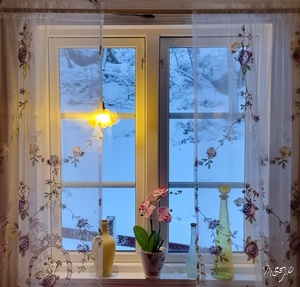
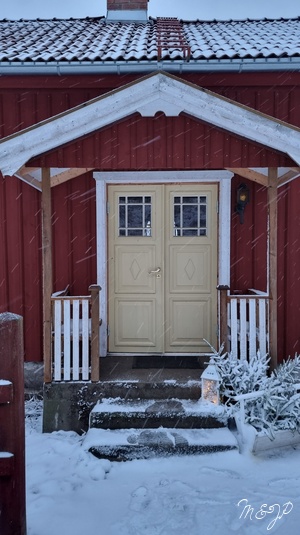
For the first time in months, we saw near the house a lake which was not frozen, and it really felt amazing to finally see the beautiful blue colour of the water!
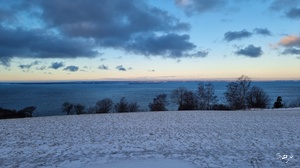
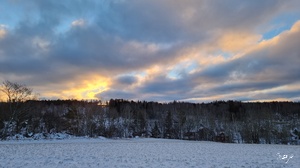
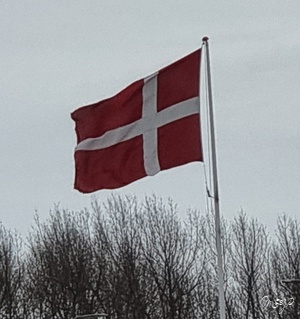
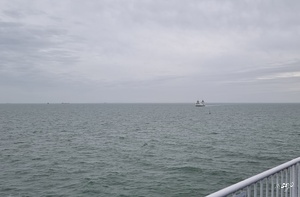
On the last couple of days of our road trip, we drove through DENMARK and took a ferry to GERMANY.
We stopped for one night in Hamburg to visit some old friends, and then for another night in the spa town of Baden-Baden where crocuses and snowdrops were popping out from the ground announcing the arrival of spring!
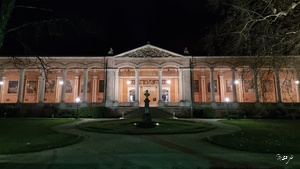
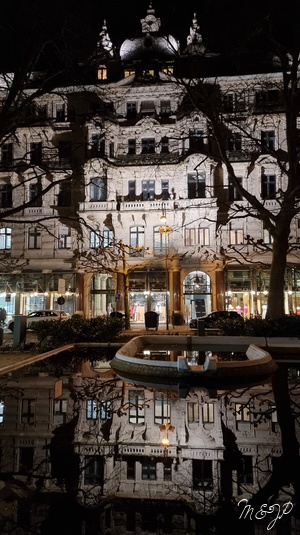
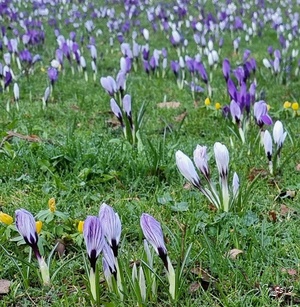
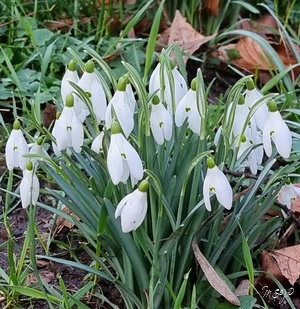
After almost 2 months on the road, driving more than 20,000 kilometres and crossing almost 20 countries, we arrived back where we had started, closing the loop of our European Snow Trip.
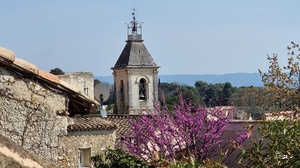
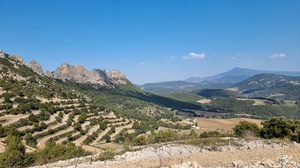
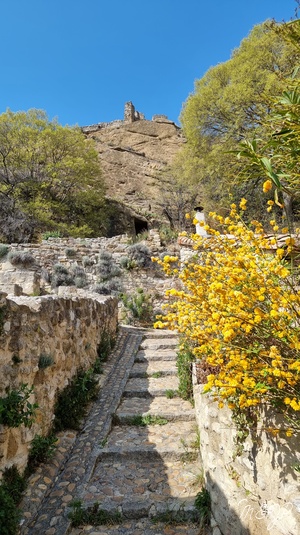
The sight of the ephemeral mimosas and almond, peach and cherry trees in bloom was the epiphany of all the beauty we had seen in the Arctic and the proof that, even though it was hard to believe it sometimes, good was always going to prevail over evil and spring was always going to show after winter...
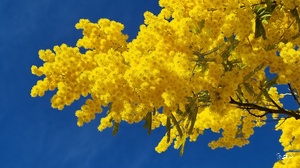
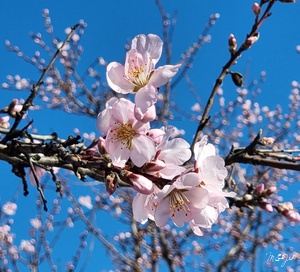
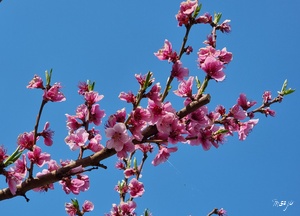
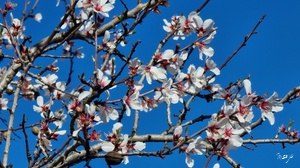
We were back home, spring was knocking at our door, and we were ready to welcome it with open arms…
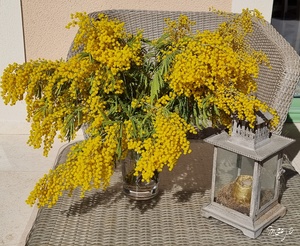
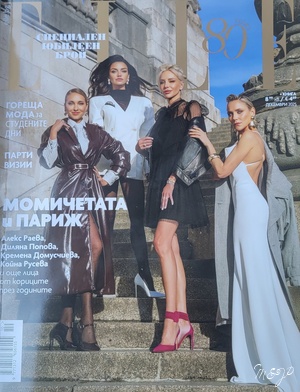
Published in Elle Bulgaria in December 2025.

You like what you read?
Explore and learn more about Sweden, Denmark, France, Germany !!!
-
 The Valley of Roses and Kings (part 2) The Valley of Kings
The Valley of Roses is famous not only for its … -
 The Valley of Roses and Kings (part 1) The Valley of Roses
Out of all the flowers in the world the rose … -
 In the heart of the Silk Road (part 4) Khiva and the Desert Castles
Khiva - It took us 6 hours, almost a whole … -
 In the heart of the Silk Road (part 3) Bukhara
Bukhara - While Tashkent is a modern city with some … -
 In the heart of the Silk Road (part 2) Samarkand
Samarkand - No name is so evocative of the Silk … -
 In the heart of the Silk Road (part 1) Tashkent
The Great Wall of China, Machu Picchu, the Pyramids of … -
 The Land of Giants at the End of the World (part 2)
We crossed for the third time the border between Argentina … -
 The Land of Giants at the End of the World (part 1)
No visitors come back from Antarctica in the same state … -
 A Vitamin Sea Christmas in the Mediterranean
Human beings are full of contradictions! When we used to … -
 Spring Colours in the Kingdom of the West (part 6) Morocco is yellow
Morocco is yellow - Besides the yellow hues of the … -
 Spring Colours in the Kingdom of the West (part 5) Morocco is red
Morocco is red - Besides the red hues of the … -
 Spring Colours in the Kingdom of the West (part 4) Morocco is orange
Morocco is orange - Our first encounter with the legendary … -
 Spring Colours in the Kingdom of the West (part 3) Morocco is green
Morocco is green - The Rif Mountains east of Tangier, … -
 Spring Colours in the Kingdom of the West (part 2) Morocco is blue
Morocco is blue - The road along the Atlantic Coast … -
 Spring Colours in the Kingdom of the West (part 1) Morocco is white
If I had to use only a couple of words …
