

Another World (part 4)
Posted by: Maria in February 2024 (2 years, 8 months ago)
Whales
The third kings of Antarctica after the seals and the penguins are the whales.
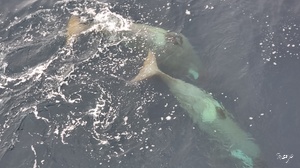
While we were still recovering from our emotions after crossing the Antarctic Circle, we spotted several orcas, our first whales ever, literally next to the ship.
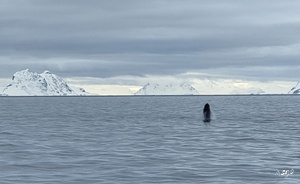
A humpback whale joined the party a little bit later breaching (this is the term for a whale rising and breaking through the surface of the water) many times not too far away from the ship! This was the sign we were in Antarctica, there was no doubt about it any more!
Later on Recess Cove will remain memorable for our (very) close encounter with a bunch of cool humpback whales. We watched for hours one of them turning around all the time feeding on krill. There were tons of birds flying above it desperately trying to pick some of the crumbs of the whale’s meal! It was mesmerising to spot one after the other its flippers, tail flukes and even head and body...
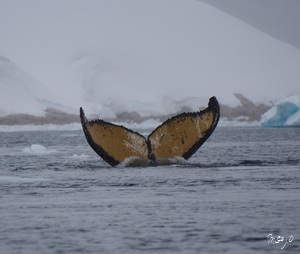
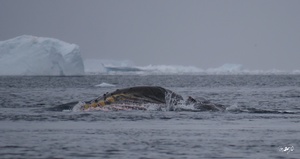
It looked like it was waving at us with the top of its flipper! It was something special!
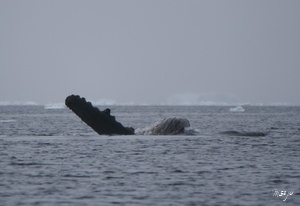
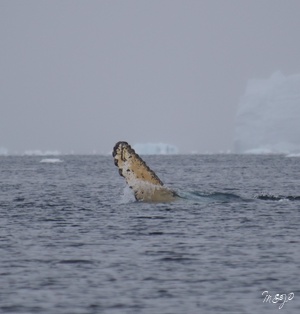
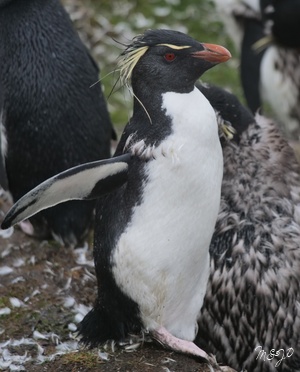
I think that we took hundreds of shots of our first penguins, whales and seals in dozens of different postures!
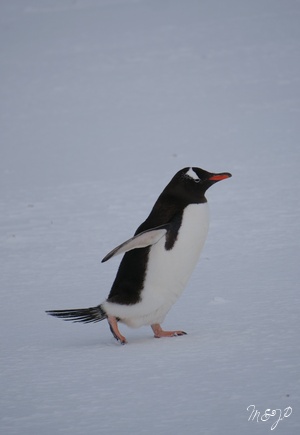
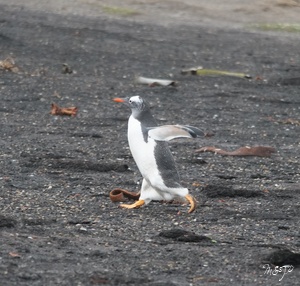
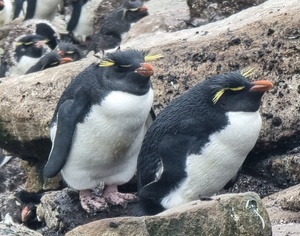
Even though we saw thousands of them during the trip (and took much less pictures later, thank god), I promise that we never got tired of them!
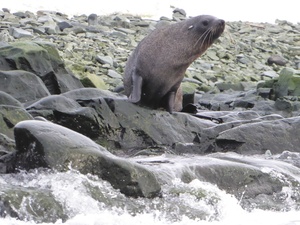
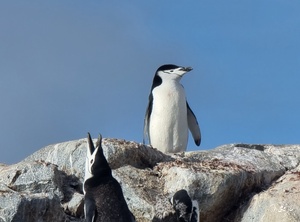
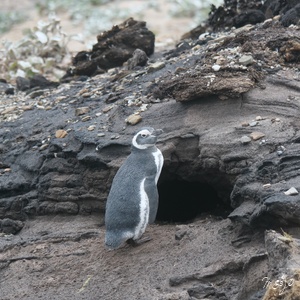
After only a couple of days in Antarctica, we started understanding why people called it ‘the trip of a lifetime’... There were a few people on the ship who had already been to Antarctica once or even twice and were coming back for a different experience because each trip to Antarctica is unique…There was even a guy who had hiked to an Antarctic volcano!
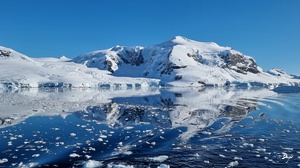
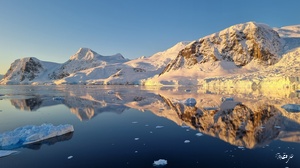
At this point of the trip we felt like even a ‘wow’ sounded like an understatement. We were still processing things but way too much was happening way too quickly for a human brain to apprehend it! The experience was completely mind-blowing…
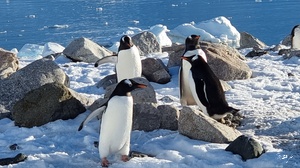
A friend of mine used the word ‘mega’ which, in combination with ‘surreal’, would probably be the shortest and straight to the point description!!! It felt almost as if we were not on earth, as if we were in a different world…
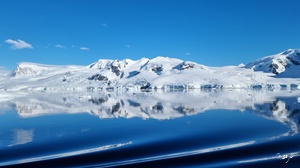
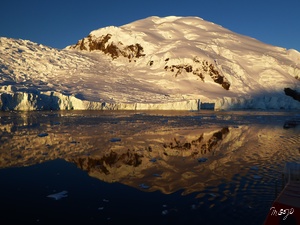
It was a dream of a lifetime and the reality was beyond everything we could have ever imagined! We knew with absolute certainty that any other trip after this one would be ‘too ordinary’... And it had been only a couple of days since we left Ushuaia…
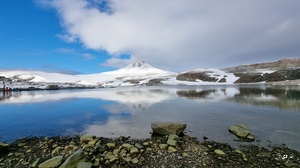
Landing on the continent of Antarctica and first kayaking
Most people coming to Antarctica only hop from island to island but never land on the continent itself. The reason is actually very simple - it is weather dependent!
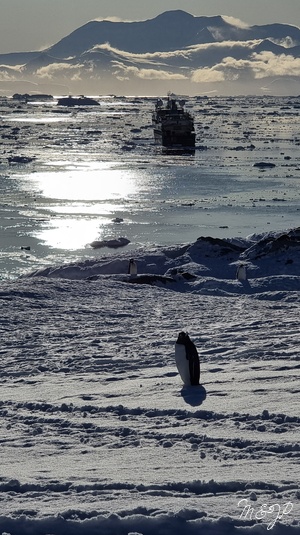
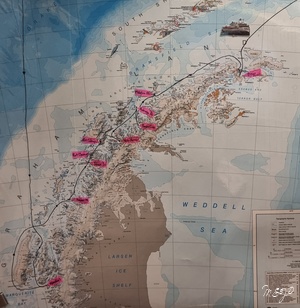
Thanks to the weather conditions, we were lucky to set foot on the Antarctic continent, our 6th continent, not once but three times at Prospect Point, Neko Harbour and Recess Cove.
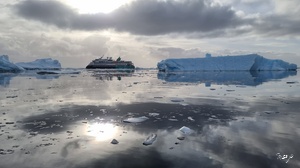
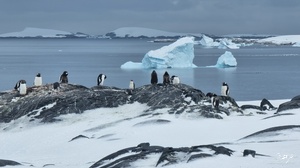
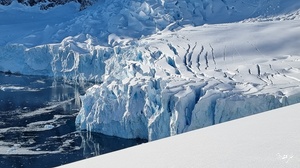
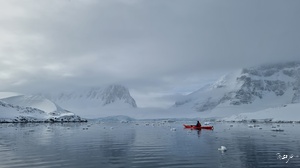
Our first continental landing was also our first time kayaking through brash ice, amongst icebergs the size of our ship (or even larger!) and some amazing ice sculptures which could have come straight out of an art museum.
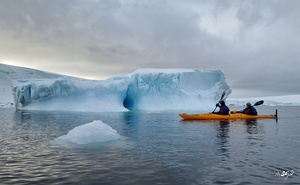
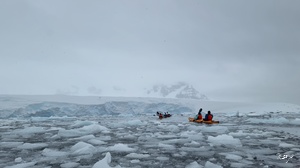
The sunlight reflecting on the icebergs was spectacular!
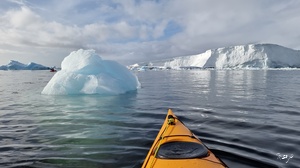
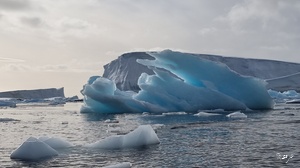
The huge crevasses and the gigantic glaciers on the continent made us feel tiny and vulnerable.
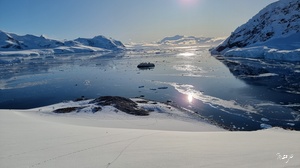
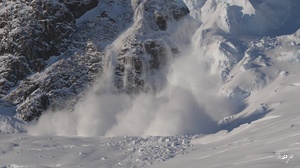
We also got our usual Antarctica element of surprise when the snow suddenly crashed in the sea and the Zodiacs received orders to get away from the shore to avoid any giant waves - we had witnessed first hand an avalanche in Antarctica…
One way to make sure you have not dreamed the entire experience is to post a postcard to yourself from Antarctica!
Posting your postcards from Antarctica
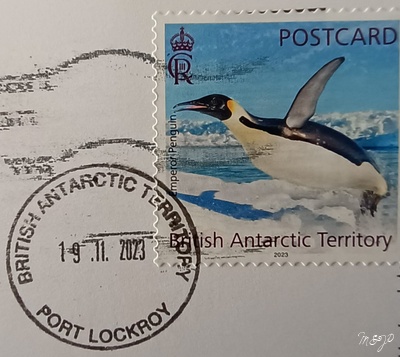
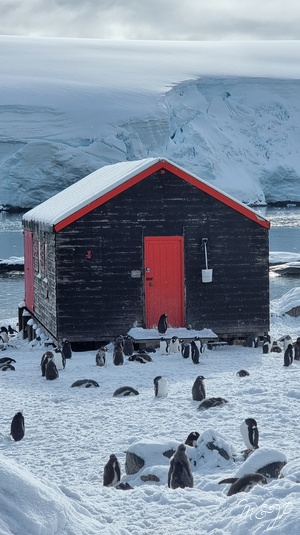
You can do that from the old historic hut of Port Lockroy, a former British research station called Base A. It is the world's southernmost post office! As our ship was amongst the last ones to sail through Antarctic waters for the November 2022-April 2023 summer ‘tourist’ season, the post office had already closed when we arrived and our postcards were going to be sent only when it reopened for the next season in November 2023…
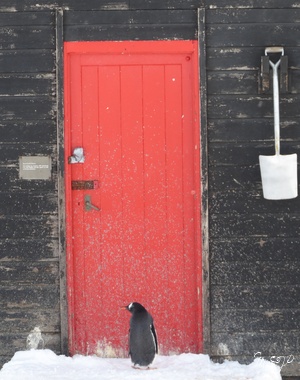
The only permanent residents of Port Lockroy are hundreds of Gentoo Penguins. We saw one of them standing in front of the door of one of the buildings as if it was waiting for the humans to let it in…
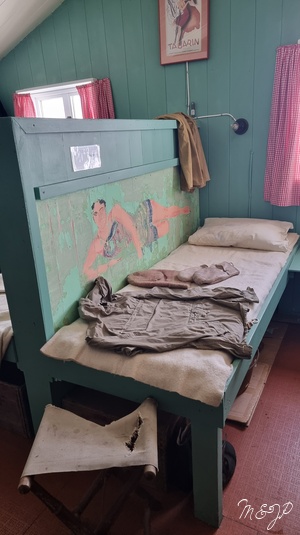
We visited the interior of the historic hut trying to imagine the lonely winters during Antarctica's all-male era. Britain used to send people for two and a half years which must have felt like an eternity…
We could also see some whale skeletons and bones at Jougla Point next to the base, reminding of the infamous past of a whalers harbour...
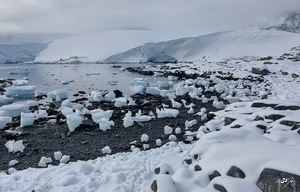
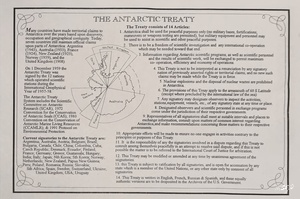
Antarctica is not only full of old bases. It also has active stations, including the Bulgarian one on Livingston Island, and even two settlements!
Getting closer to an all-year-round Antarctic station
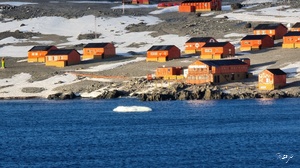
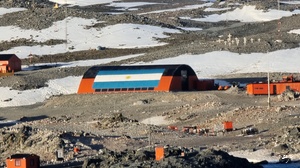
Most stations in Antarctica are only open in summer in the Southern Hemisphere, between November and March, but there are also a few permanent ones open all year round. This is the case of the Argentine station Esperanza where the first "Antarctican" was born in 1978. It is one of only two civilian settlements in Antarctica, the other being the Chilean Villa Las Estrellas. Today there are around sixty people living there all year round, including at least twenty kids. The station has a school, an infirmary, laboratories and even a cemetery….
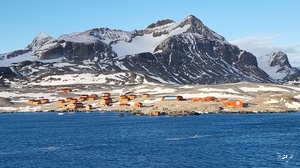
We did not land but got close enough to see the station as our expedition team leader was shuttled there to be checked out by their doctor after a minor fall on the continent. The station looked very quaint and colourful and the Argentine flag next to the cemetery was huge. Imagine what it is to live there all year round…
On that day we learned that massive storms were coming our way and we were going to try to avoid them.
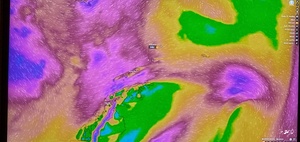
The wind and rain showed us another face of Antarctica and its wild indomitable nature. We sailed north through the Scotia Sea and then the open ocean heading to South Georgia. It was the end of the Antarctic chapter and the beginning of the South Georgia-Falkland/Malvinas Islands one!

You like what you read?
Explore and learn more about Antarctica !!!
-
 P for Paradise and Provence (part 2)
Stunning nature - You cannot leave Marseille without hiking to … -
 P for Paradise and Provence (part 1)
France used to be divided into historical regions, which do … -
 The Valley of Roses and Kings (part 2) The Valley of Kings
The Valley of Roses is famous not only for its … -
 The Valley of Roses and Kings (part 1) The Valley of Roses
Out of all the flowers in the world the rose … -
 In the heart of the Silk Road (part 4) Khiva and the Desert Castles
Khiva - It took us 6 hours, almost a whole … -
 In the heart of the Silk Road (part 3) Bukhara
Bukhara - While Tashkent is a modern city with some … -
 In the heart of the Silk Road (part 2) Samarkand
Samarkand - No name is so evocative of the Silk … -
 In the heart of the Silk Road (part 1) Tashkent
The Great Wall of China, Machu Picchu, the Pyramids of … -
 The Land of Giants at the End of the World (part 2)
We crossed for the third time the border between Argentina … -
 The Land of Giants at the End of the World (part 1)
No visitors come back from Antarctica in the same state … -
 A Vitamin Sea Christmas in the Mediterranean
Human beings are full of contradictions! When we used to … -
 Spring Colours in the Kingdom of the West (part 6) Morocco is yellow
Morocco is yellow - Besides the yellow hues of the … -
 Spring Colours in the Kingdom of the West (part 5) Morocco is red
Morocco is red - Besides the red hues of the … -
 Spring Colours in the Kingdom of the West (part 4) Morocco is orange
Morocco is orange - Our first encounter with the legendary … -
 Spring Colours in the Kingdom of the West (part 3) Morocco is green
Morocco is green - The Rif Mountains east of Tangier, …
