

Another World (part 2)
Posted by: Maria in February 2024 (2 years, 9 months ago)
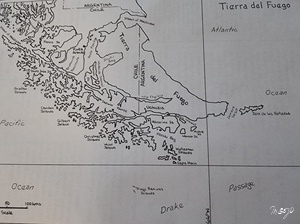
The Drake Passage
We heard from one of our fellow expeditioners on the ship that ‘Antarctica is heaven but you have to die before you get there!’. She was referring to the infamous and notoriously rough Drake Passage where the Atlantic, Pacific and Southern Oceans meet, the shortest (still 2 days at sea!) crossing from Antarctica to any other landmass. Some people describe crossing the Drake like stepping into a washing machine.
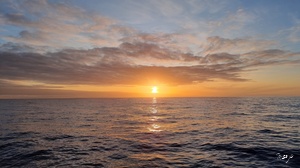
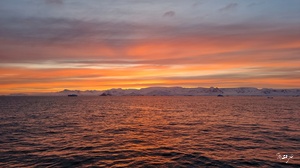
We were lucky and the Drake Passage was a ‘Drake Lake’ rather than a ‘Drake Shake’. We even witnessed a gorgeous sunset and a magnificent sunrise during the crossing!
Despite that, the seasickness seemed inevitable and everyone on the ship managed in a different way between seasickness pills, patches or simple remedies such as biting into a green apple with some salt on it, the best natural remedy ever! The most important advice of all is probably to avoid at all costs the bow (the front shaking part of the ship) or no remedy in the world will be able to help you! Some expeditioners spent these two days in their cabins probably wanting to die there and then… Yes, Antarctica does not reveal itself so easily!
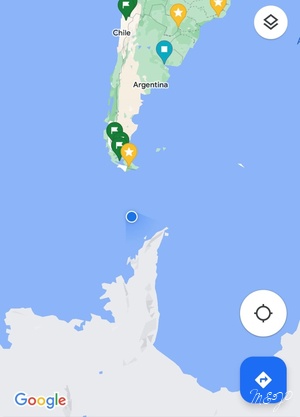
In order to make things more pleasant and bearable despite the swell, an iceberg location contest was launched during our crossing of the Drake Passage. Everyone got excited - who is going to estimate the best where and when we would sight our first iceberg? Studying the navigation chart and trying to locate specific latitude and longitude was fun and a first for many of us!
To make things even more exciting, at dinner time the ship suddenly tilted to the portside, there was a smashing sound of breaking dishes coming from the kitchen and then the ship slowly went back to its normal position. When we started thinking that we had most likely bumped into our first iceberg and all the lifeboat and safety briefings we received the previous day together with the abandon ship drill were going to be useful, the captain made an announcement that we had just avoided a whale who had suddenly popped up on the surface right in front of the ship! Thank god, we were not another Titanic! You never know what will happen next in Antarctica…
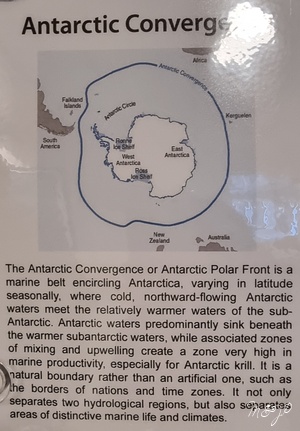
While going through these various events, emotions and excitement, we could feel something happening, something changing around us... The air and sea temperatures dropped by 3°C which was the sign that we had passed the Antarctic Convergence (aka the Antarctic Polar Front). This 20 to 30 kilometre-wide natural marine belt encircling Antarctica is where the cold Antarctic waters meet the warmer waters of the sub-Antarctic separating two areas of unique climate and marine life. In other words, we have crossed into Antarctica according to its ecological definition! A little bit later we also crossed Latitude 60 degrees South which is the political boundary of Antarctica. One thing was certain - we were in polar waters and getting closer…The temperature dropped to 2°C, the lowest we would experience during our entire trip. This is actually not cold at all as compared to the temperatures of -30°C we endured in the north of Europe...
Crossing the Antarctic Circle and our first Antarctica Island
The day we finally set foot on an Antarctica island - Horseshoe Island - for the first time was a day of many 'firsts'. We saw our first iceberg, our first Antarctic seal, our first penguin and our first whale and crossed the Antarctic Circle for the first time…
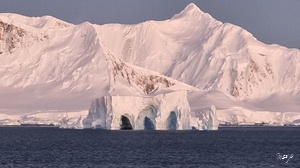
The sunrise of the day at 6.30am was epic…
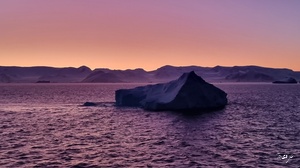
A little bit later we crossed the Antarctic Circle at 66°33'S… Less than 0.005% of the world’s population will ever visit Antarctica and only 1% of those people will cross the circle! When our ship carried us across it, we stamped ourselves with circles on our foreheads to celebrate the privilege of becoming part of this very restricted brotherhood of visitors of Antarctica!
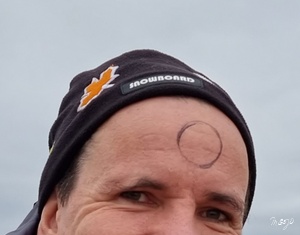
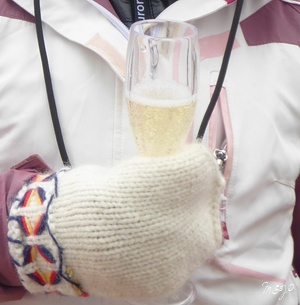
We also toasted to the words of Captain James Cook who entered the circle more than 250 years ago (even though he never got to see the continent himself)!
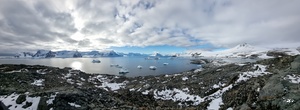
Islands, bays, channels and mountains in Antarctica are named after their shape or other specifics, the famous explorers who discovered them, or even their ships or spouses. The name of Horseshoe Island is due to the U-shape of its mountains. Next to it, Pourquoi Pas island (which in French means Why Not) is named after one of the ships of the French polar scientist Jean-Baptiste Charcot - I wonder who gave the ship this name and why... Horseshoe Island is a former British base with a historic hut which we visited. However the highlight was the viewpoint on the top of the island at 537m. We could see thousands of icebergs and their reflections and it was simply stunning!
I think that even today, several months after coming back from our trip, we are still trying to process what happened that day. The only thing that is 100% sure is that it was something really special and unique… We felt the same euphoria we had experienced for the last time when we were kids seeing the first snow! It felt like discovering a whole new world, and what a world it was! And this day was only the beginning…
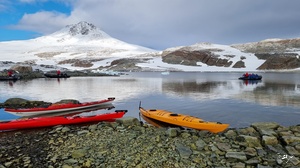
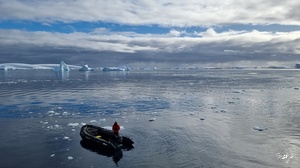
The routine we adopted for the next 20 days onboard was an easy one! We got used to putting on our several layers of clothes, waterproof jackets and boots in a short amount of time, piling into the famous sturdy inflatable Zodiacs to go ashore and squeezing (with some considerable effort until the end) in our tight dry suits to go kayaking.
The opulent morning and lunch buffets, mid-morning cookies, afternoon tea and three-course a la carte dinner and bottomless wine saved us from complete boredom when we were at sea and were rushed when we had a landing (who cares about food when there are penguins and whales hanging out a few metres away…)! The ship crew had their secret way of keeping the tasty fruits edible after two weeks onboard so we were definitely not going to get any scurvy!
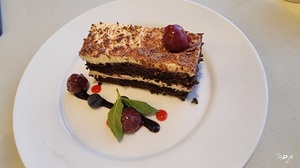
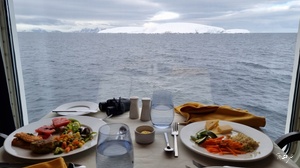
Staying on the deck or simply having lunch next to the ship windows was a National Geographic-worth experience!
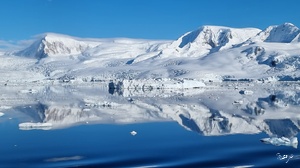
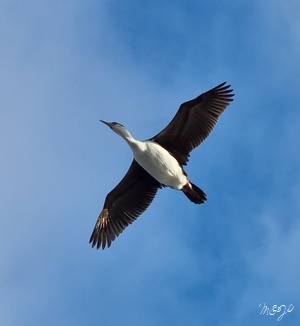
We were watching for hours the albatrosses and other seabirds tailing the ship graciously carried by the wind, trying to spot whales, seals and penguins, admiring the sparkling icebergs in thousands of different sizes, colours and shapes and their reflections on the ocean, observing the change of light from icy colours under the clouds to warm ones under the sun and marvelling in front of dazzling glaciers coming down to the sea.
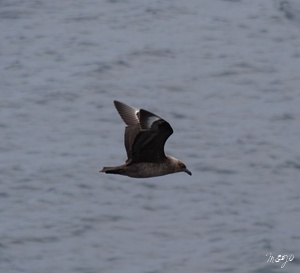
Contrary to what one can imagine, Antarctica is not white but full of colours with the golden, red, pink, orange and yellow of the sunrises and sunsets, the fifty shades of blue, white and grey of the snow and the sky, the green of the tussock grass, the algae and the rare moss, the brown and black of the rocks and the volcanic beaches…
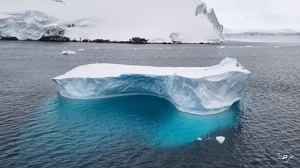
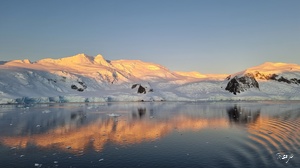
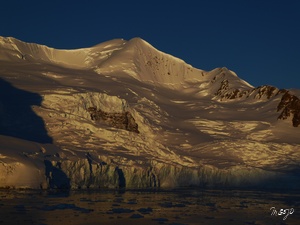
The wilderness and beauty of the Ice Continent was inspiring…
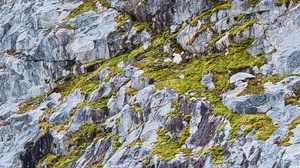
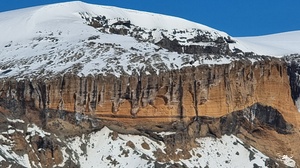
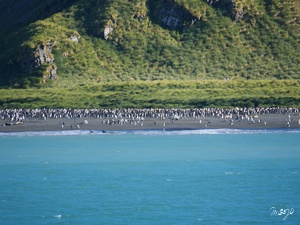
Nature was so pure, dangerous and breathtaking at the same time!
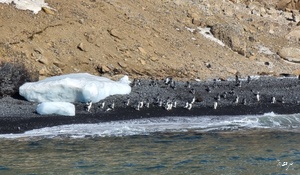
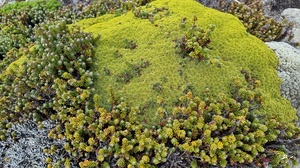
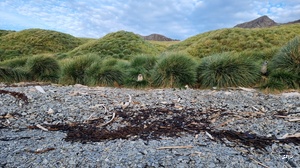
The days started with mind-blowing sunrises and ended with sunsets out of this world.
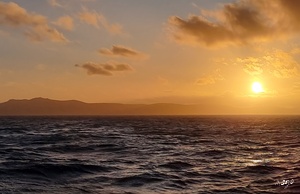
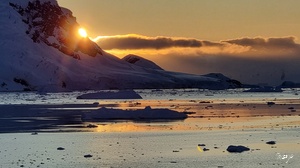
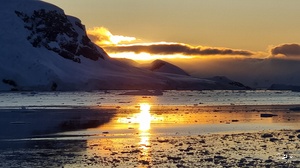
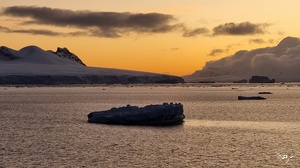
Sailing through the narrow Gullet Channel and the jaw-dropping Lemaire Channel with its gargantuan walls of ice at sunset, kayaking around the Yalour Islands, Hydrurga Rocks and Port Lockroy, hiking to stunning viewpoints at Port Charcot and Neko Harbour or cruising around an Antarctic volcano, majestic glaciers and black-sand beaches at Brown Bluff - each day, each moment of the day was a first and a different experience in Antarctica!
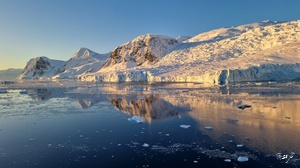
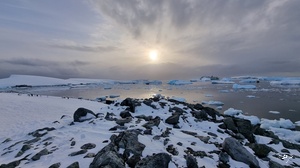
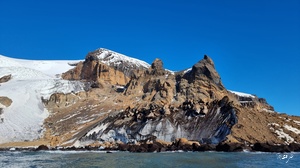
There were moments where we told ourselves that what we were seeing with our poor human eyes unused to so much beauty was as close to heaven as it could get…
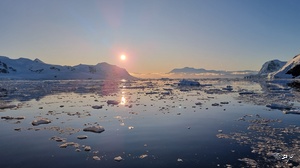
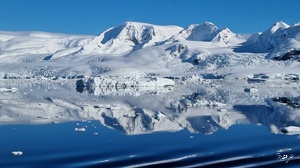
Each day was just another glorious experience in this new magnificent world which was displaying itself little by little with so much remaining still hidden and off-reach…
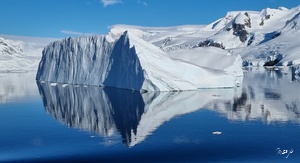
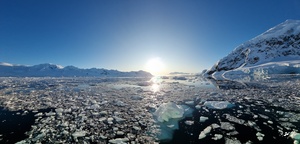
Every time we thought we had seen it all, Antarctica had something new up its sleeve…

You like what you read?
Explore and learn more about Antarctica !!!
-
 P for Paradise and Provence (part 2)
Stunning nature - You cannot leave Marseille without hiking to … -
 P for Paradise and Provence (part 1)
France used to be divided into historical regions, which do … -
 The Valley of Roses and Kings (part 2) The Valley of Kings
The Valley of Roses is famous not only for its … -
 The Valley of Roses and Kings (part 1) The Valley of Roses
Out of all the flowers in the world the rose … -
 In the heart of the Silk Road (part 4) Khiva and the Desert Castles
Khiva - It took us 6 hours, almost a whole … -
 In the heart of the Silk Road (part 3) Bukhara
Bukhara - While Tashkent is a modern city with some … -
 In the heart of the Silk Road (part 2) Samarkand
Samarkand - No name is so evocative of the Silk … -
 In the heart of the Silk Road (part 1) Tashkent
The Great Wall of China, Machu Picchu, the Pyramids of … -
 The Land of Giants at the End of the World (part 2)
We crossed for the third time the border between Argentina … -
 The Land of Giants at the End of the World (part 1)
No visitors come back from Antarctica in the same state … -
 A Vitamin Sea Christmas in the Mediterranean
Human beings are full of contradictions! When we used to … -
 Spring Colours in the Kingdom of the West (part 6) Morocco is yellow
Morocco is yellow - Besides the yellow hues of the … -
 Spring Colours in the Kingdom of the West (part 5) Morocco is red
Morocco is red - Besides the red hues of the … -
 Spring Colours in the Kingdom of the West (part 4) Morocco is orange
Morocco is orange - Our first encounter with the legendary … -
 Spring Colours in the Kingdom of the West (part 3) Morocco is green
Morocco is green - The Rif Mountains east of Tangier, …
