

Tibet - A Journey through the Top of the World (part 2)
Posted by: Maria in July 2025 (1 year, 3 months ago)
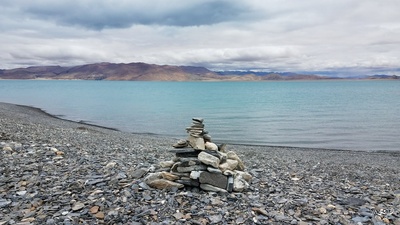
A journey through Tibet also means:
- driving through mountain passes and glaciers. Besides rivers and lakes, the Top of the World is also home to some spectacular glaciers, towering the ranges of snow-capped mountains. One of the oldest (formed about 8,000 years ago) and most famous amongst them is the Karola Glacier. It is located at Karola Pass, at around 5,000 metres above sea level, on the road between Lhasa and Shigatse, not too far away from Yamdrok Lake. The glacier originates at Mount Noijin Kangsang (7,191 metres), which is one of the holy mountains of Tibet (the holiest one is Mount Kailash - the centre of the world for Hinduism, Tibetan Buddhism, as well as Jainism). The white stupa and the colourful prayer flags with the Karola Glacier in the background are picture-perfect!
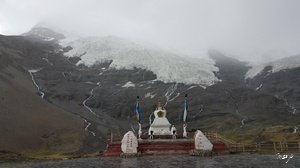
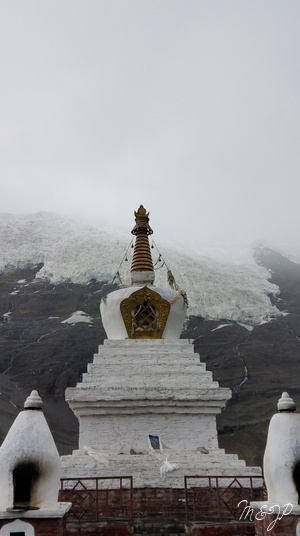
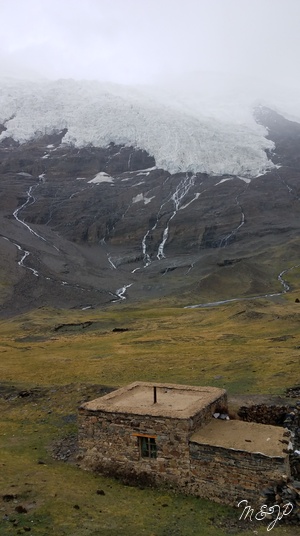
It is impossible to drive around the Top of the World without coming across many mountain passes either. Sometimes, you might not even realise that you have crossed one if it is not for the presence of the hundreds, and sometimes even thousands, of rainbow prayer flags! It will be impossible to miss the breathtaking views of the mountains though, sometimes topped with a glacier, a stupa or even a lake as the icing on the cake!
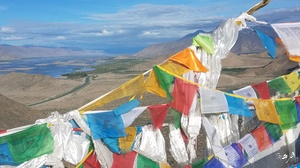
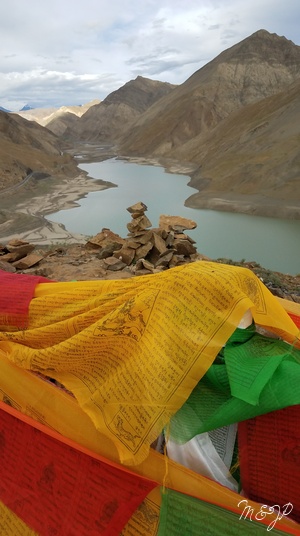
From Gangbala Pass at 5,030 metres above sea level, you can see the turquoise waters of Yamdrok Lake, as well as some sand dunes and endless peaks.
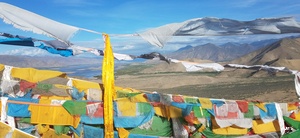
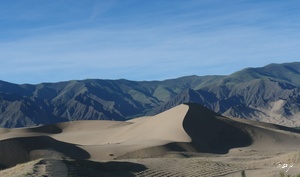
Simila Pass, situated at 4,352 metres above sea level near the city of Gyantse, is overlooking the translucent jade green Manak Dam Lake.
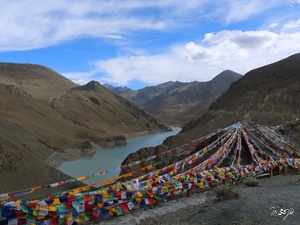
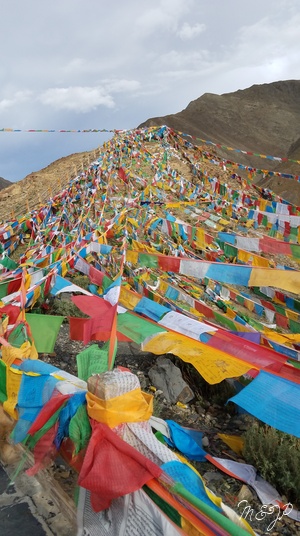
Further south on the road between Lhasa and Kathmandu, Gyatsola Pass and Kyawula Pass located near the city of Sakya are two of the highest mountain passes in Tibet. They are towering at around 5,200 metres above sea level and will reveal the first views of the Himalayas. I promise that spotting for the first time the snow-capped peaks of the highest mountains on Earth, surrounded by rainbow prayer flags, is unforgettable! You will feel like you are looking at a stunning painting!
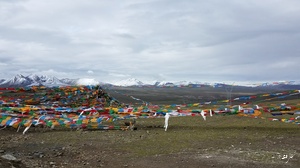
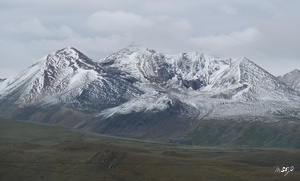
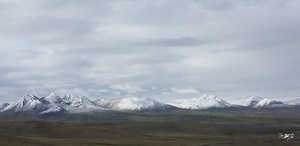
However, beware of the blizzards… Even if you visit the passes during summertime, it will be freezing cold up there!
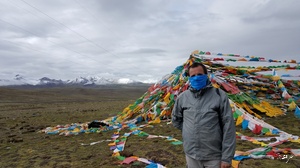
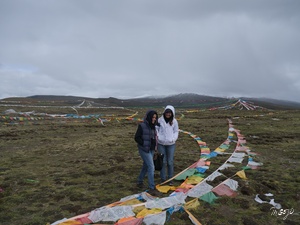
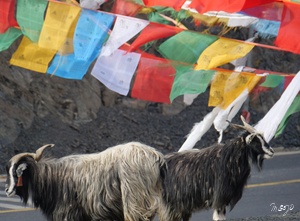
The dogs had found the best way to stay warm by snuggling up into the thousands of prayer flags!
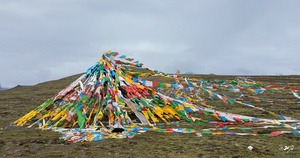
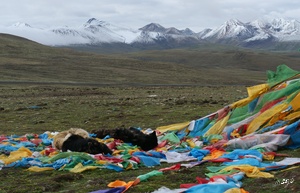
A little bit further, on one of the most winding and hairpinned roads you will ever experience, Gawula Pass - the last pass before reaching Everest Base Camp (or EBC) - offers some of the most spectacular panoramic views of the Himalayas!
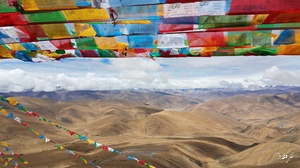
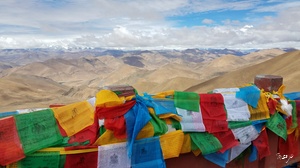
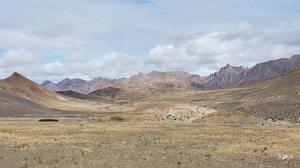
It really felt like we were on the Rooftop of the World!
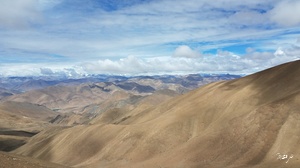
- climbing the largest stupa in Tibet. Around 90 kilometres to the west of Yamdrok Lake lies the Tibetan town of Gyantse.
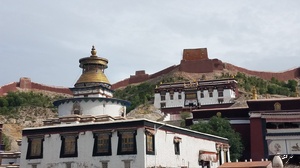
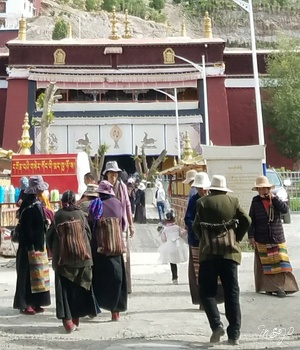
It is famous for its Pelkor Chode Monastery, founded in 1418 and featuring the magnificent Kumbum (literally '100,000 holy images') - the largest chörten (or stupa) in Tibet.
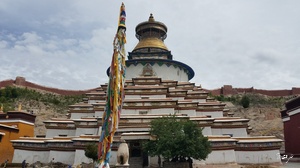
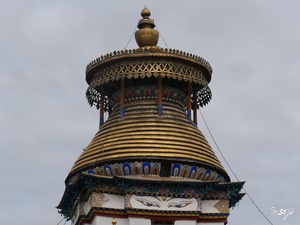
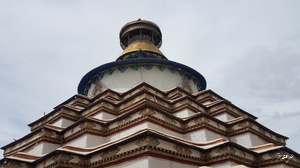
The 32m-high, nine-tiered religious structure was commissioned by a Gyantse prince in 1427 and is an architectural wonder.
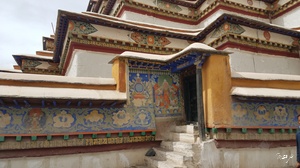
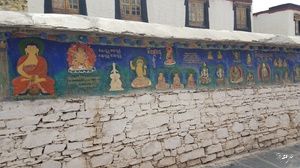
The snail-shell shaped building - the first five floors are square in shape while the rest are circular, giving it a pyramidal appearance - contains 108 gates and 76 chapels and shrines.
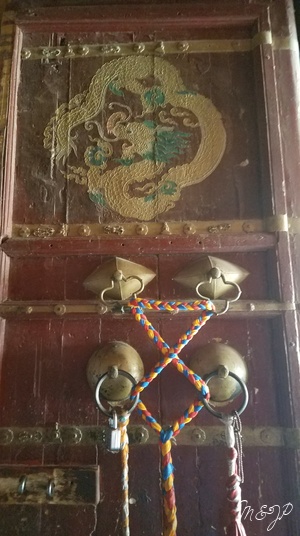
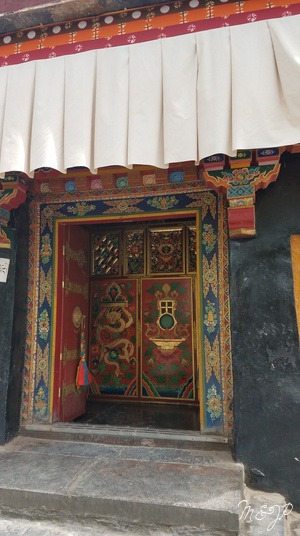
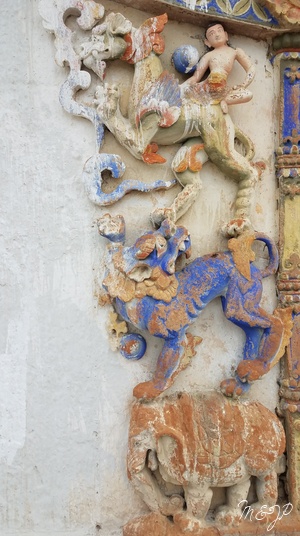
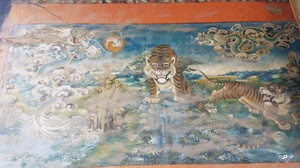
It is full of exquisite statues and murals, as well as alcoves with serene painted Buddhas, demons and unique Tibetan art.
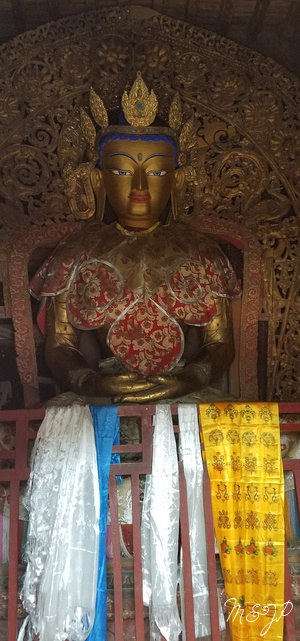
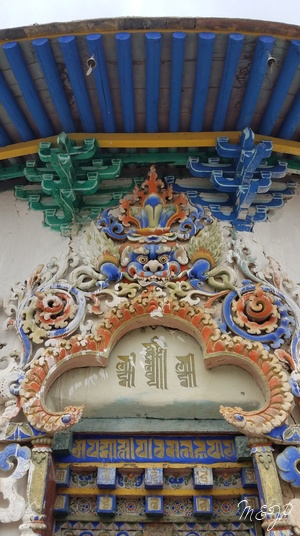
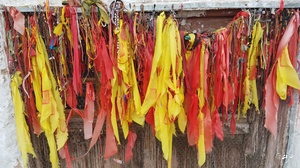
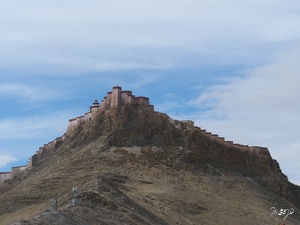
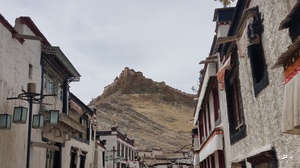
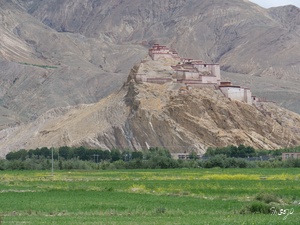
From the stupa there are some fabulous views of the 13th-century Gyantse Dzong (or fort) and the whitewashed old town.
The main temple of the monastery hides even more treasures from murals, including the four guardian kings and the story of the Buddha, to silk thangkas, manuscripts and statues. Amongst them are the giant Buddhas of the Three Times, referring to the three Buddhas of the past, present and future.
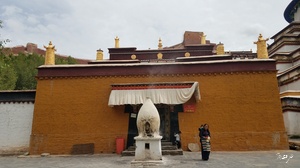
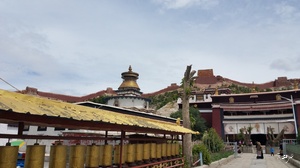
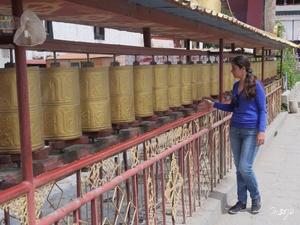
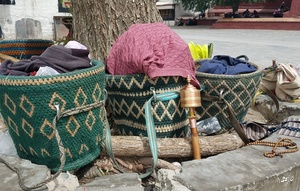
We walked around the complex for a while, spinning the prayer wheels, admiring the artwork and greeting the pilgrims, who had walked a long way with their heavy bags to reach this holy place and make their offerings.
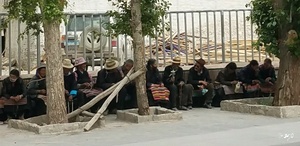
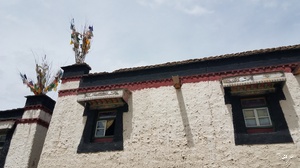
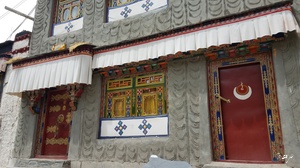
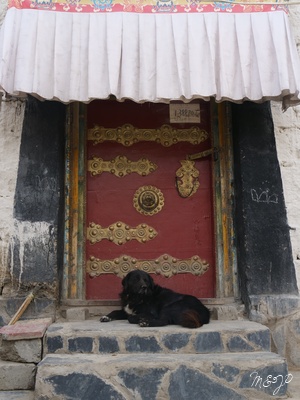
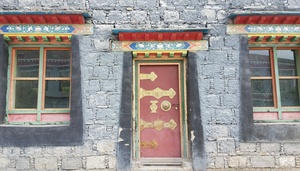
We also wandered around the town of Gyantse, which was stunning with the beautiful doors and windows of the houses, and the colourful flags on their roofs.
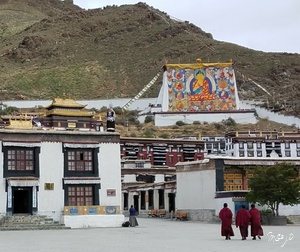
- celebrating the Full Moon Festival in Shigatse. The second largest city in Tibet is home to Tashi Lhunpo Monastery (meaning ‘all fortune and happiness gathered here’), founded in 1447 by the 1st Dalai Lama and traditionally the seat of the second highest figure in Tibetan Buddhism after the Dalai Lama - the Panchen Lama (or ‘the great scholar’). Along with the council of high lamas, the latter is in charge of seeking out the next Dalai Lama.
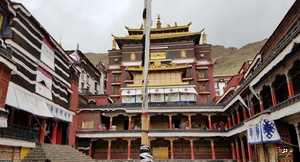
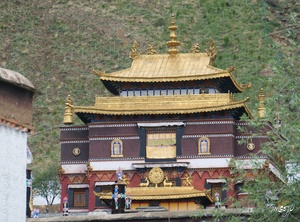
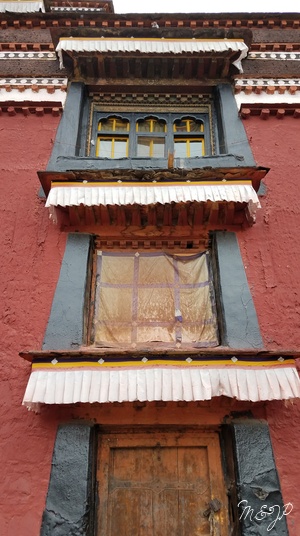
Historically, the Dalai Lama and the Panchen Lama have played roles by selecting each other’s reincarnations.
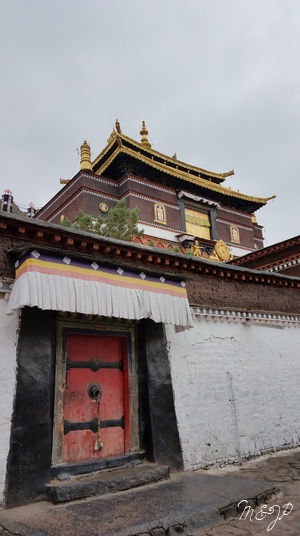
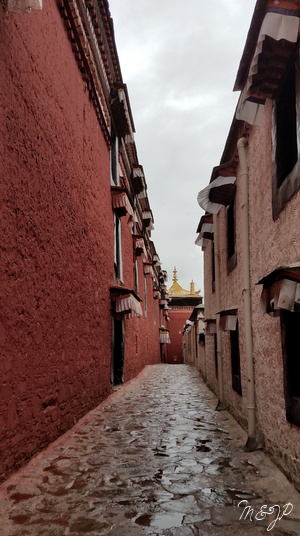
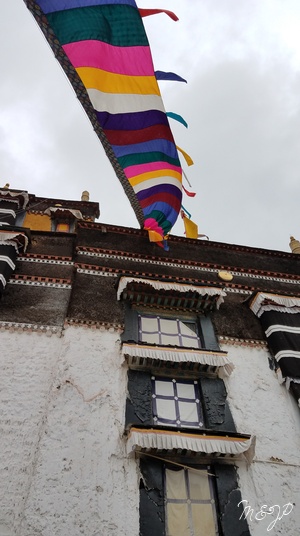
You will come across the usual whitewashed stupas, gilded prayer wheels, colourful prayer flags and murals (including the Wheel of Life and the ‘tale of the four friends’).
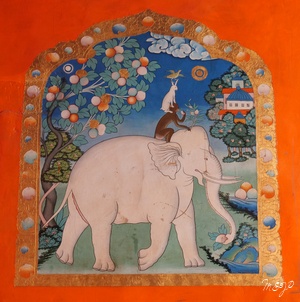
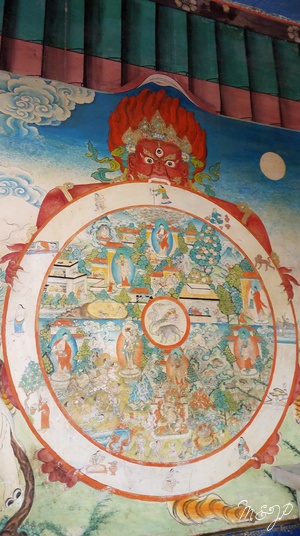
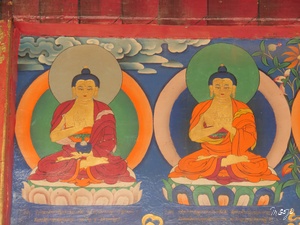
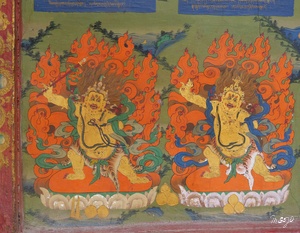
The monastery also hosts the tallest and largest gilt-copper statue of Maitreya (or the Future Buddha) in the world, decorated with more than 1,400 precious ornaments such as pearls, diamonds and corals.
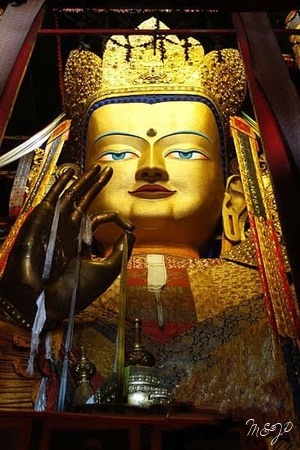
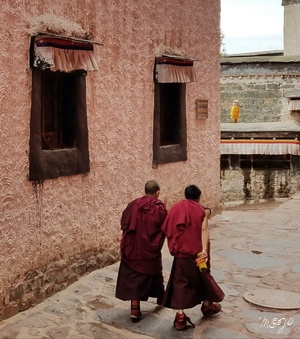
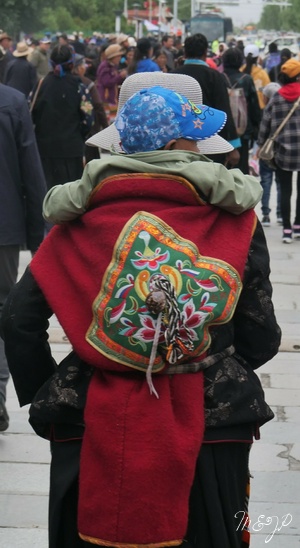
If, like us, you happen to be in Shigatse on the day of the Full Moon Festival, the visit there will be a very special one. The 15th day of the 4th lunar month is the most important and holy day in the Tibetan calendar - it commemorates the birth, enlightenment, and death of Buddha. When we visited, the city was bustling with monks and devotees, all dressed in their finest.
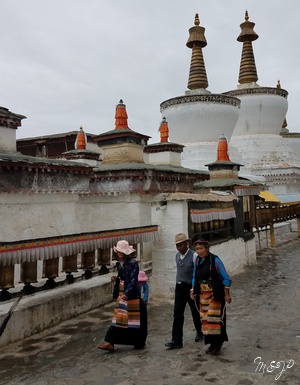
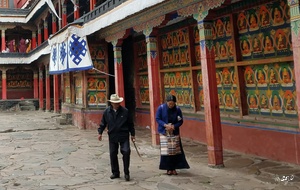
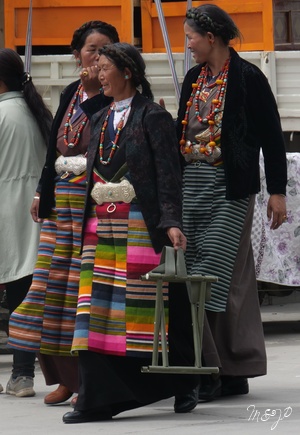
The women wore traditional dresses (chupas), complemented with colourful striped aprons (bangdians) for the married ones amongst them, as well as colorful belts, necklaces and earrings. Their hair was intricately braided with interlaced ribbons.
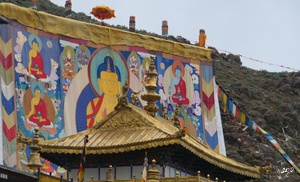
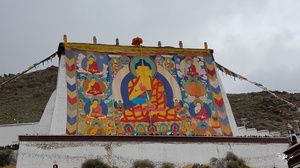
Everyone was there to attend the ceremonies during which holy thangkas (or Buddha portraits) were going to be unveiled in the monastery. The first thangkas were early Buddhist rock paintings that survived in a few caves across Asia. They were later done on cloth, usually silk, using natural colors and pigments to make the vibrant pictures. Many of these amazing pieces of art are hundreds to thousands of years old… The word ‘thangka’ actually means ‘thing that one unrolls’, hence the use of cloth for the thangka paintings and the fact that, due to the delicate nature of the cloth and the painting, they are never kept on display, but are rolled up in a dry place within the monastery until the time of the ceremonies. The thangkas would depict images from the life of Buddha, and would be used in teaching Buddhism or exhibited for the viewing of the devotees, who revere these ancient paintings in the same way they revere the statues of Buddha in monasteries and temples around the plateau. The festival in Tashi Lhunpo Monastery lasts three days, and each day sees the unveiling of a different thangka. On the first day, the image of the Amitabha Buddha, or the Buddha of Limitless Light, is revealed to remind people to cherish their memories of the past. The one of the Sakyamuni Buddha, or the Present Buddha, is exhibited on the second day to remind people to pray for a life of joy and happiness. Finally, on the third day, the image of the Maitreya, or the Future Buddha, would be displayed to encourage the devotees to have hope for the future. The Maitreya Buddha is said to live in the realm of the ‘fully-enlightened’ gods, and wait for the decline of Buddhism and the collapse of the faith before coming to the world as the fifth and final Buddha to save all the creatures on Earth.
- marvelling at the greatest library in Tibet. Sakya Monastery (or ‘White Earth’ because of the colour of the surrounding mountains), located at an altitude of 4,316 metres about 100 kilometres west of Shigatse, is one of the most important monasteries in Tibetan Buddhism.
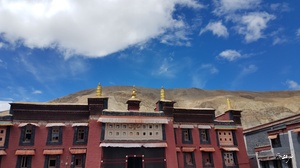
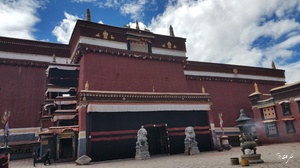
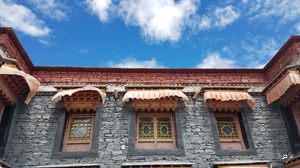
It is renowned for its largest collection of ancient and rare Buddhist scriptures (more than 84,000 scrolls, some of which are elaborately decorated with gold letters and images of Buddhas, or even written in gold ink!), as well as exquisite artworks from Buddhist statues and stupas to murals, thangkas and other ritual objects.
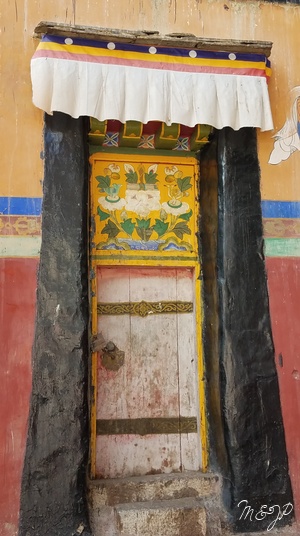
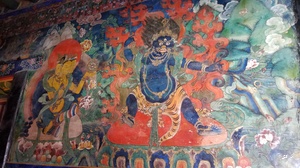
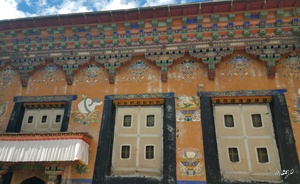
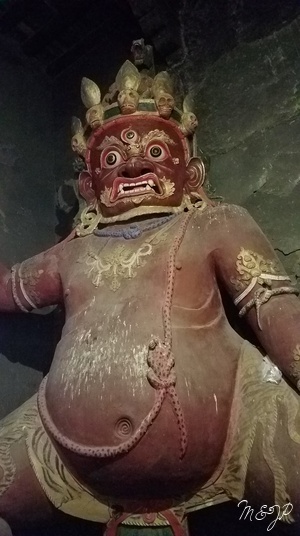
It was established in 1268 and designed defensively with watchtowers on each corner of its tall walls. The primary colours of the monastery - white, dark red and grey - represent three important bodhisattvas in Tibetan Buddhism. Each of them symbolizes one of the Buddha's virtues: the Wisdom Buddha (Manjushri), the Compassion Buddha (Avalokiteshvara), and Vajrapani who protects Buddha and manifests all the Buddhas' power.
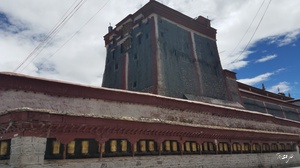
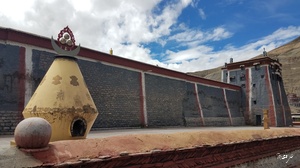
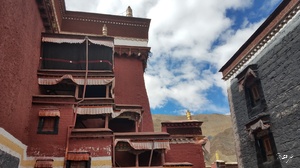
The main hall of the monastery is spectacular and its serene atmosphere is conducive to meditation and contemplation.
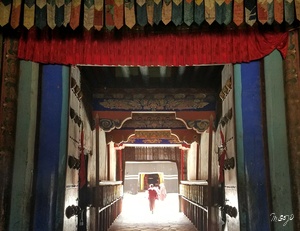
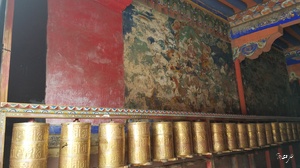
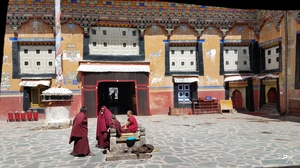
In the courtyards, prayer halls and chapels you will come across many red-robed monks or novices, praying, running an errand or simply chatting.
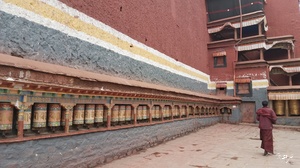
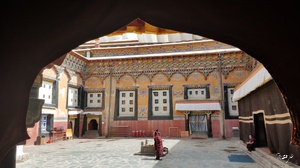
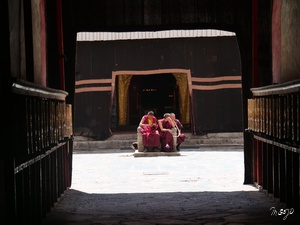
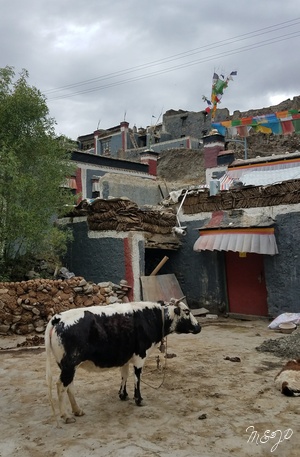
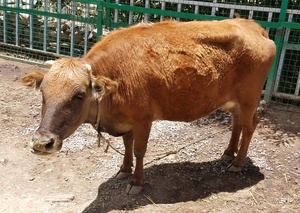
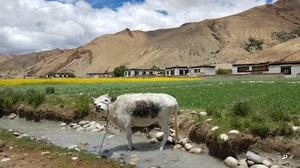
After the visit to the monastery, we wandered around the town which featured the same trilogy of colours and tons of cute Tibetan cows!
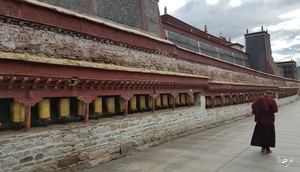
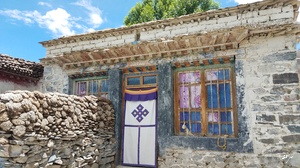
- tasting delicious Tibetan cuisine in local houses and restaurants. All the dishes we tried during our trip were simple, but mouthwatering. The best cuisine was the homemade one, offered in some cute Tibetan houses along the road.
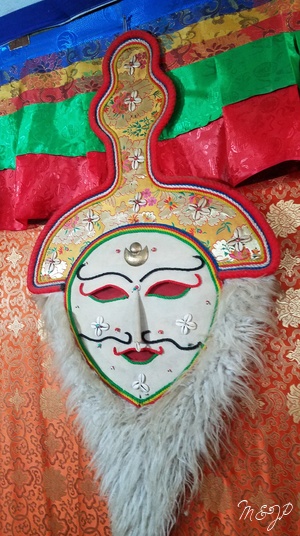
Our favourite dish was of course the momos.
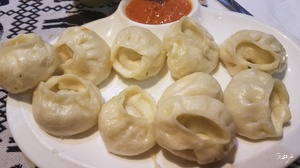
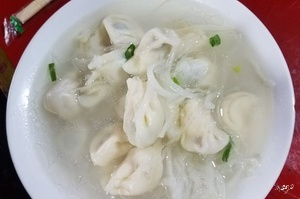
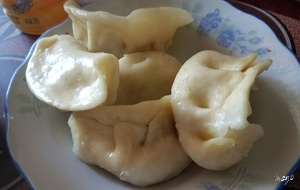
These small dumplings came in different shapes - filled with meat, vegetables or both, steamed or fried, with a broth or a gravy - and we could not get enough of them!
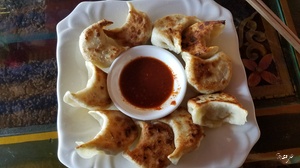
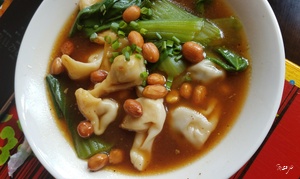
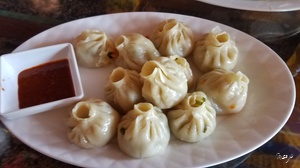
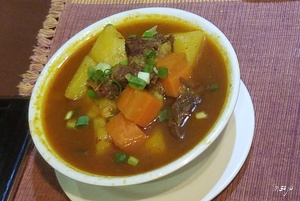
Another ubiquitous tasty dish was the thukpa - a noodle soup with meat, vegetables or both, which was perfect when the weather was cold and windy in the Himalayas!
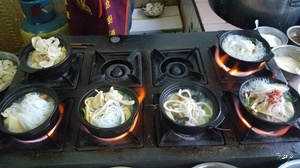
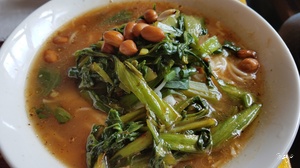
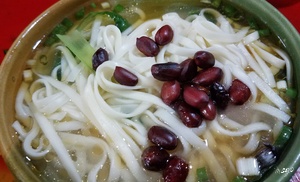
Some momos, thukpas and other Tibetan dishes came with yak meat which tasted a little bit like lean beef but sweeter and chewier, pungent-flavoured yak cheese, or creamy and sour yak yogurt!
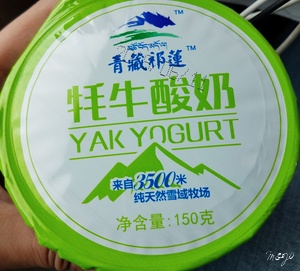
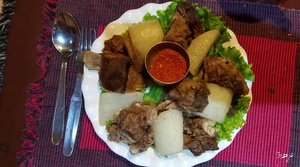
Butter made from yaks’ milk is one of the ingredients, together with tea leaves, water and salt, of the famous butter tea (or po cha). Tibetans, similar to Bhutanese, drink the beverage in large quantities in their daily life and at different religious ceremonies. They also use it in lamps and to make butter sculptures decorating the statues in the temples and monasteries. It tastes a little bit like soup with lots of butter in it and is quite tasty - you just need to forget that the beverage you are drinking is called tea!
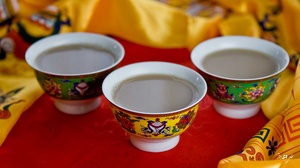
Butter tea is also used for eating the staple food of Tibet - the tsampa dough, made with roasted barley flour - by pouring onto or dipping the tsampa into it, and mixing well into a porridge or tiny dough balls. It has an unusual flavour that you will either love or hate!
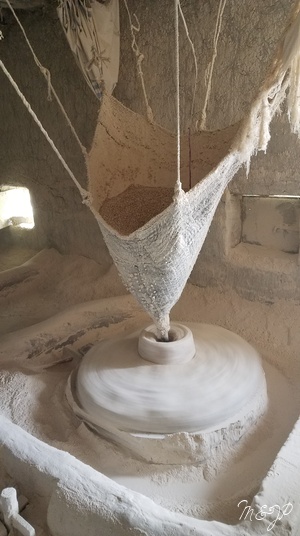
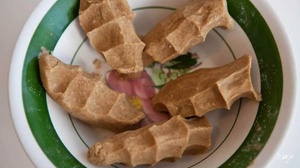
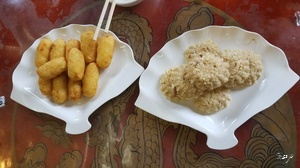
As it is difficult to grow veggies at high altitude, the choice for vegetarians might seem limited, but they will definitely not die from hunger! Rice, potatoes and cabbage are amongst the available options, and the potato buns and the vegetarian momos and thukpas will not disappoint even the most demanding foodies.
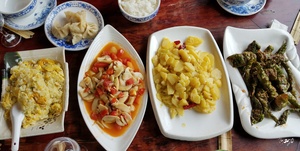
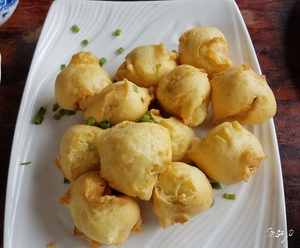
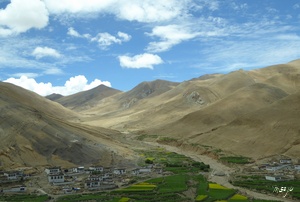
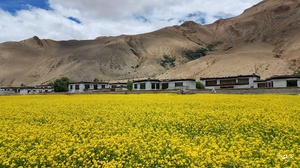
Another plant that features a lot in Tibetan cuisine is the mustard, used as a spice or as oil in various dishes, in particular the meat ones. You cannot miss the fields of gorgeous bright yellow mustard flowers, surrounding the local villages!
- catching a glimpse of Mount Everest. Mount Everest's Nepali/Sanskrit name is Sagarmāthā, which means ‘goddess of the sky’, while its Tibetan name is Qomolangma, meaning ‘holy mother’. However, the name the peak is the most famous with is the one given to it by Andrew Waugh after Sir George Everest, his predecessor as British Surveyor General of India. Everest himself opposed the honour, telling the Royal Geographical Society that ‘Everest’ could neither be written in Hindi nor pronounced by local people. Despite these objections, they officially adopted the name ‘Mount Everest’ in 1865.
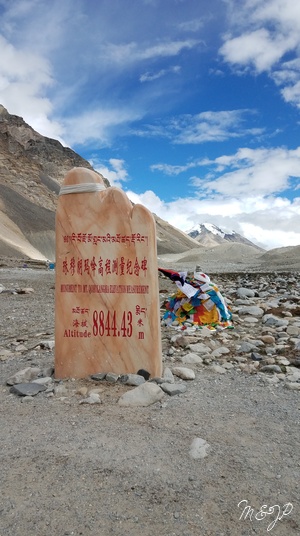
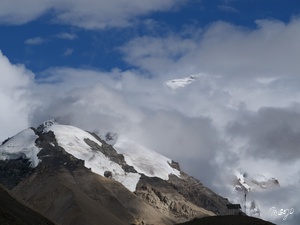
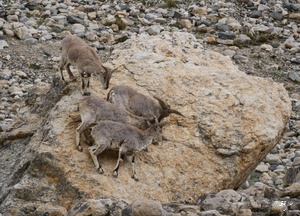
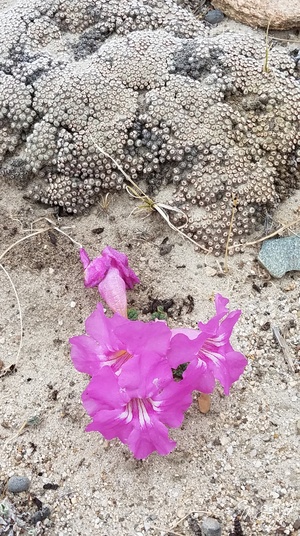
Since the majestic giant is under the clouds most of the time, it would be a real luck and honour to be able to see it, even though for a brief moment! A well-kept secret is that Tibet, and not Nepal, has the best unobstructed views of the world’s highest and most famous peak, but there is still no guarantee to spot it! On the road to Everest Base Camp on the Tibetan side of the Himalayas, we caught a first glimpse of Mount Everest, but it was still a little bit under the clouds and way too far away. We had to settle for the views of the other lower peaks, a few mountain goats and some gorgeous pink mountain flowers…
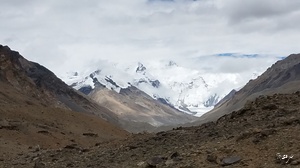
When we reached Everest Base Camp, the peak was still hiding but the sky offered us a stunning rainbow after the rain.
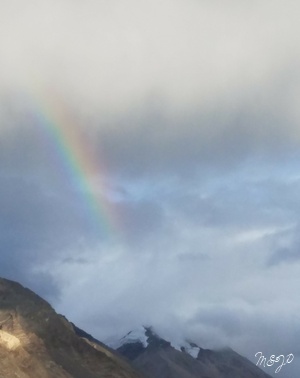
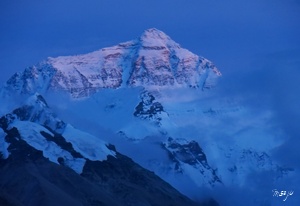
And then, all of a sudden, while we were having dinner in the hut, one of the guides came shouting ‘You can see it, you can see it!’. So we ran outside as quick as we could - feeling the altitude of 5,510 metres and the lack of oxygen at every single step - and there it was! Mount Everest itself, unobstructed and standing majestically in all its splendor and grandeur! The warm magical light of the setting sun was lightening up the whiteness of the snow and the different shades of blue and grey…
- staying overnight at Everest Base Camp. If you want to increase your chances of seeing Mount Everest (or, for the bravest amongst you, even intend to climb the peak!), you absolutely have to stay at one of the two base camps on Mount Everest, on the opposite sides of the mountains - the South Base Camp in Nepal at an altitude of 5,364 metres, or the North Base Camp in Tibet at an altitude of 5,200 metres.
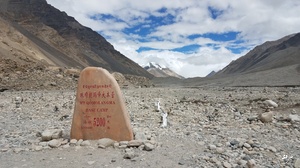
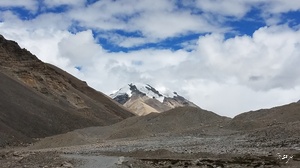
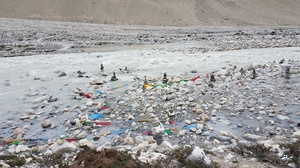
In case you are one of the bravest, you should know that climbing Mount Everest using the north side route is less crowded and offers the impressive views of Mount Everest from the Tibetan Plateau. Also, the access to the North Base Camp via a paved road, as opposed to the trek to the South Base Camp, is easier.
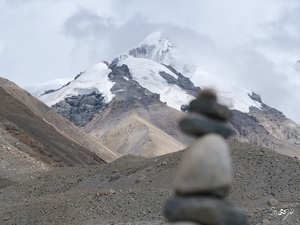
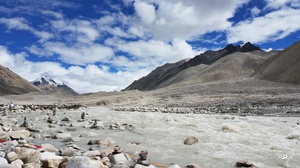
Whether you are getting ready to climb Mount Everest or simply enjoy its views from the base camp, you need to overcome one major challenge - acclimatising to the high altitude and avoiding altitude sickness. One way of doing it is by moving gradually at higher altitudes, which is what we did by taking the train from Xining to Lhasa, and then slowly driving higher and higher for more than a week. However, sometimes it is just a question of genes - some people are simply more prone to altitude sickness, no matter the number of precautions they might take. The hardest challenge of all was staying overnight at Everest Base Camp, the highest accommodation in Tibet… We all felt slightly dizzy and even nauseous, and had difficulties breathing and sleeping. The fact that the camp was quite rudimentary (the funny part was that we all had perfect internet connection!) and all five of us had to sleep in the same room, which was not that big, did not help. It literally felt like each of us was pumping the air of the others! However, one of us was in a worse condition - she turned red, struggled to breathe and had to use an oxygen mask all the time. Our guide warned us that if she got worse, we were going to immediately head down to lower altitude during the night. Luckily, her state stabilised, but we all felt relieved when we left the camp in the morning!
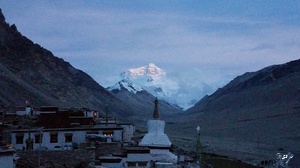
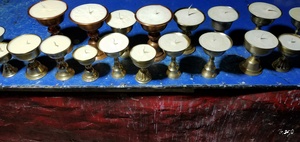
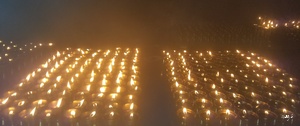
- meditating in the highest monastery in the world. Another reason to stay overnight at Everest Base Camp on the Tibetan side is to visit and even meditate in Rongpu Monastery, located at 5,009 metres above sea level, at the foot of the Rongbuk Glacier just north of Mount Everest. It is a beautiful and spiritual place next to a mountain river, with very old stupas, yak-butter lamps and rainbow prayer flags. An interesting fact about it is that monks and nuns live there together.
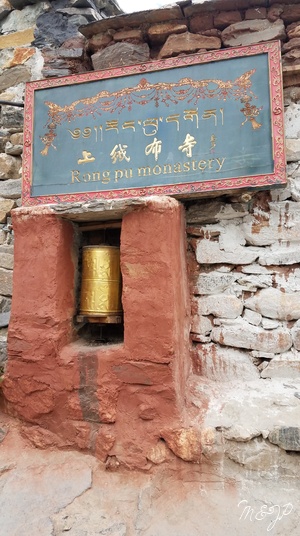
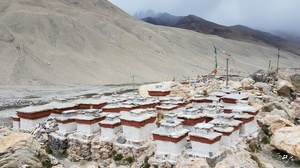
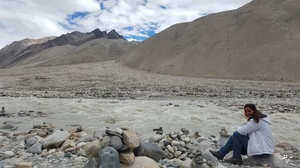
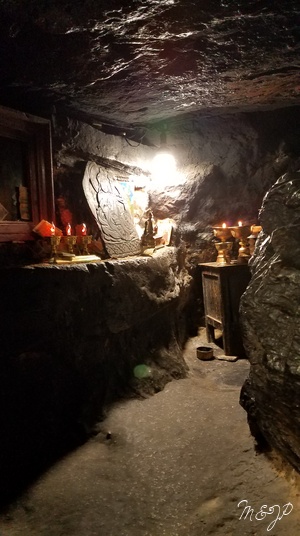
The most special moment for my Indian friend and me though was when we meditated in Guru Rinpoche’s meditation cave, which the monastery has been maintaining for centuries with his handprints and footprints on the stones and stupas!
- crossing the Himalayas. Once we saw the Himalayas, we immediately fell under the spell of the highest mountains in the world.
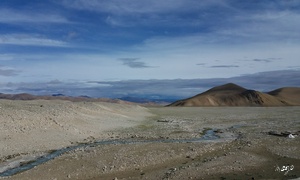
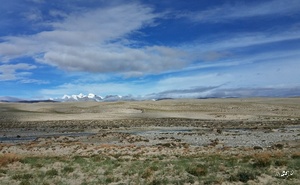
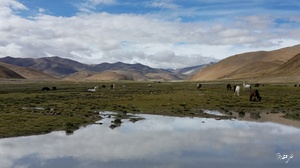
It was like we had caught the Hamalayan bug, and the more time we spent in its vastness, the harder it felt to get back to reality… Unfortunately, very soon we were going to have to bid farewell to all this incredible and pristine beauty.
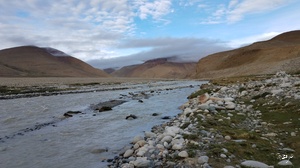
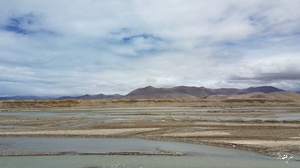
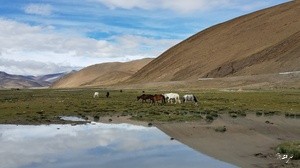
To the vast and seemingly endless prairies as far as our eyes could see, to the snow-capped peaks at the horizon, to the lonely nomads’ houses and tents, to the grazing yaks, donkeys, sheep and horses, to the mountain rivers and lakes, to the stupas and to the rainbow prayer flags…
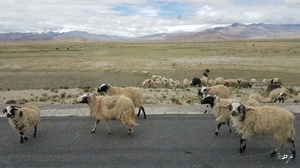
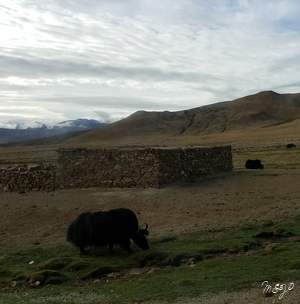
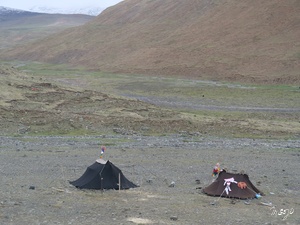
When more greenery and trees started popping up across the landscapes while we were driving south towards Nepal, we knew that our journey through the Top of the World was unfortunately coming to an end…
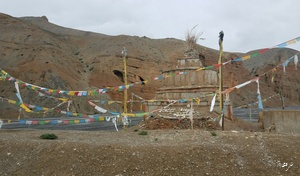
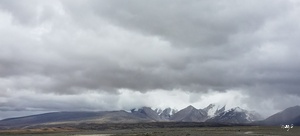
Trying to engrave in our memories the views of our last peak - Mt. Shishapangma, our last turquoise lake - Pekutso Lake, and our last mountain pass - the Ghungtang Lhamo at 5,236 metres, we crossed the border with Nepal, getting ready to discover yet another gorgeous country on the Rooftop of the World!

You like what you read?
Explore and learn more about China !!!
-
 P for Paradise and Provence (part 2)
Stunning nature - You cannot leave Marseille without hiking to … -
 P for Paradise and Provence (part 1)
France used to be divided into historical regions, which do … -
 The Valley of Roses and Kings (part 2) The Valley of Kings
The Valley of Roses is famous not only for its … -
 The Valley of Roses and Kings (part 1) The Valley of Roses
Out of all the flowers in the world the rose … -
 In the heart of the Silk Road (part 4) Khiva and the Desert Castles
Khiva - It took us 6 hours, almost a whole … -
 In the heart of the Silk Road (part 3) Bukhara
Bukhara - While Tashkent is a modern city with some … -
 In the heart of the Silk Road (part 2) Samarkand
Samarkand - No name is so evocative of the Silk … -
 In the heart of the Silk Road (part 1) Tashkent
The Great Wall of China, Machu Picchu, the Pyramids of … -
 The Land of Giants at the End of the World (part 2)
We crossed for the third time the border between Argentina … -
 The Land of Giants at the End of the World (part 1)
No visitors come back from Antarctica in the same state … -
 A Vitamin Sea Christmas in the Mediterranean
Human beings are full of contradictions! When we used to … -
 Spring Colours in the Kingdom of the West (part 6) Morocco is yellow
Morocco is yellow - Besides the yellow hues of the … -
 Spring Colours in the Kingdom of the West (part 5) Morocco is red
Morocco is red - Besides the red hues of the … -
 Spring Colours in the Kingdom of the West (part 4) Morocco is orange
Morocco is orange - Our first encounter with the legendary … -
 Spring Colours in the Kingdom of the West (part 3) Morocco is green
Morocco is green - The Rif Mountains east of Tangier, …
