

The Little Red Dot (part 4)
Posted by: Maria in February 2021 (5 years, 8 months ago)
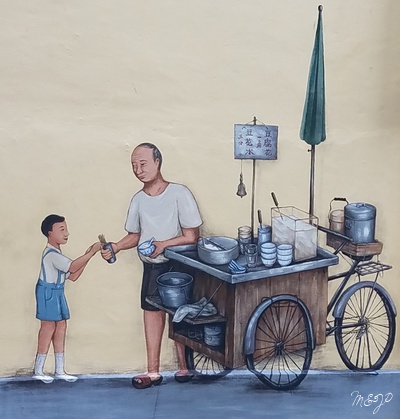
If Singapore was a restaurant, it would be a food court or a hawker centre.
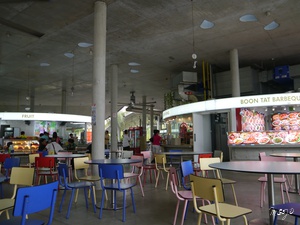
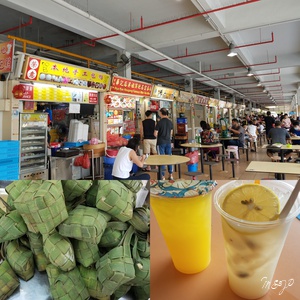
Hawker centres are in my opinion one of Singapore’s greatest inventions ever! They have just been added to the Unesco List of the Intangible Cultural Heritage of Humanity, believe me, for a reason! Are you craving for street food? Well, you do not have to look for some in the streets, but just go to a hawker centre!
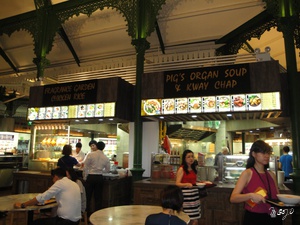
A hawker centre (or a food court, which is the air-conditioned version of a hawker centre, found in a shopping mall) is basically a large food area which contains dozens of hawker stalls, offering a wide variety of food and drinks at more than affordable prices. It is usually found at the heart of a housing estate, typically next to the wet market.
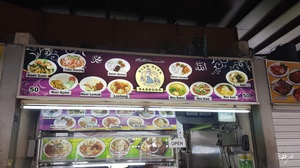
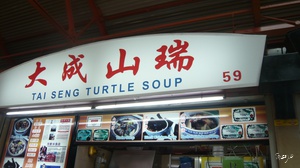
Instead of picking a single restaurant, you and your family and friends can each choose amongst Korean, Indonesian, Malaysian, Thai, Indian and Japanese cuisines, fishballs, economy rice (there is always an economy rice stall), you name it... If you see a snaking queue in front of a hawker stall, it is a sign that the food served there is certainly worth the wait.
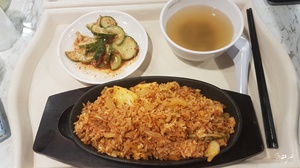
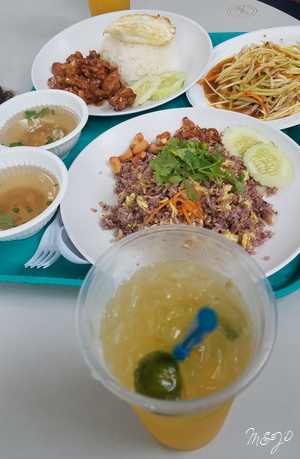
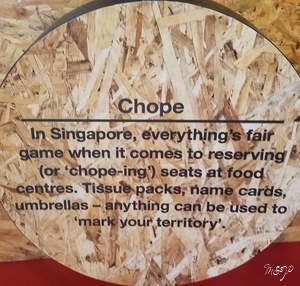
During meal times it is a little challenging to find a seat, and sharing a table with others is quite common. If you see a packet of tissues or an umbrella on a table, do not look for the person who has forgotten it - this simply indicates that the table has been “reserved” while the item owner is buying food, and has its own verb in Singlish - to “chope” a table. Also, remember to bring a packet of tissues because there are usually no napkins. Finally, you have to make do with chopsticks or forks and spoons as knives are usually not available.
Even though there are tray return stations, most customers leave their trays on the tables (in Singapore you can leave your tray on the table even at McDonald’s…) and the elderly people employed by the hawker centre will clean them up. I want to think that this is a way for them to earn a living, meet people and feel useful. [Note: According to recent new regulations, customers need to clear their trays.] Locals usually refer to them, as well as to the hawkers at the stolls, as “uncles” and “aunties”. In case you are wondering - no, Singaporeans are not all related like Icelanders. This is simply a way of showing courtesy and respect, which are paramount in many Asian cultures.
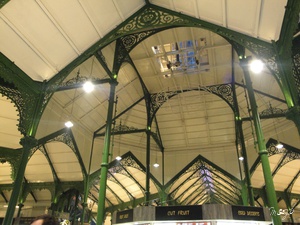
Lau Pa Sat, probably the most famous hawker centre, is worth the visit - it is the oldest Victorian structure in Southeast Asia (it was built at the beginning of the 19th century) and one of the first ones built in prefabricated cast iron in Asia. However, if you are looking for authenticity, just go to the Old Airport Road Food Centre, the Tiong Bahru Food Centre or some of the smaller and less known hawker centres next to the housing estates where people eat their lunches and dinners every day!
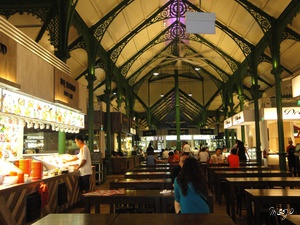
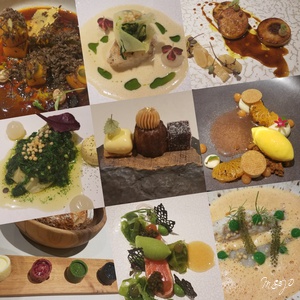
Do not get fooled by the set up of the hawker centres - some hawker stalls have Michelin stars! However, in case you are looking for something fancier with tablecloths and proper service, Singapore has many Michelin star restaurants and cuisines to offer! You can also find some delicious European cuisine, but I honestly prefer local food in order to avoid any disappointment as much as possible - when in Rome, do as the Romans do!
If you want to go to a place somewhere between hawker centres and Michelin star restaurants, you cannot get it wrong if you choose Komala’s for Indian food, Ichiban Boshi or Sushi Tei for Japanese food, Din Tai Fung for dumplings or Folks Collective for Thai food!
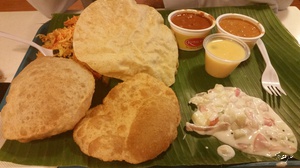
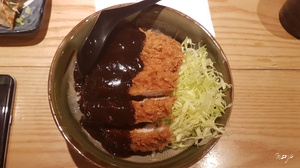
Finally, in case you wondered, tips are quite unusual in Singapore in the same way they are in Hong Kong or Japan. I still remember a restaurant in Hong Kong which did not accept credit cards and we had to go out and withdraw cash - we wanted to leave a tip to the waiter who was very nice and understanding, but he rejected it without any room for discussion!
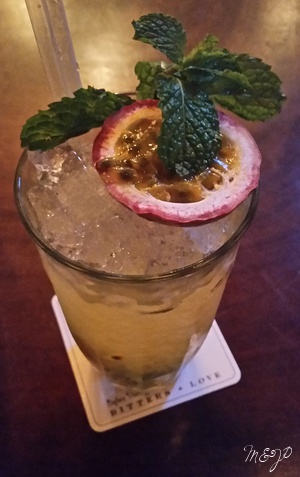
If Singapore was a bar, it would be one with a stunning view.
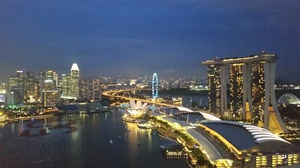
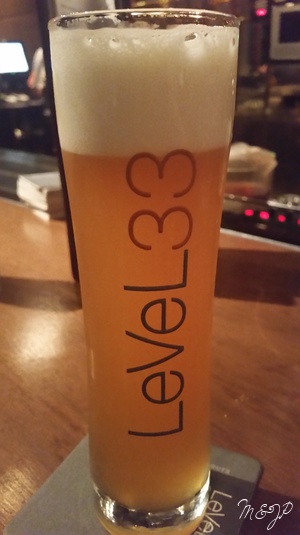
There are lots of choices but my favourite is LeVeL 33, the world's highest urban microbrewery which guarantees freshly brewed beer and one of the best views of the Singapore skyline.
Another place I really love is the Black Swan - the 1930s Art-Deco “Great Gatsby” style bar does not need a stunning view to win your heart! [Note: It has unfortunately been permanently closed.]
If Singapore was a market, it would be a wet market.
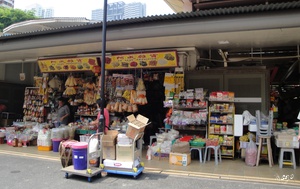
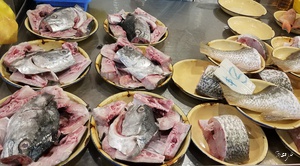
Wet markets sell fresh meat, fish and produce and are, together with the hawker centres, the heart of the housing estates! However, you need to be good with cleaning the fish as it comes with the head, the bones and everything else (only the scales are removed when you buy it)!
If Singapore was a flavour, it would be pandan.
The pandan is a tropical plant the fragrant leaves of which are used widely in the cuisines of Southeast Asia and South Asia. It gives various cakes, snacks and dishes their Martian green colouring and an incredible sweet fragrance. The pandan exists in other parts of the world such as the Pacific islands, but strangely enough is not used at all in the local cuisine… Some taxi drivers in Singapore put pandan leaves in their taxis for the nice aroma and as insect repellent...
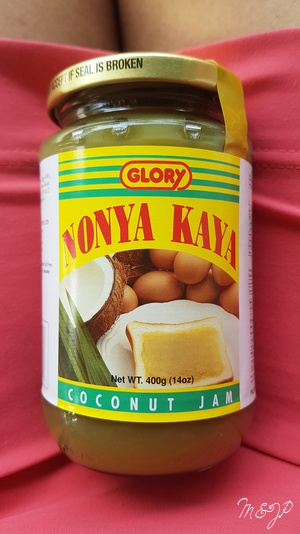
If Singapore was a jam, it would be kaya.
The sweet creamy coconut spread (the name “kaya” means “rich” in Malay) is made from coconut milk and eggs, flavoured with pandan leaves and sweetened with sugar. It is heavenly!
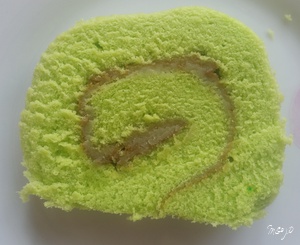
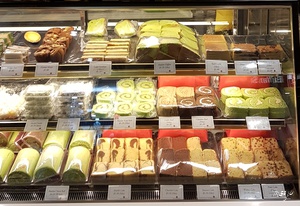
If Singapore was a dessert, it would be a pandan cake.
The green pandan kaya cake from Bengawan Solo is probably the best local dessert I have ever had - the combination of the pandan sweetness and the kaya creaminess is something you are not ready to forget easily...
If Singapore was a breakfast, it would be kaya toast.
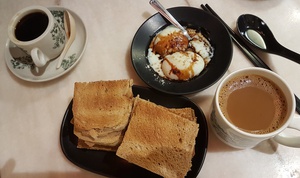
Kaya is also the main component of a traditional Singapore breakfast. The kaya toast consists of two slices of toast with butter and kaya, served alongside coffee and soft-boiled eggs sprinkled with soy sauce and pepper. The complete breakfast experience involves dipping the toast into the egg mixture before eating it. I like having it at Heavenly Wang - perhaps because the name goes well with the heavenly breakfast!
If Singapore was a drink, it would be a kopi.
No, it is not the Singapore sling - it is too hot to drink alcohol on the island, and also rather expensive due to the taxes!
Kopi is Singapore’s traditional highly caffeinated black coffee, part of the local culture and most Singaporeans’ daily morning ritual. It is distinct from other types of coffee due to its roasting process and preparation technique. The making process consists of mixing the ground coffee with hot water and straining it several times in a flannel sock filter.
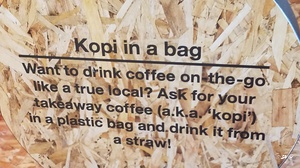
All locals will use Singlish to order their kopi - if you simply say kopi, you will receive a cup of coffee with sugar and condensed milk (or thick and sweetened milk), kopi-O will get you coffee with sugar (but no milk), kopi-O-kosong will be the equivalent of black coffee (no sugar, no milk), and kopi-C will be coffee with sugar and evaporated milk (which is similar to condensed milk, but unsweetened).
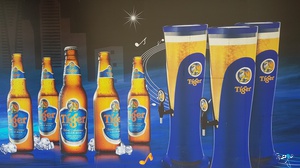
If Singapore was a beer, it would be a Tiger Beer.
The locally brewed beer is amongst Singapore’s top 10 most valuable brands for locals and foreigners alike!
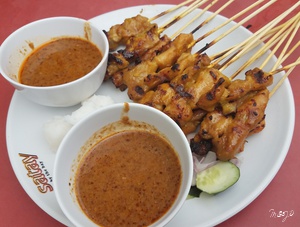
If Singapore was a dish, it would be chicken rice, chilli crab or satay.
Even though the Hainanese chicken rice (consisting of fragrant rice cooked in chicken stock, slices of steamed chicken and cucumber, chilli sauce, ginger paste and dark soy sauce) is widely considered to be Singapore’s unofficial national dish, my preference clearly goes to the satay! These skewers of marinated meat, grilled over charcoal and served with raw onions, ketupat cubes (rice cakes), cucumber slices and a heavenly peanut dipping sauce (everything is about the sauce!) are out of this world!
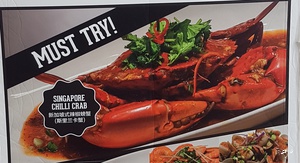
I cannot skip the chilli crab dish either as the hard shell crabs cooked in a tomato, egg and chilli-based gravy are another national food icon!
If Singapore was an ice cream, it would be an ice cream sandwich.
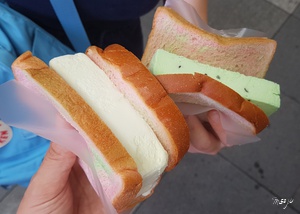
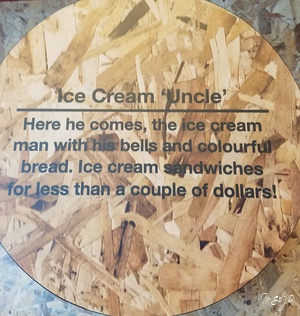
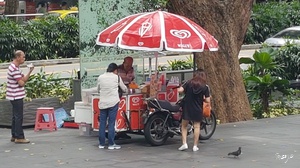
The iconic Singaporean ice cream sandwich is a brick of ice cream, wrapped up in a slice of white or rainbow coloured bread or wafer. There are different flavours, including the exotic durian one. You can get an ice cream sandwich from the uncles and aunties at Orchard Road - it is cheap and a perfect choice for the hot weather!
If Singapore was a snack, it would be otah otah.
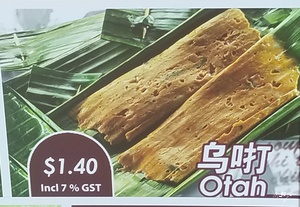
Otah otah is a paste of fish (usually mackerel), coconut milk, lemongrass, chilli and other spices, wrapped in banana leaves and steamed, and it is simply delicious! If you are looking for a pastry-based snack, the curry puffs are a “must taste” as well!
If Singapore was a sweet, it would be nonya kueh.
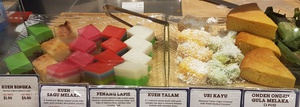
There are dozens of different Peranakan sweet cakes which are usually steamed, contain coconut milk and palm sugar and involve the use of pandan leaves. Probably the most famous ones are the lapis sagu, also known as the nine-layer cakes - the local kids love to peel and eat them layer by layer, and the ang ku kueh (the red tortoise cakes) that resemble tortoises, as people used to believe that eating tortoises would bring longevity and good fortune to those who eat them.
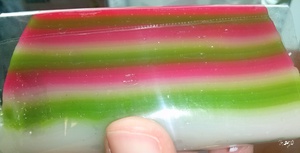
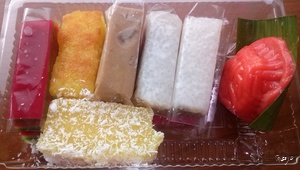
My favourite sweets are the ondeh ondeh - these cute little balls of happiness are made of glutinous rice infused in pandan leaves, and are filled with liquid palm sugar and coated in grated coconut. The explosion of flavours is guaranteed!
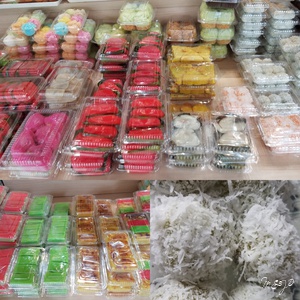
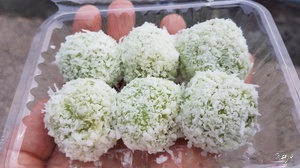
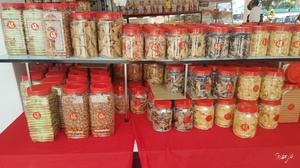
You cannot talk about sweets without mentioning the Chinese New Year goodies - pineapple tarts, love letters and peanut, cashew nut and almond cookies.
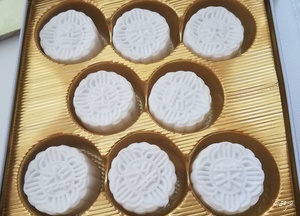
Also, let's not forget the mooncakes - these round pastries, traditionally eaten during the Mid-Autumn festival celebrating the moon, can be baked and traditionally filled with red bean paste, lotus seed paste or egg yolks, or no-baked, a.k.a. snow skin mooncakes, made of glutinous rice, frozen and filled with a variety of fillings, such as green tea, jam or chocolate.
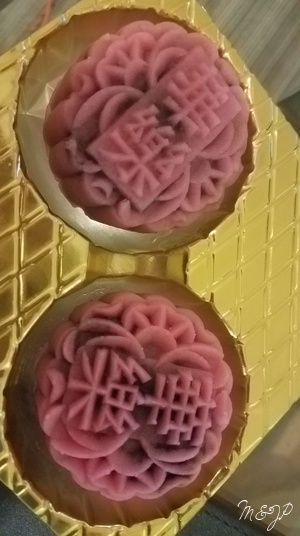
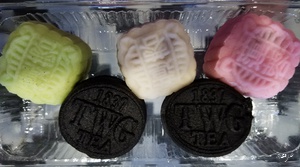
The Raffles Hotel’s signature hand-crafted champagne truffle snow skin mooncakes created in the 1990s have been a shoo-in year after year - they feature delicate truffles made with white chocolate shells and filled with champagne-infused cream… Dreamy flavours...
If Singapore was a neighbourhood, an architectural style or a building, it would be... (to be continued in the fifth part of this article)

You like what you read?
Explore and learn more about Singapore !!!
-
 The Valley of Roses and Kings (part 2) The Valley of Kings
The Valley of Roses is famous not only for its … -
 The Valley of Roses and Kings (part 1) The Valley of Roses
Out of all the flowers in the world the rose … -
 In the heart of the Silk Road (part 4) Khiva and the Desert Castles
Khiva - It took us 6 hours, almost a whole … -
 In the heart of the Silk Road (part 3) Bukhara
Bukhara - While Tashkent is a modern city with some … -
 In the heart of the Silk Road (part 2) Samarkand
Samarkand - No name is so evocative of the Silk … -
 In the heart of the Silk Road (part 1) Tashkent
The Great Wall of China, Machu Picchu, the Pyramids of … -
 The Land of Giants at the End of the World (part 2)
We crossed for the third time the border between Argentina … -
 The Land of Giants at the End of the World (part 1)
No visitors come back from Antarctica in the same state … -
 A Vitamin Sea Christmas in the Mediterranean
Human beings are full of contradictions! When we used to … -
 Spring Colours in the Kingdom of the West (part 6) Morocco is yellow
Morocco is yellow - Besides the yellow hues of the … -
 Spring Colours in the Kingdom of the West (part 5) Morocco is red
Morocco is red - Besides the red hues of the … -
 Spring Colours in the Kingdom of the West (part 4) Morocco is orange
Morocco is orange - Our first encounter with the legendary … -
 Spring Colours in the Kingdom of the West (part 3) Morocco is green
Morocco is green - The Rif Mountains east of Tangier, … -
 Spring Colours in the Kingdom of the West (part 2) Morocco is blue
Morocco is blue - The road along the Atlantic Coast … -
 Spring Colours in the Kingdom of the West (part 1) Morocco is white
If I had to use only a couple of words …
