
.svg)
The Island of the Gods
Posted by: Maria in May 2020 (6 years, 5 months ago)
If you have watched the movie 'Eat Pray Love', you certainly remember that Julia Roberts, starring as Elizabeth Gilbert, an American author of a memoir of the same name, had embarked on a quest for self-discovery and travelled to three different countries. In Italy she rediscovered the pleasure of food, in India she realised how powerful prayers and meditation were, and on the Indonesian island of Bali she finally found true love.
If you have ever been to Bali (no offence to Italy and India that I absolutely love), you may wonder why the heroine had to travel across the world and did not simply go straight to this tiny island in the Indian Ocean for her entire culinary, spiritual and personal exploration!
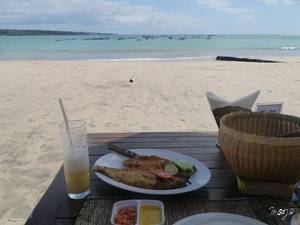
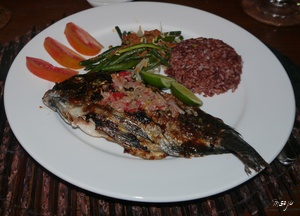
In Bali you can EAT one of the most fresh and delicious seafood feasts in the world!
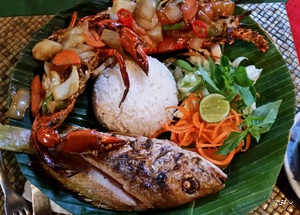
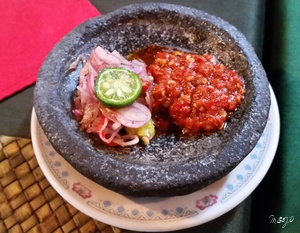
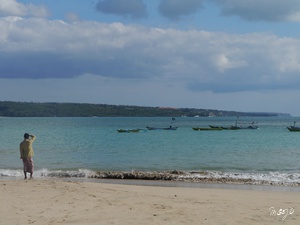
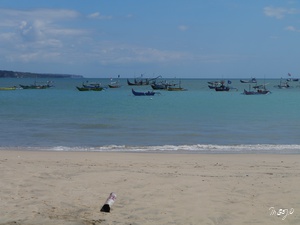
Just pick up your fish in the tanks of one of the waterfront restaurants and have lunch or dinner directly on the beach! The view is stunning!
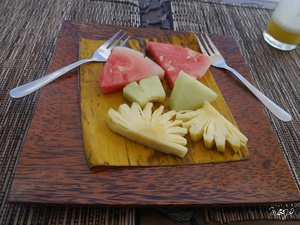
Fresh tropical fruits will be on the breakfast, lunch and dinner menus every single day and kopi luwak, the locally produced coffee made with coffee cherries partially digested by a cat-like animal, is a must-try.
In Bali you can also PRAY! It is the only Hindu island in the country with the largest Muslim population in the world. It is believed that Hinduism reached the Indonesian archipelago with the arrival of Indian traders as early as the first century. However, Hinduism in Bali is unique and different from that of India as it is also influenced by a complex and fascinating blend of animism, Buddhism and local traditions. Contrary to the polytheistic Indian Hinduism, Balinese only worship one God, Sang Hyang Widhi Wasa, the 'god-of-all-in-one', of which all the other deities such as Vishnu and Shiva are manifestations. They also believe in the power of nature, each element of which is influenced by spirits and ancestors that are subject to worship through daily rituals and offerings. Balinese Hinduism is more than a religion - it is actually a personal spiritual journey in finding meaning in life and balance in the relations among humans, Gods and nature.
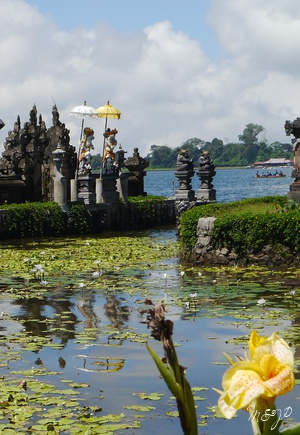
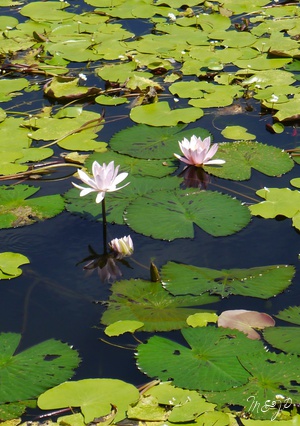
The most obvious places for worshipping that come to mind are the temples. There are over 20,000 temples (or puras) scattered all over the island and each of them hosts festivals and celebrations at least twice a year - I will let you do the maths! And this impressive number does not even include the small shrines in every family house, or those at crossroads all around Bali (Balinese believe that demons congregate at crossroads and must be appeased)! This is probably the reason why Bali is known as 'the Island of Thousand Temples'!
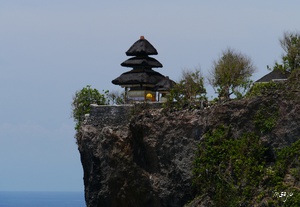
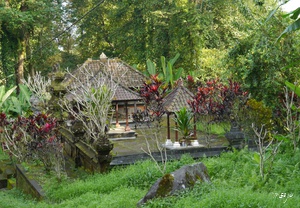
You cannot say you have been to Bali if you have not visited at least one temple - the complicated part will be to choose which one!
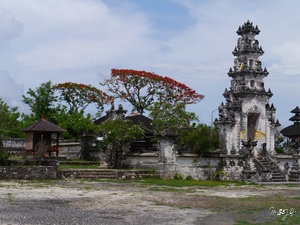
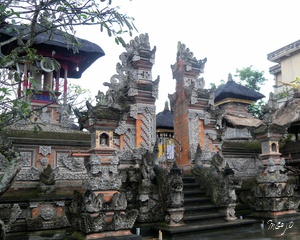
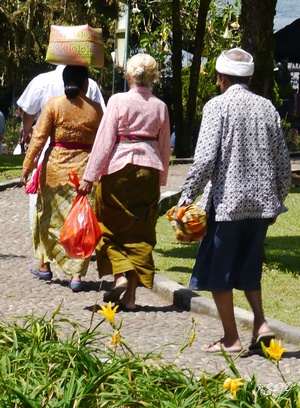
You can pick up one of the most famous temples with stunning scenery or a more secluded and intimate one where you can witness a prayer ceremony and walk with the devotees carrying on their heads thatched palm baskets that contain their offerings and other belongings for the prayer.
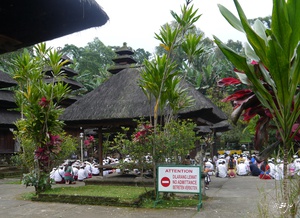
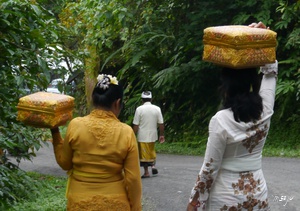
Do not forget to bring a sarong and a scarf to tie around your waist - you need them in order to enter any temple in Bali and it will definitely make you blend in with the locals! Balinese temples also have some additional (a little bit strange for foreigners) rules - ladies who are pregnant or whose children have not got their first teeth and kids whose teeth have not fallen yet cannot enter the temple!
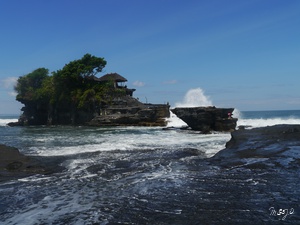
Tanah Lot ('Land in the Sea') is one of the most spectacular temples. It was built in the 16th century on a rock in the middle of the sea and can only be reached at low tide. By its location it might remind you of Mont Saint Michel in France.
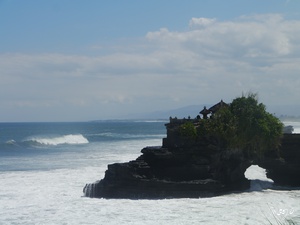
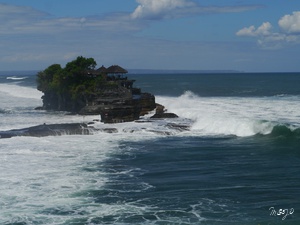
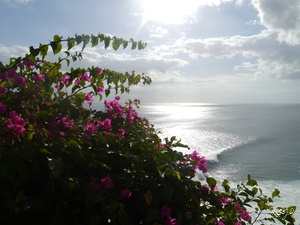
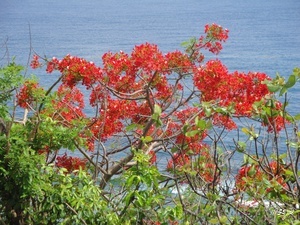
You can walk along the shore for hours, admiring the beauty of the sea and the tropical flowers.
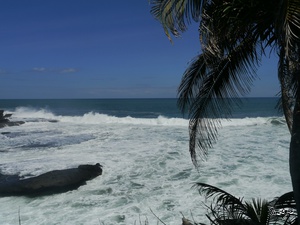
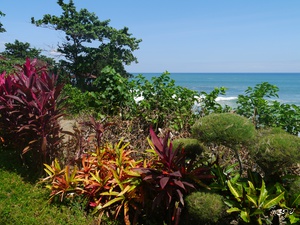
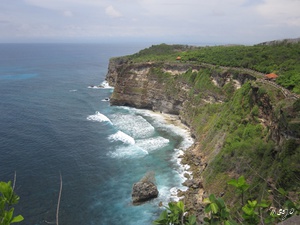
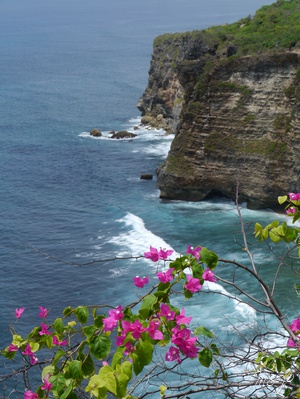
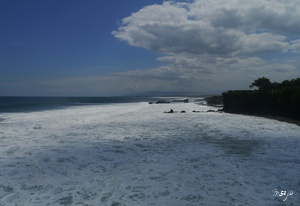
Uluwatu is another gorgeous 11th-century temple perched at the edge (ulu) of a 70-metre-high steep cliff (watu).
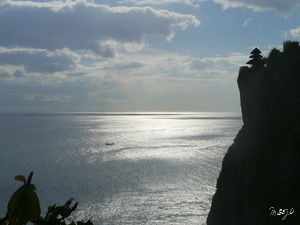
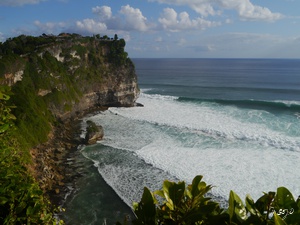
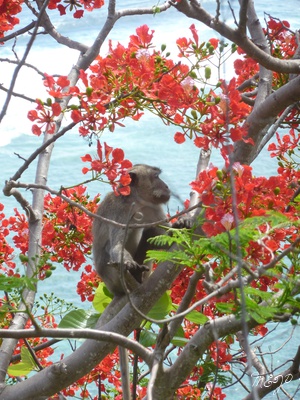
Besides the breathtaking views, it is famous for its cute monkeys.
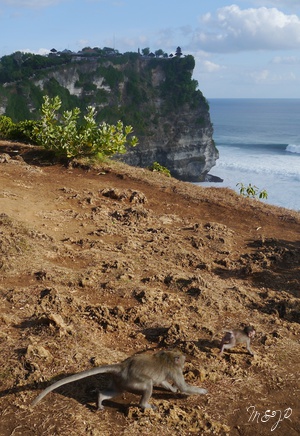
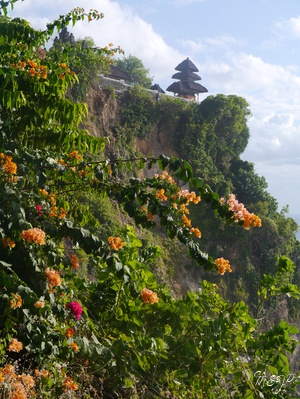
You need to remove any food and anything too glittering before entering the temple though - they may try to take your sunglasses and trade them for food!
If you love monkeys, you can also find lots of them at the Ubud Monkey Forest Sanctuary.
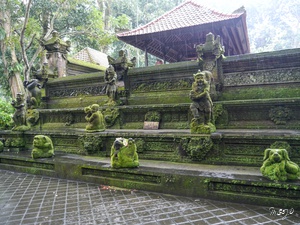
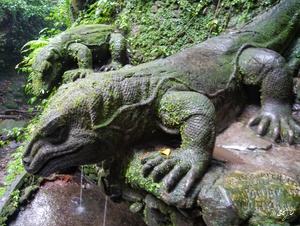
It is home to three temples, but the monkeys (more than 1,000 of them!) will steal the show!
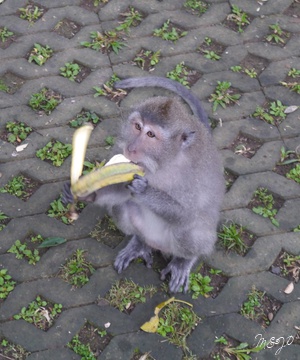
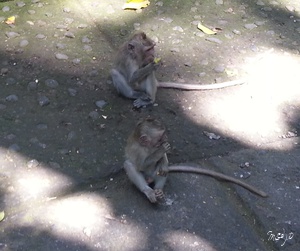
You can buy bananas and feed them or simply stroll around - it is so peaceful under the huge banyan trees!
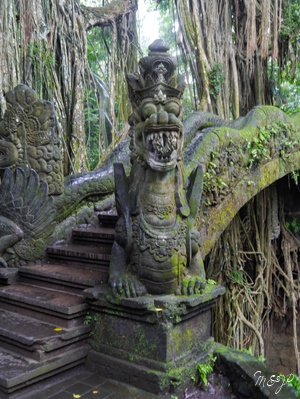
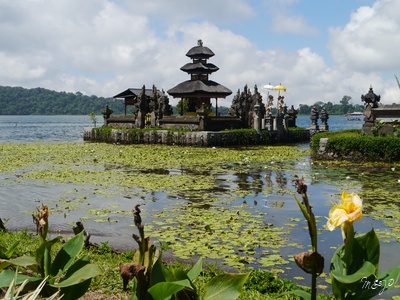
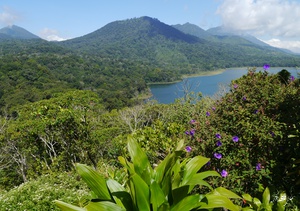
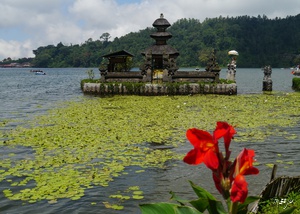
Another jaw dropping temple is the 17th-century Pura Ulun Danu Bratan.
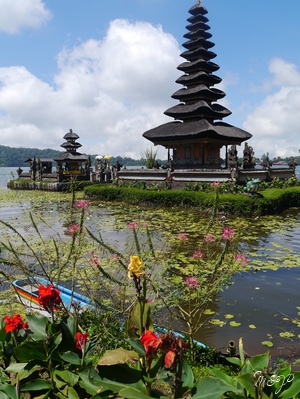
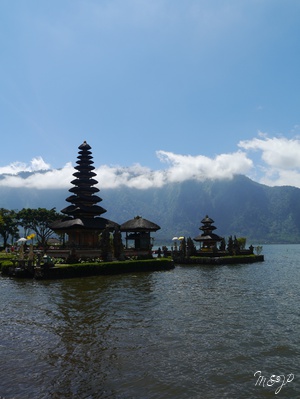
It looks like it is floating on Lake Bratan, surrounded by misty blue mountains...
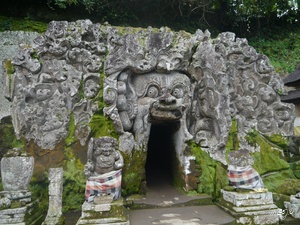
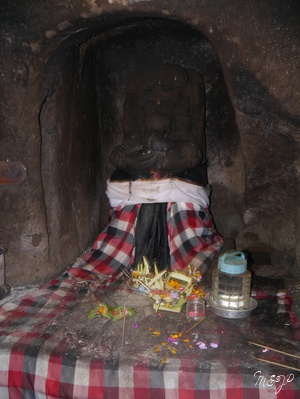
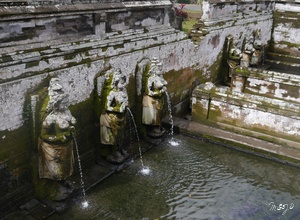
The 9th-century Goa Gajah or Elephant Cave Sanctuary near Ubud has beautiful stone carvings and various Hindu and Buddhist imagery including Ganesh - the four-armed Hindu God with the elephant head who symbolises prosperity and success. This probably explains the name of the temple.
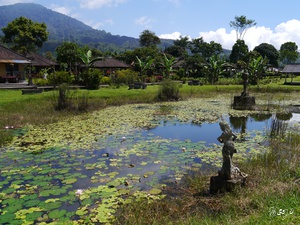
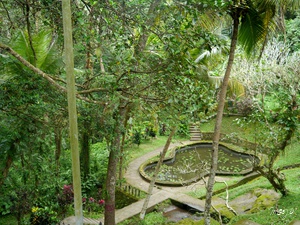
While wandering around the lush green gardens, you will come across some beautiful statues of women holding water that represent the 7 holy rivers of India.
A more intimate temple is Pura Luhur Batukaru, originally built during the 11th century on Mount Batukaru and meant to protect Bali from evil spirits.
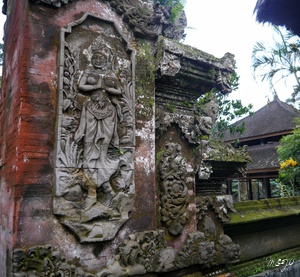
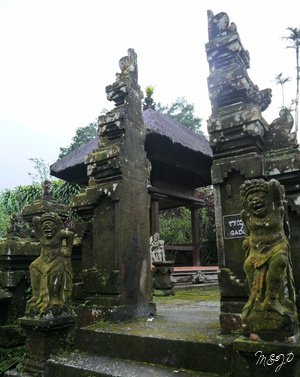
After a couple of visits you will start spotting the common features of the temples.
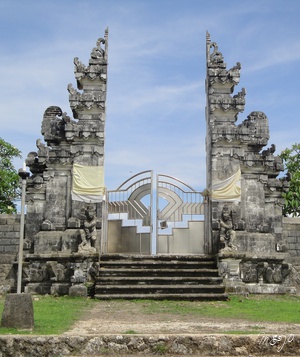
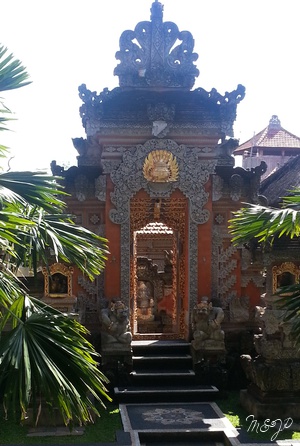
The split gateway (candi bentar)...
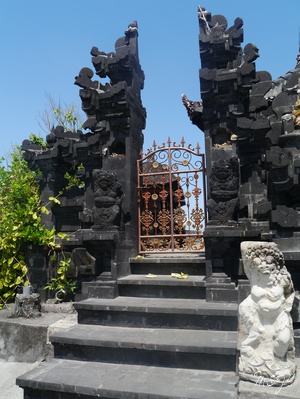
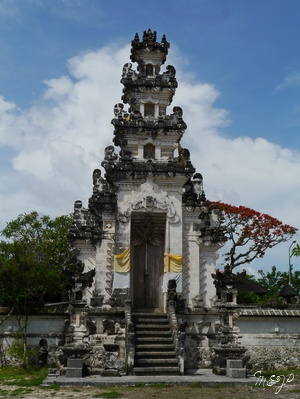
The gateway covered with a towering roof (kori)...
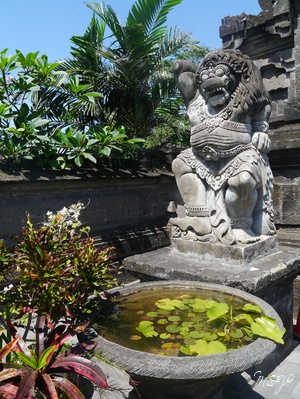
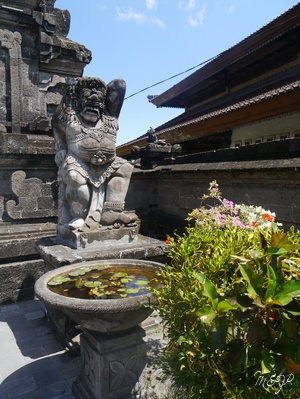
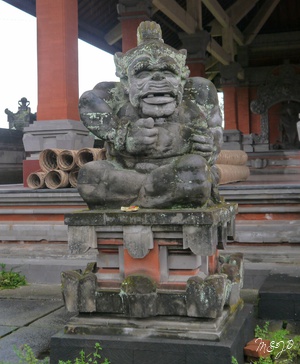
The guardian statutes placed on the left and right sides of the gate in compliance with the Balinese philosophy of good and bad, positive and negative and the essential necessity to balance these forces to make them neutral (yin and yang)...
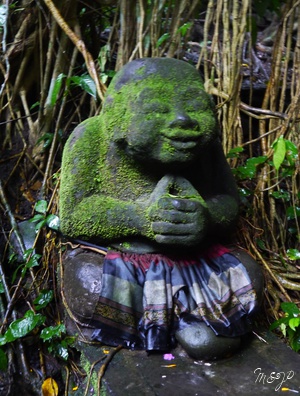
You will also start recognising the statues and stone carvings of Kala or Yama (the God of Death), Ganesh (the God of Good Fortune), the Happy Buddha with his big belly and even bigger smile, and the three wise monkeys representing the proverbial principle 'see no evil, hear no evil, speak no evil'.
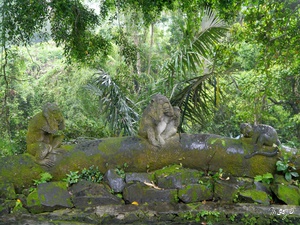
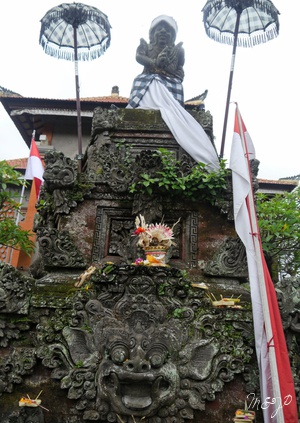
Yes, there are thousands of temples… and thousands of choices! Actually, you do not need to visit a temple to feel that religion is everywhere in Bali. As soon as you step off the plane, you will realise that every aspect of Balinese daily life, culture, dance, music, artefacts, architecture and even nature is suffused with religion.
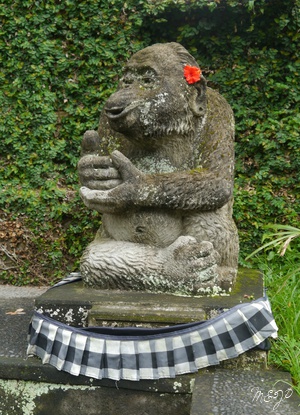
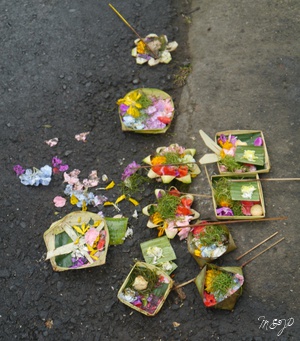
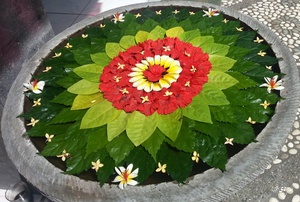
The tiny square baskets braided from palm and betel leaves and filled with flowers, fruits, rice, cookies and incense sticks are ubiquitous!
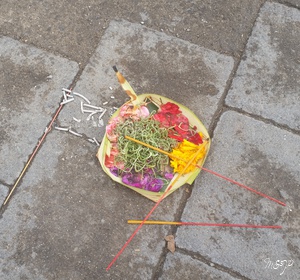
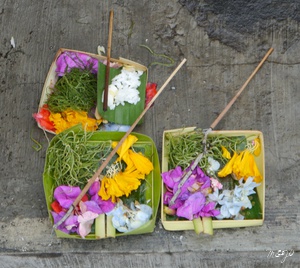
They are called canang sari and represent offerings to the Gods, spirits and ancestors.
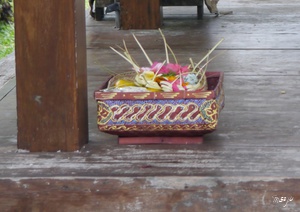
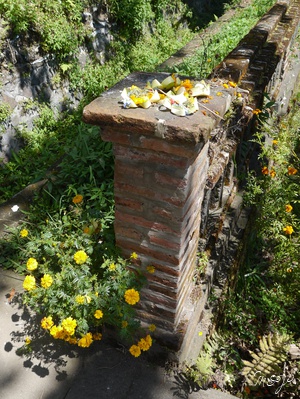
These art masterpieces are literally everywhere - you can spot them in the temples, homes, restaurants, shops and even on the streets of Bali.
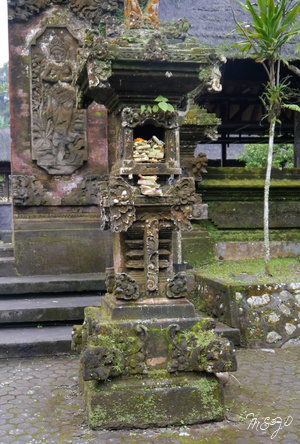
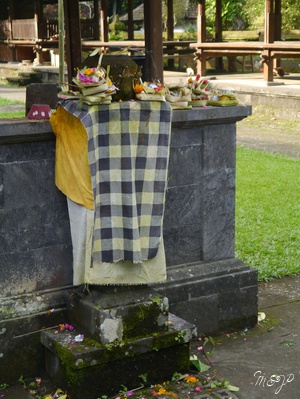
Be careful not to step on them though because according to the local culture it would bring you bad luck!
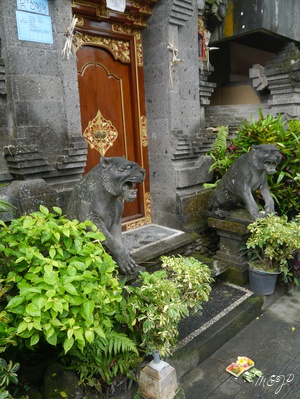
The guardian statues are not only present in the temples - they are in front of most of the houses as well.
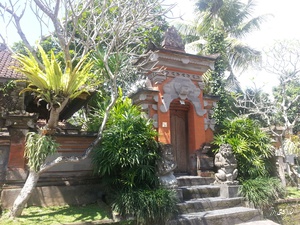
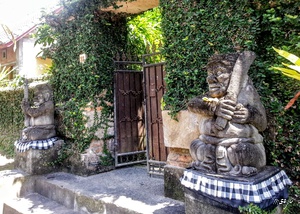
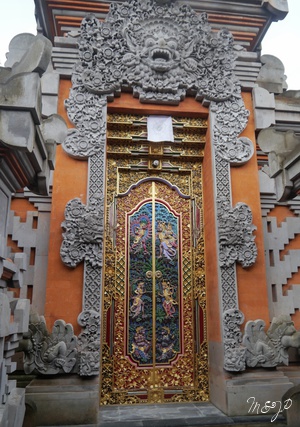
Simply stroll around Ubud and admire the beautifully carved, painted and gilded doorways and the statues of Ganesh!
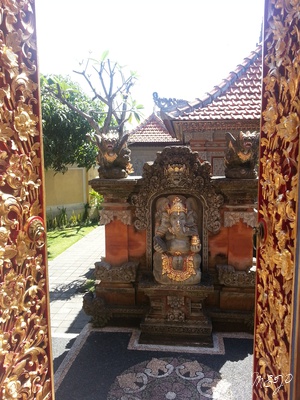
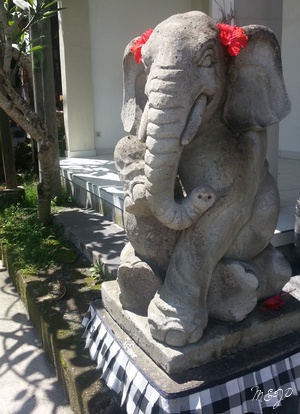
Like the temples, the houses are built respecting the local feng shui principles - the most sacred spaces are oriented to the mountain (kaja) symbolising the good, whereas the ‘unclean’ places face the sea (kelod) which is home to the demons.
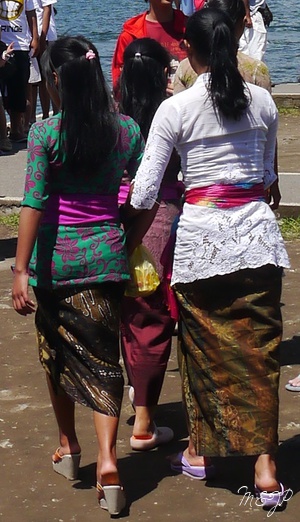
People wearing their ceremonial attires is a common sight.
No, you definitely do not need to go to a temple to feel the deep spirituality that Bali has managed to preserve for thousands of years despite the crowds of foreigners visiting the island every year. Religion is the soul of Bali and life rotates around religious ceremonies, prayers and offerings. Not a single day goes without a ceremony!
Throughout the year, there are a number of festivals celebrated locally or island-wide according to the traditional calendars. Celebrations are held for many occasions such as a tooth-filing (a coming-of-age ritual), cremation or odalan (temple festival).
In addition to presenting the daily offerings and lightening the incense sticks, Balinese splash a bucket of water on their porches at dawn - the three main objects Balinese apply in a prayer are the flowers, the incense and the holy water, and every day follows the rhythm of prayers at home, in the local shops and in the temples.
Welcome to the island of never ending prayers, rituals and festivals! This is probably the reason why Bali is also known as ‘the Island of the Gods’! Or is it because it has so much more to offer than its delicious cuisine and unique religion?
I promise that, like Julia Roberts, you will fall in LOVE with Bali and why not in Bali!
Few places on earth are as diverse as this heavenly island.
Where else in the world you can climb a volcano or practice yoga and meditation at sunrise, scuba dive, snorkel or surf in the Indian Ocean or simply chill on a deserted beach at lunchtime, gaze at emerald green rice paddies or exquisite artefacts in the streets of Ubud in the afternoon, and enjoy a dance performance or indulge yourself with a Balinese massage at sunset? And all this surrounded by friendly, warm, hospitable and smiling people?
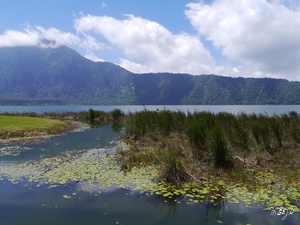
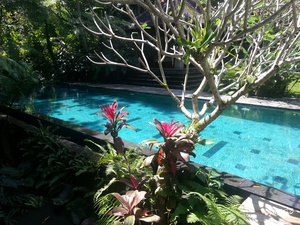
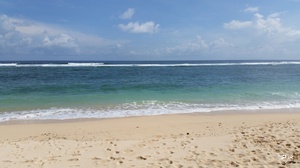
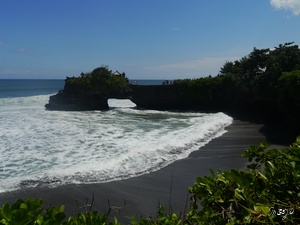
You will not be able to get enough of the lush tropical nature and the white or black dreamy deserted beaches.
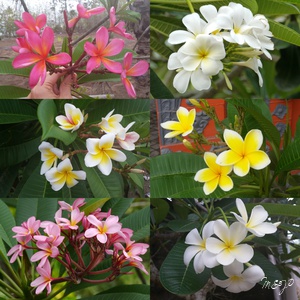
The beauty of the frangipani flowers will follow you wherever you go on the island.
However, the view that you are not ready to forget will be the endless fairy rice paddies that look like they come straight out of a Chinese painting.
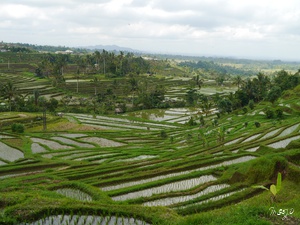
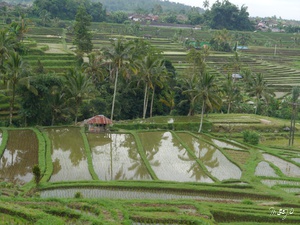
They follow the UNESCO World Heritage 9th-century traditional irrigation system called the Subak.
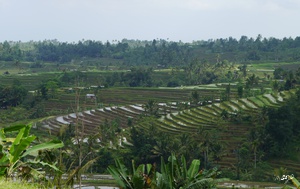
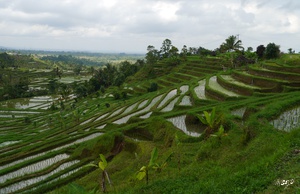
The beauty of the rice paddies will fill your mind with serenity.
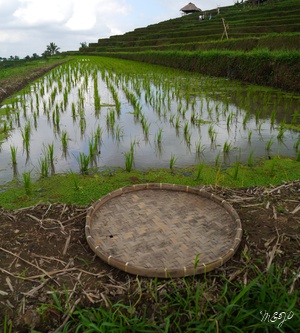
If you are off to some soul-searching, Balinese music, dance and artefacts which sound and look like some divine elaborate language used among humans, Gods and nature will take your breath away. It is for a reason that Bali is also known as ‘the Island of the Artists’!
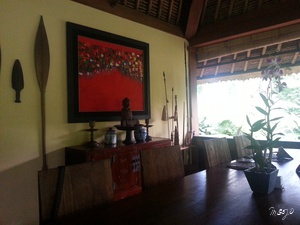
Everything is exquisite and breathtaking - from the canang sari to the dance performances which look more like religious rituals or prayers and the enchanting sounds of the traditional percussion music called gamelan.
The dances will amaze you by their movements where every part of the body from the head to the tips of the fingers and toes has its own precise position. UNESCO has recognized some Balinese dances as an intangible cultural heritage!
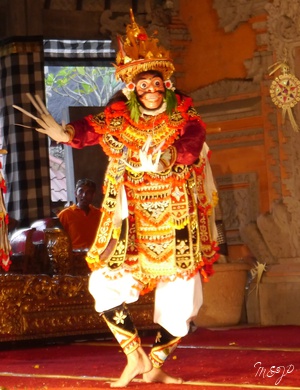
The dancers use their whole body to tell their stories - even their hands and eyes are dancing! The majestic Balinese dances will probably remind you of the Indian classical dance Kathakali from Kerala where the dancers use hand signs (mudras) and facial and eye movements. It is impressive with a great dose of mysticism!
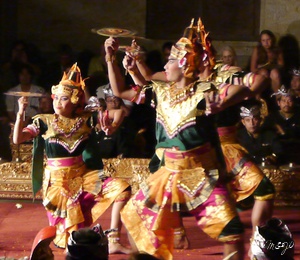
Almost all Balinese dances are based on the Hindu epic tales Ramayana and Mahabharata. The most famous ones include the Baris, a traditional war dance, the Barong or ‘the lion dance’ staging the fight between good and evil with dancers wearing lion masks, the Kecak or ‘the monkey dance’ with dancers singing and dancing in a circle around a fire, and the Legong performed by young girls in traditional attire who have been trained for years to master the sophisticated movements of the fingers and feet and the demonstrative facial expressions. The Ubud Palace is a great place to attend the magic of the Balinese dances under the tropical sky covered with stars.
Balinese gamelan uses gongs, metallophones, xylophones, drums, flutes and cymbals and the music repeats in a cycle. It provides the rhythms that govern the movements of the dancers. The sounds will probably remind you of those made by the monks' gongs during prayers in Bhutanese or Tibetan monasteries - they will invite you to meditation and relaxation.
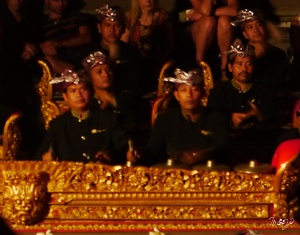
Balinese are not only talented actors, dancers and musicians, but are also very skilled in painting, sculpture, woodcarving, handcrafts, you name it! Art is in the air and is inseparable from religion. The finely crafted statues that adorn temples, houses and gardens often depict Gods or protecting demons.
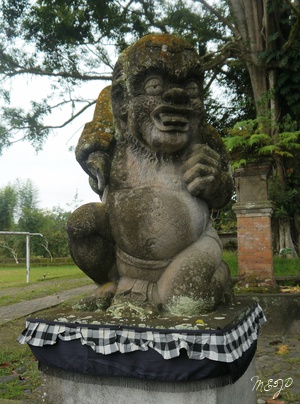
Gamelan, local dances and works of art are all sacred means for Balinese people to get connected with Gods, deities and ancestors. Balinese art is simply a form of spiritual offering, probably just a little bit more sophisticated than the omnipresent canang sari!
Bali is full of surprises...
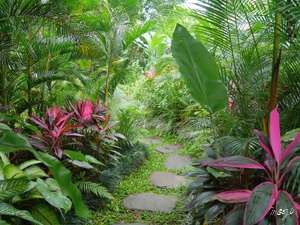
It is clearly not just a tropical paradise, but a special and unique place infused with mystical spirituality, magnificent culture and traditional values. One thing is certain - everyone will fall in love with something on this dreamy Island of the Gods and few people who have visited once will not come back for more!

You like what you read?
Explore and learn more about Indonesia !!!
-
 The Valley of Roses and Kings (part 2) The Valley of Kings
The Valley of Roses is famous not only for its … -
 The Valley of Roses and Kings (part 1) The Valley of Roses
Out of all the flowers in the world the rose … -
 In the heart of the Silk Road (part 4) Khiva and the Desert Castles
Khiva - It took us 6 hours, almost a whole … -
 In the heart of the Silk Road (part 3) Bukhara
Bukhara - While Tashkent is a modern city with some … -
 In the heart of the Silk Road (part 2) Samarkand
Samarkand - No name is so evocative of the Silk … -
 In the heart of the Silk Road (part 1) Tashkent
The Great Wall of China, Machu Picchu, the Pyramids of … -
 The Land of Giants at the End of the World (part 2)
We crossed for the third time the border between Argentina … -
 The Land of Giants at the End of the World (part 1)
No visitors come back from Antarctica in the same state … -
 A Vitamin Sea Christmas in the Mediterranean
Human beings are full of contradictions! When we used to … -
 Spring Colours in the Kingdom of the West (part 6) Morocco is yellow
Morocco is yellow - Besides the yellow hues of the … -
 Spring Colours in the Kingdom of the West (part 5) Morocco is red
Morocco is red - Besides the red hues of the … -
 Spring Colours in the Kingdom of the West (part 4) Morocco is orange
Morocco is orange - Our first encounter with the legendary … -
 Spring Colours in the Kingdom of the West (part 3) Morocco is green
Morocco is green - The Rif Mountains east of Tangier, … -
 Spring Colours in the Kingdom of the West (part 2) Morocco is blue
Morocco is blue - The road along the Atlantic Coast … -
 Spring Colours in the Kingdom of the West (part 1) Morocco is white
If I had to use only a couple of words …
