

Iguana Land (part 2)
Posted by: Maria in April 2020 (6 years, 5 months ago)
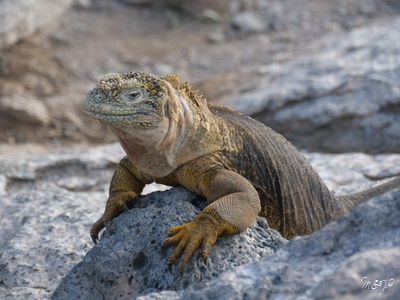
There are plenty of wonders to discover on Santa Cruz Island! However, you should definitely explore some of the other islands as well, as the main appeal of this paradise is the unique nature of the animals inhabiting each island!
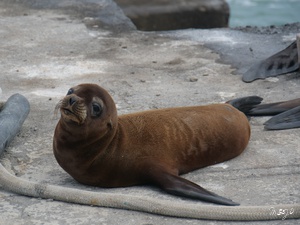
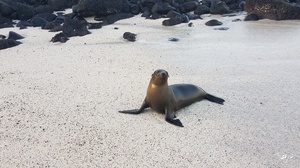
You can do it backpacking and organising your own trips to the other islands, or island hopping on a luxury cruise giving you access to some of the best spots and most exclusive adventures on the archipelago…
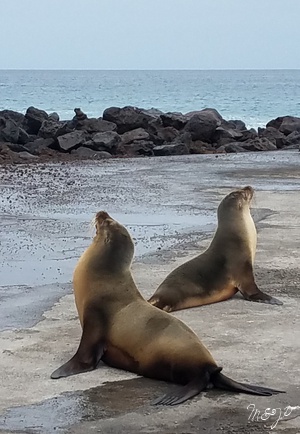
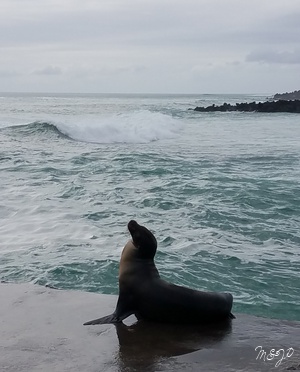
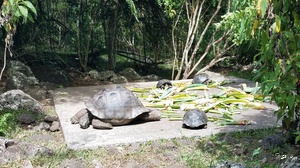
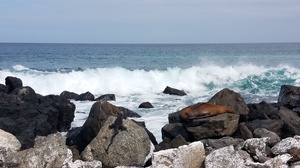
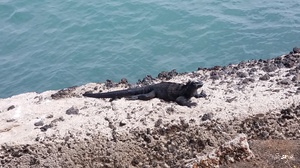
If you choose the first option, the day trip on a bumpy boat to Floreana Island is far from comfortable, but we were rewarded with the sight of giant tortoises (there is a breeding center on the island as well), sea lions, pelicans and, of course, many marine iguanas.
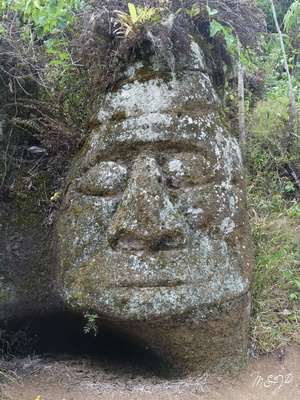
We also admired some stone art, probably left by the first German inhabitants, including the self-described 'Baroness' von Wagner Bosquet. The series of strange disappearances and deaths from this period of time has been recounted in the fascinating documentary film 'The Galapagos Affair'.
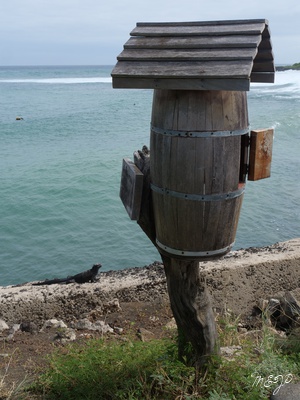
Floreana Island is also home to the over 200-year-old post barrel which served as a post office in the 19th century - mail could be picked up and delivered to its destinations, mainly Europe and the United States, by the various ships on their way home. Today, the barrel contains unstamped postcards of visitors from around the world - the principle is to leave your card with your address on it that another traveller who lives near your home can pick up and deliver to you. It is really fun - we did it for a family living in Florida and, shortly after our trip and completely unexpectedly, received our own postcard as well!
Choosing the luxury cruise mode is another story!
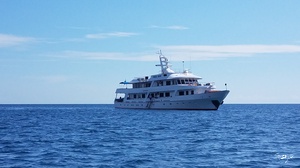

Watching from the upper deck the graceful frigatebirds fly overhead, following the yacht while the sun was rising, felt almost unreal!
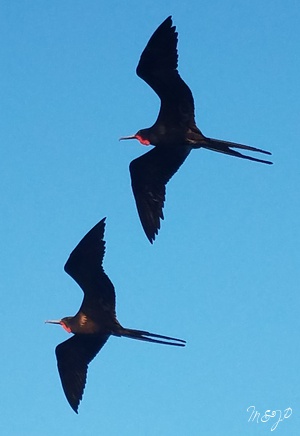
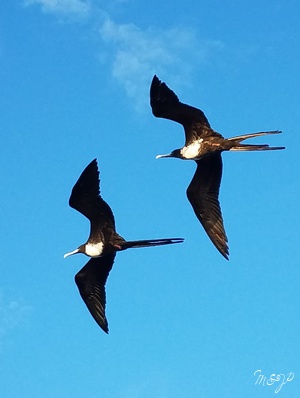
The birds with the red inflated bellies were the males, while those with the white ones were the females.
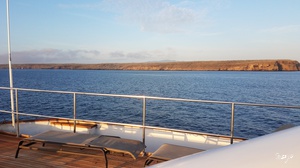
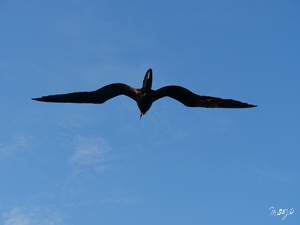
Our next couple of days of island hopping were a parade of extraordinary landscapes, plants and animals.
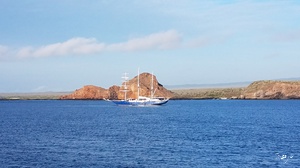
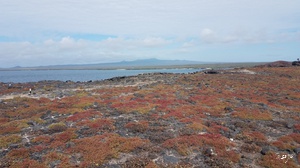
The Galapagos endemic (not seen anywhere else in the world!) wildlife have no natural predators - no mammals had made it to the islands as they needed more water and were much less likely to survive the journey from the mainland, whereas the reptiles and sea lions had the endurance for such a trip. This probably explains why all Galapagos animals seem so unalarmed by human presence.
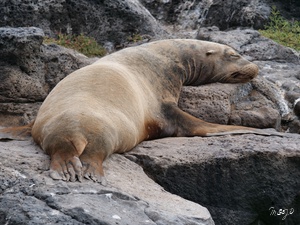
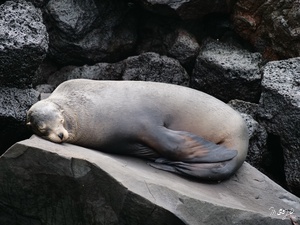
I do not think that there is another place in the world where you can see so many unique animals, while standing so close up to them!
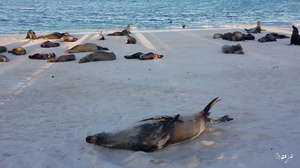
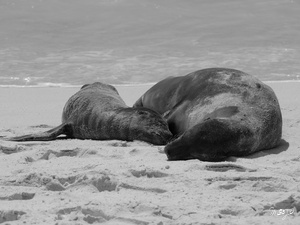
Our first dry landing by panga was on Plaza Sur Island where we were welcomed by a barking sea lion defending his territory!
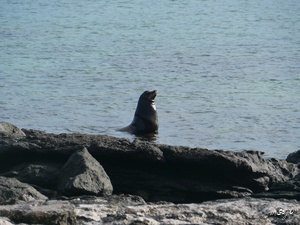
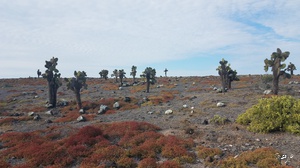
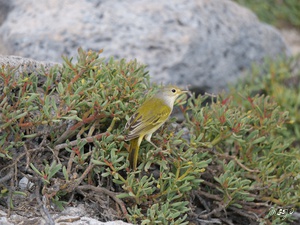
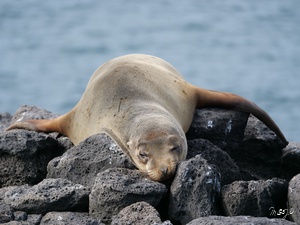
We spotted many finches, yellow warblers and sea lions.
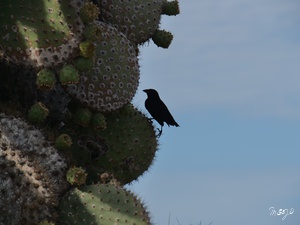
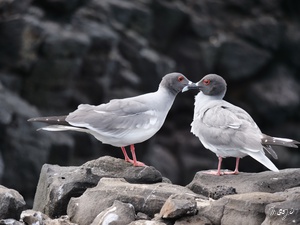
Beautiful swallow-tailed gulls were nesting on the cliffs!
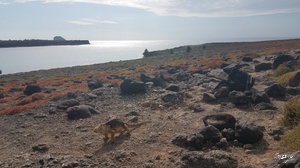
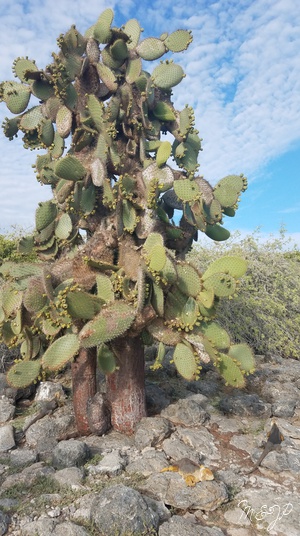
However, the animals that stole the show were the Galapagos coppery-orange land iguanas basking in the sun under the bright green prickly-pear cacti, or slowly walking around the deep red Sesuvium, which formed a beautiful carpet covering the rocky island.
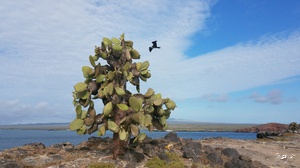
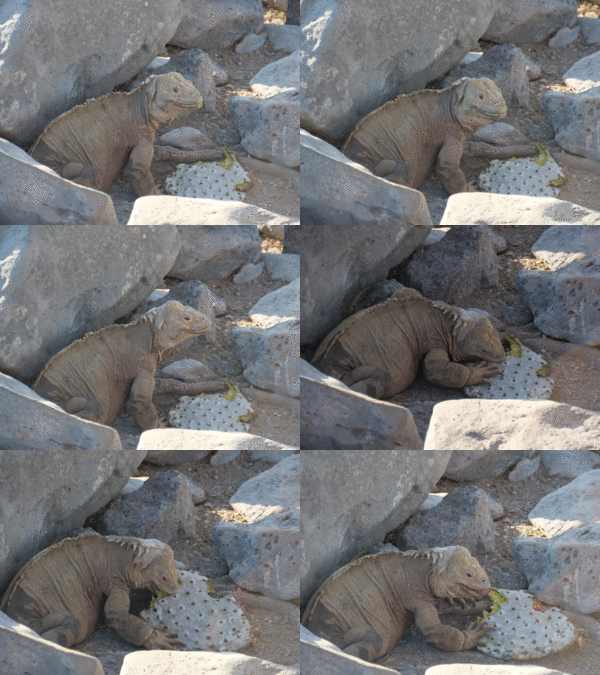
One of their favorite foods are the cactus pads which they eat with the spines - the thick skin on their mouths allows them to do so without having to go see the dentist afterwards!
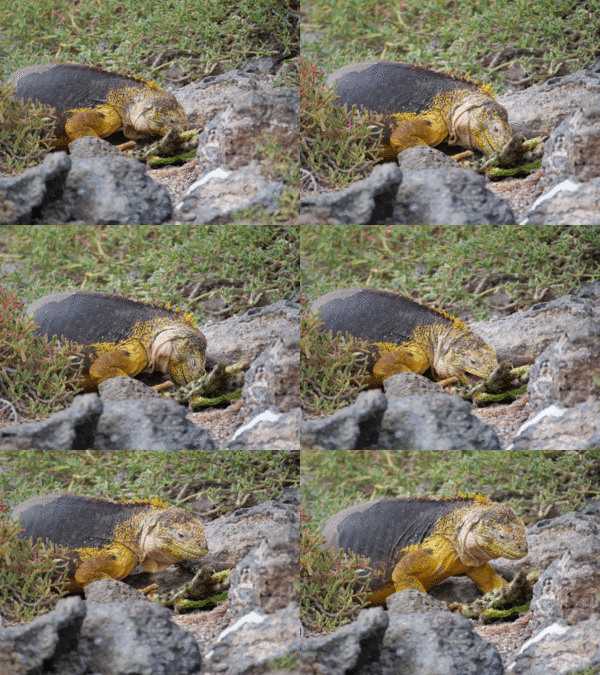
Also, because freshwater is scarce on the islands they inhabit, the Galapagos land iguanas obtain the majority of their moisture from the prickly-pear cacti that make up to 80% of their diet.
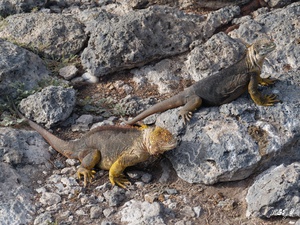
Based on research, the Galapagos land iguanas and the marine iguanas had evolved from a common ancestor since they arrived on the islands from South America, and diverged from each other some 8 million years ago!
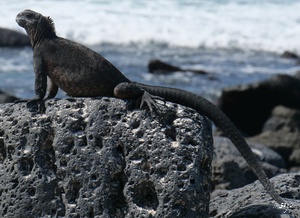
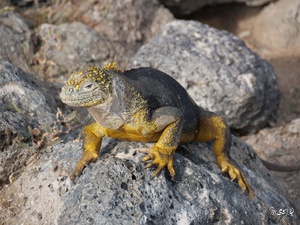
Galapagos land iguanas are larger than their marine cousins, and they are much more colorful as well.
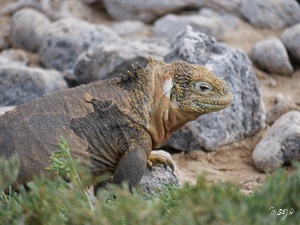
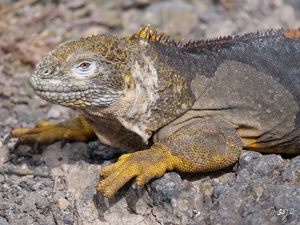
Also, unlike marine iguanas, it is rare to see more than one land iguana at a time. These differences are due to the non-identical environment each species had to adapt to - it is Darwin all over!
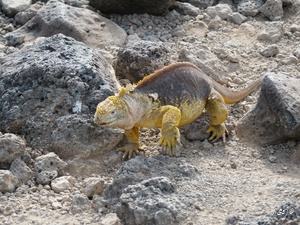
Another island where you can find a different species of land iguanas endemic to it is Santa Fe. The land iguanas there are larger and yellower than those on the other islands.
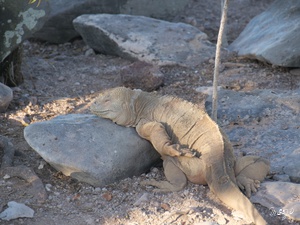
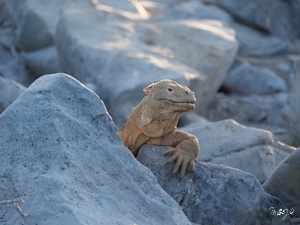
However, the appetite of land iguanas for cactus pads was the same everywhere!
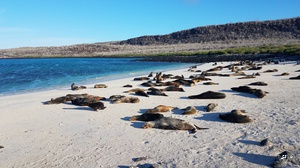
Santa Fe Island was also a great place to kayak amongst the sea lions playing in the water or sunbathing on the beach, and the sea turtles occasionally showing their head out of the water like submarines watching out for enemies.
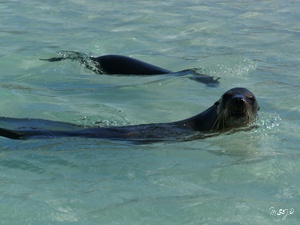
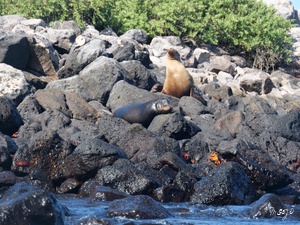
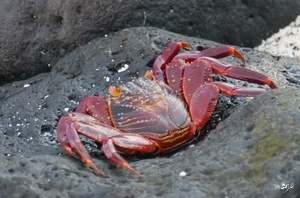
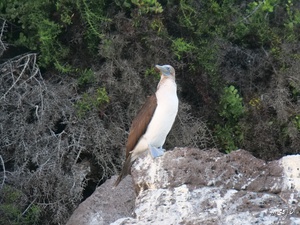
We also spotted colourful crabs crawling in the cracks of the stones and blue-footed boobies with their electric feet perched on the rocks.
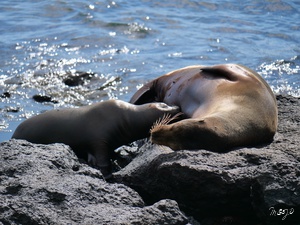
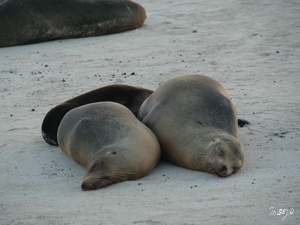
After landing on the beach, we walked around the colonies of sea lions and observed their various activities.
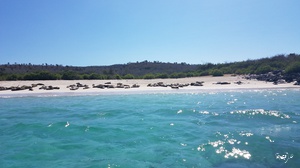
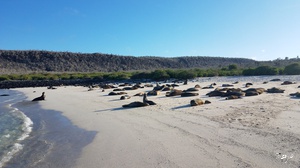
Some were arguing.
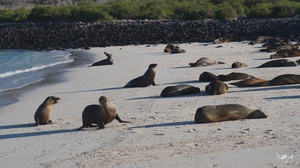
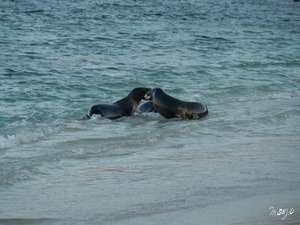
Others were hugging.
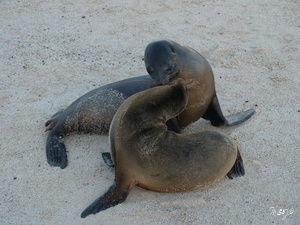
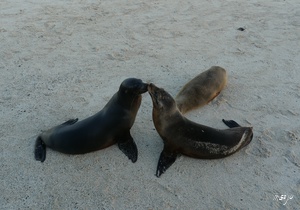
Mothers were nursing their babies.
The male sea lion defending the beach was scolding the youngsters, who were unwise enough to go on their own in the water where sharks were waiting for them.
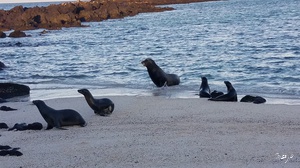
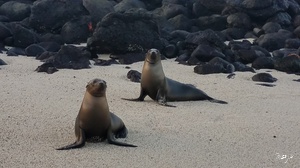
They were completely undisturbed by human presence, which was absolutely priceless!

You like what you read?
Explore and learn more about Ecuador !!!
-
 The Valley of Roses and Kings (part 2) The Valley of Kings
The Valley of Roses is famous not only for its … -
 The Valley of Roses and Kings (part 1) The Valley of Roses
Out of all the flowers in the world the rose … -
 In the heart of the Silk Road (part 4) Khiva and the Desert Castles
Khiva - It took us 6 hours, almost a whole … -
 In the heart of the Silk Road (part 3) Bukhara
Bukhara - While Tashkent is a modern city with some … -
 In the heart of the Silk Road (part 2) Samarkand
Samarkand - No name is so evocative of the Silk … -
 In the heart of the Silk Road (part 1) Tashkent
The Great Wall of China, Machu Picchu, the Pyramids of … -
 The Land of Giants at the End of the World (part 2)
We crossed for the third time the border between Argentina … -
 The Land of Giants at the End of the World (part 1)
No visitors come back from Antarctica in the same state … -
 A Vitamin Sea Christmas in the Mediterranean
Human beings are full of contradictions! When we used to … -
 Spring Colours in the Kingdom of the West (part 6) Morocco is yellow
Morocco is yellow - Besides the yellow hues of the … -
 Spring Colours in the Kingdom of the West (part 5) Morocco is red
Morocco is red - Besides the red hues of the … -
 Spring Colours in the Kingdom of the West (part 4) Morocco is orange
Morocco is orange - Our first encounter with the legendary … -
 Spring Colours in the Kingdom of the West (part 3) Morocco is green
Morocco is green - The Rif Mountains east of Tangier, … -
 Spring Colours in the Kingdom of the West (part 2) Morocco is blue
Morocco is blue - The road along the Atlantic Coast … -
 Spring Colours in the Kingdom of the West (part 1) Morocco is white
If I had to use only a couple of words …
