

Chirping birds and Christmas bells in the Greatest City in the World (part 5)
The Museums
Posted by: Maria in November 2024 (1 year, 10 months ago)
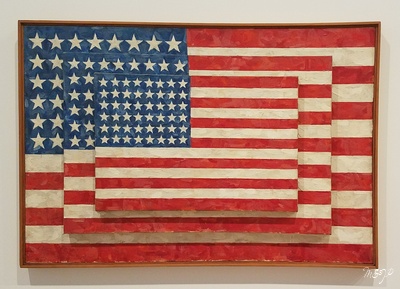
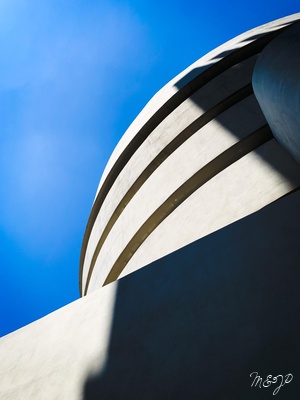
Along with their parks and gardens, both Hong Kong and New York City have some of the world's finest museums. Everyone has heard of The Guggenheim, The American Museum of Natural History and The Museum of Modern Art, aka the MoMA!
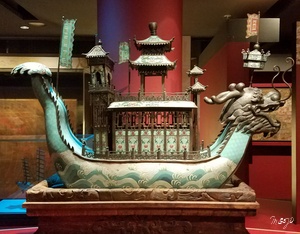
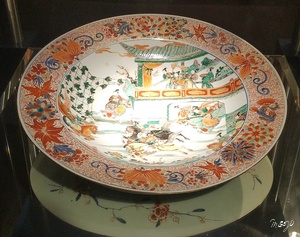
If you can only visit one museum in Hong Kong, make it the Hong Kong Maritime Museum, which offers a fascinating look at the Opium Wars, Chinese porcelain, and British tea trade.
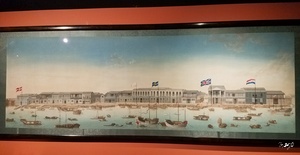
You will need days to visit the best museums in NYC…
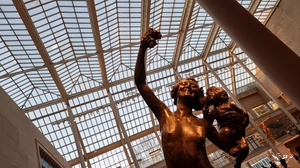
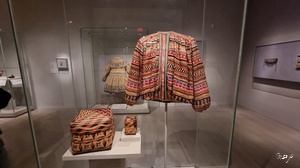
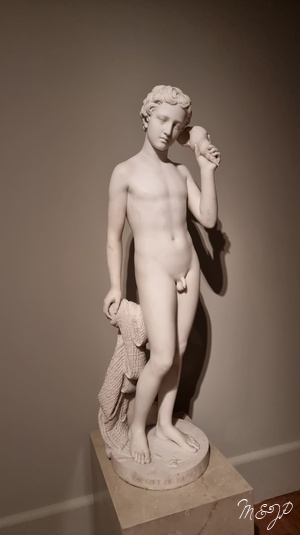
Based on my friend's recommendation, we visited the Whitney Museum of American Art in the Meatpacking District. In addition to some interesting American masterpieces of the 20th- and 21st-century, including Edward Hopper's work, the museum has one of the best views of the Hudson River!
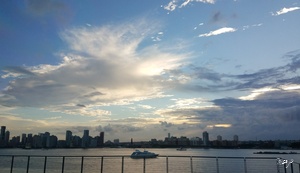
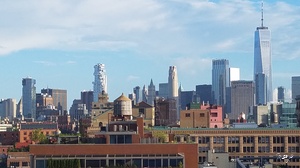
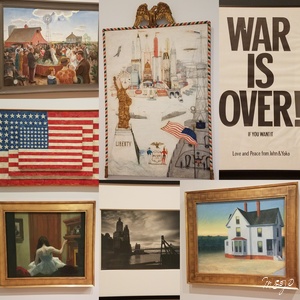
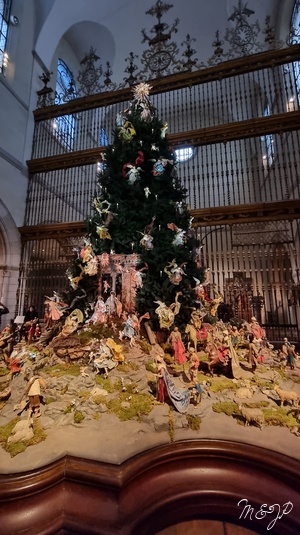
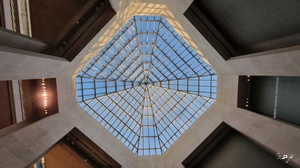
We also visited the Metropolitan Museum of Art, aka the Met - the largest art museum in the Americas!
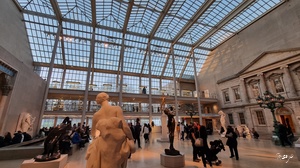
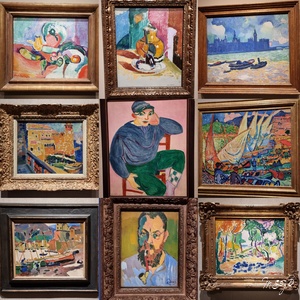
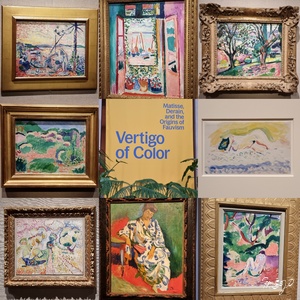
At the time we were in NYC, the museum featured a fascinating Matisse-Derain exhibition!
You will need days to see over two million works and 1.5 million objects exhibited in the Met, including one of the finest collections of Egyptian art in the world.
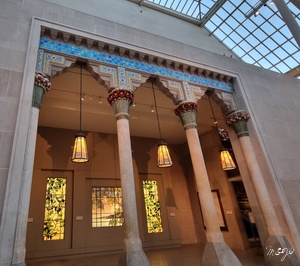
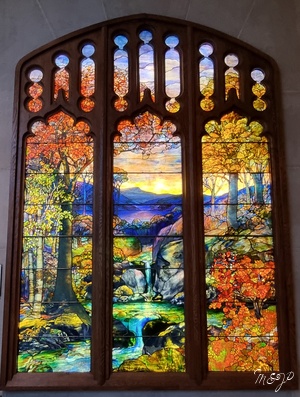
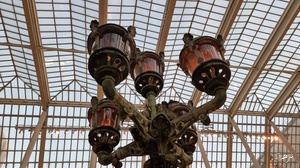
The surprising and precious artefacts of the American Wing which tell the stories of the native tribes and the millions of immigrants to the U.S. are, without a doubt, worth the visit on their own!
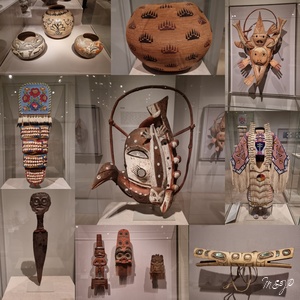
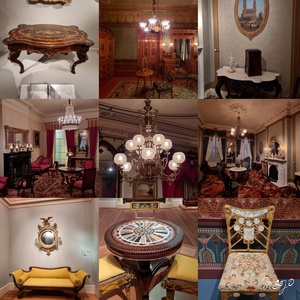
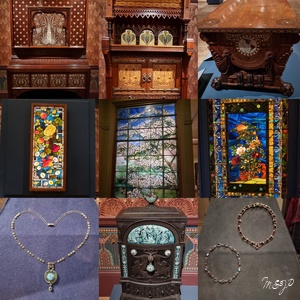
Both Hong Kong and NYC are cosmopolitan cities built by immigrants!
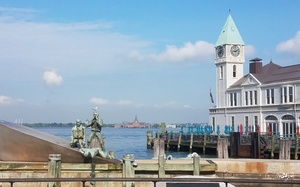
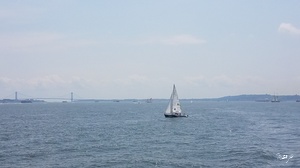
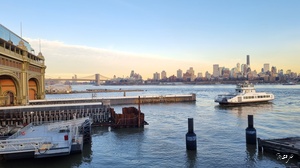
This may be partly explained by the fact that each has one of the world's best natural harbours which have helped them become international ports of commerce and financial megapoles!
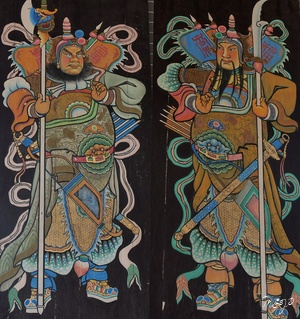
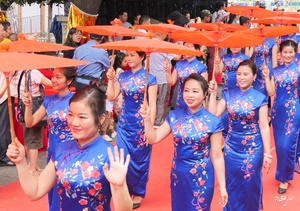
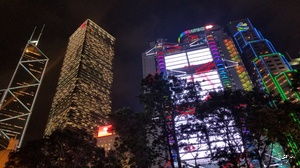
Hong Kong Island was originally a sparsely populated area dotted by farming and fishing villages. It was established as a colony of the British Empire after the Qing dynasty ceded Hong Kong Island in 1841–1842 as a consequence of losing the First Opium War, then handed over from the United Kingdom to China in 1997. Over many decades thousands of immigrants migrated to Hong Kong from the southern part of Mainland China to escape famine and wars. Nowadays people who are not native to Hong Kong come primarily from Mainland China and the rest of Asia but the city is also a great hub for international companies and their employees from all over the world!
Manhattan - originally inhabited by the Munsee Lenape and Wappinger tribes - was referred to by its native inhabitants as Mannahatta, which may have meant “island of many hills”. In 1624, the first Dutch settlers arrived in what is now known as Governor's Island (originally called Nutten Island) near the shores of the southern tip of Manhattan and founded the city of New Amsterdam. A few decades later in 1664, after a brief military engagement, the English took over and renamed it after the Duke of York (later King James II) - New York.
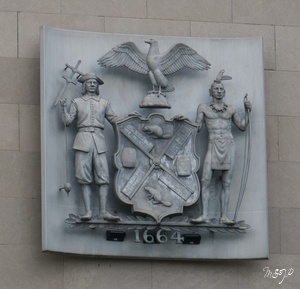
And then, about a century later, there was the American Revolution during which New York City played a significant role as a key site for both battles and political activity. It was also the U.S. capital from 1785 until 1790 while the new nation's government was being established. The first session of the U.S. Congress was held there, and it was where George Washington was inaugurated as the first president in 1789.
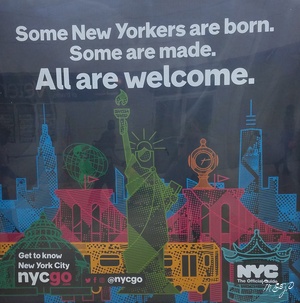
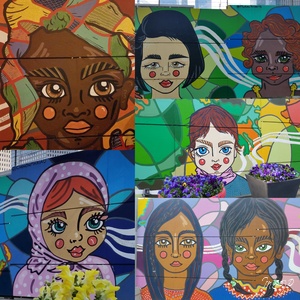
The 19th and 20th centuries are the era when the city underwent massive growth and transformation (especially due to waves of immigration) to make it the cosmopolitan and metropolitan city it is today… Nowadays people in NYC come from all parts of the world - 40% of the city’s residents are foreign-born and, based on census data, come from more than 150 countries!
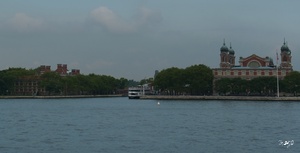
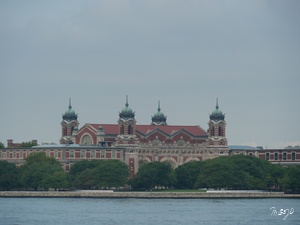
For many immigrants (mostly from Europe), Ellis Island in NYC was the first point of entry in the Americas. Though it was not the only point of entry, it was the busiest immigrant station in the United States - nearly 12 million immigrants were processed there between 1892 and 1954 - and remains the most iconic one. Whether coming from other parts of the world to escape war, famine, poverty or religious, political or racial persecution, or simply to seek better economic opportunities, NYC represented a new beginning for all who passed through Ellis Island, a place of rebirth and reinvention, the first chapter of their new life without the baggage of the past.
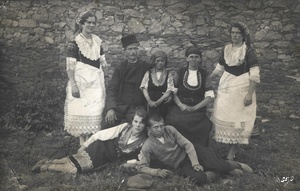
One of those immigrants was my great-granduncle, my great-grandmother's brother, who had emigrated to the United States at the beginning of the 20th century. I still remember my parents telling me how his children once travelled from the U.S. to Bulgaria in search of relatives, hoping to find them at the address where their father once lived - now our family's country home. Unfortunately, they found no one. This visit took place during the communist era, when locals were forbidden from speaking to foreigners, and as a result, our neighbours did not give them our address in Sofia. Although our American relatives had left their address in the U.S., when we tried to write to them many years later when we were allowed to, the letter was returned with a note saying the person no longer lived at that address. I was disappointed as I had always admired this great-granduncle and wanted to learn more about him. He had left the familiarity of his hometown and embarked on a long, uncertain journey to a distant land, not knowing what awaited him. Yet, he had the courage to build a new life there. That kind of bravery and adventurous spirit resonated with me deeply - I felt that we were so alike!
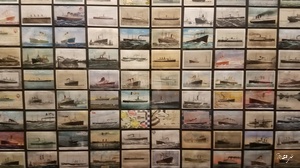
The pictures of a few of the ships who had brought immigrants to NYC, as well as some of their passports were displayed in the Ellis Island Immigration Museum and I remember looking for this great-granduncle's Bulgarian passport… I knew it was a long shot. It was not there, and even though there were no other Bulgarian passports exhibited in the museum either, the exciting thought that in that moment I was walking in the shadow of my great-granduncle's footsteps crossed my mind...
One aspect that makes the Ellis Island Immigration Museum so interesting and powerful is the way it uses letters, photographs and oral history to bring the stories of the different immigrant groups to life. Many immigrants wrote letters back home to their families describing their hopes, fears, and disappointments in a new land. There are also the stories of certain ethnic groups that did not necessarily enter the U.S. via Ellis Island and whose stories are often overlooked, such as the many immigrants from Asia who came to the U.S. to build the railways but died during the construction... Many immigrants came to the U.S. thinking that even the streets were paved with gold only to meet a much harder reality…
The most captivating part of the museum was learning about how the immigrants were processed once they set foot on the island. Somewhat reminiscent of the modern admission process and green card applications, the newcomers were subjected to medical tests, legal and financial inspection and even IQ tests. Some days thousands of people came through the large hall of Ellis Island’s main building and waited for hours. Some of them gave birth in those halls while others took their last breath there… Those who were poor, unable to take care of themselves (which was assumed for a single woman not accompanied by a man…), disabled, mentally impaired, illiterate or immoral were sent back home on the next boat, their dreams crushed and their prospects of the future uncertain…
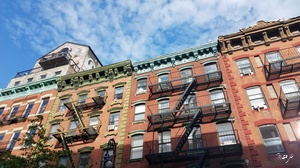
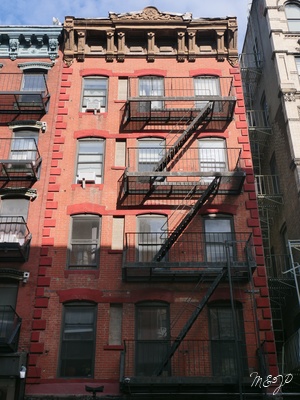
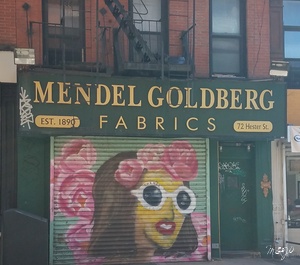
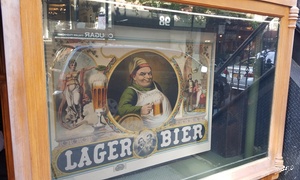
If you are interested in further delving into the lives of the early immigrants in NYC, you can also visit the Tenement Museum, aka the Immigration Museum of NYC, in the Lower East Side of Manhattan. Through the visits of historically recreated 19th and 20th-century homes, it tells the fascinating stories of immigrant families with roots all over the world. An estimated 15,000 people, from over 20 nations, lived in the two buildings that are currently part of the museum between 1863 and 2011. We visited the “Shop Life” exhibit re-creating the lager beer saloon operated by John Schneider and his wife Caroline, both immigrants from Germany, between 1864 and 1886. German saloons served more than beer - they were the “living rooms” for the community where families gathered with friends and neighbours!
The buildings surrounding the museum are equally charming, and just a short distance from the museum you will find a beloved NYC institution - Katz’s Delicatessen - serving mile-high sandwiches since 1888! The deli was founded by Jewish immigrants and it exemplifies the idea that brought many immigrants to the U.S. in those days (and even today) - with hard work and persistence one can achieve the American dream!
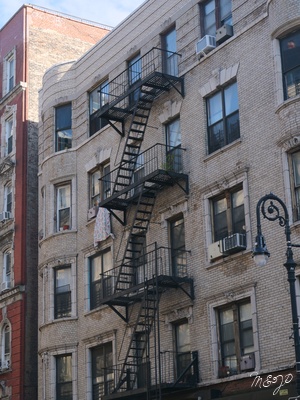
(with the kind help of my friend Wanda Rene)

You like what you read?
Explore and learn more about United States of America !!!
-
 The Valley of Roses and Kings (part 2) The Valley of Kings
The Valley of Roses is famous not only for its … -
 The Valley of Roses and Kings (part 1) The Valley of Roses
Out of all the flowers in the world the rose … -
 In the heart of the Silk Road (part 4) Khiva and the Desert Castles
Khiva - It took us 6 hours, almost a whole … -
 In the heart of the Silk Road (part 3) Bukhara
Bukhara - While Tashkent is a modern city with some … -
 In the heart of the Silk Road (part 2) Samarkand
Samarkand - No name is so evocative of the Silk … -
 In the heart of the Silk Road (part 1) Tashkent
The Great Wall of China, Machu Picchu, the Pyramids of … -
 The Land of Giants at the End of the World (part 2)
We crossed for the third time the border between Argentina … -
 The Land of Giants at the End of the World (part 1)
No visitors come back from Antarctica in the same state … -
 A Vitamin Sea Christmas in the Mediterranean
Human beings are full of contradictions! When we used to … -
 Spring Colours in the Kingdom of the West (part 6) Morocco is yellow
Morocco is yellow - Besides the yellow hues of the … -
 Spring Colours in the Kingdom of the West (part 5) Morocco is red
Morocco is red - Besides the red hues of the … -
 Spring Colours in the Kingdom of the West (part 4) Morocco is orange
Morocco is orange - Our first encounter with the legendary … -
 Spring Colours in the Kingdom of the West (part 3) Morocco is green
Morocco is green - The Rif Mountains east of Tangier, … -
 Spring Colours in the Kingdom of the West (part 2) Morocco is blue
Morocco is blue - The road along the Atlantic Coast … -
 Spring Colours in the Kingdom of the West (part 1) Morocco is white
If I had to use only a couple of words …
